


The natural world is full of enigmatic creatures, many of which we may never encounter face-to-face. Among these, some animal populations are so reclusive and secluded that they spark our curiosity and admiration. In the United States, one such population stands out for its isolation, offering a unique perspective on wildlife and conservation. These animals thrive in environments far removed from human influence, providing invaluable insights into biodiversity and the resilience of nature. In this article, we delve into the fascinating world of the most isolated animal population in the U.S., exploring their habitat, characteristics, and the challenges they face.
The Enigmatic Isle Royale Wolves

Isle Royale, located in Lake Superior, is home to one of the most isolated animal populations in the United States—the Isle Royale Wolves. This small island, part of Michigan, offers a unique natural laboratory to study predator-prey dynamics, especially the wolves’ interaction with the moose population.
A Brief History of Isolation

The wolves’ isolation began when a pair of wolves crossed the ice from the mainland to Isle Royale in the late 1940s. Since then, they have formed a population that has remained largely separate from the rest of the world, influenced only by occasional arrivals across winter ice bridges.
Unique Genetic Characteristics

Decades of isolation have led the Isle Royale Wolves to develop unique genetic traits. Inbreeding has been a concern, with the population’s genetic diversity severely limited. These factors have resulted in distinct adaptations that are not found in mainland wolf populations.
The Wolf-Moose Relationship

The wolves on Isle Royale have a complex and delicate relationship with the local moose population, their primary prey. This dynamic is a classic predator-prey relationship that offers insights into natural balances, affected by factors such as harsh winters and food availability.
Challenges of Small Population Size

One of the biggest challenges facing the Isle Royale Wolves is their dwindling population size, which, as of recent counts, was dangerously low. This small population increases the risk of genetic disorders and limits their ability to adapt to environmental changes.
The Significance of their Isolation

The Isle Royale Wolves’ isolation offers unique opportunities for scientific study, helping researchers understand how isolated ecosystems function and evolve. Their situation is a microcosm for understanding broader conservation issues, such as the impacts of climate change and human encroachment on wildlife.
Human Impact and Conservation Efforts

Despite their isolation, human activities have indirectly affected the Isle Royale Wolves. Conservation efforts, such as the introduction of new wolves to boost genetic diversity, are being implemented to preserve this unique population and maintain ecological balance.
The Role of Climate Change

Climate change poses a significant threat to the Isle Royale Wolves, affecting the ice bridges that occasionally allow new wolves to reach the island. With warming temperatures, these critical travel routes are becoming less frequent, further isolating the wolves.
Ecotourism and Its Effects

Isle Royale’s remote location attracts limited but dedicated ecotourism, which supports conservation efforts while also ensuring that human disturbance remains minimal. Visitors are drawn to the island’s untouched wilderness, providing them with a rare glimpse into a thriving but isolated ecosystem.
The Future of Isle Royale Wolves
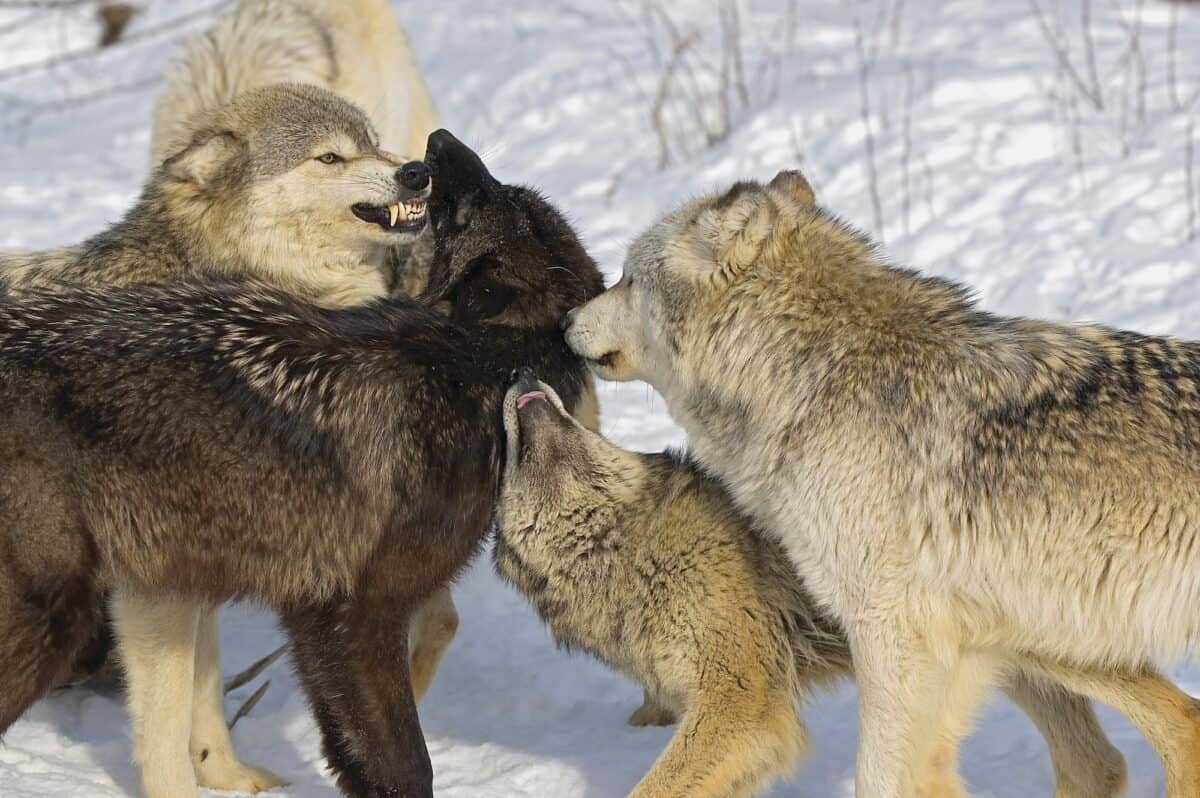
The future of the Isle Royale Wolves remains uncertain. Conservationists are faced with difficult decisions on how to intervene without disturbing the natural order, weighing the benefits of genetic rescue against the risks of altering the population irreversibly.
Lessons Learned from Isolation

The story of the Isle Royale Wolves teaches us about the importance of maintaining isolated natural habitats. As we face unprecedented global biodiversity losses, these wolves remind us of the urgent need to protect and preserve isolated animal populations.
Conclusion: A Mirror for Conservation

The Isle Royale Wolves, with their captivating isolation and resilience, act as a mirror for conservation efforts around the world. As isolated as they are, these wolves symbolize the broader ecological challenges we face, highlighting the need for thoughtful, balanced conservation strategies that respect the delicate fabric of life.

From exploring the marine wonders in the Azores and witnessing the vast savannas of Kenya, to delving deep into the rich biodiversity of South Africa and traversing iconic landscapes in Australia and the US like Yellowstone, Chris's experiences are vast.
With a penchant for diving alongside sharks, the ocean holds a special place in his heart.
Through his academic insights, he champions wildlife conservation, striving with 'Animals Around The Globe' to cultivate a profound connection between humans and animals, enhancing our mutual appreciation.
Connect with him at Feedback@animalsaroundtheglobe.com.
- Why Spiders Don’t Get Stuck in Their Own Webs - July 20, 2026
- What Scientists Found in a 10,000-Year-Old Beehive - July 20, 2026
- This Spider Builds Fake Decoys of Itself - July 20, 2026