


Dugongs are fascinating marine mammals that inhabit the warmer coastal waters of the Indian and Pacific Oceans. Often mistaken as mythical mermaids by ancient sailors, these serene creatures have captured the imagination of humans for centuries. However, it is their other nickname—‘sea cows’—that accurately represents their lifestyle and characteristics. In this article, we’ll delve into why dugongs are known as ‘sea cows’, exploring their biology, behavior, and the vital role they play in marine ecosystems.
Understanding the Dugong A Taxonomic Overview
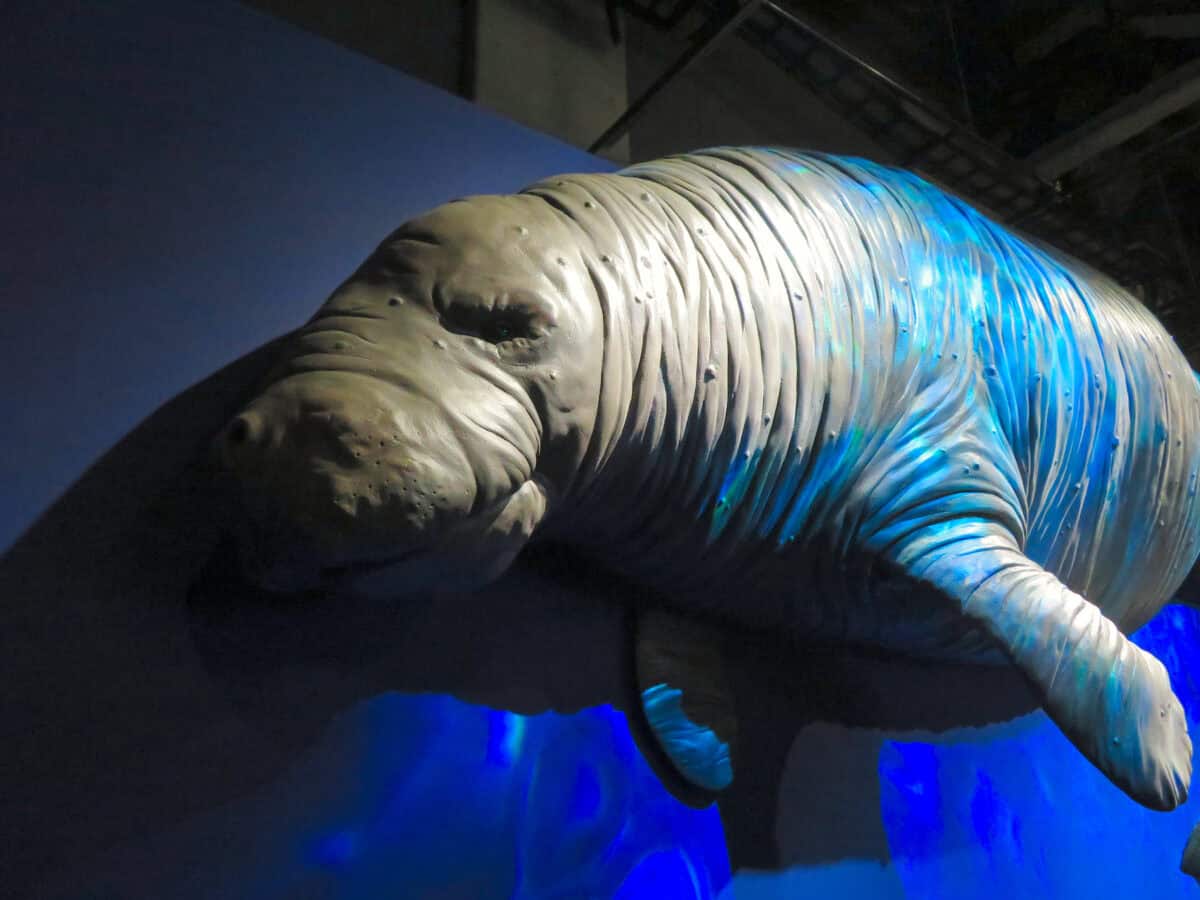
To understand why dugongs are referred to as ‘sea cows’, it’s essential to recognize their place in the animal kingdom. Dugongs belong to the order Sirenia, which also includes manatees. Despite their fish-like appearance, they are more closely related to elephants, sharing a common ancestor. These herbivorous mammals are the only marine mammals that are strictly herbivorous, similar to how terrestrial cows exclusively graze on grass.
The Grazing Habit A Key Reason for the ‘Sea Cow’ Moniker

One of the primary reasons dugongs are called ‘sea cows’ is their feeding behavior. Dugongs graze on seagrasses, rooting them from the ocean floor with their sensitive, bristled snouts. As cows graze on pastures, dugongs methodically move across the seabed, leaving behind feeding trails and occasionally uprooting entire plants. These feeding strategies resemble how terrestrial cows consume grass, establishing a direct parallel between the two species.
Physical Attributes that Resemble Cows

Aside from feeding habits, dugongs share certain physical traits with cows. They have a large, round body, reaching lengths of up to 10 feet, and can weigh over 1,000 pounds. Their thick, leathery skin and robust, rotund bodies echo the bear-like stature of land-based cows. Moreover, both dugongs and cows are slow-moving, gentle animals that exhibit a placid demeanor, adding further to the similarities.
The Role of Dugongs in Marine Ecosystems
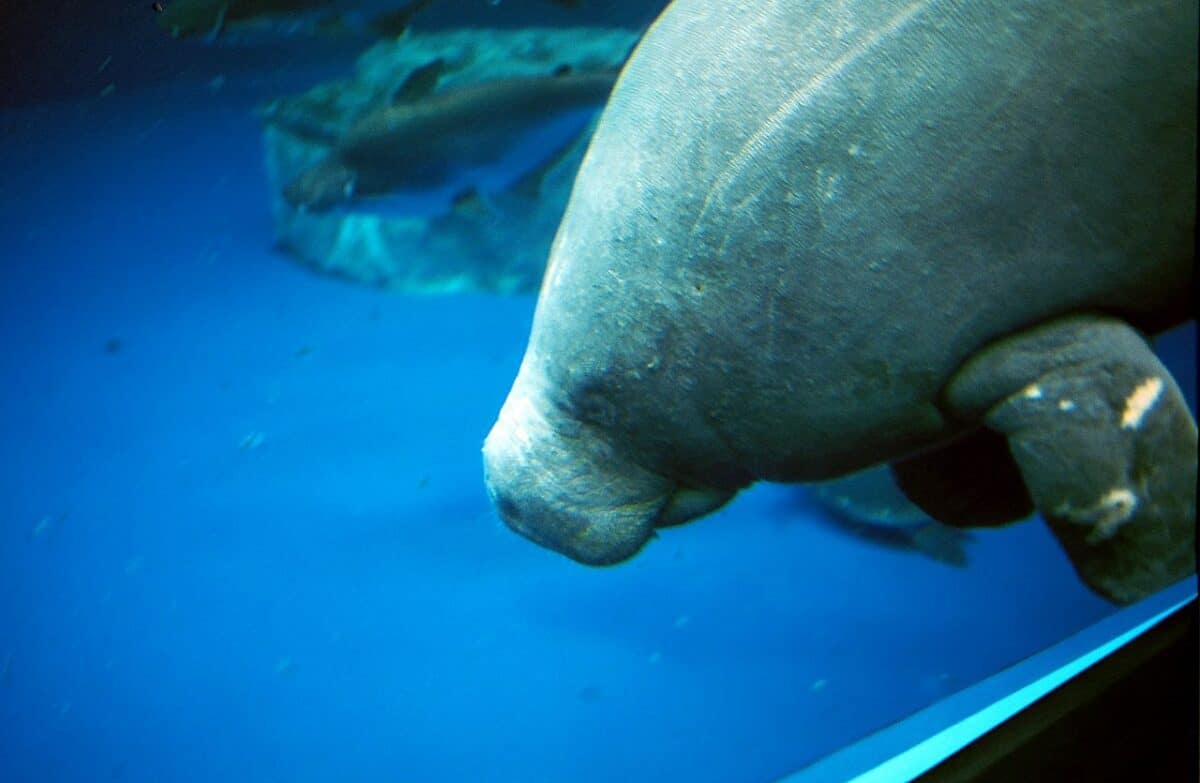
Dugongs play a crucial role as ecosystem engineers in marine environments, particularly in maintaining healthy seagrass beds. Their grazing encourages the growth of new shoots, promoting seagrass biodiversity and indirectly supporting other marine life that depends on these habitats. This ecological function is similar to how grazing cows can help maintain the health of grassland ecosystems. Therefore, the duetting nickname ‘sea cows’ is not only a reference to behavior and appearance but also their ecological contribution.
Conservation Challenges Protecting the Sea Cows
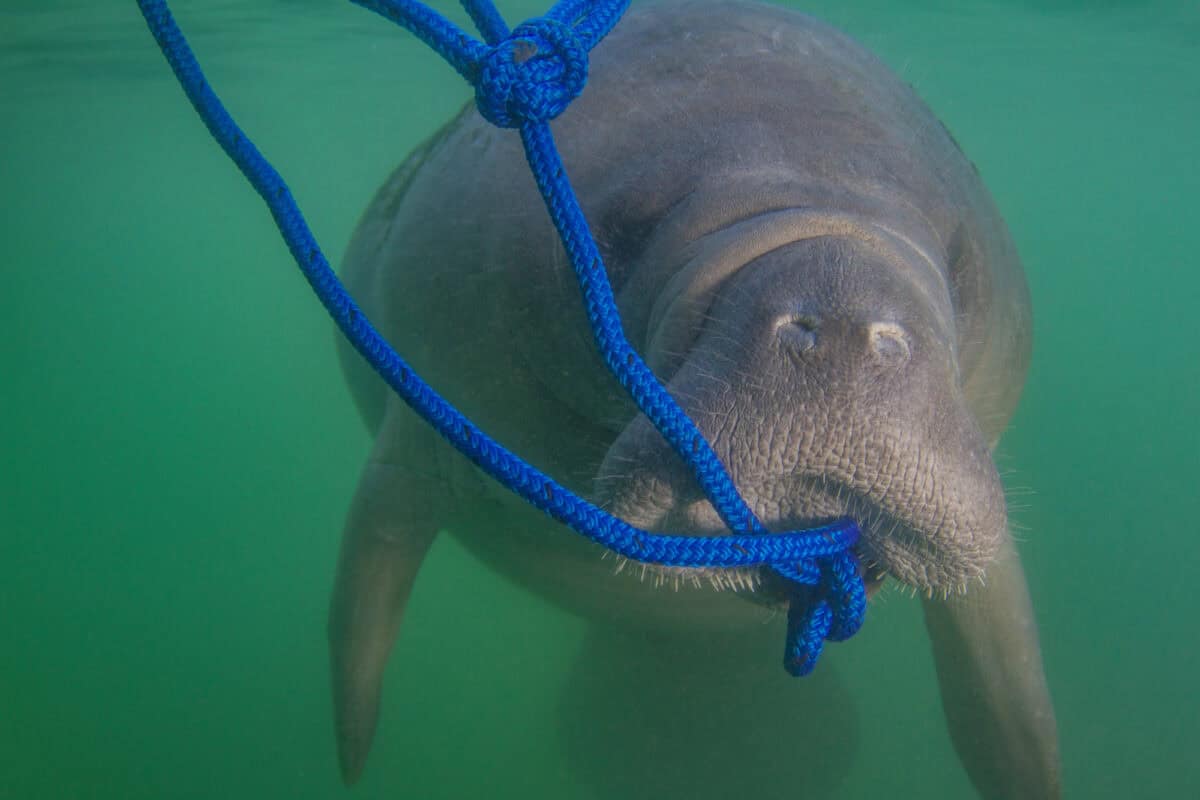
Despite their importance, dugongs face numerous threats that have led to a decline in their population. Habitat destruction, fishing bycatch, and boat strikes are significant dangers to these gentle creatures. Additionally, climate change poses a long-term threat to the seagrass beds they depend on. Conservation efforts are critical to protecting dugongs from extinction, reflecting the broader challenges of marine conservation and the delicate balance of ocean ecosystems.
Conclusion: Embracing the Gentle Majesty of Sea Cows

The moniker ‘sea cow’ aptly captures the essence of the dugong, highlighting both its gentle nature and vital role in marine habitats. By understanding why dugongs are known as ‘sea cows’, we can better appreciate these remarkable animals and the importance of conserving them. Protecting dugongs not only ensures the survival of a unique species but also helps preserve the rich biodiversity of our oceans for future generations.

As a little kid, I fell in love with nature, wildlife, and animals. Living in the USA, South Africa, Italy, China and Germany gave me the opportunity to discover the world's Wildlife. My favorite animals are Mountain Gorillas, Siberian Tigers, and Great White Sharks.
I'm a certified PADI Open Water Diver, went to Everest Base Camp and Trekked Gorillas in Uganda. I hold a Master of Science in Economics and Finance.
Please send any feedback to feedback@animalsaroundtheglobe.com
- 14 Most Beautiful Bird Songs You Can Hear in America - July 15, 2026
- The Longest Snake Ever Found Slithering in the U.S. - July 15, 2026
- Why Humpback Whales Are Singing Louder Off U.S. Shores - July 15, 2026