
Worried about unexpected vet bills?
Pet insurance can cover thousands in unexpected vet costs. Get a free quote from Lemonade in under 2 minutes.
Get My Free Quote →Sponsored · Opens Lemonade.com
Picture this: you’re sitting on your couch after a long day when your feline companion curls up beside you. Suddenly, that familiar rhythmic rumbling begins, and you feel an immediate sense of calm wash over you. That gentle vibration against your leg isn’t just a simple sound of contentment. Scientists are discovering that your cat’s purr holds secrets that go far beyond what we ever imagined, and the more they study it, the more mysterious it becomes.
For thousands of years, humans have shared their lives with these enigmatic creatures, yet we’re still scratching our heads about one of their most distinctive behaviors. The purr remains one of nature’s most intriguing puzzles, and recent research suggests we’ve barely begun to understand its true power. Let’s dive into the fascinating world of feline frequencies and discover why science is still chasing its tail when it comes to fully explaining this phenomenon.
The Healing Frequencies That Baffle Scientists
Researchers found a low-frequency hum of purring at 25–50 Hertz could stimulate muscles and even promote bone healing. This discovery sent shockwaves through the scientific community because it challenged everything we thought we knew about animal vocalizations. Domestic cats, servals, ocelots, and pumas produce fundamental, dominant, or strong frequencies at exactly 25 Hz and 50 Hz, the two low frequencies that best promote bone growth/fracture healing.
What makes this even more remarkable is the precision involved. Purr frequencies correspond to vibrational/electrical frequencies used in treatment for bone growth/fractures, pain, edema, muscle growth/strain, joint flexibility, dyspnea, and wounds. It’s almost as if evolution designed cats to be living, breathing therapy devices.
This conjecture is supported by the fact that broken felid bones take significantly less time to heal than broken dog bones, and that low frequency vibrations in the range of cat purrs are used to heal complex fractures in humans. Scientists are amazed that cats seem to have developed their own internal healing mechanism millions of years before humans invented similar medical technology.
The Anatomical Mystery Scientists Can’t Crack
We’ve lived with cats as pet animals for 10,000 years probably, and it’s one of the most famous animal sounds around, but we still don’t know how they do it. This admission from researchers highlights just how complex the purring mechanism truly is. Domestic cats are small, with typically weighing between 3.5-5.5 kilograms, and researchers had puzzled over how these animals manage to generate the low-frequency vocalizations – typically between 20 and 30 hertz (Hz) – involved in purring. Such frequencies are usually only observed in much larger animals, such as elephants, which have far longer vocal cords.
Recent breakthroughs have identified special structures within cats’ vocal cords. Researchers have finally discovered the key to these fluff-ball’s signature sound, which involves squishy pads in a cat’s vocal cords. These ‘purring pads’ of connective tissue embedded in the vocal folds appear to increase the density, making them vibrate more slowly to produce the rumble that brings joy to their humans.
Yet even with this discovery, questions remain. However, David Rice, a biomechanical engineer at Tulane University who has conducted research into the mechanics of cat purring, isn’t fully convinced. He says there’s no guarantee that living cats’ vocal cords behave the same way as the surgically removed cords from the study. Just looking at excised larynges, he says, is “akin to removing the mouthpiece from a wind instrument and analyzing its sounds in isolation.”
When Purrs Become Medicine
Hospital stories about cats have been circulating for decades, but now they’re backed by scientific intrigue. Three years ago, my colleague broke his collar bone in a soccer match. Following his visit to the hospital he was told to go home and rest. After his recovery his son related to me a curious story. Their house cat never ventured upstairs until my colleague returned from the hospital. Each time my colleague rested or slept upstairs, the cat curled into a fur-ball on his collar bone and purred like a freight train locomotive. When the collar bone healed, the cat declined all invitations upstairs.
Pulsed electromagnetic field (PEMF) devices with frequencies within the range of the cat’s purr have been shown to non-invasively treat a variety of biological maladies. Growing clinical evidence supports the use of these low frequencies in animals and humans for specific conditions such as bone healing, osteoarthritis, inflammation, wound healing and post-operative pain. Scientists are now creating medical devices that essentially mimic what cats have been doing naturally for millions of years.
The implications are staggering when you consider that some studies suggest cat owners may have reduced cardiovascular risk. This statistic alone suggests there’s something profoundly healing about living with a purring cat, though the exact mechanisms remain largely unexplained.
The Communication Code We Can’t Decipher
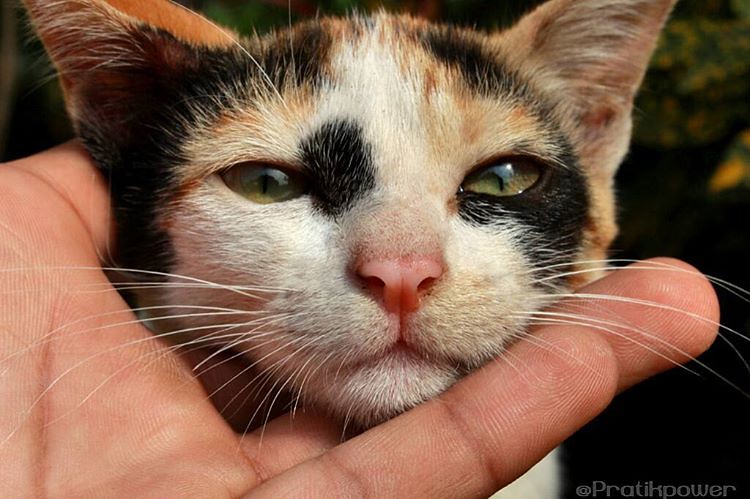
Cats don’t just purr when they’re happy, and this fact has puzzled researchers for generations. A current hypothesis suggests the purr indicates contentment, however, cats purr when they are severely injured or frightened. Cats often purr while under duress, such as during a visit to the veterinarian or when recovering from injury. Thus, not all purring cats appear to be content or pleased with their current circumstances.
For instance, many cat owners are familiar with the “solicitation purr.” This purr, often louder and more urgent-sounding than the contentment purr, is frequently used during mealtimes. Researchers believe that cats have learned to merge their purr’s natural sound with a cry at a frequency similar to a baby’s, making it hard for humans to ignore. This suggests an intelligence and adaptability that we’re only beginning to understand.
The mystery deepens when we consider that kittens learn how to purr when they are a couple of days old. Veterinarians suggest that this purring tells ‘Mom’ that “I am okay” and that “I am here.” It also indicates a bonding mechanism between kitten and mother. Yet somehow, this simple communication tool evolved into something far more complex and powerful.
The Genetic Puzzle That Changes Everything
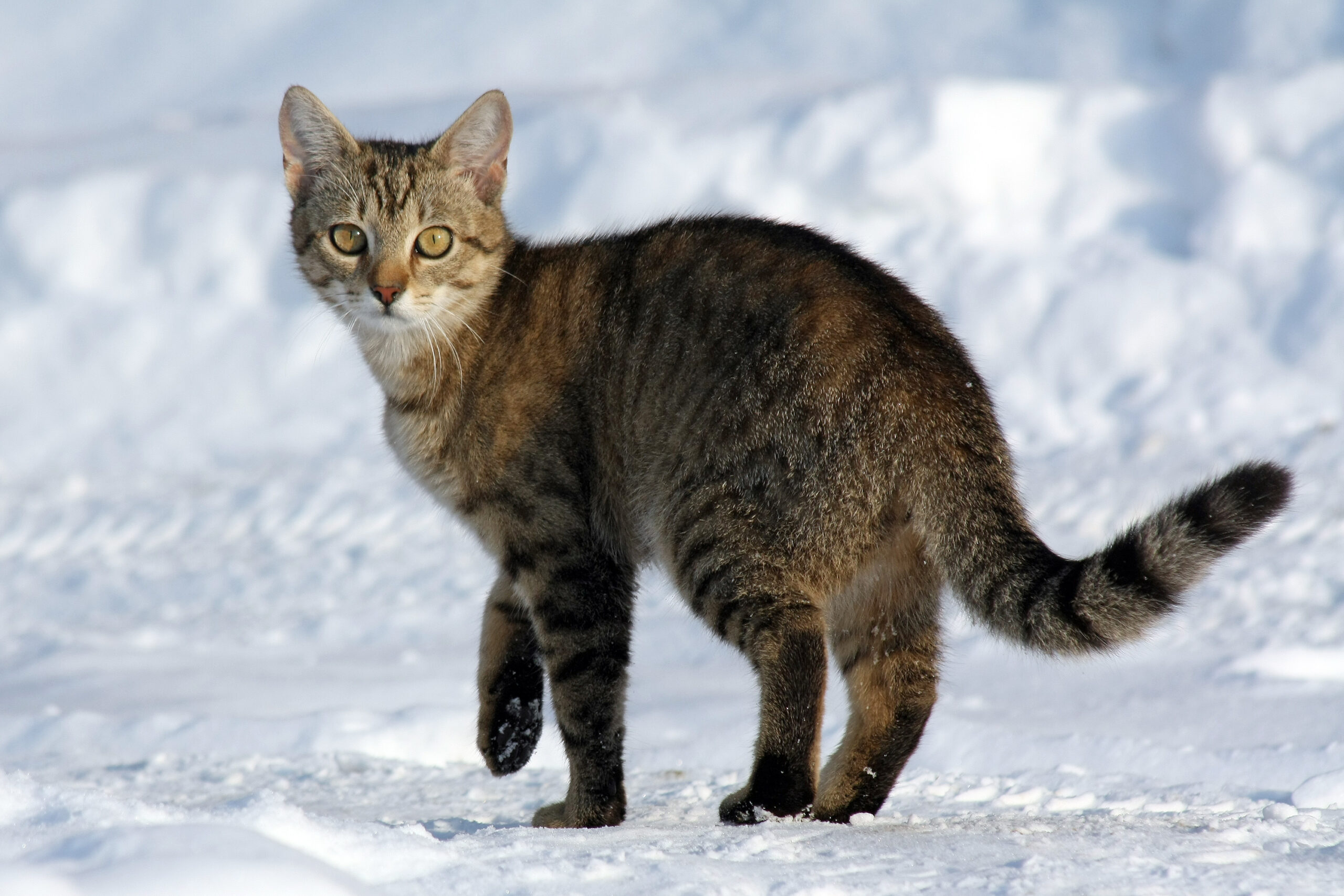
Recent discoveries have added another layer to the purring mystery. Research has suggested that genetic factors may influence a gene linked to purring and other forms of cat vocalizations. The findings supported the hypothesis that a genetic basis exists for both purring and other forms of vocal communication in cats. Specifically, those cats with the “short-type” androgen receptor gene were reported as purring more by their owners than those with the “long-type” gene.
What’s fascinating is that this genetic variation seems to have developed specifically in domestic cats. When the researchers compared the domestic cats’ DNA with those of 11 other Felidae species – including cheetahs, leopards and tigers – they found that domestic cats carried longer-type androgen receptor genes not found in other members of the Felidae family.
This suggests that living with humans has actually influenced the evolution of purring behavior. Yet scientists still can’t explain why this particular trait was so beneficial that it became embedded in our cats’ genetic code. The relationship between genes, behavior, and healing properties remains one of science’s most intriguing unsolved puzzles.
The Impossible Physics of Purring
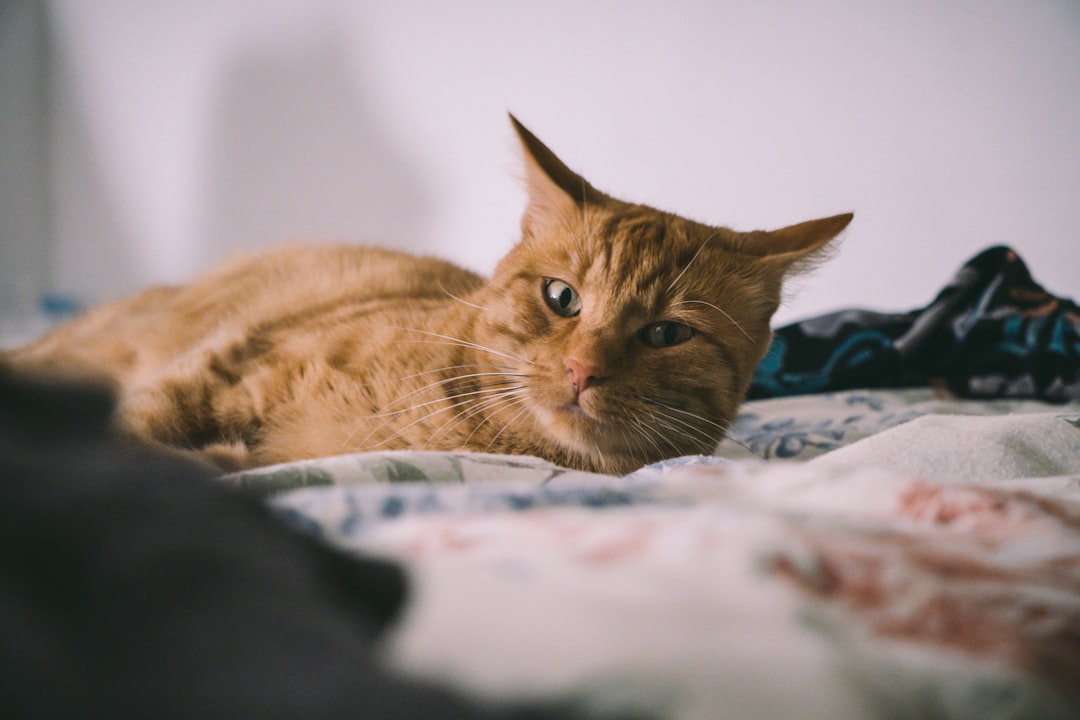
Without any muscle contractions or neural input, all eight larynges produced a purring sound from self-sustained vocal fold oscillations at frequencies in the range of domestic cat purring, between 25 and 30 Hz. This discovery turned decades of scientific theory on its head. For years, researchers believed that cats actively controlled their purring through constant muscle contractions, but it appears the mechanism is far more elegant and mysterious than anyone imagined.
Instead, the scientists think that purring may be a passive aerodynamic behavior that continues automatically after the brain sends an initiating signal. This means that once a cat decides to purr, the sound essentially maintains itself without conscious effort. It’s like having a biological engine that runs on autopilot.
Hidden in what seems to the ear as a single sound or frequency is actually multiple frequencies representing multiple sounds, a veritable symphony of sound with a single overall purpose: to promote a healthier life. The complexity of this supposedly simple sound continues to astound researchers who thought they understood basic animal vocalizations.
The Unanswered Questions That Keep Scientists Awake
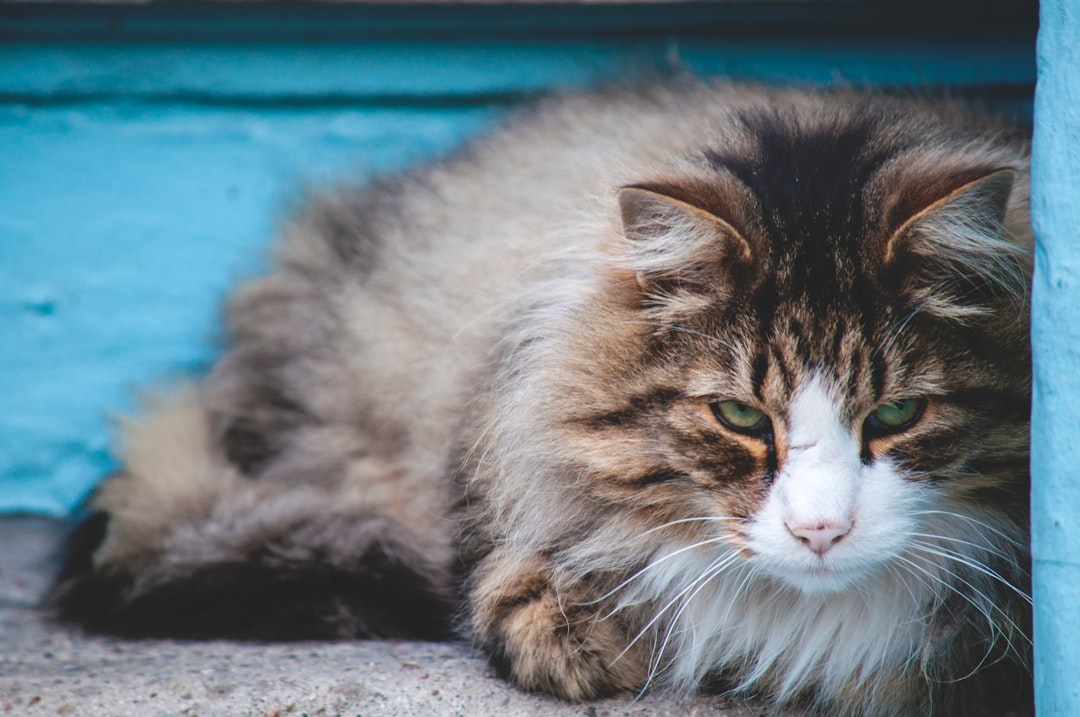
Currently, there’s no definitive explanation to why cats purr. Scientists have identified a certain neural oscillator (brainwaves, essentially) that activates the biological process behind purring, but it’s not clear what triggers this. This admission from researchers reveals how much we still don’t know about one of the world’s most common pet behaviors.
For now, it seems, the underlying mechanisms of purring will continue to remain a mystery. The challenge lies partly in the impossibility of studying live cats in the way scientists need to. In theory, researchers could put a cat inside an MRI machine or stick probes into its larynx. But since cats don’t purr on command – and they usually do so only when they feel content and comfortable – these types of experiments probably wouldn’t go so well.
Despite humanity’s long relationship with domestic cats (Felis catus), the purr remains mysterious, and its purpose is still up for debate. So is whether similar vocal vibrations in big cats also count as purrs, or if the phenomenon is unique to the smaller members of the cat family. The new information may eventually help solve some of these outstanding questions. Until then, we’re left marveling at a sound that seems simple on the surface but harbors secrets that continue to elude our understanding.
Conclusion

The cat’s purr stands as one of nature’s most beautiful mysteries, a sound so familiar yet so fundamentally unexplained that it humbles even our most advanced scientific methods. We’ve discovered that it can heal bones, reduce stress, and potentially save lives, yet we still can’t fully explain how such a small creature produces such powerful low-frequency vibrations or why evolution gifted them with this remarkable ability.
Perhaps the greatest mystery isn’t the mechanics of purring itself, but why cats developed such an extraordinary gift in the first place. Was it purely for healing? Communication? Something else entirely? As we continue to unravel the secrets hidden within those gentle vibrations, one thing becomes clear: our feline companions possess powers that science is only beginning to appreciate.
The next time your cat settles beside you and begins that familiar rumble, remember that you’re experiencing something that has puzzled researchers for decades and continues to challenge our understanding of biology, physics, and the incredible bond between humans and animals. What do you think about the mysterious healing power of your cat’s purr? Tell us in the comments.
Worried about unexpected vet bills?
Pet insurance can cover thousands in unexpected vet costs. Get a free quote from Lemonade in under 2 minutes.
Get My Free Quote →Sponsored · Opens Lemonade.com
