

Imagine standing atop the Empire State Building, gazing at a skyline that’s quietly betraying the ground below. New York City, the pulsing heart of America, is gradually sinking – not from some dramatic quake, but from the relentless pressure of its own massive structures. This slow-motion crisis blends human ambition with nature’s limits, turning everyday weight into a looming threat.
Sea levels keep climbing, storms grow fiercer, yet few realize how the city’s foundations are shifting too. Here’s the thing: this isn’t just trivia. It could reshape life in the Big Apple forever. Let’s uncover the ground-level truth.
The Crushing Load of 1.1 Million Buildings
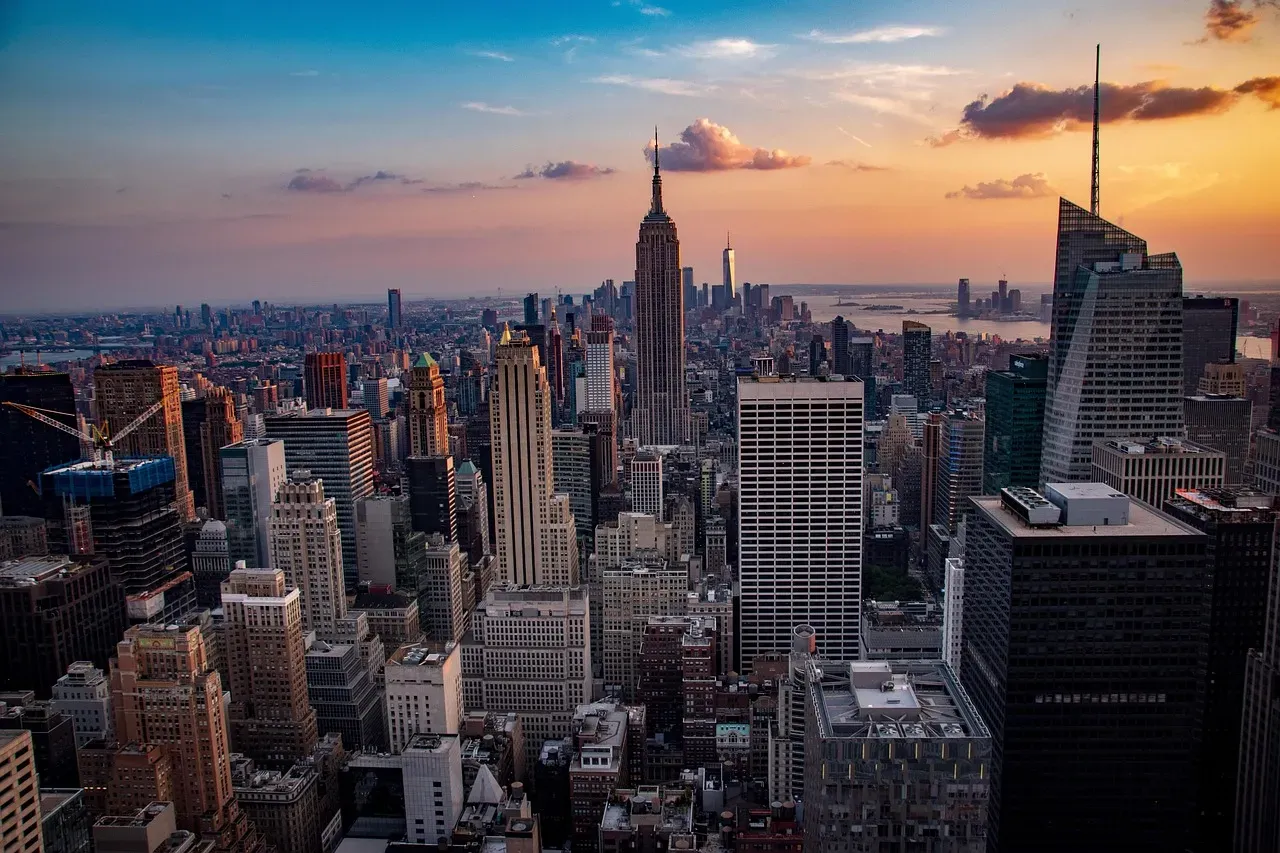
Did you know New York City’s buildings collectively tip the scales at a staggering 1.68 trillion pounds?[1] That’s the equivalent of stacking millions of elephants across its five boroughs. Researchers calculated this immense mass using building codes and satellite data, revealing how skyscrapers and brownstones alike compress everything underneath.
Lower Manhattan alone hosts some of the heaviest hitters, like the World Trade Center towers. This weight doesn’t just sit there; it squeezes the earth like a giant thumb on soft dough. Honestly, it’s a testament to human engineering – and a warning sign.
Soft Clay and Artificial Foundations
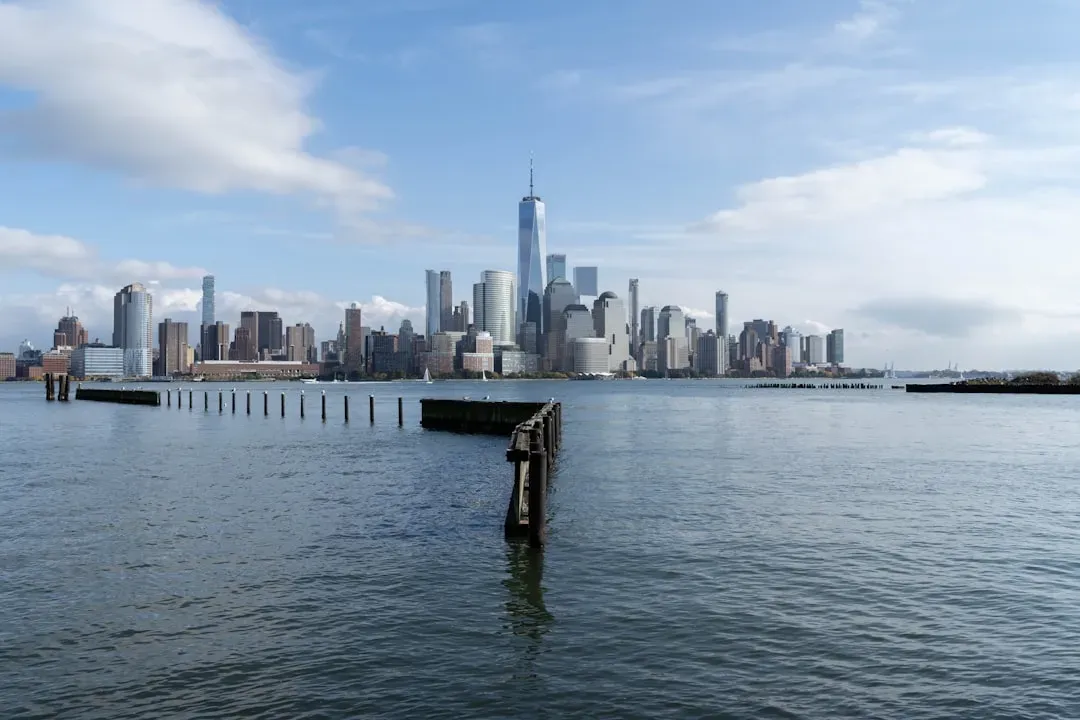
Beneath the concrete jungle lies a squishy reality: clay-rich soil mixed with glacial deposits and landfill. Much of Manhattan was built on filled-in marshes and riversides, creating unstable ground prone to compaction. When trillion-pound loads press down, this mushy base gives way, millimeter by millimeter.
Think of it like stepping on wet sand at the beach – your foot sinks in. New York’s geology, shaped by ancient ice ages and modern development, amplifies the problem. Areas with thicker clay layers suffer most, turning solid streets into subtle traps.
Sinking at 1-2 Millimeters Annually
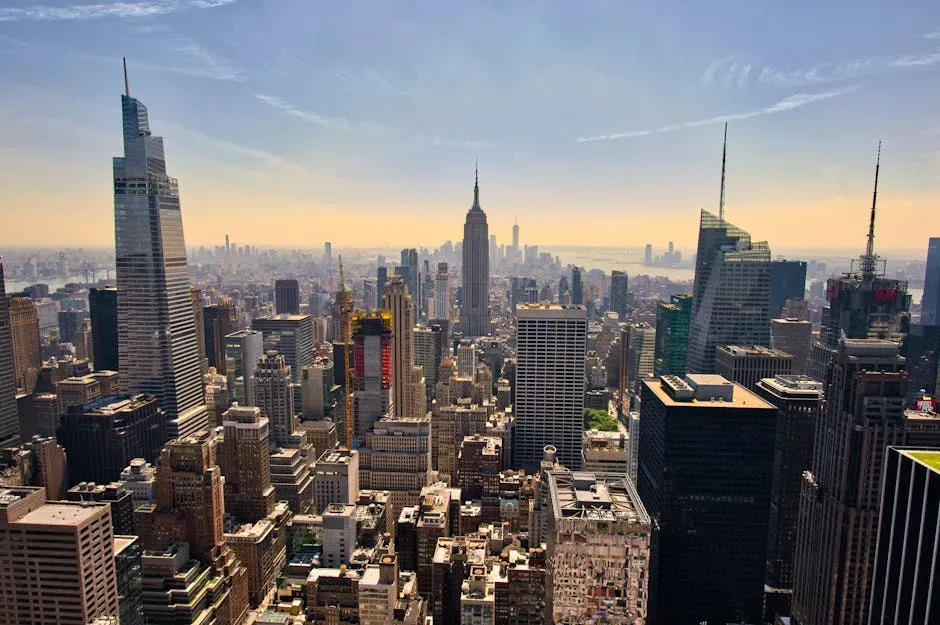
Satellite measurements confirm the city subsides at about 1 to 2 millimeters per year on average.[2] That’s barely noticeable day-to-day, but over decades, it adds up to inches lost. The process, called subsidence, stems directly from that building weight compressing the soil over time.
It’s not uniform either; some neighborhoods drop faster due to denser construction. I know it sounds gradual, like watching paint dry, but pair it with rising waters and suddenly it’s urgent. This steady dip has persisted for years, tracked meticulously since the early 2000s.
Hotspots Where the Drop Accelerates
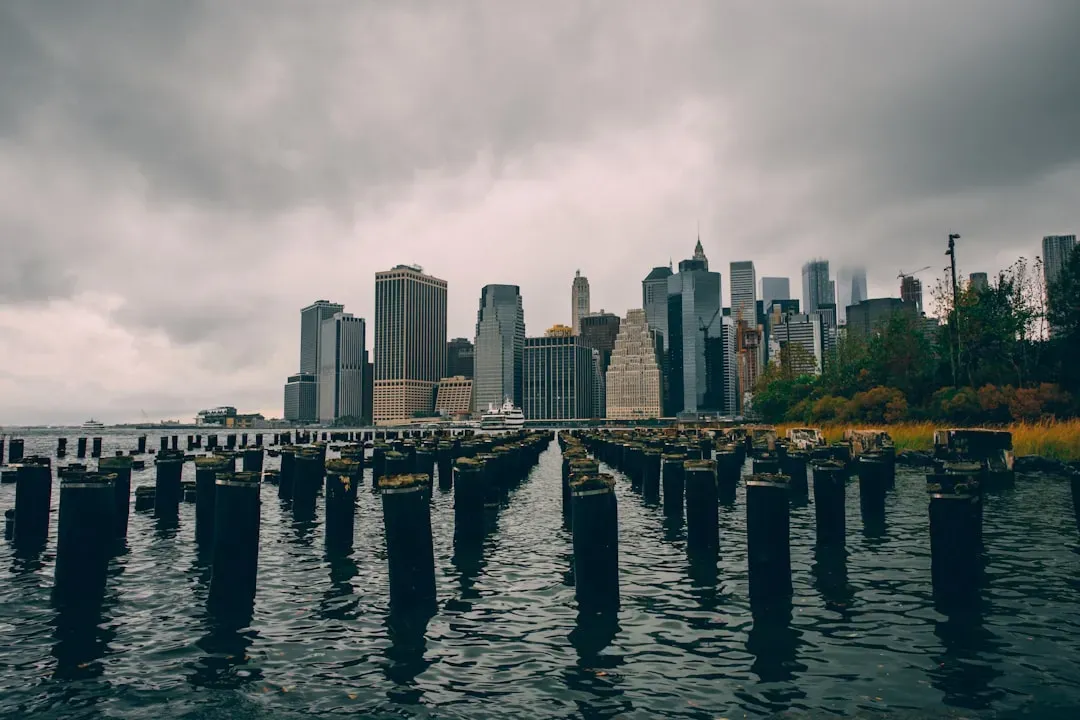
Parts of Brooklyn, Queens, and Lower Manhattan sink nearly twice as fast, exceeding 2 millimeters yearly.[3] These zones pack in heavier buildings on softer fills, accelerating the squeeze. Transportation hubs and waterfronts feel it first, with subways and roads subtly shifting.
Picture your morning commute interrupted by a tilting platform. Recent 2026 studies highlight risks to infrastructure here, from bridges to tunnels. It’s a patchwork problem, demanding targeted fixes amid the chaos.
Flood Risks Doubled by Subsidence
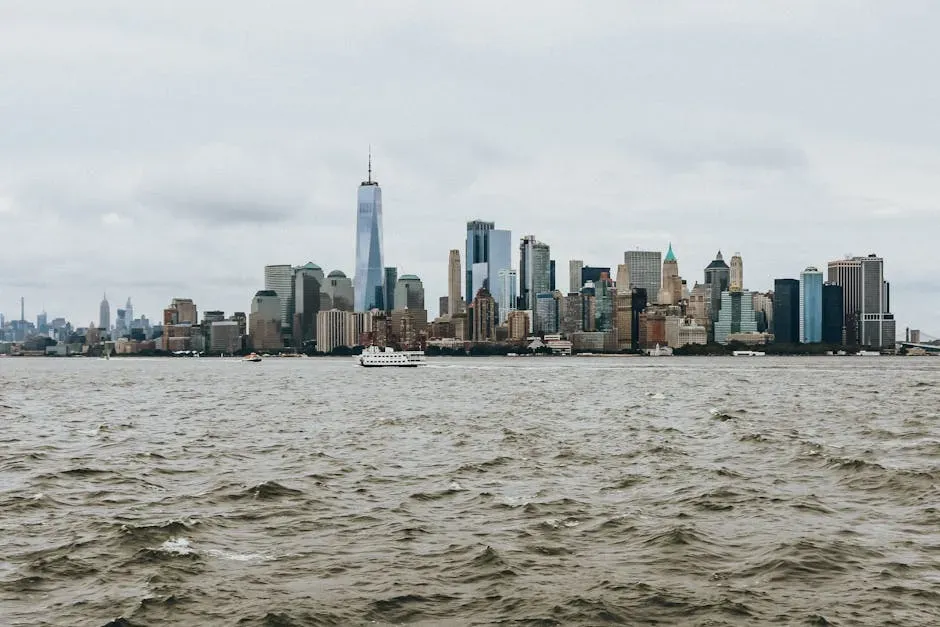
Sea levels around New York rise at a similar 1-2 millimeters per year, so subsidence effectively doubles the relative threat.[4] Storms like Sandy become deadlier when land drops while oceans climb. Low-lying areas face inundation sooner, turning sunny days risky during high tides.
Coastal defenses strain under this combo punch. Let’s be real: without action, routine floods could become the norm. The city’s vulnerability spikes, hitting homes, businesses, and billions in assets.
Lessons for a Sinking Metropolis
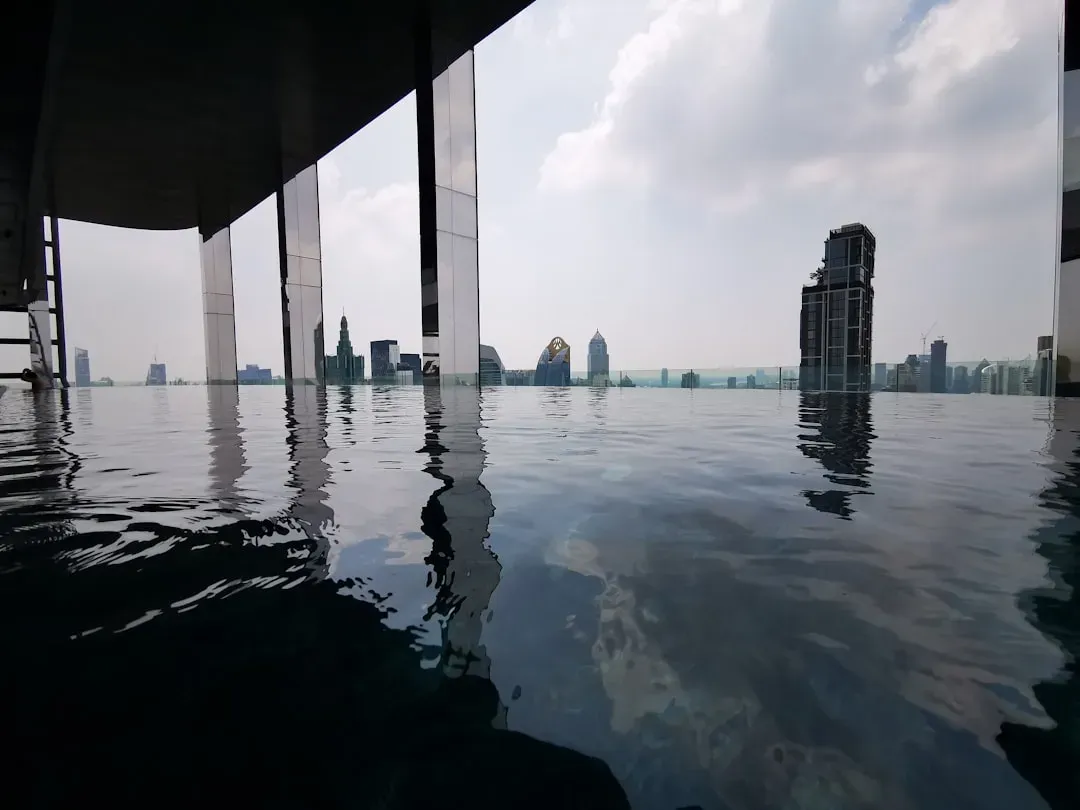
New York’s plight isn’t unique, but its scale shocks. Engineers eye solutions like lighter materials or soil reinforcement, though retrofitting a million structures proves daunting. Ongoing monitoring via satellites keeps the data flowing into 2026, guiding planners.
Still, the weight keeps piling on with new towers. It forces a rethink: can ambition coexist with fragile earth? This slow sink challenges us all to balance growth and geology.
In the end, New York sinks under its own ambition, a reminder that even giants must tread lightly. What steps will the city take next to steady its stance?
