
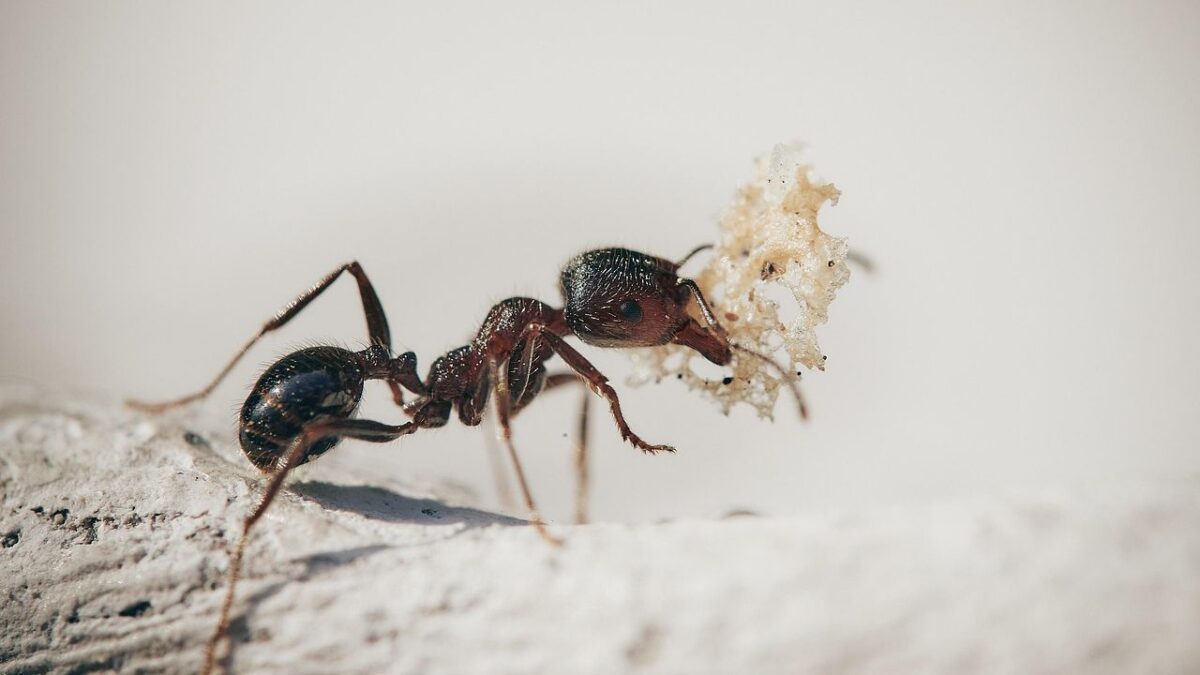
You might think you’re doing everything right. Your kitchen counters are spotless, your floors gleam, and you’ve sealed every crack you could find. Yet somehow, tiny invaders still march through your living space like they own the place. Here’s the thing: while you’re busy chasing down sugar crumbs and wiping surfaces, there’s one silent culprit you probably haven’t considered. It’s not something you left out. It’s something far more insidious, lurking within the very structure of your home, sending out an invisible dinner bell to both termites and ants.
Let’s be real, most homeowners don’t realize that these pests aren’t just wandering in by accident. They’re following a scent trail as clear to them as a flashing neon sign would be to us. Understanding what draws these destructive critters into your space is the first step toward keeping them out for good. So let’s dive in and uncover the surprising truth behind this shared attraction.
The Musty Aroma of Damp Wood
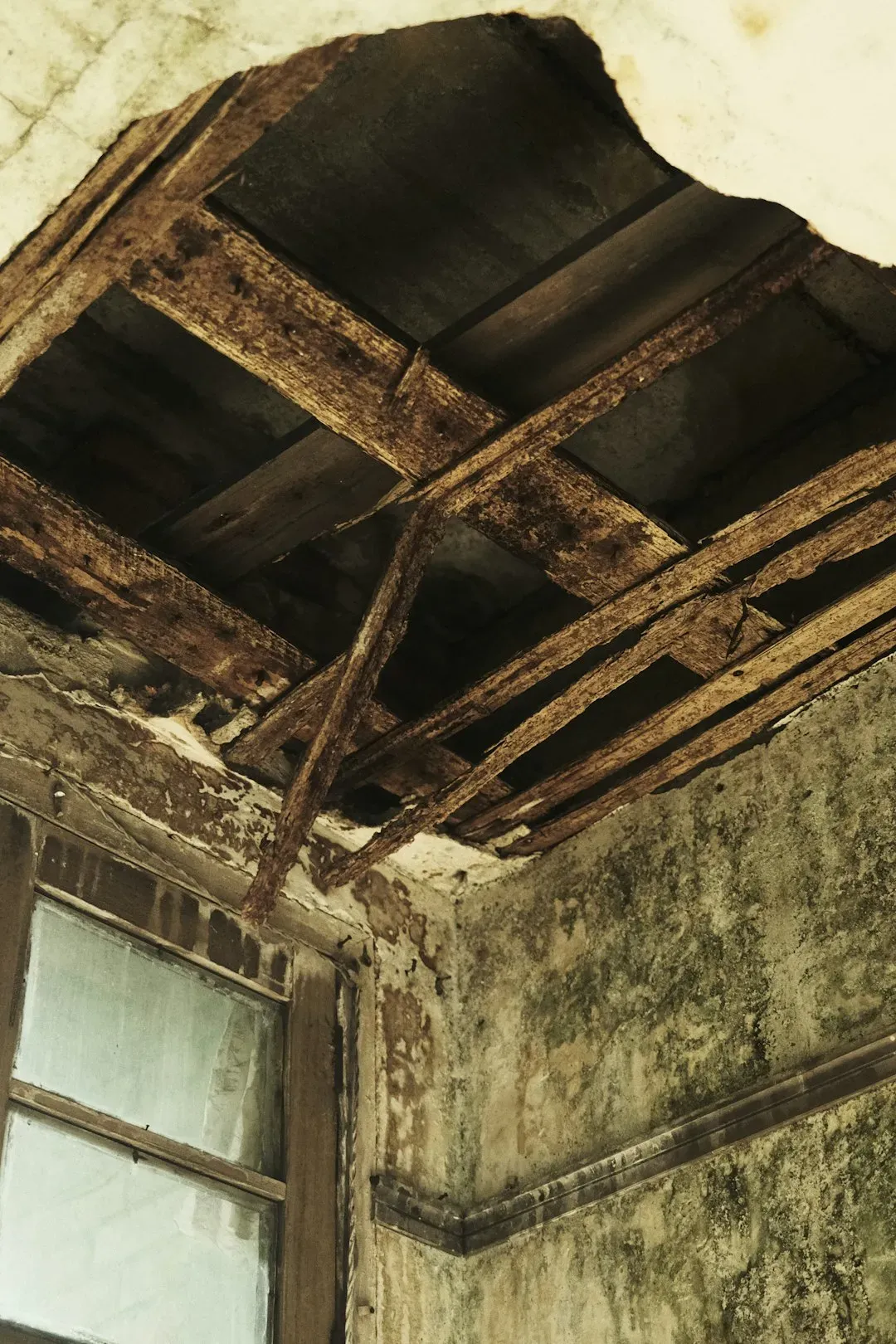
Termites are most often attracted to the scent of wood because they primarily feed on wood, and the scent of wood will usually lead them right to your doorstep. The twist? Not all wood smells the same to these pests. Wood already in the process of decay due to the presence of fungi produces an odor that is attractive to termites. This is where moisture becomes the real villain in your home’s story.
A termite infestation will give off the smell of mold or mildew, and damp, moldy or musty wood is ideal for termites as they are heavily drawn to it, releasing the smell of mildew into the air as they devour it and create tunnels inside it. Think about it: that musty basement smell or the slightly earthy aroma near a leaky pipe isn’t just unpleasant to you. To termites, it’s an all-you-can-eat buffet announcement. Termites carry an odor around with them, often described as an unpleasant fungal or musty type of smell.
Why Moisture Matters More Than You Think
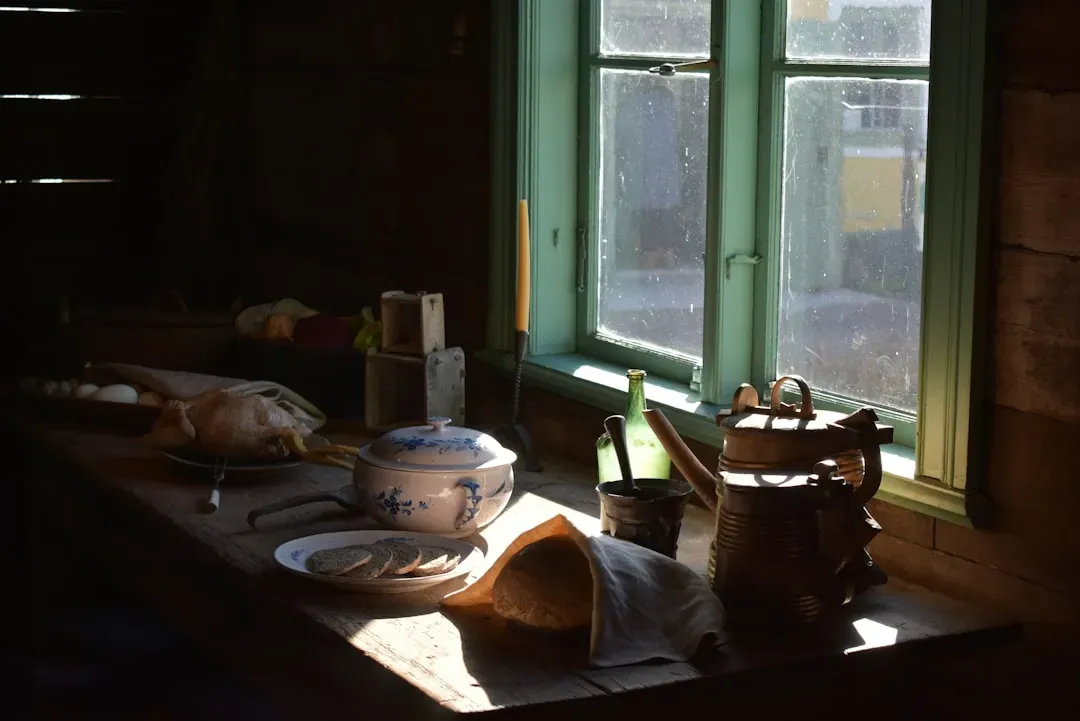
Here’s what many people miss: moisture doesn’t just make wood softer and easier to chew. It fundamentally changes the entire ecosystem within your walls. Fungi not only damage cellulose but also release odors that attract insects looking for decaying wood, and excess water multiplies risk by making wood vulnerable, attracting insects directly, and accelerating decay.
Termites often first discover the home via exploratory tunnels as they search the area around their colony for food and moisture, and once a source of food and water is located, the entire colony might migrate to be closer to or even inside of the structure. Honestly, it’s hard to say for sure if they smell the moisture itself or the decay it causes, but the effect is the same. That dampness creates a homing beacon.
It’s not just termites either. Like termites, ants tend to flock to sources of food and moisture and transport what they can carry back to their colony. Damp areas become communal gathering spots for both species, though for different reasons.
Ants Love Moisture Too
While ants might seem like they’re primarily sugar-chasers, water plays a massive role in their invasion strategy. Leaky pipes, damp wood, wet towels, and even potted plants are all sources of water that attract ants, and damp surroundings within homes aid in ant colonization and infestation.
Picture this: a slow drip under your sink that you’ve been meaning to fix for weeks. To you, it’s just an annoying puddle. To a scout ant, it’s prime real estate. Odorous house ants are attracted to moisture and sugary substances, with their trails often found in kitchens, pantries, or bathrooms. The combination of water and organic material creates the perfect storm for ant activity.
Certain ant species actually prefer moisture over food in some circumstances. Carpenter ants, for instance, seek out water-damaged wood not to eat it but to burrow through it and establish nests. The scent of that damp, decaying wood guides them home.
The Hidden Connection Between Decay and Attraction
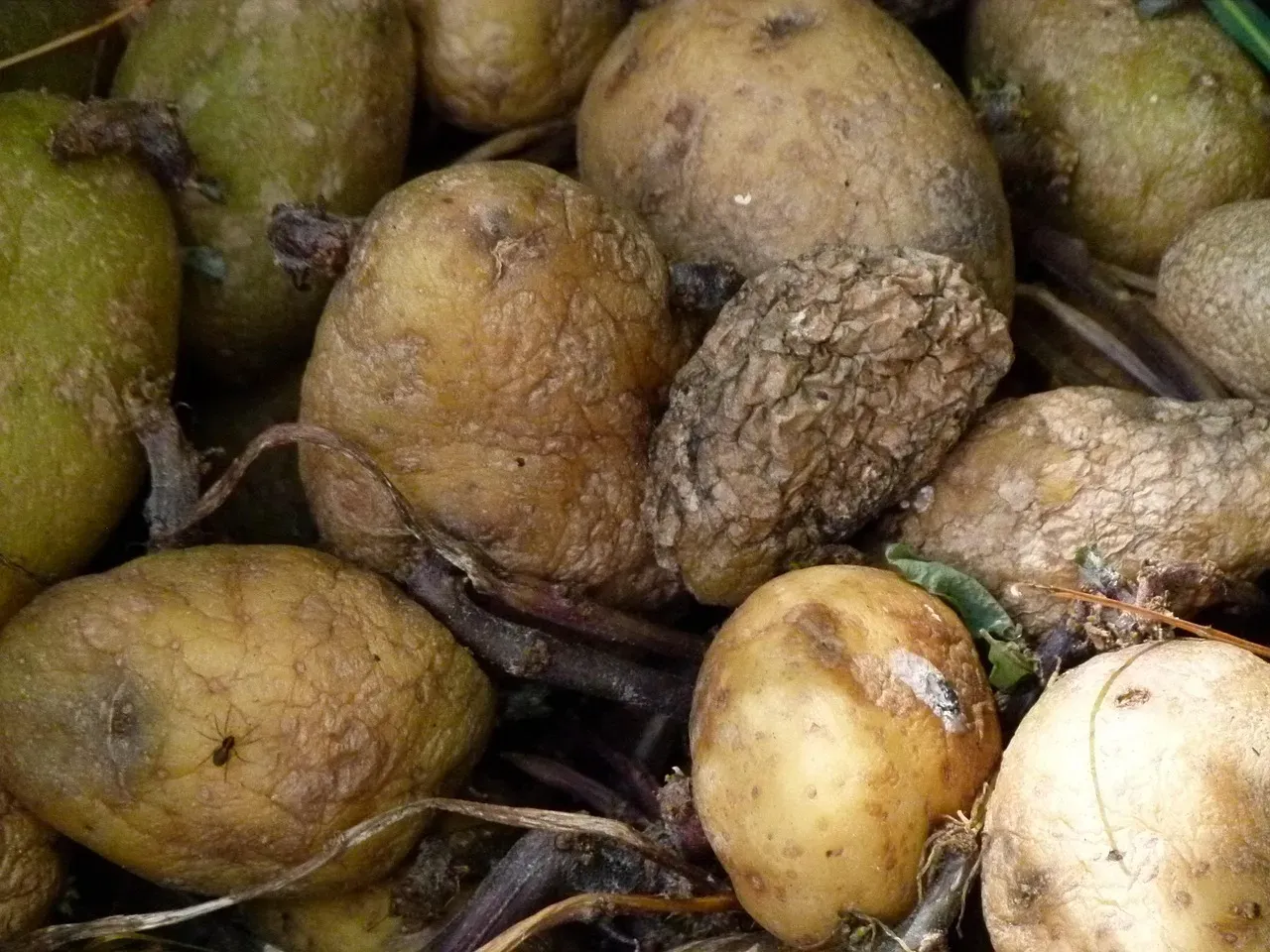
There’s something almost poetic about how nature recycles itself, except when it’s happening inside your walls. Moisture encourages the growth of mold and fungi, which can be an indirect invitation for insects and rodents, as many insects feed on fungi or prefer environments where fungi thrive, and the smell of moldy wood or rotting drywall can signal to pests that there’s a viable habitat available.
This creates a domino effect you definitely don’t want in your home. Moisture leads to fungal growth, which breaks down the wood fibers and releases volatile compounds. These compounds, imperceptible to human noses at low concentrations, act like pheromones for pests. It’s nature’s way of cleaning up dead plant matter, but unfortunately, your house isn’t supposed to be part of the forest floor.
Termites are attracted to mulch primarily because of its moisture-retaining properties and the insulation it affords against temperature extremes. The same principle applies inside your home.
Where These Scents Hide in Your Home
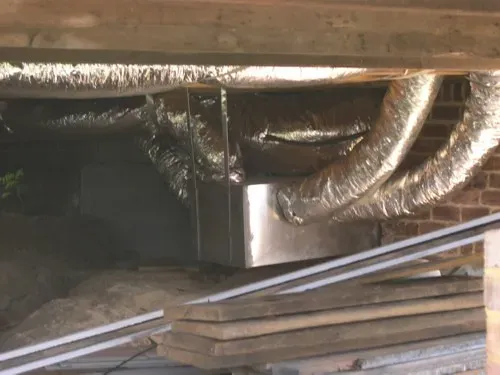
Let’s get practical for a moment. Where exactly should you be worried? Termites especially love basements, as they often find moist wood near the foundation or support beams. Crawl spaces, attics with poor ventilation, and areas around plumbing are all high-risk zones.
Areas under kitchen and bathroom sinks are prone to leaks or damp conditions, making them attractive to termites, and termites can use entry points around pipes to access cabinets and other wooden structures within your home. I know it sounds crazy, but even that small cabinet under your bathroom sink could be hosting an entire termite buffet if there’s a slow leak you haven’t noticed.
Roof leaks are another major culprit. Water travels along beams and joists, sometimes pooling in hidden areas where you’d never think to look. By the time you see water stains on your ceiling, the damage below the surface might already be significant.
The Science Behind Their Super Senses
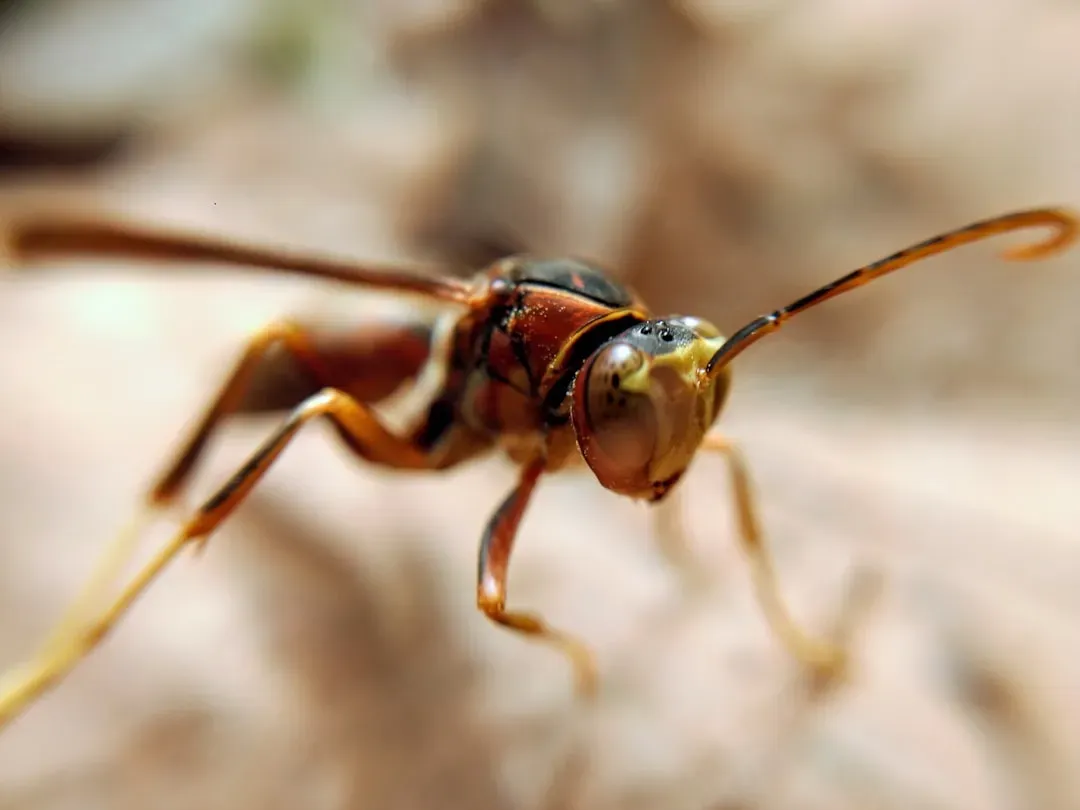
You might wonder how these tiny creatures detect such subtle odors. While termites can’t smell in the same way as humans, their antennae help them notice odor particles, and they can detect the scent of decaying wood and certain fungi from short distances.
Ants use their highly developed sense of smell with over 400 odor receptors to seek out and detect food, and they are especially drawn to sugary and greasy substances. This incredible olfactory system means they’re picking up on chemical signatures we can’t even register. That faint whiff of basement mustiness? To them, it’s screaming.
Their antennae work like sophisticated chemical detectors, constantly sampling the air for specific volatile organic compounds associated with decay, moisture, and cellulose breakdown. Evolution has fine-tuned these abilities over millions of years, making them remarkably efficient at finding exactly what they need.
Breaking the Scent Trail
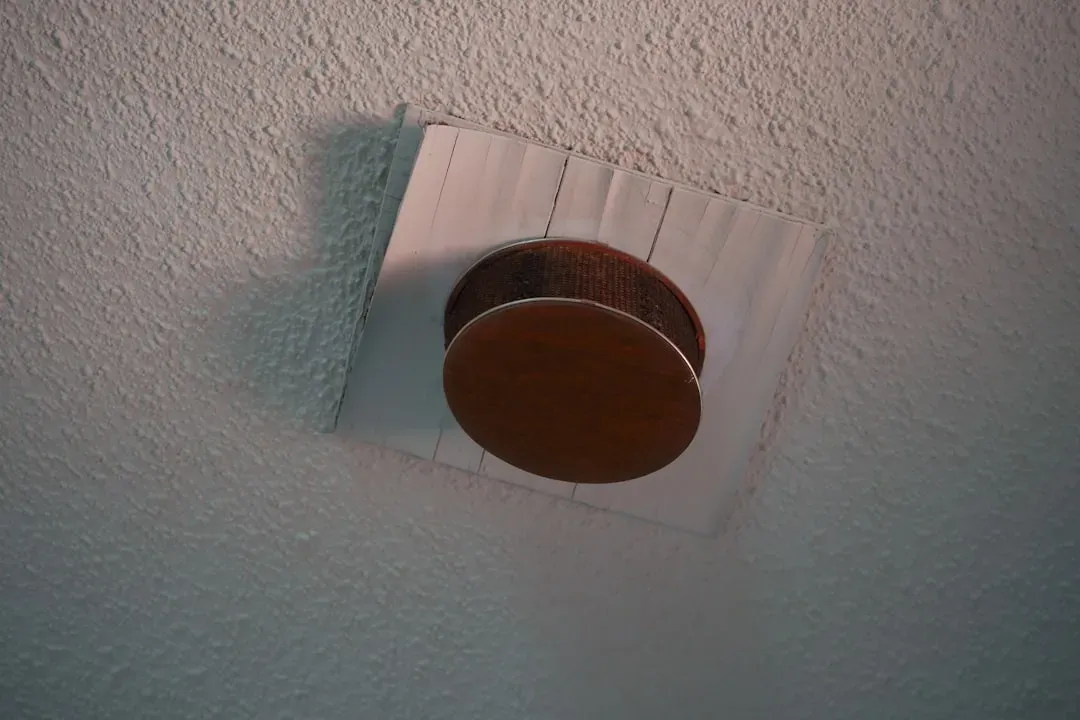
So what can you actually do about this? First, address moisture at its source. Eliminating excess moisture through repairs, ventilation, and proper drainage is one of the most effective long-term pest prevention strategies. Fix those leaky faucets you’ve been ignoring. Check your roof after heavy rains. Inspect areas around windows and doors for water intrusion.
Where mulch is used, it should be applied sparingly, and should never be allowed to contact wood siding or framing of doors or windows. This outdoor moisture management prevents pests from having easy access points into your home. Proper grading around your foundation ensures water flows away from your house rather than pooling against it.
Ventilation is equally crucial. Dehumidifiers in basements and crawl spaces can maintain humidity levels below the threshold that attracts pests. Opening vents on dry days allows air circulation that prevents moisture buildup.
Prevention Beyond Moisture Control
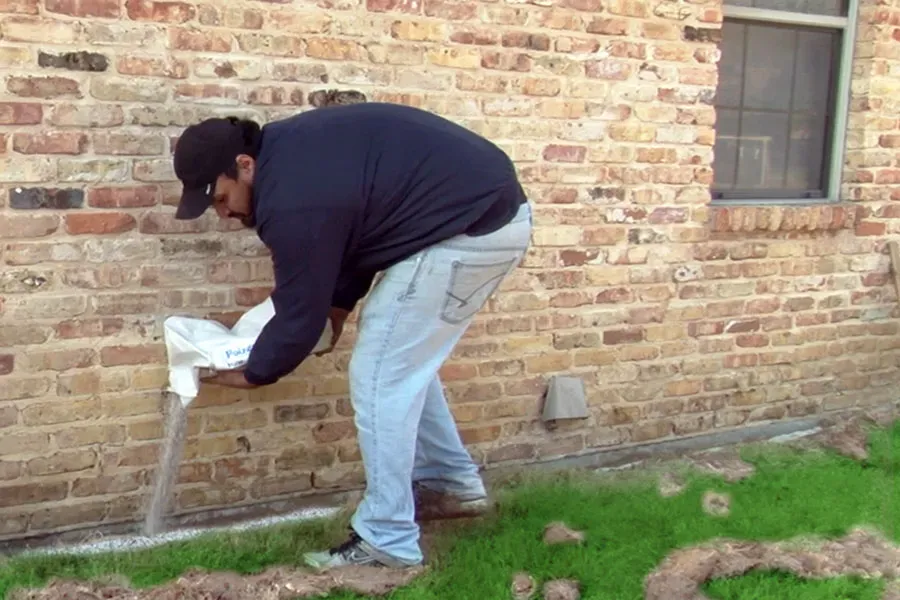
While managing dampness is the most critical step, there are complementary strategies worth considering. Termites rely heavily on their sense of smell to communicate, locate food, and move in colonies, and certain strong aromas disrupt this behavior, making them avoid the source completely.
Some homeowners have success with natural deterrents that mask the musty wood scent or disrupt pest communication. However, these should never replace proper moisture management. Think of deterrents as the security camera on your front door – helpful, but not a substitute for actually locking the door.
Regular inspections by professionals can catch problems before they escalate. Termite companies use specialized equipment to detect moisture levels inside walls and under floors, identifying problem areas before you see visible damage.
The Cost of Ignoring the Warning Signs
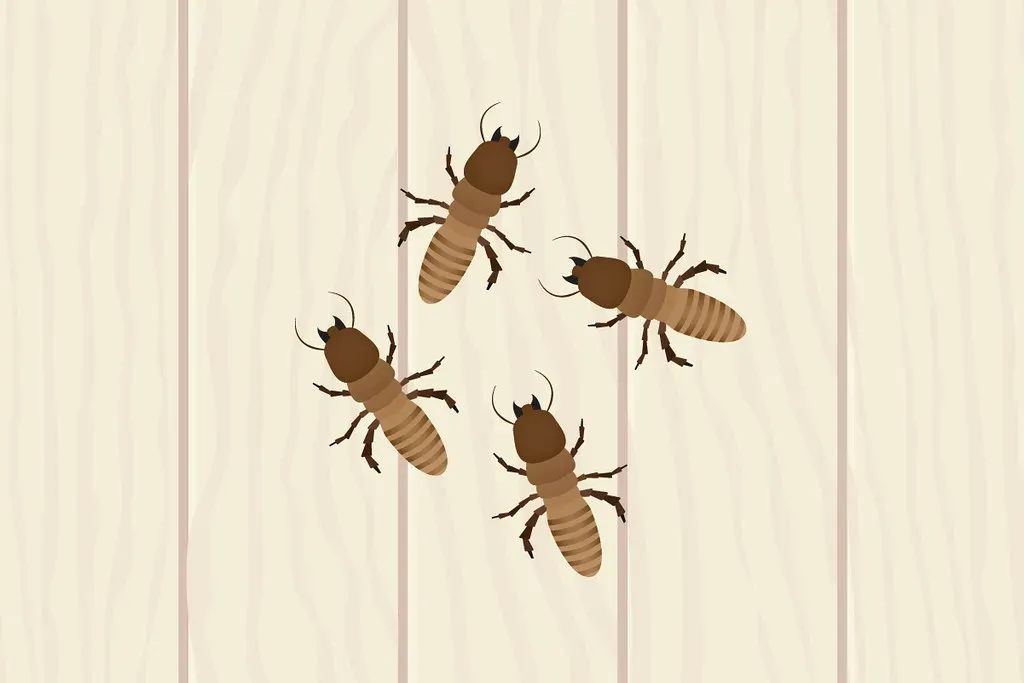
Here’s the brutal truth: Termites are incredibly destructive and cause billions of dollars’ worth of damage to homes each year. The musty scent that attracted them doesn’t just indicate their presence. It signals ongoing structural damage that compounds with time.
A termite infestation can go unnoticed for quite some time and will only become apparent after it has caused extensive damage to the home, so any sign that can tip you off to an infestation should be taken seriously. That subtle musty smell isn’t something to mask with air fresheners. It’s a red flag demanding immediate attention.
The interesting thing about pest damage is how quietly it accumulates. You won’t hear termites chewing through your floor joists. You won’t see ants hollowing out the framing around your windows until the damage becomes severe. The scent is often your earliest and most reliable warning system.
Now you know what’s really drawing these destructive pests into your home. That musty, damp wood smell isn’t just unpleasant – it’s an open invitation to termites and ants looking for their next meal or nesting site. The good news? You have the power to eliminate this attractant through consistent moisture management and vigilance. Check those hidden corners, fix those slow leaks, and keep your home’s wood dry and healthy. Your walls will thank you, and those unwanted guests will find somewhere else to dine. What areas in your home do you think might be harboring hidden moisture problems right now?

- 14 Ways a Dog Shows You Are the Center of Its Whole World - July 21, 2026
- 15 Quiet Habits That Show a Senior Dog Adores the Person It Chose - July 21, 2026
- The 13 Small Ways an Old Dog Says It Chose You and Only You - July 21, 2026