
Worried about unexpected vet bills?
Pet insurance can cover thousands in unexpected vet costs. Get a free quote from Lemonade in under 2 minutes.
Get My Free Quote →Sponsored · Opens Lemonade.com
There’s a quiet momentum building in the world’s forests, rivers, prairies, and coastlines. Species that were once listed as functionally gone are returning. Ecosystems that had grown silent are finding their voice again. It’s happening not by accident but through decades of methodical, often painstaking work by scientists, Indigenous communities, governments, and ordinary people who refused to accept that extinction was the only ending.
Experts remind us that we’re living through the planet’s sixth mass extinction event, with tens of thousands of species at risk. Yet history shows that when communities put concerted effort behind conservation, species can and do recover. The stories that follow are proof of exactly that.
From the Brink: How Policy and Legal Protection Changed Everything
Few tools in the history of wildlife conservation have been as consequential as protective legislation. The Endangered Species Act, enacted in 1973, has proven to be a crucial safety net, preventing the extinction of approximately 99% of species placed under its protection. That’s a remarkable track record, especially given the scale of the pressures working against wildlife in the same period.
Major conservation and restoration efforts established from the 1970s to the 1990s, like the United States Endangered Species Act and the international Convention on Biological Diversity, laid the groundwork for biodiversity protections. These weren’t abstract policy documents; they translated into on-the-ground action that changed trajectories for dozens of species.
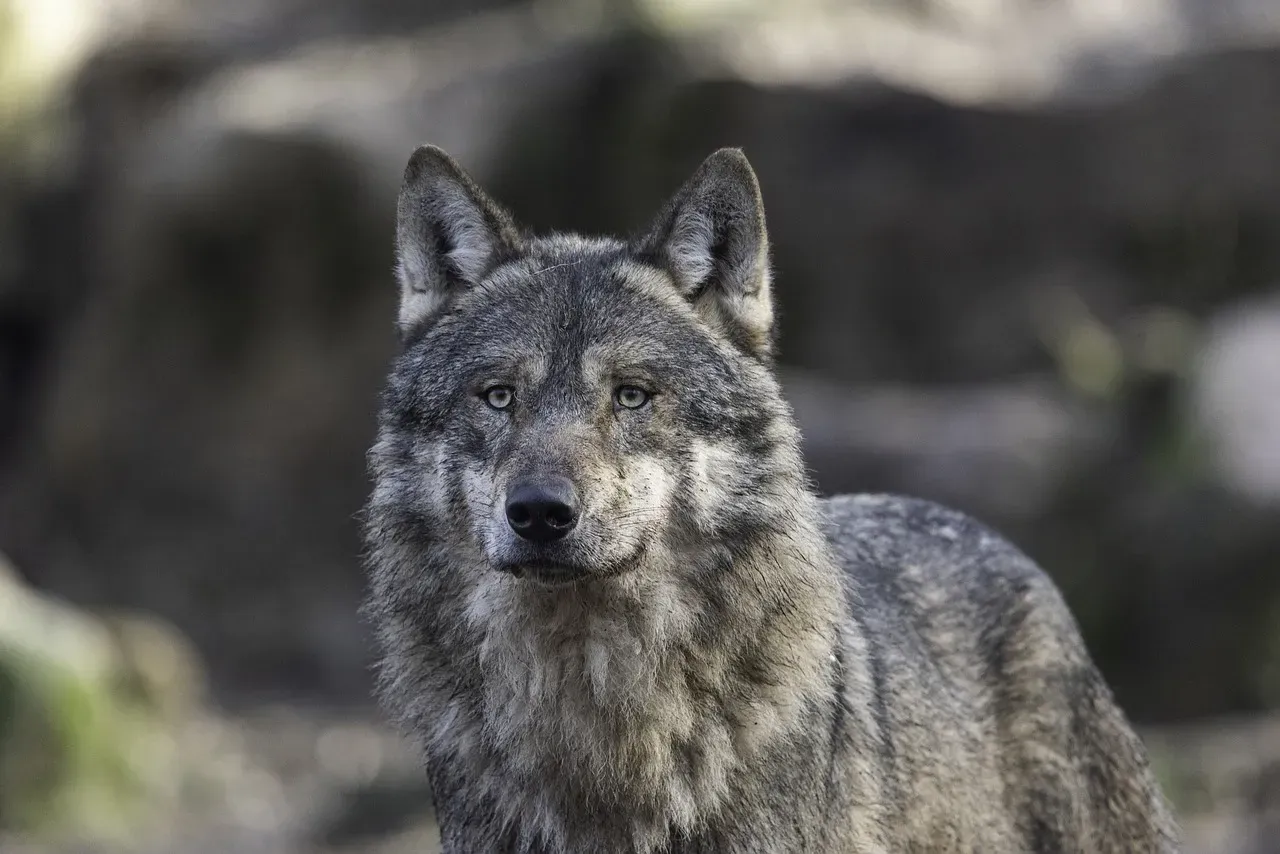
The gray wolf is one of the clearest examples. The gray wolf once roamed widely across North America but was nearly eradicated from the lower 48 states by the mid-20th century due to systematic hunting, trapping, and poisoning campaigns. By 1973, when they gained protection under the Endangered Species Act, fewer than 1,000 wolves remained in the continental United States.
A turning point came in 1995 and 1996 with the historic reintroduction of wolves to Yellowstone National Park and central Idaho, which initiated one of the most significant ecological restoration efforts in American history. Today, thanks to Endangered Species Act protections, more than 6,000 gray wolves reside across the lower 48 states. The recovery required more than law alone; it involved public education, habitat restoration, wolf introduction into various areas, and compensation of ranchers for livestock killed by wolves.
Rivers Reborn: What Happens When Barriers Come Down
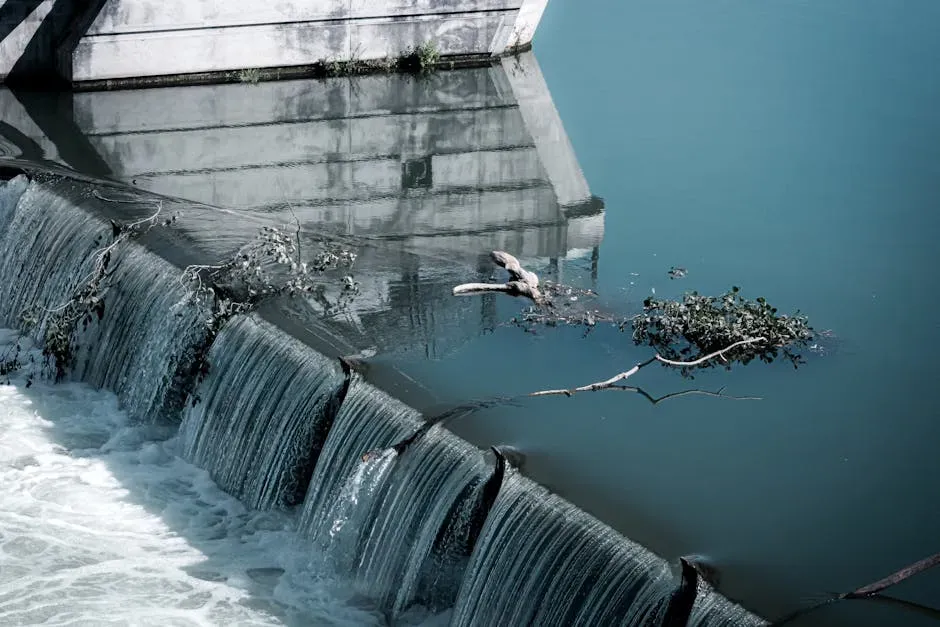
One of the more visually dramatic forms of conservation success involves removing the things humans built in the first place. After years of advocacy from Indigenous tribes and environmentalists, all four of the dams on the Klamath River finally came down in 2024, allowing this ecologically and culturally important waterway to flow freely once more.
Historically, the Klamath River was a key spawning ground for Chinook salmon, which had been blocked from swimming upstream when the dams were built. Just one year after the dams were removed, scientists tracked salmon hundreds of miles upriver to their former spawning ranges. The speed of nature’s response surprised many observers.
After decades of work by tribal and conservation advocates, the last remnants of four hydropower dams were removed, returning the river to its historic path. Local families and Indigenous communities that have campaigned for generations are celebrating that they can once again thrive alongside the river they depend on.
A resounding success for freshwater ecosystems, it opens access to hundreds of miles of high-quality tributaries for migrating salmon, steelhead, and other aquatic species. It’s a reminder that restoration sometimes means stepping back and letting water find its own way.
Land and Sea: Species Clawing Back Across Multiple Continents
The scale of species recovery happening right now is genuinely global. The Iberian lynx has been hailed as achieving the “greatest recovery of a cat species ever achieved.” In 2024, it was declared no longer endangered by the IUCN following an incredible 20 years of international conservation collaboration. Once considered one of the most critically endangered cats on Earth, it is now a symbol of what sustained effort can achieve.
In the ocean, similar momentum is building. A recent assessment found that nearly three-quarters of green sea turtle populations are now at low risk worldwide, and the global population has rebounded by nearly 30% since the 1970s. This follows decades of beach protection, hunting bans, and international cooperation to reduce bycatch.
On a smaller but no less striking scale, on tiny Sombrero Island in the Caribbean, the critically endangered Sombrero ground lizard numbered fewer than 100 individuals in 2018. In just six years, researchers found their population had climbed to more than 1,600. The lizards responded positively to island restoration efforts, including removal of invasive mice and planting of native vegetation.
Meanwhile, the population of the critically endangered Siberian crane has increased by nearly half over the past decade. This boost is the result of efforts to secure the migratory bird’s stopover sites along its eastern flyway between Russia and China. No single country could have achieved that alone.
Rewilding and the Power of Ecosystem Thinking
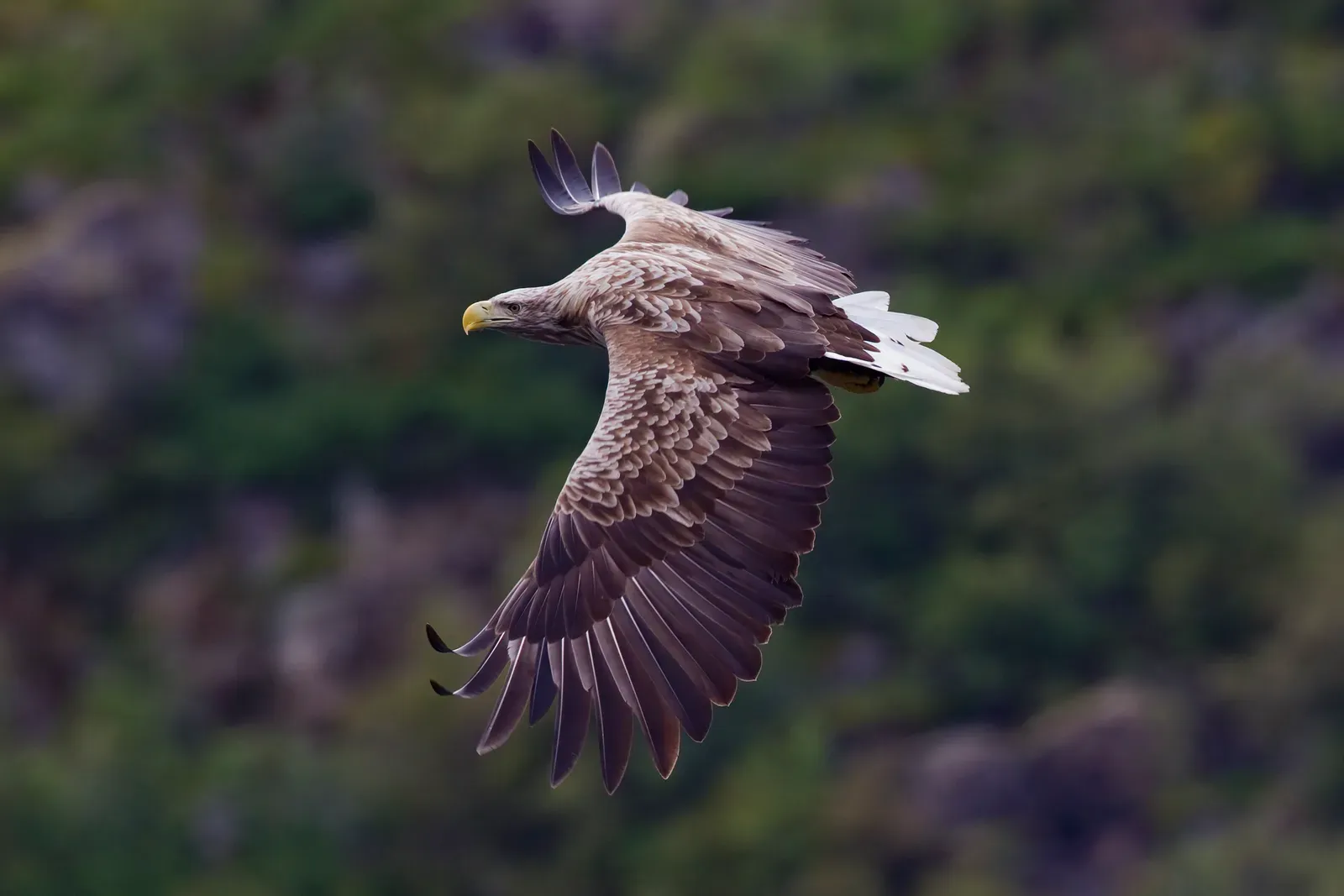
Beyond protecting individual species, a broader movement has taken hold. Rewilding, the large-scale restoration of natural processes, is reshaping how conservationists approach the problem. Rewilding is the large-scale restoration of natural processes, until the affected area can take care of itself once more. Part of this process involves reintroducing missing species to their native areas as a way of promoting biodiversity and ecological balance.
Prominent rewilding initiatives in Brazil have centered on the restoration of habitats for key species such as jaguars, pumas, and maned wolves. These predators play critical roles in regulating prey populations and maintaining ecosystem balance. Through strategic conservation efforts like habitat protection and anti-poaching measures, Brazil has witnessed a resurgence of these iconic species.
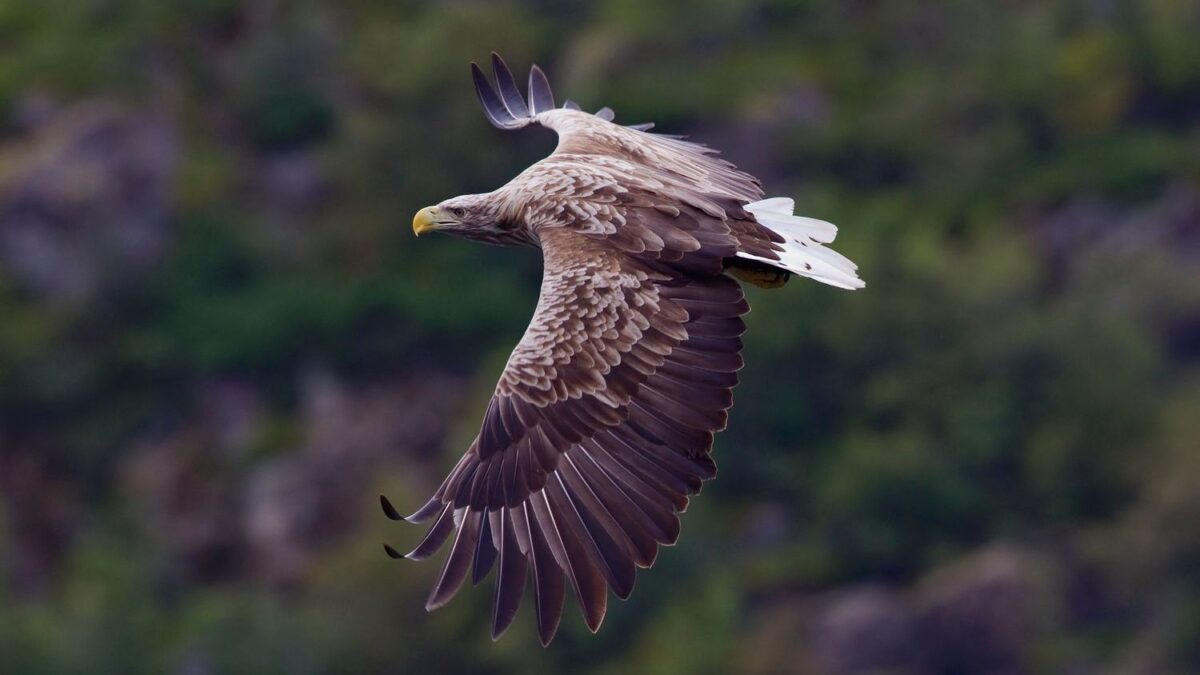
White-tailed eagles are emblematic of Scotland’s successful rewilding efforts, since being reintroduced from Norway. Apex predators such as white-tailed eagles play a crucial role in ecosystem dynamics by limiting the populations of prey, thereby also affecting the species on which the prey depends. They also have a vital role in nutrient cycling through moving nutrients between marine and terrestrial ecosystems.
In a first-of-its-kind study, the message has been made clear: conservation efforts are effective in the majority of cases, and are essential to curbing global biodiversity loss. The study analyzed 665 conservation interventions around the world, finding that conservation either improved biodiversity or slowed declines more than two-thirds of the time. That is a more encouraging picture than the headlines often suggest.
The Role of Communities and Indigenous Knowledge in Species Recovery

Some of the most durable conservation successes have been built not in laboratories or government offices, but within local communities that hold deep relationships with the land. The species that have recovered didn’t do so by accident. They recovered because people made specific decisions, over many years, to prioritize their survival. That fact carries weight when thinking about the hundreds of species still waiting for their own comeback story.
The historic Tribal Buffalo Lifeways Collaboration was officially chartered, recognizing the intrinsic value of bison restoration on Native lands, not only for cultural and spiritual rejuvenation but also for ecological restoration and economic development. Tribal communities who have stewarded these landscapes for generations are increasingly central to recovery planning, not peripheral to it.
Community-driven models that involve local people in conservation work have been particularly effective in stabilizing snow leopard populations. In places like Central Asia, where enforcement capacity is limited and terrain is vast, community involvement isn’t just helpful; it’s essential.
Each recovery has required coordination between federal agencies, state wildlife programs, conservation organizations, private landowners, and often Indigenous communities who hold deep generational knowledge of the land. Conservation that overlooks that knowledge tends to be less effective and less lasting than conservation that includes it.
Conclusion: Recovery Is Possible, but It Requires Continuity
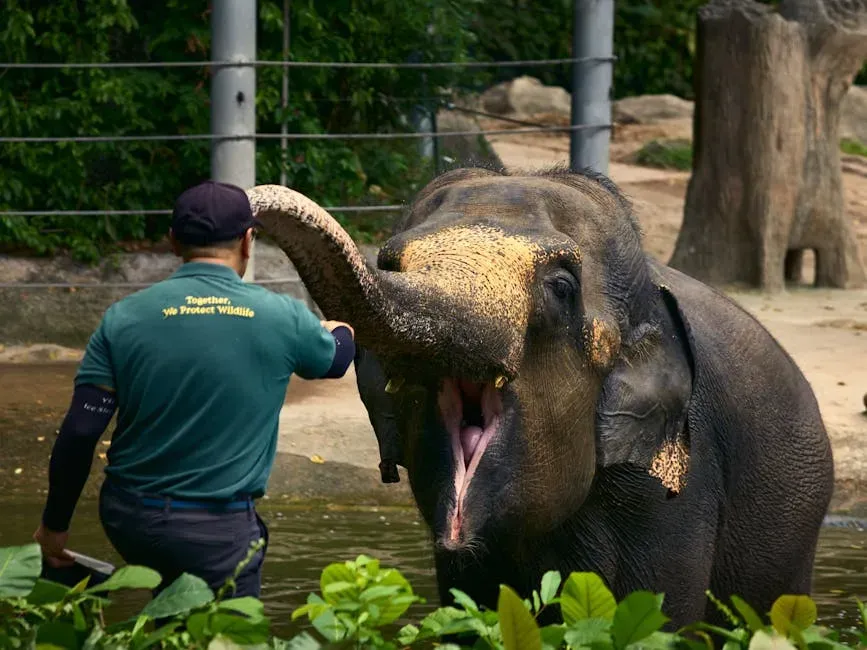
The resurgence of native species across the globe tells a clear story. When the right combination of legal protection, habitat restoration, scientific monitoring, and community partnership is in place, nature has a remarkable capacity to rebound.
Common elements across successful recoveries include habitat protection, captive breeding programs, reintroduction efforts, and addressing specific threats like environmental contaminants or human-wildlife conflicts. None of these happen quickly, and none can be maintained without sustained commitment and funding.
Despite these successes, most recovered species occupy only fractions of their historical ranges, and emerging threats like climate change present unprecedented challenges. These conservation victories shouldn’t lead to complacency but rather inspire continued vigilance and expanded efforts.
What’s clear, looking across every continent and every ecosystem where native species are recovering, is that results follow investment. The grizzly bears in Yellowstone, the Iberian lynx in Iberia, the salmon returning to the Klamath, the sea turtles reclaiming Florida’s beaches – none of these stories wrote themselves. They were written by people who showed up, year after year, and did the work. That continuity is the real conservation lesson, and perhaps the most important one to carry forward.
Worried about unexpected vet bills?
Pet insurance can cover thousands in unexpected vet costs. Get a free quote from Lemonade in under 2 minutes.
Get My Free Quote →Sponsored · Opens Lemonade.com

- The Ocean’s Deepest Creatures Hold Surprising Secrets to Longevity - June 10, 2026
- 6 Scents That Make Mosquitoes Target You First - June 10, 2026
- The Forgotten Deserts of America Where Wildlife Still Thrives - June 10, 2026