
Worried about unexpected vet bills?
Pet insurance can cover thousands in unexpected vet costs. Get a free quote from Lemonade in under 2 minutes.
Get My Free Quote →Sponsored · Opens Lemonade.com
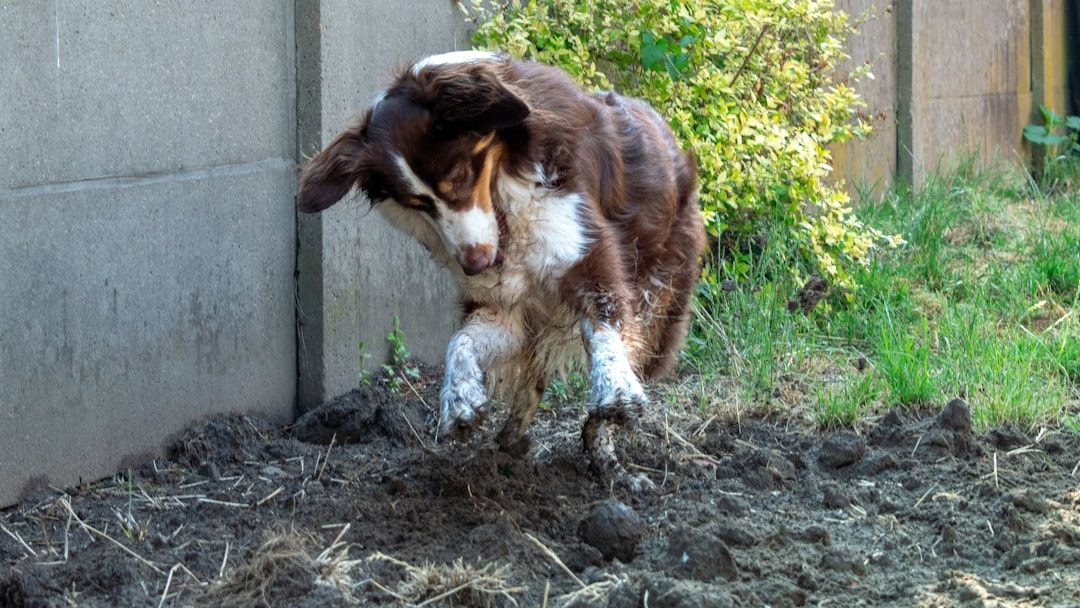
Have you walked outside recently only to discover your backyard looks like a scene from a mining operation? Holes everywhere, dirt piles scattered about, and your once pristine flower beds reduced to excavation sites. If this sounds familiar, you’re definitely not alone. Dogs and digging go together like peanut butter and jelly, except this particular pairing is far less enjoyable for homeowners.
The thing is, your furry friend isn’t trying to drive you crazy or destroy your landscaping out of spite. There’s actually a method to their madness. Dogs have been digging for thousands of years, long before backyards and garden beds even existed. What seems like destructive chaos to us is often just instinct taking over. So what’s really going on beneath those flying paws? Let’s dig into the reasons behind this behavior and explore what you can actually do about it.
The Ancient Instinct Behind the Behavior
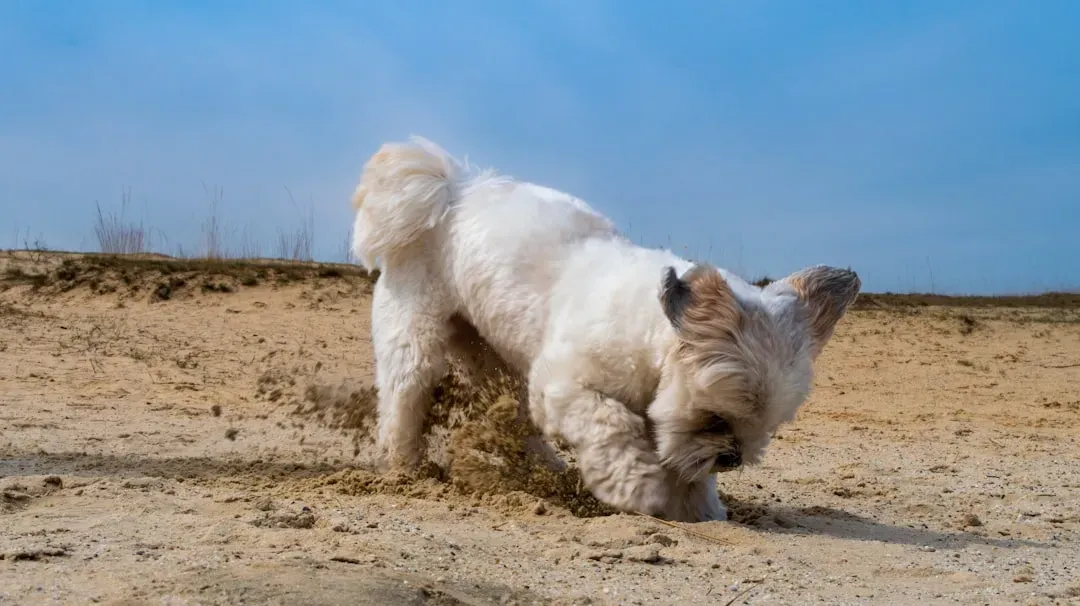
Dogs dig for many reasons, but the core of the behavior goes back to a dog’s wolf ancestors, and digging is arguably as much a part of dogdom as barking or sniffing. Think about it this way: your dog’s ancestors didn’t have cozy dog beds or climate-controlled homes. They had to create their own comfort.
Wolves dug, and dig, to look for and cache food, or to make a den or a cool spot to lie down. This survival mechanism is hardwired into your dog’s DNA. Even though your pup has never had to fend for themselves in the wild, those ancient instincts don’t just vanish. That instinctual tendency is why some breeds were originally used to hunt animals in underground dens, and in the case of certain breeds, human intervention made the digging instinct even stronger.
Honestly, it’s fascinating when you think about how deeply rooted these behaviors are. Your dog isn’t being naughty – they’re literally responding to programming that’s been refined over millennia.
They’re Hunting for Prey (Real or Imagined)
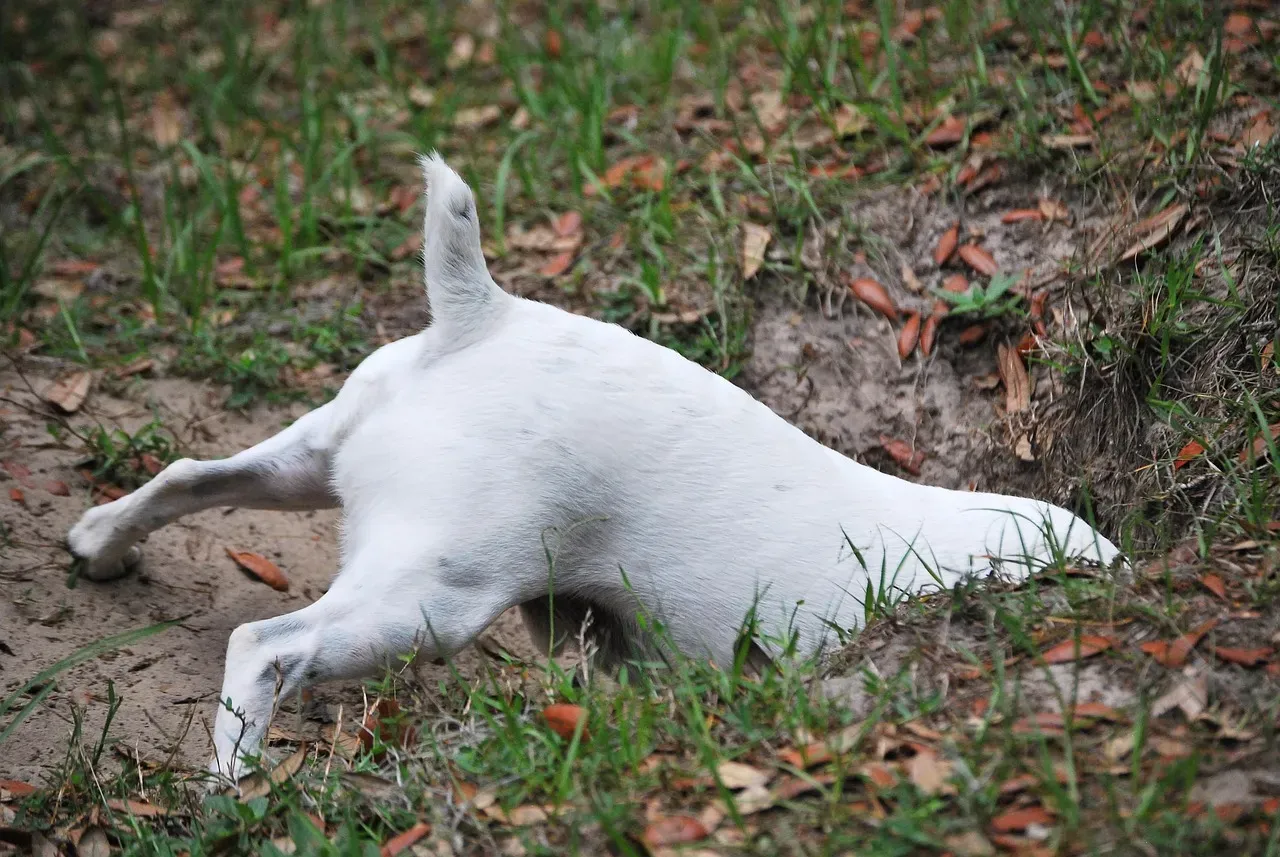
The most basic reason dogs dig is to seek prey, and yards infested with rodents may have dogs digging intensively to find moles or mice. Your dog’s nose is incredibly powerful, and they can detect critters moving around underground that you’d never even know existed. Squirrels, moles, voles, rabbits – if they’ve made your yard their home, your dog has probably noticed.
With their ability to hear high frequency sounds, and their highly acute sense of smell, some dogs dig as a direct result of odors or sounds such as those from voles and moles that attract the pet from beneath the ground. Terriers are particularly notorious for this behavior. These breeds were specifically developed to hunt burrowing animals, so when they catch a whiff of something interesting underground, it’s game on.
Even if your yard is completely critter-free, some dogs will dig anyway. Maybe they smelled something weeks ago, or perhaps they’re just optimistically hoping to strike gold. The hunt itself can be thrilling enough to keep them digging.
Temperature Regulation and Comfort-Seeking
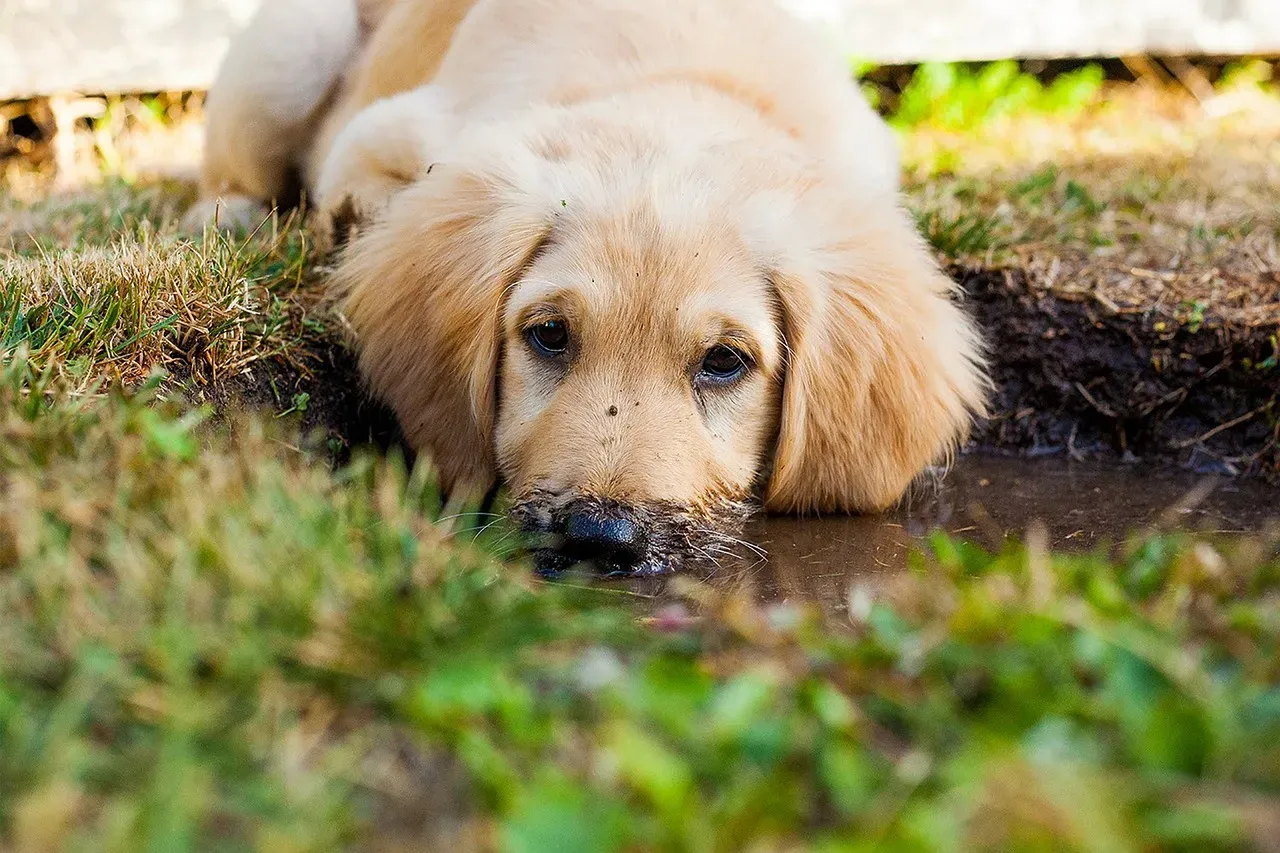
Here’s something you might not have considered: your dog could be digging to create their own personal climate control system. In hot weather, digging into the cool earth can help them create a comfortable resting spot, and on the flip side, some dogs may dig to create a warm burrow in cold or snowy conditions.
Dogs may dig a shallow bed in the cool earth to help beat the heat on a warm summer’s day, and thick-coated Northern breeds like the Alaskan Malamute or Siberian Husky may be especially prone to this. The soil beneath the surface stays much cooler than the top layer, making it the perfect escape from scorching temperatures.
I think it’s pretty clever, actually. While we humans have air conditioning and heating systems, dogs have to get creative. That hole your Husky dug under the tree? It’s basically their version of a luxury spa retreat. Though less clever when they track all that dirt back into your house afterward.
Boredom, Anxiety, and Excess Energy
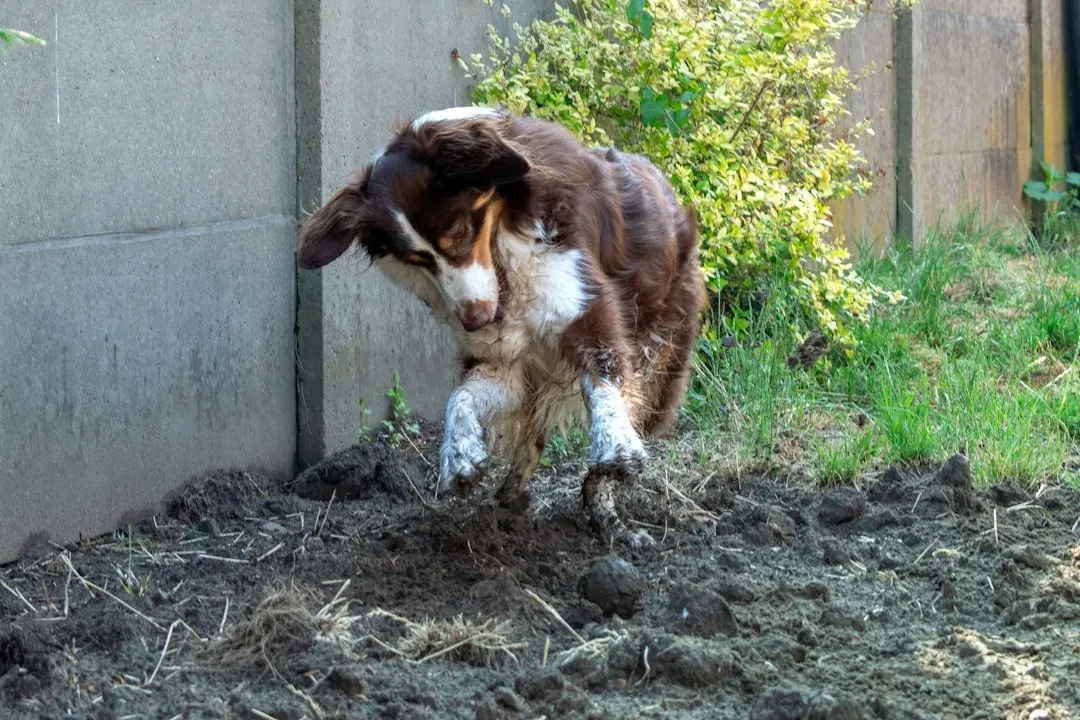
Let’s be real here: a bored dog is a destructive dog. Many dogs are stuck with no job to do in their modern homes, and when your dog gets bored, they’ll often seek out an activity to relieve their boredom and burn excess energy, with digging being a favorite go-to for many dogs, especially those that are left unsupervised outdoors.
Digging may also be an activity similar to destructive chewing that occurs when pets are left alone with insufficient stimulation or attention, and this is particularly so in puppies and in highly energetic dogs. If your dog isn’t getting enough mental and physical exercise throughout the day, they’ll find their own entertainment. Unfortunately for your landscaping, digging provides both a physical workout and mental stimulation.
Anxiety plays a role too. Dogs also dig to escape from confinement or due to separation anxiety. If your dog gets stressed when you leave, digging might be their coping mechanism. It’s hard to say for sure sometimes whether it’s boredom or anxiety driving the behavior, which is why paying attention to when and where the digging happens is so important.
Practical Solutions That Actually Work
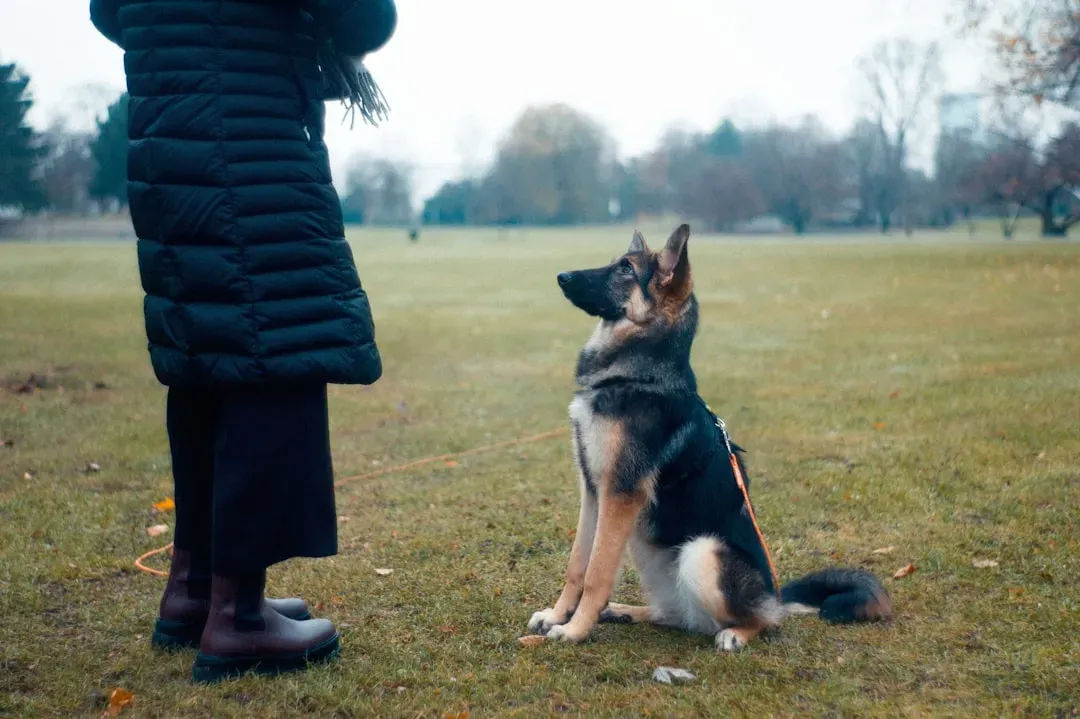
Now for the part you’ve been waiting for: how to actually stop this madness. An anxious dog needs confidence-building, and a bored dog needs more stimulation, so by identifying the cause, you will be more effective at reducing the behavior.
Ensure your dog is getting enough mental stimulation and physical exercise every day, which will help with boredom and anxiety, and provide more appropriate types of fun. This means longer walks, play sessions, training exercises, and puzzle toys. Create a designated dig pit in your yard to provide an outlet for your dog’s digging needs – this area should be filled with loose soil or pet-safe sand and can be bordered with rocks or wood panels, and encourage your dog to use this area by burying toys or treats for them to discover.
The number one way to stop digging is to watch your dog when they are outside in your yard or garden, and don’t leave them out there alone and expect them to not engage in normal dog behaviors like digging. Supervision matters more than you might think.
Regardless of the reason your dog is digging, don’t punish your dog after the fact – this won’t address the cause of the behavior and will worsen any digging that’s motivated by fear or anxiety. Punishment doesn’t work because your dog won’t connect your anger with the digging they did hours ago. Instead, focus on positive reinforcement when they make good choices.
What would you have guessed was the main reason your dog digs? Were you surprised to learn it’s mostly instinct rather than mischief?
Worried about unexpected vet bills?
Pet insurance can cover thousands in unexpected vet costs. Get a free quote from Lemonade in under 2 minutes.
Get My Free Quote →Sponsored · Opens Lemonade.com

- How Muskrat Behavior Can Indicate Climate Change in The Carolinas - June 6, 2026
- What Ancient Animal Symbolizes Prosperity for Your Zodiac Sign? - June 6, 2026
- The US States With the Most Elk - June 6, 2026