


Probiotics are live bacteria and yeasts that are beneficial for your cat’s digestive health. They can help improve digestion, boost the immune system, and even alleviate certain health conditions. However, giving probiotics to your cat may not be as simple as just adding them to their food. Here are some important things to keep in mind when giving probiotics to your feline friend.
Choose the Right Probiotic

Not all probiotics are created equal, and it’s important to choose the right one for your cat. Look for a probiotic that is specifically formulated for cats and contains a variety of different strains of bacteria. Some common strains to look for are Lactobacillus acidophilus, Bifidobacterium animalis, and Enterococcus faecium. These strains are commonly found in a cat’s gut and can help maintain a healthy balance of bacteria.
Proper Storage

Probiotics are living organisms and need to be stored properly in order to remain effective. Make sure to store the probiotic in a cool, dry place, away from direct sunlight. Avoid storing them in the fridge, as the moisture can cause them to degrade. Also, be aware of the expiration date and don’t use probiotics that have passed their expiration date.
Introduce Probiotics Slowly
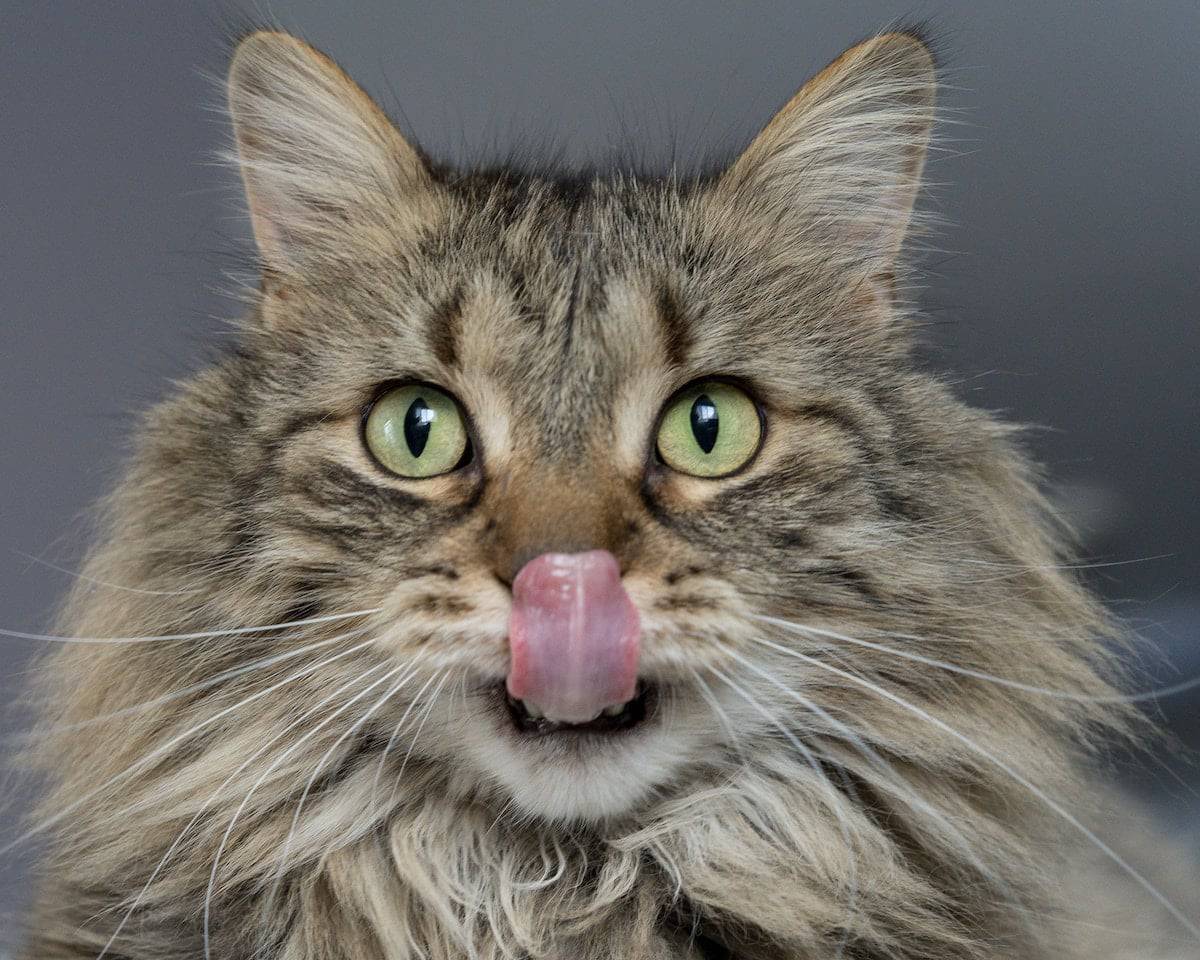
When introducing probiotics to your cat, it’s important to start slow. Begin by giving them a small amount, and gradually increase the dosage over a week or two. This will give your cat’s digestive system time to adjust to the new bacteria and prevent any potential digestive upset.
Timing is Important
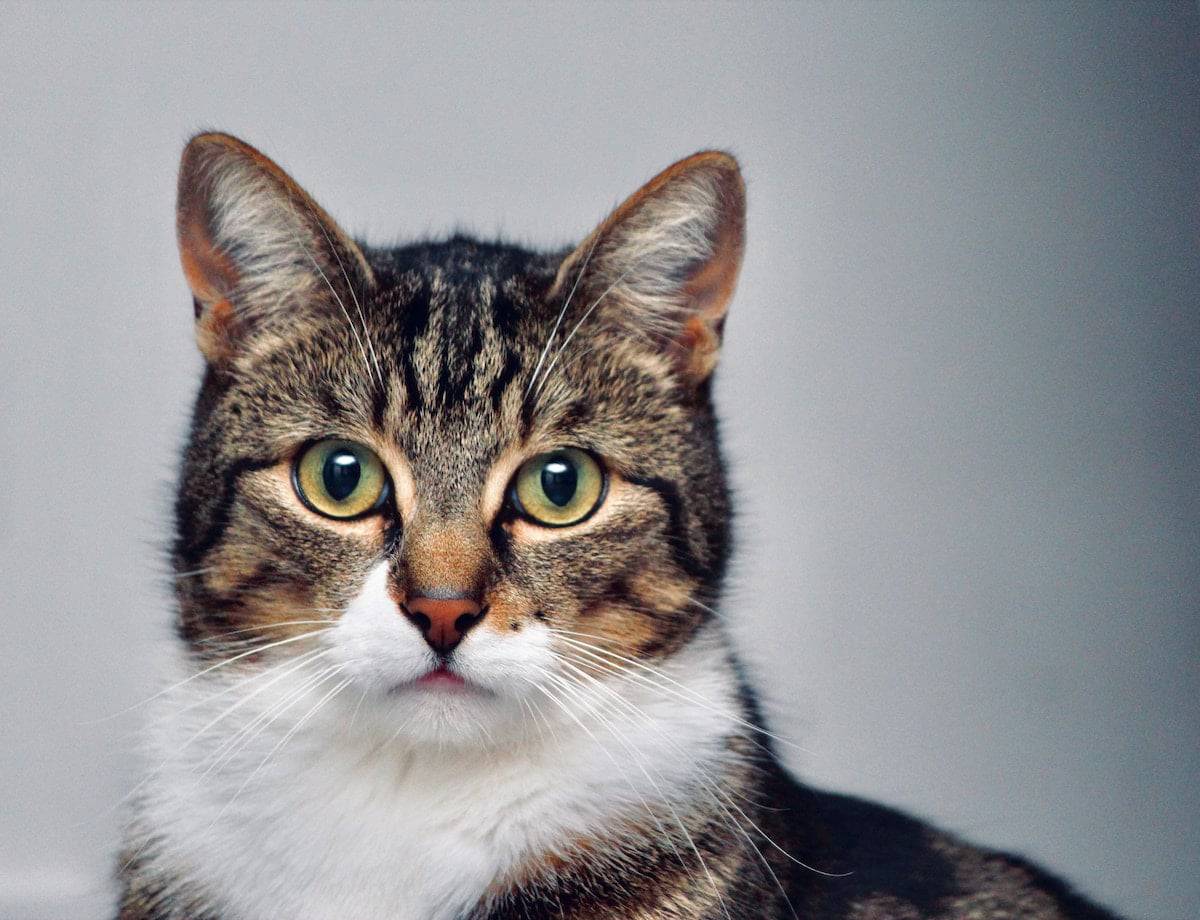
Timing is important when giving probiotics to your cat. Ideally, you should give them to your cat on an empty stomach, either first thing in the morning or right before their last meal of the day. This will allow the probiotics to reach their gut without being affected by other foods or medications.
Observe Your Cat’s Reaction

Every cat is different, and some may have a negative reaction to probiotics. Keep an eye on your cat’s behavior and bowel movements after introducing probiotics. If you notice any changes, such as diarrhea or vomiting, stop giving them the probiotics and consult with your veterinarian.
Consider Your Cat’s Health Condition

If your cat has a specific health condition, it’s important to consult with your veterinarian before giving them probiotics. While probiotics can be beneficial for most cats, they may not be suitable for those with certain health issues or those on certain medications. Your vet can advise you on the best probiotic for your cat’s individual needs.
Stay Consistent

In order to see the full benefits of probiotics, it’s important to stay consistent with giving them to your cat. Make it part of your daily routine and give them the recommended dosage as directed by the packaging or your veterinarian. Consistency is key when it comes to maintaining a healthy balance of bacteria in your cat’s gut.
In Conclusion

Probiotics can be a great addition to your cat’s diet, but it’s important to give them the right way. Choose a high-quality probiotic, store it properly, and introduce it slowly to your cat. Monitor their reaction and stay consistent with giving them the probiotics. With the right approach, probiotics can help keep your cat’s gut healthy and their immune system strong.

For any feedback please message Feedback@animalsaroundtheglobe.com
- WATCH The Largest Cane Corso Ever Recorded - July 20, 2026
- Top 10 States With The Most Black Bear - July 20, 2026
- Largest Rhino Ever Recorded - July 20, 2026