

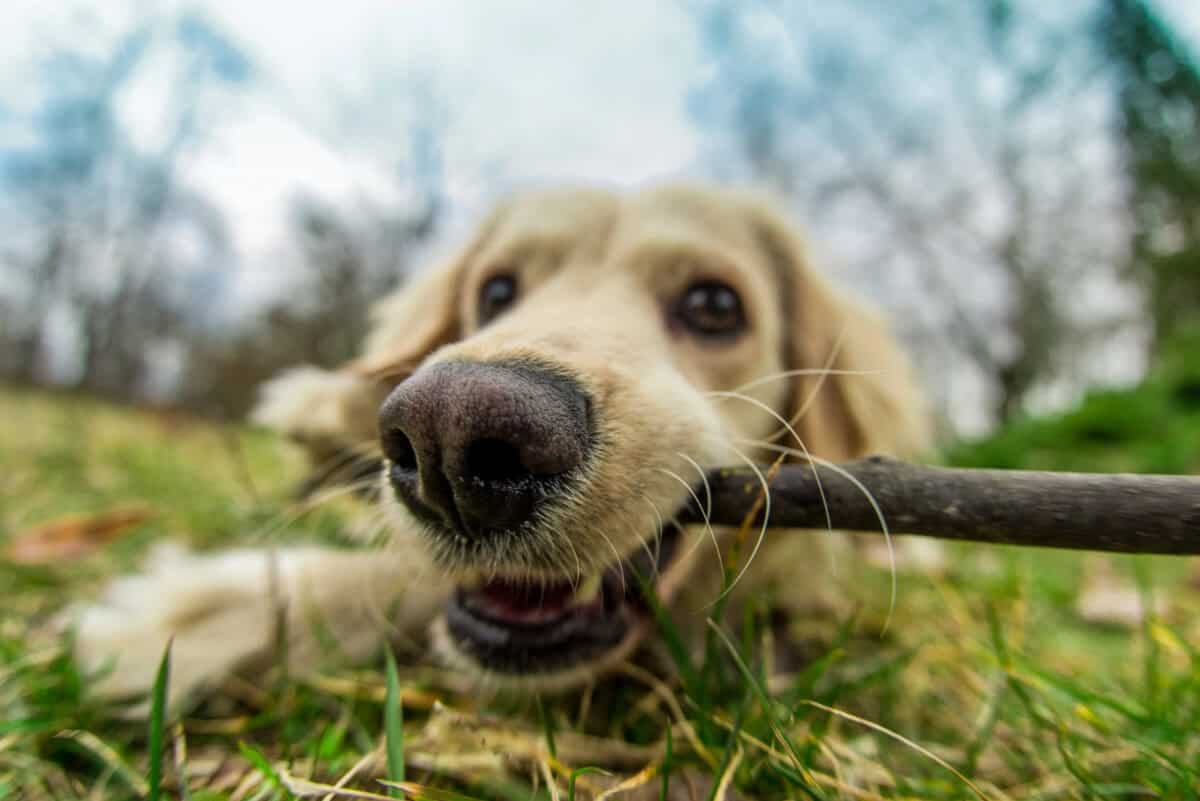
The canine nose represents one of nature’s most sophisticated biological tools, far surpassing human olfactory capabilities in nearly every measurable way. Dogs possess up to 300 million olfactory receptors in their noses, compared to about 6 million in humans. This remarkable difference creates a foundation for scent detection abilities that humans can barely comprehend. When a dog takes in a breath, a small fold of tissue inside their nostril directs the air along two different pathways – one for respiration and one dedicated solely to smelling.
This specialized anatomy allows dogs to continuously sample scents even while breathing in and out. Additionally, the portion of a dog’s brain devoted to analyzing smells is proportionally 40 times greater than in humans. This neurological advantage means dogs don’t just detect more odors – they process them with significantly greater sophistication and can distinguish individual components within complex scent mixtures. Scientists estimate that dogs can detect some odors in parts per trillion – that’s like noticing a single drop of liquid in 20 Olympic-sized swimming pools.
Anatomical Marvels Behind the Sniffing Power
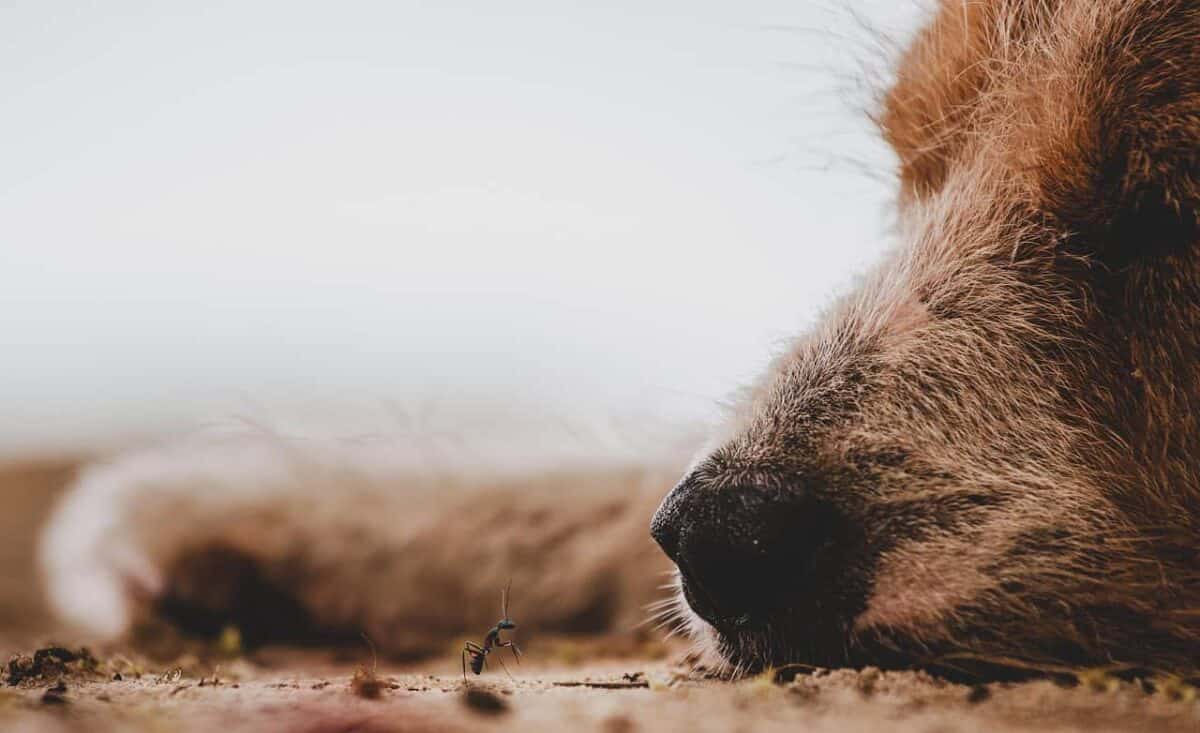
The extraordinary olfactory abilities of dogs begin with specialized anatomical features evolved specifically for scent detection. Unlike humans, dogs have a dedicated olfactory recess in their nasal cavity that houses a complex labyrinth of turbinate bones. These delicate, scroll-shaped structures are covered with scent-detecting tissue, creating an enormous surface area within a compact space. When a dog inhales, the incoming air separates, with a portion directed to this specialized olfactory region, allowing for continuous scent analysis independent of breathing rhythm.
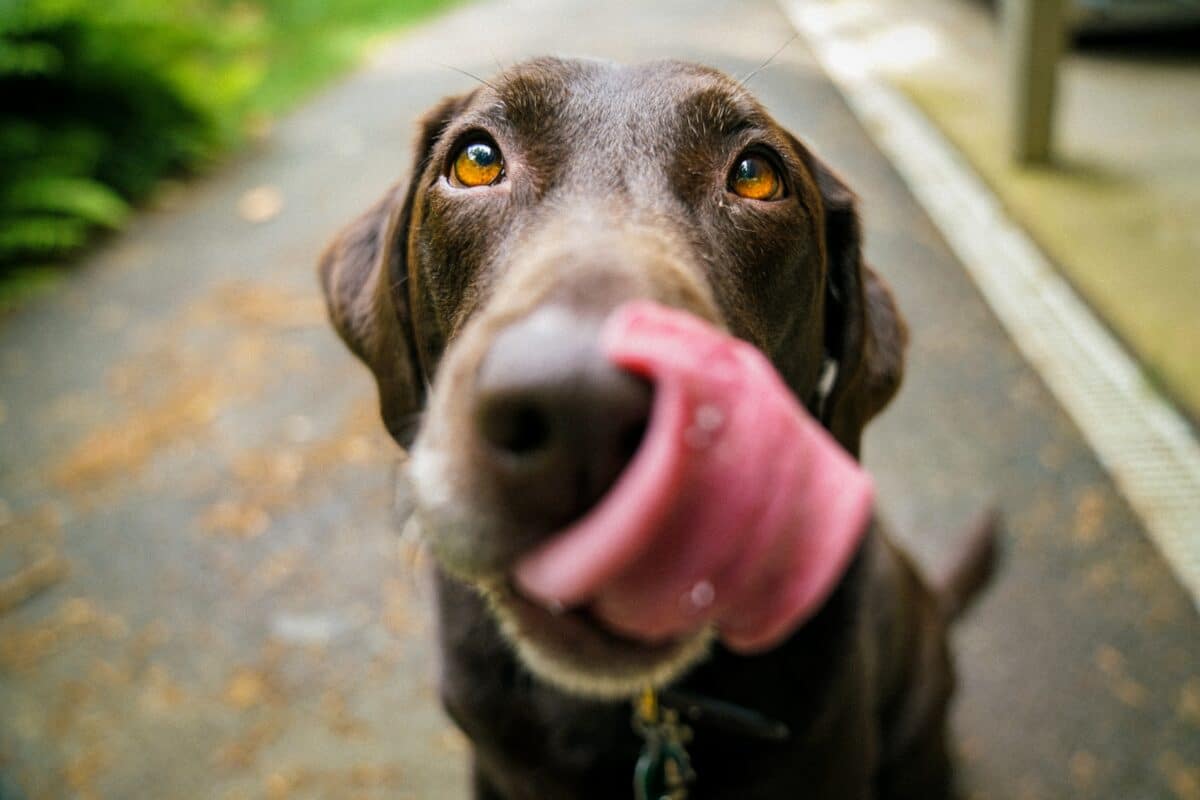
Perhaps most fascinating is the vomeronasal organ (also called Jacobson’s organ), an auxiliary olfactory structure located in the roof of the mouth. This specialized sensory system detects pheromones and other chemical signals that even the main olfactory system might miss. When dogs perform their characteristic “flehmen response” – curling their upper lip and rapidly licking their nose – they’re actively pumping scent molecules into this organ for deeper analysis. This dual-system approach gives dogs an unparalleled ability to detect and interpret chemical information in their environment.
The Genetic Foundation of Canine Scenting Abilities
The impressive scenting capabilities of dogs are deeply rooted in their genetic makeup. Research has identified more than 800 genes related to olfactory receptors in the canine genome, compared to about 400 in humans. Even more significantly, while approximately 60% of human olfactory receptor genes are non-functional pseudogenes, dogs maintain functionality in a much higher percentage of their scent receptor genes. This genetic advantage provides dogs with a broader spectrum of detectable odors and greater sensitivity to low concentrations.
Interestingly, different dog breeds show variations in their olfactory genetics. Scent hounds like Bloodhounds and Basset Hounds have been selectively bred for generations to enhance specific tracking abilities, resulting in measurable genetic differences in their olfactory system. These breed-specific genetic adaptations explain why certain dogs excel at particular scenting tasks, whether tracking ground scent over long distances, detecting airborne scents, or identifying specific substances like explosives or diseases. The remarkable diversity in canine olfactory genetics demonstrates how human selection has shaped and specialized the already extraordinary scenting abilities of dogs.
How Dogs Process Scent Information
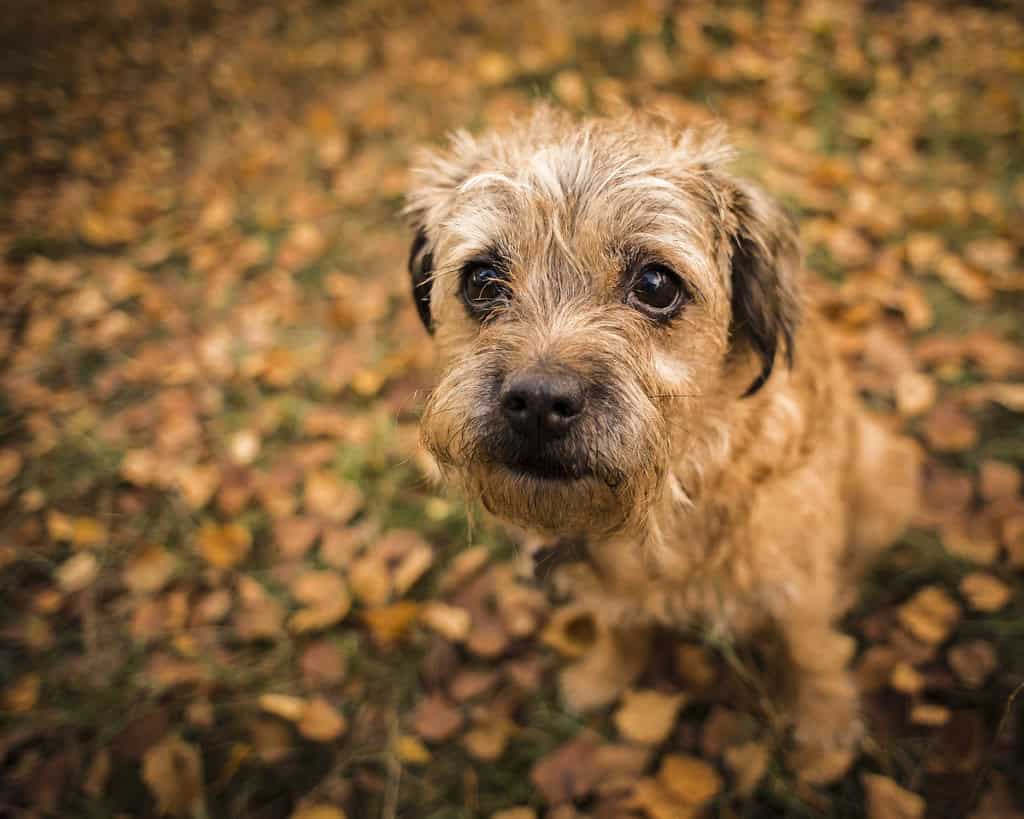
The way dogs process scent information differs fundamentally from human olfactory processing. When scent molecules enter a dog’s nose, they bind to specialized receptors that transmit signals directly to the olfactory bulb, a brain structure dedicated to processing smells. In dogs, the olfactory bulb is proportionally much larger than in humans and contains more neural connections. This enhanced neural architecture allows dogs to process scent information with extraordinary detail and nuance, creating what scientists describe as a “scent picture” of their environment.
Furthermore, dogs can perform “stereo olfaction” – using the slight time difference between scent molecules reaching each nostril to determine the direction of a scent source. This ability explains the characteristic back-and-forth head motion dogs make when tracking. Dogs also possess a remarkable ability to separate and identify individual components within complex scent mixtures. While humans might smell beef stew as a single unified scent, dogs can simultaneously detect and distinguish the meat, vegetables, spices, and even the metal of the pot. This sophisticated processing ability makes dogs invaluable for detection work ranging from search and rescue to medical detection.
The Extraordinary Range of Detectable Scents
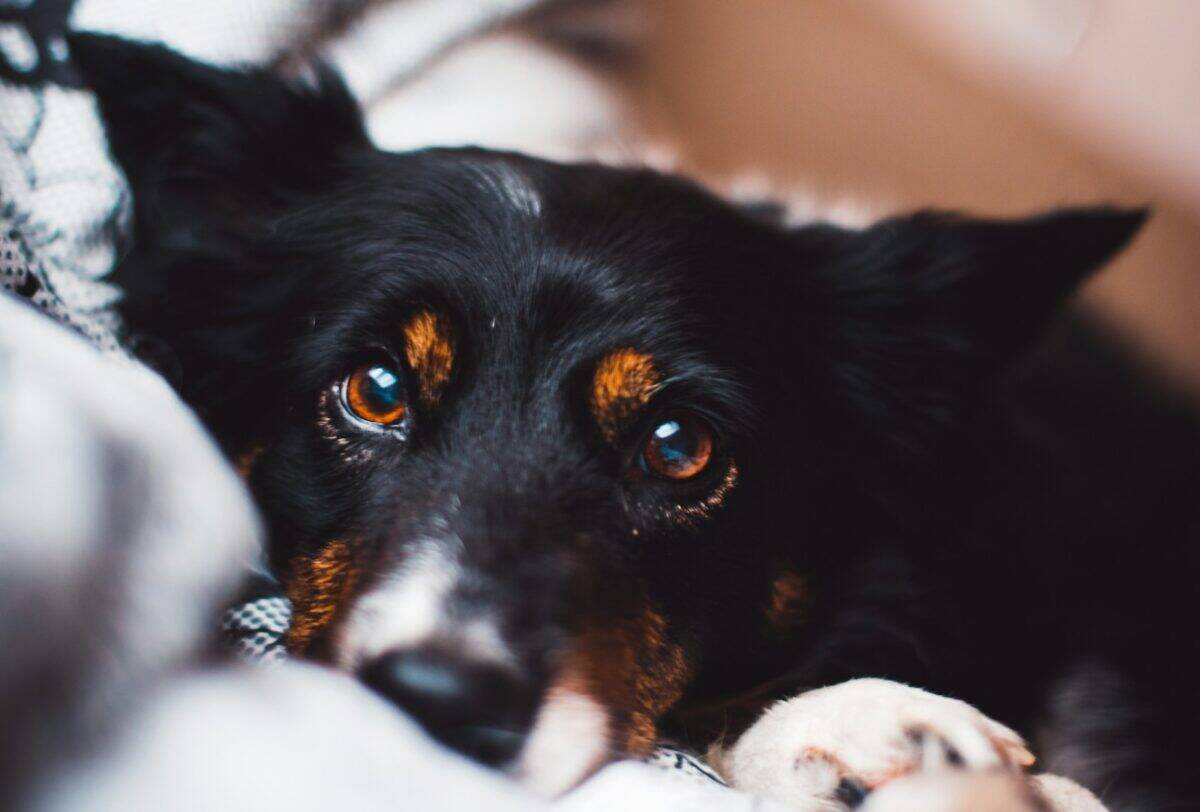
The canine nose can detect an astonishing range of odors that remain completely imperceptible to humans. Dogs can identify volatile organic compounds (VOCs) at concentrations as low as parts per trillion, allowing them to detect substances like explosives, narcotics, and accelerants used in arson. Their scent capabilities extend beyond conventional odors to include the detection of subtle physiological changes in humans and other animals. For instance, trained dogs can detect changes in human breath and sweat that indicate conditions like cancer, diabetes, migraines, and even COVID-19, often before other clinical symptoms appear.
Dogs can also detect scents underwater, through significant barriers, and after remarkable periods of time. Police tracking dogs have successfully followed scent trails that are over a week old under the right environmental conditions. They can detect residual scents on objects that were only briefly touched by an individual hours or even days earlier. This exceptional sensitivity extends to distinguishing between extremely similar scents – for example, identical twins have slightly different scent profiles that dogs can differentiate, even though these differences are undetectable by any current technological method. The full range of what dogs can detect with their noses likely extends beyond what science has currently documented.
Scent Detection in Working Dogs
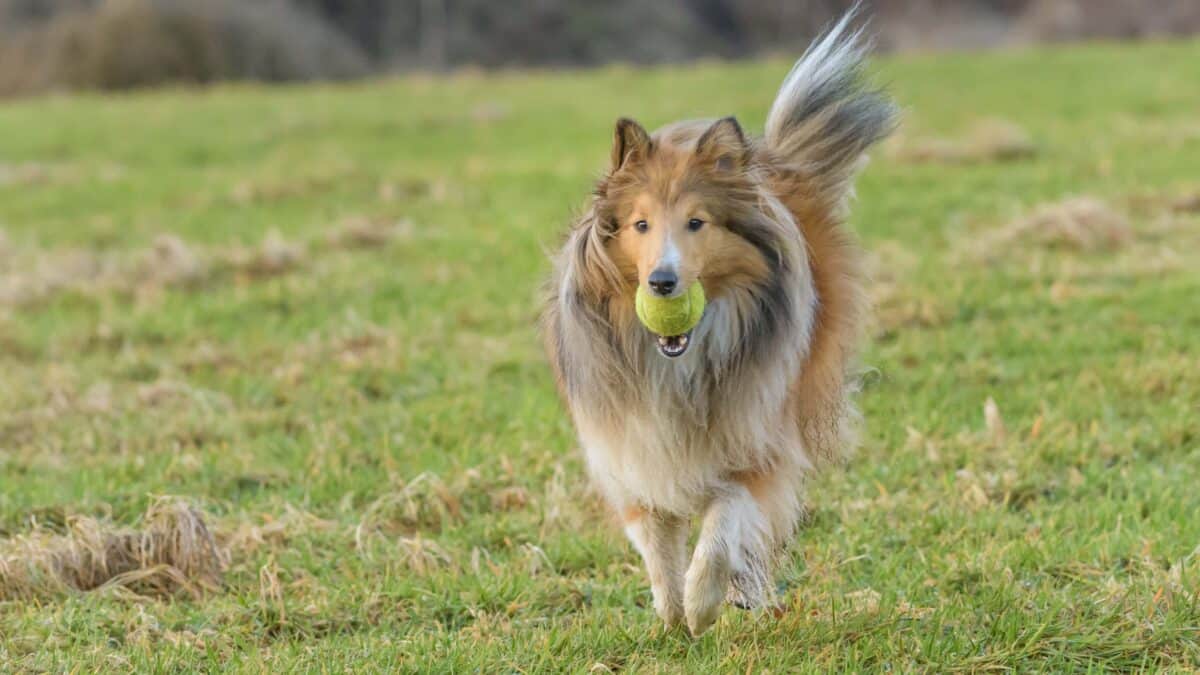
The extraordinary olfactory capabilities of dogs have made them invaluable partners in numerous professional fields. Search and rescue dogs locate missing persons in diverse environments, from wilderness areas to disaster zones, often under challenging conditions where human searchers and technology prove ineffective. These specialized canines can follow human scent carried by air currents from significant distances, even when the scent source is buried under rubble, snow, or water. Law enforcement agencies worldwide rely on detection dogs to locate narcotics, explosives, firearms, and even electronic devices containing illegal material.
Conservation efforts have also been revolutionized by scent detection dogs. These specialized canines locate endangered species, detect invasive plants, and find wildlife scat for non-invasive population monitoring. In agriculture, detection dogs identify crop diseases, pests, and contaminants before they cause widespread damage. Perhaps most impressive is the emerging field of medical detection dogs, where canines screen for cancers, detect impending seizures or diabetic episodes, and identify bacterial infections in hospital settings. The versatility and reliability of canine scent detection continues to expand as researchers develop new training protocols and applications for these remarkable biological sensors.
How Environmental Factors Affect Canine Scenting

Environmental conditions significantly impact a dog’s scenting abilities, creating both challenges and advantages depending on the circumstances. Temperature plays a crucial role – warm air causes scent molecules to become more volatile and rise, making airborne scent detection more effective. Conversely, in cold conditions, scents tend to remain closer to the ground, benefiting tracking dogs following ground scent. Humidity levels similarly affect scent behavior, with moderate humidity typically enhancing scent detection by preventing molecules from dissipating too quickly, while extremely dry conditions can make scenting more difficult.
Wind patterns create complex scent landscapes that experienced detection dogs learn to navigate. Wind carries scent molecules in plumes rather than straight lines, requiring dogs to work methodically through scent cones to locate sources. Surface textures also influence scent retention – porous materials like fabric and soil hold scents longer than smooth surfaces like glass or metal. Urban environments present particular challenges due to competing odors, air pollution, and heat-retaining surfaces that create thermal currents affecting scent movement. Professional handlers working with detection dogs carefully consider these environmental variables when planning search strategies and interpreting their dogs’ responses to optimize performance in different conditions.
The Evolution of Canine Olfaction
The extraordinary scenting abilities of modern dogs result from millions of years of evolutionary refinement. The ancestors of today’s dogs evolved as carnivorous predators, developing sophisticated olfactory systems to detect prey, avoid predators, and navigate complex environments. Archaeological evidence suggests that early canids relied heavily on scent for hunting, with brain structures dedicated to olfaction expanding significantly compared to their predecessors. This evolutionary trajectory created a species fundamentally oriented toward interpreting the world through scent rather than vision, unlike humans who evolved as primarily visual creatures.
The domestication process, beginning an estimated 15,000-30,000 years ago, further shaped canine olfactory abilities through both natural and artificial selection. As early humans partnered with proto-dogs for hunting, individuals with superior tracking abilities would have been particularly valued and selectively bred. Over centuries of specialized breeding, humans enhanced specific scenting traits for various working purposes – from scenthounds developed to track game over long distances to retrievers selected for their ability to locate fallen waterfowl in dense vegetation. This evolutionary and selective breeding history explains why even modern companion dogs retain extraordinary scenting abilities that far surpass human capabilities, representing one of the most refined biological sensory systems in the animal kingdom.
Comparing Canine Noses to Electronic Sensors

Despite significant technological advances in electronic “artificial noses,” canine olfaction remains superior in numerous ways. Modern electronic sensors can detect specific chemicals at low concentrations, but they typically target only pre-programmed substances. Dogs, in contrast, can be trained to identify entirely new scents in a matter of days or weeks without hardware modifications. Electronic devices also struggle with complex scent mixtures, often failing to isolate target odors from background contamination. Dogs excel at this discrimination task, readily identifying specific components within complex odor landscapes – a capability that remains beyond current technological capabilities.
The portability and adaptability of canine scent detection provide further advantages over electronic alternatives. Dogs can work effectively across diverse environments from arctic conditions to desert heat, requiring no external power source or recalibration. They provide real-time feedback through trained alert behaviors and can follow moving scent sources dynamically. While electronic sensors continue to improve, particularly in standardization and objectivity, research consistently demonstrates that dogs maintain significant advantages in sensitivity, versatility, and operational effectiveness. Rather than competing technologies, many experts now view electronic sensors and canine detection as complementary approaches, with dogs excelling at initial detection and scanning large areas, while electronic devices provide verification and documentation for scientific or legal purposes.
Training Dogs to Harness Their Olfactory Potential
Transforming a dog’s natural scenting abilities into reliable detection skills requires sophisticated training methods developed through decades of research and practical experience. Modern scent training typically begins with establishing a strong positive association between target odors and rewards, creating motivation without stress or pressure. Trainers use controlled introduction of target scents in gradually increasing difficulty levels, carefully managing variables like distraction odors, environmental complexity, and search duration. This progressive training builds both skill and confidence, allowing dogs to work independently while maintaining accuracy.
Advanced detection training incorporates concepts from behavioral science to develop reliable alert behaviors and minimize false positives or false negatives. Trainers employ techniques like double-blind testing (where neither handler nor dog knows if target scents are present) to ensure responses are truly based on scent detection rather than subtle handler cues. Maintaining and refining these skills requires ongoing training throughout a detection dog’s career, with regular proficiency testing and skill maintenance sessions. The most successful scent detection programs recognize that while the dog’s nose provides the raw sensing ability, the handler-canine partnership and training methodology determine how effectively that natural capability translates into practical applications. With proper training, even average dogs can perform scent detection tasks that far surpass the capabilities of current technology.
The Future of Canine Scent Detection Research
The field of canine scent detection research is experiencing rapid expansion as scientists develop new methodologies to understand and apply dogs’ olfactory capabilities. Advanced neuroimaging techniques now allow researchers to observe canine brain activity during scent detection tasks, providing unprecedented insights into how dogs process olfactory information. These studies are revealing the neural mechanisms behind scent discrimination, odor memory, and scent-based decision making. Parallel research in canine genetics is identifying specific genetic markers associated with superior scenting abilities, potentially allowing for more precise breeding programs for working detection dogs.
Emerging applications continue to demonstrate the untapped potential of canine scent detection. Recent studies have shown dogs can detect agricultural crop diseases before visible symptoms appear, identify wildlife trafficking contraband in complex shipping environments, and even detect submerged human remains in bodies of water. Perhaps most promising is the expanding field of medical detection, where dogs are being trained to identify biomarkers for conditions ranging from Parkinson’s disease to certain bacterial infections. As our scientific understanding of canine olfaction deepens, researchers anticipate developing hybrid systems that combine the biological advantages of canine detection with technological tools for data collection and analysis, creating even more powerful detection capabilities for challenges ranging from security threats to environmental monitoring.
Conclusion: The Enduring Wonder of Canine Olfaction

The canine nose remains one of nature’s most remarkable sensory instruments, combining extraordinary sensitivity with sophisticated processing capabilities that continue to exceed our technological alternatives. As science uncovers more details about the genetic, anatomical, and neurological foundations of canine olfaction, we gain deeper appreciation for the complexity and elegance of this evolutionary marvel. The practical applications of canine scent detection continue to expand, solving problems from medical diagnosis to environmental conservation that would otherwise remain intractable.
Perhaps most significantly, the study of canine olfaction reminds us of the remarkable diversity of sensory experiences across species. While humans navigate a primarily visual world, dogs experience a rich olfactory landscape largely inaccessible to us, perceiving chemical signatures that tell stories about their environment invisible to human perception. This perspective encourages scientific humility and reminds us that our understanding of reality is inherently limited by our own sensory capabilities. As we continue to partner with dogs in detection work, we’re not merely utilizing a biological tool but collaborating across species boundaries, combining human intelligence with canine sensory abilities to achieve outcomes neither could accomplish alone.

From exploring the marine wonders in the Azores and witnessing the vast savannas of Kenya, to delving deep into the rich biodiversity of South Africa and traversing iconic landscapes in Australia and the US like Yellowstone, Chris's experiences are vast.
With a penchant for diving alongside sharks, the ocean holds a special place in his heart.
Through his academic insights, he champions wildlife conservation, striving with 'Animals Around The Globe' to cultivate a profound connection between humans and animals, enhancing our mutual appreciation.
Connect with him at Feedback@animalsaroundtheglobe.com.