


As twilight descends upon suburban streets, a russet shadow slips between manicured hedges, pausing occasionally to listen with alert, triangular ears. The red fox, once a creature of woodland and field, has become an increasingly common resident in our suburban landscapes. These adaptable canids have carved out a remarkable existence alongside humans, leading fascinating yet largely unseen lives in the margins of our neighborhoods. From their secretive dens tucked beneath garden sheds to their nocturnal foraging expeditions through our backyards, foxes have mastered the art of urban survival while remaining elusive to most human observers. This hidden world of suburban foxes represents one of the most successful wildlife adaptations to human development—a delicate balance of coexistence that unfolds nightly beyond our windows and beneath our streetlights.
The Rise of Urban Fox Populations

The phenomenon of foxes inhabiting suburban areas isn’t entirely new, but it has accelerated dramatically in recent decades. Studies suggest that urban fox populations have increased by as much as 40% in some metropolitan areas since the 1990s. This expansion isn’t random—it correlates directly with suburban growth, which creates an ideal mosaic of habitats for these adaptable omnivores. Unlike deep forests or open farmland, suburbs offer foxes a perfect blend of cover, food sources, and reduced predator pressure. The patchwork of gardens, parks, greenbelts, and undeveloped pockets creates edge habitats—transitions between different landscape types—where foxes naturally thrive. Additionally, reduced hunting pressure and fewer natural predators in suburban environments have allowed fox populations to flourish in these human-dominated landscapes.
The Fox’s Secret Suburban Menu
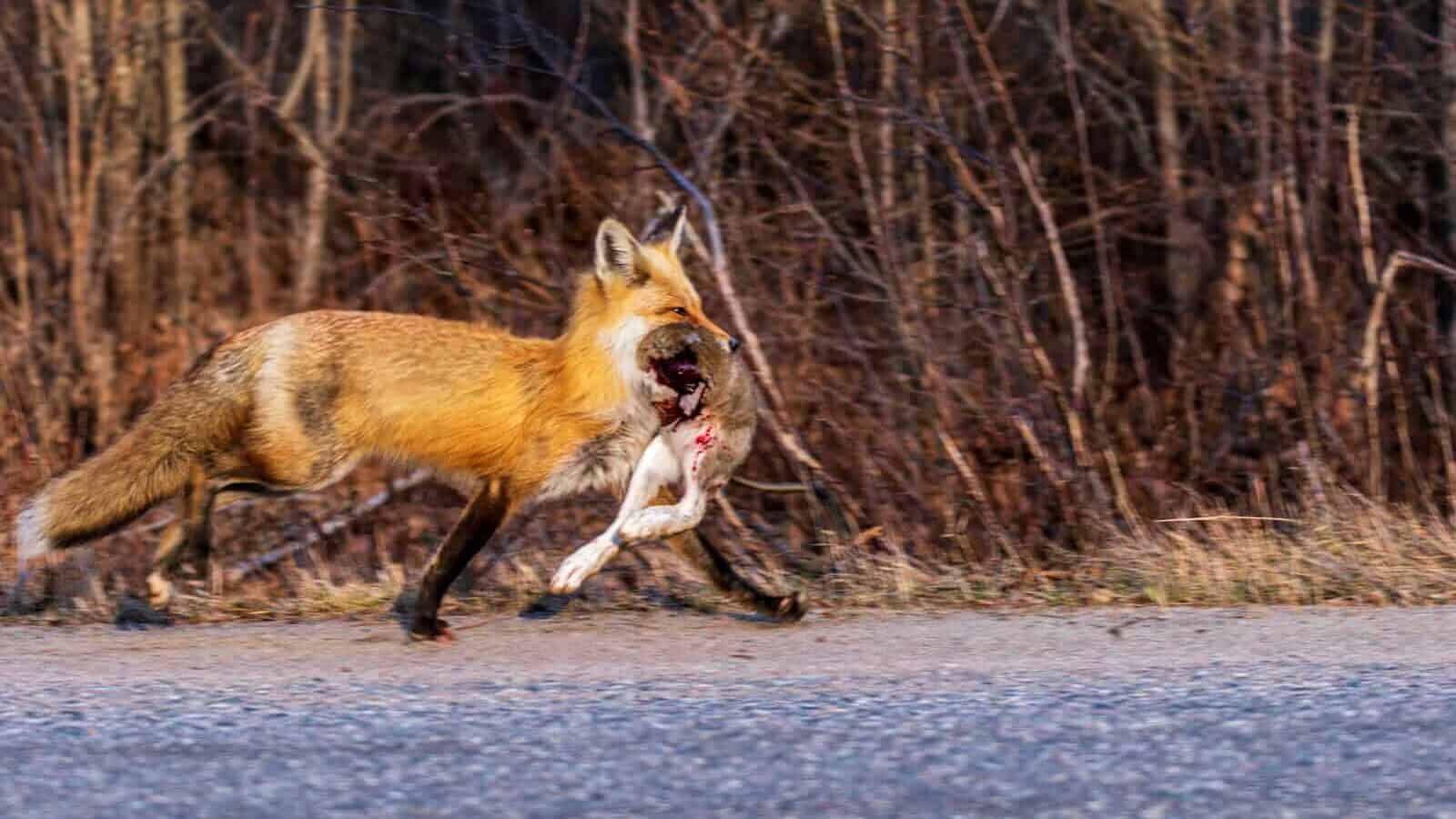
Contrary to their portrayal as primarily rabbit hunters, suburban foxes display remarkably diverse dietary habits. Research examining the stomach contents of urban foxes reveals that they are consummate opportunists, with diets that shift seasonally and regionally. In suburban environments, natural prey like rodents, birds, and insects might comprise only 50% of their diet. The remainder includes fallen fruit, berries, lawn grubs, earthworms, and—perhaps most significantly—human food waste. A study in Bristol, England, found that anthropogenic food sources (discarded takeout, pet food left outdoors, and compost piles) can constitute up to 37% of an urban fox’s diet. This dietary flexibility is key to their suburban success, allowing them to survive seasonal scarcity and capitalize on the inconsistent but abundant resources provided by human neighborhoods. Interestingly, suburban foxes often maintain healthier weights than their rural counterparts due to this food security, though they may face different health challenges from processed foods.
Hidden in Plain Sight: Fox Dens in Suburban Settings
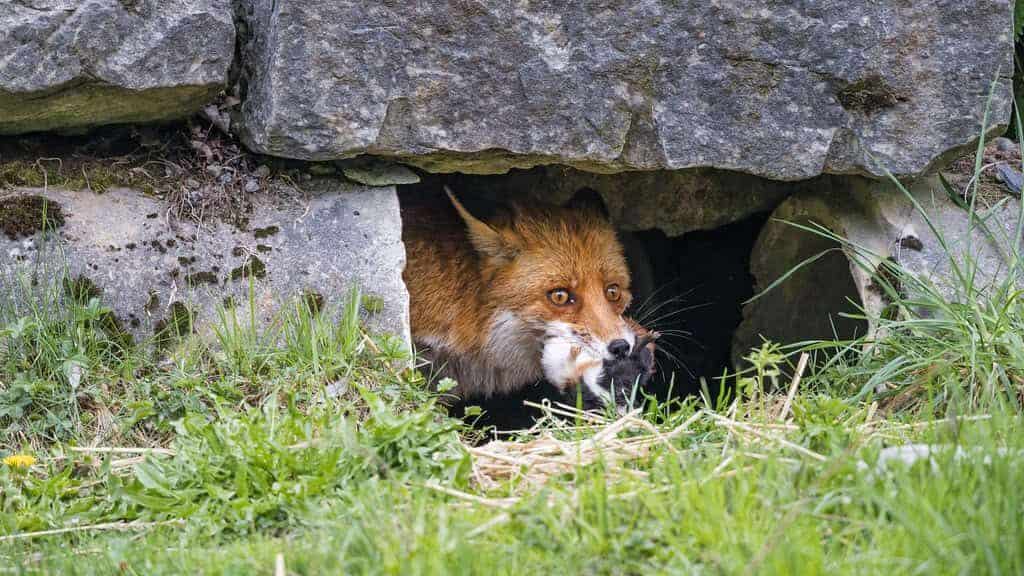
The secretive nature of fox denning behavior represents one of the most fascinating aspects of their suburban adaptation. A fox family may live mere yards from human homes without residents ever realizing their presence. Unlike their rural counterparts who typically dig extensive burrow systems in open areas, suburban foxes have become masters of repurposing human structures. Garden sheds elevated a few inches above ground provide perfect shelter, as do spaces beneath decks, porches, and abandoned outbuildings. Fox dens have been discovered in landscaping rock piles, within dense shrubbery, and even in vacant crawl spaces beneath occupied homes. One study documented that suburban fox dens are typically located within 76 meters of a human structure but positioned to have minimal human foot traffic nearby. These dens often feature multiple entrances and escape routes, with careful landscaping by the foxes themselves—moving sticks, leaves, and even human debris to camouflage entrances from casual observation. What’s particularly remarkable is how frequently these dens remain completely undetected despite being in close proximity to human activity.
Nocturnal Navigators: How Foxes Move Through Neighborhoods
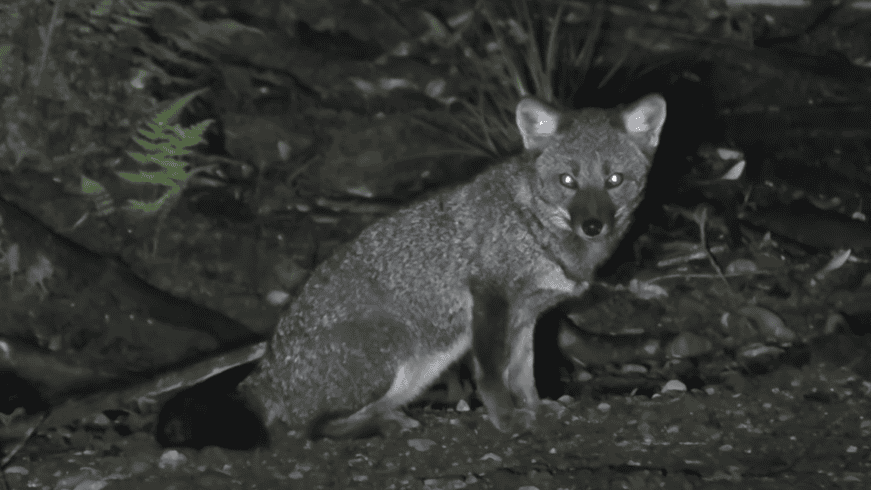
Suburban foxes have developed sophisticated navigation systems that allow them to traverse neighborhoods while minimizing human contact. GPS collar studies reveal that foxes create mental maps of their territories, establishing primary travel corridors that maximize cover and minimize exposure. These “fox highways” often follow fencelines, drainage ditches, hedgerows, and other linear features that provide concealment. Research shows that suburban foxes typically maintain territories of 25-100 acres—significantly smaller than their rural counterparts’ ranges of 500+ acres—due to the concentration of resources in human areas. These territories are meticulously patrolled and marked with urine, scat, and glandular secretions, creating invisible boundaries that most humans never perceive. Perhaps most impressively, foxes adjust their movement patterns based on human activity, with some studies documenting that they learn individual human schedules, avoiding yards during times when residents are typically outdoors and utilizing those spaces during predictable periods of human absence. This temporal partitioning allows foxes to share physical space with humans while rarely encountering them directly.
Fox Family Life in the Suburban Landscape
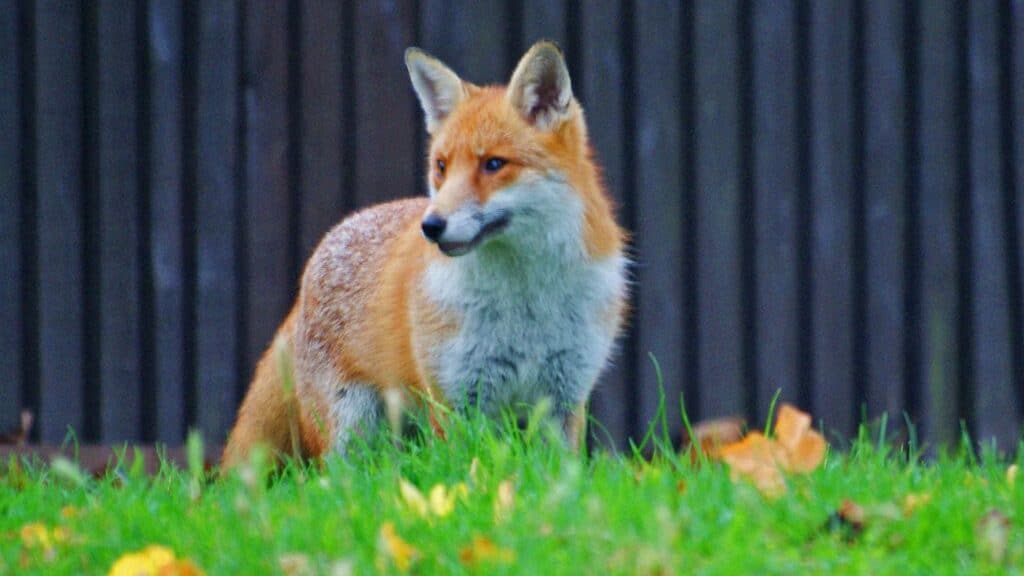
Behind the privacy fences and garden walls of suburban neighborhoods, fox families engage in complex social behaviors largely unseen by human eyes. Unlike many canid species, red foxes form long-term, monogamous pairs, with mated couples often staying together for multiple breeding seasons. In suburban environments, fox families typically consist of the breeding pair and their current year’s offspring, though occasionally non-breeding “helper” foxes (usually female offspring from previous years) may remain with the family unit. Breeding occurs in winter, with kits born in March or April. A typical suburban fox litter contains 4-5 kits, though litters of up to 10 have been documented in resource-rich environments. For the first few weeks, kits remain hidden in the den while the mother stays close and the father hunts. As they grow, suburban fox kits begin supervised play sessions in secluded areas—often family backyards that provide secure boundaries—where they develop crucial hunting and social skills. These play sessions typically occur at dawn and dusk, with adult foxes remaining vigilant for threats. By late summer, juvenile foxes begin making exploratory forays beyond their birth territory, eventually dispersing to establish their own ranges, often within the same suburban ecosystem.
The Secret Language of Fox Communication

The vocal repertoire of foxes is far more complex than many people realize, and suburban environments have influenced how these animals communicate. Foxes produce over 20 distinct vocalizations, from the familiar barking scream that often startles suburban residents at night to subtle whines, growls, and contact calls that maintain family bonds. Notably, researchers have documented that suburban foxes have modified their vocal communication patterns in response to urban environments. They tend to vocalize less frequently during human active hours and have developed higher-pitched calls that carry less distance in built environments, reducing the likelihood of detection. Beyond vocalizations, foxes communicate extensively through body language and scent marking. Suburban territories are demarcated with urine, scat, and secretions from special glands, creating an invisible landscape of information that other foxes can read—including reproductive status, identity, and territorial boundaries. This complex communication system operates continuously in suburban neighborhoods, a parallel social network that most human residents never perceive despite living within it daily.
Seasonal Changes in Fox Behavior and Visibility

The visibility and behavior of suburban foxes follow distinct seasonal patterns that influence human-fox interactions throughout the year. Winter represents peak territorial activity, with foxes becoming more visible as they actively mark and defend breeding territories. December through February brings the mating season, when residents might hear the distinctive screaming calls of vixens or observe foxes moving in pairs. Spring brings denning behavior and the birth of kits, during which adult foxes become highly protective of their territories and may appear bolder or more defensive if they perceive threats near their dens. By late spring and early summer, food demands peak as growing kits require substantial nutrition, often leading to increased daytime fox activity and more frequent sightings in gardens and yards. Late summer sees juvenile foxes beginning to disperse, sometimes resulting in temporary increases in local fox populations and more frequent sightings as inexperienced young foxes establish new territories. Autumn brings increased foraging as foxes build fat reserves for winter, often focusing on fallen fruits, nuts, and increased rodent activity in cooling temperatures. Understanding these seasonal patterns helps explain why fox sightings in suburban neighborhoods tend to cluster during certain times of year, rather than occurring uniformly throughout the seasons.
Adapting to Suburban Hazards and Threats
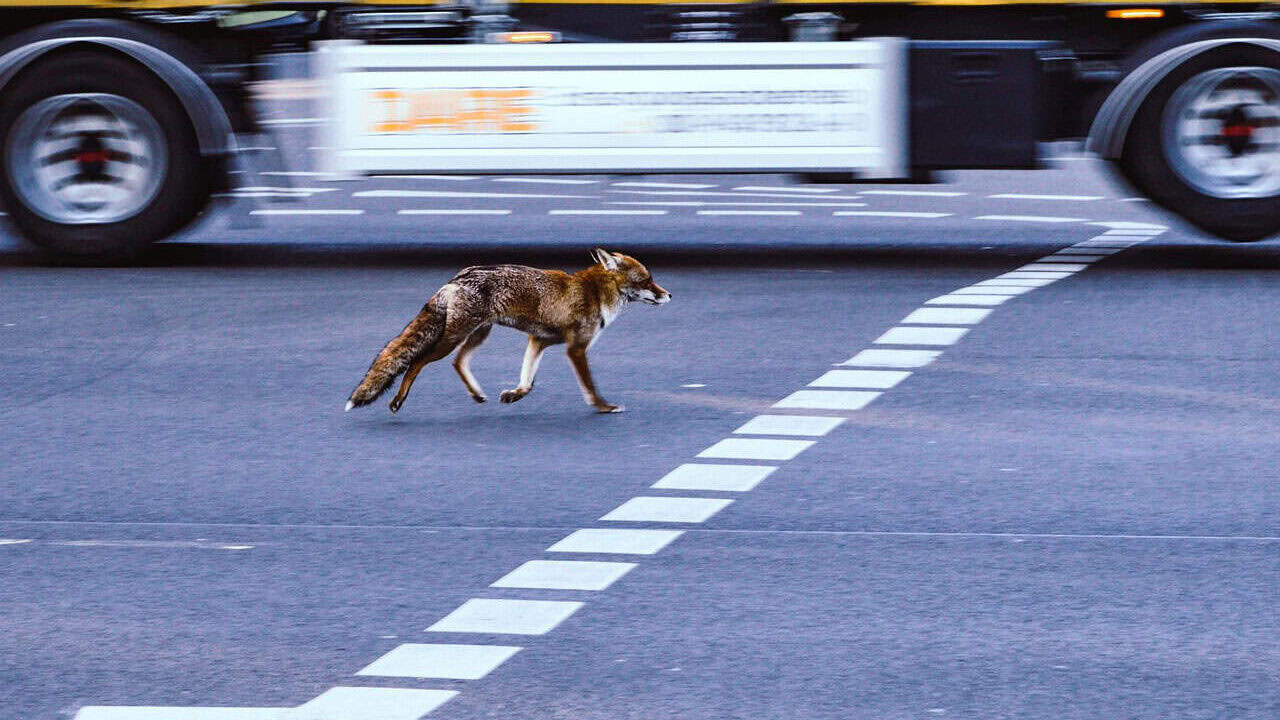
Life in suburban environments presents foxes with a unique set of challenges that have driven remarkable behavioral adaptations. Vehicle traffic represents the single greatest mortality risk, with studies suggesting that up to 60% of urban fox deaths occur on roadways. In response, successful suburban foxes develop sophisticated road-crossing behaviors, including using consistent crossing points with good visibility, waiting for gaps in traffic, and learning traffic patterns. Disease transmission represents another significant threat, particularly canine distemper, parvovirus, and sarcoptic mange—the latter being especially prevalent in high-density suburban fox populations. Foxes must also navigate potential conflicts with domestic dogs, leading to temporal avoidance behaviors where foxes become more strictly nocturnal in neighborhoods with high dog populations. Chemical hazards present another challenge, with foxes exposed to rodenticides, lawn treatments, and other toxins. Perhaps most fascinating is how foxes navigate the complex social landscape of human attitudes—seeming to distinguish between fox-friendly and fox-hostile properties. Long-term observational studies suggest that foxes actively avoid properties where they’ve experienced harassment or threats while returning regularly to locations where humans have demonstrated tolerance, showing a sophisticated ability to categorize individual human behaviors within their territories.
The Benefits of Suburban Foxes

While suburban foxes sometimes develop reputations as nuisances, ecological research increasingly highlights their beneficial roles in human-dominated landscapes. As mid-sized predators, foxes provide natural rodent control services that can significantly impact local pest populations. A single fox family can consume thousands of rodents annually, with studies documenting measurable reductions in mouse and rat populations in areas with established fox territories. Beyond rodent control, foxes help maintain healthier bird populations by primarily targeting sick or injured individuals. Their omnivorous diets include many garden and landscape pests including beetles, grubs, and snails. Foxes also contribute to local seed dispersal through their consumption of fruits and berries, with the seeds passing through their digestive systems and being deposited with natural fertilizer throughout their territories. From an ecosystem perspective, foxes occupy a critical niche in suburban food webs, helping to maintain balance in systems that have lost many of their natural predators. Perhaps most significantly, suburban foxes provide increasingly rare opportunities for meaningful wildlife connections in human-dominated landscapes, offering glimpses of wild nature that can foster broader environmental appreciation and conservation ethics among residents.
Misconceptions and Myths About Suburban Foxes

Despite their increasing presence in suburban environments, foxes remain subject to numerous misconceptions that can lead to unwarranted fears or conflicts. Contrary to common belief, healthy foxes pose virtually no threat to humans—they are naturally shy and avoidant of direct human contact. The risk of fox-transmitted rabies is exceptionally low in most regions, with raccoons, bats, and skunks representing far greater rabies vectors in suburban environments. Another persistent myth suggests that foxes regularly prey on cats or small dogs, but research consistently shows that such attacks are extremely rare. Studies examining fox dietary habits find domestic pet remains in less than 1% of fox scat samples, and these instances likely represent scavenging rather than predation. Foxes typically avoid confrontation with cats, which are similar in size and often more aggressive. Similarly, concerns about foxes being attracted to yards by bird feeders are often overstated—while foxes may opportunistically catch ground-feeding birds, they’re more likely attracted by the rodents that bird seed attracts rather than the birds themselves. Perhaps the most harmful misconception is that foxes “invade” suburban areas, when in reality, humans have developed fox habitat, forcing these adaptable animals to adjust their behaviors to survive in increasingly human-dominated landscapes.
Responsible Coexistence with Neighborhood Foxes
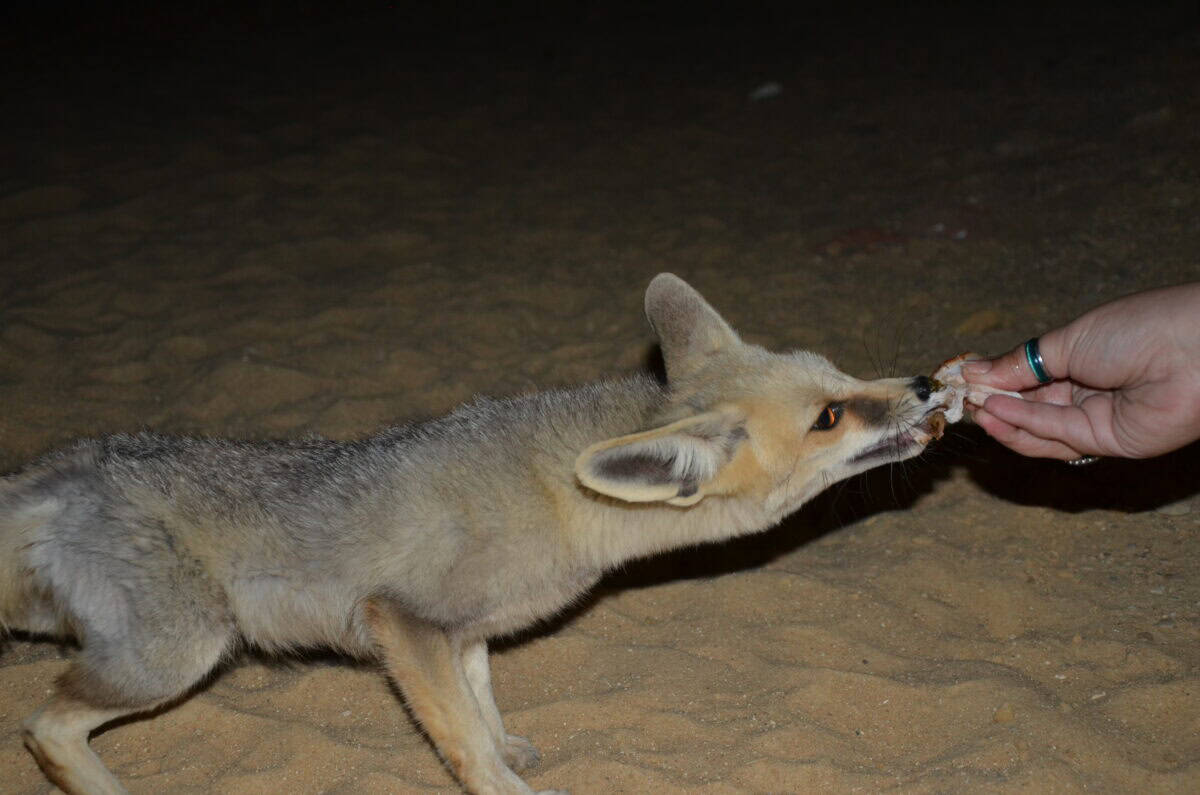
For suburban residents sharing their neighborhoods with foxes, certain practices can promote harmonious coexistence while minimizing potential conflicts. Secure management of food sources ranks among the most important considerations—keeping trash in wildlife-resistant containers, feeding pets indoors, and promptly harvesting fallen fruit from trees. For those experiencing specific fox issues, humane deterrents like motion-activated sprinklers or lights can effectively discourage foxes from particular areas without harming them. During denning season (March-June), providing foxes extra space around known den sites prevents defensive behaviors from protective parents. Residents should never attempt to hand-feed foxes, as this reduces their natural wariness of humans and can create problematic dependencies. If foxes display unusually bold behavior or appear sick (excessive hair loss, disorientation, or extreme lethargy), contacting local wildlife authorities is appropriate. For gardeners concerned about digging, installing buried barriers of hardware cloth around specific beds offers effective protection. Educational community approaches prove most successful, with neighborhoods that develop shared understanding and protocols regarding local foxes experiencing fewer conflicts and greater appreciation for these adaptable wild neighbors.
The secret lives of suburban foxes represent just one chapter in the broader narrative of wildlife adaptation to human-dominated landscapes. As we transform natural habitats into suburban developments, we inadvertently create new ecological niches that certain adaptable species—foxes among them—can successfully exploit. This process of synurbization—wildlife adapting to urban environments—is reshaping ecological relationships worldwide and challenging our traditional notions of wildlife management. For suburban residents, foxes offer unique opportunities to witness wildlife adaptation firsthand, providing valuable connections to natural processes that increasingly exist alongside our daily lives rather than separate from them. As suburban fox populations continue to evolve and adapt, they remind us that the boundaries between “wild” and “developed” spaces are more permeable than we often acknowledge, inviting us to reconsider how we might design communities that consciously accommodate the needs of both human and non-human inhabitants.

- 21 Scary Creatures You Might Run Into While Hiking In The U.S - June 3, 2026
- The Difference Between Turtles and Tortoises—Explained - June 3, 2026
- What Makes Owls the Silent Predators of the Night? - June 3, 2026