
Worried about unexpected vet bills?
Pet insurance can cover thousands in unexpected vet costs. Get a free quote from Lemonade in under 2 minutes.
Get My Free Quote →Sponsored · Opens Lemonade.com
Most people drift off to sleep just as another world is waking up. The moment the last light fades from the sky, forests, deserts, wetlands, and even city streets shift into a completely different gear. Creatures that spent the daylight hours resting in dens, hollow trees, or the cool of underground burrows stretch, sniff the air, and get to work.
Nocturnality is a behavior in some non-human animals characterized by being active during the night and sleeping during the day. It’s far more common than most people realize. Roughly seventy percent of mammal species are nocturnal, while only about one in five are diurnal. Another small fraction are cathemeral, active irregularly at any hour, and a sliver are crepuscular, most active at dusk and dawn.
The night is not empty. It’s busy, strategic, and in many ways more alive than the day.
Built for the Dark: Extraordinary Senses and Physical Adaptations
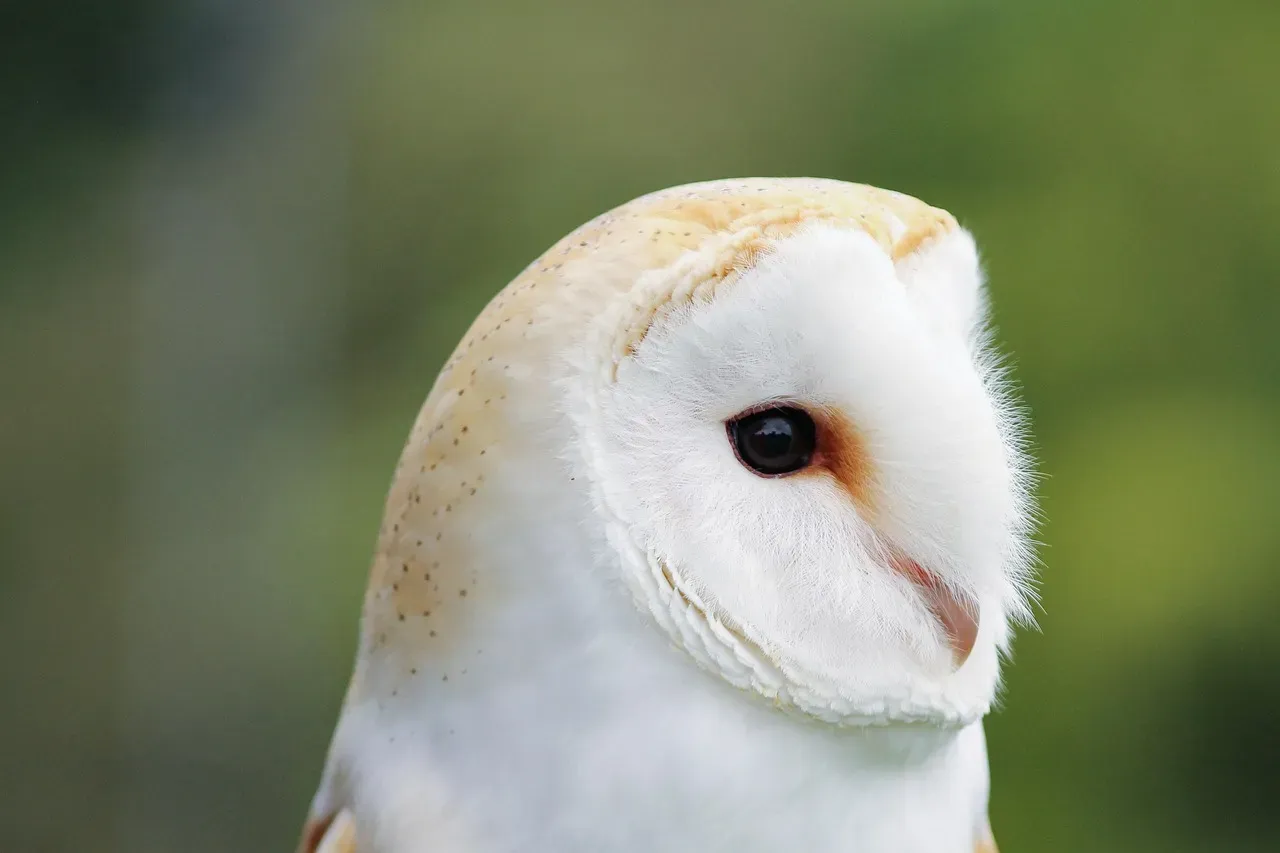
Nocturnal animals didn’t just stumble into the dark. They evolved over vast stretches of time to master it. Nocturnal animals have evolved a range of adaptations to help them hunt, forage, and evade predators in the dark. One of the most significant is enhanced sensory perception. Many nocturnal animals have large eyes with a high number of rod cells, which are more sensitive to low light levels, allowing them to see better in the dark.
The tapetum lucidum, a reflective layer behind the retina, is found in many nocturnal mammals and helps to increase the amount of light available to their photoreceptors, further improving their night vision. It’s also the reason so many nocturnal animals’ eyes seem to glow when caught in a beam of light.
Owl eyes are so large they can’t move in the socket, but their wide pupils help them collect more light. Animals like owls and large cats have specialized hearing to hunt at night; owls’ ears are offset and the ears of large cats are highly maneuverable. Bats can determine the size, shape, and distance of obstacles and prey in complete darkness using echolocation. Foxes have highly sensitive ears that can detect the faintest sounds of prey moving underground.
Many nocturnal animals have a good sense of smell and often communicate with scent marking. That sense of smell comes from the Jacobson’s organ located in the roofs of their mouths. When an animal pulls its lips back and grimaces, it enhances the sensitivity of the organ. It’s a surprisingly sophisticated system, and it works with remarkable precision in total darkness.
Hunting Under Cover: How Predators Use the Night
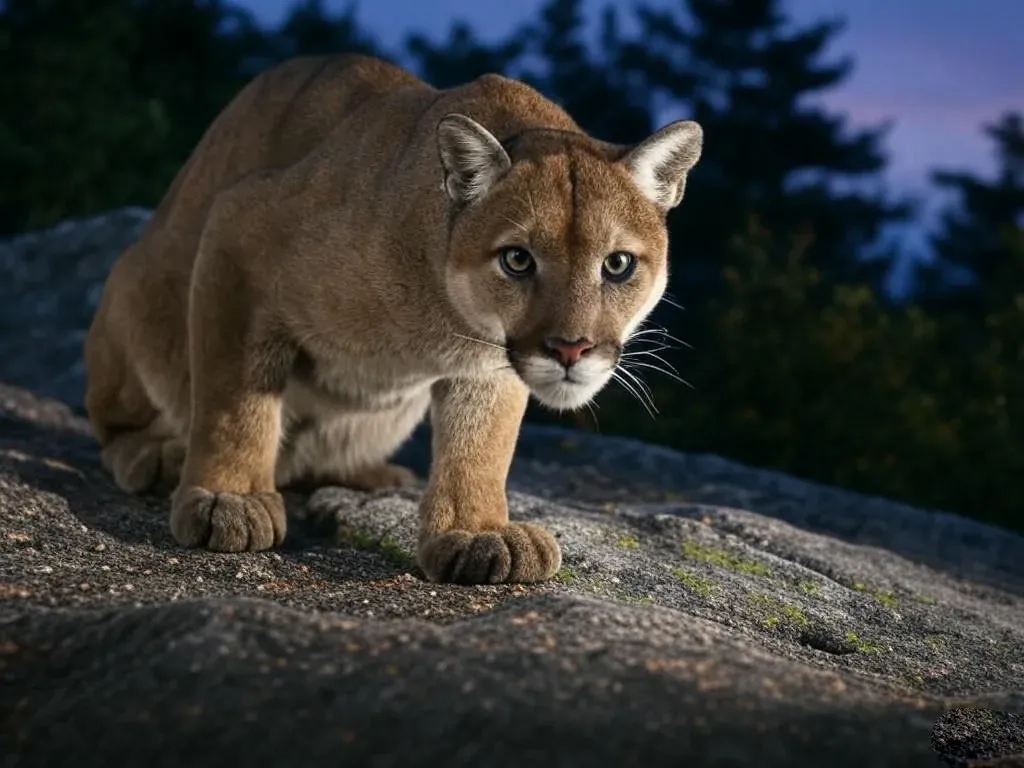
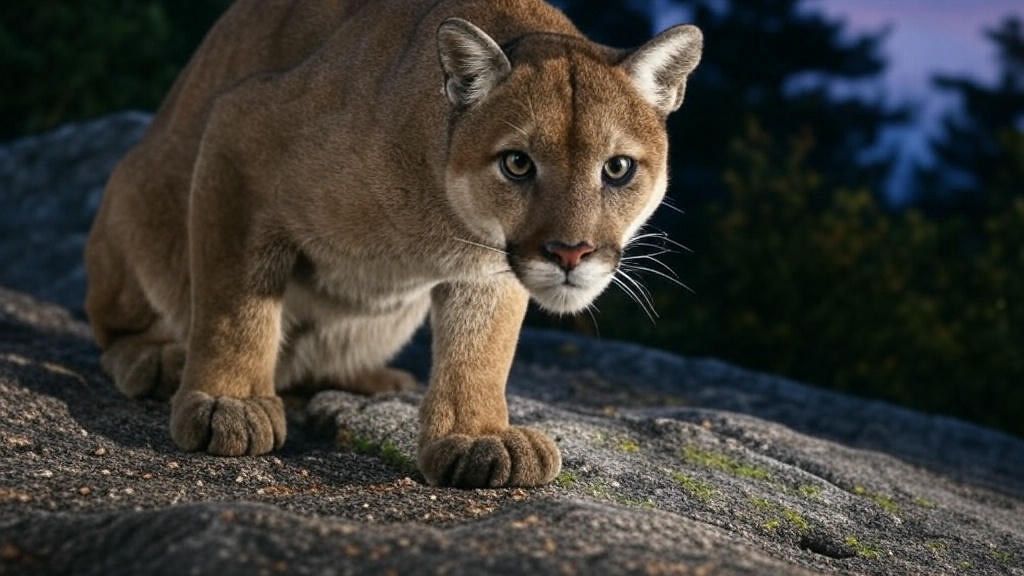
In a world filled with diurnal animals, nocturnal behavior is nature’s clever solution to avoid predation, attract mates, and find food. For many predators, the night isn’t just a backdrop. It’s a genuine advantage.
Lions prefer to hunt at night because many of their prey species, including zebra, antelope, impala, and wildebeest, have poor night vision. Tigers similarly prefer nighttime hunting because many of their prey, like deer and wild boars, are also nocturnal. Some prey, such as the Sambhar deer, have poor night vision, making them easier targets.
Owls are equipped with binocular vision and an incredible sense of hearing. They can hunt small mammals, insects, and even fish in almost total darkness. Their feathers are specially adapted to allow silent flight, making them stealthy nighttime predators.
Most bat species hunt using echolocation. They emit high-frequency sounds and read returning echoes to map their surroundings and locate prey. This system lets many bats detect and track very small insects, including mosquitoes, and fly at high speed through dense forests at night. The speed and precision involved is genuinely staggering.
Foraging, Feeding, and the Quieter Side of Night Life
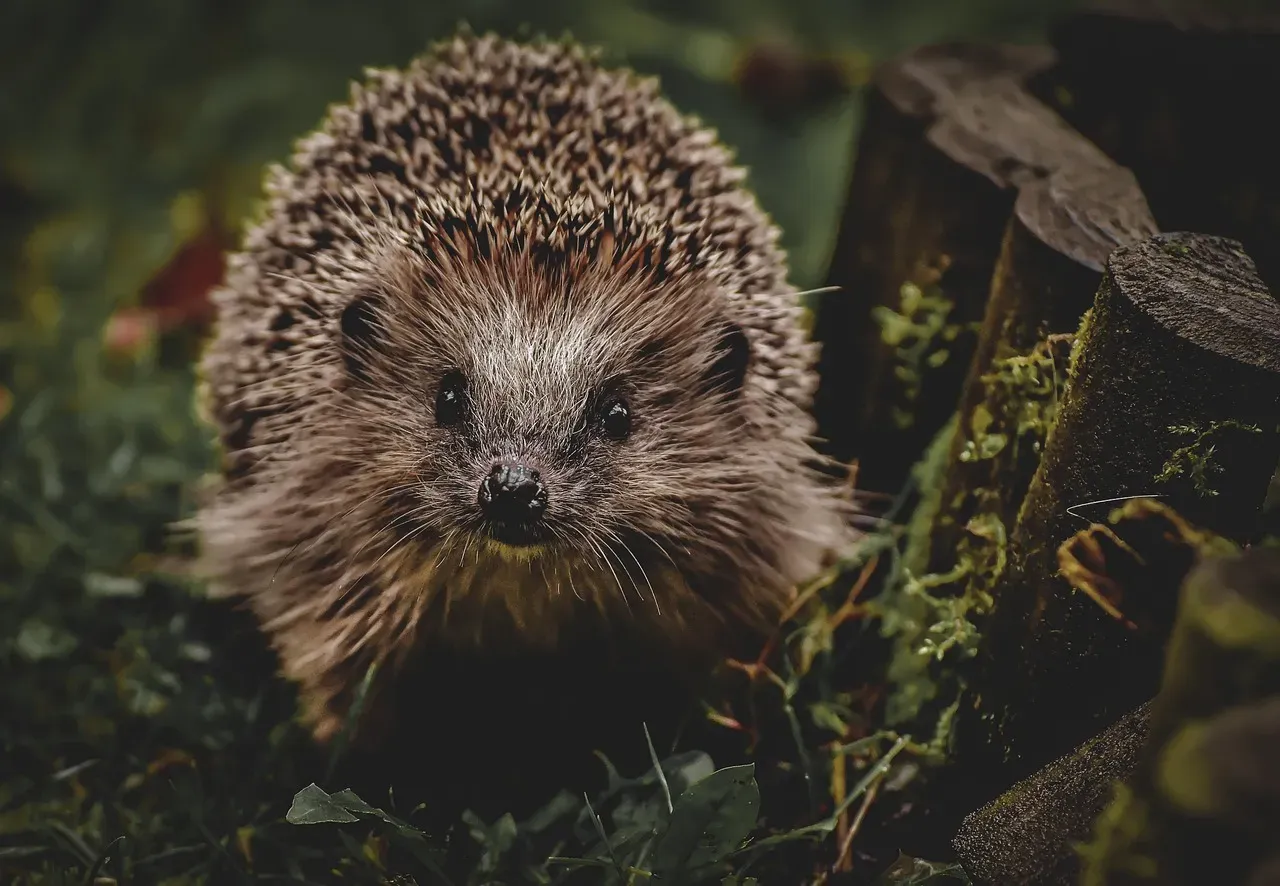
Not every nocturnal creature is a fierce predator. Many are foragers, and their nighttime routines are just as purposeful. Small, spiny hedgehogs forage for insects and worms after dark. They are solitary and shy, using their excellent sense of smell to locate food while avoiding predators.
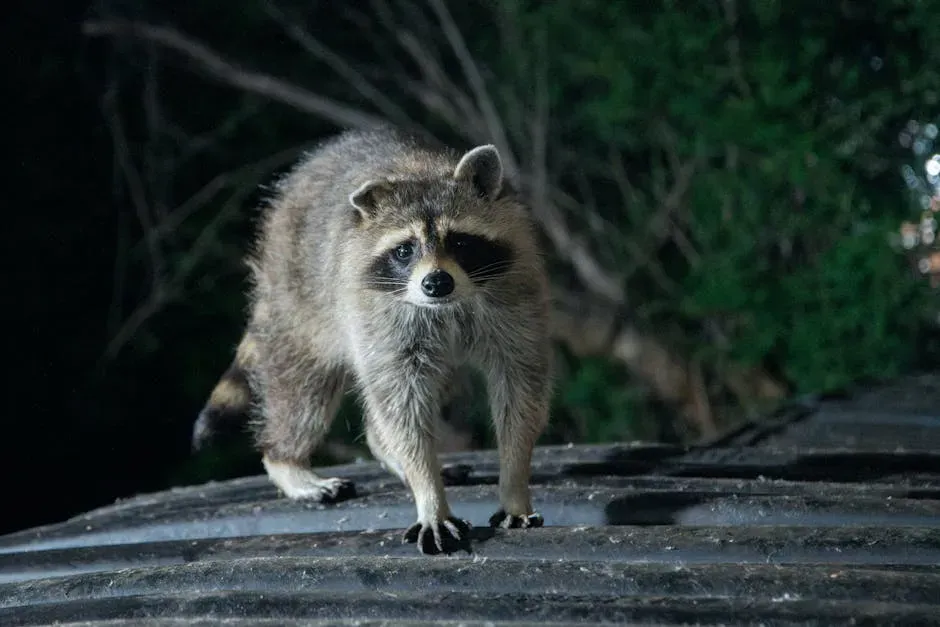
Raccoons, highly adapted to cities, have extremely sensitive front paws that work as detailed touch sensors. Their night vision exceeds human low-light vision. They search for food after sunset and use their flexible fingers to open containers, feel underwater prey, and manipulate objects. It’s an almost hand-like dexterity that makes them remarkably resourceful in urban environments.
Aye-ayes use percussive foraging, tapping on wood with their elongated middle finger and listening for insect larvae inside, to locate prey. Adult badgers can consume up to two hundred earthworms in a single night when they go out to hunt. The sheer variety of feeding strategies in the nocturnal world is remarkable.
Nocturnal pollinators like moths are critical for the reproduction of certain night-blooming plants, enhancing biodiversity and supporting food chains. Many plant species native to arid biomes have adapted so that their flowers only open at night when the sun’s intense heat cannot wither and destroy their moist, delicate blossoms. These flowers are pollinated by bats, another creature of the night.
Communication, Mating, and Social Behavior After Dark
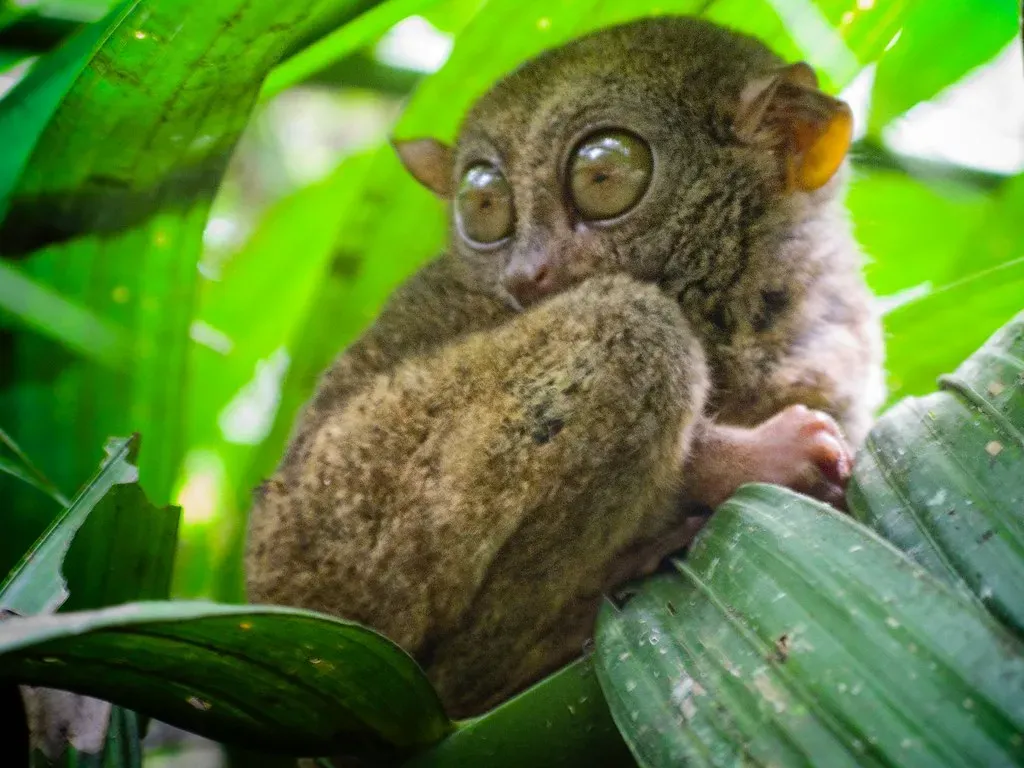
The night is not silent. It’s full of signals, most of them invisible to the average person walking past a forest edge at dusk. Night monkeys, native to Central and South America, have evolved large eyes to see in the dark and are active primarily at night. They use vocalizations and scent marking to navigate their environment and communicate.
Foxes are fascinating night animals that exhibit both crepuscular and nocturnal behavior. Their haunting nighttime vocalizations can give you chills, with sharp barks and eerie screams that echo through the darkness as territorial warnings and mating calls.
Bioluminescent beetles, like fireflies, create magical nighttime displays. They use flashing light patterns to communicate with potential mates. Their bioluminescence produces light with almost no heat, making it one of nature’s most efficient light sources. Frogs typically emerge at night to hunt insects, and their croaks are often used to attract mates after dark.
Wolves are most active at dawn and dusk but often exhibit nocturnal behavior, especially when hunting. Pack coordination during nighttime pursuits demonstrates their sophisticated social structure. Many of these social and reproductive behaviors only happen in darkness, which makes protecting natural night environments so important for species continuity.
A World Under Threat: Light Pollution and the Changing Night

The natural darkness that nocturnal animals depend on is quietly shrinking. Light pollution is a major issue for nocturnal species, and the impact continues to increase as electricity reaches parts of the world that previously had no access. Species in the tropics are generally more affected due to the change in their relatively constant light patterns, but temperate species relying on day-night triggers for behavioral patterns are also affected.
Light pollution disrupts natural behaviors including feeding, mating, and migration patterns. Migratory birds, which fly at night, and sea turtles are particularly endangered by light pollution because they rely on starlight to navigate. These aren’t abstract risks. They translate directly into population pressures for some of the planet’s most ecologically important species.
Some animals may be embracing the nocturnal lifestyle in an attempt to limit their encounters with humans. All across the world, mammal species are becoming more nocturnal as a way to avoid the ever-expanding footprint humans have on our shared planet. Climate change has also led to an increasing number of diurnal species pushing their activity patterns closer towards crepuscular or fully nocturnal behavior, as an adaptive measure to avoid the day’s heat without having to leave their habitat.
Conservation efforts aimed at mitigating these impacts, such as reducing light pollution and protecting natural habitats, are essential for preserving nocturnal biodiversity and maintaining ecological stability. The steps don’t have to be dramatic. Shielded outdoor lights, dark-sky ordinances, and preserved wildlife corridors all make a genuine difference.
Conclusion
There is a whole civilization operating just beyond our awareness every single night. Animals are hunting, navigating, communicating, pollinating, and raising young while the human world sleeps. Nocturnal animals play a vital role in maintaining ecosystem balance. Predators such as owls and bats help regulate populations of insects and small mammals, thereby contributing to pest control and reducing crop damage.
Scavengers such as hyenas help in nutrient cycling by consuming carcasses left by other predators, preventing the spread of disease. The night shift, in other words, keeps the whole system running.
Understanding the secret lives of nocturnal animals isn’t just a curiosity. It’s a reminder that the natural world is layered in ways that are easy to miss from a lit window. The next time you hear something rustling in the dark outside, it’s worth pausing to consider just how much is quietly happening out there, and how much depends on the darkness remaining intact.
Worried about unexpected vet bills?
Pet insurance can cover thousands in unexpected vet costs. Get a free quote from Lemonade in under 2 minutes.
Get My Free Quote →Sponsored · Opens Lemonade.com

- Neuroscience Says Your Cat Kneads You Because It’s Reliving a Comfort Memory From Infancy - June 10, 2026
- Anthropology Says Ancient Humans Who Buried Their Dead With Flowers 130,000 Years Ago May Have Had a Concept of an Afterlife Far Earlier Than Any Religion We Know - June 10, 2026
- 14 Quiet Signs Your Dog Is Getting Ready to Say Goodbye – Most Owners Miss Them Completely - June 9, 2026