


Texas, with its vast stretches of diverse ecosystems, is home to a wide variety of wildlife. Among its most fascinating—and sometimes feared—inhabitants are venomous snakes. These reptiles claim their place in the intricate ecological web, serving both as predators and prey. Join us as we explore six of the most venomous snakes in Texas, providing insights into their characteristics, habitats, and the roles they play in nature.
The Rattlesnake: Texas’s Iconic Venomous Resident

Rattlesnakes are a quintessential part of the Texan landscape. These snakes are easily recognizable by the proximal rattle on their tails, which serves as a warning signal. Texas is home to multiple rattlesnake species, including the Western Diamondback and the Mojave. Rattlesnakes rely on their venom to subdue prey and for self-defense, and while rarely fatal to humans thanks to modern medicine, their bites can cause significant discomfort and medical issues if untreated.
Cottonmouths: The Water-Dwelling Adversaries
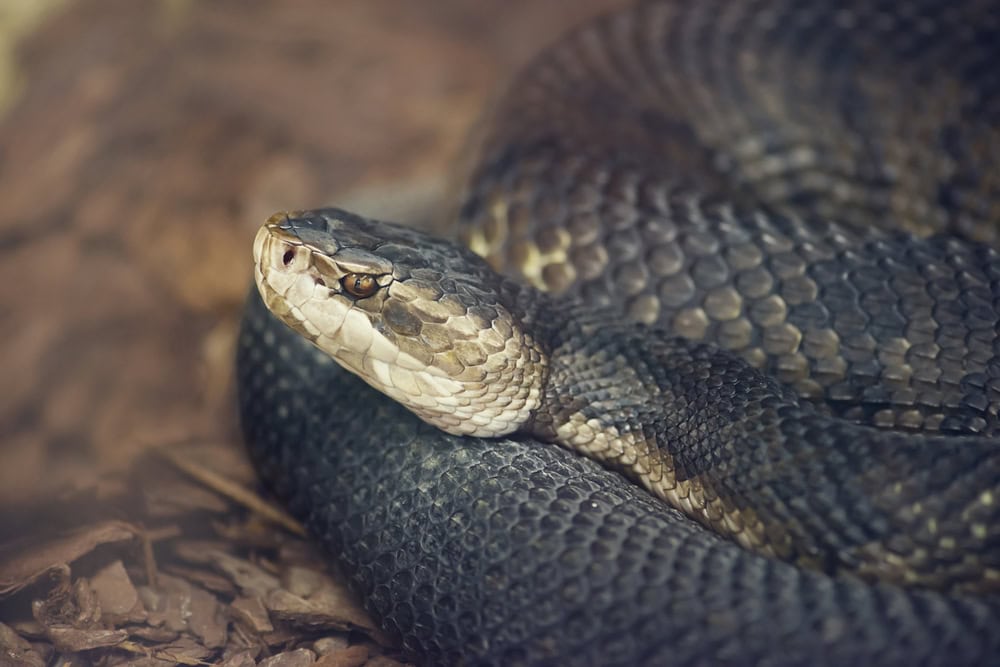
The Cottonmouth, also known as the Water Moccasin, is frequently found in or near aquatic environments throughout Texas. These snakes can be aggressive when threatened, opening their mouths to reveal a white interior, hence the name “Cottonmouth.” They have potent venom used primarily to immobilize prey, and while their bites are rarely fatal to humans, they can be painful and cause serious tissue damage.
Coral Snakes: The Bright Yet Reclusive Threat
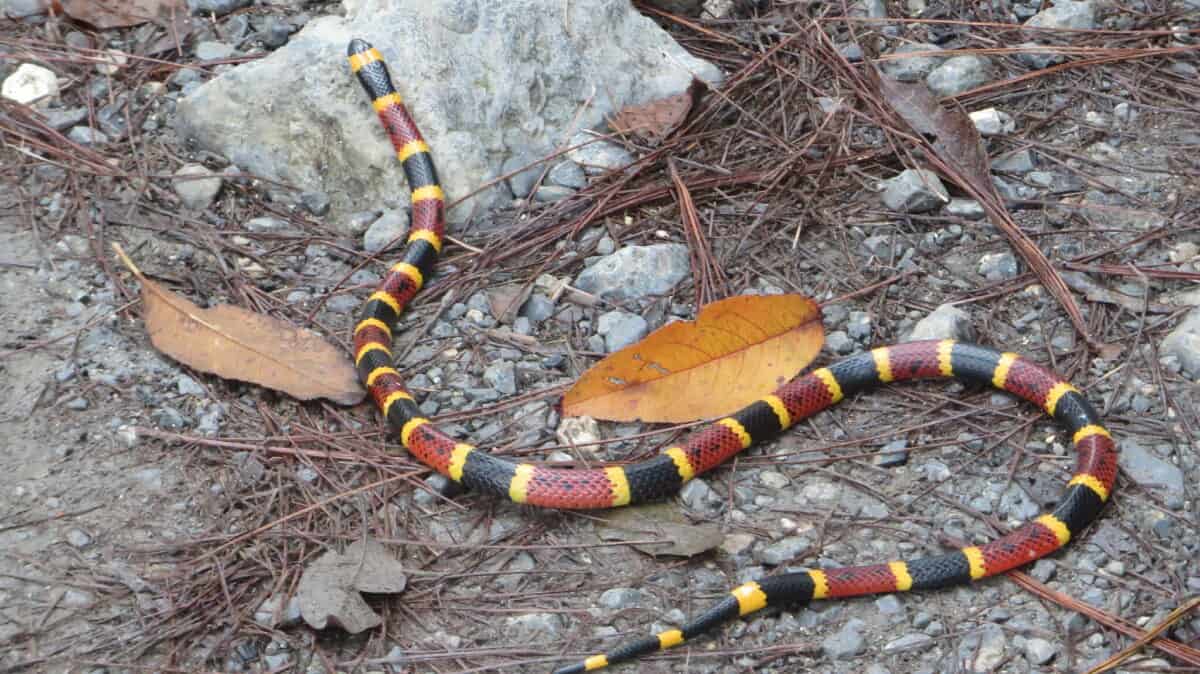
Coral snakes boast a distinct and vibrant coloration pattern of red, yellow, and black bands. Despite their striking appearance, these snakes are elusive and prefer to avoid confrontation. Their venom is a potent neurotoxin, but bites are rare due to their elusive nature and the difficulty in delivering venom through their small fangs. The common rhyme “Red and yellow, kill a fellow; red and black, friend of Jack” helps differentiate the venomous coral snake from nonvenomous mimics.
Copperheads: Masters of Camouflage
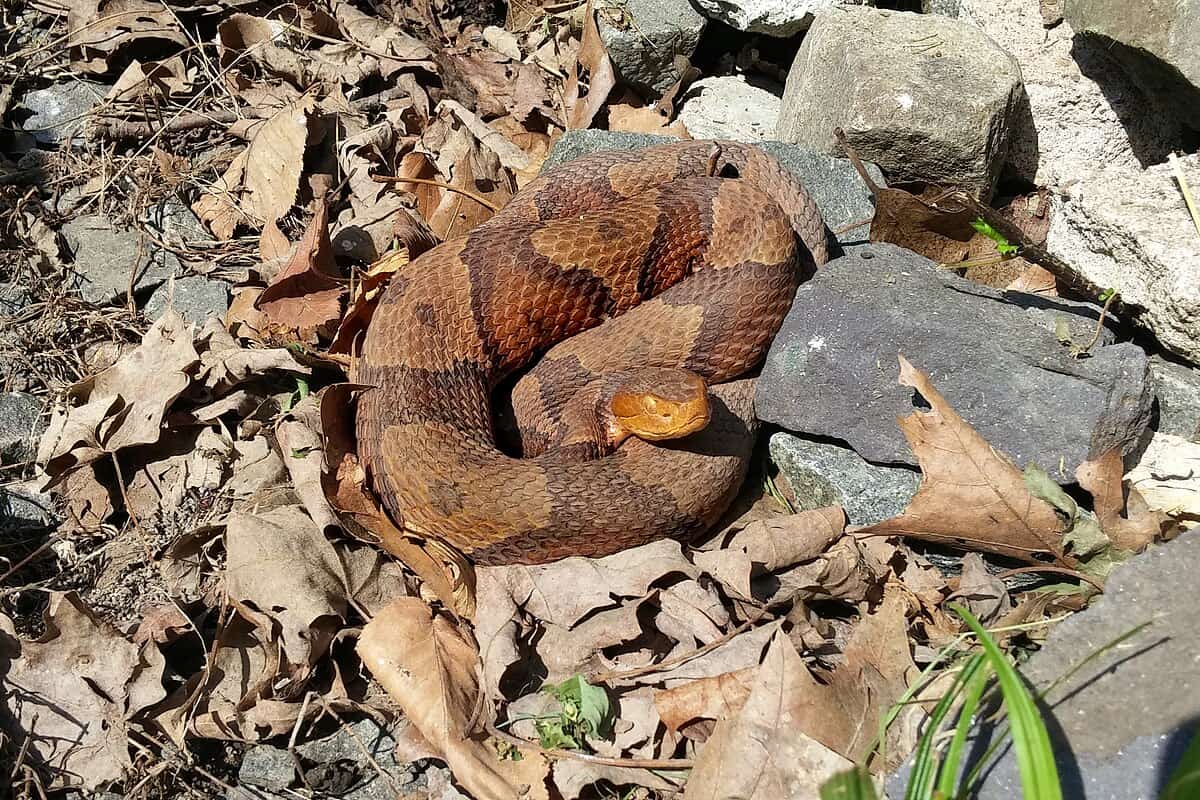
Copperheads are perhaps the most common venomous snake in Texas, easily recognized by their copper-colored heads. They are experts at blending into leaf litter and are often overlooked. Their venom, while less potent than that of some other snakes, is hemotoxic and used to digest prey. Copperhead bites to humans are rarely life-threatening, but they can cause severe pain and should be treated promptly.
The Timber Rattlesnake: Royals of the Eastern Woodlands

The Timber Rattlesnake graces the eastern woodlands of Texas with its presence. Known for their striking coloration of gray with dark brown or black crossbands, they primarily inhabit forested areas. Though they are generally less aggressive, their venom is highly toxic, emphasizing the importance of caution when they are encountered. Habitat loss poses a threat to their populations, and they serve as a crucial component of their ecosystem by controlling rodent populations.
Western Diamondback Rattlesnake: The Desert Monarch
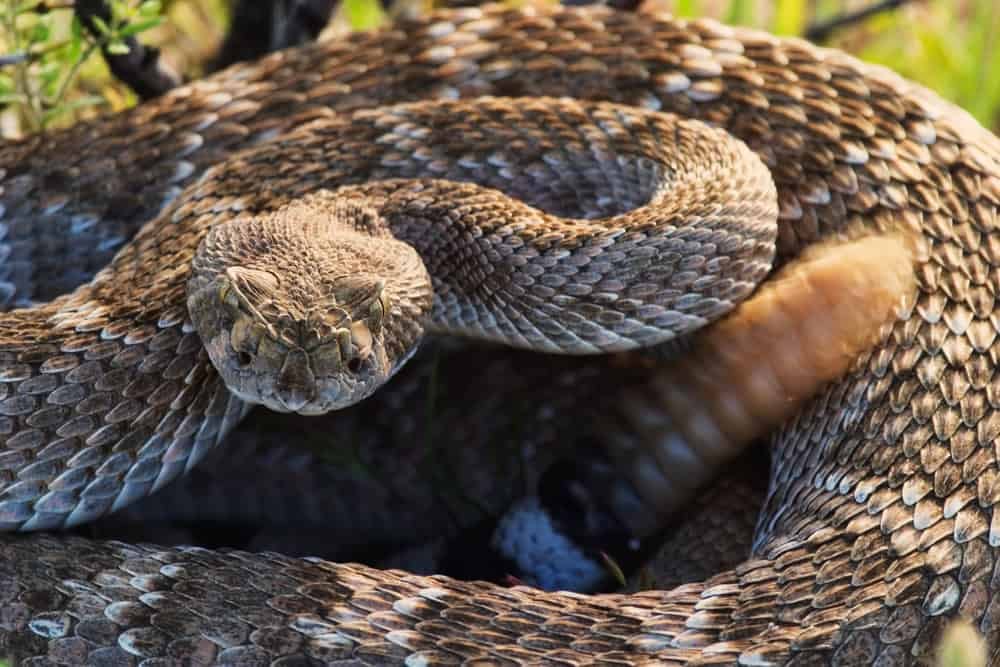
The Western Diamondback Rattlesnake dominates the arid regions of Texas. Characterized by the diamond pattern on its back, this snake is known for its assertive rattle and defensive behavior when threatened. They play a vital ecological role, helping to maintain the balance within their habitat by preying on small mammals. Their venom contains hemotoxins that destroy tissue, requiring immediate medical attention in the event of a bite.
Snake Behavior and Survival Tactics

Venomous snakes in Texas have evolved behaviors and survival tactics that allow them to thrive in their environments. Some rely on camouflage to avoid detection, while others exhibit warning behaviors such as rattling or displaying the inside of their mouths. These tactics not only aid in avoiding predators but also in ambushing prey.
The Role of Venom in Oral Drug Development

Interestingly, the venom of these snakes has pioneered research that has led to the development of several medications for human use, including antihypertensives and analgesics. The peptides found in venom are studied for their unique properties, offering potential therapeutic uses far beyond their original lethal intent.
Snakebite First Aid and Treatment

While a snake encounter might send shivers down your spine, understanding appropriate first aid can be life-saving. If bitten, it’s crucial to remain as calm as possible. Immobilize the affected limb, keep it elevated, and seek medical attention immediately. Modern antivenoms are highly effective, stressing the importance of immediate medical care.
Appreciating Snakes in Texas’s Biodiversity

While snakes may incite fear, they play indispensable roles in the ecosystem. They act as both predator and prey, maintaining the balance of their ecosystems by controlling populations of small mammals and birds. Understanding their ecological value can foster a deeper appreciation for these creatures and their intricate role in nature.
Conservation Efforts and Challenges

Conservation efforts for snakes in Texas face challenges such as habitat destruction and human encroachment. Educating the public on snakes’ ecological importance, along with implementing conservation programs, can contribute to sustaining these vital creatures for future generations.
Coexisting with Texas’s Snakes

Living in a state known for its diverse wildlife includes embracing all its inhabitants, even those less understood like snakes. By gaining knowledge and respect for these creatures, Texans can coexist peacefully with the often-misunderstood residents of their natural landscapes.
In summary, Texas’s venomous snakes, while dangerous, are fascinating creatures deserving of respect and understanding. They contribute significantly to maintaining ecological balance and, through research, even to advances in medicine. By fostering awareness and coexistence, we can ensure these remarkable reptiles continue to slither through the Lone Star State for generations to come.

From exploring the marine wonders in the Azores and witnessing the vast savannas of Kenya, to delving deep into the rich biodiversity of South Africa and traversing iconic landscapes in Australia and the US like Yellowstone, Chris's experiences are vast.
With a penchant for diving alongside sharks, the ocean holds a special place in his heart.
Through his academic insights, he champions wildlife conservation, striving with 'Animals Around The Globe' to cultivate a profound connection between humans and animals, enhancing our mutual appreciation.
Connect with him at Feedback@animalsaroundtheglobe.com.
- Homeostasis in Animals: Balancing the Internal Environment - June 27, 2026
- 11 Cat Breeds That Stay Small Forever - June 27, 2026
- 10 Ancient Australian Creatures That Defy Evolution - June 27, 2026