
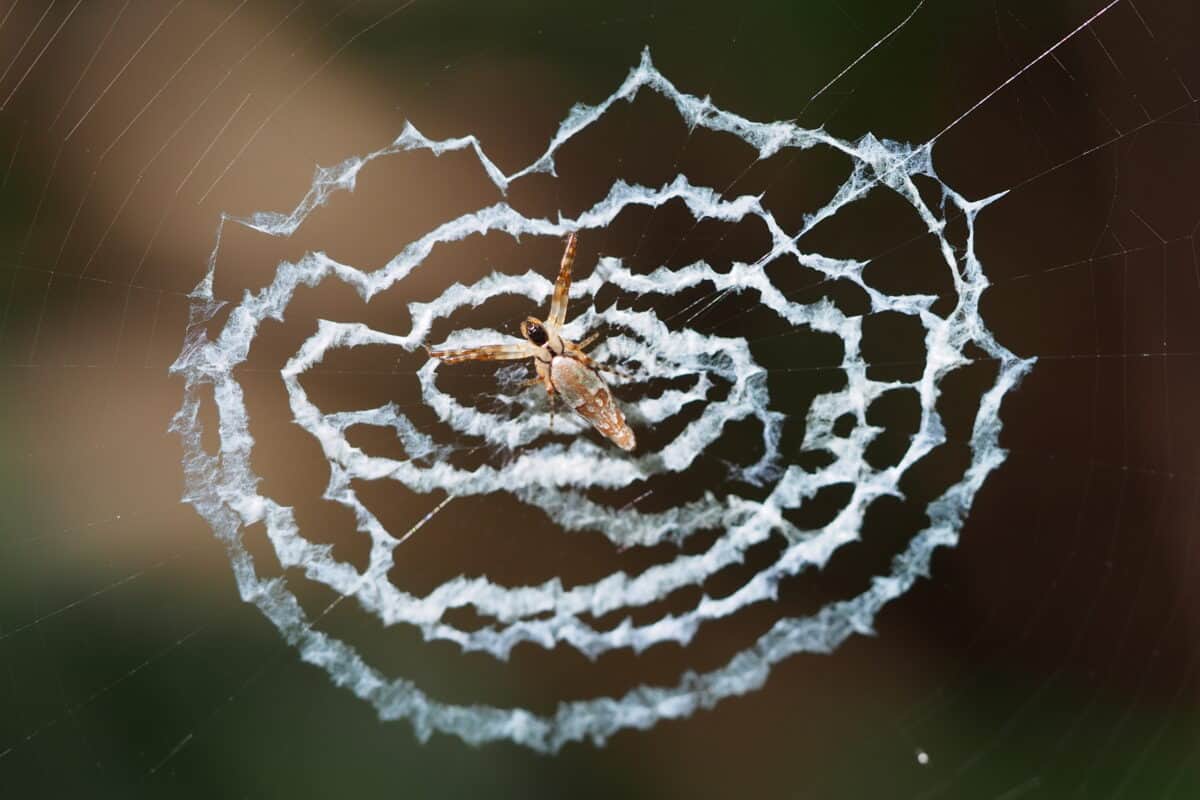
Deep in the jungles of the Amazon rainforest and throughout parts of Southeast Asia, an extraordinary arachnid has developed one of nature’s most ingenious defense mechanisms. The spider that builds decoy spiders—primarily species from the Cyclosa genus—creates elaborate structures that resemble spiders to confuse predators and increase its chances of survival. This remarkable example of animal architecture and deception demonstrates the incredible adaptations that can evolve through natural selection. The spider’s ability to create lifelike decoys of itself showcases not just survival instinct, but what appears almost like artistic talent in the animal kingdom. Let’s explore this fascinating creature and its unique defensive strategy that has astounded scientists and nature enthusiasts alike.
The Master Architect: Identifying the Cyclosa Spider
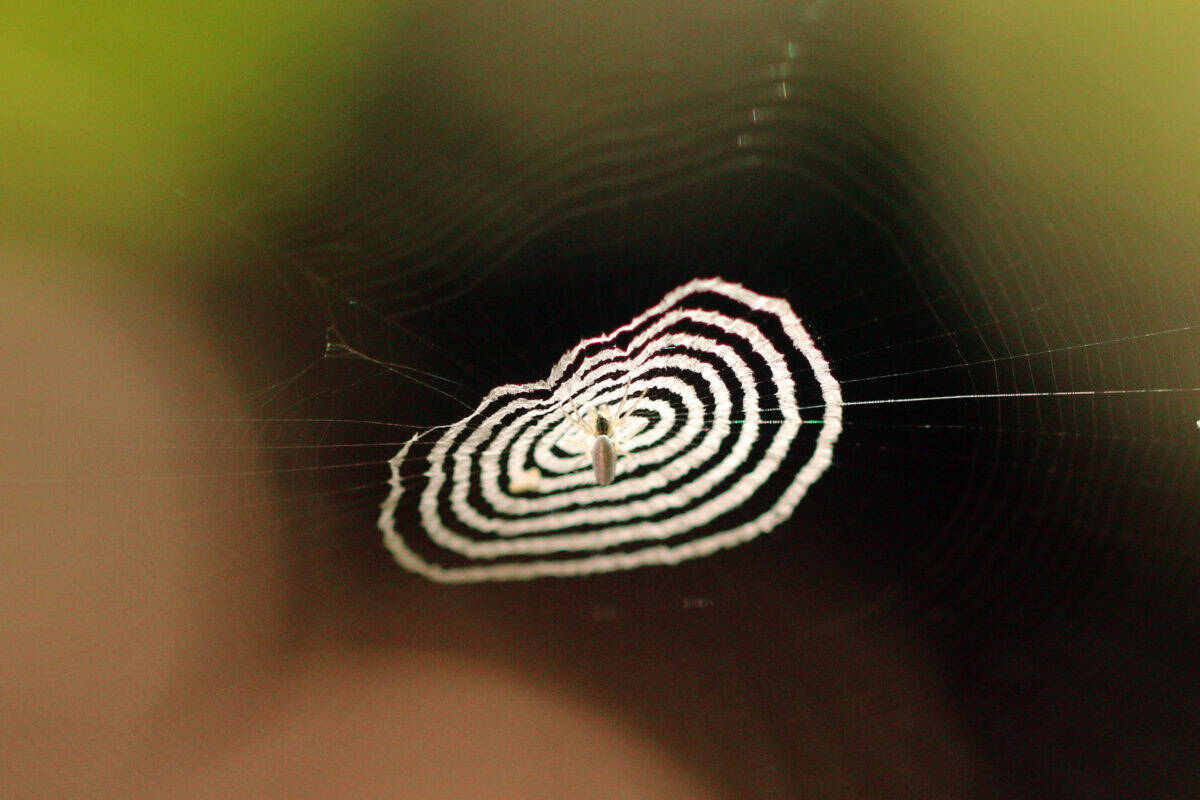
The primary spider species known for creating decoys belongs to the Cyclosa genus, with Cyclosa mulmeinensis being one of the most studied examples. These small orb-weaving spiders typically measure just 5-9mm in body length and are found predominantly in tropical and subtropical regions across Asia, Africa, and the Americas. Despite their diminutive size, these spiders have garnered significant scientific attention for their extraordinary web-decorating behaviors. They possess a generally mottled brown or gray coloration that helps them blend into their surroundings, with a somewhat triangular abdomen that varies slightly across different species. What makes these spiders truly special isn’t their appearance but rather their remarkable ability to create structures that mimic their own form—a sophisticated defense mechanism that few other animals can replicate with such precision.
The Art of Deception: How the Decoys Are Created

The process of decoy construction is methodical and surprisingly complex for such a small creature. The Cyclosa spider begins by collecting debris such as dead insects, plant matter, silk bundles, and occasionally its own molted exoskeletons. It arranges these materials along specific lines of its web, carefully positioning them to form a structure that resembles a spider’s body with extended legs. The spider uses its silk to bind these materials together, creating a three-dimensional model that, from a distance, appears remarkably spider-like. What’s particularly fascinating is the deliberate nature of this construction—the spider isn’t randomly decorating its web but is specifically crafting a structure that mimics its own body shape and size. The process can take several hours to complete, with the spider making continuous adjustments to perfect its decoy. Some species create multiple decoys on a single web, increasing the confusion factor for potential predators.
The Evolutionary Advantage of Spider Decoys

The evolution of decoy-building behavior represents a sophisticated adaptation that provides several survival advantages. Scientists believe this behavior developed as a response to intense predation pressure, particularly from wasps that specifically hunt spiders. By creating convincing decoys, the Cyclosa spider effectively reduces its risk of predation through several mechanisms. The decoys serve as visual distractions that may absorb predatory attacks meant for the real spider. Additionally, the multiple spider-like figures on the web create confusion for predators, making it difficult to identify the actual living spider among the decoys. Research suggests that spiders with well-constructed decoys survive at significantly higher rates than those without them or with less convincing models. This evolutionary strategy represents a form of Batesian automimicry, where an animal creates falsified versions of itself rather than mimicking another species. The fact that this complex behavior has evolved independently in several spider lineages underscores its effectiveness as a survival strategy.
Scientific Discovery and Research History
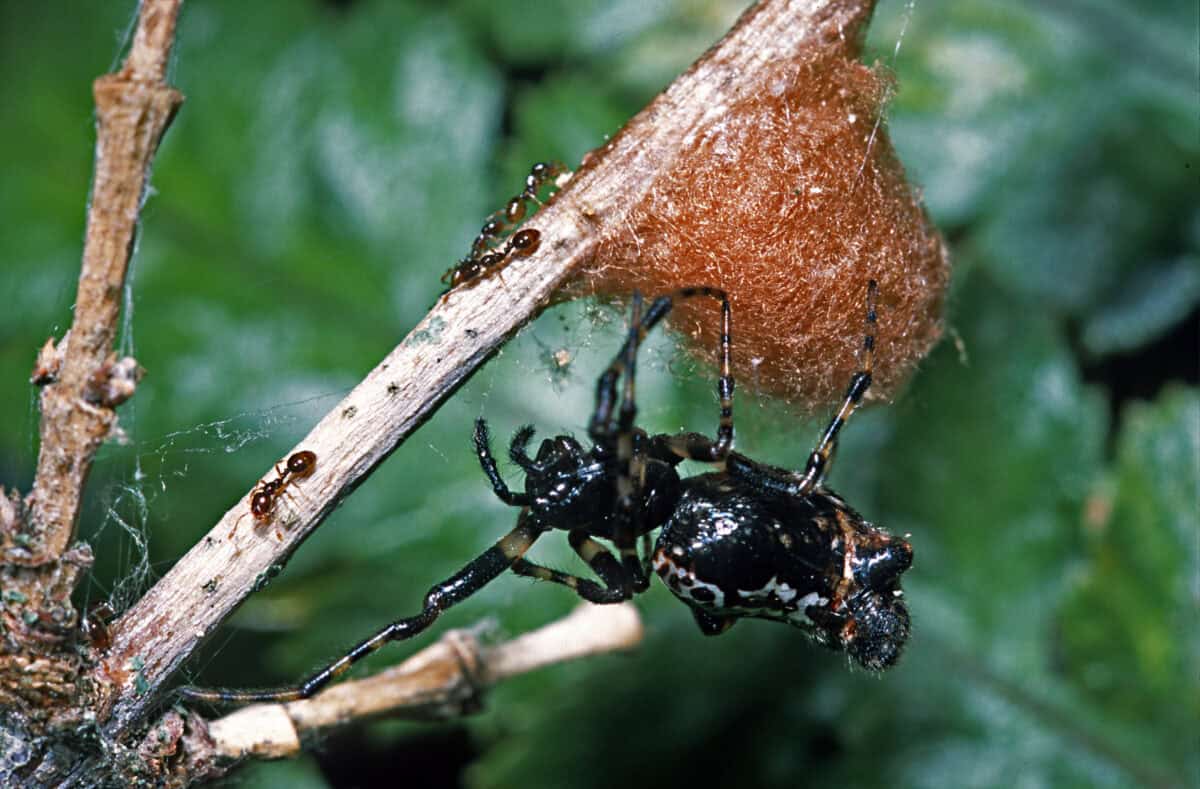
The decoy-building behavior of Cyclosa spiders first gained significant scientific attention in the early 2000s, though indigenous peoples in regions where these spiders live had long been aware of their unusual webs. In 2012, biologist Phil Torres made a notable discovery in Peru of a previously undocumented Cyclosa species that created particularly sophisticated decoys. This finding sparked renewed interest in the field. Since then, researchers from various institutions have conducted studies on different Cyclosa species throughout their range, documenting variations in decoy-building techniques and effectiveness. Research methodologies have included field observations, predation experiments using wasps, and detailed photographic analysis of web structures. Advanced studies have even employed 3D modeling to understand how predators perceive these decoys from different angles and distances. The scientific community continues to study these spiders, with recent research focusing on the neurological mechanisms that enable such complex behavior in animals with relatively simple nervous systems.
Regional Variations in Decoy Construction
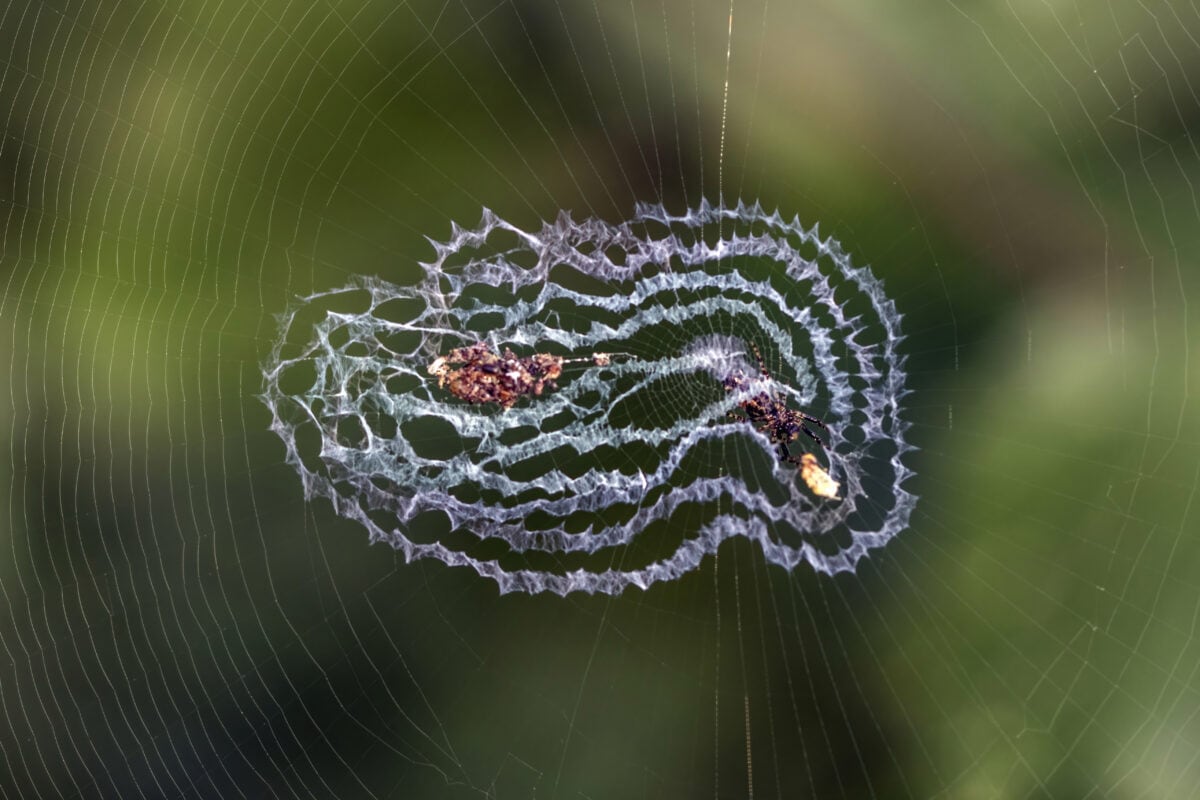
Cyclosa spiders demonstrate fascinating regional variations in their decoy-building techniques. In Southeast Asia, particularly in the Philippines, Cyclosa mulmeinensis creates decoys that are often larger than the spider itself, with distinctly arranged debris that forms clear leg-like projections. In contrast, the Peruvian Cyclosa species discovered by Torres constructs decoys that more closely match its own size with particularly detailed features. Some Australian species incorporate vibrant silk colors into their decoys, potentially adding another layer of visual distraction. Environmental factors appear to influence these regional differences—spiders in areas with higher predator diversity often create more elaborate or numerous decoys. Additionally, resource availability affects construction materials, with spiders opportunistically using whatever debris is locally abundant. These regional variations suggest that decoy-building behavior continues to evolve and adapt to local conditions, demonstrating the remarkable plasticity of this defensive strategy across different populations and species.
The Predators Being Fooled

The primary predators targeted by this deceptive strategy are wasps, particularly those from the families Pompilidae (spider wasps) and Sphecidae (mud daubers), which specifically hunt spiders to provision their nests. These wasps have excellent vision and typically locate their prey visually before swooping in for a precise attack. Birds, especially smaller insectivorous species, also pose a threat to Cyclosa spiders and may be confused by the decoys. Studies have demonstrated that predators frequently attack the decoys first, giving the real spider valuable seconds to escape or prepare a defensive response. Interestingly, research has shown that different predators respond differently to the decoys—some wasps appear more easily fooled than others, suggesting an ongoing evolutionary arms race between the spiders’ deception techniques and their predators’ ability to detect trickery. The effectiveness of the decoys varies based on lighting conditions, viewing distance, and the specific movement patterns of approaching predators.
Behavioral Tactics During Predator Encounters
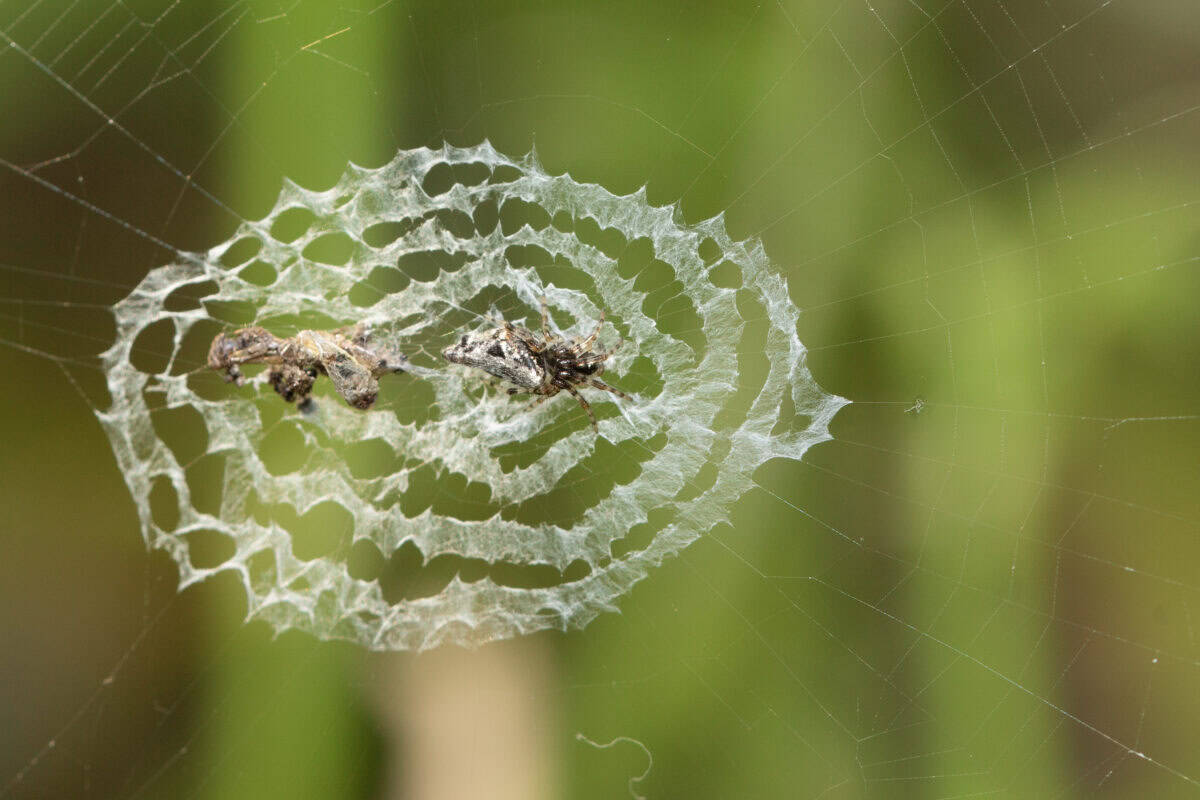
When faced with a potential predator, Cyclosa spiders display a sophisticated set of behavioral responses that work in conjunction with their decoys. Upon detecting vibrations that signal danger, the spider typically positions itself directly behind or in front of one of its decoys, aligning its body with the fake spider to enhance the deceptive effect. If the threat escalates, the spider may initiate web-shaking behavior, creating oscillations that make both the real spider and its decoys blur together, further confusing the predator. As a last resort, the spider may drop from the web on a safety line of silk, using the decoy as cover for its escape. What’s particularly remarkable is how the spider adjusts these tactics based on the type of predator and the level of threat—showing a surprising degree of situational awareness for a creature with such a small nervous system. Research has documented that spiders with more elaborate decoys tend to stay on their webs longer during threats, suggesting greater confidence in their protective constructions.
Web Architecture and Strategic Placement

The web architecture of decoy-building Cyclosa spiders is specifically designed to enhance their deceptive strategy. Unlike typical orb-weaver webs that feature a clear, open center, Cyclosa webs often incorporate a densely reinforced vertical line through the center, known as a stabilimentum, where both the spider and its decoys are positioned. This linear arrangement maximizes the confusion effect by creating a corridor of potential targets for predators. The webs are strategically constructed in semi-open spaces with dappled light, which creates ideal visual conditions for the decoys to appear realistic while making it difficult for predators to clearly distinguish details. Research has shown that web placement is not random—these spiders preferentially select locations approximately 1-2 meters above ground level and often near vegetation that provides both anchoring points for webs and additional camouflage. The orientation of the web is frequently adjusted to optimize lighting conditions throughout the day, with some spiders rebuilding portions of their webs as the sun position changes to maintain the deceptive effect of their decoys.
Cognitive Implications of Decoy Building

The ability of Cyclosa spiders to create recognizable mimics of themselves raises intriguing questions about arachnid cognition and the nature of instinctive behaviors. While spiders possess relatively simple nervous systems compared to vertebrates, the complexity and apparent purposefulness of decoy construction suggest sophisticated programming of instinctive behaviors. Neurobiologists studying these spiders have proposed that the behavior likely emerges from a combination of genetic programming and environmental feedback mechanisms rather than conscious design. However, the spiders do demonstrate flexibility in their construction techniques based on available materials and local conditions, suggesting some level of adaptive decision-making. The precision with which spiders can create recognizable forms without being able to see the overall structure during construction is particularly remarkable. Some researchers propose that this behavior represents an example of extended phenotype—where genes express themselves beyond the organism’s body into environmental constructions. The study of decoy-building continues to challenge our understanding of what constitutes intelligence and purposeful behavior in invertebrates.
Conservation Status and Threats
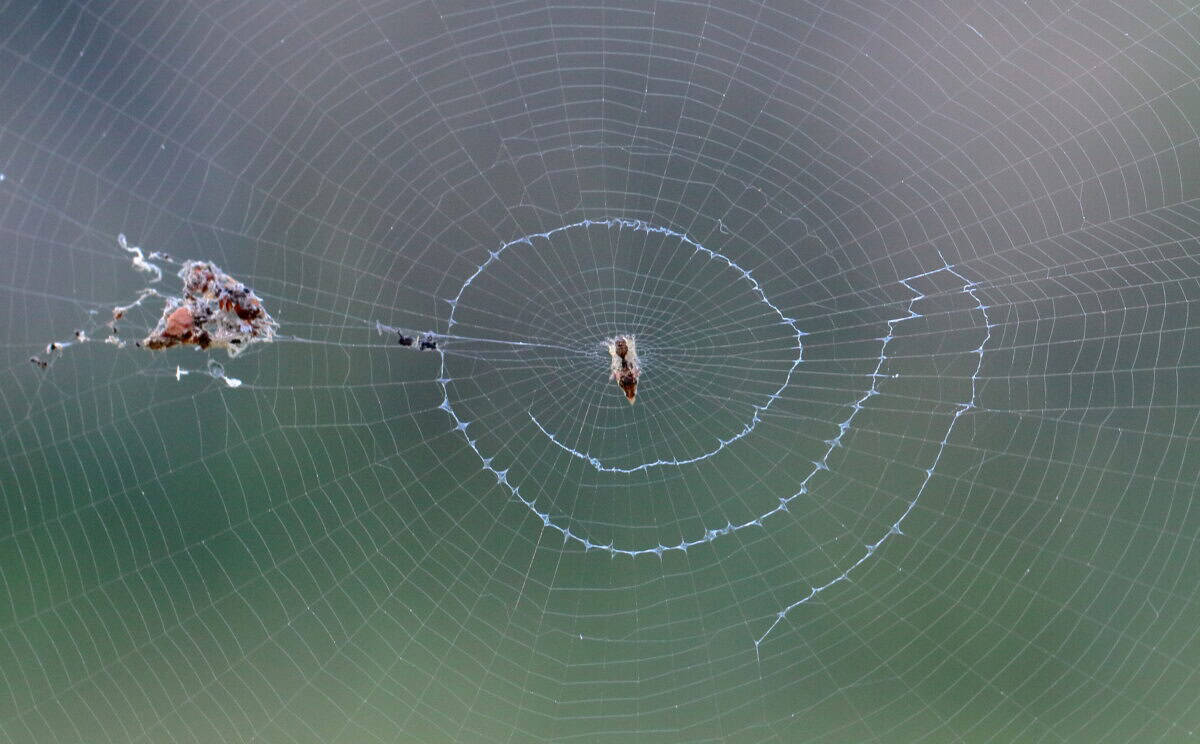
While Cyclosa spiders are not currently listed as endangered, the specialized habitats where many species occur face significant threats from deforestation, especially in tropical regions like the Amazon Basin and Southeast Asia. The complex ecological relationships these spiders participate in make them vulnerable to habitat disruption. Climate change poses another potential threat, as it may alter the seasonal timing of prey availability and predator activity, potentially disrupting the effectiveness of the spiders’ defensive strategies. Pesticide use in agricultural areas adjacent to natural habitats can also impact populations, both directly through toxicity and indirectly by reducing insect prey populations. Conservation efforts specifically targeting these spiders are limited, though they benefit from broader ecosystem protection initiatives in their native ranges. Continued research into these remarkable spiders not only enhances our understanding of evolutionary adaptations but also provides compelling examples of why biodiversity conservation matters—even for small, easily overlooked species that have developed extraordinary survival strategies.
Similar Deceptive Strategies in Other Species
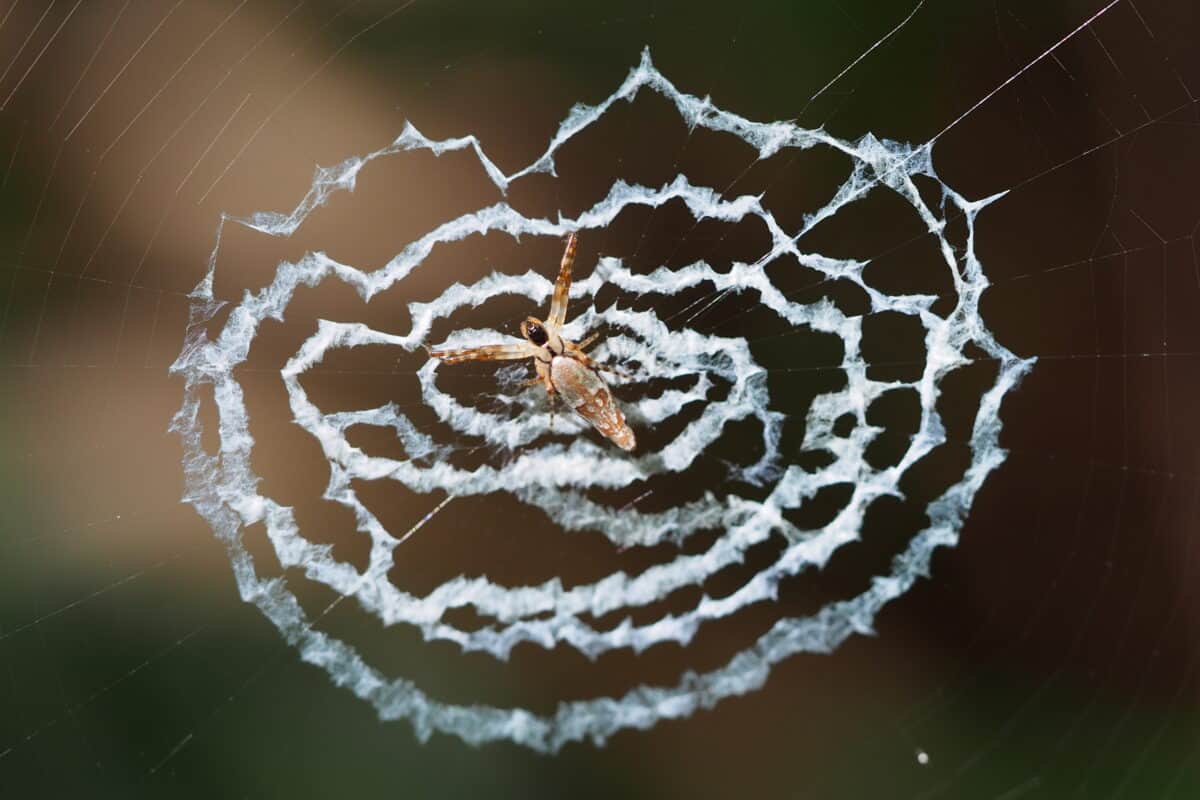
The decoy-building behavior of Cyclosa spiders represents just one example of the rich variety of deceptive strategies that have evolved across the animal kingdom. Other spider species employ different but equally fascinating forms of deception. The bird-dropping spider (Celaenia excavata) mimics bird droppings in both appearance and scent to avoid predation. Certain crab spiders can change color to match the flowers they hunt on, becoming nearly invisible to both predators and prey. Beyond spiders, numerous examples exist across different animal groups. The dead leaf butterfly (Kallima) has evolved wings that precisely mimic dead leaves, complete with apparent leaf veins and discoloration. Several orchid species have evolved flowers that mimic female insects to attract males for pollination. What makes the Cyclosa spider’s strategy particularly noteworthy is that it involves the active construction of a decoy rather than simply evolving to resemble something else. This represents a more complex form of deception that requires specific behavioral adaptations rather than just physical resemblance, placing it among the most sophisticated deceptive strategies in the natural world.
Conclusion: Nature’s Master of Illusion

The decoy-building behavior of Cyclosa spiders stands as one of nature’s most remarkable examples of evolutionary ingenuity and adaptation. Through the clever manipulation of silk and debris, these small arachnids have developed a sophisticated defense system that has helped them survive in predator-rich environments for millions of years. Their ability to create convincing spider-like structures demonstrates the extraordinary power of natural selection to shape complex behaviors even in animals with relatively simple nervous systems. As we continue to study these remarkable creatures, they offer valuable insights into the evolution of deceptive strategies, the cognitive capabilities of invertebrates, and the endless creativity of evolutionary processes. The spider that builds decoys reminds us that even the smallest creatures can develop astonishingly complex solutions to life’s challenges, and that the natural world still holds countless marvels waiting to be fully understood and appreciated.

- The World’s Smallest Vertebrate Was Discovered in a U.S. Forest - July 30, 2026
- How Tigers Are Reclaiming Lost Ground in Nepal - July 30, 2026
- The Animal That Drinks Fog - July 30, 2026