
Something strange is happening out there in the American wild. Snowshoe hares are turning white in forests where the snow never comes. Birds are nesting in March when they used to wait until April. Fish are pushing into northern waters they’ve never historically touched. The natural world is rewriting its own rulebook, and it’s doing so faster than most scientists expected.
Climate change is impacting wildlife across the United States in a variety of ways. Some animal species are able to adapt to changing environmental conditions quickly, but others are not. What’s genuinely striking isn’t just the scale of the disruption – it’s the sheer inventiveness of survival itself. Some species are bending. Others are breaking. A few, against reasonable expectation, are quietly thriving.
#1: Birds Are Nesting Earlier to Beat the Heat
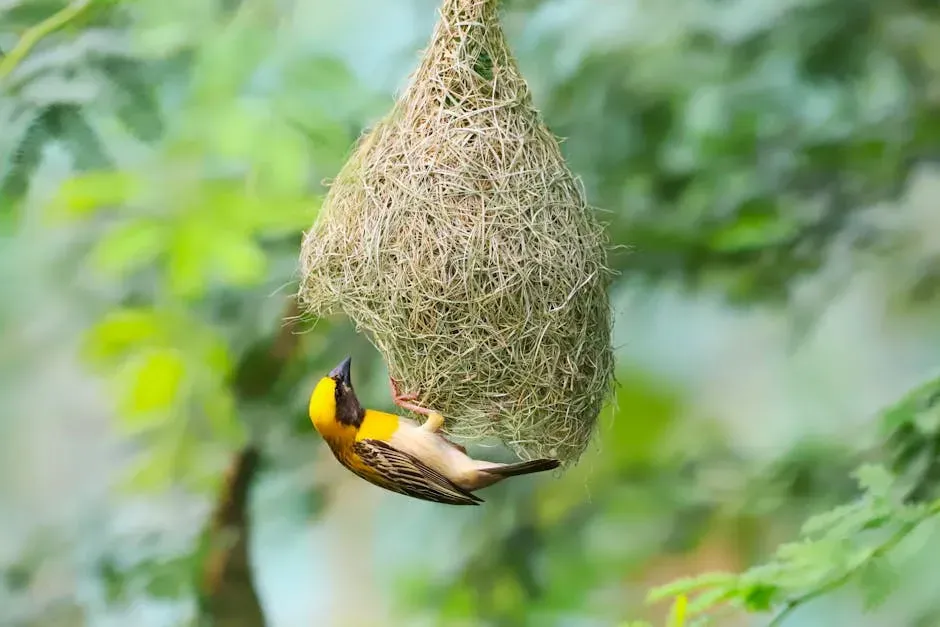
As springs and summers get warmer and the weather gets more unpredictable, over 200 species of West Coast birds – including tree swallows, eastern bluebirds, pileated woodpeckers, and Calliope hummingbirds – now nest five to twelve days earlier than they did seventy to one hundred years ago. That’s not a subtle tweak. For a bird, shifting your entire reproductive window by nearly two weeks is a significant evolutionary gamble.
This is likely a strategy birds use to avoid nesting during times of the year that could be too warm for fragile eggs or high-maintenance chicks to survive. It spares them roughly two degrees of heat that they would have otherwise encountered had they not shifted their timing. The tradeoff, though, is real: nesting earlier means racing against late cold snaps and an uncertain food supply. Across the United States, climate change is affecting the migration cycles and biology of migratory songbirds, causing a mismatch between when birds arrive on their breeding grounds and when their food is available.
In the Great Plains, some bird species are shifting their range up to 360 miles northward. Species that used to winter in the South may no longer need to migrate as far to find food or shelter, which is especially true for waterfowl that seek open water and food in winter. These aren’t isolated anecdotes. They’re a coordinated, species-wide response to a planet that’s fundamentally rearranging itself.
#2: The Camouflage Crisis – When Winter Colors Don’t Match the Landscape
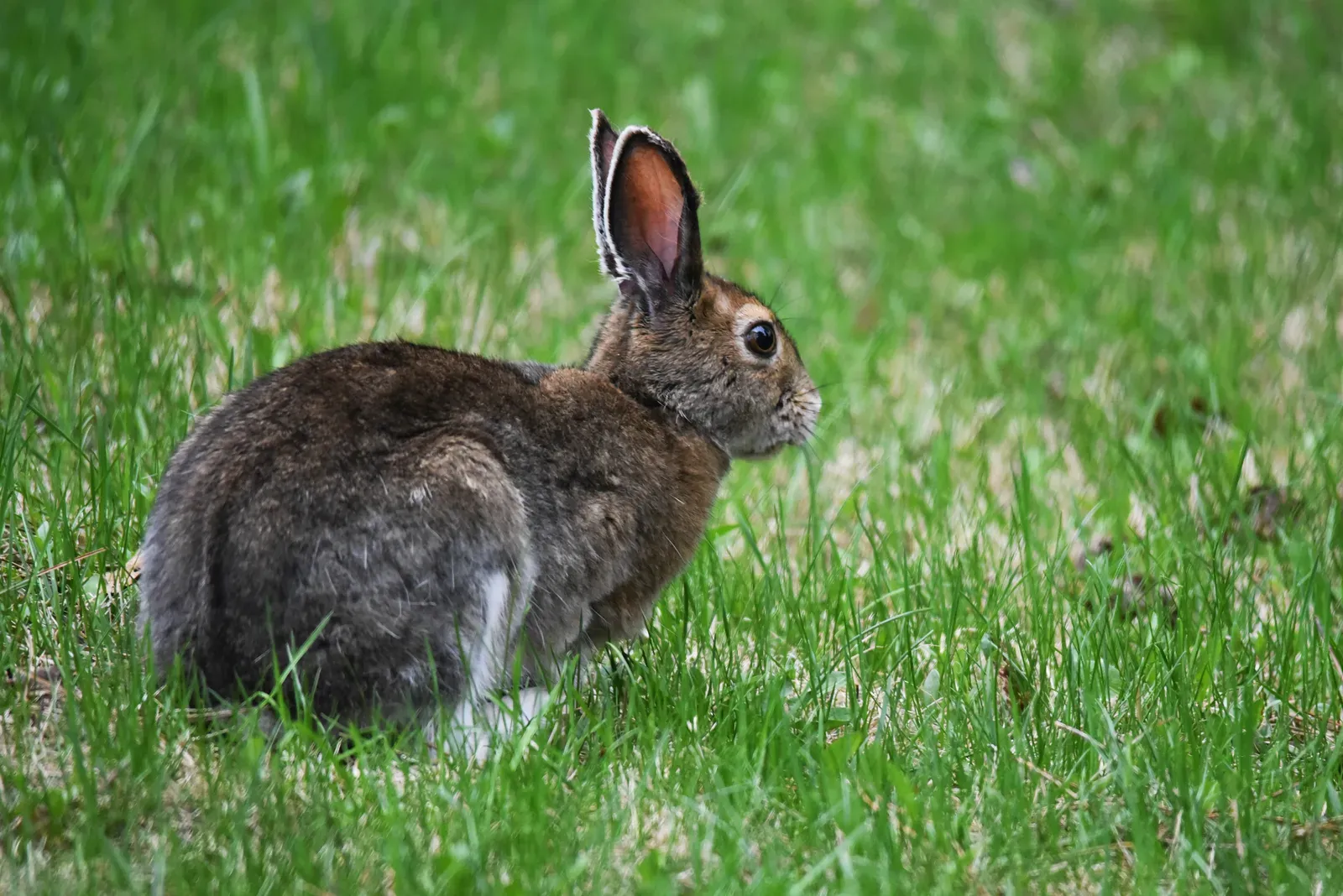
When people think of species that change colors to match their surroundings, chameleons are likely the first to come to mind. In Idaho, few animals top the snowshoe hare and ermine for clever camouflage. Each year, they switch from brown to white and back again to match the landscape – an adaptation that has kept them alive and helped them escape predators for millennia.
The color change is triggered by the sun, not the weather, which means as winters shorten, their coats aren’t catching up. The result is a hare dressed in white standing against bare brown earth – conspicuous, exposed, and vulnerable. This rabbit species evolved to turn white in the winter to blend in with snow, and now the snow simply isn’t showing up on schedule. It’s one of the more visually stark examples of what happens when an animal’s biology and its environment fall out of sync.
#3: Frogs That Freeze and Fish That Push North
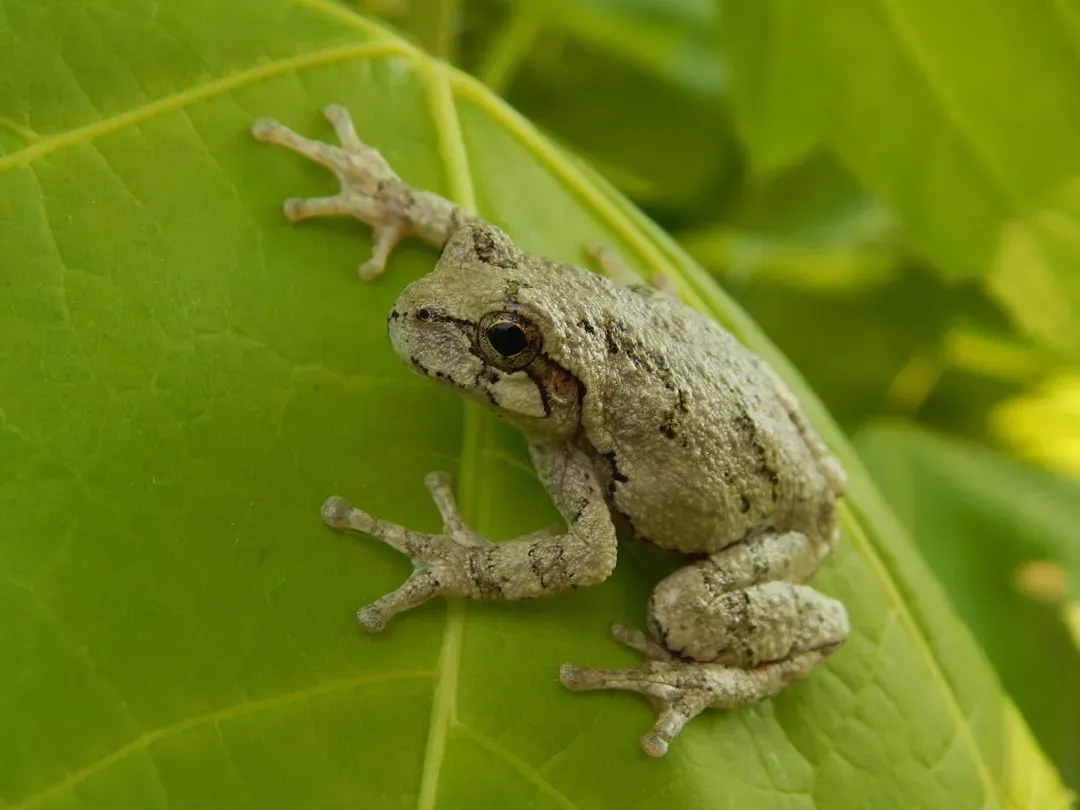
Wood frogs have one of the most widespread ranges of frogs in North America, from the southeastern US to the Canadian subarctic and as far north as the Brooks Range in Arctic Alaska. It is the only amphibian found this far north and has a surprising adaptation to the cold – it freezes in the winter and thaws out to carry on with life in the spring. That alone is remarkable. What’s even more interesting is how this species is now actively recalibrating in response to warming.
Scientists have found that wood frogs have been able to rapidly adjust the timing of their breeding to match with warmer air temperature and spring runoff. It’s a genuine success story – one that stands in sharp contrast to what’s happening in the water. Pacific cod have expanded their summer range into the northern Bering Sea to find food as climate change warms their historic habitats. However, this part of the ocean remains too cold for the specific temperatures that Pacific cod eggs need to develop and hatch, which could prevent the species from adapting. Moving north is one thing. Reproducing there successfully is another matter entirely.
#4: Hibernators Waking Up Too Soon – and the Dangers That Follow
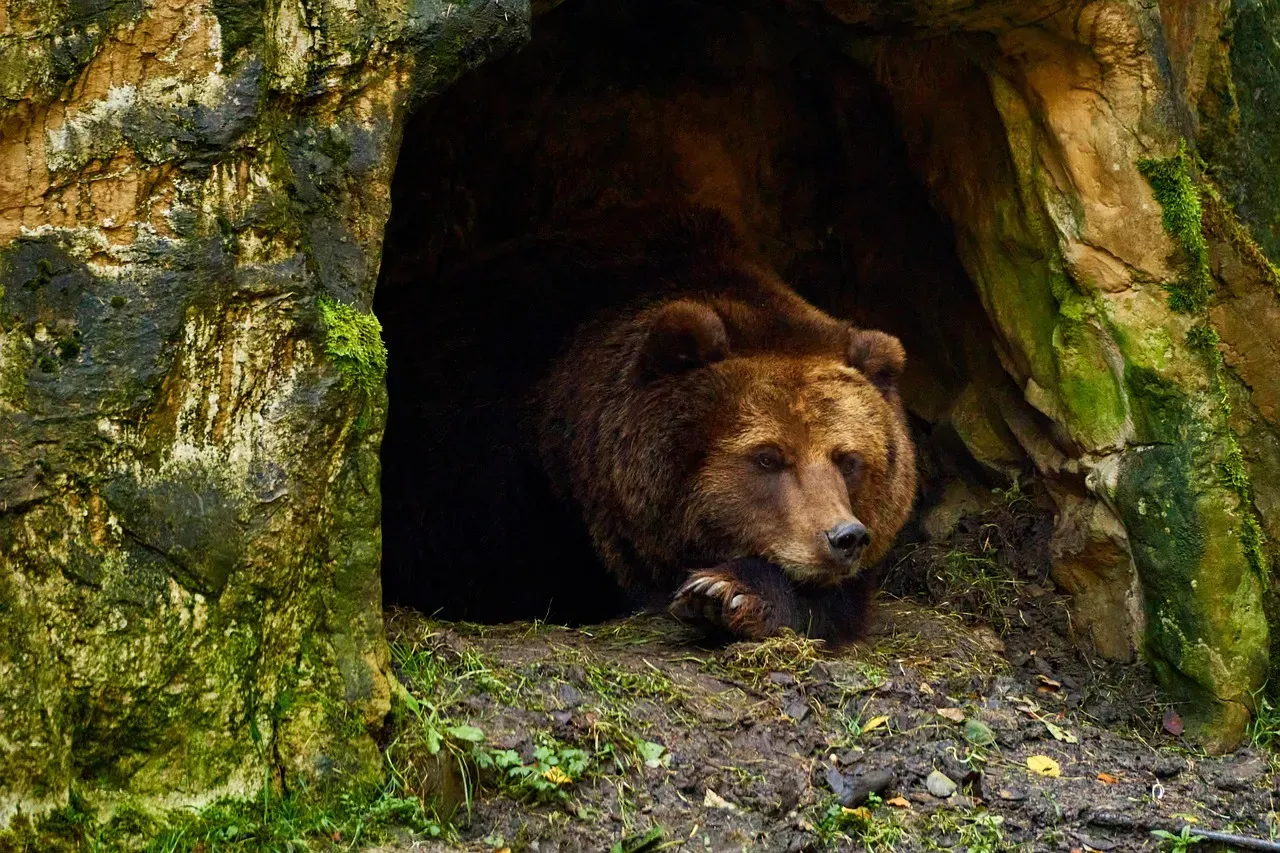
Hibernation is a classic adaptation for animals in a cold climate. Crawling into a cozy den and waiting out the harshest parts of the year has worked perfectly for everything from the smallest of bats to the biggest of bears. Researchers are beginning to worry, however, about what happens in a shifting climate that has shorter winters and more extreme temperatures.
The problem isn’t just waking up too early. It’s what happens next. Extreme heat and drought can cause river water to exceed temperatures that fish can stand and result in massive die-offs. Large-scale fires can result in habitat loss that impacts many species. Freeze-thaw events can create food shortages and physical hardships for caribou, moose, and small mammals. As these events become more common and widespread, wildlife will face hardships that we have yet to fully understand. For a bear or a bat that emerges from hibernation during a mid-winter warm spell, the real threat isn’t the warmth itself – it’s the brutal cold that can follow when they’re no longer physiologically prepared for it.
#5: Range Expansion – When Newcomers Reshape Ecosystems
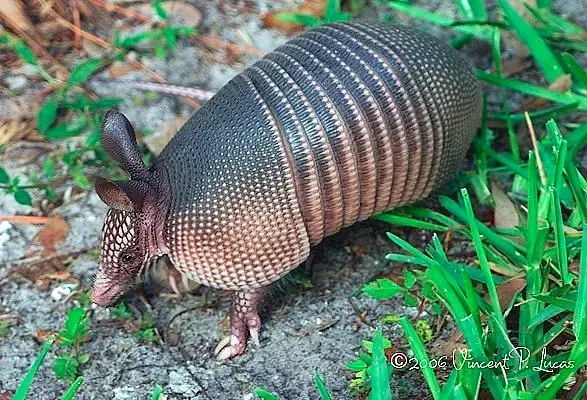
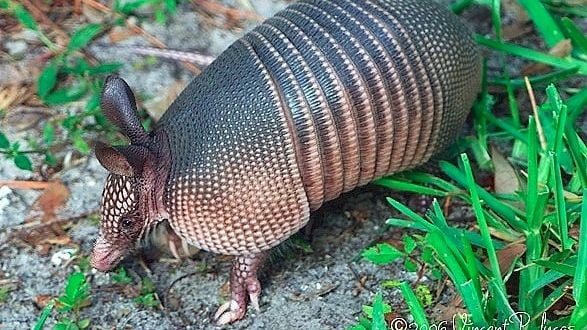
The nine-banded armadillo has now been sighted in many US states, setting up shop as far north as Illinois and as far east as Florida. That’s a remarkable geographic leap for a species historically associated with Texas and the deep South. Scientists worry that the armadillo’s burrowing behavior might negatively impact ground-nesting birds in regions with no historical armadillo populations. An animal winning at adaptation isn’t always a win for the broader ecosystem.
Rising temperatures risk destabilizing the balance between wildlife and their ecosystems. As plants adapt to changing warming patterns – usually by blooming earlier or shifting to cooler locations – the wildlife that has adapted to them will be forced to face new environments. Tropical plant species like mangroves are creeping further north as cold snaps become less frequent. These cold snaps have historically kept warm-climate species from spreading into areas where they would become invasive. Along the Texas coast near Aransas National Wildlife Refuge, invasive mangroves are encroaching into salt marshes that provide winter habitat for endangered whooping cranes. Range expansion, in short, is rarely a story with just one winner.
A Final Thought: Adaptation Isn’t Always Enough
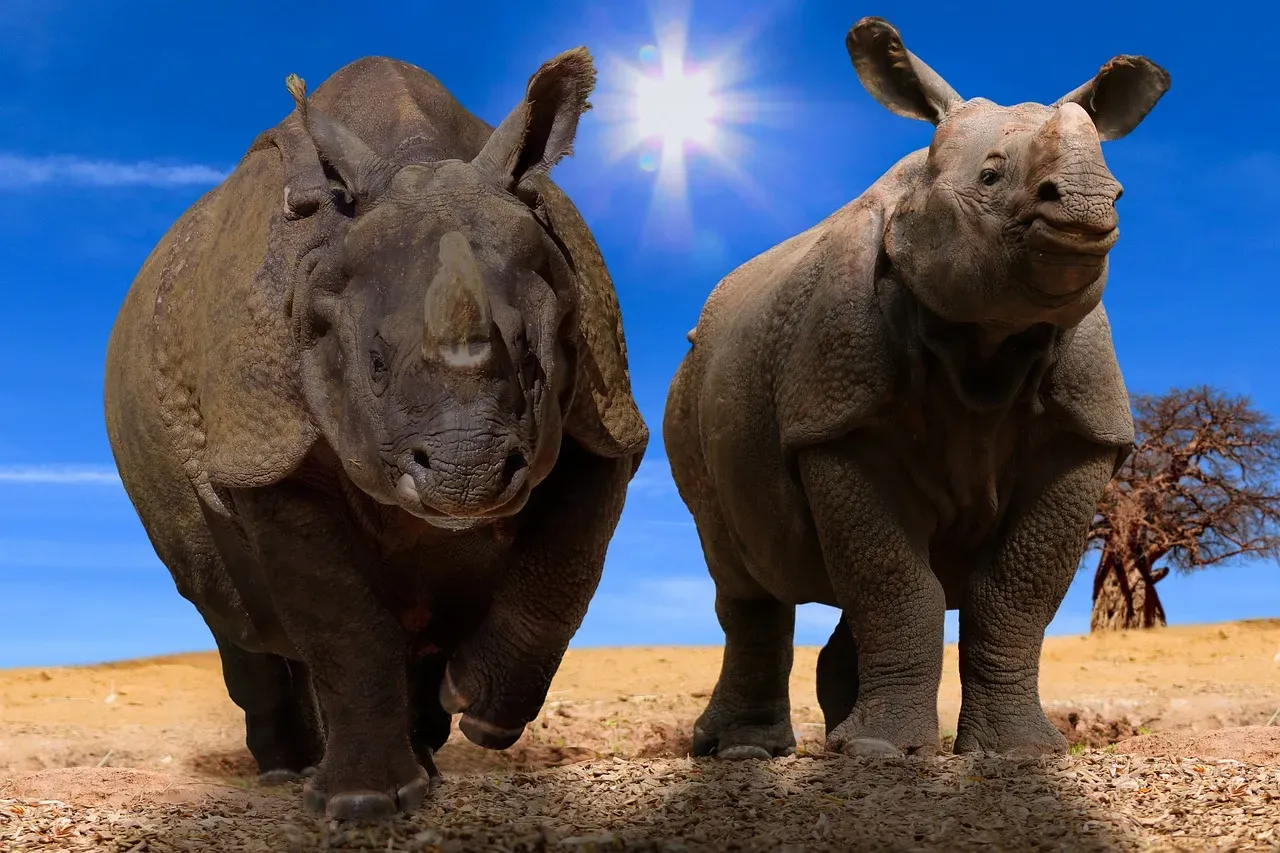
The world is always changing, leaving plants and animals everywhere to adapt to new habitats and living conditions. Evolution offers a pathway for life to adapt to these changes, but it takes time. So as human-caused climate change increases the rate at which the environment is changing, the big question is: Can evolution keep up?
Often overlooked, just as important as the many ways in which our climate is changing is that it is changing so fast. Species may not be able to adapt to rapid climate change or move fast enough to more suitable areas as their current habitats become less suitable for them. The animals covered here are doing something genuinely impressive – bending their biology, rerouting their migrations, and reshaping their behaviors. But ingenuity has limits when the pace of change outstrips the pace of evolution.
What we’re witnessing isn’t just a nature story. It’s a warning written in fur, feathers, and the sound of frogs calling weeks before they used to. The question we should be sitting with isn’t whether animals can adapt. It’s whether we’re willing to give them the time and space they need to do it. That, honestly, is the part that’s still up to us.

- 16 Things Longtime Owners Say They Learned Far Too Late to Help Their First Dog - July 31, 2026
- 17 Things Hummingbirds Do at First Light That Most People Sleep Straight Through and Never See - July 31, 2026
- 14 Dog Breeds Breeders Say Are Slipping Away So Quietly That Most Owners Never Notice - July 31, 2026