

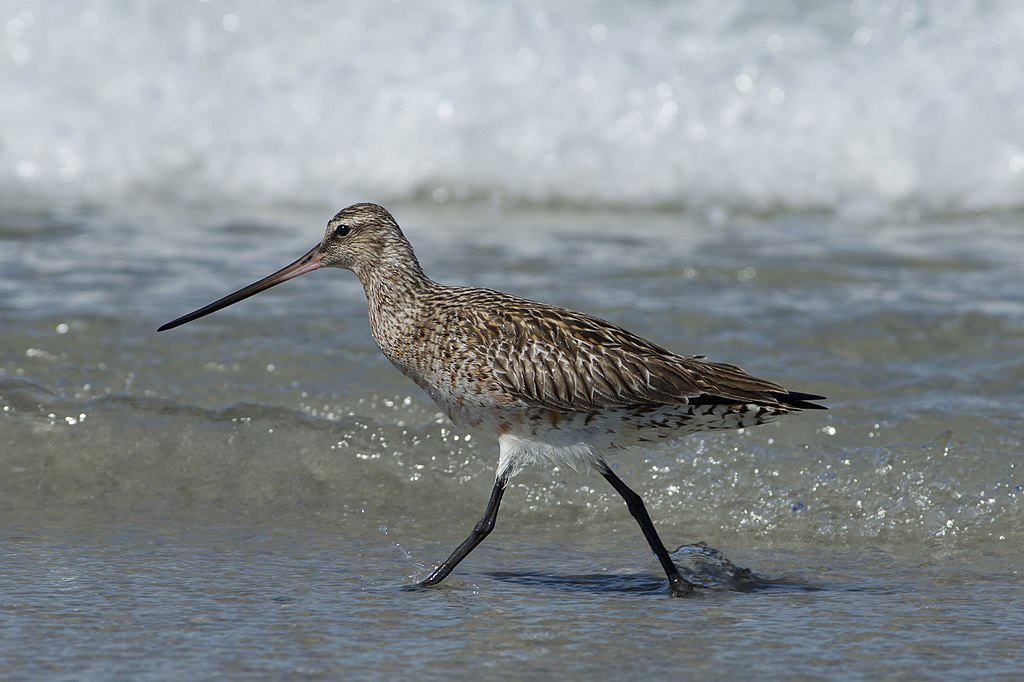
In the world of avian migration, one tiny bird stands out for its extraordinary endurance and navigational prowess. The Bar-tailed Godwit (Limosa lapponica) performs one of the most impressive non-stop flights in the animal kingdom, traveling approximately 9,000 miles (14,500 kilometers) from Alaska to New Zealand without a single break for food, water, or rest. This remarkable feat challenges our understanding of physical endurance and has fascinated ornithologists and bird enthusiasts worldwide. These modest-looking shorebirds, weighing only about 0.5-1.1 pounds (230-500 grams) with a wingspan of 28-31 inches (70-80 cm), accomplish something that would be impossible for most other birds and certainly for any human-made aircraft of similar size without refueling.
Meet the Bar-tailed Godwit

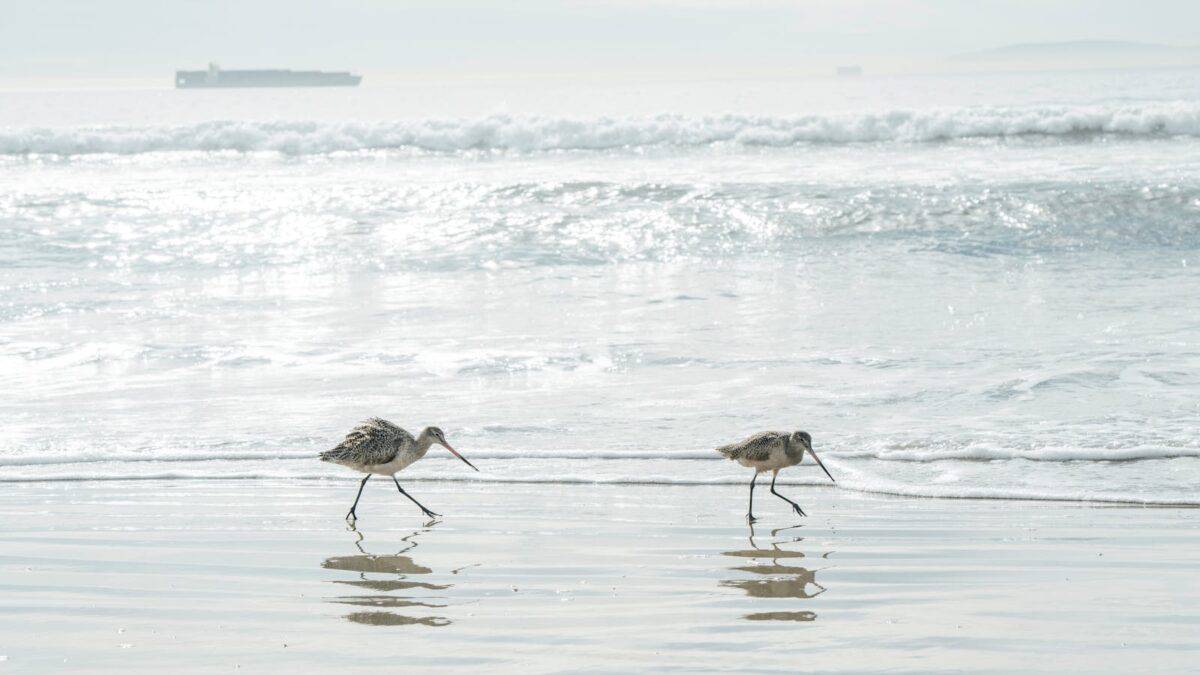
The Bar-tailed Godwit is a large wading bird belonging to the Scolopacidae family. It features a long, slightly upturned bill used for probing mud and sand for invertebrates. During breeding season, males display a striking rusty-red plumage on their underparts, while females are more subdued with brownish-gray feathers. Four subspecies exist across their range, with the Limosa lapponica baueri subspecies specifically making the famous Alaska to New Zealand journey. Despite their remarkable migratory capabilities, these birds present a rather unassuming appearance to casual observers, highlighting how extraordinary abilities can exist within seemingly ordinary packages in the natural world.
The Epic Journey: Alaska to New Zealand
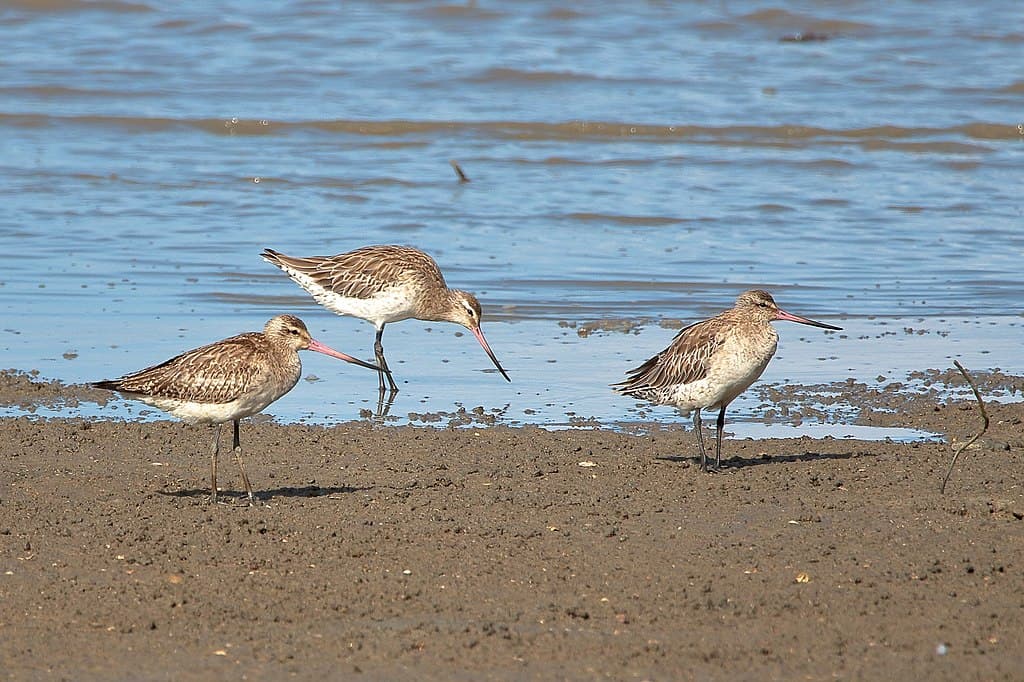
The migration route of the Bar-tailed Godwit is nothing short of extraordinary. These birds breed in the Arctic tundra of Alaska during the short northern summer. As autumn approaches in September, they gather in massive numbers at staging areas like the Yukon-Kuskokwim Delta in western Alaska. After building up substantial fat reserves, they launch southward across the vast Pacific Ocean. Their route takes them across open water with no islands or landmasses to stop at for thousands of miles. Tracking studies have shown that they fly continuously for 8-10 days, covering approximately 9,000 miles before reaching their non-breeding grounds in New Zealand and eastern Australia. This journey represents the longest known non-stop migration of any bird, and indeed any animal, on the planet.
Record-Breaking Flight Capabilities
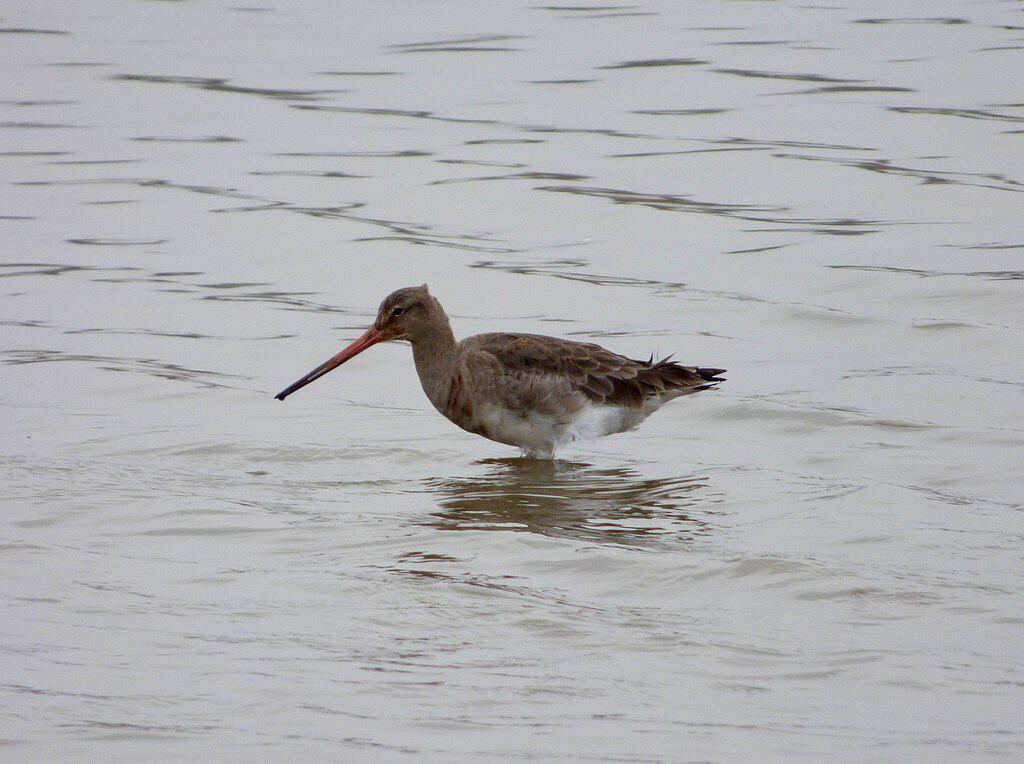
The godwits’ flight capabilities have been thoroughly documented through satellite tracking. In 2007, scientists tagged a female Bar-tailed Godwit nicknamed “E7” that set the world record for the longest non-stop avian flight ever recorded. E7 flew 7,145 miles (11,500 kilometers) from Alaska to New Zealand in just nine days without stopping. Later tracking studies have confirmed similar impressive journeys, with some birds covering even longer distances approaching 9,000 miles. To put this in perspective, this would be equivalent to a human running continuously for nine days without food, water, or sleep—a feat that is physiologically impossible for our species. The birds maintain an average speed of about 35 miles per hour (56 km/h) and fly at altitudes ranging from 1,000 to 20,000 feet (300-6,000 meters), adjusting their height based on weather conditions.
Physiological Adaptations for Extreme Endurance
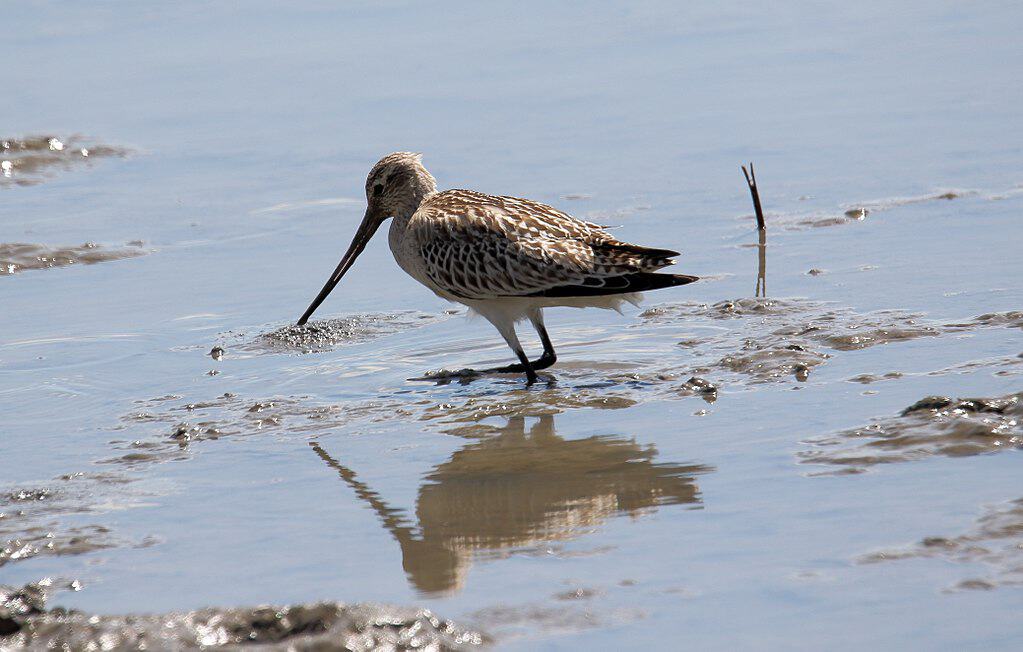
How does a small bird accomplish such an extraordinary migration? The answer lies in remarkable physiological adaptations. Before departure, Bar-tailed Godwits undergo hyperphagia—a period of extreme overeating—increasing their body weight by up to 55 percent. Most of this weight gain is in the form of fat, which serves as fuel for the journey. Their bodies also undergo dramatic internal changes: non-essential organs like the digestive tract shrink temporarily to reduce weight, while flight muscles enlarge. Their metabolic efficiency increases dramatically, allowing them to burn fat at an optimal rate during flight. Additionally, godwits have specialized respiratory systems that extract oxygen more efficiently than most other birds, and their cardiovascular system adapts to maintain performance during extended flight. These birds even have the ability to sleep while flying, using unihemispheric slow-wave sleep—literally sleeping with one half of their brain at a time while the other half remains alert.
Navigational Mastery Across the Pacific
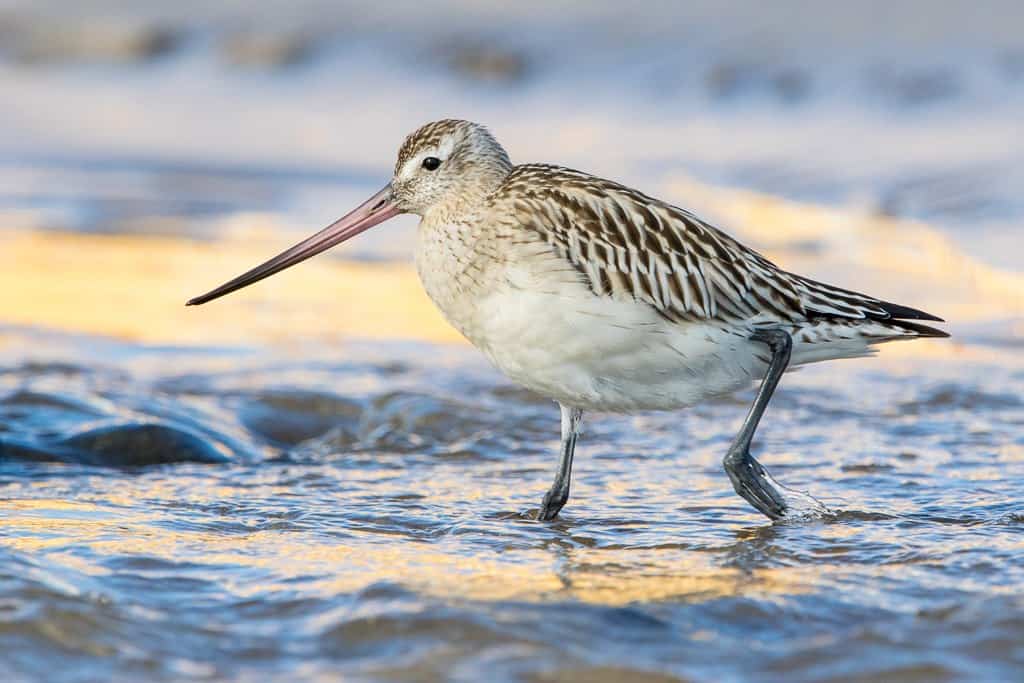
Perhaps equally impressive as their endurance is the Bar-tailed Godwit’s navigational precision. Flying across the featureless Pacific Ocean with no landmarks, these birds must navigate using a combination of innate abilities. Research suggests they utilize multiple navigational tools including the sun’s position, star patterns, Earth’s magnetic field, visual cues, and possibly even scent markers carried by ocean winds. What makes this especially remarkable is that juvenile godwits make this journey successfully on their first attempt without having followed adults, indicating that much of their navigational ability is innate rather than learned. The precision is astounding—birds often return to exactly the same bay or estuary in New Zealand year after year after crossing thousands of miles of open ocean.
Weather Challenges and Strategic Flight

The godwits’ transoceanic flight isn’t just a matter of pointing in the right direction and flapping. These birds display sophisticated understanding of weather patterns and strategically time their departures to coincide with favorable conditions. Satellite tracking has revealed that they often depart Alaska just ahead of cold fronts, using the tailwinds generated by these weather systems to gain a significant boost. During flight, they adjust their altitude to find the most advantageous wind conditions, sometimes flying as high as 20,000 feet to catch favorable air currents. Their ability to predict and utilize weather patterns is crucial for success—a headwind could increase their energy expenditure dramatically and potentially be fatal. Researchers have observed that godwits will delay departure for days or even weeks until conditions are optimal, demonstrating remarkable weather prediction abilities.
The Return Journey: A Different Route

Interestingly, the godwits’ return migration from New Zealand to Alaska follows a different strategy. Rather than attempting another non-stop flight, they take a more leisurely route with several stopovers. The northward journey typically begins in March and includes important refueling stops along the Yellow Sea coastline of China and Korea, where the birds replenish their fat reserves. This difference in migration strategy between southbound and northbound journeys highlights the birds’ adaptation to seasonal wind patterns across the Pacific. The prevailing winds favor a direct route southward in autumn but make a non-stop return flight northward in spring much more challenging. This demonstrates the godwits’ evolutionary adaptation to optimize their migration based on environmental conditions rather than simply repeating the same route in both directions.
Conservation Concerns for These Marathon Migrants

Despite their incredible abilities, Bar-tailed Godwits face significant conservation challenges. Their populations have declined by approximately 30% in recent decades due to multiple threats. Coastal development has reduced critical habitat at both breeding and non-breeding grounds. Particularly concerning is the destruction of tidal mudflats along the Yellow Sea in China and Korea, which provide essential refueling habitat during northward migration. Climate change also poses serious threats, as rising sea levels may inundate coastal feeding areas, while changing weather patterns could disrupt the predictable wind systems these birds rely on for migration. Additionally, the arctic breeding grounds are warming at twice the global average rate, potentially affecting food availability and breeding success. Conservation efforts focusing on international cooperation to protect key habitats along the entire migratory pathway are crucial for ensuring these marathon migrants continue to make their remarkable journeys.
Scientific Research and Tracking Technologies
Our understanding of the godwits’ extraordinary migration has advanced tremendously in recent decades thanks to modern tracking technologies. Initially, researchers relied on visual observations and traditional bird banding, which provided limited insights. The breakthrough came with the development of satellite transmitters small and light enough for these birds to carry without impeding their flight. Modern tracking devices weighing just a few grams can now record not only location but also altitude, speed, and even the body position of birds in flight. Some advanced tags incorporate accelerometers that measure wing beat frequency and flight effort. These technologies have revolutionized our understanding of bird migration, revealing previously unknown routes and behaviors. Continued advances in miniaturization and battery life promise to deliver even more detailed insights into the physiological and behavioral aspects of these marathon flights in the coming years.
Cultural Significance Across the Pacific

The Bar-tailed Godwit holds special cultural significance for many Indigenous peoples across its range. In New Zealand, the bird is known as “Kuaka” to the Māori people and features prominently in their traditional sayings and cultural narratives. One famous Māori proverb states: “Kua kite te kohanga kuaka?” (“Who has seen the nest of the kuaka?”), referring to the mystery of where these birds came from, as they were never observed nesting in New Zealand. Similarly, various Alaskan Native groups have traditional knowledge about godwits and their migrations, incorporated into stories passed down through generations. These cultural connections highlight how remarkable animal behaviors become integrated into human understanding and mythology, creating bridges between natural phenomena and cultural identity. The godwit’s journey serves as a powerful symbol of connection between distant lands and peoples across the Pacific.
Other Long-Distance Avian Migrants
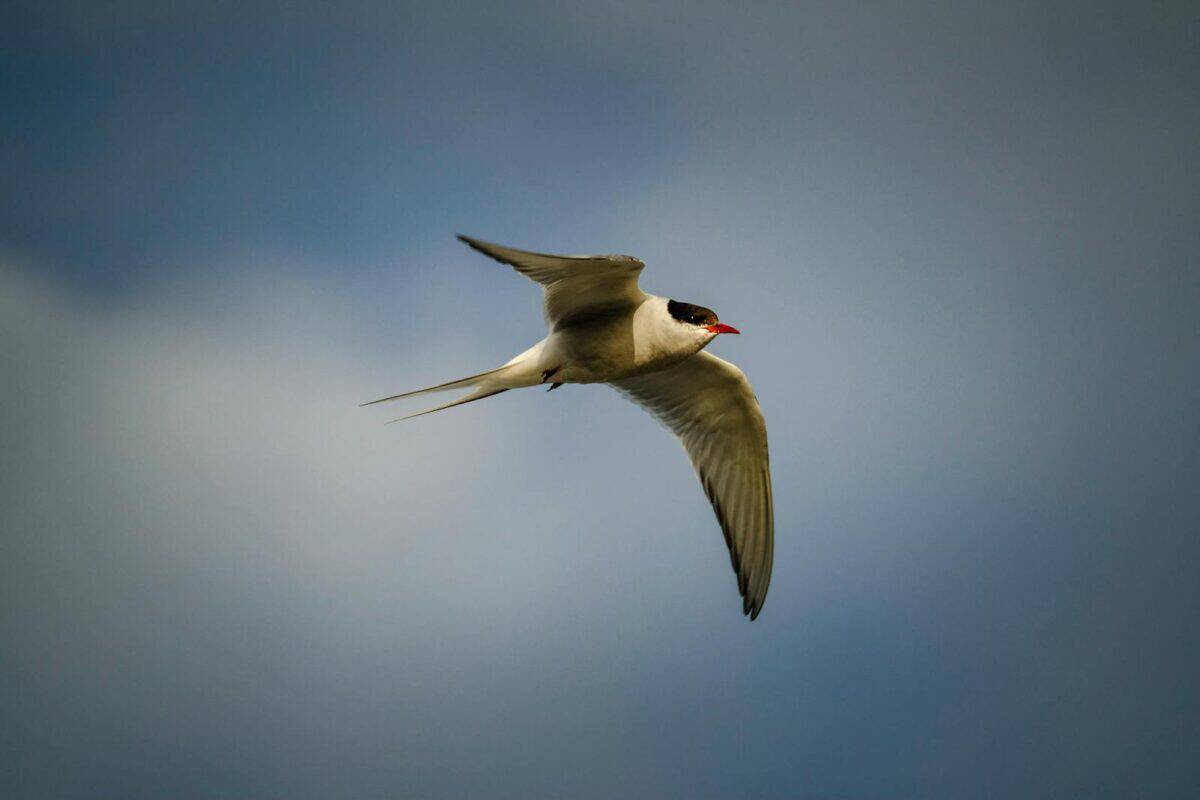
While the Bar-tailed Godwit holds the record for the longest non-stop flight, several other bird species perform remarkable migrations worth noting. The Arctic Tern (Sterna paradisaea) completes the longest total annual migration of any animal, flying from Arctic breeding grounds to Antarctica and back each year—a round trip of about 44,000 miles. Unlike godwits, however, Arctic Terns make multiple stops along their route. The Great Frigatebird (Fregata minor) can stay aloft for up to two months without landing, though it doesn’t cover as much distance in a single journey as the godwit. The Alpine Swift (Tachymarptis melba) can remain airborne for over six months at a time. These various migration strategies highlight the diverse evolutionary approaches birds have developed to solve the challenges of seasonal resource availability and breeding requirements, with the godwit’s non-stop long-distance strategy representing just one extraordinary solution.
Conclusion: Nature’s Ultimate Endurance Athletes

The Bar-tailed Godwit’s extraordinary 9,000-mile non-stop migration stands as one of the most impressive feats in the natural world, showcasing the remarkable adaptations that can evolve through natural selection. These unassuming shorebirds challenge our understanding of physical endurance, navigational ability, and physiological adaptation. Their journey across the vast Pacific Ocean represents not just a migration but a triumph of evolutionary biology—a perfect synchronization of physical capability, innate behavior, and environmental awareness. As we continue to study these remarkable birds, they remind us that the natural world still holds wonders that can inspire and amaze us. The godwit’s marathon flight serves as both a biological marvel and a powerful reminder of the interconnectedness of global ecosystems, with these tiny travelers linking continents and cultures across thousands of miles of open ocean.

From exploring the marine wonders in the Azores and witnessing the vast savannas of Kenya, to delving deep into the rich biodiversity of South Africa and traversing iconic landscapes in Australia and the US like Yellowstone, Chris's experiences are vast.
With a penchant for diving alongside sharks, the ocean holds a special place in his heart.
Through his academic insights, he champions wildlife conservation, striving with 'Animals Around The Globe' to cultivate a profound connection between humans and animals, enhancing our mutual appreciation.
Connect with him at Feedback@animalsaroundtheglobe.com.