
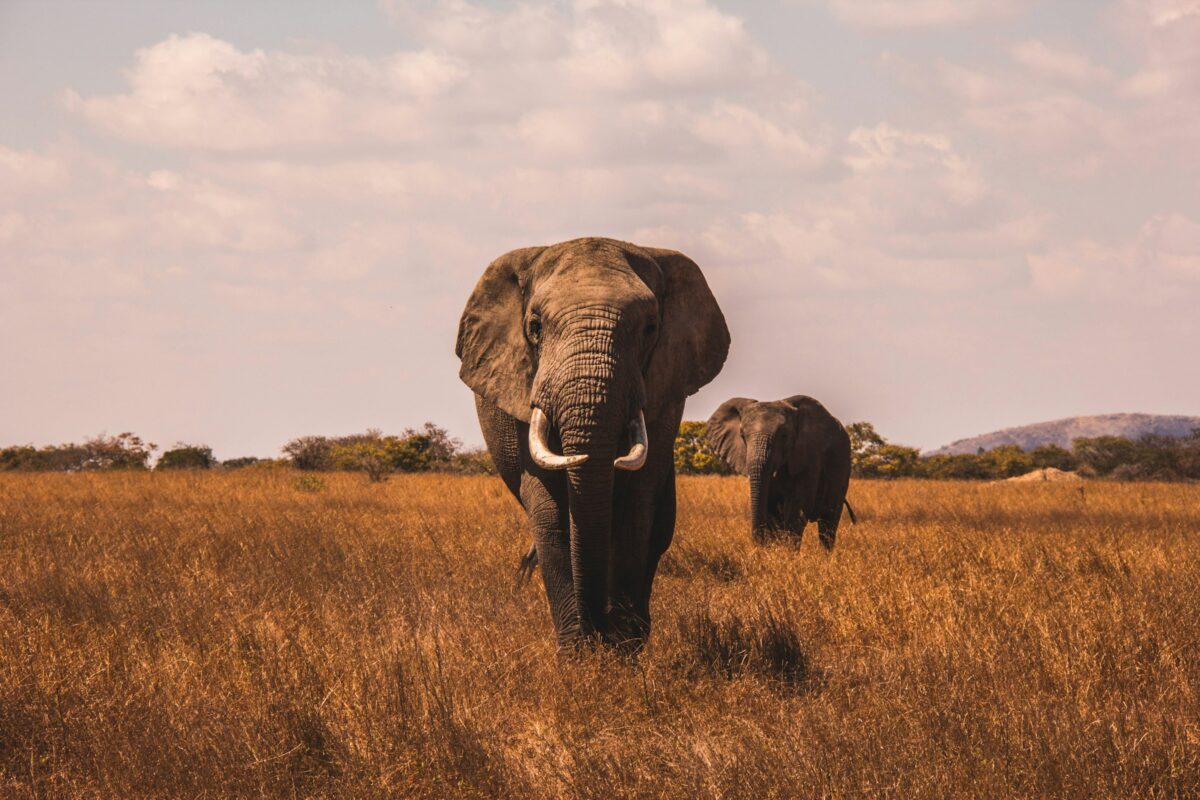
Everyone tells you the Serengeti is the safari of a lifetime. Book the flight, pack the khaki, watch the wildebeest thunder across the plains – bucket list complete. Except talk to the rangers, the repeat visitors, and the people who actually track where the animals are thriving instead of where the brochures point, and a very different map starts to emerge.
Some of the most jaw-dropping wildlife encounters left on Earth aren’t happening where the crowds are. They’re happening in places most travelers never think to book – and by the time you get to number one, you may never look at a “classic” safari the same way again.
#10 – Etosha National Park, Namibia
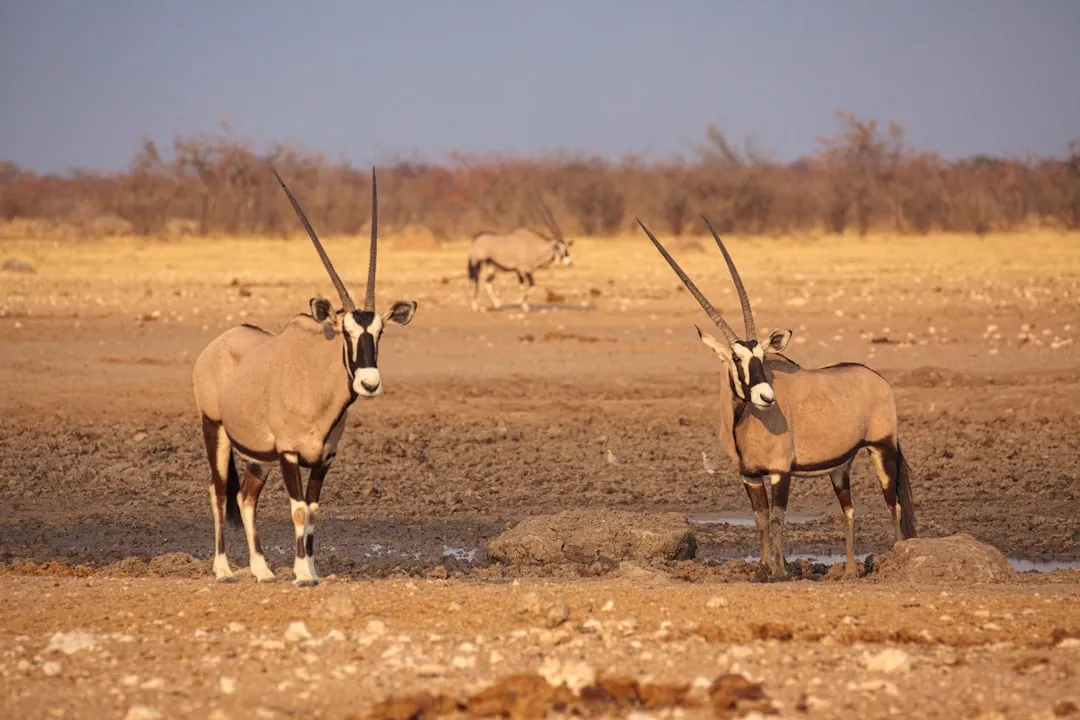
Most people cross Namibia off the safari list before they’ve even opened the map, assuming a desert can’t compete with East Africa’s grasslands. Etosha quietly proves them wrong. A massive, shimmering salt pan pulls herds of elephants, lions, and rhinos toward a shrinking number of waterholes during the dry season, stacking unforgettable sightings into a single frame without the usual line of jeeps jostling for position.
The real trick happens after dark. Floodlit waterholes let you sit at your lodge and watch predators move in on prey just meters away, something almost no other park offers so easily. Namibia’s low population density keeps human pressure to a minimum, and rangers here report some of the best black rhino sighting odds on the continent – a species that has all but vanished from many other reserves.
#9 – Chobe National Park, Botswana
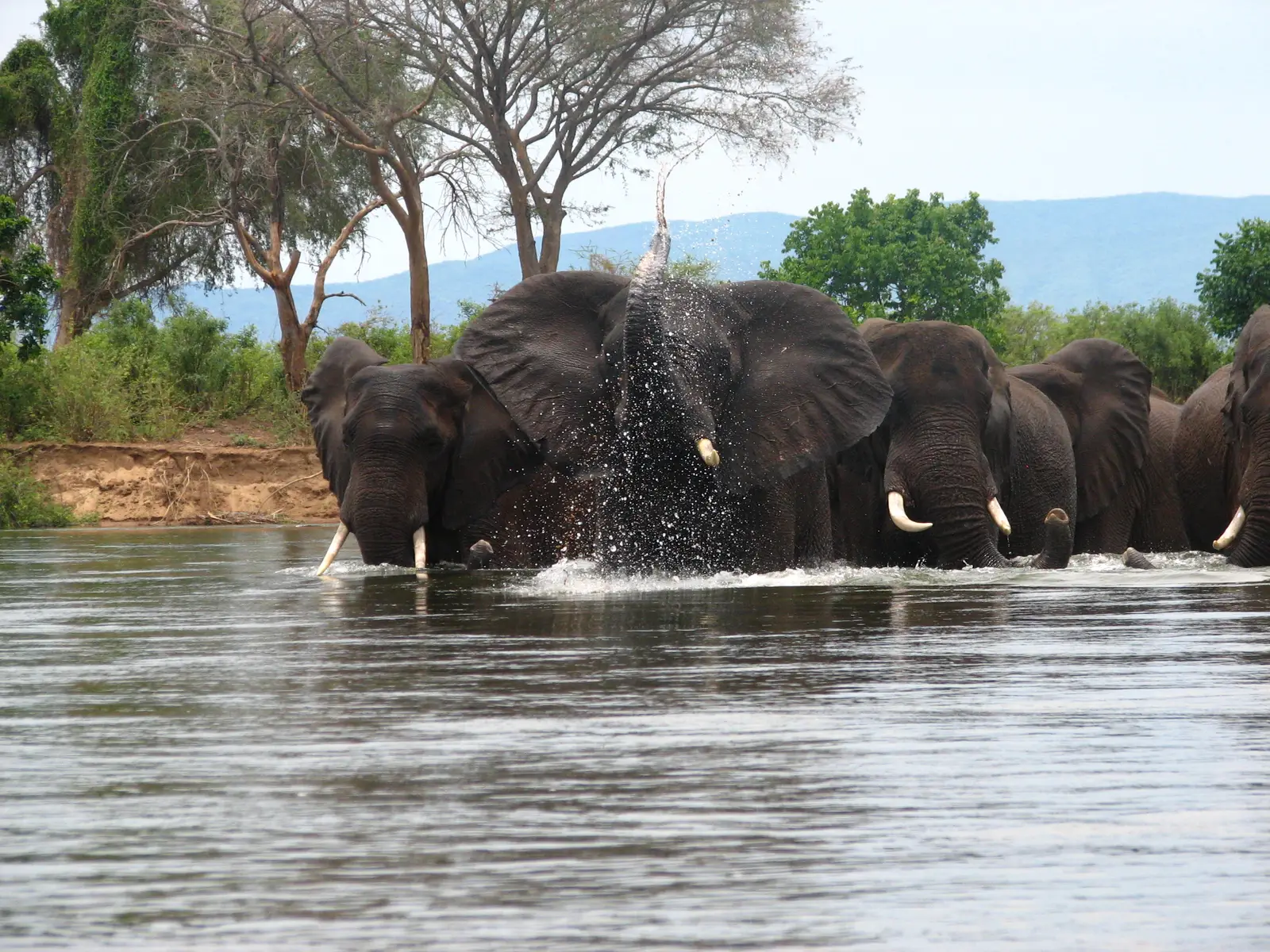
Botswana has a reputation for safaris that drain your bank account, but Chobe breaks that assumption in a very different way – sheer scale. This is home to the largest elephant population found in any single park on Earth, with herds pushing past 50,000 animals moving along the riverbanks in numbers that feel almost prehistoric.
The Chobe River is where the real drama plays out, with dramatic crossings and predator ambushes visible from both boat and vehicle. Despite regional poaching pressure elsewhere in Africa, elephant numbers here have actually kept climbing. Skip the crowds by booking an early morning drive; local operators note far fewer fly-in tourists than the Okavango, which means quieter mornings and sightings that feel almost private.
Fast Facts
- Home to over 50,000 elephants – the largest single-park population on Earth
- Riverbank sightings are viewable by both boat and vehicle
- Elephant numbers have kept climbing despite regional poaching pressure
- Early morning drives see noticeably fewer visitors than the Okavango Delta
#8 – South Luangwa National Park, Zambia
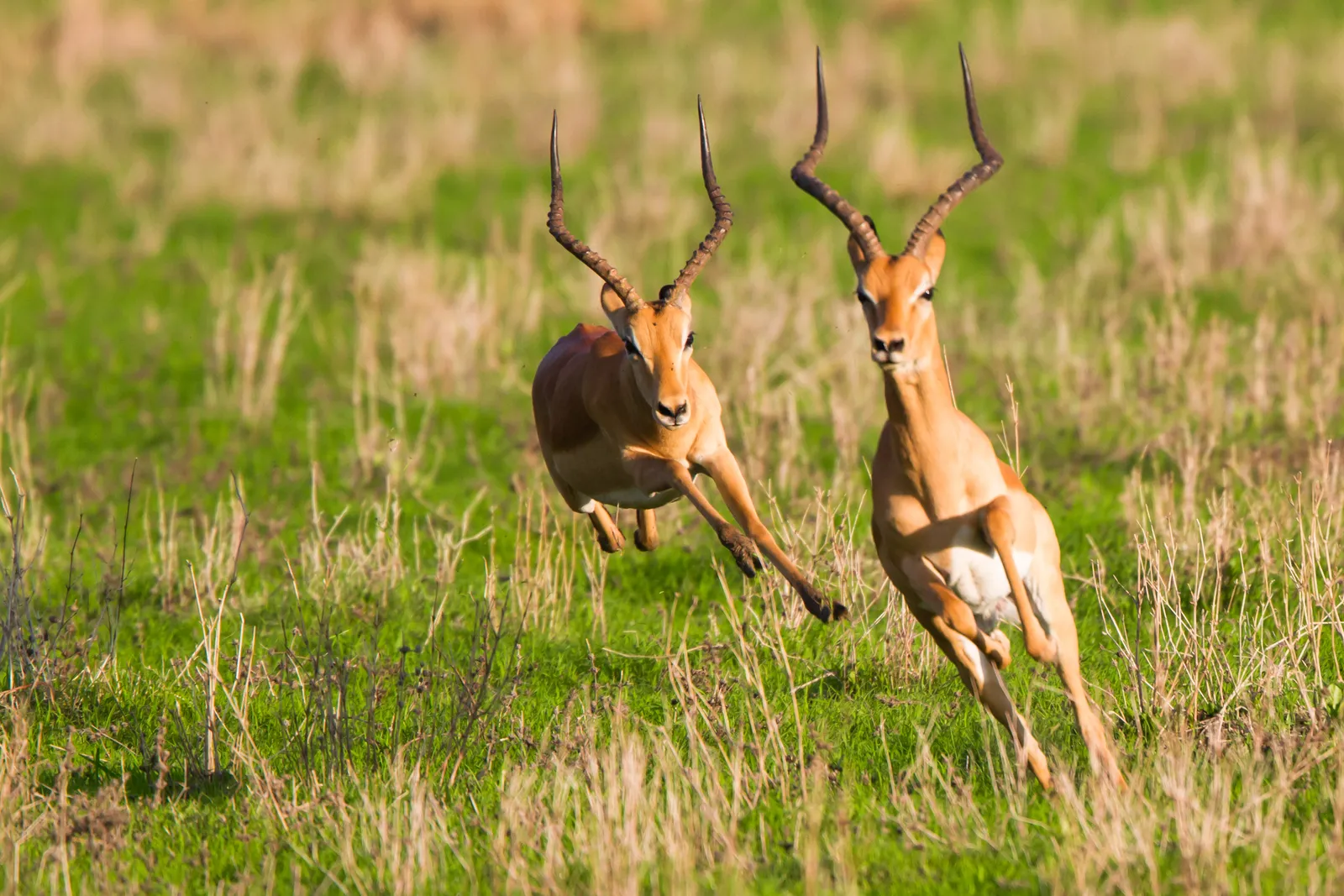
Zambia almost never makes anyone’s top-ten safari list, and increasingly, guides are calling that an outright mistake. This is the park that pioneered the walking safari, where small groups track leopards on foot with an armed guide a few paces ahead – a level of intimacy with the bush that no vehicle can replicate.
The Luangwa River carves oxbow lakes that trap enormous hippo pods and Nile crocodiles into tight, chaotic zones, and night drives here remain legal and genuinely productive, unlike the stricter rules next door in Zimbabwe and Tanzania. Kenya and Tanzania may get the glossy magazine spreads, but travelers who’ve done both keep coming back to Zambia, insisting the raw, unstaged feel of South Luangwa beats a crowded Mara morning every time.
#7 – Ngorongoro Conservation Area, Tanzania
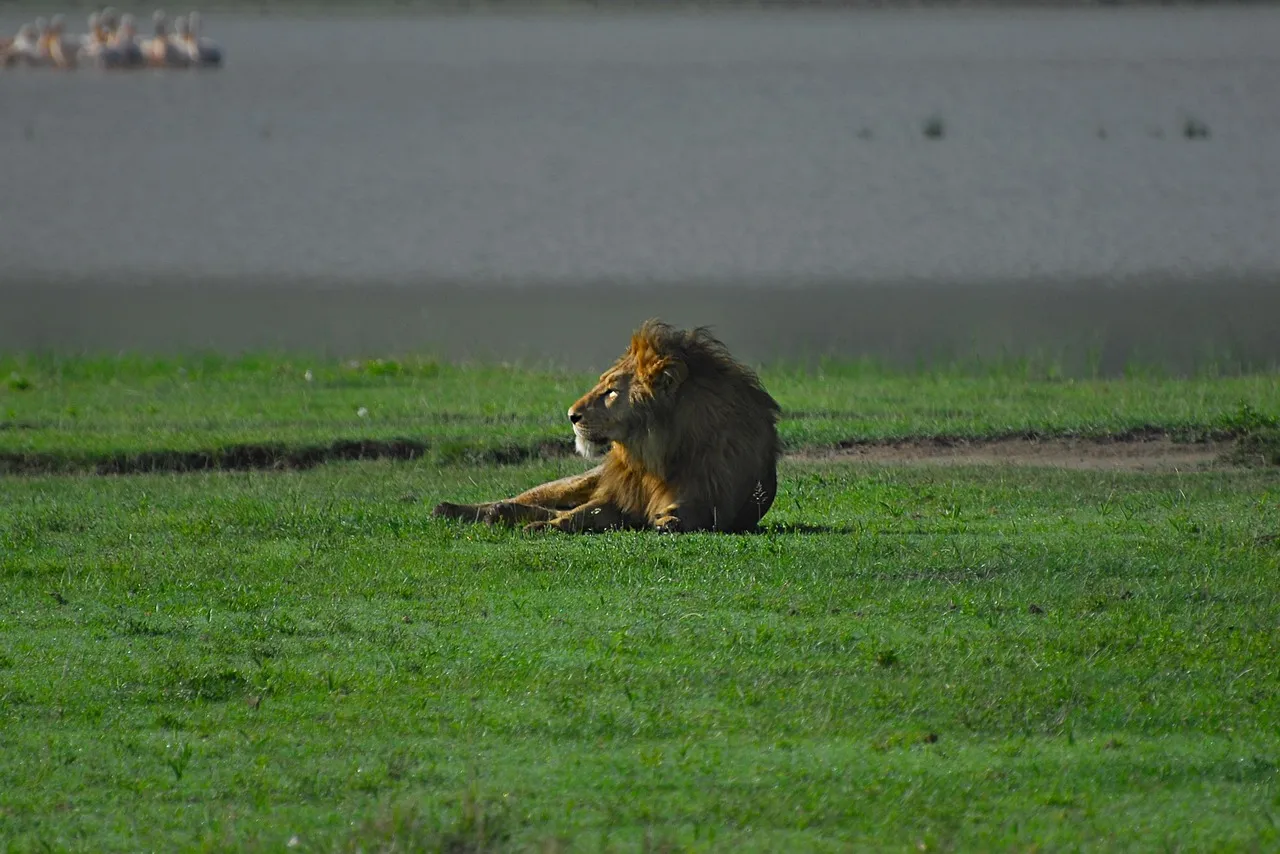
The crater shows up on nearly every “must-see Africa” list, and the entrance fees have become a running joke among budget travelers who feel nickel-and-dimed for what they actually see. But strip away the price tag complaints and there’s something genuinely rare happening here: a dense, contained caldera holding the highest density of lions found anywhere in Africa.
Black rhinos still persist inside the crater walls even as their numbers collapse elsewhere on the continent, and the 600-meter descent into the caldera creates a microclimate where species mix in ways that simply don’t happen on the open plains. The catch is the one-way circuits and vehicle limits, which frustrate photographers chasing the perfect angle during peak season. Locals quietly steer smart travelers toward the shoulder seasons instead, when the crowds thin and the light gets better.
At a Glance
- Highest density of lions found anywhere in Africa
- Black rhinos still persist inside the crater despite declines elsewhere
- A 600-meter descent creates a unique microclimate inside the caldera
- Shoulder-season visits mean thinner crowds and better photography light
#6 – Okavango Delta, Botswana
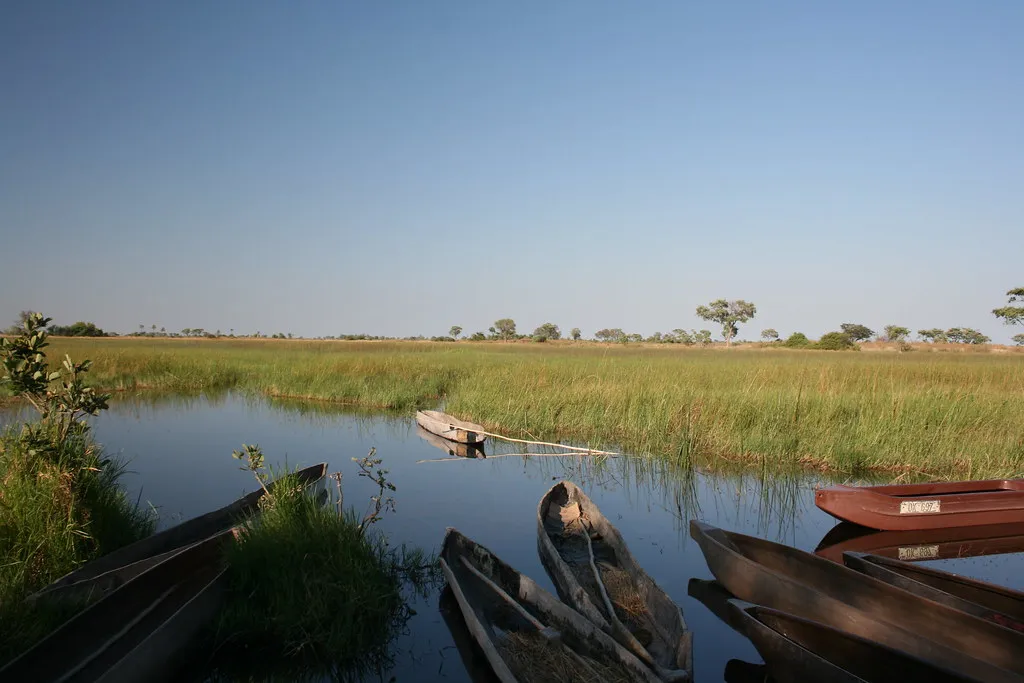
Picture a flooded paradise and you’re picturing the Okavango Delta, but the real magic isn’t the water itself – it’s the seasonal pulse of it. As the flood rises and falls, mokoro canoes glide silently past red lechwe and sitatunga in shallow channels no vehicle could ever reach, and predators follow prey onto shrinking islands in a slow-motion chase that plays out over weeks.
Skeptics call the mokoro experience slow, even overhyped, compared to a fast-paced game drive. But the numbers tell a different story: operators report higher repeat bookings here than in any other Botswana park. Botswana’s deliberately low-volume tourism policy keeps visitor numbers far below the East African hotspots, which means the Delta still feels like something undiscovered, even after decades on the map.
#5 – Kruger National Park, South Africa
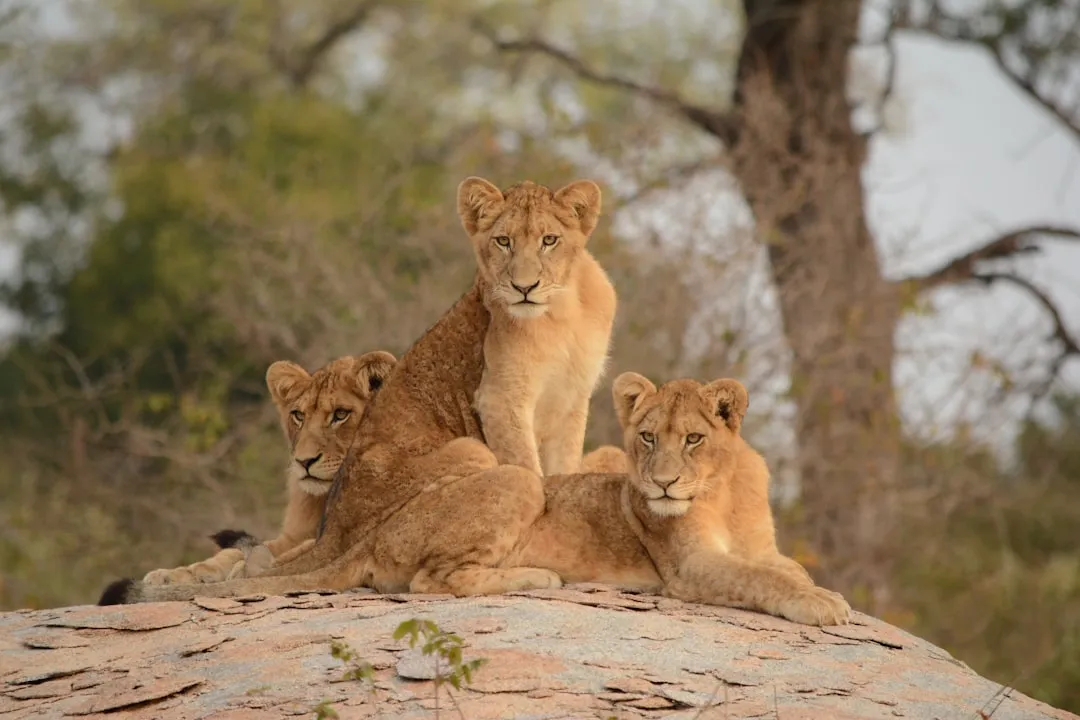
Kruger pulls in more first-time safari visitors than almost anywhere else in Africa, and ironically, that popularity is exactly what critics point to as its biggest flaw. What makes it different is access – the park’s size and road infrastructure let self-drivers spot the Big Five without hiring a guide, a rarity almost nowhere else on the continent.
Over 500 bird species call Kruger home, and strong conservation programs have kept lion populations steady here even as many other reserves report troubling declines. Still, the tar roads and busy rest camps have earned Kruger a harsh nickname among purists: a glorified zoo. Plenty of seasoned travelers now skip it entirely in favor of something quieter, even if it costs more and takes more planning.
Why It Stands Out
- Self-drive access lets visitors spot the Big Five without hiring a guide
- Over 500 bird species call the park home
- Lion populations have stayed steady while other reserves report declines
- Extensive road infrastructure makes it one of Africa’s most accessible parks
#4 – Volcanoes National Park, Rwanda
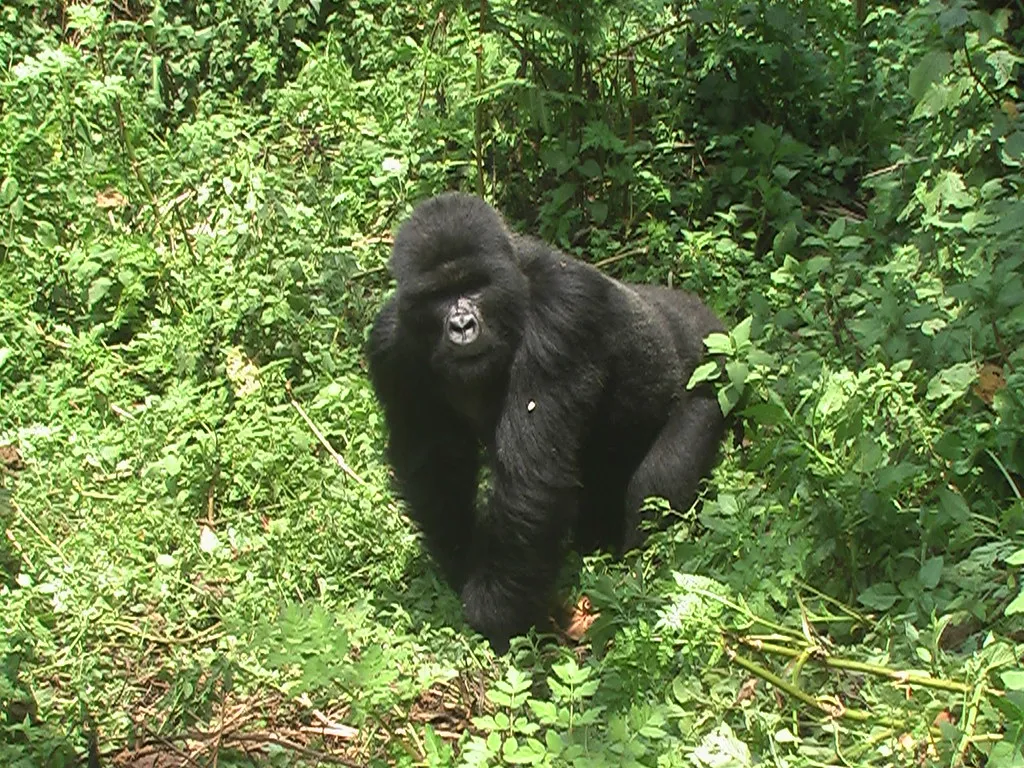
A gorilla trekking permit here costs a small fortune, and yet almost everyone who pays it walks away saying it was worth every cent. Trekking through dense bamboo forest to reach a habituated gorilla family delivers something no other primate encounter on Earth can match – eye contact with a silverback close enough to hear him breathe.
The same ecosystem also shelters golden monkeys and forest elephants, all packed into one dramatic volcanic landscape. What sets Rwanda apart isn’t just the wildlife, though – it’s the model. Permit fees flow directly into community projects, a system that has cut poaching more effectively than almost anything neighboring countries have tried.
When you realize the value of all life, you dwell less on what is past and concentrate on the preservation of the future.
Dian Fossey
#3 – Maasai Mara National Reserve, Kenya
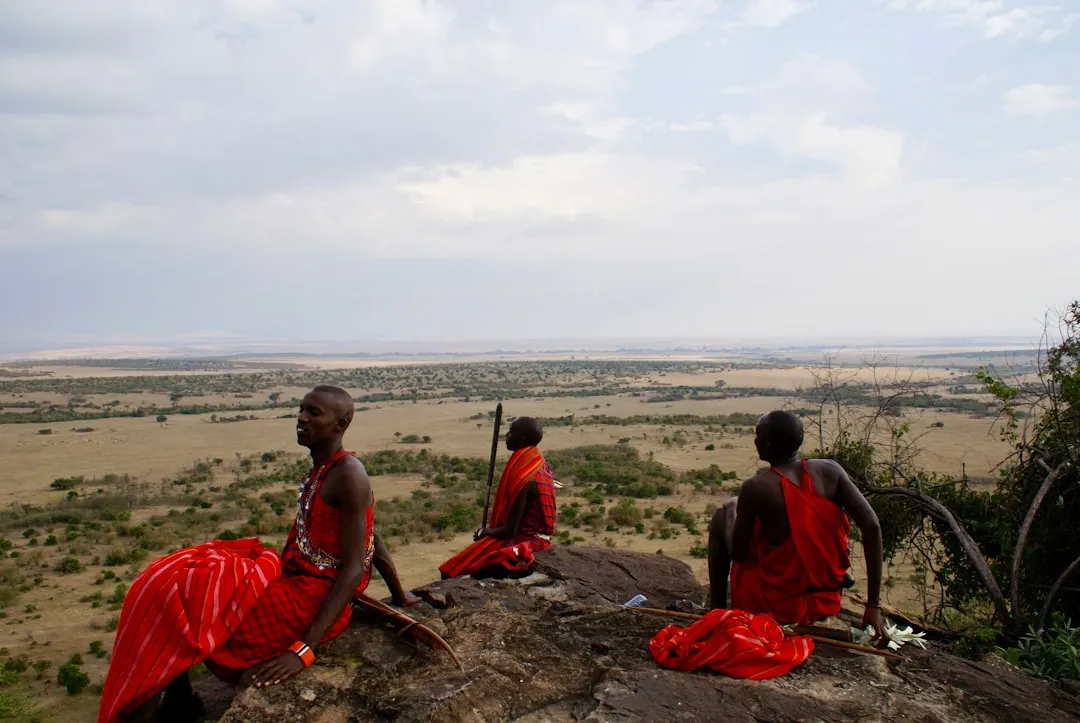
The Mara is still the default answer when someone says “safari,” but a growing number of experts are quietly steering their clients elsewhere. Yes, the Great Migration river crossings between July and October remain some of the most dramatic wildlife footage on the planet, and a hot air balloon ride over the plains at dawn is worth the early wake-up call.
But the reserve itself has become something closer to a crowded circus during peak season, with vehicles stacking up around every crossing point. Insiders now point travelers toward the private conservancies just outside the reserve core, where big-cat densities are actually higher and the vehicle count is a fraction of what you’ll find inside the Mara proper.
#2 – Serengeti National Park, Tanzania
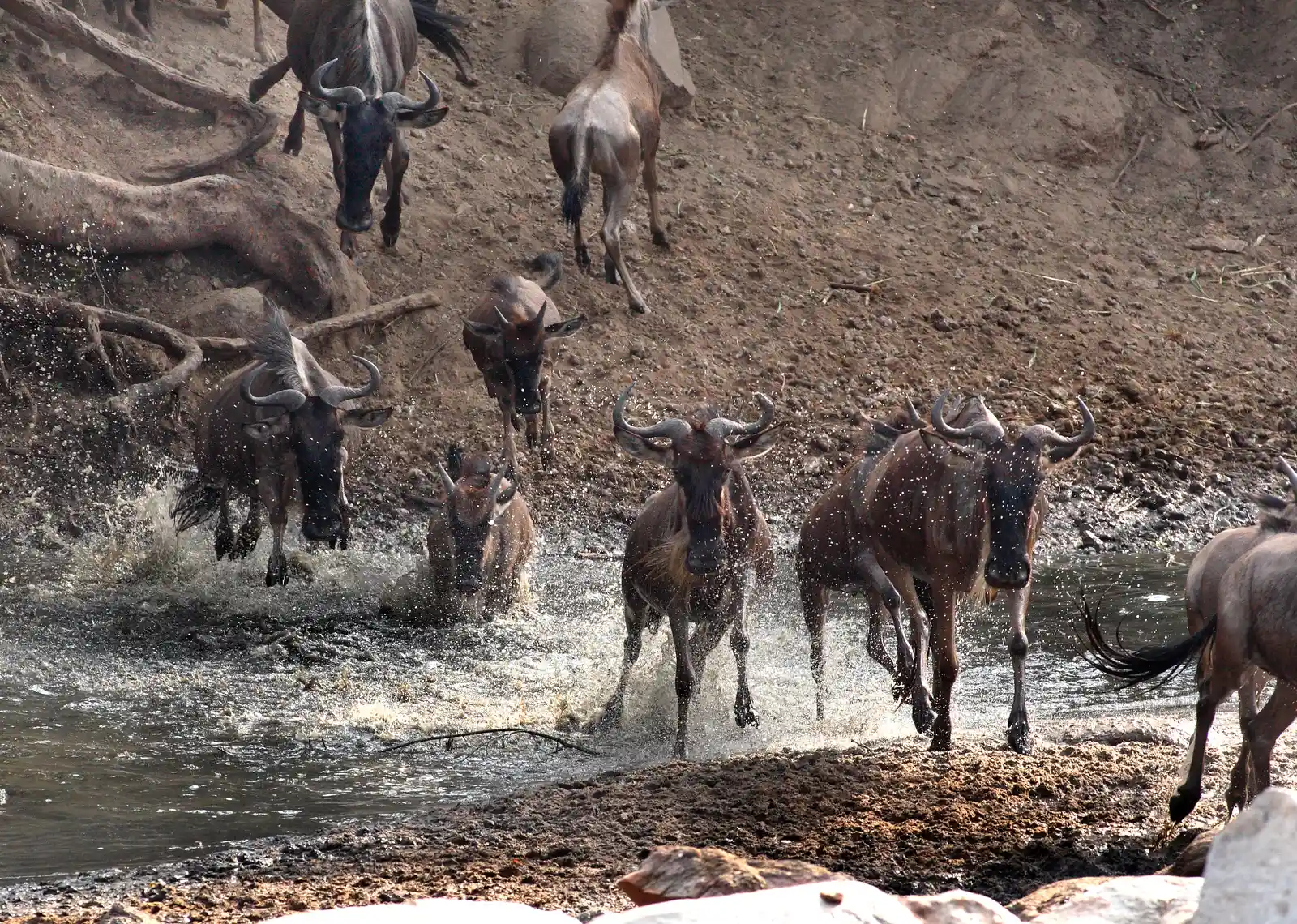
The Serengeti’s name alone sells trips before travelers even understand what they’re booking, and even seasoned safari veterans are often stunned by the sheer scale once they see it in person. This is the site of the largest terrestrial mammal migration on Earth, with more than 1.5 million wildebeest moving across endless plains dotted with rocky kopjes that double as front-row seats for dramatic predator hunts.
Here’s what most visitors don’t realize until they’ve already booked: the central Seronera area fills with vehicles fast during migration peaks, while the western corridor sits nearly empty despite offering comparable wildlife action. Ask your operator to route you west, and you’ll get the Serengeti everyone dreams about without the traffic jam everyone complains about.
Worth Knowing
- More than 1.5 million wildebeest take part in the annual migration
- Rocky kopjes across the plains double as natural viewing platforms for predator hunts
- The central Seronera area sees the heaviest vehicle traffic during migration peaks
- The western corridor offers comparable wildlife action with far fewer crowds
#1 – Bwindi Impenetrable National Park, Uganda
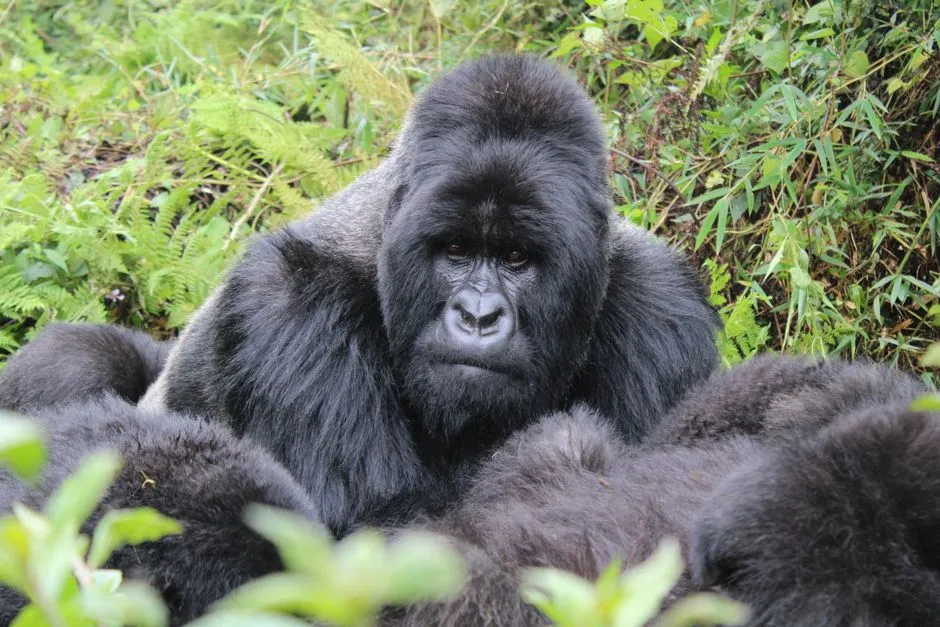
Uganda’s mountain gorilla trekking has quietly started outperforming the classic safari circuit for one simple reason: emotional impact. Dense rainforest trails wind uphill toward family groups where a silverback might stand and beat his chest close enough to feel it in your chest too – an encounter that lingers long after the trip ends.
The same forest hides chimpanzees and forest elephants, but the real difference is time. Uganda’s habituation process allows encounters lasting over an hour, far longer than the typical fifteen-minute game-drive sighting most safaris offer. East African plains parks still get the higher rankings on paper, but a growing number of repeat safari-goers now quietly call Bwindi the single most unforgettable wildlife experience they’ve ever had.
The Bottom Line
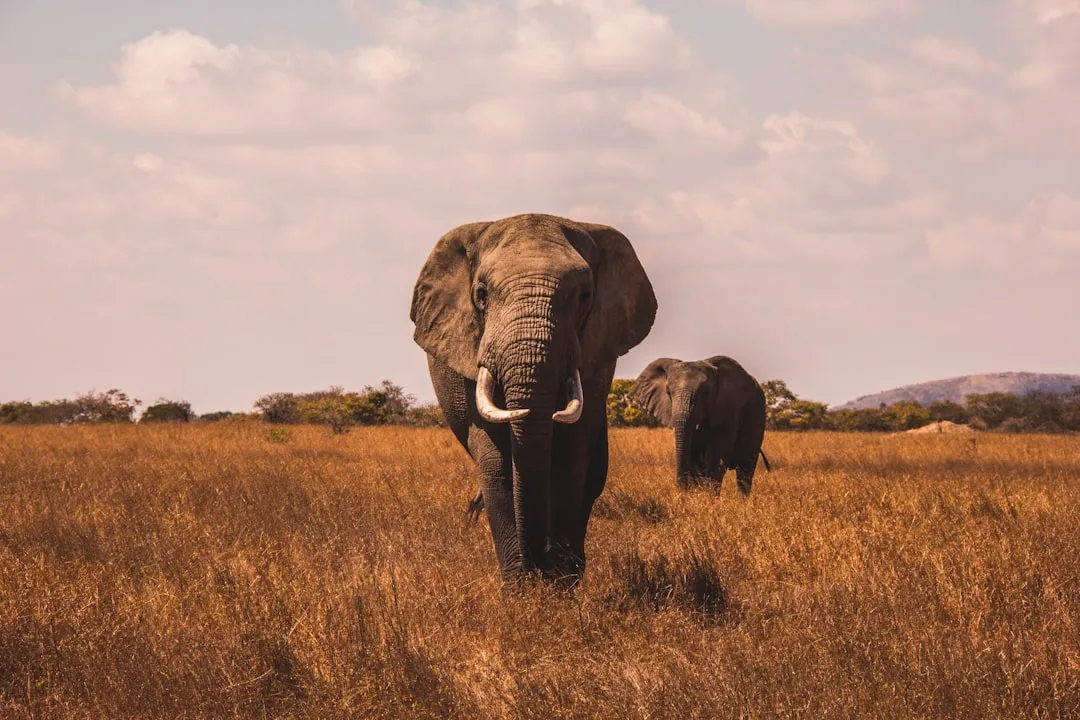
The old safari hierarchy is cracking, and honestly, it’s about time. The overcrowded classics – central Serengeti, peak-season Maasai Mara – still deliver good photos, but they’re increasingly delivering diminishing returns for the price and the crowds you’re wading through to get them.
The parks actually earning their reputations right now are the ones nobody puts on a postcard: Namibia’s floodlit waterholes, Zambia’s foot-tracked leopards, Rwanda and Uganda’s forest primates. If there’s one lesson worth taking from this list, it’s that Botswana and Uganda got something right that the rest of the safari world is still catching up to – low-volume tourism doesn’t just protect the wildlife, it protects the feeling of discovery that made you want to go on safari in the first place. Did we miss the one that changed your trip? Drop it in the comments.
