
There’s something magical about stepping into places that witnessed entire civilizations rise and fall. Ancient historical sites connect us to people who lived thousands of years ago, yet somehow their stories still resonate today. Walking through ruins carved by hands that never knew modern technology can be humbling, exhilarating, even life-changing. The world holds incredible treasures from our past, scattered across continents, each with mysteries waiting to be discovered.
I think there’s a reason why ancient destinations top so many travel bucket lists. They’re not just about admiring old stones or taking photos. These places pulse with energy, telling stories of ambition, faith, conquest, and creativity. So let’s dive into eight ancient wonders that deserve your attention. Be prepared to feel small in the face of human achievement.
The Pyramids of Giza – Egypt’s Eternal Monuments
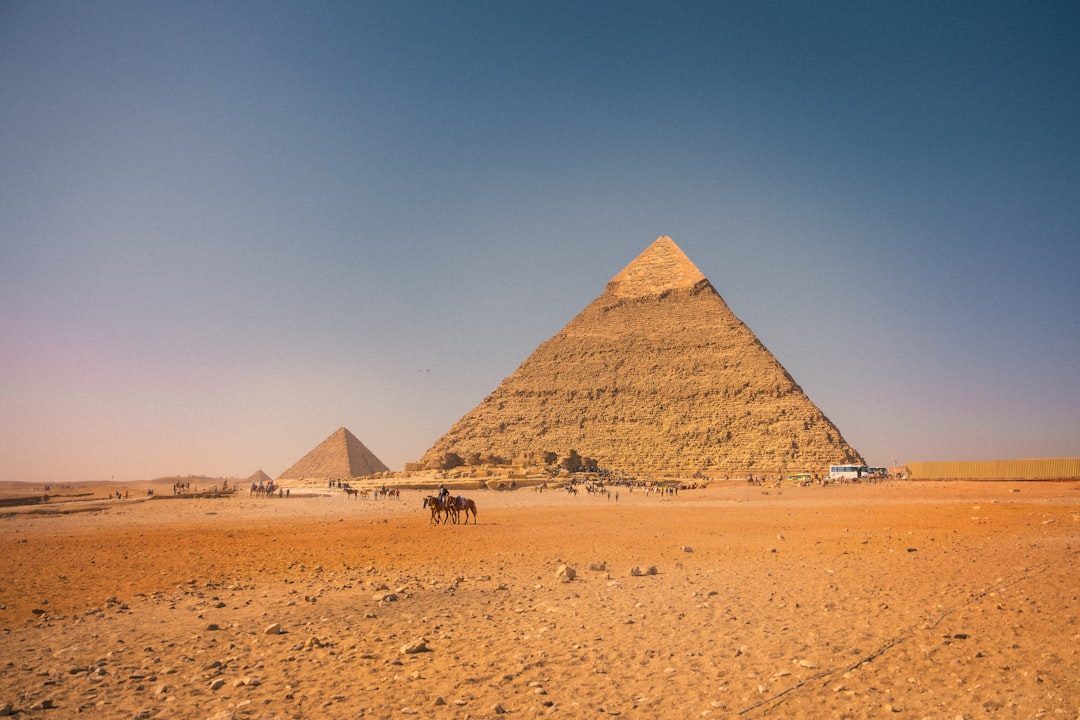
The Pyramids of Giza stand as Egypt’s most famous landmarks, built over 4,500 years ago, and honestly, seeing them in person never gets old. These monumental structures served as tombs for pharaohs, and are the only Seven Wonders of the Ancient World still standing. The sheer scale is something photographs simply can’t capture.
Standing before the Great Pyramid, you realize that the Great Pyramid used over 2.3 million stone blocks, each weighing about 2.5 tons. Let’s be real, how did they accomplish this without cranes or machinery? The mystery only adds to the fascination. Travelers can explore the interiors of the pyramids, gaining an insight into the fascinating world of ancient Egyptian civilization, as well as visiting the iconic Great Sphinx of Giza.
Machu Picchu – The Lost City Above the Clouds
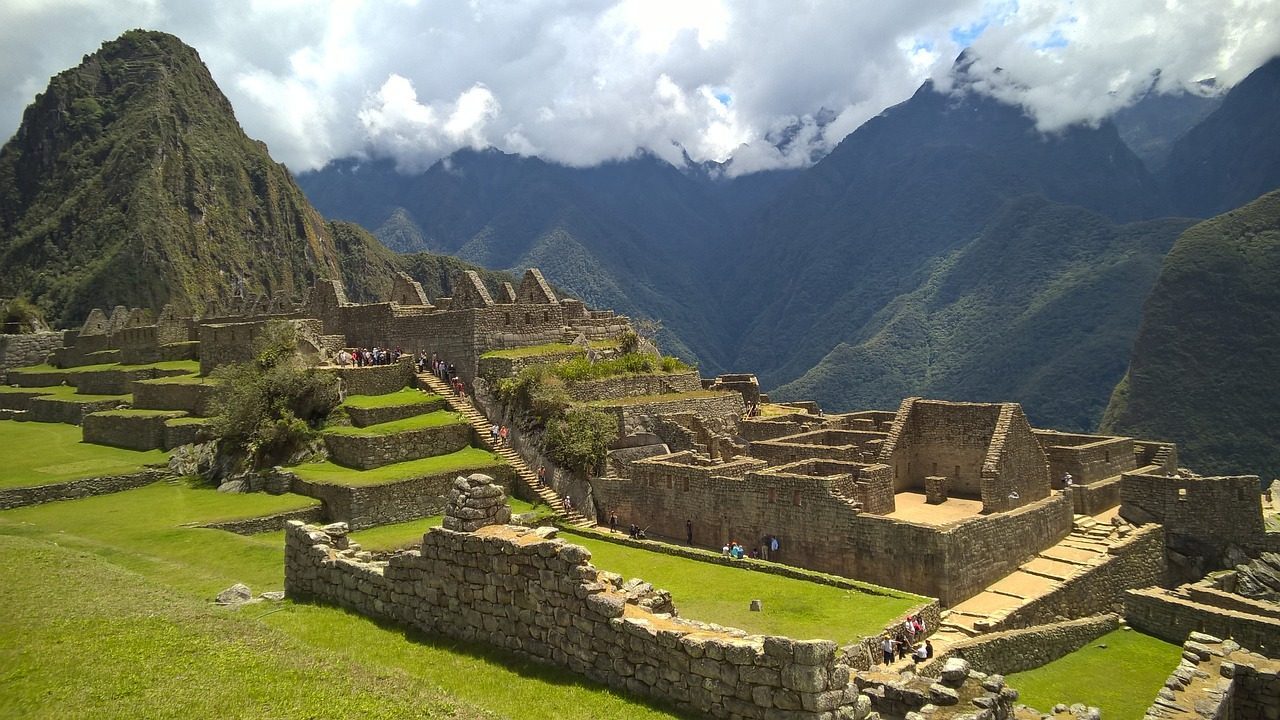
Machu Picchu was built in the 15th century as a summer home for the king, and subsequently abandoned after the arrival of the Spanish Conquistadors. Perched high in the Peruvian Andes, this Incan citadel feels like a secret the mountains kept for centuries. Hidden in Peru’s mountains, Machu Picchu shows the incredible skill of Inca builders, and this 15th-century city sits 7,970 feet above sea level.
The journey to reach it is half the adventure, whether you trek the Inca Trail or take a scenic train ride. Once you arrive, the precision of the stonework leaves you speechless. The way massive rocks fit together without mortar defies logic. This UNESCO world heritage site is of immense cultural significance to the Quechua people that live around Cusco and attracts a million visitors per year.
Petra – The Rose-Red City Carved in Stone
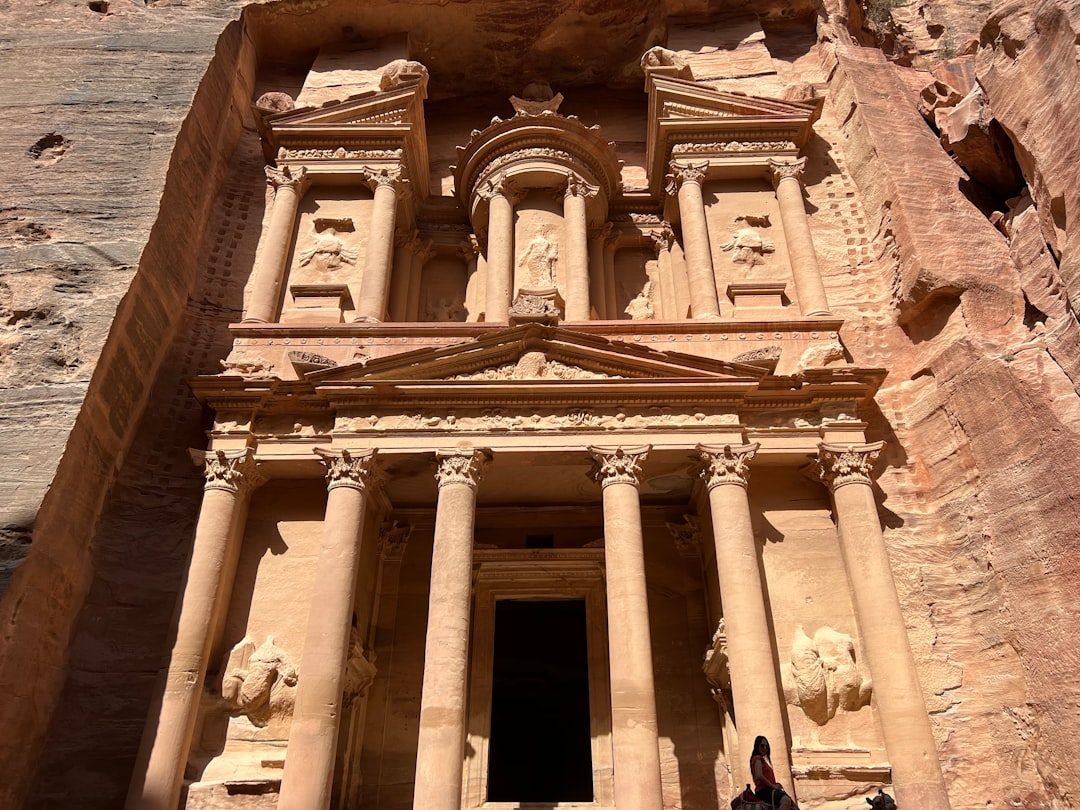
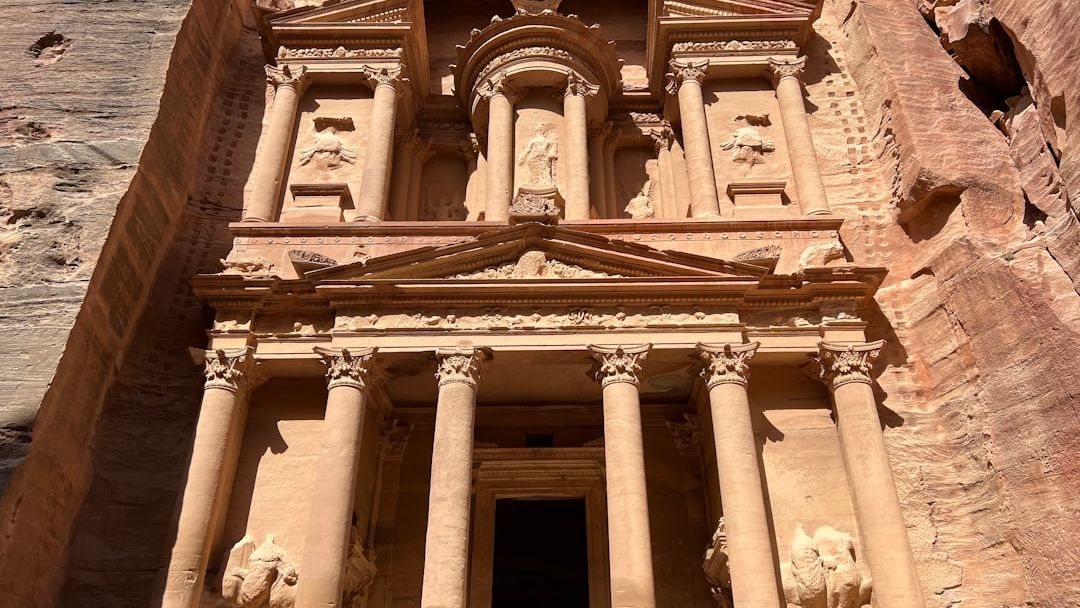
The Lost City of Petra is half-built and half-carved into red and white sandstone cliffs, and the ancient city was built about 2000 years ago. Walking through the narrow Siq gorge, you’re surrounded by towering rock walls that suddenly open to reveal the Treasury’s magnificent facade. It’s one of those moments that takes your breath away, no matter how many photos you’ve seen beforehand.
In 2007, the place became known as one of the New Seven Wonders of the World, and it absolutely deserves that recognition. Petra offers the same jaw-dropping reveal as Machu Picchu, but instead of approaching through mountain passes, you enter through the narrow Siq gorge to suddenly encounter the Treasury’s elaborate facade carved directly into rose-colored sandstone cliffs. The scale and artistry are staggering, especially when you consider it was carved entirely by hand.
Angkor Wat – Cambodia’s Temple Marvel
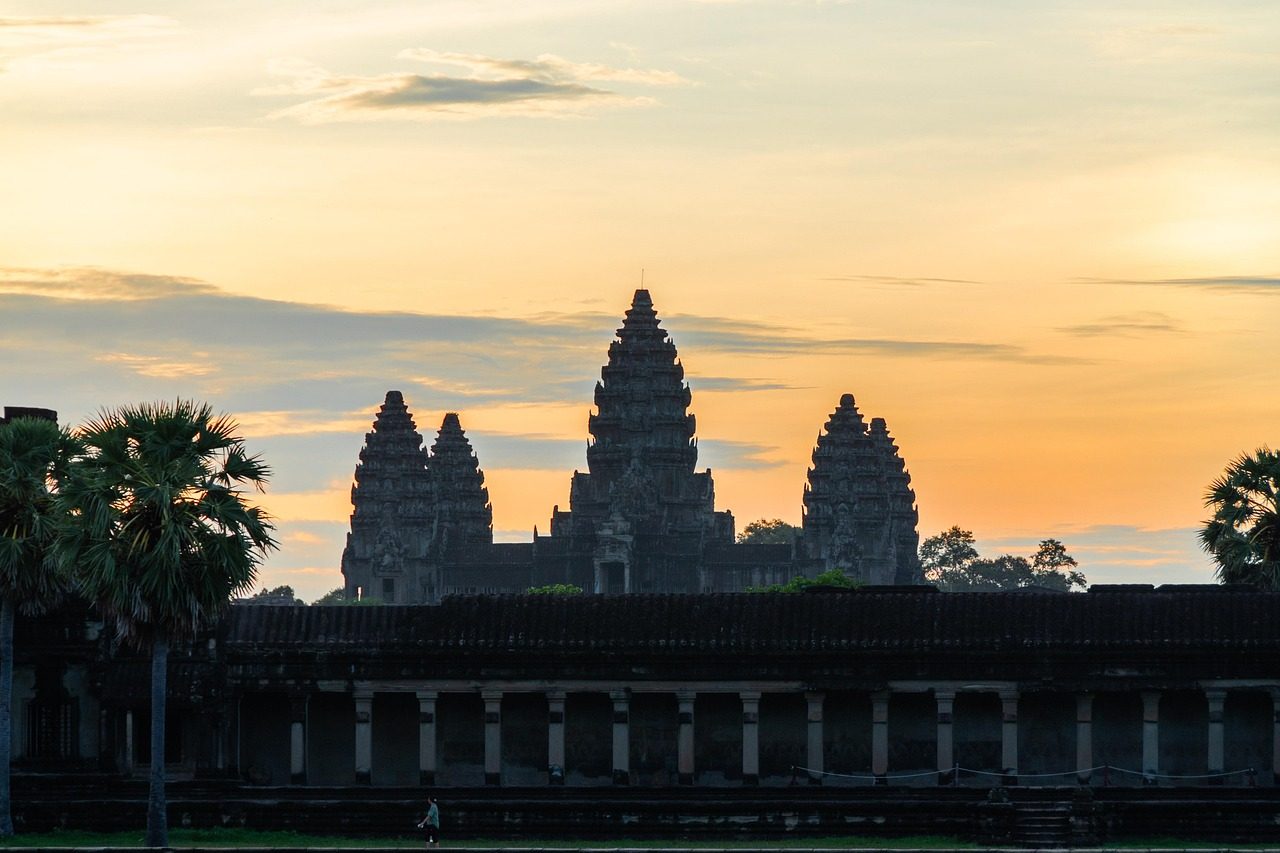
Angkor is the ancient capital of the Khmer empire, construction of the many temples spanned many centuries, and at its peak, it was home to over a million people and the cultural capital of Southeast Asia. This is not just one temple but an entire complex stretching across hundreds of square kilometers. The architectural ambition is mind-boggling.
The vast moat rings a huge rectangular compound measuring 1.5km by 1.3km, and a sandstone causeway crosses the moat, leading the faithful into the sacred temple grounds. Sunrise at Angkor Wat is legendary among travelers, and for good reason. Watching the temple silhouette emerge from darkness, reflected in the surrounding water, feels almost spiritual. Angkor offers superior value with more diverse temples, lower costs, and better accessibility than Machu Picchu or Petra, and the architectural achievement and cultural significance genuinely match these sites.
The Colosseum – Rome’s Iconic Amphitheater
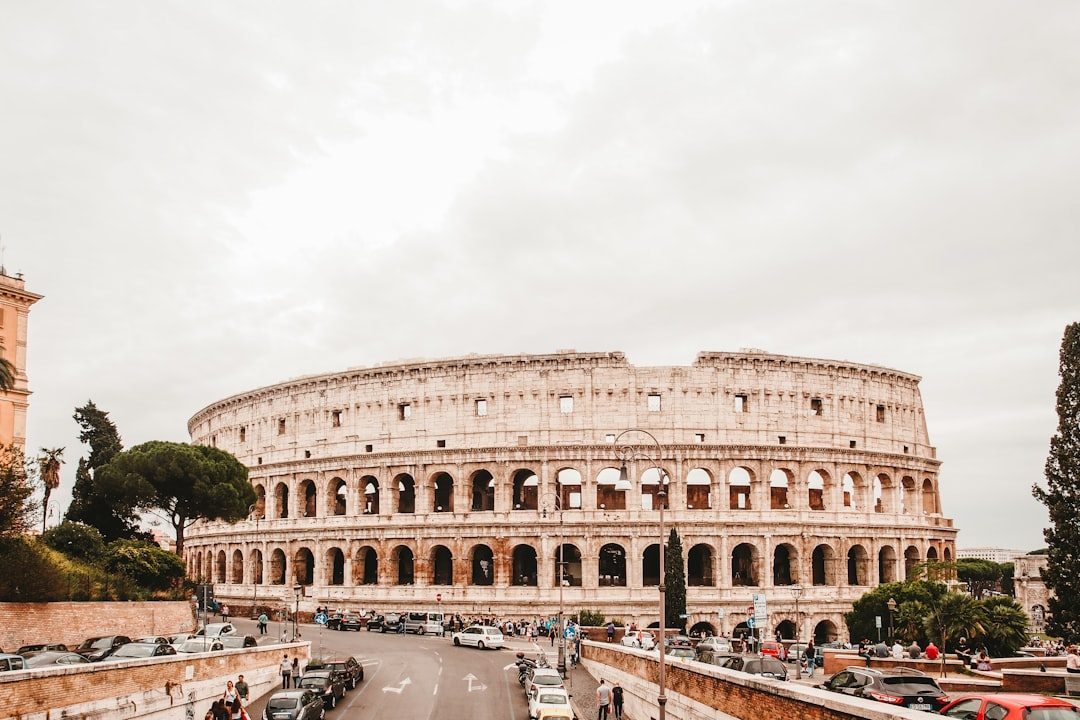
The Colosseum in Rome is an icon of the ancient world and undoubtedly one of the most exciting Roman sites to visit in the world. The Colosseum was completed in AD 80 and has become an iconic symbol of Roman architecture and culture, representing the power and influence of the Roman Empire at its height. Standing inside this massive structure, you can almost hear the roar of ancient crowds.
The Colosseum’s tiers of classical arches are instantly recognizable and stepping onto its arena floor, while being looked down upon by tens of thousands of stone seats, is a deeply affecting experience. Sure, it’s touristy and always crowded, but there’s a reason millions visit each year. Despite two-thirds of the original Colosseum having been destroyed, it’s still one of the most popular tourist destinations in the world. The engineering brilliance remains evident even in ruins.
The Acropolis – Athens’ Sacred Citadel
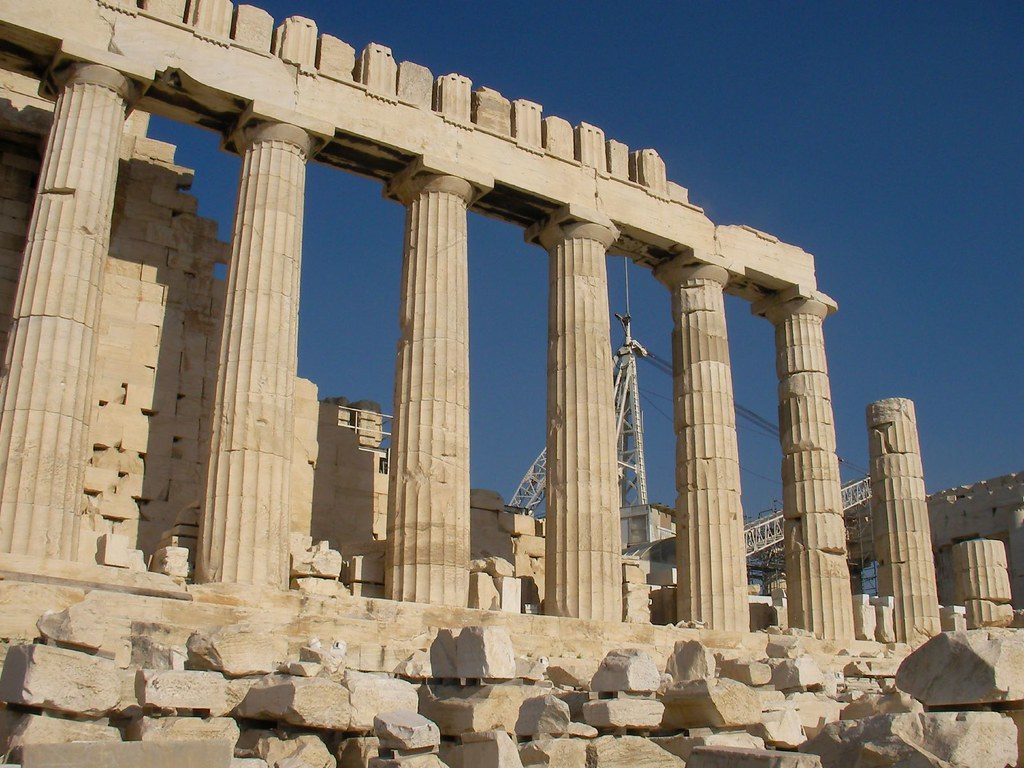
The Acropolis is a 5th-century BCE citadel overlooking Athens, and the hilltop complex includes ancient buildings and ruins like Propylaea, the temple to Athena, and the famous Parthenon. Climbing up to the Acropolis feels like ascending to meet the gods themselves. The view over Athens from this sacred hill is spectacular.
This ancient temple to Athena stands as a symbol of the power of Athens and a testament to Greek civilization, and though it’s currently getting a face-lift, the Parthenon is still astounding and breathtaking. The columns, the proportions, the sheer presence of the structure demonstrate why ancient Greek architecture influenced so much of Western civilization. The symbol of the Athenian Golden Age, the Acropolis and its temples rise above the city’s urban sprawl like the summer home of Zeus and Hera, and as dusk falls in Athens and the Corinthian columns are illuminated, it looks even more striking than in the day.
Pompeii – The City Frozen in Time
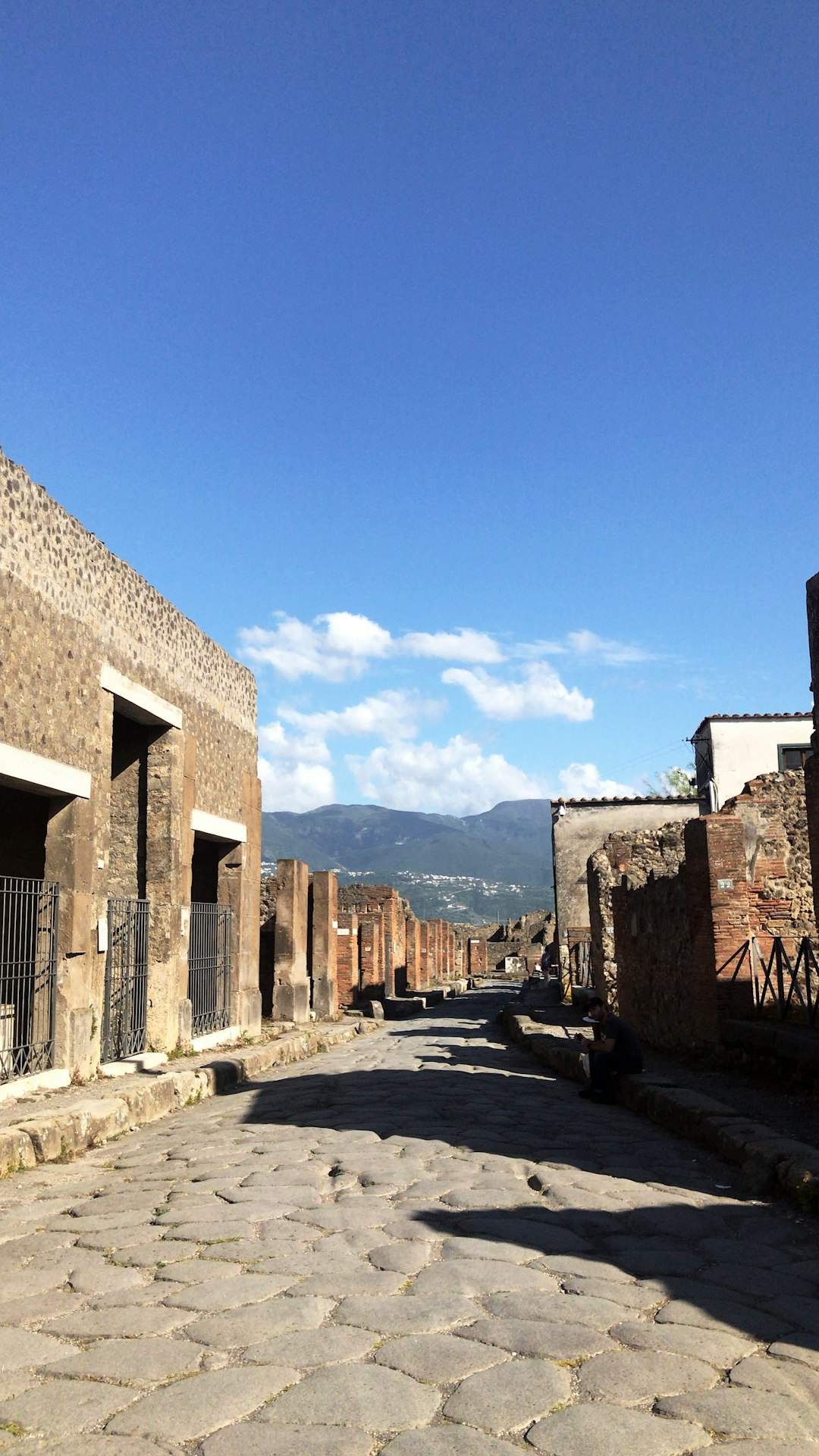
Pompeii is an ancient city that was destroyed by a volcano, preserving it in a blanket of ash, and you can walk around the Roman city as it stood the day that Mount Vesuvius exploded in 79 CE. Wandering through Pompeii’s streets is like stepping through a portal. You’re literally walking where Romans walked two millennia ago, entering their homes, seeing their kitchens, their shops, their bathrooms.
While Vesuvius erupted in 79 AD, it wasn’t until 1748 that this wealthy Roman town was uncovered, and the ancient town had been beautifully preserved beneath the volcano’s downpour of pumice, ash, and molten rock. The tragedy of Pompeii is heartbreaking, yet it gave archaeologists an unparalleled glimpse into daily Roman life. What’s even more remarkable is how this vast open-air museum continues to yield new treasures, such as the recently opened House of Phaedra. New discoveries still happen regularly, which is pretty incredible for a site this well-studied.
Tikal – Guatemala’s Jungle Temples
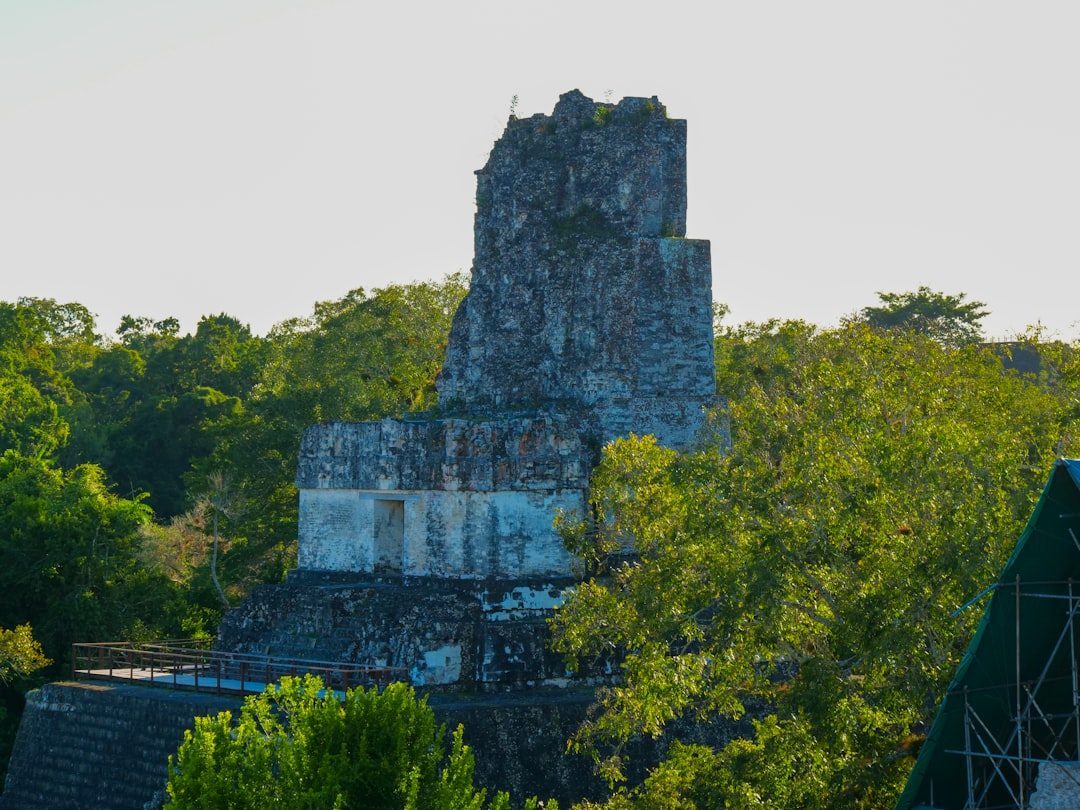
Tikal National Park is home to the largest and best-preserved ruins of the ancient Mayan civilization, and the city-state centered here was a dominant force in the Mayan world during the Classic Period (200-900 CE). Unlike many ancient sites, Tikal remains surrounded by dense rainforest, making the experience feel like genuine exploration rather than a typical tourist visit.
Located in Guatemala, you should spend the night in the park, as you’ll really get to see it without the crowds, and you can channel your inner Indiana Jones early in the morning or late at night when the tourists go home. Hearing howler monkeys echo through the jungle while you climb ancient pyramids creates an atmosphere no museum could replicate. Watching sunrise from atop a Mayan temple, with nothing but jungle canopy stretching to the horizon, is an experience that stays with you forever.
Conclusion
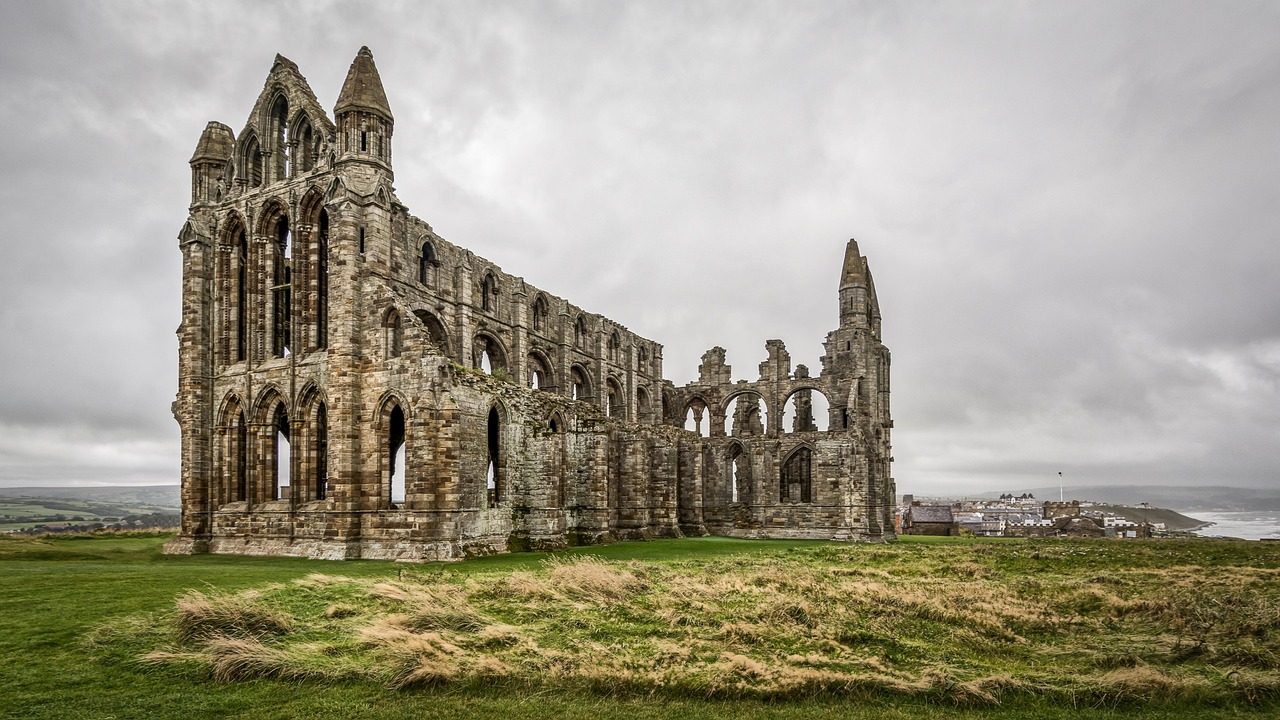
These eight ancient destinations represent humanity’s greatest architectural and cultural achievements. Each site tells a unique story about the civilizations that built them, their beliefs, their ambitions, and their legacies. From Egypt’s desert monuments to Cambodia’s jungle temples, these places remind us that human creativity and determination have always pushed boundaries.
Visiting ancient historical sites isn’t just about checking boxes on a travel list. It’s about connecting with our shared human story, feeling humbled by what our ancestors accomplished, and gaining perspective on our own place in history. These ruins have survived wars, natural disasters, and centuries of neglect, yet they still stand, waiting to inspire the next generation of travelers. Which one will you visit first? What do you think about these incredible ancient wonders? Tell us in the comments.
