


In the vast blue expanse of our oceans, dolphins navigate not just currents and tides, but complex social networks that span decades and generations. These intelligent marine mammals have long fascinated researchers and ocean enthusiasts alike with their apparent capacity for forming meaningful social bonds. Unlike many species whose social connections are primarily driven by immediate survival needs, dolphins demonstrate sophisticated friendship patterns that persist through time, transcending age differences, and even passing cultural knowledge from older to younger generations. This article delves into the remarkable world of dolphin friendships, exploring how these cetaceans build relationships that can last a lifetime and the fascinating ways these bonds influence their communities across multiple generations.
The Social Intelligence of Dolphins
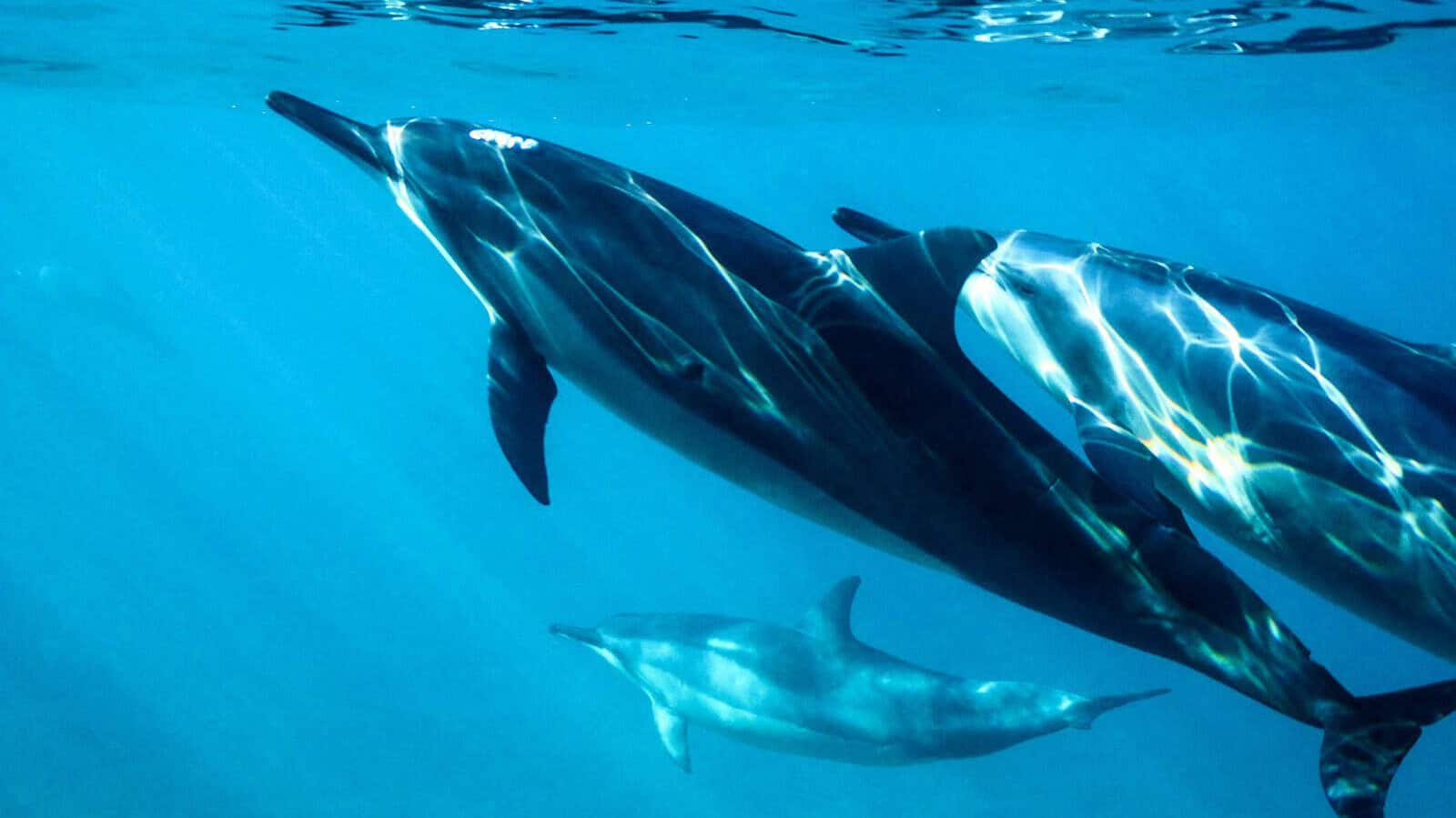
Dolphins possess one of the most complex brains in the animal kingdom, with a brain-to-body mass ratio second only to humans. This advanced neural architecture supports their remarkable social intelligence, allowing them to recognize dozens of pod members, remember complex social histories, and engage in sophisticated communication. Research conducted by marine biologists at institutions like the Dolphin Communication Project has revealed that dolphins can recognize other individuals they haven’t encountered for over 20 years – a memory span that rivals our own. This cognitive capability forms the foundation for their intricate social structures and long-term relationships that span generations. Their intelligence isn’t merely computational but deeply social, enabling them to navigate complex relationships that require cooperation, reconciliation after conflicts, and long-term alliance building that would be impossible without advanced social cognition.
Dolphin Pods: The Fundamental Social Unit
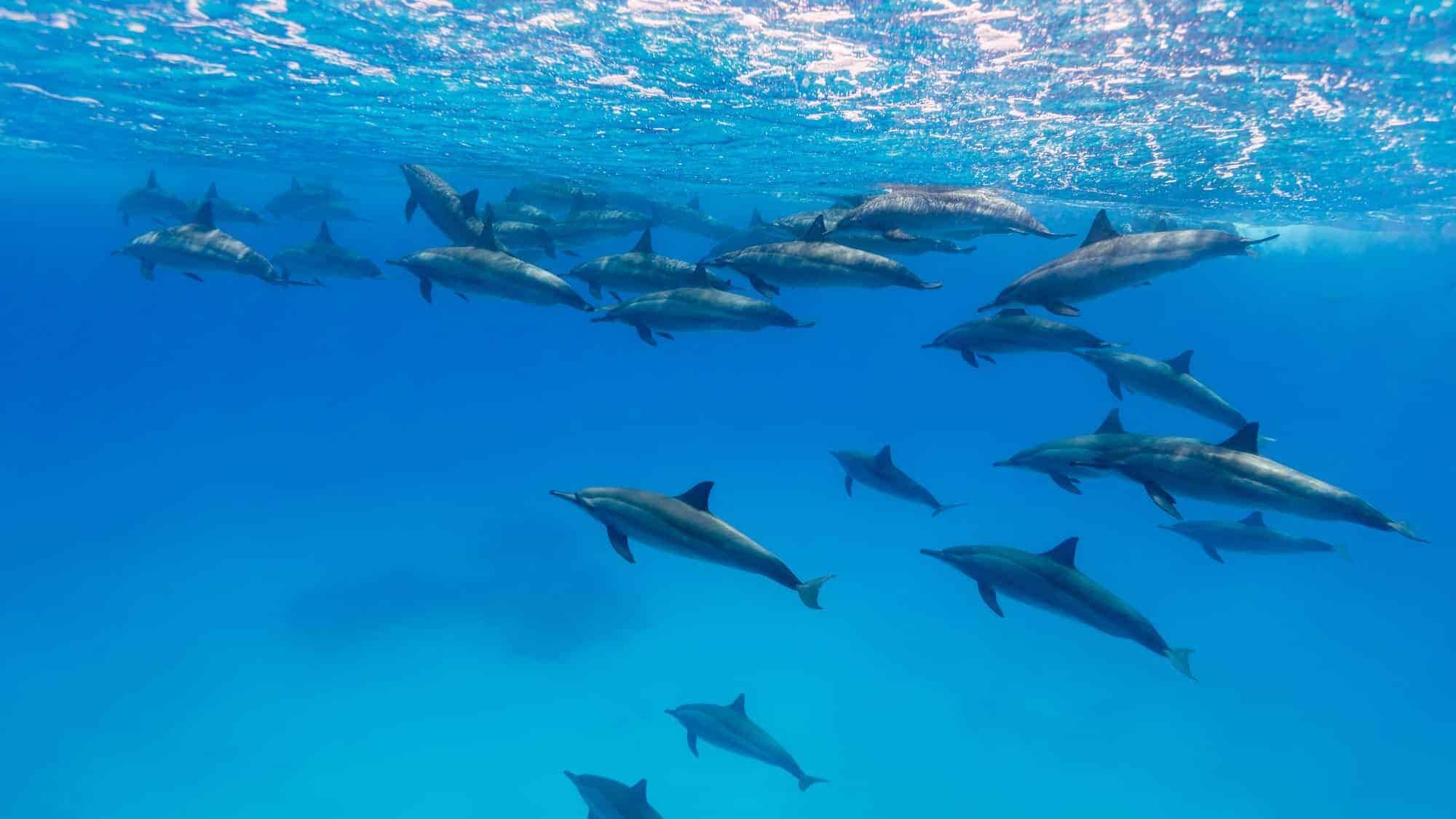
The primary social structure for most dolphin species is the pod – a group that typically consists of 2 to 30 individuals, though some oceanic pods can include hundreds of dolphins. Within these pods, dolphins form close-knit relationships that often last decades. Studies of bottlenose dolphins in Shark Bay, Australia, conducted by researchers like Dr. Richard Connor and Dr. Janet Mann, have shown that pod composition isn’t random but reflects sophisticated social choices. Pods frequently contain multiple generations of related dolphins, creating family units where mothers, daughters, grandmothers, and great-grandmothers swim together. This multi-generational aspect of pods creates a living repository of knowledge and relationships, where younger dolphins learn directly from their elders in what amounts to a form of cultural transmission. The stability of these pods varies by species and environment, with some maintaining remarkably consistent membership while others display more fluid “fission-fusion” dynamics where smaller groups temporarily merge and separate.
Mother-Calf Bonds: The First Friendship
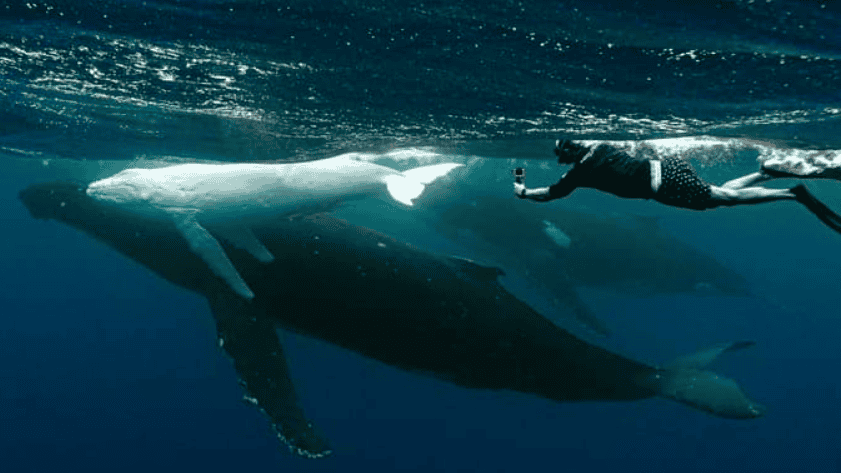
The most fundamental relationship in dolphin society begins at birth, with the powerful bond between mother and calf. Unlike many mammals whose parental care lasts only until the offspring can feed themselves, dolphin mothers invest years in raising their calves. This relationship typically lasts 3-6 years, during which the mother teaches vital survival skills, social protocols, and pod-specific behaviors. Research from the Sarasota Dolphin Research Program, which has studied dolphin populations in Florida for over 50 years, shows that these formative relationships shape a young dolphin’s entire social future. The quality of maternal care influences not just survival but social development – calves learn how to interact with others by observing their mothers. Dr. Randall Wells, who leads this program, has documented cases where specific feeding techniques are passed directly from mother to calf, demonstrating how these first relationships become conduits for cultural information. This extended dependency period creates deep bonds that often continue long after the calf becomes independent, with adult dolphins frequently maintaining close associations with their mothers throughout life.
Male Alliance Networks Across Age Groups
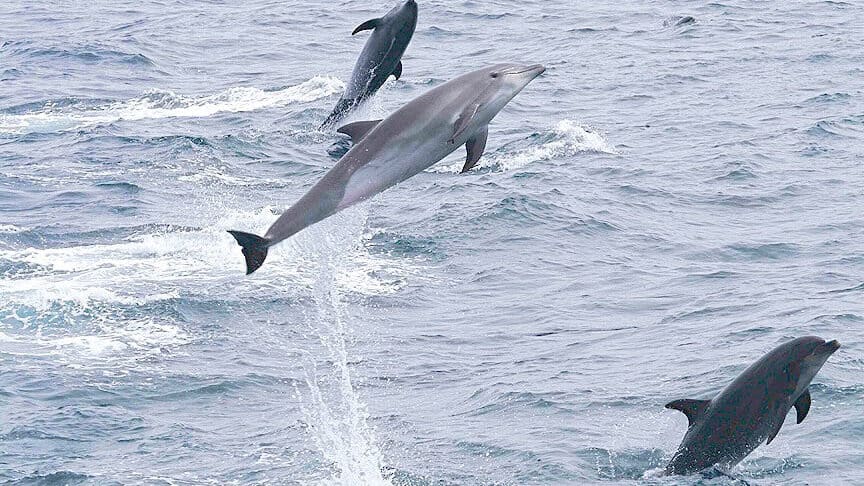
While female dolphins often maintain strong familial bonds, male dolphins exhibit a different but equally fascinating social strategy. In several species, particularly bottlenose dolphins, males form strategic alliances that cross generational lines. These alliances can be remarkably stable, with some documented to last over 15 years. The groundbreaking research in Shark Bay revealed a multi-level alliance system where young males often join forces with older, more experienced males in relationships that benefit both parties. The younger dolphins gain protection and mentorship, while older dolphins increase their collective strength. Dr. Connor’s decades of observation revealed that these alliances aren’t merely temporary cooperations but deep bonds characterized by synchronized swimming, mutual defense, and coordinated hunting. Intriguingly, these male bonds often include individuals from different age cohorts, creating cross-generational friendships that facilitate knowledge transfer from older, experienced males to younger ones. These alliances demonstrate how dolphin friendships serve both social and survival functions, creating networks of mutual support that transcend simple age categories.
Female Friendship Networks and Generational Knowledge

Female dolphins establish complex friendship networks that often encompass multiple generations within a pod. Unlike the strategic male alliances focused on competitive advantages, female relationships appear centered around mutual support, particularly in calf-rearing. A fascinating phenomenon documented by marine biologists is the “auntie” behavior, where non-related adult females assist mothers with calf protection and occasionally babysitting. Research from Dr. Mann’s team has shown that female bottlenose dolphins who maintain strong social bonds have higher reproductive success than more isolated individuals. These networks serve as information superhighways, where knowledge about feeding grounds, predator avoidance, and migration routes passes from older generations to younger ones. In some populations, such as the dolphins of Monkey Mia, Australia, researchers have observed grandmother dolphins actively teaching specific foraging techniques to not just their own offspring but their grandcalves as well. This deliberate cross-generational knowledge sharing represents a sophisticated form of cultural transmission that ensures vital survival information passes through the generations, contributing to the remarkable adaptability of dolphin societies.
The Role of Play in Cross-Generational Bonding
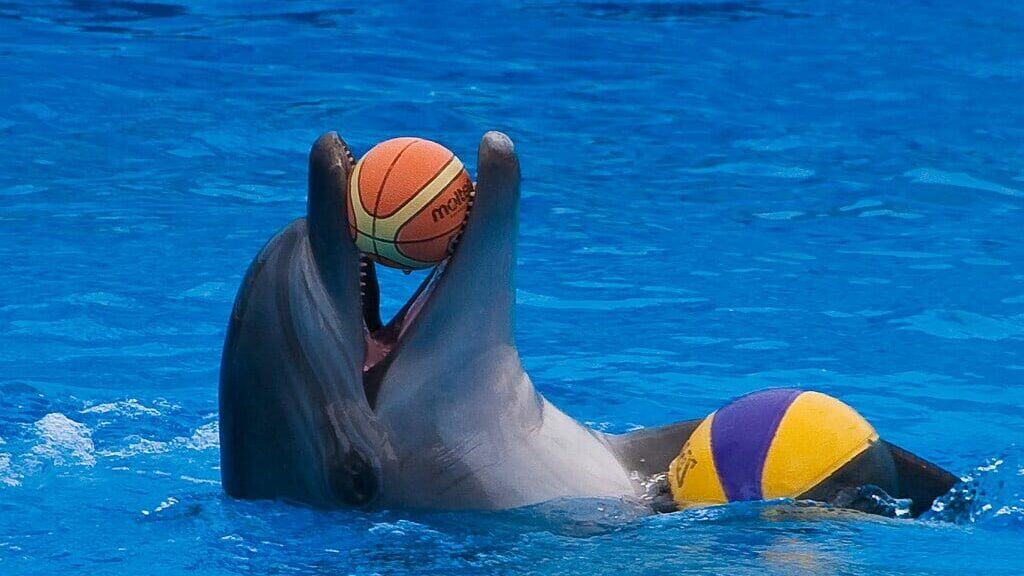
Play serves as a universal language in dolphin societies, creating opportunities for individuals of different ages to form and strengthen bonds. Unlike many species where play is primarily an activity of the young, dolphins continue playful behaviors throughout their lives. Researchers at the Wild Dolphin Project have observed intricate play sessions involving individuals spanning multiple generations, from calves to elderly dolphins estimated to be in their 40s. These multigenerational play groups engage in activities like object play (passing seaweed or other items), chase games, and synchronized aerial displays. These playful interactions serve multiple functions beyond simple enjoyment – they strengthen social bonds, practice coordination, and provide low-risk opportunities for younger dolphins to learn proper social etiquette. Dr. Denise Herzing, who has studied Atlantic spotted dolphins for over 35 years, notes that play between different generations creates “social glue” that binds dolphin communities together. When older dolphins engage playfully with younger ones, they often modify their behavior to accommodate their less experienced playmates, demonstrating a sophisticated understanding of each other’s capabilities and limitations.
Cultural Transmission Through Generations
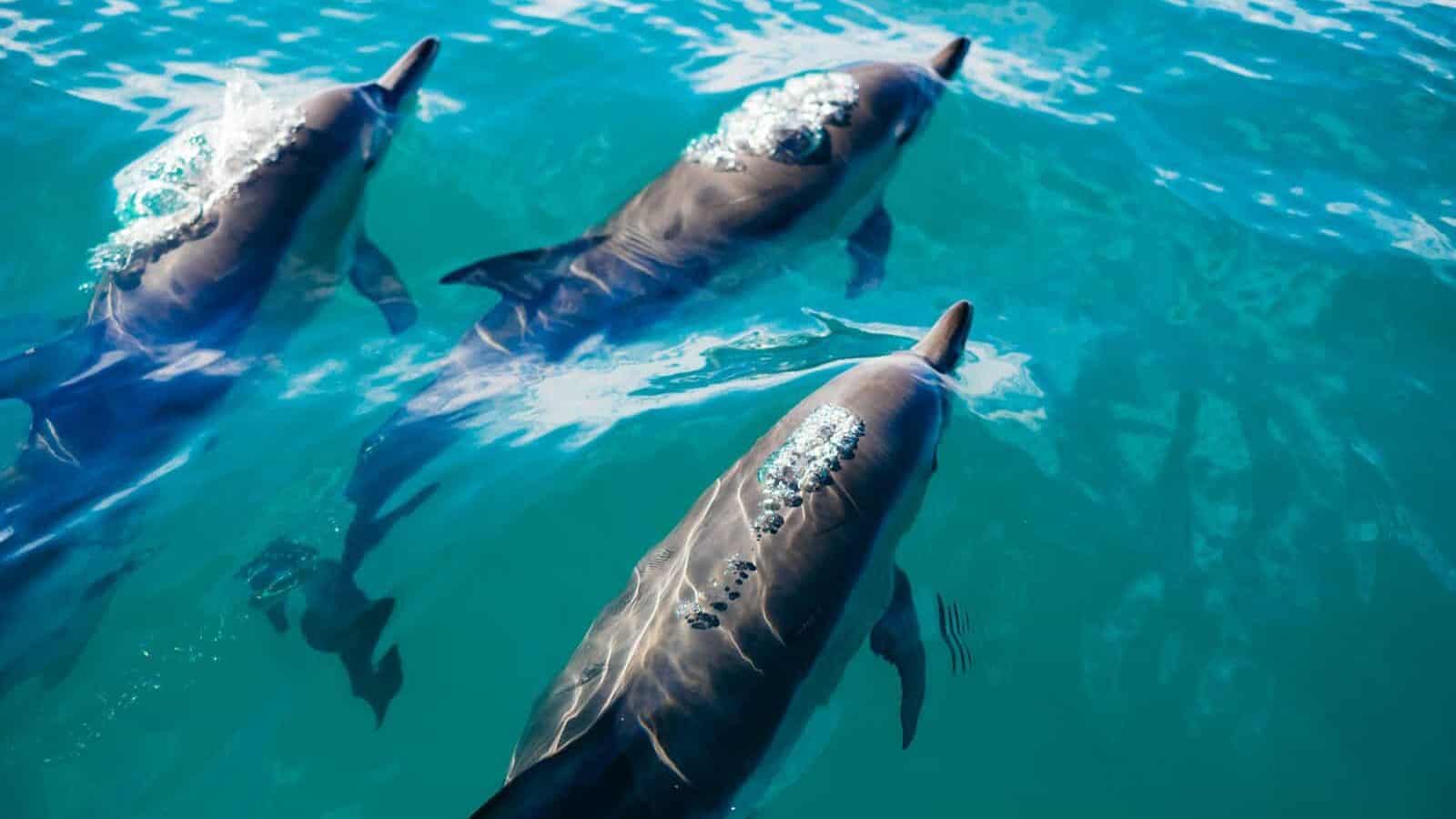
Perhaps one of the most remarkable aspects of dolphin friendships is how they facilitate cultural transmission across generations. Unlike genetic information, which passes only from parent to offspring, cultural knowledge can flow through entire dolphin communities thanks to their rich social networks. The most famous example may be the tool-using dolphins of Shark Bay, where certain individuals use marine sponges as protective nose covers while foraging on the seafloor – a behavior known as “sponging.” Research published in the Proceedings of the National Academy of Sciences demonstrated that this behavior primarily transmits from mother to daughter, creating what amounts to a cultural tradition that has persisted for generations. Beyond specific techniques, older dolphins pass down knowledge about seasonal movements of prey, safe calving locations, and even what researchers call “acoustic culture” – the specific whistles and calls that characterize a particular group. These cultural transmissions depend entirely on the social relationships between generations, demonstrating how dolphin friendships serve as more than emotional connections – they’re critical pathways for information essential to group survival and identity.
Communication Across Age Groups
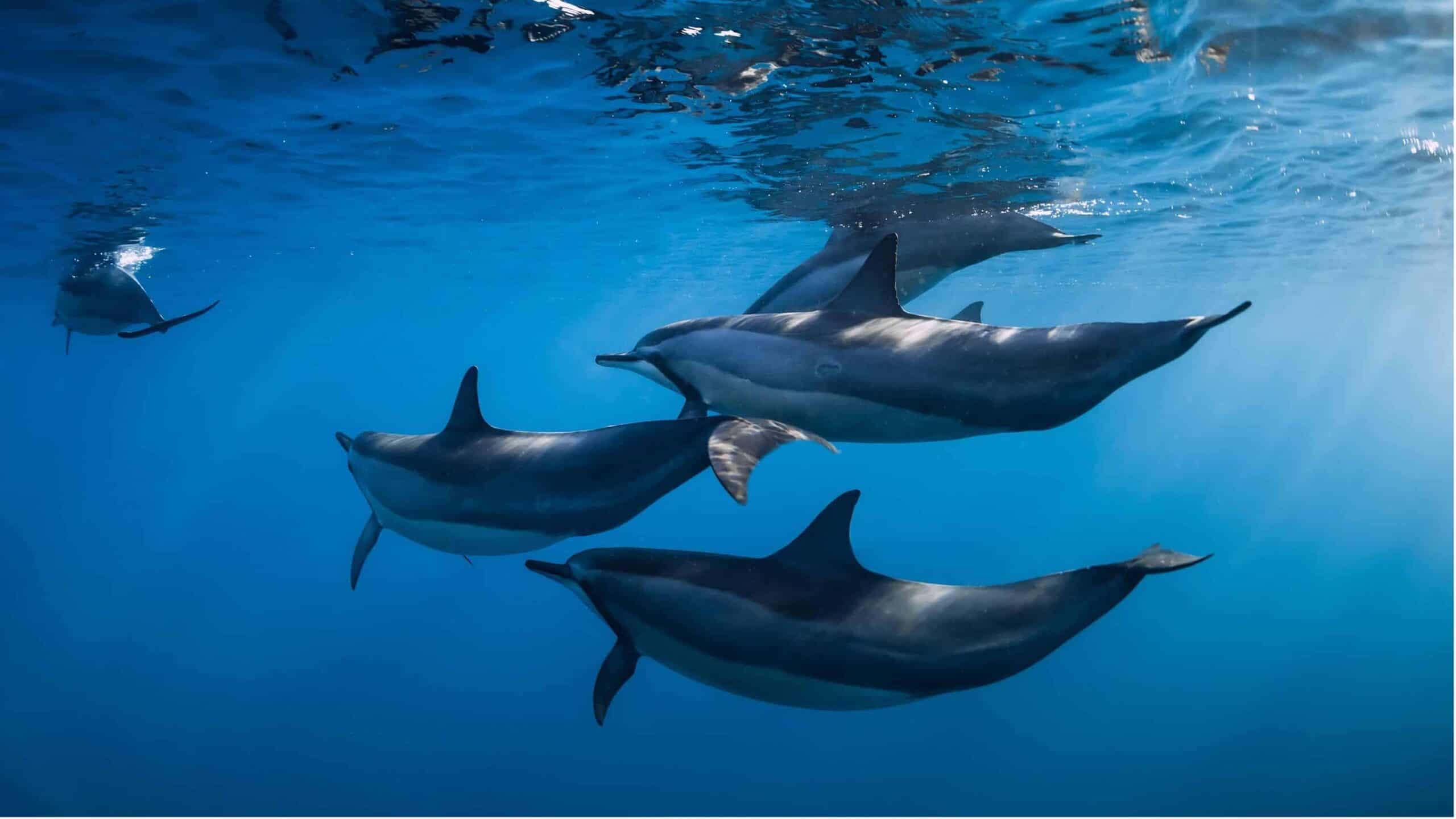
Dolphin communication represents one of the most sophisticated systems in the animal kingdom, and it plays a crucial role in maintaining friendships across different age groups. Each dolphin develops a unique “signature whistle” early in life that functions similar to a name. Research by Dr. Vincent Janik at the University of St. Andrews has shown that dolphins not only recognize these individual calls but can remember them for decades – allowing them to identify old friends even after long separations. This remarkable capacity enables dolphins to maintain long-term social relationships despite periods of separation that might occur naturally in their fission-fusion societies. Beyond signature whistles, dolphins use a complex repertoire of clicks, burst-pulse sounds, and body language to communicate. Observations suggest that older dolphins often modify their communication patterns when interacting with younger individuals, potentially “simplifying” their signals – a behavior reminiscent of how human adults adjust their language when speaking with children. This communication flexibility allows meaningful interactions between dolphins of vastly different ages and experience levels, facilitating the cross-generational friendships that characterize healthy dolphin societies.
The Grandmother Hypothesis in Dolphin Societies
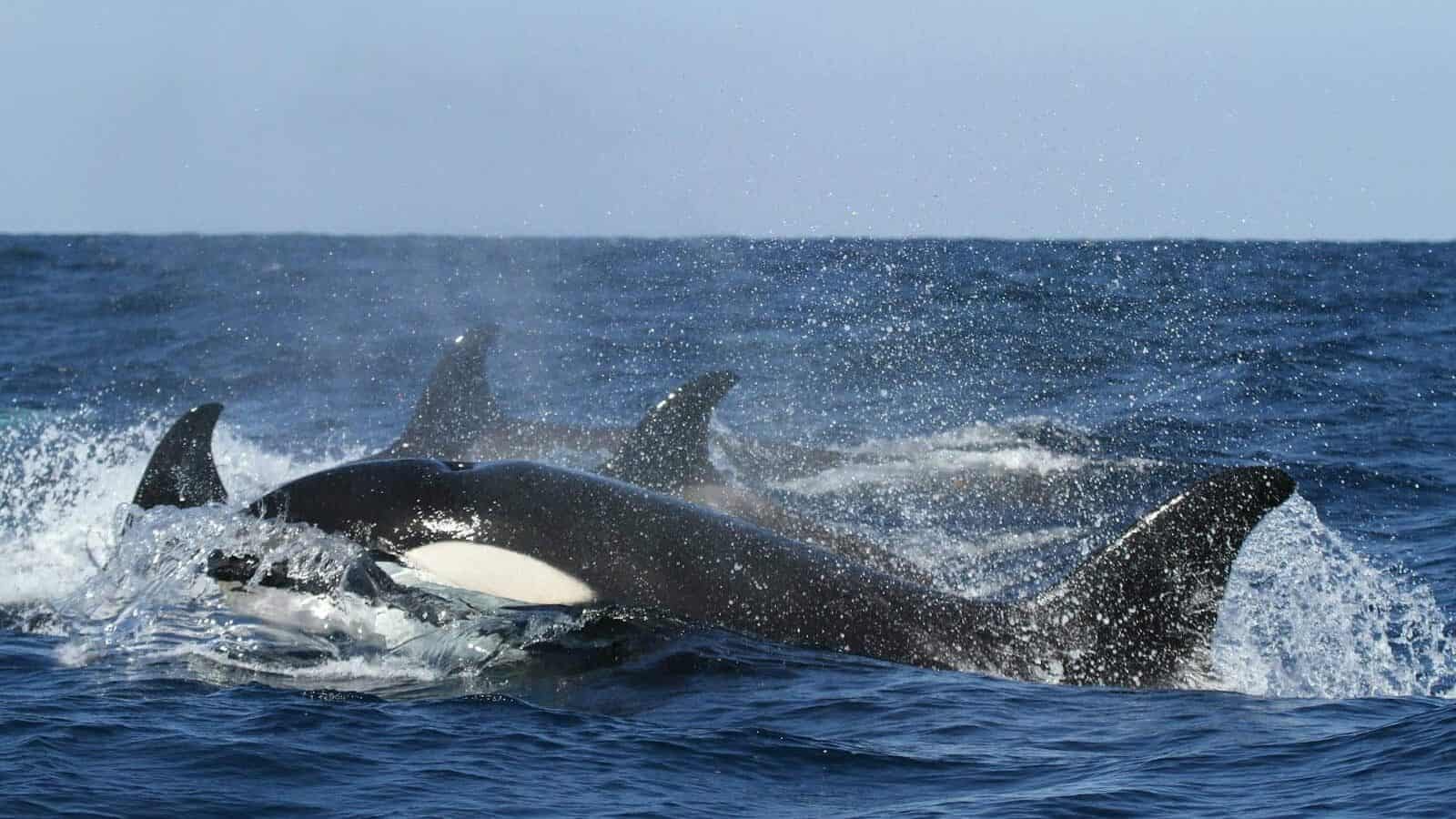
The “grandmother hypothesis,” originally developed to explain post-reproductive lifespans in humans, may apply to certain dolphin species as well. This theory suggests that older females who no longer reproduce themselves contribute to the survival of their genetic lineage by helping younger relatives raise their offspring. In species like the orca (killer whale), females can live decades beyond their reproductive years and play vital roles in pod leadership and knowledge retention. While less extreme than orcas, several dolphin species show evidence of post-reproductive females contributing significantly to their social groups. A 2019 study published in the journal Scientific Reports found that older female bottlenose dolphins often take on leadership roles during foraging, drawing on decades of environmental knowledge to guide the group to productive feeding areas. These elder females maintain strong social bonds with their adult offspring and grandoffspring, creating multigenerational units where knowledge flows from the most experienced individuals to younger ones. This pattern highlights how evolution may have favored longer lifespans in dolphins specifically because of the value older individuals bring to social groups through their relationships and accumulated wisdom.
Friendship Disruption: The Impact of Pod Fragmentation

When dolphin pods experience disruption – whether from natural causes or human interference – the consequences ripple across generations. Research following traumatic events like oil spills or disease outbreaks shows that the loss of key individuals, particularly older, experienced dolphins, can have devastating effects on pod cohesion and knowledge transmission. A study following the Deepwater Horizon oil spill in the Gulf of Mexico documented how affected dolphin populations suffered not just immediate mortality but long-term social disruption as pods lost elder members who carried crucial ecological knowledge. Similar patterns emerge when dolphin capture operations remove individuals from wild pods for display in marine parks – the remaining pod members show signs of distress and social disorganization that can persist for years. Dr. Lori Marino, a neuroscientist specializing in cetacean intelligence, compares these disruptions to what would happen in human communities if elders were suddenly removed, eliminating access to accumulated wisdom and disrupting established social hierarchies. These findings underscore how dolphin friendships aren’t merely pleasant social arrangements but vital infrastructures that support the transmission of survival-critical information across generations.
Reconciliation Behaviors Between Generations
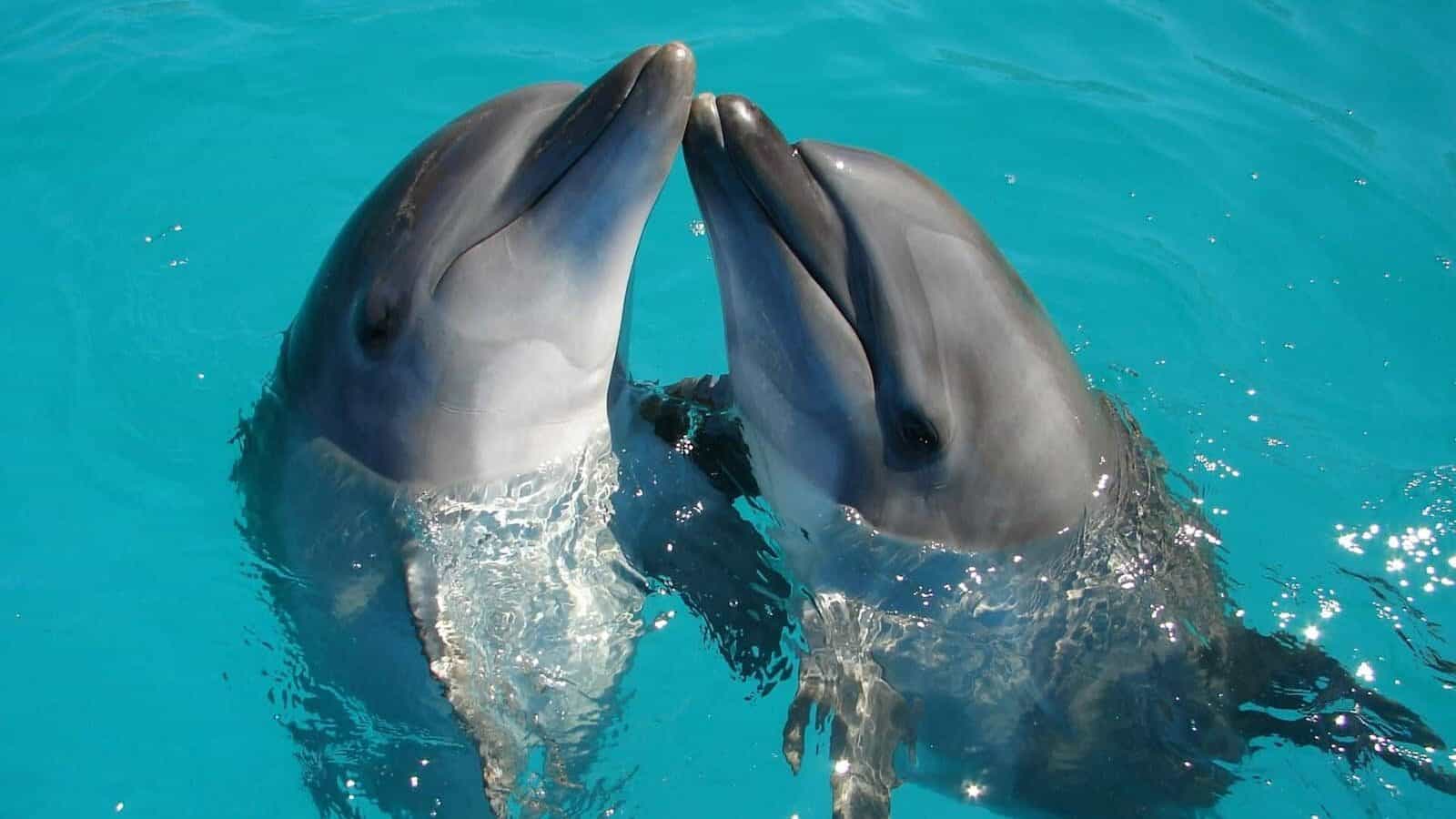
Conflict is inevitable in any social species, and dolphins are no exception. What distinguishes their societies, however, is their sophisticated reconciliation behaviors that help maintain relationships even after disagreements. Studies by Dr. Stan Kuczaj at the University of Southern Mississippi documented how dolphins engage in specific post-conflict behaviors to repair social bonds. These reconciliation attempts often involve gentle physical contact, synchronized swimming, or exchanging what appear to be “peace offerings” like seaweed or other objects. Particularly interesting is how these behaviors manifest between dolphins of different generations. Older dolphins sometimes show remarkable patience with juveniles who violate social norms, using graduated responses rather than severe punishment. Younger dolphins, meanwhile, actively seek reconciliation with older pod members after transgressions, suggesting an understanding of the importance of maintaining good relations with experienced individuals. This sophisticated conflict management system allows dolphin societies to maintain stable, multi-generational social structures despite the inevitable frictions of group living. Their ability to resolve conflicts rather than allow them to permanently damage relationships contributes significantly to the long-term stability of their cross-generational friendships.
How Human Activities Affect Dolphin Friendships

Human activities increasingly threaten the delicate social structures that dolphins have evolved over millions of years. Noise pollution from shipping, military sonar, and offshore construction disrupts the acoustic environment dolphins depend on for communication, potentially interfering with their ability to maintain contact with friends and family members across different generations. Habitat fragmentation from coastal development and fishing practices can physically separate dolphin groups that would normally interact, cutting off opportunities for cross-generational socialization. Perhaps most directly damaging is the capture of wild dolphins for entertainment facilities, which removes individuals from their social networks and deprives pods of members who may play key roles in knowledge transmission. Research by the Whale and Dolphin Conservation society indicates that dolphins in areas with heavy human activity show altered social patterns, with fewer stable associations and disrupted maternal teaching opportunities. Conservation efforts have begun to recognize that protecting dolphin welfare requires preserving not just individual animals but the integrity of their social systems. Some marine protected areas now specifically aim to encompass the full range of dolphin social groups, acknowledging that meaningful conservation must protect the invisible bonds that connect dolphins across generations.
The cross-generational friendships of dolphins reveal a social sophistication that challenges our understanding of animal relationships and reminds us how much we share with these ocean-dwelling mammals. These bonds serve multiple crucial functions – from knowledge transmission that ensures survival to emotional connections that create community cohesion. As we continue to study dolphin societies, we’re increasingly recognizing that their social relationships aren’t luxury additions to their lives but fundamental adaptations that have allowed them to thrive in dynamic ocean environments for millions of years. The way dolphins maintain friendships across age differences provides a fascinating window into how intelligence, emotion, and social learning can create societies where knowledge accumulates across generations, much as it does in human cultures. In protecting dolphin populations for the future, we must acknowledge that we’re preserving not just individual animals but living cultural systems – networks of relationships that connect past, present, and future generations in a continuous flow of dolphin wisdom across the ages.

- Cuddling for Warmth: How Meerkats Stay Cozy - July 18, 2026
- This U.S. Lake Is Mysteriously Disappearing—Here’s What Scientists Say - July 18, 2026
- This Jellyfish Hunts in Packs - July 18, 2026