
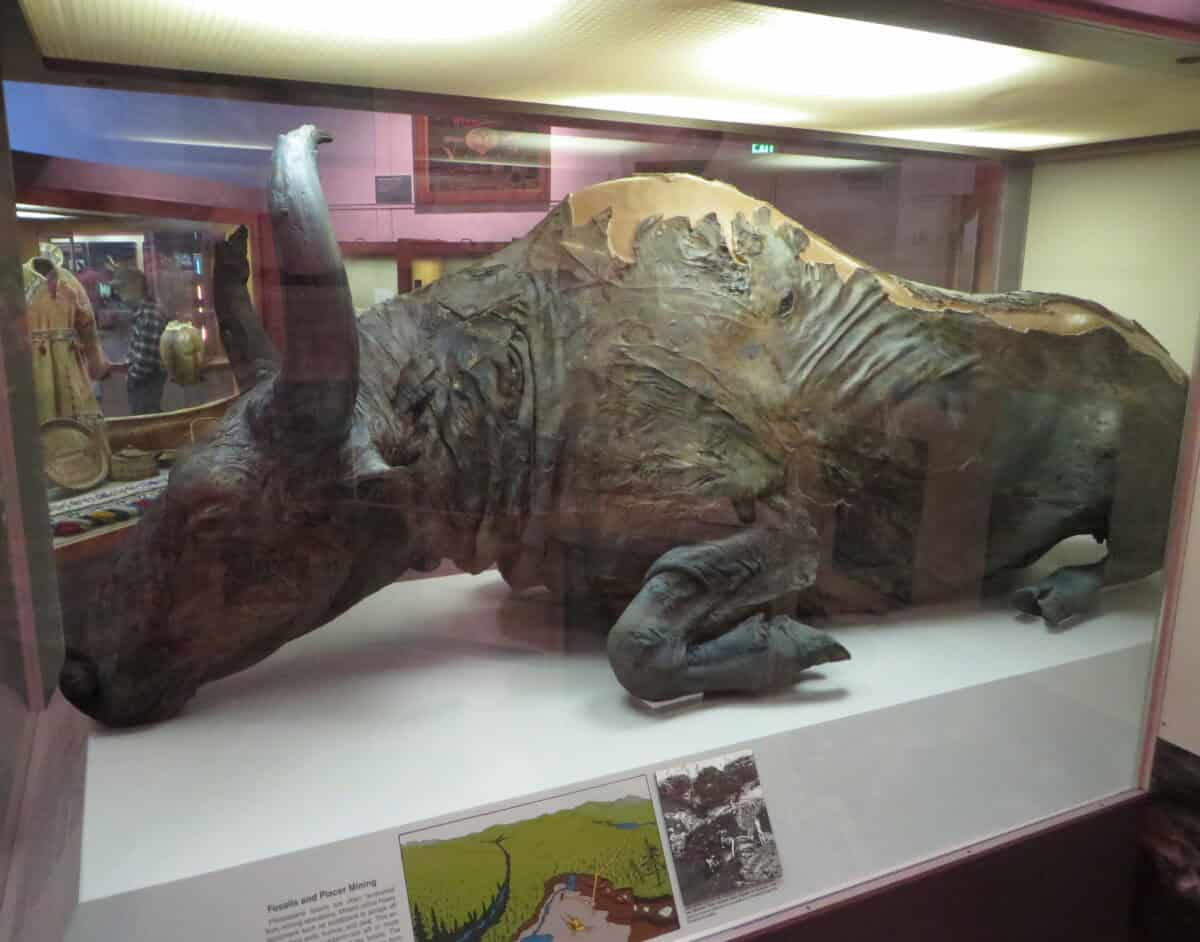
In 2016, a remarkable discovery in Siberia captivated the scientific community and the public alike: the nearly complete remains of a 10,000-year-old steppe bison. This Ice Age behemoth, preserved in permafrost for millennia, offered researchers an unprecedented glimpse into the ancient past. Unlike fragmentary fossil discoveries, this specimen retained soft tissues, organs, and even DNA, creating a time capsule from the late Pleistocene. The insights gained from this extraordinary find continue to reshape our understanding of extinct megafauna, ancient ecosystems, and even climate change. From evolutionary biology to extinction dynamics, the frozen bison has yielded a wealth of information that bridges the gap between our world and the ice-covered landscapes of 10,000 years ago.
The Remarkable Preservation

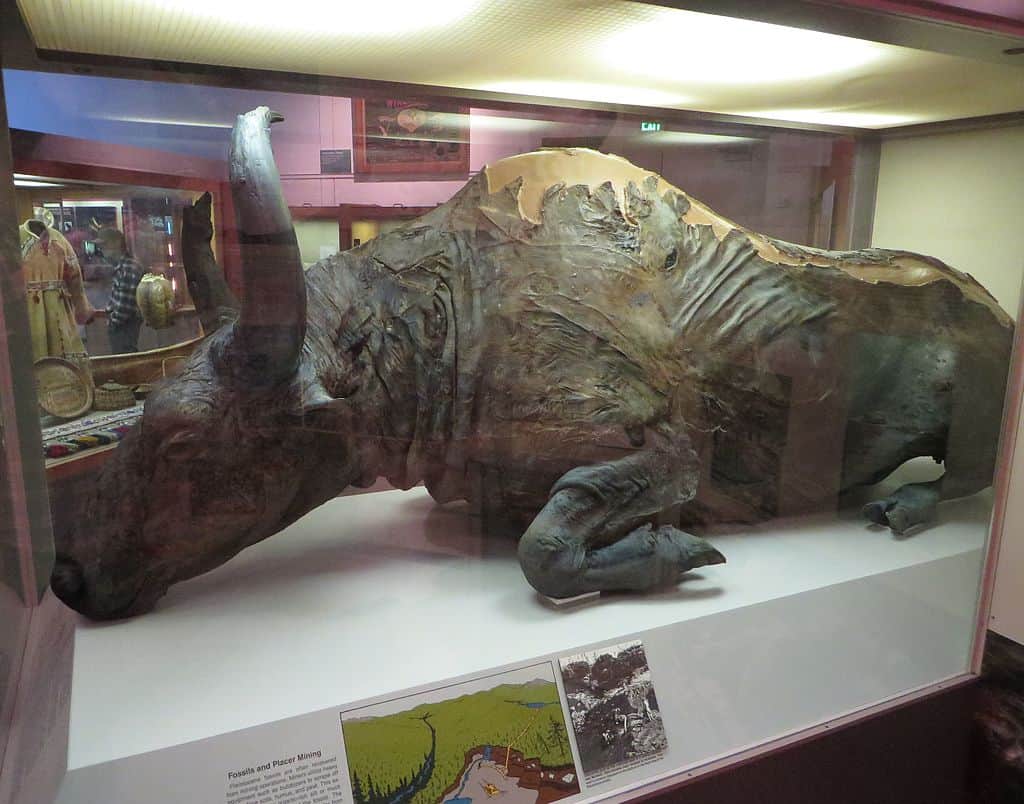
The Siberian permafrost, acting as a natural deep freezer, created ideal conditions for the preservation of this ancient bison. When researchers first encountered the specimen, they were astounded by its condition—intact skin, muscle tissue, internal organs, and even its brain remained recognizable after ten millennia. This exceptional preservation is attributed to the animal being rapidly frozen after death and remaining in consistently freezing temperatures throughout the millennia. Unlike most paleontological discoveries that consist primarily of fossilized bones, this bison offered researchers the rare opportunity to study soft tissues that normally decompose rapidly after death. The preservation was so remarkable that some of the animal’s fur and even its complete digestive tract contents remained intact, providing direct evidence of its last meals and its physical appearance.
Dating and Identification

Radiocarbon dating placed the bison at approximately 9,300 years old, making it one of the last representatives of the steppe bison (Bison priscus) before the species’ extinction. This dating is particularly significant as it places the animal at a crucial transition period between the Pleistocene and Holocene epochs, a time of dramatic environmental change. Morphological analysis confirmed its species identification, distinguishing it from modern American bison (Bison bison) and European bison (Bison bonasus). The specimen was identified as a young male, approximately 4 years old at the time of death, providing insights into the growth and development patterns of this extinct species. The bison’s measurements suggested it was somewhat smaller than earlier Pleistocene specimens, possibly indicating evolutionary responses to changing environmental conditions as the Ice Age was ending.
Genetic Revelations

Perhaps the most groundbreaking aspect of the discovery was the extraction and analysis of well-preserved DNA from the bison’s tissues. This genetic material offered a direct window into the genome of an extinct species, allowing scientists to reconstruct its evolutionary history with unprecedented accuracy. The genetic analysis revealed that steppe bison were more closely related to modern American bison than to European bison, helping clarify longstanding questions about the evolutionary relationships within the Bison genus. Furthermore, researchers identified specific genetic adaptations that helped these massive animals thrive in the harsh Ice Age climate, including genes associated with efficient metabolism, cold resistance, and specialized digestive processes for extracting nutrition from low-quality vegetation. These genetic insights provide crucial context for understanding how large mammals adapted to extreme environmental conditions and may offer clues for conservation efforts with modern species facing climate change.
Diet and Ecological Niche

Analysis of the bison’s stomach contents and teeth provided direct evidence of its diet and ecological role. Plant material found within the digestive tract included grasses, sedges, and flowering plants characteristic of the steppe-tundra ecosystem that dominated much of northern Eurasia during the late Pleistocene. Microscopic wear patterns on the teeth confirmed a diet heavy in abrasive grasses, suggesting the animal was a grazer rather than a browser. Isotopic analysis of the bison’s tissues further revealed seasonal dietary shifts, indicating the animal migrated or adapted its feeding strategies throughout the year. This dietary information helps reconstruct the ancient ecosystem these animals inhabited and their role as primary consumers supporting a food web that included apex predators like wolves, lions, and early human hunters. The bison’s apparent specialization for grazing supports theories that these animals were key engineers of the Pleistocene grassland ecosystems, maintaining open landscapes through their feeding behavior.
Physical Adaptations to the Ice Age

The intact nature of the specimen allowed scientists to study physical adaptations that wouldn’t be apparent from skeletal remains alone. The bison possessed a thick winter coat with two distinct layers: a dense, woolly undercoat for insulation and longer guard hairs that provided protection from wind and moisture. This adaptation is similar to that seen in modern cold-adapted mammals like muskoxen. The animal’s compact body shape, with relatively short legs compared to its massive torso, represented an adaptation for conserving body heat in frigid environments. Additionally, researchers noted specialized fat deposits that would have served as both insulation and energy reserves during harsh winters when food was scarce. These physical characteristics provide tangible evidence of how megafauna physically adapted to survive in some of Earth’s most challenging environments, offering comparative insights for understanding adaptations in both extinct and surviving large mammals.
Cause of Death and Taphonomy

Careful examination of the bison revealed valuable information about its death and subsequent preservation. The animal showed no clear signs of predation or human hunting, suggesting it may have died from natural causes such as disease, starvation, or becoming trapped in mud or ice. The position of the body and the state of preservation indicated that the animal was rapidly covered after death, protecting it from scavengers and aerobic decomposition. The surrounding sediment contained pollen and plant remains that helped reconstruct the immediate environment at the time of the bison’s death. Taphonomic analysis—the study of how organisms decay and become fossilized—provided insights into the exceptional conditions required for such remarkable preservation. This information not only helps us understand this particular specimen but also guides paleontologists in identifying other potential sites where similar preservation might occur.
Climate Change Insights

The 10,000-year-old bison lived during a period of dramatic climate transition as Earth moved from the last Ice Age into our current, warmer interglacial period. By analyzing environmental DNA, pollen, and plant remains associated with the specimen, researchers reconstructed the changing ecosystem around the time of the bison’s death. The evidence suggested a shifting landscape from open steppe to increasing forest cover as temperatures warmed and precipitation patterns changed. Isotopic analysis of the bison’s tissues provided direct evidence of these environmental shifts, as the animal’s diet reflected the changing plant communities. This information contributes valuable data points to climate models, helping scientists understand the rate and nature of past climate changes and their effects on large mammals. The bison’s story intersects with one of the most significant climatic transitions in recent Earth history, making it an important reference point for understanding current and future climate change impacts.
Comparison with Modern Bison

Direct comparison between this ancient specimen and its living relatives revealed both striking similarities and important differences. The steppe bison was larger than modern American and European bison, with more massive horns that curved outward before pointing upward—a trait that likely evolved for combat between males and defense against predators. Despite these differences, the basic body plan remained remarkably consistent, demonstrating evolutionary conservation of successful adaptations over thousands of years. Analysis of proteins and genetic material allowed researchers to identify specific molecular changes that occurred as bison evolved from their Pleistocene ancestors to modern forms. These comparisons help clarify which traits represent recent adaptations and which are ancestral characteristics dating back to the Ice Age or earlier. Understanding these evolutionary patterns provides context for conservation efforts with modern bison, which are themselves recovering from near-extinction in the 19th century.
Human Interactions with Ancient Bison

While this particular specimen showed no evidence of human interaction, its discovery has enhanced our understanding of the relationship between humans and bison during the late Pleistocene and early Holocene. Archaeological evidence throughout Eurasia and North America demonstrates that bison were important prey for Paleolithic and early Holocene hunters, providing food, materials for tools and clothing, and likely playing significant roles in cultural practices. Cave art depicting bison from the same time period suggests these animals held not only practical but also symbolic importance for early human societies. By establishing a more precise timeline of steppe bison existence in Siberia, the discovery helps researchers correlate human habitation patterns with bison population distributions. This intersection of human and animal histories provides valuable context for understanding how our ancestors interacted with and impacted the megafauna with which they shared the landscape.
Extinction Dynamics

The timing of this bison’s death places it near the end of the steppe bison’s existence as a species, making it particularly valuable for understanding extinction dynamics. The late Pleistocene and early Holocene witnessed the disappearance of numerous megafauna species across the Northern Hemisphere, including woolly mammoths, cave lions, and eventually, steppe bison. This specimen lived during this extinction wave, providing data points about how the species was responding to changing conditions shortly before disappearing. Analysis of population genetics from this and other specimens suggests steppe bison were experiencing declining genetic diversity and population fragmentation in their final millennia. The evidence points to a complex extinction process involving climate change, habitat transformation, human hunting pressure, and possibly disease—factors that interacted to push this once-abundant species beyond its resilience threshold. These insights contribute to our understanding of extinction processes more broadly, offering potential lessons for conservation biology today.
Advanced Scientific Techniques

The study of this exceptional specimen showcased cutting-edge scientific techniques that would have been impossible even a few decades ago. Researchers employed ancient DNA sequencing to reconstruct the complete genome, proteomics to analyze preserved proteins, advanced imaging technologies to examine internal structures without destructive sampling, and sophisticated isotope analysis to determine diet and migration patterns. These methods represent the multidisciplinary approach of modern paleontology, combining biology, chemistry, geology, and computer science to extract maximum information from rare specimens. Particularly groundbreaking was the application of paleoproteomics—the study of ancient proteins—which can sometimes provide information even when DNA is too degraded for analysis. The techniques developed and refined through studying this bison continue to advance paleontological research more broadly, enabling new insights into other extinct species and ancient ecosystems.
Implications for Museum Conservation
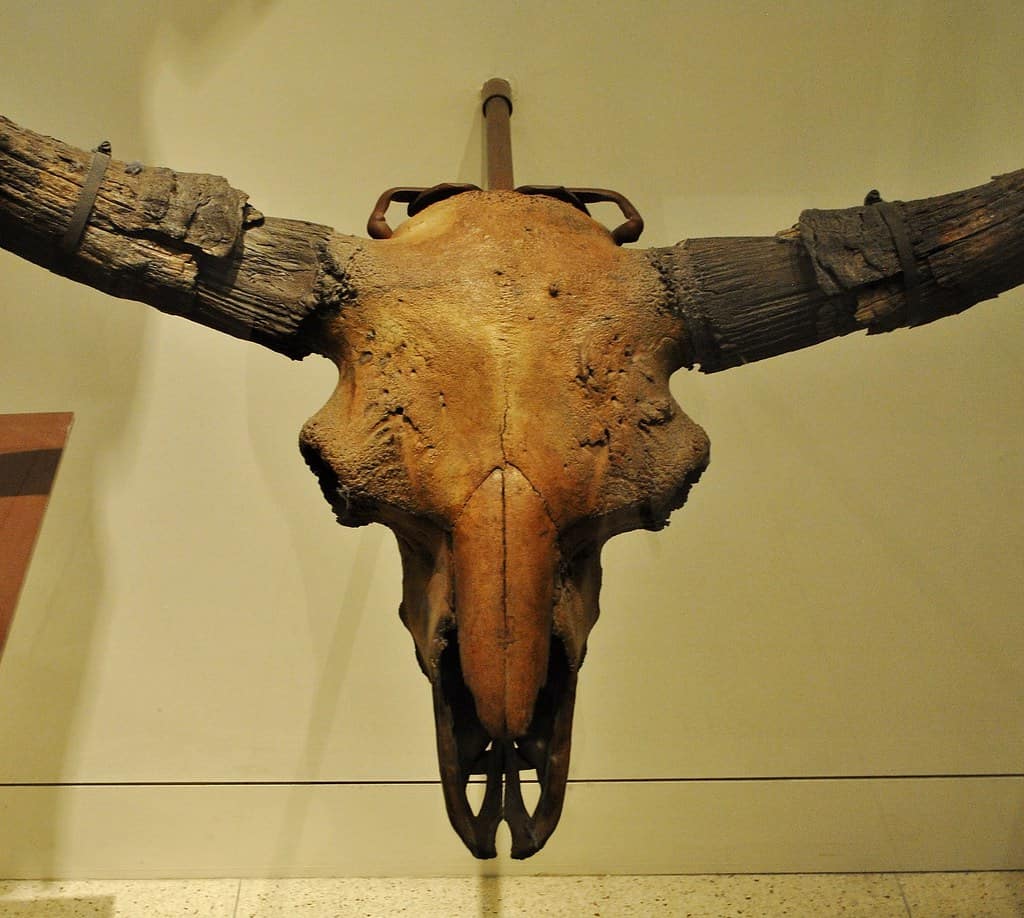
The discovery and subsequent preservation of the bison specimen presented unique challenges and opportunities for museum conservators. Unlike typical fossils that consist of mineralized bone, this specimen contained organic materials that remain vulnerable to decomposition, requiring specialized preservation techniques. Conservators developed innovative methods for stabilizing the tissues while maintaining their scientific value for future research. The specimen has become a valuable case study in the preservation of exceptional fossils, informing best practices for similar discoveries. Many of the preservation techniques developed for this specimen are now being applied to other frozen remains emerging from thawing permafrost around the Arctic. The bison also raises important ethical questions about the display and research use of exceptionally preserved remains, balancing scientific value with cultural considerations, particularly in regions where indigenous peoples may have traditional connections to the animals being studied.
Conclusion and Future Research
The 10,000-year-old Siberian bison stands as one of the most informative single specimens in paleontological history, offering unprecedented insights into an extinct species at the threshold between two geological epochs. Its remarkable preservation has allowed scientists to address questions that typically remain unanswerable with conventional fossils, from soft tissue anatomy to molecular biology. As climate change accelerates the thawing of permafrost across the Arctic, more such specimens may emerge, creating both scientific opportunities and conservation challenges. Future research will likely include more sophisticated genomic analysis, detailed comparisons with other bison specimens across time and geography, and integration of findings into broader models of Pleistocene ecology and extinction. The legacy of this single animal extends far beyond its individual life, providing a tangible connection to the lost world of the Ice Age and demonstrating how much we can learn from a single, exceptionally preserved specimen when studied with the full range of modern scientific techniques.

- The Story of the Arctic Fox’s Incredible Seasonal Transformation - July 18, 2026
- 10 Most Venomous Snakes in US National Parks - July 18, 2026
- The Moth That Drinks Blood - July 18, 2026