

Snakes have slithered through the human imagination for centuries, often wrapped in myth and intrigue. From their depiction as fearsome creatures in folklore to their role as beloved pets and vital ecosystem contributors, snakes stir powerful emotions and misconceptions. As we delve into the world of snakes, let’s untangle the myths from reality and understand these fascinating reptiles better.
Understanding Snakes: A Brief Overview

Snakes belong to the suborder Serpentes and are part of the reptilian order Squamata, which they share with lizards. They have been around for over 100 million years, evolving fascinating adaptations that allow them to thrive in various environments worldwide, ranging from tropical rainforests to arid deserts.
The Misunderstood Creature
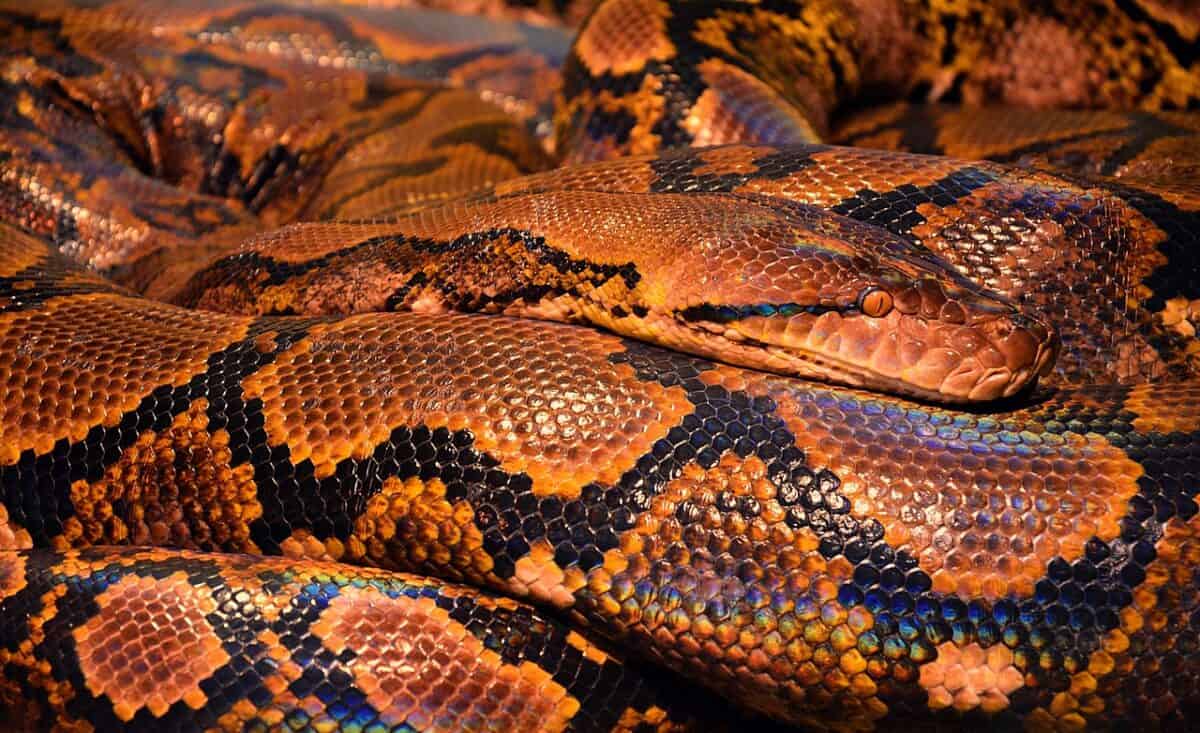
Despite their ecological importance, snakes are often misunderstood. Many people harbor a deep-seated fear, or ophidiophobia, towards these reptiles, partly due to cultural portrayals that emphasize danger and aggression. However, most snake species are harmless to humans and would rather avoid confrontation.
Debunking Common Myths About Snakes
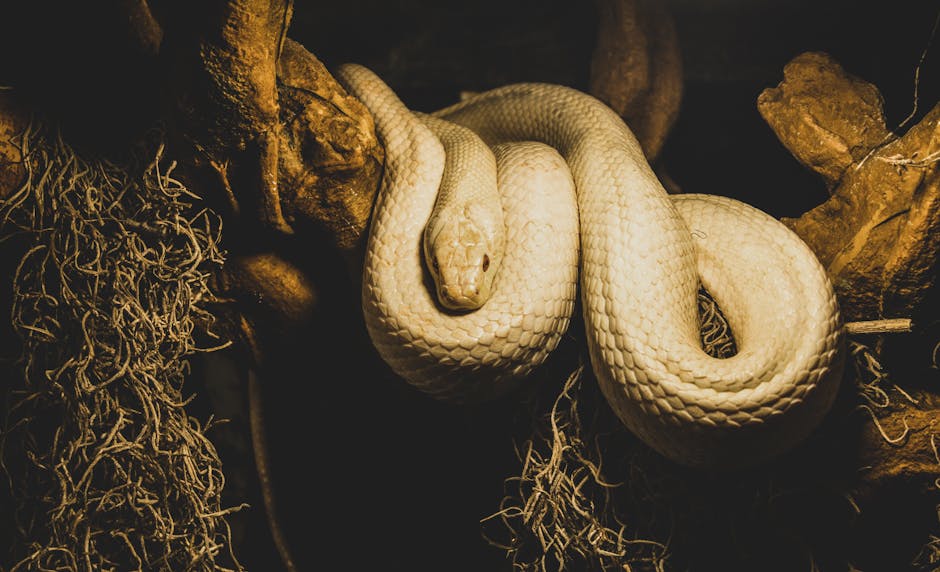
Several myths contribute to the negative stereotyping of snakes. Contrary to popular belief, snakes do not chase humans. Instead, their movements are usually governed by a need to find food, escape predators, or simply bask in the sun. Understanding snake behavior dispels many fears and misconceptions.
Snakes in Culture and Folklore

Throughout history, snakes have symbolized a range of meanings, from evil and danger to healing and rebirth. Ancient cultures like the Egyptians, Greeks, and Mayans revered snakes in their art and mythology. These varied interpretations reflect humanity’s complex relationship with these enigmatic creatures.
Physical Characteristics of Snakes
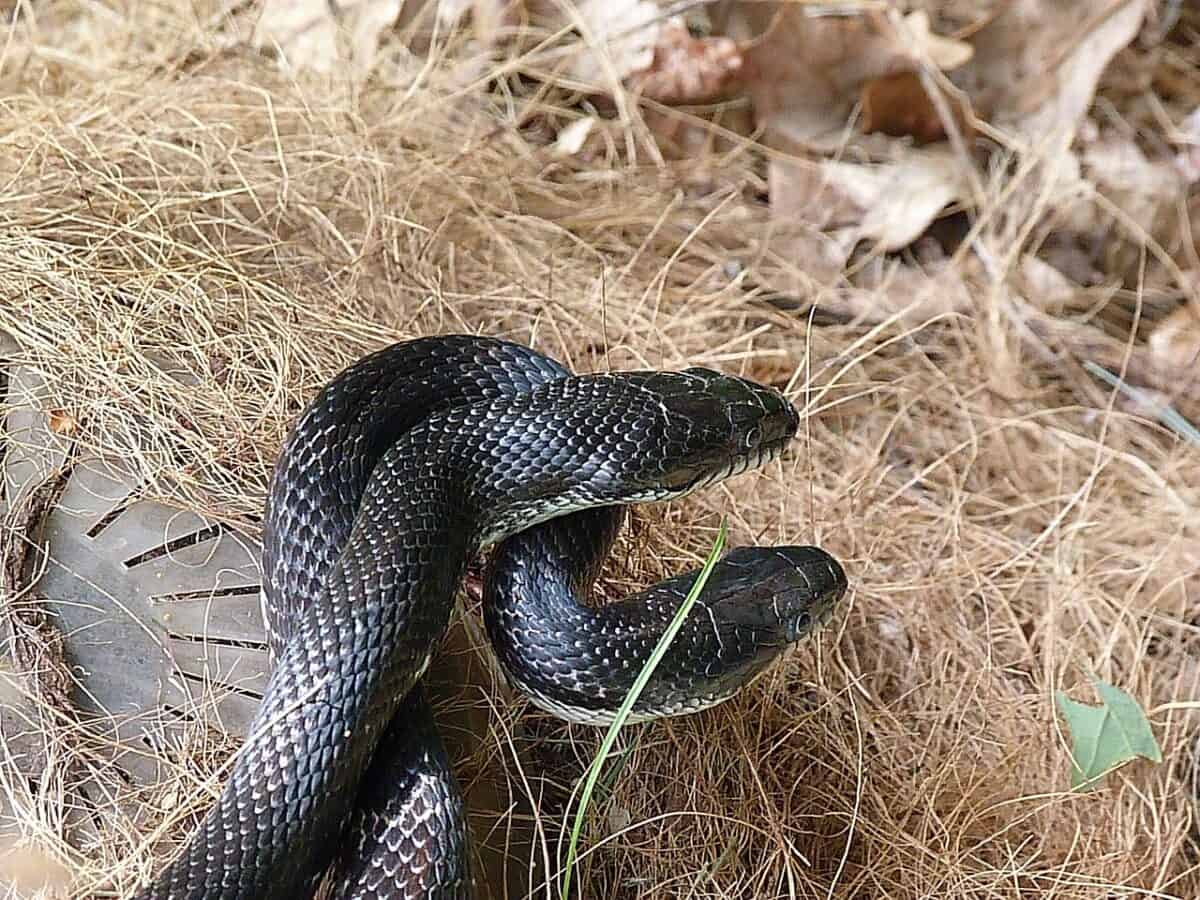
Snakes exhibit remarkable physiological adaptations, such as a flexible jaw that allows them to consume prey larger than their head. Their lack of limbs is compensated by scales that grip surfaces, aiding their movement. Additionally, snakes’ senses are fine-tuned; they can detect heat with pit organs and use their forked tongues to analyze scents.
The Diverse Diet of Snakes

Snakes have a varied diet that includes insects, rodents, birds, and even other reptiles. They play a crucial role in controlling pest populations, highlighting their value in maintaining ecological balance. Some species, like the king cobra, primarily feed on other snakes, demonstrating their adaptability.
Life and Behavior of Snakes

While often solitary, snakes exhibit complex behaviors. Some species are arboreal, living in trees, while others are terrestrial or aquatic. Their ability to sense vibrations helps them detect prey and predators. Contrary to their aggressive reputation, snakes prefer to retreat when threatened, opting for confrontation only when escape is impossible.
The Reproductive Cycle of Snakes

Snakes display a fascinating range of reproductive strategies. Some lay eggs, while others, like boas, give birth to live young. In certain species, a phenomenon known as parthenogenesis allows females to reproduce without mating, a testament to their evolutionary ingenuity.
Health and Adaptability
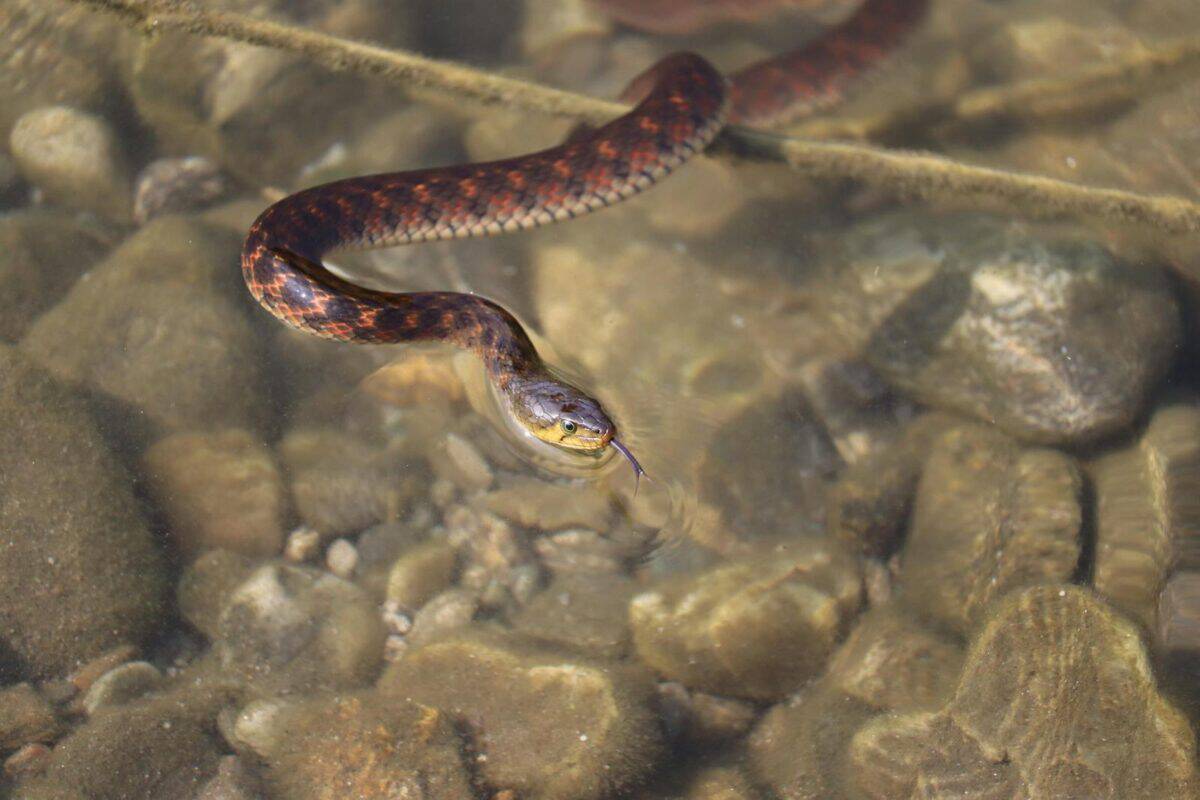
Snakes are resilient creatures capable of surviving diverse environmental changes. However, habitat destruction and human activities pose significant threats. Conservation efforts are vital to protecting snake species, many of which face declining populations due to habitat loss and illegal trade.
Snakes as Pets: What to Know
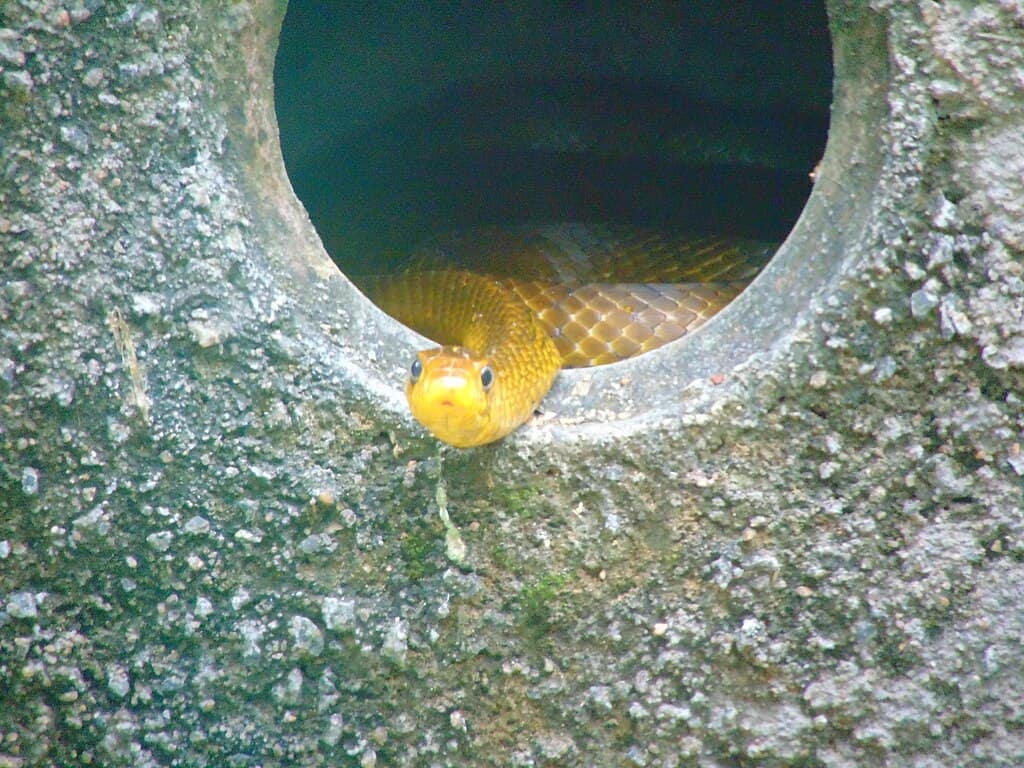
Owning a snake can be a rewarding experience, provided one understands their specific needs. Prospective snake owners should research species-specific care requirements, including temperature, humidity, and diet. Enclosures must mimic the snake’s natural habitat to ensure its health and well-being.
Coexisting with Snakes
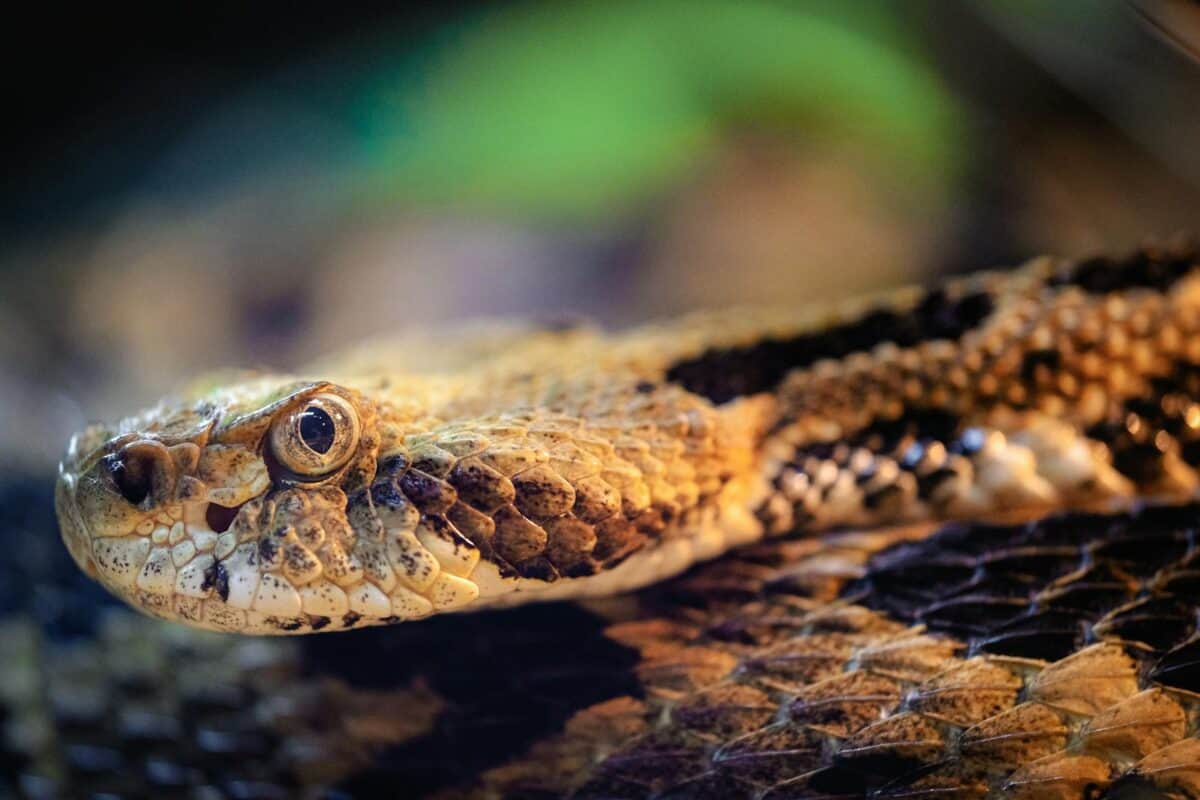
Educating communities about snakes encourages coexistence rather than fear. Snakes are beneficial in controlling pest populations and sustaining ecosystem health. Understanding their role and behavior can foster appreciation, reducing unwarranted fears and negative interactions.
The Importance of Snakes in Ecosystems

Snakes are integral to healthy ecosystems, where they act as both predators and prey. By regulating populations of various species, they help maintain ecological balance. Protecting snake habitats ensures biodiversity and the stability of countless other species within these environments.
Conclusion: A New Perspective on Snakes

It’s time to move beyond stereotypes and recognize snakes for their true nature. These incredible reptiles play vital roles in the natural world, offering unique insights into adaptation and survival. By fostering understanding and respect, we can transform fear into fascination and safeguard these remarkable creatures for future generations.

- The Glasswing Butterfly: Nature’s Invisible Beauty - July 21, 2026
- What Happens If a Whale Dies in the Ocean? - July 21, 2026
- Why You Should Stop Feeding Ducks at the Park - July 21, 2026