

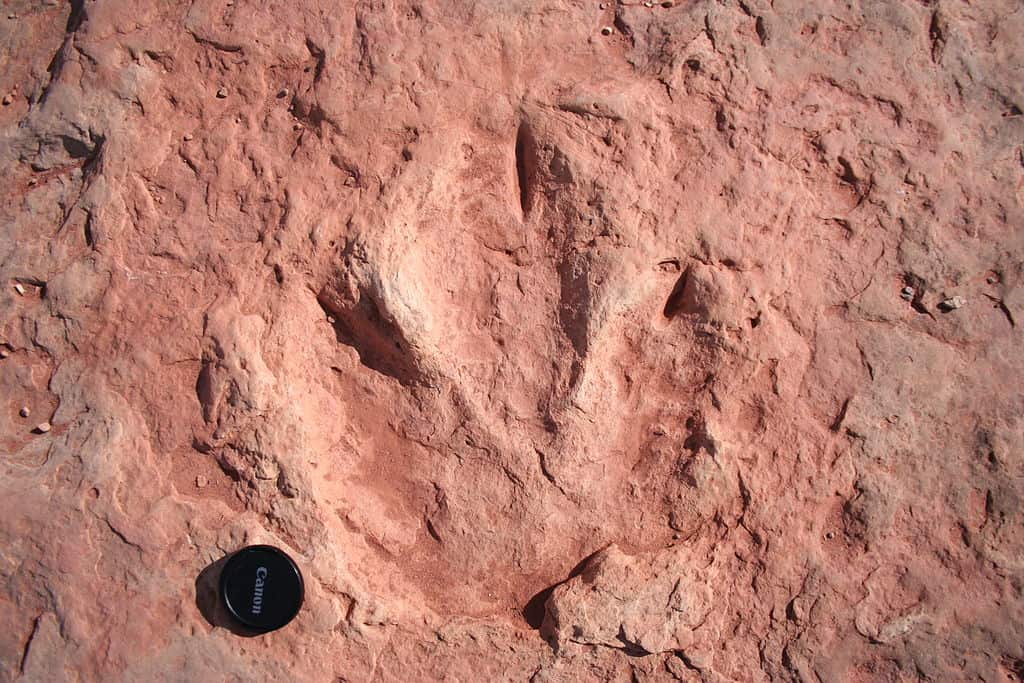
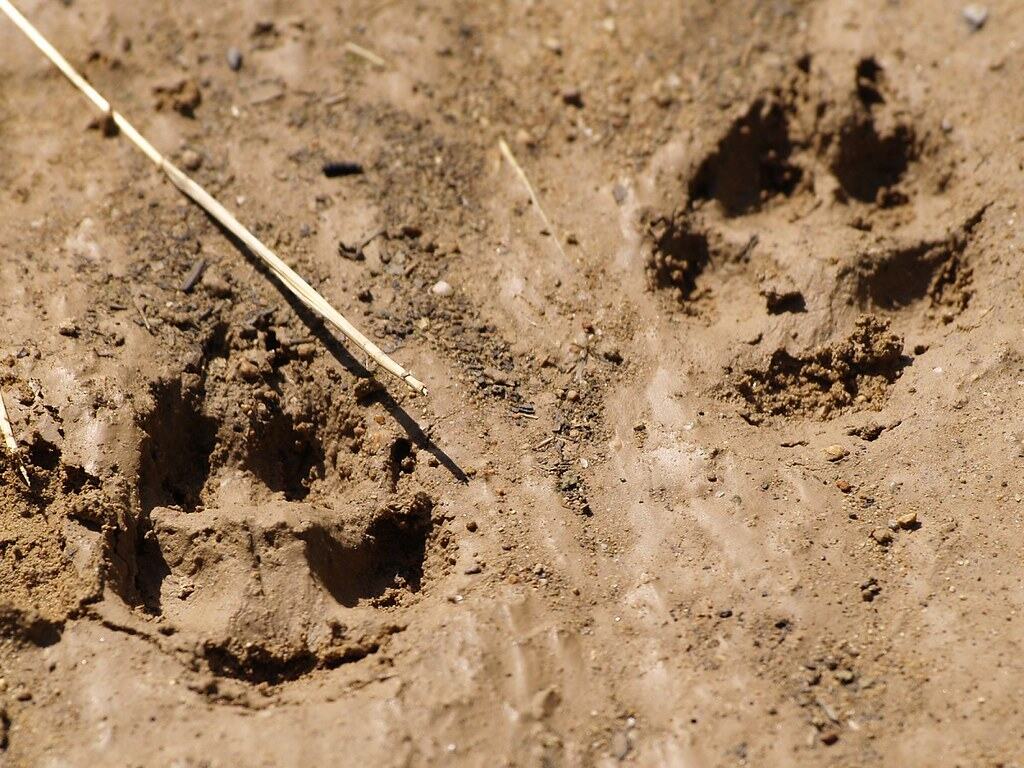
Deep in forests, across desert sands, and imprinted in freshly fallen snow, animal tracks tell stories of wildlife movement and behavior. They reveal hunting patterns, migration routes, and territorial boundaries that help researchers understand ecosystem dynamics. Yet occasionally, trackers encounter something truly perplexing: perfectly clear animal tracks that simply stop, as if the creature vanished into thin air. These mysterious phenomena have puzzled naturalists, hunters, and wildlife biologists for generations, often defying simple explanations and sparking theories ranging from the scientific to the supernatural.
The Phenomenon Explained

Animal tracks that suddenly disappear represent one of nature’s most intriguing mysteries. Typically, animal tracks follow a logical pattern—continuous impressions that show where a creature has traveled across a landscape. When tracks abruptly end with no nearby rocks, trees, or other surfaces the animal could have jumped onto, observers face a genuine puzzle. These phenomena have been documented across continents and ecosystems, involving species from small rodents to large predators like mountain lions and bears. While many cases ultimately have natural explanations, others remain genuinely perplexing, defying conventional tracking wisdom and challenging our understanding of animal behavior.
Historical Documentation of Vanishing Tracks

Reports of mysteriously disappearing animal tracks date back centuries. Native American trackers spoke of “spirit animals” whose tracks would suddenly vanish, while European folklore contains numerous references to creatures that could appear and disappear at will. In the 1800s, frontier journals and trapper accounts occasionally mentioned following animal trails that inexplicably ended. One notable account from 1887 describes a hunting party in Montana following wolf tracks across fresh snow for miles before they disappeared in an open meadow with no disturbances in the surrounding snow. Modern documentation continues this tradition, with wildlife agencies occasionally receiving reports of tracks that defy explanation, though most receive little formal scientific investigation.
The Science of Tracking
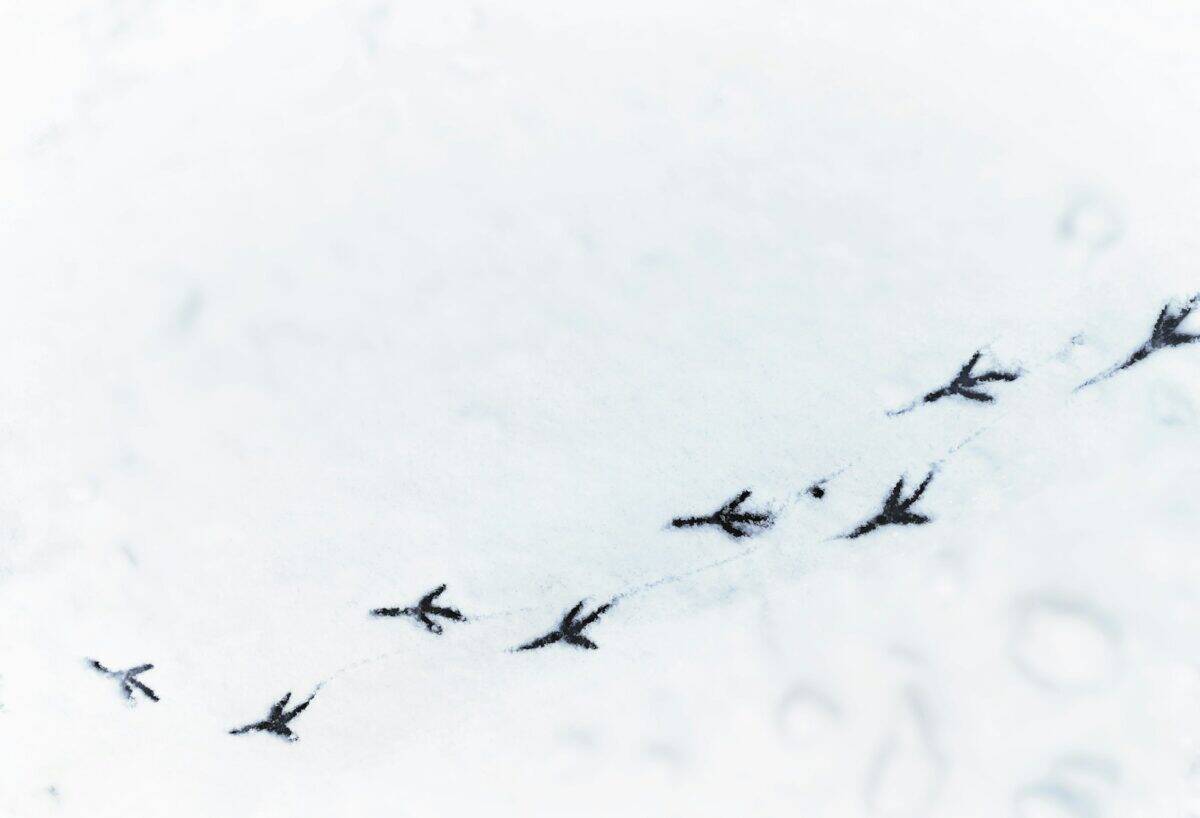
Understanding tracking fundamentals helps contextualize the mystery of disappearing tracks. Animal tracking involves identifying species by their distinctive foot morphology, stride length, and movement patterns. Professional trackers consider substrate conditions (mud, snow, sand), weather effects, track aging, and how different surfaces receive impressions.
Most animals leave predictable patterns—a walking deer creates a relatively straight line of prints, while a rabbit produces a distinctive grouping pattern when hopping. When tracks suddenly cease, experienced trackers first look for environmental changes that might explain the disappearance: harder ground, rock surfaces, water bodies, or vegetation that wouldn’t show impressions. The scientific approach to vanishing tracks requires eliminating these mundane explanations before considering more unusual possibilities.
Common Natural Explanations

Many seemingly mysterious track disappearances have perfectly natural explanations. Abrupt substrate changes, like transitioning from soft mud to hard rock or frozen ground, can make tracks appear to vanish. Weather effects play a significant role too—wind can rapidly erase tracks in snow or sand, while sudden rain may wash away impressions in soil.
Some animals, particularly predators like cougars and foxes, deliberately use harder surfaces and rocky outcroppings that don’t show tracks when traveling. Occasional behaviors like long jumps, particularly by agile species like deer or coyotes, can create gaps in track patterns that appear mysterious to casual observers. In many cases, what initially seems inexplicable becomes clear with careful environmental analysis and knowledge of species-specific behaviors.
The “Back-tracking” Phenomenon
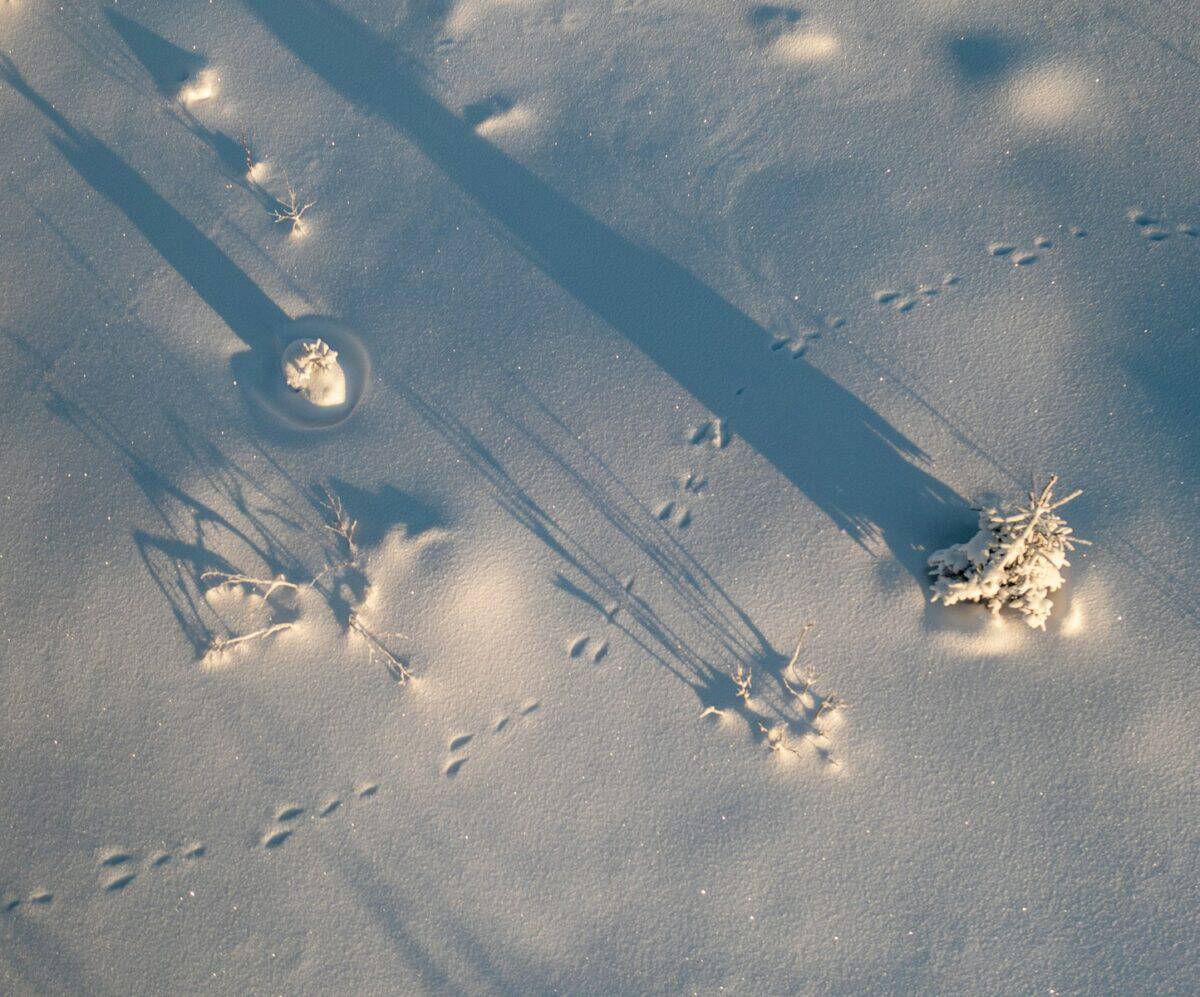
One fascinating explanation for some vanishing tracks is the “back-tracking” behavior observed in several species. This sophisticated evasion technique involves an animal retracing its exact steps—literally placing each foot in its previous prints while moving backward along its path. Famously employed by snowshoe hares, foxes, and some deer species when evading predators, this behavior creates the illusion of tracks that lead nowhere. The animal eventually makes a long leap sideways from its original trail to new ground, leaving pursuers confused by tracks that suddenly end. Research has shown this isn’t random behavior but a deliberate strategy developed through natural selection in prey species frequently hunted by tracking predators or, in modern contexts, human hunters. This explanation accounts for some—though certainly not all—cases of mysteriously disappearing tracks.
Predator Carrying Prey

Another common explanation for tracks that seemingly vanish occurs in predator-prey scenarios. When a predator—such as a mountain lion, wolf, or even a large bird of prey—captures smaller animals, the predator’s tracks may continue while the prey’s disappear. This creates a peculiar tracking scene: clear tracks of a rabbit or deer suddenly ending precisely where predator tracks appear or continue. In cases involving aerial predators like great horned owls or eagles, ground tracks might stop with no apparent explanation to observers unaware of the three-dimensional nature of the predation event. Researchers studying these scenarios often find subtle evidence like disturbed vegetation, displaced snow, or small blood traces that confirm this explanation. These natural predation events sometimes create what initially appears as inexplicable track terminations.
Famous Unexplained Cases
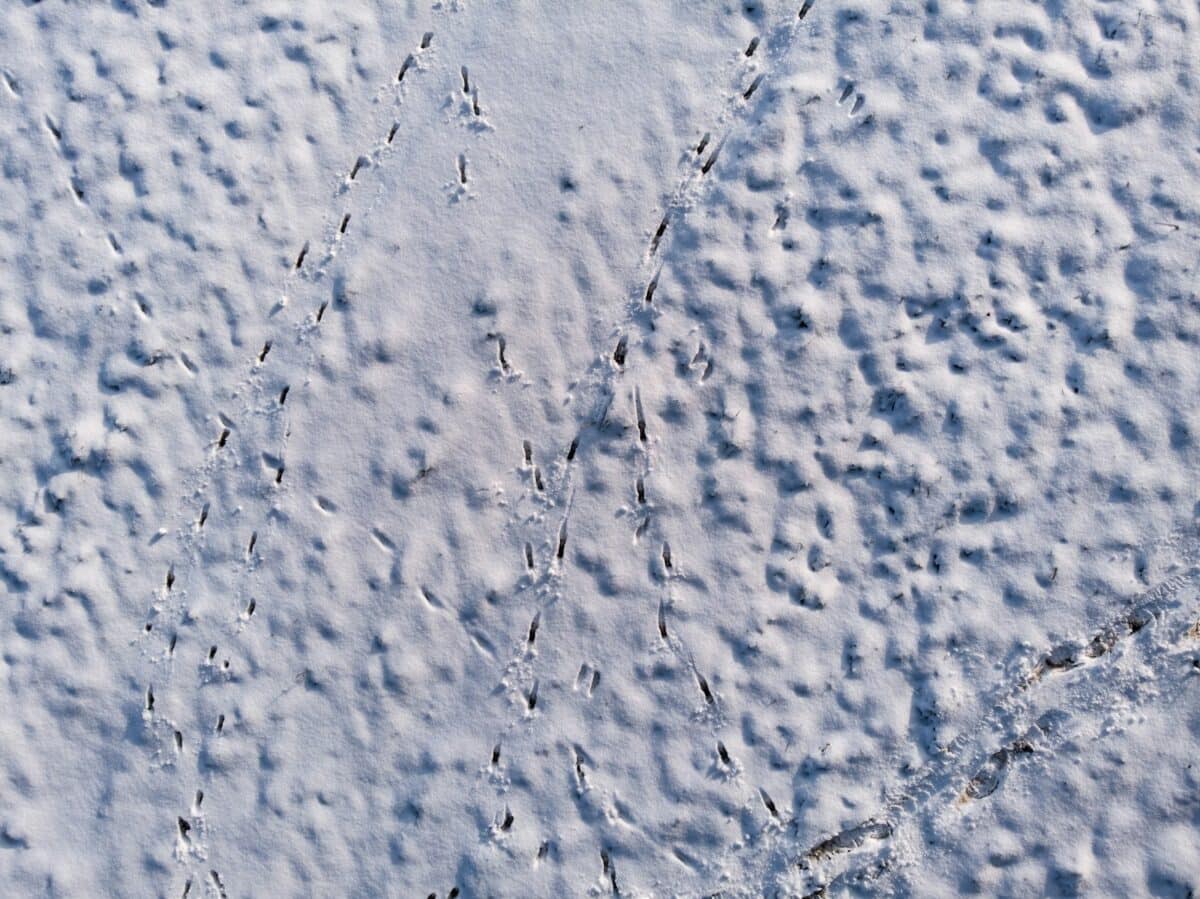
Despite rational explanations for many vanishing track incidents, some cases remain genuinely mysterious. The 1948 Dyatlov Pass incident in Russia’s Ural Mountains, while primarily known for the unexplained deaths of nine hikers, also included reports of strange animal tracks that appeared and disappeared around their camp. In 1976, wildlife researchers in Yellowstone documented wolf tracks in fresh snow that stopped in an open meadow with no disruptions for over 100 yards in any direction. The 2011 “Devil’s Footprints” case in Devon, England featured mysterious animal tracks that traveled in perfectly straight lines, sometimes over rooftops, before disappearing entirely. These well-documented cases have been examined by experts who eliminated conventional explanations, leaving them as genuine anomalies in tracking literature.
The Role of Weather and Environmental Factors
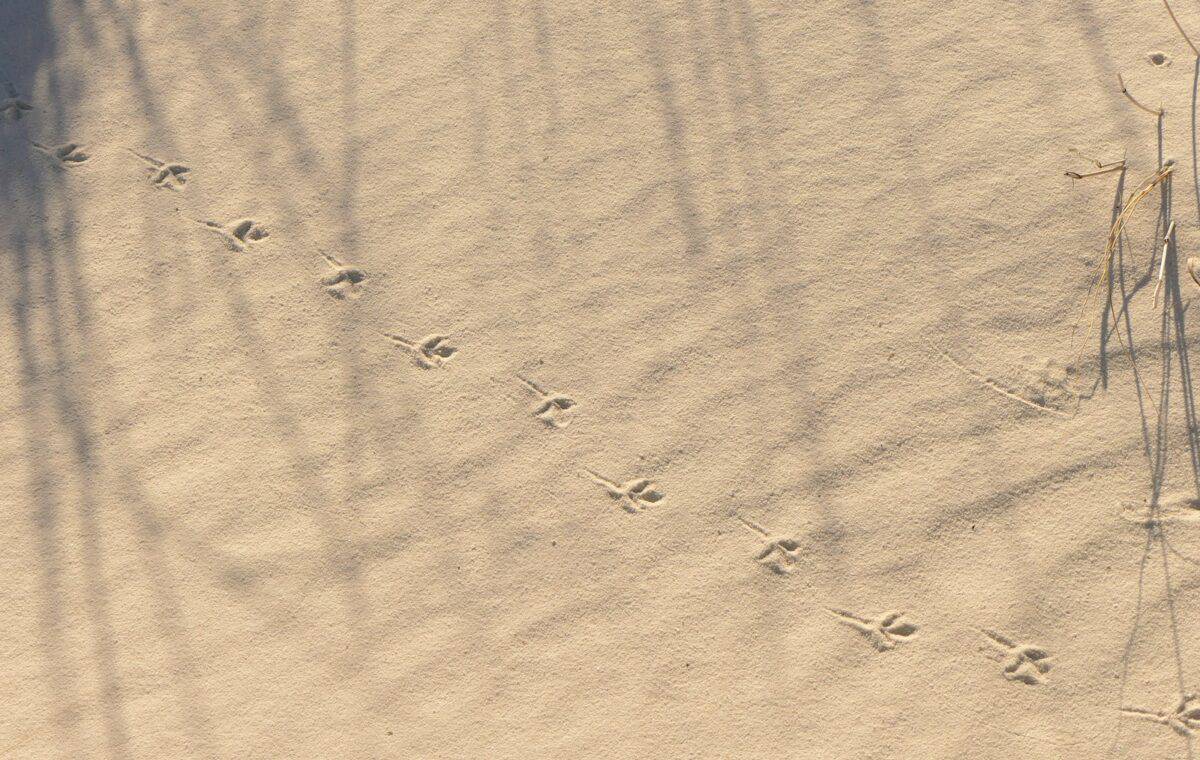
Weather phenomena create some of the most convincing illusions of tracks that lead nowhere. Freeze-thaw cycles can preserve some tracks while erasing others nearby, creating discontinuous patterns. Wind can selectively scour certain exposed areas while leaving others untouched, making continuous tracks appear broken. Localized rain or snow squalls affect small areas differently, sometimes preserving tracks in sheltered locations while eliminating them in exposed spots.
Geological factors also contribute—geothermal activity in places like Yellowstone can melt snow tracks in patterns that seem unnatural. Even microclimates created by vegetation can preserve tracks in shaded areas while sun exposure erases nearby impressions. These environmental variables create complex conditions where tracks may disappear without obvious explanations to observers unaware of subtle meteorological or geological influences.
Technological Investigation Methods
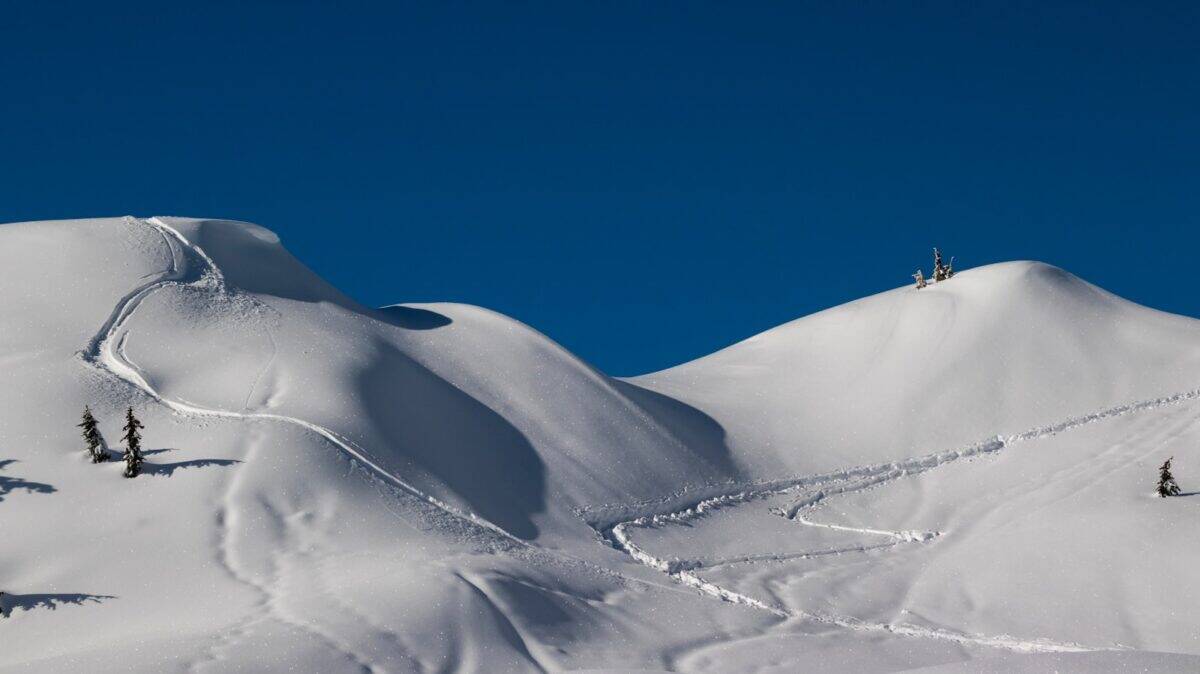
Modern technology has revolutionized track investigation, helping solve previously inexplicable cases. Thermal imaging can detect residual heat signatures where animals recently stood, even when visible tracks aren’t present. High-resolution photography with specialized lighting reveals compression patterns invisible to the naked eye. Environmental DNA (eDNA) sampling can detect microscopic biological material left behind by animals even when tracks disappear.
Drones equipped with multispectral cameras identify subtle vegetation changes caused by animal passage. Wildlife researchers increasingly employ these tools when investigating unusual track patterns, often discovering that “vanished” animals actually continued their journey in ways traditional tracking couldn’t detect. These technological approaches have resolved many previously mysterious cases while establishing more rigorous standards for what constitutes a genuinely unexplained tracking anomaly.
Cultural and Mythological Interpretations
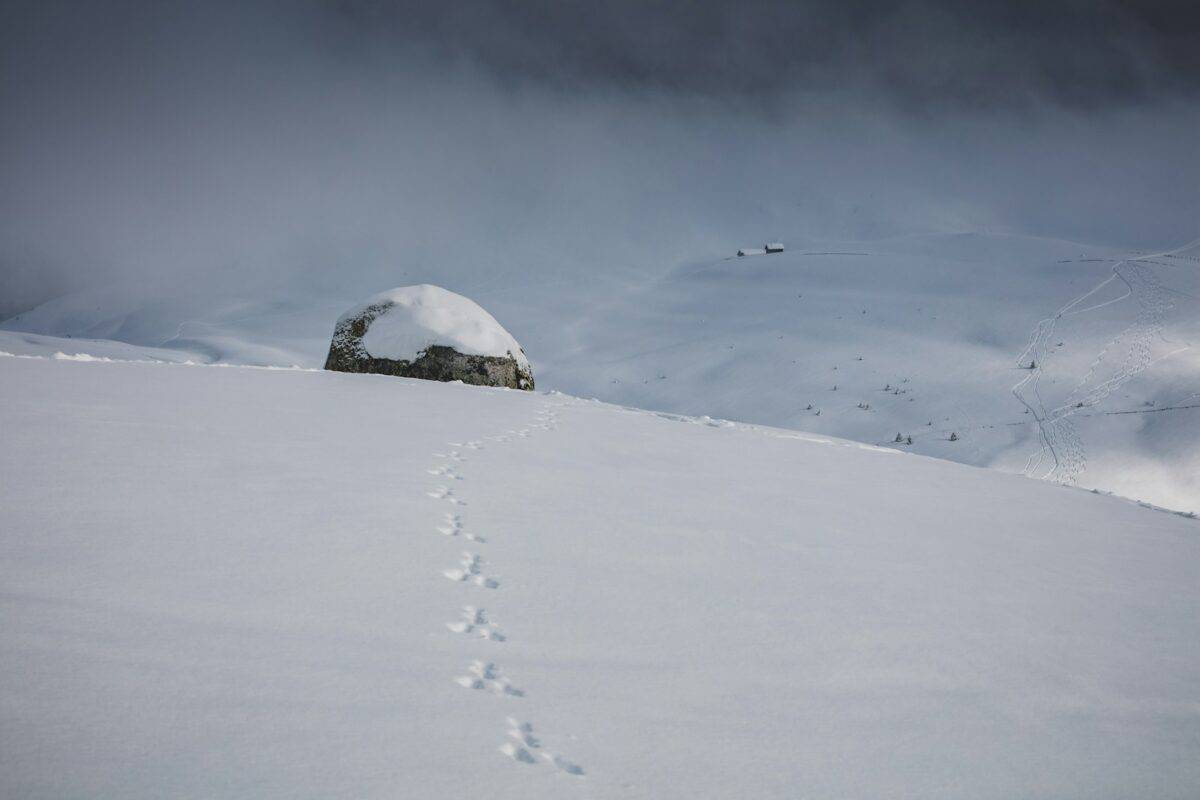
Tracks that mysteriously end have significant places in cultural mythologies worldwide. In Norse tradition, such tracks were associated with shapeshifters like berserkers who could transform from human to animal form. Numerous Native American traditions include stories of skinwalkers or other supernatural entities whose tracks appear and disappear at will. Australian Aboriginal lore connects vanishing animal tracks to dreamtime beings who move between physical and spiritual realms.
These cultural interpretations reveal how deeply mysterious animal traces have influenced human imagination across civilizations. While modern science offers rational explanations for most cases, these cultural perspectives demonstrate how vanishing tracks touch something fundamental in human psychology—our fascination with the mysterious and our tendency to seek meaningful patterns in natural phenomena, even when they appear to defy explanation.
Practical Tips for Track Investigators
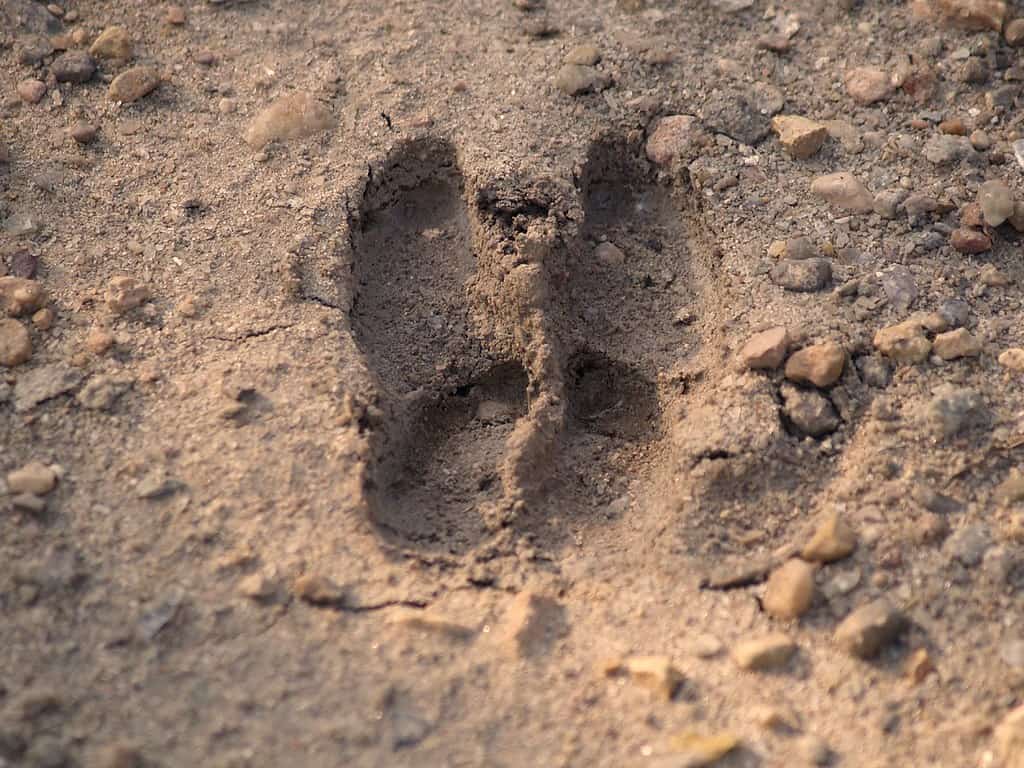
For amateur naturalists and wildlife enthusiasts who encounter mysteriously ending tracks, several investigative approaches prove valuable. First, thoroughly document the scene with photographs from multiple angles, including wide contextual shots and close-ups of the last visible tracks. Note weather conditions, time of day, and recent meteorological events. Search methodically in expanding circles from the last tracks, looking for subtle impressions or disturbances. Examine whether substrate changes might explain track disappearance.
Check overhead for branches or structures animals might have climbed. Consider species-specific behaviors—some animals make extraordinary leaps when startled. Consult local wildlife experts who understand regional animal behavior patterns. Maintain healthy skepticism about extraordinary explanations until conventional possibilities are eliminated. This systematic approach often reveals natural explanations for seemingly impossible tracking scenarios while developing more sophisticated observation skills.
The Psychology of Mystery Tracks
The human fascination with vanishing animal tracks reveals interesting psychological patterns. Cognitive scientists note that human brains are wired to prefer complete narratives over mysteries, creating discomfort when presented with disconnected evidence like tracks that suddenly end. This “closure bias” leads observers to develop explanations, sometimes embracing improbable theories rather than accepting uncertainty.
Confirmation bias also affects interpretation, as individuals find evidence supporting pre-existing beliefs about supernatural phenomena. Research shows that people with stronger pattern-recognition abilities—a trait that evolved to help identify predators and food sources—sometimes perceive meaningful connections in random natural elements, including ambiguous tracking scenarios. These psychological tendencies don’t invalidate genuinely mysterious cases but remind us that human perception and interpretation significantly influence how we understand unusual natural phenomena.
Conclusion: The Enduring Mystery

The enigma of animal tracks that lead nowhere continues to captivate our collective imagination while challenging our understanding of wildlife behavior and environmental interactions. While science has provided explanations for many seemingly mysterious cases—from sophisticated back-tracking behaviors to predation events and environmental factors—some well-documented incidents remain genuinely puzzling even to experienced trackers and wildlife biologists.
These persistent mysteries remind us that nature still harbors secrets despite our technological advances and scientific knowledge. Perhaps the greatest value of these vanishing tracks lies in how they inspire continued curiosity about the natural world, encouraging more careful observation and deeper investigation of wildlife behaviors. As we continue documenting and studying these phenomena, we maintain a tradition of wonder that connects us to generations of naturalists who have similarly stood puzzled before animal tracks that simply, inexplicably, end.

From exploring the marine wonders in the Azores and witnessing the vast savannas of Kenya, to delving deep into the rich biodiversity of South Africa and traversing iconic landscapes in Australia and the US like Yellowstone, Chris's experiences are vast.
With a penchant for diving alongside sharks, the ocean holds a special place in his heart.
Through his academic insights, he champions wildlife conservation, striving with 'Animals Around The Globe' to cultivate a profound connection between humans and animals, enhancing our mutual appreciation.
Connect with him at Feedback@animalsaroundtheglobe.com.
- Why Flamingos Are Flocking to New Jersey’s Salt Marshes - July 20, 2026
- How a Giant Sloth Skeleton Changed Evolution Theories - July 20, 2026
- The Wildlife Cost of Your Chocolate Bar—and How to Make Ethical Choices - July 20, 2026