
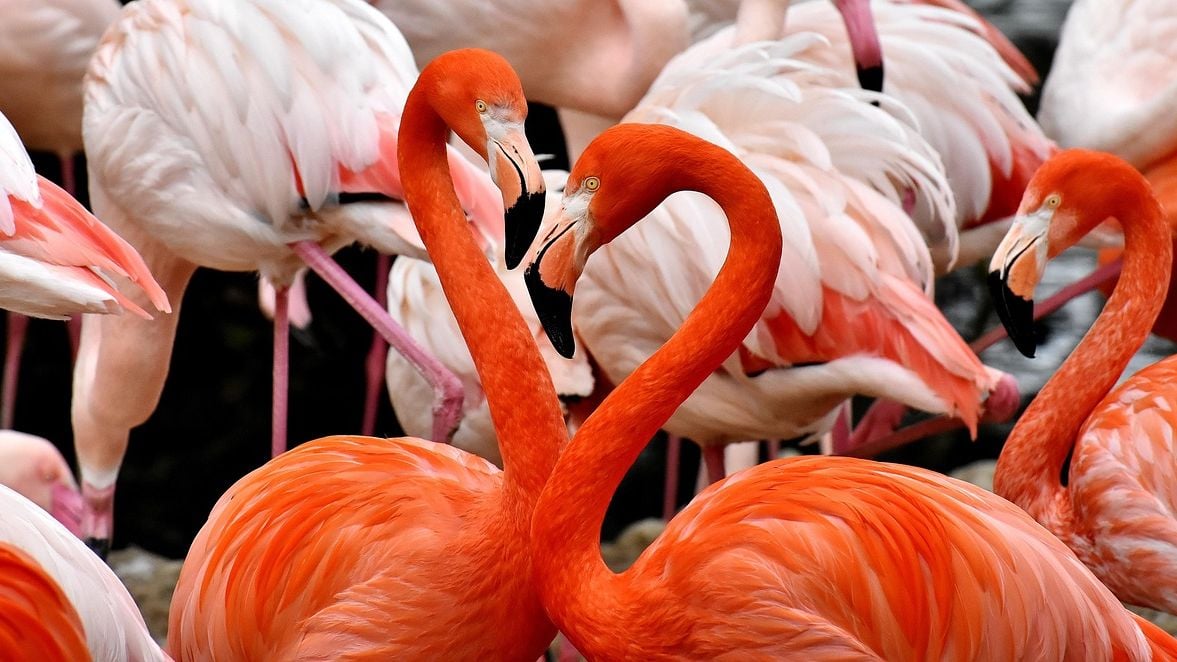
Most people picture flamingos in Africa, or maybe standing absurdly still on some tropical island postcard. What very few people expect is to find them wading through American wetlands, or – stay with me here – spotted in Ohio. Yes, Ohio. The story of flamingos in the United States is stranger, sadder, and far more inspiring than most people realize. From near-total disappearance to a slow, dramatic comeback, the pink birds are quietly reclaiming their place in the American wild. Let’s dive in.
Florida: The Undisputed Flamingo Capital of the United States
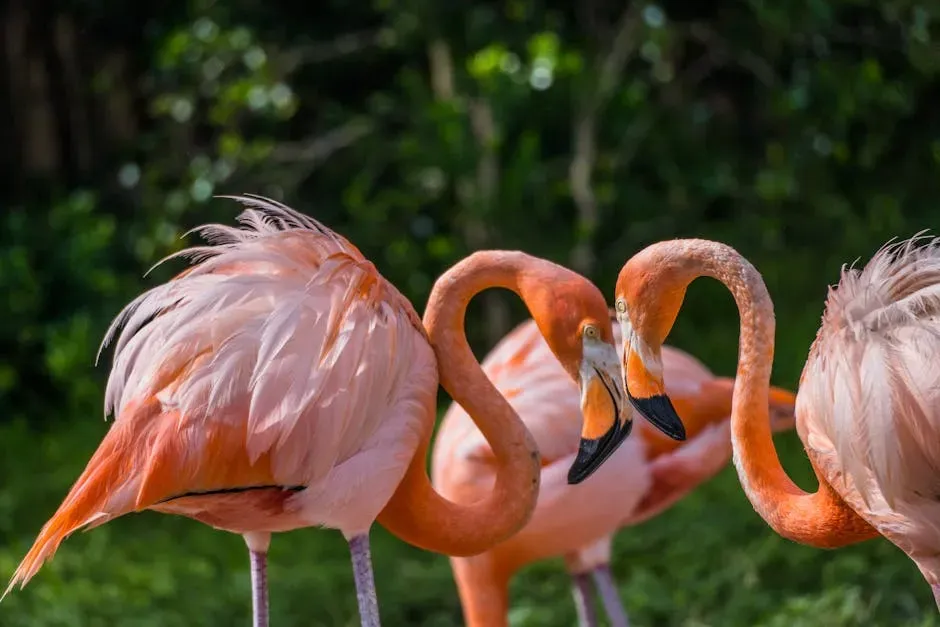
Let’s be real – no conversation about US flamingos starts anywhere other than Florida. The American flamingo is a cultural icon for the state of Florida, where it was formerly abundant in the southernmost regions, although it was largely extirpated by 1900 and is now only an uncommon visitor with a few small, potentially resident populations. That tension between icon and reality is fascinating.
Large flocks of flamingos reaching up to a thousand individuals, with one potential sighting of up to 2,500 individuals, were sighted throughout the 19th century by naturalists such as John James Audubon at sites including Marco Island, Cape Sable, and the Florida Keys. Imagine stumbling across a flock that size today. People would lose their minds.
While flamingos were once common in the Sunshine State, the growth of the plume hunting industry in the 1800s, followed by the draining of the Everglades in the 20th century, decimated Florida’s flamingo population. It was a slow and brutal erasure of something irreplaceable.
After sorting through survey observations to remove duplicates, researchers concluded that at least 100 flamingos were left in the state. Then in July 2025, a flock of 125 individuals was photographed in Florida Bay. That might not sound massive, but for a bird that was nearly gone, it is genuinely thrilling news.
More than 40 people filled out a survey to record 101 wild American Flamingos across Florida. The largest group, over 50, was spotted in Florida Bay, with 18 counted in the Pine Island area and another 14 at Merritt Island National Wildlife Refuge. The birds are spreading out. That is a very good sign.
The Hurricane Effect: How Storms Sent Flamingos Across the Eastern US
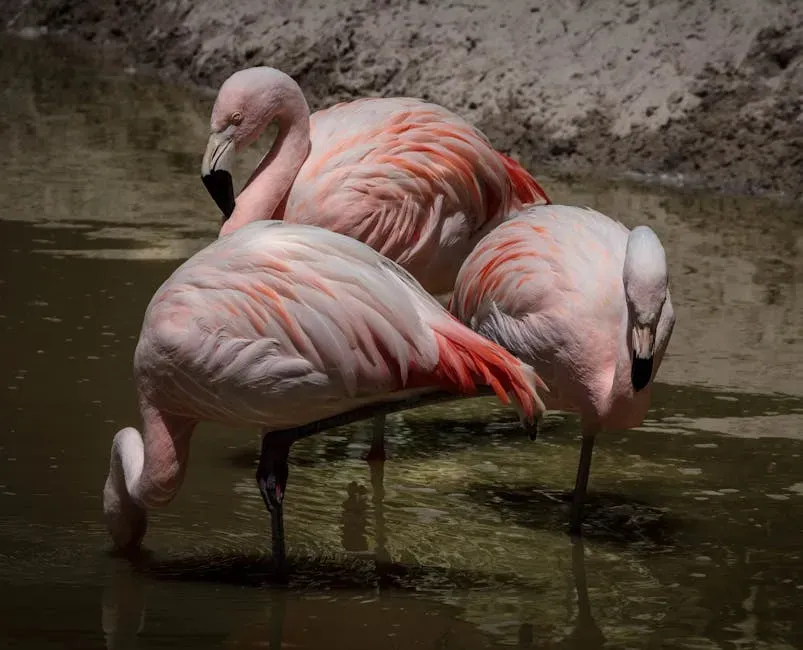
Here is something that I honestly did not see coming when I first read about it. Hurricanes have essentially been acting as accidental flamingo dispersal events across the country. American flamingos are a mostly tropical species, but storms sometimes scatter them to unexpected places. In the aftermath of Hurricane Idalia in 2023, flamingos turned up in 17 US states including Kansas, Wisconsin, and Pennsylvania.
In 2023, Hurricane Idalia blew in large numbers of flamingos across the eastern United States, with records from Florida, Georgia, North Carolina, South Carolina, Virginia, Kentucky, Tennessee, as far north as Ohio and Pennsylvania, and as far northwest as Wisconsin. These vagrant populations likely originated from the Yucatán Peninsula, were caught in the storm while en route to Cuba, and carried until the storm’s landfall in the United States, after which they dispersed.
What likely happened is that the birds were either in Yucatan or on their way to Cuba when the storm hit them. The flamingos went with the winds instead of fighting them, as the eastern portion of the storm drove the birds up the western side of Florida. Think of it like getting on a moving sidewalk you never planned to step onto.
Researchers at Audubon Florida said they had never seen anything like it, noting they occasionally get a flamingo or two following storms, but what happened with Idalia was described as truly unprecedented. The sheer scale of it left even scientists stunned.
Texas and Louisiana: Surprise Flamingo Territories
Beyond Florida, Texas and Louisiana have some genuinely interesting flamingo stories of their own. American Flamingos are sporadic visitors to Texas shores, and even rarer on the upper coast. The Gulf Coast’s shallow bays and estuaries do provide decent habitat when conditions are right.
Then there’s the remarkable case of a flamingo that became something of a legend. In June 2005, a storm rolled through the Sedgwick County Zoo in Wichita, Kansas, and two flamingos utilized the winds to make their escape. Zoo officials tried to recapture them, but the birds had other ideas and couldn’t be caught.
One of the flamingos has shown up in multiple states, including Wisconsin, Arkansas, and Louisiana, but based on most recent sightings, it is believed to have made the Texas Gulf Coast its long-term home. Texas Parks and Wildlife even gave it the nickname “Pink Floyd.” Honestly, a great name for a flamingo living its best rebellious life.
Flamingos banded in the Yucatan Peninsula have also been documented flying to Florida, Louisiana, Texas, Cuba, and the Cayman Islands. So there is a clear and natural corridor of movement that sweeps right across the Gulf Coast states. Louisiana, in particular, keeps appearing in these records time and again as a waypoint for traveling birds.
Georgia, the Carolinas, and the Unexpected Northern Sightings
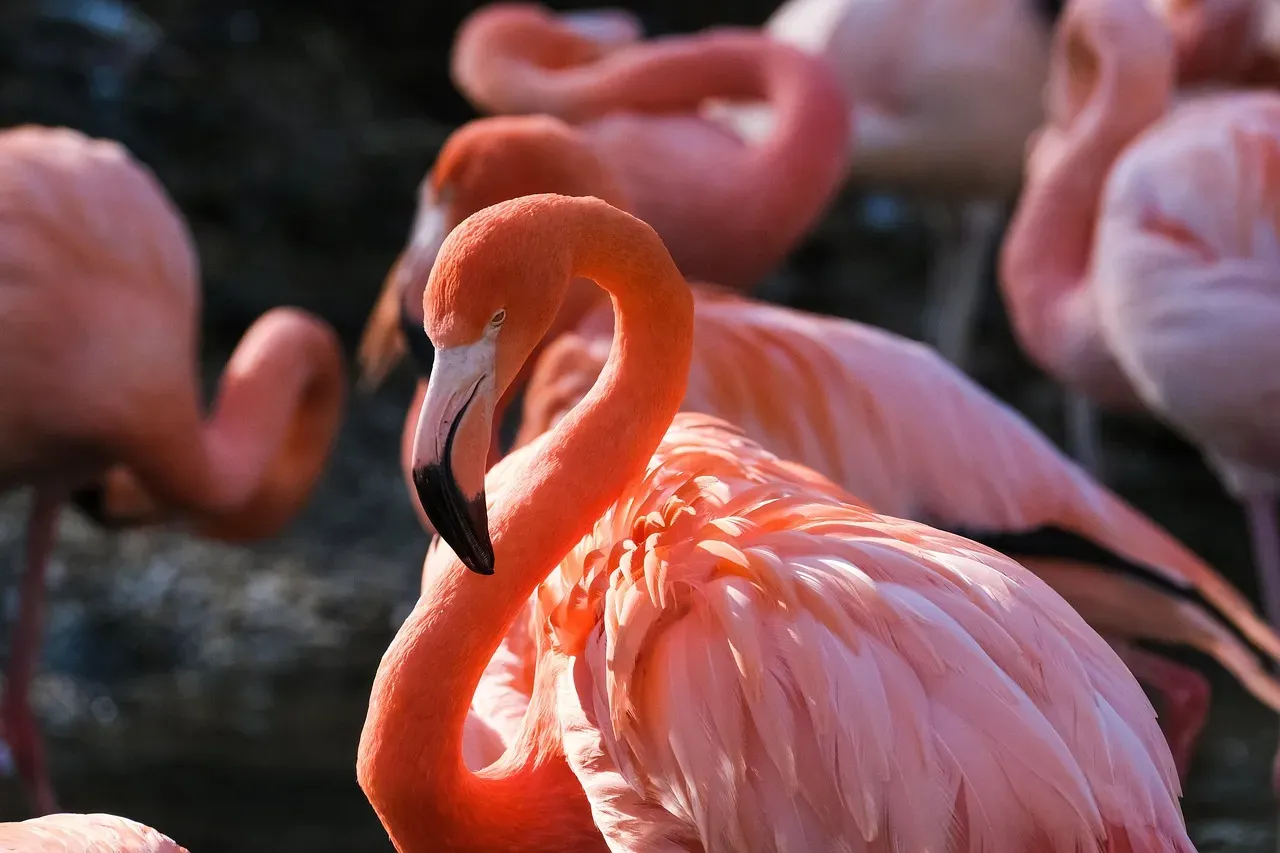
It sounds like a nature documentary plot twist. Flamingos in Georgia? In Kentucky? It’s hard to say for sure whether any of these birds intend to stay, but the sightings are very real. Florida, Georgia, Virginia, both North and South Carolina, Texas, Kentucky, Tennessee, and Ohio all had flamingo sightings in the wake of Hurricane Idalia.
Historical records show flamingo sightings dating all the way back to 1912 across Florida, Texas, Tennessee, Louisiana, and more recently Missouri. So this is not entirely a new phenomenon, though the scale of recent events is unprecedented.
Marine biologists note that although flamingos are native to the tropical south of the US, hurricanes have been known to drive flocks of flamingos north, leading to rare sightings in Kentucky, New York, Ohio, Pennsylvania, and Virginia. Most of these birds are passing through rather than setting up home. Still, every sighting is extraordinary.
Most of the birds return to where they came from, but occasionally one breaks off from a flock so that there are examples of a flamingo hanging out by itself for years. That solitary flamingo wandering a Kentucky reservoir is one of the more quietly poetic images in modern American wildlife.
Conservation, Science, and What the Future Holds
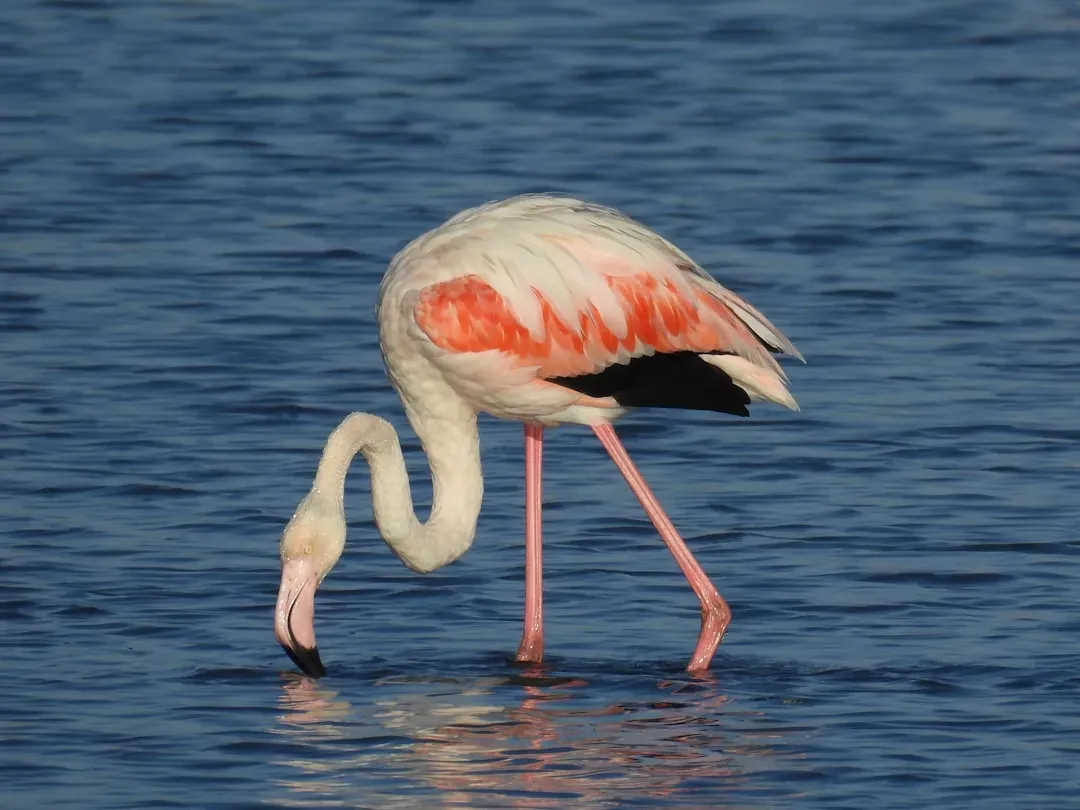
The flamingo story in the US is, at its core, a conservation story. And it is one that carries both warning signs and genuine hope. A 2018 study confirmed the native status of flamingos in Florida and called for their federal protection as a threatened species. The study found that the growing flamingo sightings likely represent wild individuals and not escapes, and that at least some of these individuals are year-round residents in Florida.
Researchers say the return of flamingos is one tangible sign that the massive $10 billion Comprehensive Everglades Restoration Plan is finally seeing success, 23 years after the act of Congress was signed into law to help bring wildlife back to the river of grass. That is a staggering investment, and flamingos are becoming one of its most visible symbols of progress.
A UCF-led study found that American flamingos in Florida have strong genetic variability and are closely connected to Caribbean and zoo-managed populations, supporting future reintroduction and conservation efforts. The science is now firmly on the side of restoration.
Flamingos nest only once a year, generally returning to the same location year after year, and lay only one egg. They prefer forming huge nesting colonies, with thousands of nests, in part due to their elaborate group courtship rituals. That makes recovery slow. But slow is not the same as impossible.
The study also indicated that as flamingo populations around the Caribbean recover, more flamingos may join the resident populations and recolonize Florida, as has happened elsewhere in the Caribbean. The trend is moving in the right direction. Carefully. Quietly. Pinkly.
Conclusion
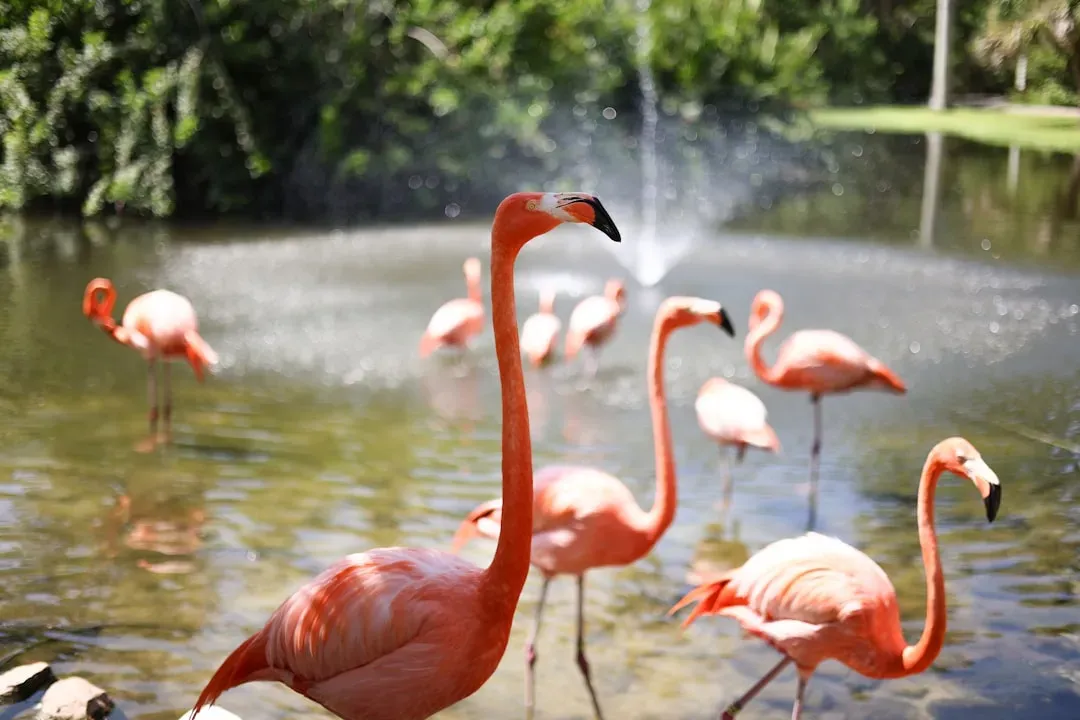
Florida stands alone as the US state , both historically and in terms of current wild populations. Texas, Louisiana, and Georgia follow behind as states with documented sightings, storm-driven visits, and even the occasional long-term solo resident. The rest of the country, from Kentucky to Wisconsin to Ohio, has earned a surprising footnote in flamingo history thanks to hurricanes turning migratory paths completely upside down.
What makes this whole story so compelling is not just the biology. It is what these birds represent: the cost of human destruction, and the remarkable resilience of nature when given even half a chance. The Everglades, once drained and gutted, is slowly healing. The flamingos are noticing.
Next time someone puts a plastic flamingo in their front yard, maybe tell them the real ones are actually coming back. Would you have guessed that wild flamingos are quietly reclaiming American skies? What do you think – will Florida ever see the massive flamboyances of the 1800s again? Drop your thoughts in the comments.

- What It Means When Deer Stop Coming to an Area They Have Visited for Years – and What Wildlife Biologists Say They Are Detecting - July 19, 2026
- 10 Cat Breeds That Love Following Their Owners Everywhere - July 19, 2026
- The Only Place in North America Where You Can Legally Watch a Wild Jaguar From the Roadside – and Why Almost No One Makes the Trip - July 19, 2026