


The oceans are full of mysteries and wonders, but not all of their inhabitants are benign. Among these remarkable creatures is the box jellyfish, often recognized as the most dangerous jellyfish in the world. Known for its venomous sting, this marine animal is now spreading to regions previously unaffected by its presence. This article delves into the reasons behind its growing distribution and the implications for both humans and marine life.
The Box Jellyfish An Overview

The box jellyfish is a member of the class Cubozoa and is named for its distinctive cube-shaped bell. Comprising about 50 different species, with Chironex fleckeri often cited as the most dangerous, these jellyfish are primarily found in the warm coastal waters of the Indo-Pacific region.
A Closer Look at Their Toxicity

The tentacles of the box jellyfish house thousands of nematocysts containing a potent venom. Their sting can cause severe pain, heart failure, and, in some cases, can be fatal within minutes. The venom targets the heart, nervous system, and skin cells, which is why they are regarded as one of the most venomous creatures in the sea.
Natural Habitat and Distribution

Traditionally, the box jellyfish have thrived in the coastal waters of Northern Australia, the Philippines, and parts of Southeast Asia. They prefer shallow, warm waters which facilitate their hunting methods and reproduction cycles. Unfortunately, this traditional habitat range is expanding, posing new challenges for marine ecosystems and coastal communities.
The Spread Contributing Factors
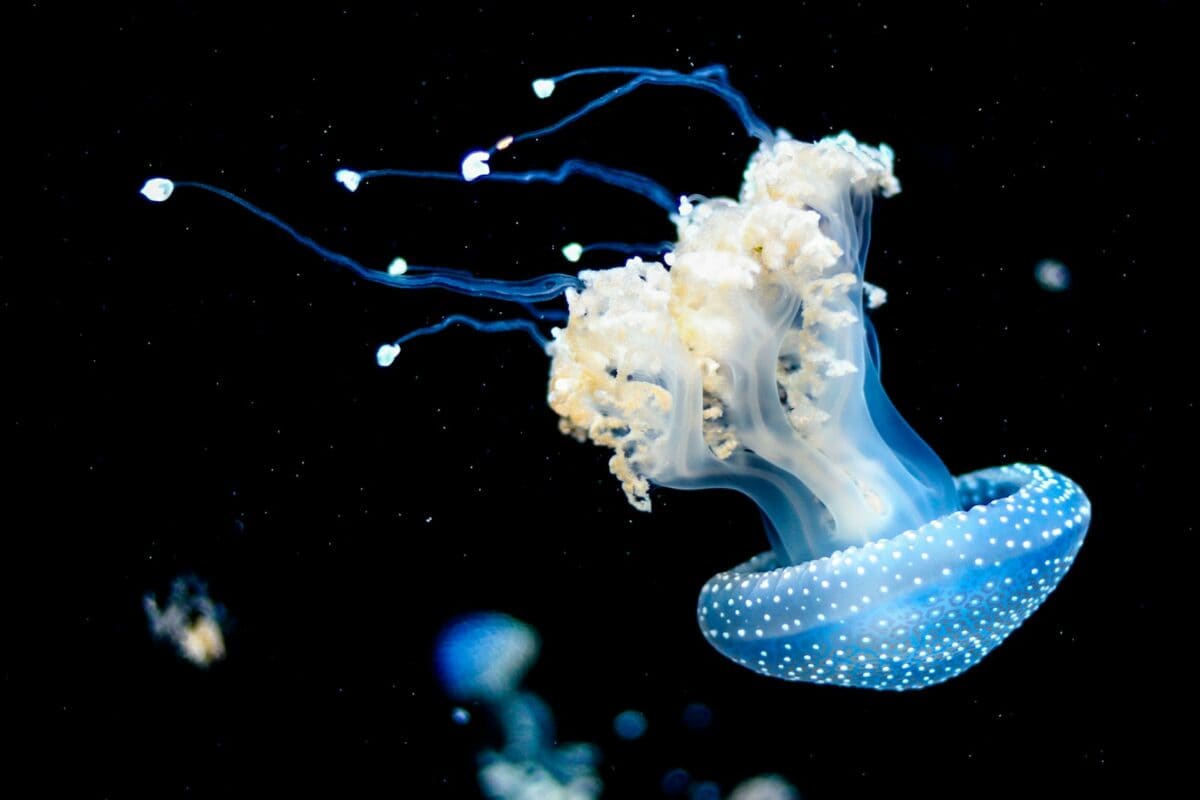
Several factors have contributed to the spread of the box jellyfish. Climate change is a significant factor, as warming sea temperatures allow these creatures to inhabit regions that were previously too cold. Additionally, human activities such as shipping and fishing inadvertently disperse jellyfish, while overfishing reduces their natural predators, aiding their proliferation.
Impact on Marine Ecosystems
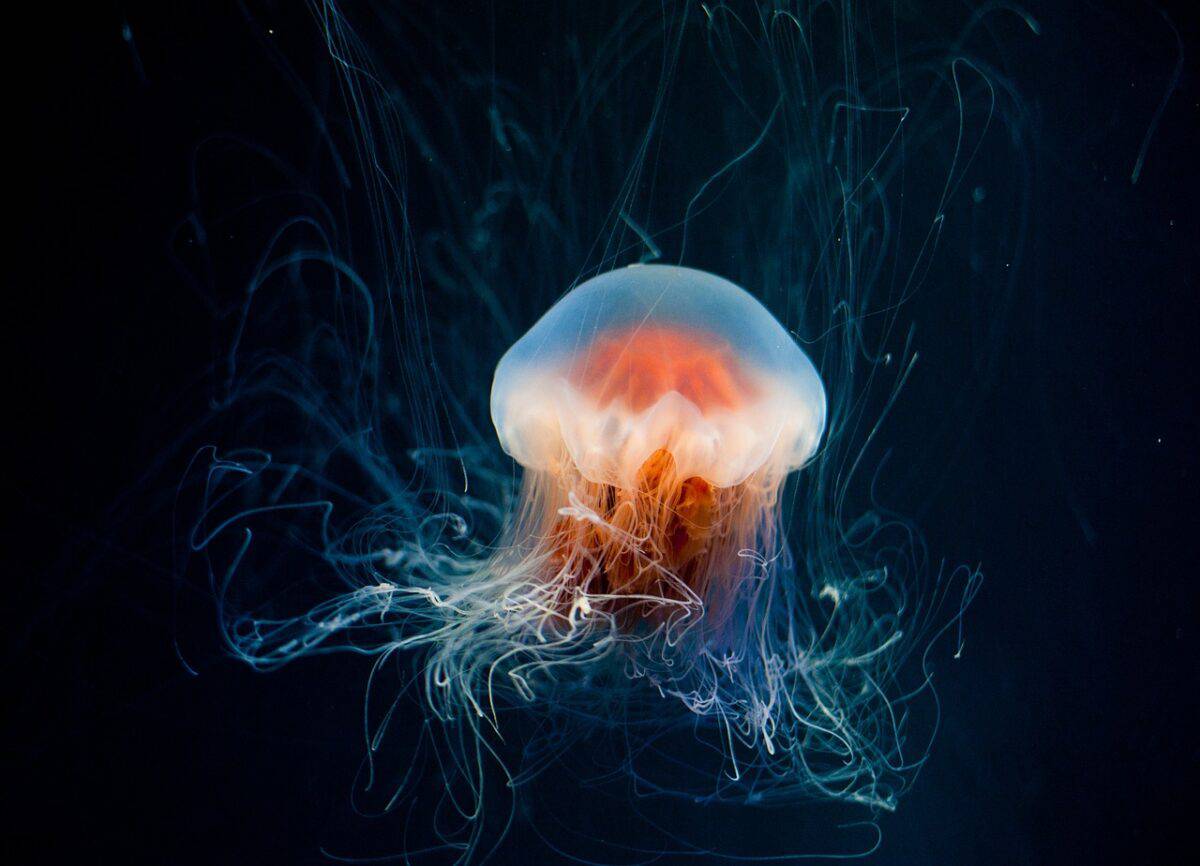
The increase in box jellyfish populations poses a threat to marine biodiversity. They compete with fish for zooplankton, their primary food source, potentially disrupting local food chains. Their presence can also alter the balance of marine ecosystems by reducing the populations of species that local predators rely on.
Consequences for Human Populations

With the spread of box jellyfish, coastal communities face new dangers. Beaches, once safe for recreational activities, may become hazardous. Increased incidents of stings can lead to more hospitalizations, stretching medical resources and causing economic repercussions due to decreased tourism.
Preventive Measures and Safety Tips

To mitigate risks, local governments and beach authorities must implement safety measures such as jellyfish nets, clear signage, and first-aid stations. Individuals should be educated about jellyfish awareness, including how to recognize their presence and administer first aid for stings.
Research and Monitoring Efforts
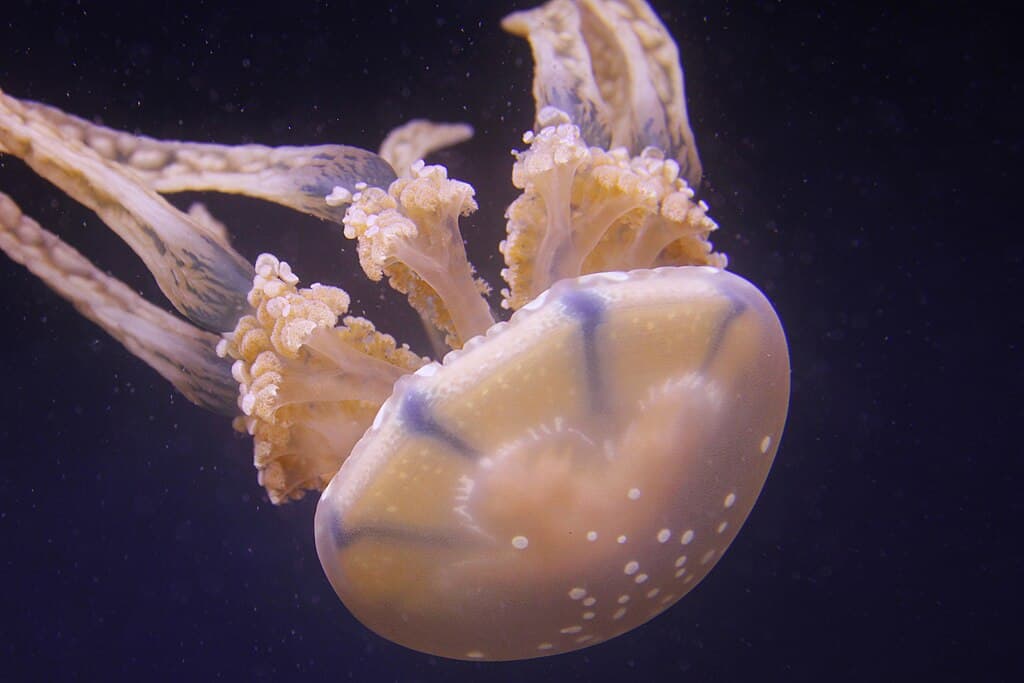
Marine biologists and researchers continue to study box jellyfish, aiming to understand their behavior and venom more comprehensively. Tracking their movement using satellite and genetic data allows for better predictions of their spread, facilitating timely interventions.
The Role of Climate Change
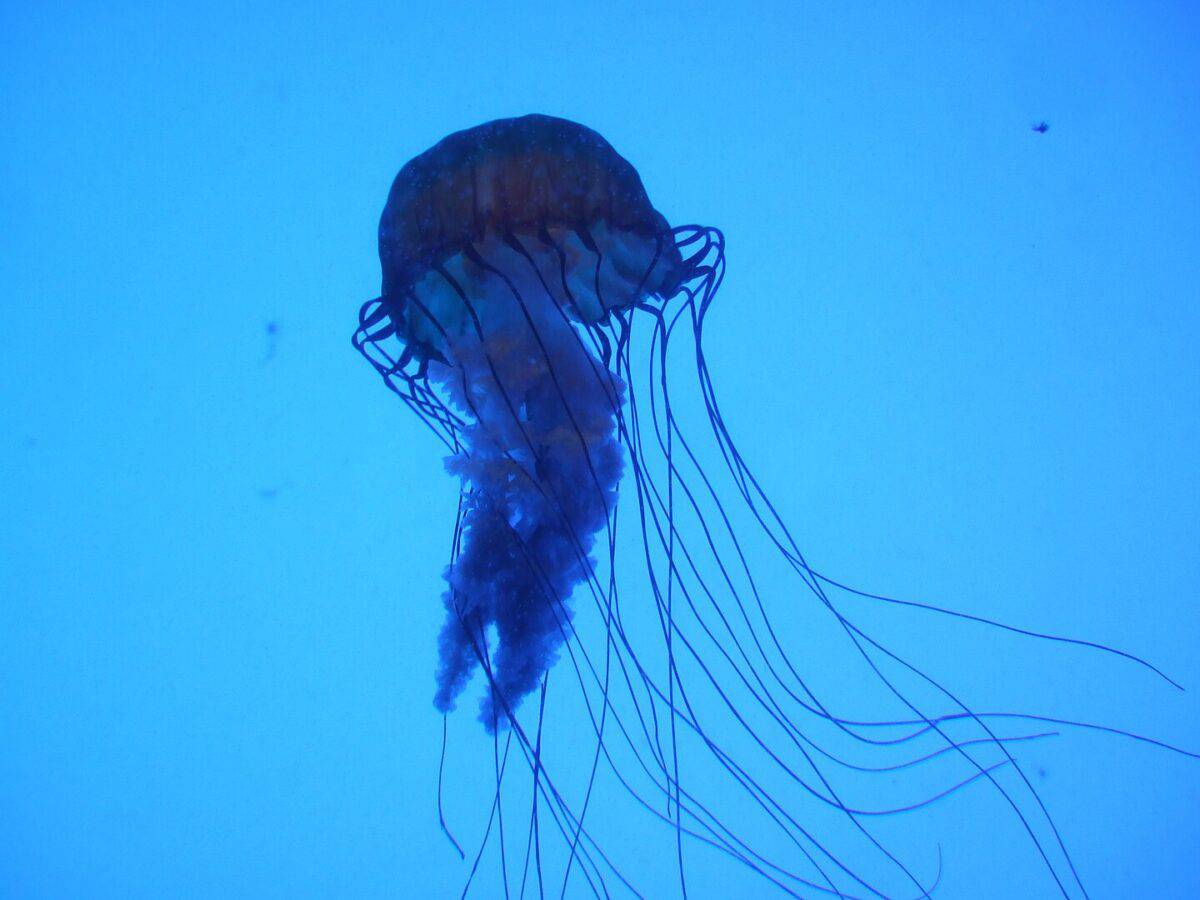
Global warming is reshaping the marine environment, with jellyfish as a prominent indicator. The increased frequency of “jellyfish blooms” is linked to rising ocean temperatures and impacts from human-induced climate change, underscoring the need for sustainable environmental practices.
Potential Treatments and Antivenoms

Advances in medical research offer hope for better treatments for jellyfish stings. Scientists are working on developing more effective antivenoms and first-aid solutions to counteract the venom’s effects, reducing mortality rates associated with encounters with box jellyfish.
Conclusion

The spread of the world’s most dangerous jellyfish is a compelling reminder of the intricate ties between climate, ecosystems, and human activities. Awareness and proactive measures are vital in managing the challenges posed by these marine creatures. Through scientific research, community education, and sustainable practices, we can mitigate the risks and ensure safer cohabitation with our oceanic environments.

As a little kid, I fell in love with nature, wildlife, and animals. Living in the USA, South Africa, Italy, China and Germany gave me the opportunity to discover the world's Wildlife. My favorite animals are Mountain Gorillas, Siberian Tigers, and Great White Sharks.
I'm a certified PADI Open Water Diver, went to Everest Base Camp and Trekked Gorillas in Uganda. I hold a Master of Science in Economics and Finance.
Please send any feedback to feedback@animalsaroundtheglobe.com
- 12 Creatures That Sleep With One Eye Open - June 19, 2026
- 12 Creatures That Understand Fairness and Justice - June 19, 2026
- 13 Times Evolution Got Seriously Creative - June 19, 2026