
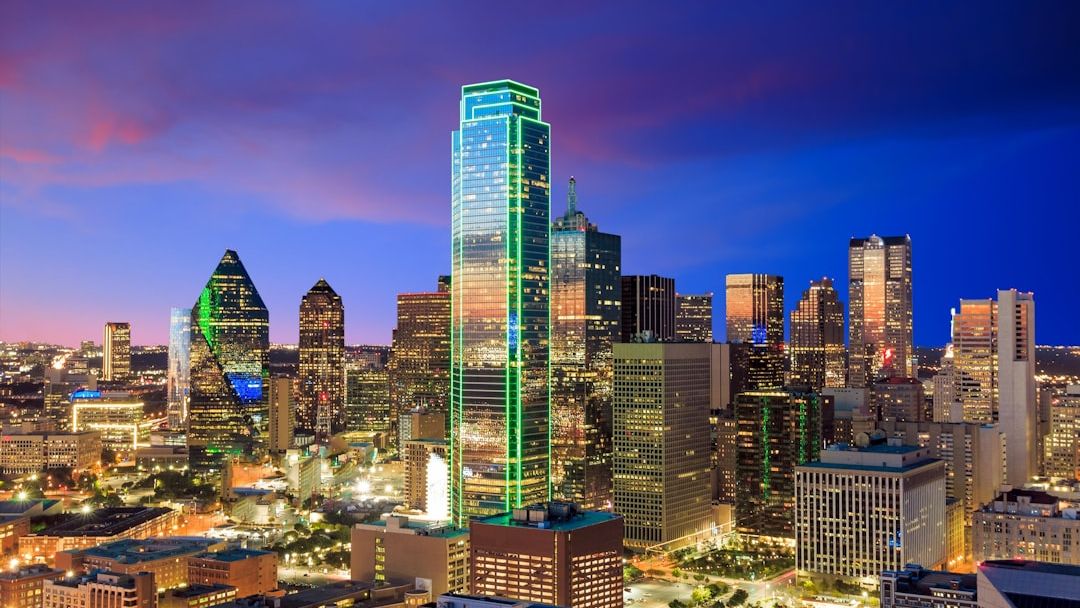
Picture this: skyscrapers tilting ever so slightly, roads cracking without explanation, and floodwaters creeping higher each year. It’s not a disaster movie plot. These issues plague real American cities right now, where the earth itself betrays its residents by sinking millimeter by millimeter.
Shocking as it sounds, satellite data reveals the culprits leading this slow-motion crisis. Let’s uncover the top three offenders and what it means for millions living there.[1][2]
Houston, Texas: America’s Fastest-Sinking Metropolis
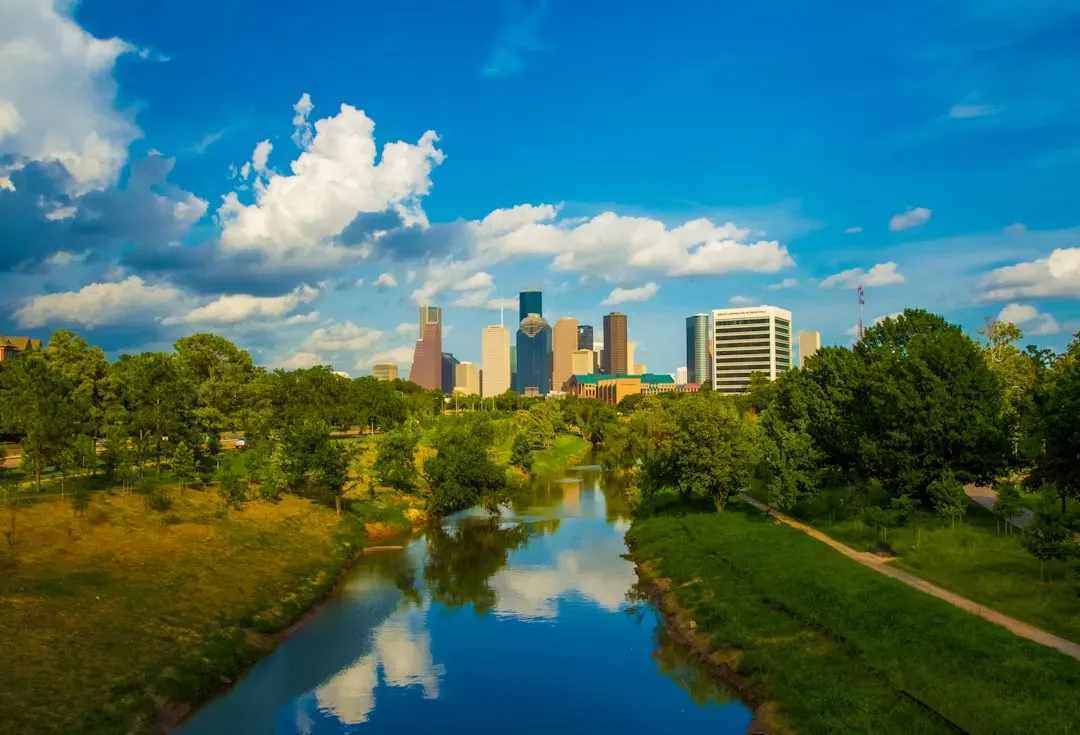
Houston tops the list with brutal speed. Parts of this sprawling Texas hub sink over 20 millimeters annually, while nearly half the city drops more than 5 millimeters a year.[1][3] Imagine streets buckling like old floorboards underfoot. The average rate hits about 5.2 millimeters per year across studied areas.[2]
Groundwater pumping fuels this nightmare, squeezing aquifers dry for the city’s booming population. Oil and gas extraction adds insult, compacting the soil further. Honestly, it’s a wake-up call for how our thirst for resources reshapes the land beneath us.
Fort Worth, Texas: Close Behind in the Subsidence Race
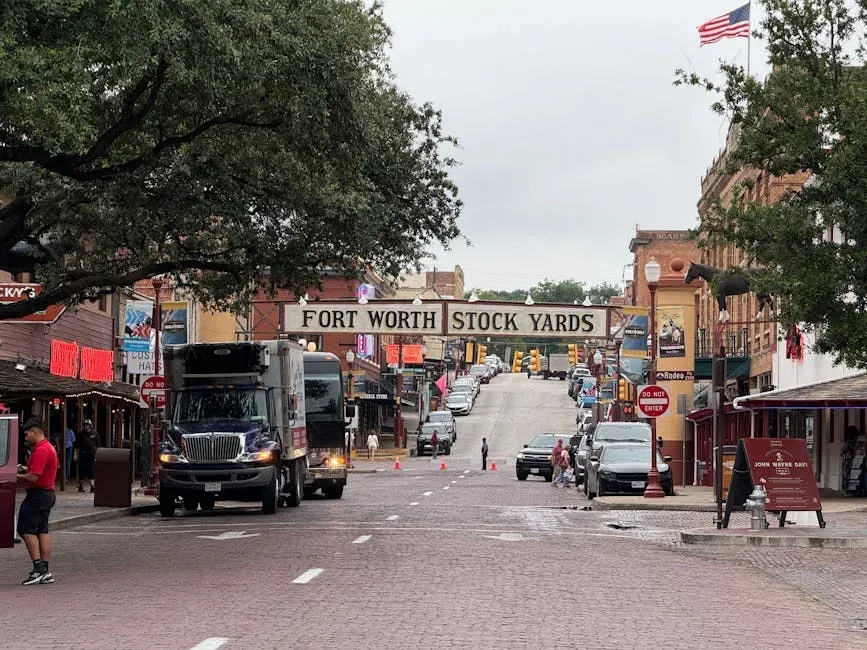
Fort Worth isn’t faring much better, clocking an average subsidence of around 4.4 millimeters yearly. Vast swaths exceed 3 millimeters, putting infrastructure at constant risk.[2][3] Think of it like a sponge slowly deflating after years of squeezing. This Texas powerhouse feels the pinch acutely.
Similar to its neighbor, excessive groundwater withdrawal drives the drop. Rapid urban growth amplifies the problem, straining underground reserves. Here’s the thing: these rates could worsen without intervention.
Local efforts to regulate pumping show promise, yet challenges persist.
Dallas, Texas: The Third Heaviest Hitter
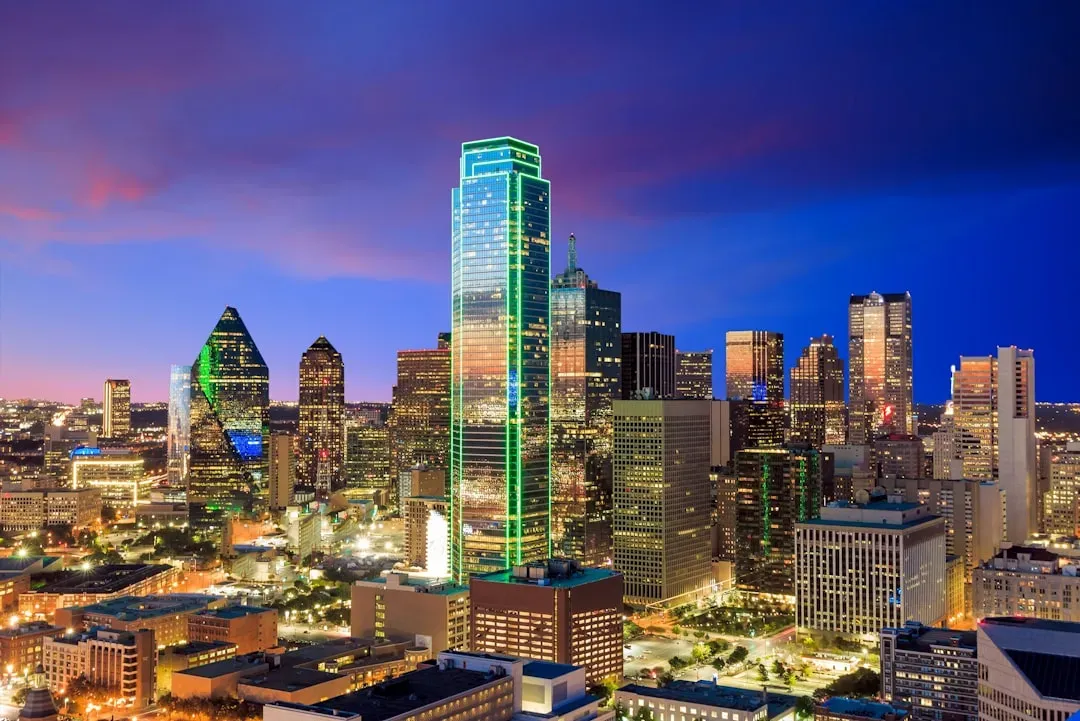
Dallas sinks at roughly 3.8 millimeters per year on average, still alarming for a major metro.[2] Over 10% of the area plunges faster than 3 millimeters, threatening pipelines and buildings alike.[3] It’s like watching a foundation settle too fast, unevenly.
Groundwater overuse remains the prime suspect here too. The city’s expansion devours water faster than nature replenishes it. I know it sounds relentless, but data doesn’t lie.
Combined with neighbors, Texas cities dominate the sinking charts.
Why Groundwater Rules the Subsidence Game
Pumping aquifers dry causes soil to compact irreversibly. Texas thrives on this water for homes and industry, but the ground pays the price.[4] Droughts from climate shifts make it worse, leaving less recharge.
Oil extraction in Houston’s case accelerates the collapse. Legacy effects linger too, though groundwater claims 80% blame nationwide.[5] Let’s be real: human demand outpaces nature’s limits.
Damaging Ripples Across Infrastructure
Sinking warps sewers, tilts bridges, and invites floods. In Houston, 34 million Americans across sinking zones face heightened risks.[6] Roads crack; utilities fail prematurely.
Costs skyrocket for repairs, burdening taxpayers. Flooding turns routine rains catastrophic. It’s a hidden threat multiplying sea-level woes.
Yet awareness grows, spurring satellite monitoring.
Paths Forward Amid the Drop
Regulating groundwater extraction offers hope. Some Texas spots already limit pumping successfully. Switching to surface water could ease pressure.
Engineered fixes like grout injection stabilize soil in spots. Urban planning must adapt, elevating critical structures. Change demands tough choices now.
The Sinking Reality Check
These three cities highlight a national vulnerability affecting millions. Houston, Fort Worth, and Dallas sink fastest, driven by our water habits.[7] Ignoring it invites disaster.
What steps will leaders take? Your city might be next. Share your thoughts below – what surprises you most?[2]

- 7 Hidden Conditions That Invite Termites Into Your Walls - August 6, 2026
- What It Means When Hummingbirds Return on Nearly the Same Date Every Year - August 6, 2026
- What It Means When a Dog Refuses to Enter a Room It Once Loved - August 6, 2026