

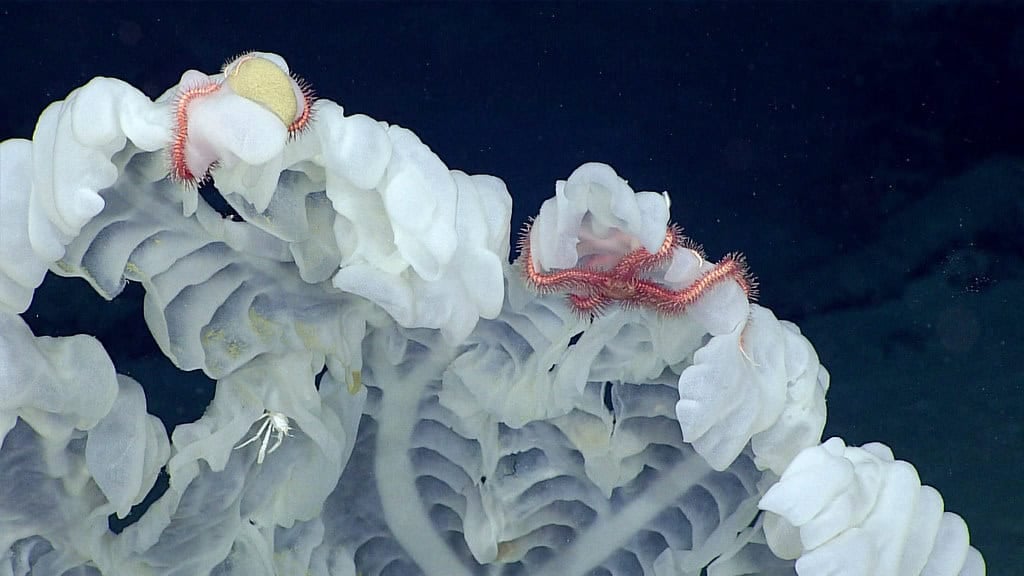
When we contemplate longevity in the natural world, most of us think of thousand-year-old trees or perhaps centenarian tortoises. But beneath the frigid waters of Antarctica lives an organism that may be the oldest living animal on our planet. The Antarctic glass sponge, scientifically known as Anoxycalyx joubini, challenges our understanding of biological lifespans with individuals potentially exceeding 15,000 years of age. This remarkable creature has survived multiple ice ages, the rise and fall of human civilizations, and countless environmental changes while silently filtering water in the depths of the Southern Ocean. Join us as we explore this ancient marvel and other contenders for the title of Earth’s oldest living organism.
The Remarkable Antarctic Glass Sponge
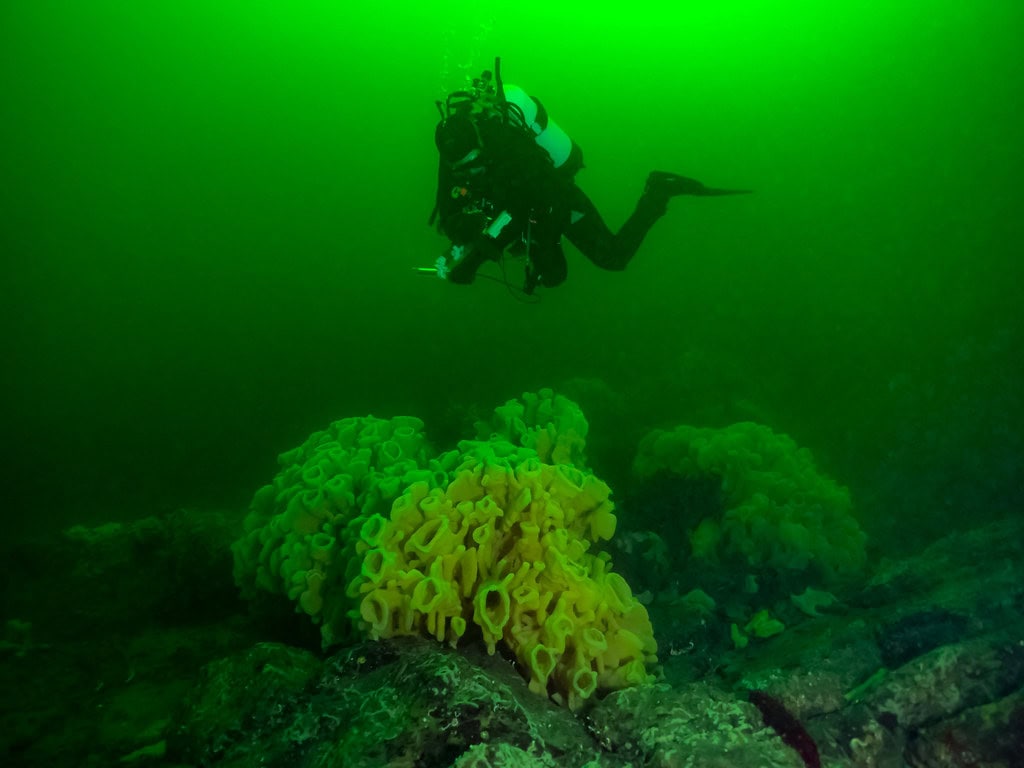
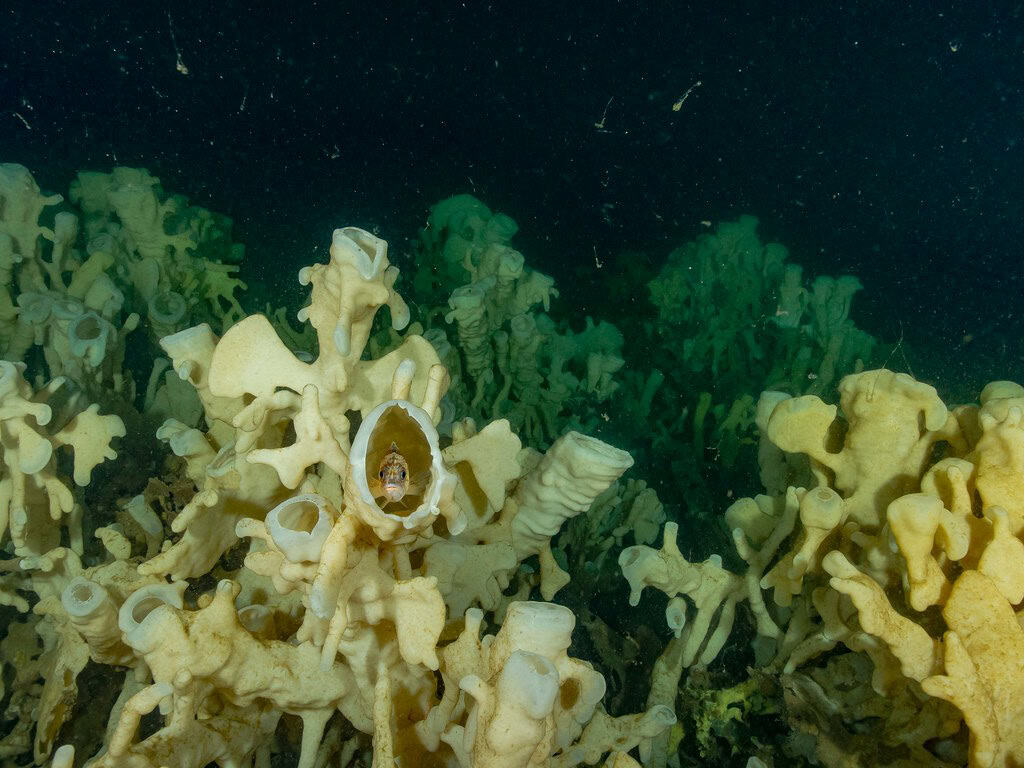
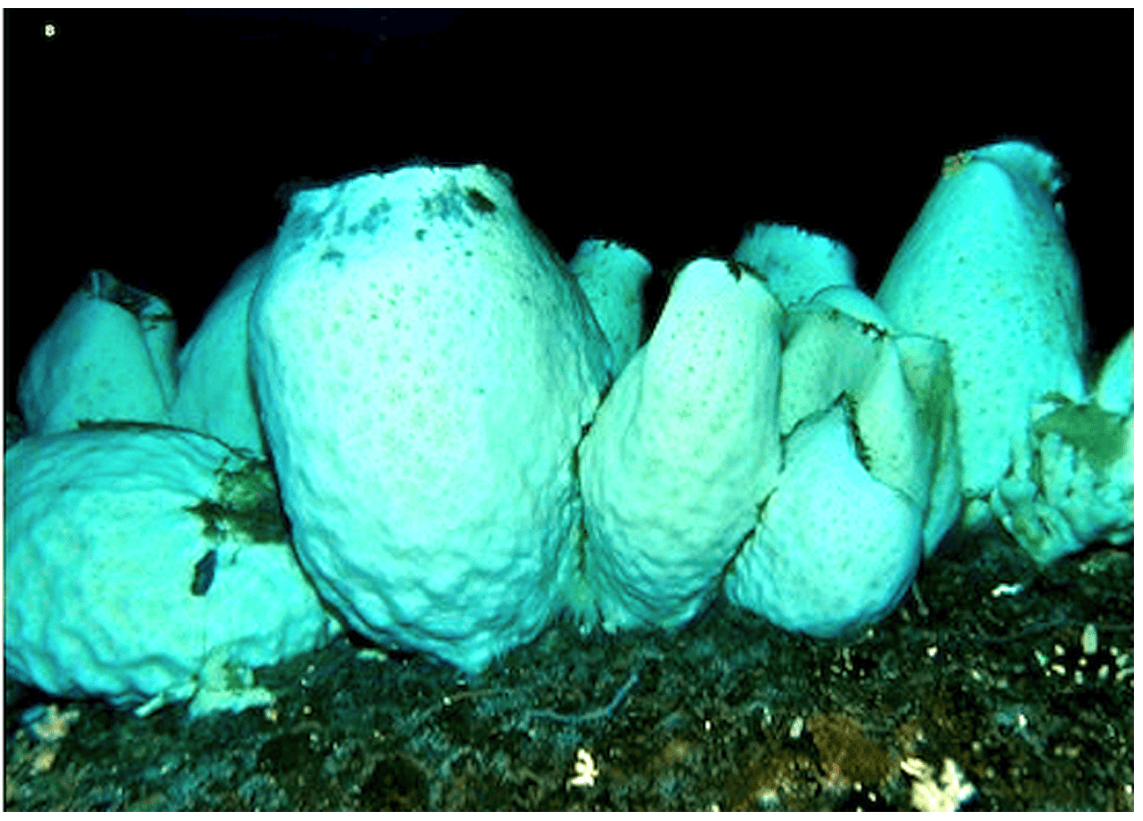
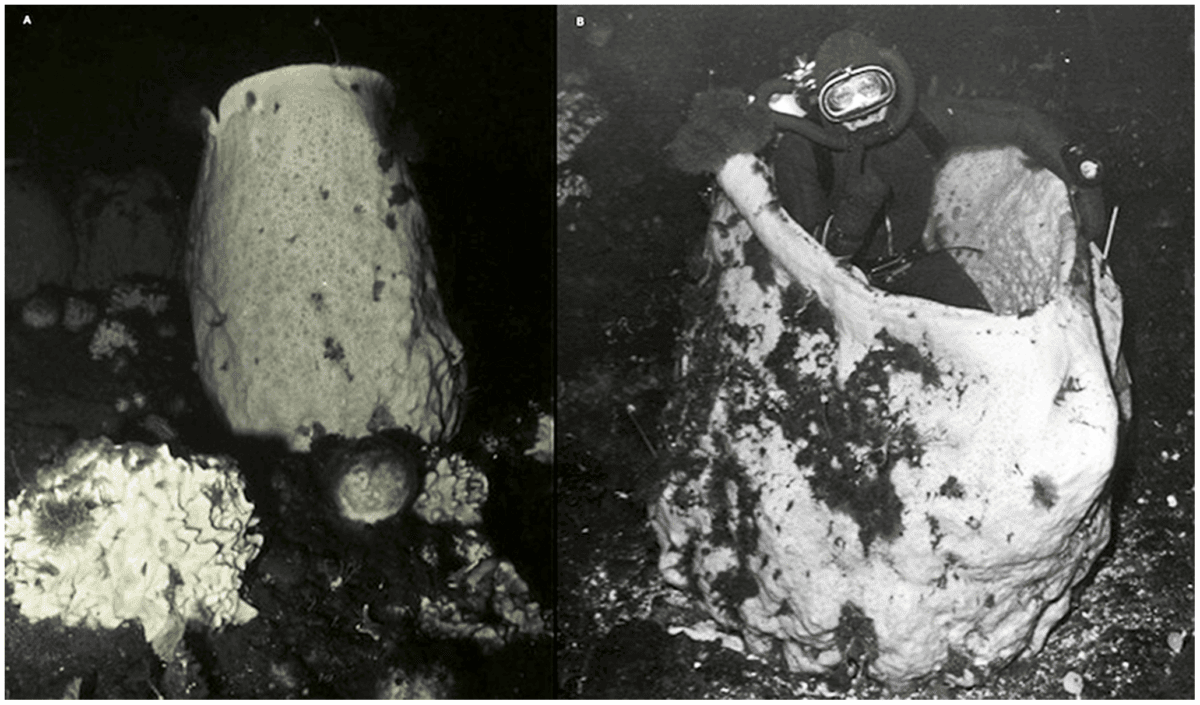
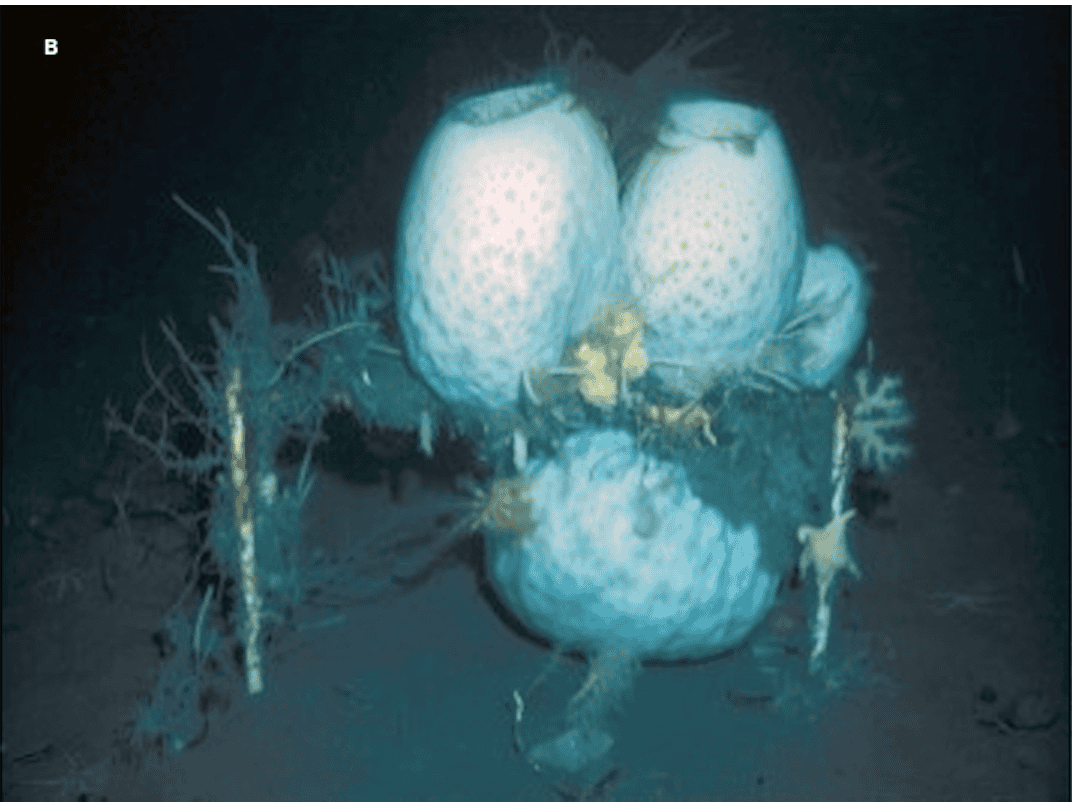
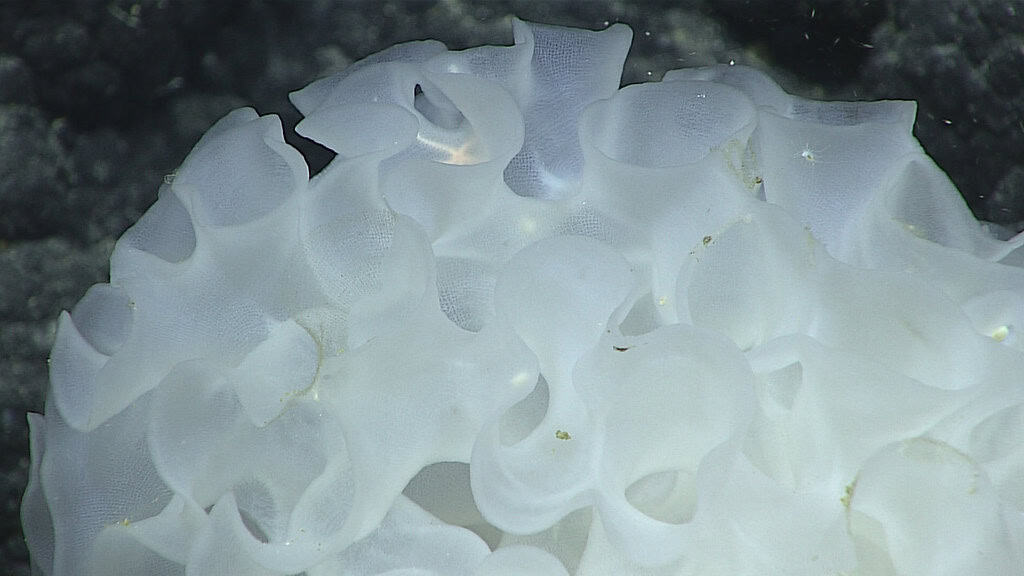
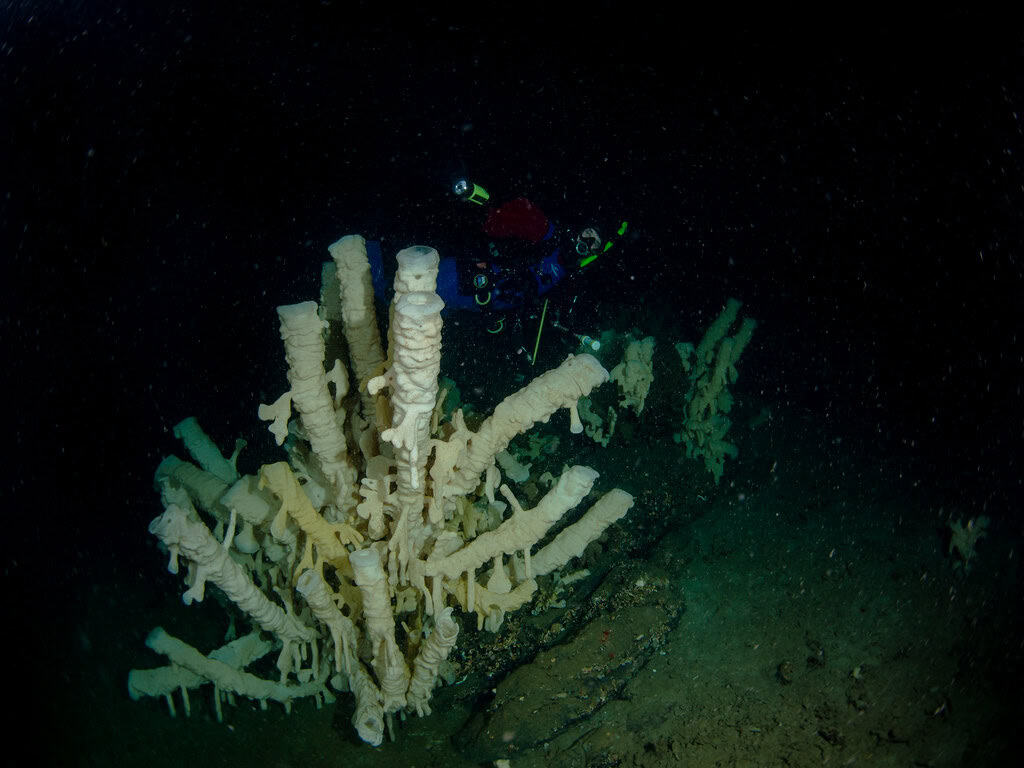
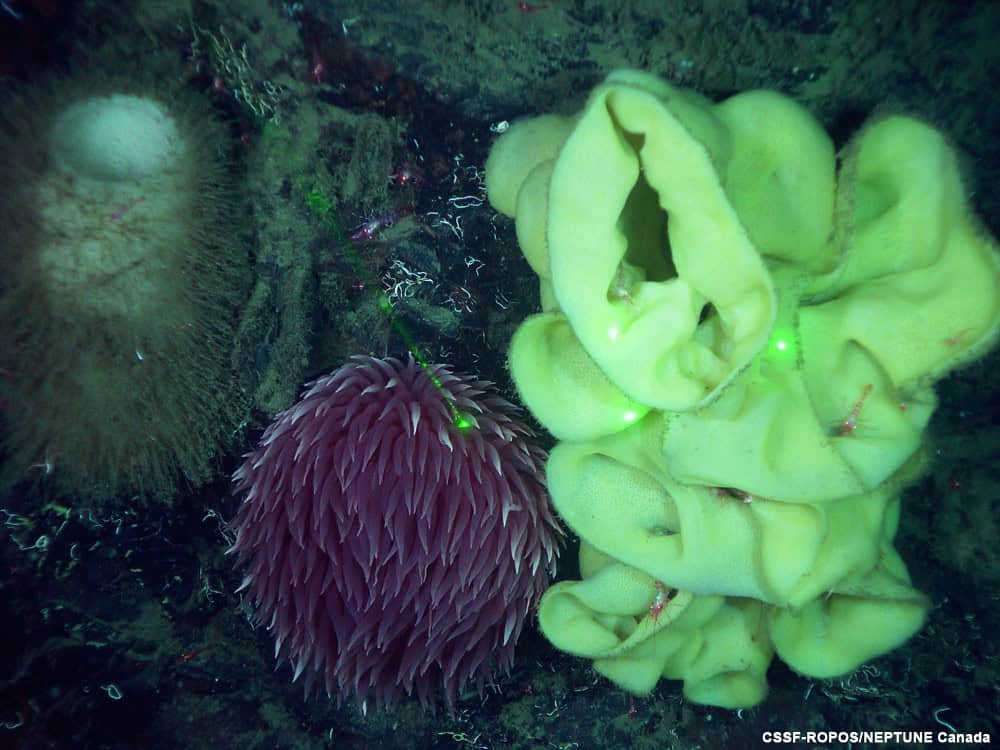
The Antarctic glass sponge (Anoxycalyx joubini) belongs to the phylum Porifera, one of the most primitive multicellular animal groups on Earth. These sponges can grow to impressive sizes, with some specimens reaching over 2 meters (6.5 feet) in height, resembling delicate glass vases on the seafloor. Their skeletal structure consists of silica spicules that form intricate, glass-like networks providing both support and protection.
What makes these sponges particularly remarkable is their incredible longevity. Scientists have estimated that some larger specimens may be between 10,000 and 15,000 years old, based on their size and extremely slow growth rates. These estimates come from careful measurements showing that Antarctic glass sponges grow at rates of just 0.01-0.1 millimeters per year. This glacial pace of development means that a meter-tall sponge could easily be thousands of years old, making them strong contenders for the title of oldest living animals on Earth.
Determining the Age of Ancient Organisms
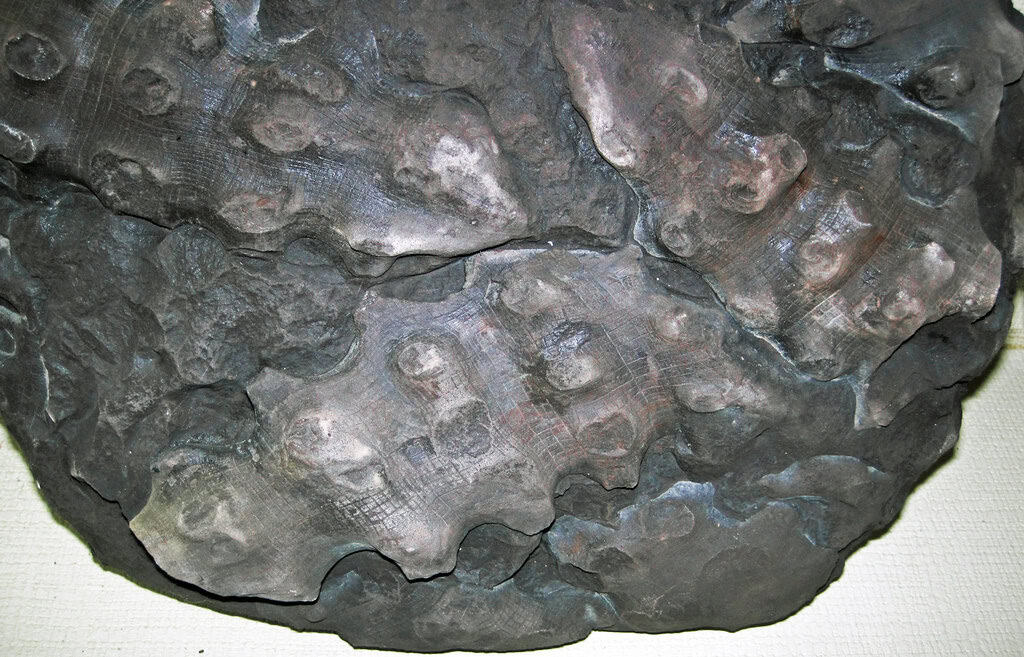
Dating extremely long-lived organisms presents unique challenges to scientists. Unlike vertebrates, which often have growth rings or other time markers, many of the oldest living things lack clear chronological indicators. For Antarctic glass sponges, researchers use a combination of methods to estimate age. They measure known growth rates in controlled environments and extrapolate based on the size of wild specimens. Additionally, they analyze the accumulation of certain isotopes and genetic mutations that occur over time.
Carbon dating, which is effective for determining the age of organic material up to about 50,000 years old, has limitations when applied to living organisms that continuously incorporate new carbon. For extremely old organisms like the Antarctic glass sponge, scientists must often rely on indirect evidence, including environmental context, sedimentation rates, and comparative studies with similar species. These methods, while not providing precise birthdates, give us reasonable estimates of these ancient creatures’ astonishing ages.
Life in Slow Motion: How Glass Sponges Survive

The extraordinary longevity of Antarctic glass sponges is directly linked to their extremely slow metabolism. In the frigid waters of Antarctica, where temperatures hover just above freezing, these sponges have evolved to operate at a pace that seems almost suspended in time. Their cells divide incredibly slowly, and their energy requirements are minimal compared to most other animals. This biological slow motion allows them to withstand long periods with minimal resources.
Glass sponges are filter feeders, drawing water through their porous bodies to extract microscopic food particles. A single large sponge can filter up to 1,800 gallons (6,800 liters) of water daily despite its seemingly inactive state. Their efficient design allows them to survive with minimal energy expenditure, contributing to their exceptional lifespan. Additionally, these sponges possess remarkable regenerative abilities, enabling them to repair damage from ice scour and other environmental hazards that they’ve faced throughout millennia.
Other Ancient Animal Contenders
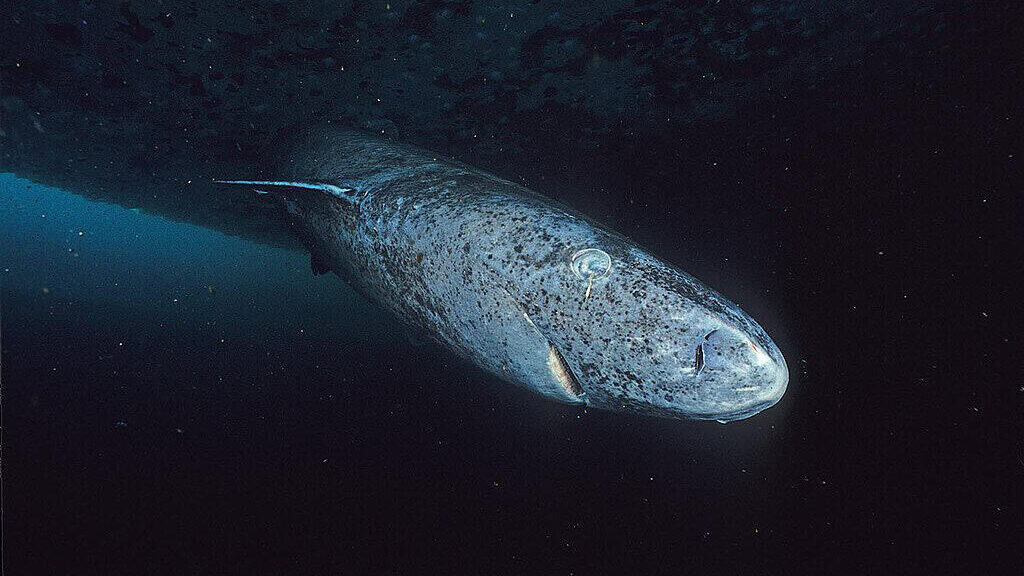
While Antarctic glass sponges may hold the record for the oldest individual animals, several other species demonstrate remarkable longevity. The Greenland shark (Somniosus microcephalus) has been documented to live over 400 years, with some individuals possibly reaching 500 years of age. These sharks grow extremely slowly, reaching sexual maturity only after about 150 years, and swim through the cold, deep waters of the North Atlantic at a literal snail’s pace.
Ocean quahogs (Arctica islandica), a type of clam found in the North Atlantic, have documented lifespans exceeding 500 years. The oldest known specimen, nicknamed “Ming,” was 507 years old when scientists accidentally killed it during research. Deep-sea tubeworms found near hydrothermal vents can live for over 300 years, while bowhead whales regularly reach ages of 200+ years. These examples demonstrate that extreme longevity has evolved independently multiple times, particularly in cold, stable environments where metabolic processes slow dramatically.
Plant Contenders for the Oldest Living Things
When expanding our search beyond the animal kingdom, several plant species challenge the Antarctic glass sponge for the title of oldest living organism. The Great Basin bristlecone pine (Pinus longaeva) includes individuals verified to be over 5,000 years old, with “Methuselah” in California’s White Mountains being approximately 4,853 years old. These gnarled, weather-beaten trees survive in harsh, high-altitude environments where their slow growth contributes to their remarkable durability and resistance to disease and pests.
Clonal plant colonies present an even more impressive case for longevity. “Pando,” a clonal colony of quaking aspen trees in Utah, is estimated to be at least 80,000 years old, potentially reaching 1 million years. Similarly, a Tasmanian king’s holly (Lomatia tasmanica) clone in Australia is estimated to be at least 43,000 years old. These plants propagate by sending up new shoots from a single root system, allowing the organism as a whole to survive even as individual stems die and are replaced. This raises philosophical questions about what constitutes an “individual” living thing when discussing extreme longevity.
Microbial Ancients: Bacteria and Archaea
The competition for Earth’s oldest living organisms becomes even more intriguing when we include microorganisms. In 2000, scientists revived bacteria that had been trapped in salt crystals for 250 million years, suggesting some microbes can remain viable in suspended animation for unimaginable time periods. While technically not “living” continuously during this time, these organisms blur the boundaries of what we consider life and dormancy.
More controversially, researchers claimed to have revived bacterial spores from 25-40 million-year-old amber and even 100-million-year-old dinosaur-era sediments. While some scientists question these findings due to potential contamination issues, the discovery of living bacteria in deep subsurface environments thousands of meters below Earth’s surface suggests that some microbial communities may have been slowly metabolizing and reproducing for millions of years in isolation. These findings challenge our understanding of biological longevity and the limits of life itself.
Environmental Factors Contributing to Extreme Longevity
Several environmental factors appear consistently among extremely long-lived organisms. Cold temperatures significantly slow metabolic processes and chemical reactions that contribute to aging. This explains why many record-holders for longevity come from polar or deep ocean environments. The stable, unchanging nature of these habitats also plays a crucial role—organisms that don’t need to adapt quickly to changing conditions can invest resources in maintenance rather than rapid reproduction.
Limited predation and competition also contribute to extreme longevity. Many long-lived organisms have evolved chemical or physical defenses that deter predators, or they live in environments with few natural enemies. Additionally, access to reliable, if limited, nutrients allows for consistent but slow growth. Antarctic glass sponges benefit from all these factors: they live in cold, stable waters with minimal predation and a consistent, if sparse, food supply delivered by ocean currents. These conditions have created the perfect environment for the evolution of extraordinary lifespans.
The Biological Secrets of Aging Slowly
At the cellular level, extremely long-lived organisms demonstrate several adaptations that prevent or slow the aging process. Many possess enhanced DNA repair mechanisms that correct mutations before they can accumulate and cause cellular dysfunction. Antarctic glass sponges, for instance, show evidence of highly efficient DNA repair systems that maintain genetic integrity over thousands of years. Similarly, these organisms often have heightened antioxidant defenses that neutralize free radicals before they can damage cellular components.
Telomere maintenance represents another critical adaptation in long-lived species. Telomeres, the protective caps on chromosome ends, typically shorten with each cell division, eventually leading to cellular senescence. However, many long-lived organisms maintain their telomeres more effectively or have evolved alternative mechanisms to protect chromosome ends. Additionally, these ancient creatures often demonstrate remarkably stable epigenetic patterns—the chemical modifications that regulate gene expression—allowing them to maintain proper cellular function over extraordinarily long periods without the dysregulation typically associated with aging.
Threats to Ancient Organisms in the Modern World
Despite surviving for thousands or even millions of years, many of Earth’s oldest organisms now face unprecedented threats from human activity. Climate change poses a particular danger to the Antarctic glass sponge as ocean warming and acidification alter the delicate chemical balance these ancient animals depend on. Additionally, as previously inaccessible polar regions open to fishing and other commercial activities, physical damage to seafloor habitats threatens sponge communities that took millennia to develop.
Pollution represents another significant threat, with microplastics and chemical contaminants now reaching even the most remote ocean depths. Organisms that evolved in pristine environments over thousands of years may lack mechanisms to cope with these novel pollutants. Conservation efforts for these ancient beings face unique challenges due to the extremely slow recovery potential—if a 10,000-year-old sponge is destroyed, it would take another 10,000 years for a similar specimen to develop, assuming environmental conditions remain suitable. This places special responsibility on humanity to protect these living fossils that have witnessed so much of Earth’s history.
Scientific Importance of Studying Ancient Organisms
Extremely long-lived organisms offer unique opportunities for scientific research across multiple disciplines. Geneticists study their DNA to understand mechanisms that prevent mutation accumulation and maintain genomic stability over thousands of years. Physiologists examine their cellular processes to identify pathways that resist aging and environmental stress. These studies may eventually contribute to human medical advances, particularly in fields related to longevity and age-related diseases.
Perhaps most importantly, ancient organisms serve as invaluable archives of environmental history. Antarctic glass sponges incorporate trace elements from the surrounding water into their silica skeletons as they grow, creating a continuous record of ocean chemistry stretching back thousands of years. Similarly, the growth patterns in ancient trees record climate conditions through centuries. By studying these living time capsules, scientists can reconstruct past environments with remarkable precision, providing crucial context for understanding current climate change and predicting future environmental shifts with greater accuracy.
Philosophical Implications of Extreme Longevity
The existence of organisms that have lived for thousands or potentially millions of years raises profound philosophical questions about the nature of life and time. These ancient beings have “witnessed” the entirety of human civilization—while a 15,000-year-old Antarctic glass sponge was already ancient when humans first developed agriculture, it remains alive today, quietly filtering the same Antarctic waters. This perspective challenges our human-centered view of history and our perception of time itself.
These organisms also complicate our definitions of individual life. When a clonal plant colony has persisted for potentially hundreds of thousands of years through continuous regeneration, is it still the “same” organism? When bacteria enter suspended animation for millions of years before resuming activity, have they “lived” that entire time? As we discover more examples of extreme longevity across different life forms, we are forced to reconsider our understanding of what constitutes a lifespan and perhaps even what constitutes life itself. These ancient beings remind us that human existence represents just a brief moment in Earth’s biological timeline.
The Continuing Search for Earth’s Oldest Living Things
The quest to identify Earth’s oldest living organisms continues as scientists develop new techniques to accurately date ancient life forms and explore previously inaccessible environments. Recent technological advances in deep-sea exploration, including improved ROVs (remotely operated vehicles) and sampling methods, are enabling researchers to study Antarctic glass sponges and other deep-sea organisms in unprecedented detail. Similarly, new molecular dating techniques are providing more accurate age estimates for organisms that lack traditional growth rings or other visible age markers.
Future discoveries may well reveal even older living specimens than those currently known. Large portions of the deep ocean remain unexplored, particularly beneath ice shelves and in extreme depths. Dense forests and remote mountain regions may harbor undiscovered ancient plants. Underground ecosystems, only recently recognized as significant habitats for life, could contain microbial communities that have persisted in isolation for millions of years. The Antarctic glass sponge currently represents our best candidate for the oldest animal individual, but the story of Earth’s most ancient living beings continues to evolve as our exploration and understanding deepen. These remarkable organisms connect us directly to Earth’s distant past and remind us of the extraordinary diversity of life’s adaptations to persist through time.

From exploring the marine wonders in the Azores and witnessing the vast savannas of Kenya, to delving deep into the rich biodiversity of South Africa and traversing iconic landscapes in Australia and the US like Yellowstone, Chris's experiences are vast.
With a penchant for diving alongside sharks, the ocean holds a special place in his heart.
Through his academic insights, he champions wildlife conservation, striving with 'Animals Around The Globe' to cultivate a profound connection between humans and animals, enhancing our mutual appreciation.
Connect with him at Feedback@animalsaroundtheglobe.com.
- How Close Are We to Cloning the Woolly Mammoth? - July 18, 2026
- The Most Venomous Creature in the U.S. - July 18, 2026
- Banned! Exotic Pets That Are Illegal to Own in the US - July 18, 2026