

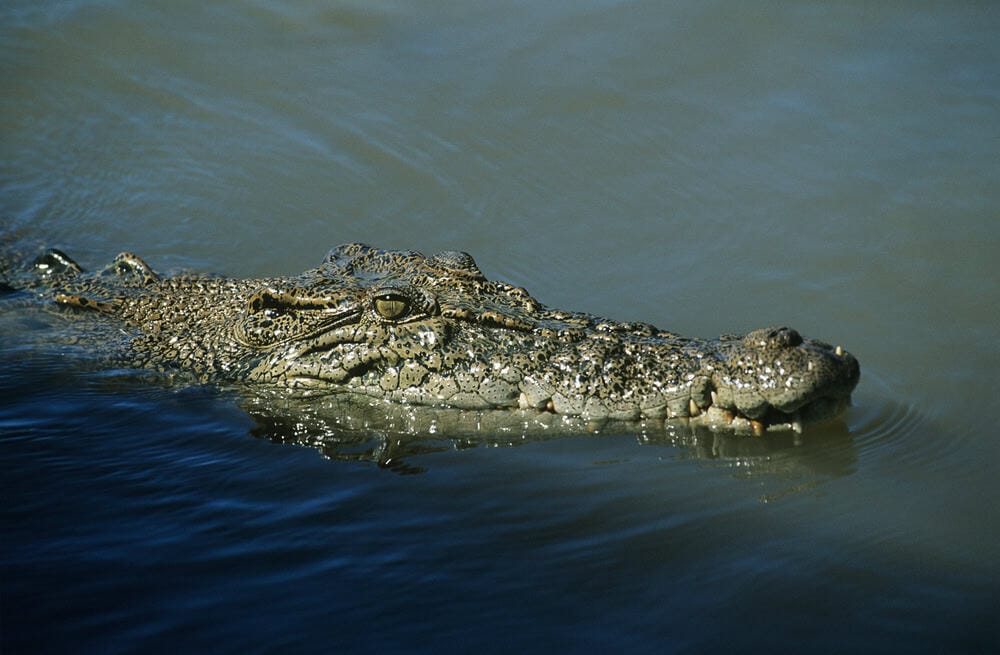
Imagine coming face-to-face with a creature that ruled the waters millions of years ago, a creature so massive that it could rival the size of a modern-day school bus. This isn’t a scene from a science fiction movie, but a reality from Earth’s ancient past. The prehistoric crocodile, known as Sarcosuchus, was one of the most formidable predators of its time. With a length that could stretch up to 40 feet, Sarcosuchus was truly a giant in the world of crocodiles, capturing the fascination of scientists and animal enthusiasts alike.
The Discovery of Sarcosuchus
The story of Sarcosuchus begins with its discovery in the harsh landscapes of the Sahara Desert. In the mid-20th century, French paleontologist Albert-Félix de Lapparent stumbled upon fossilized remains that hinted at a massive creature. However, it wasn’t until the 1990s that a team led by American paleontologist Paul Sereno unearthed more complete fossils, revealing the true scale of this ancient giant. These discoveries painted a vivid picture of Sarcosuchus as one of the largest crocodile-like reptiles to have ever existed.
Physical Features of the Giant Crocodile

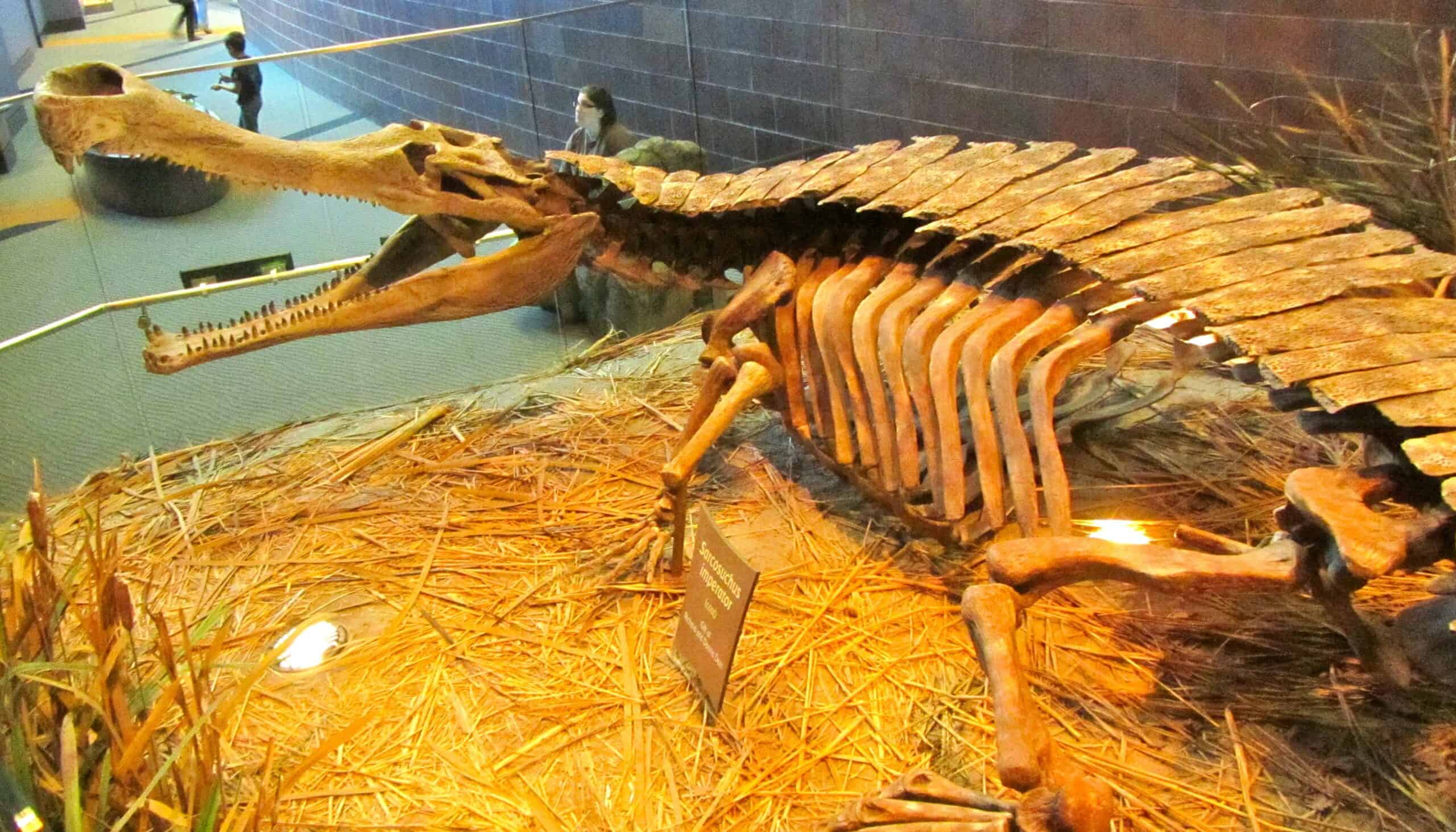
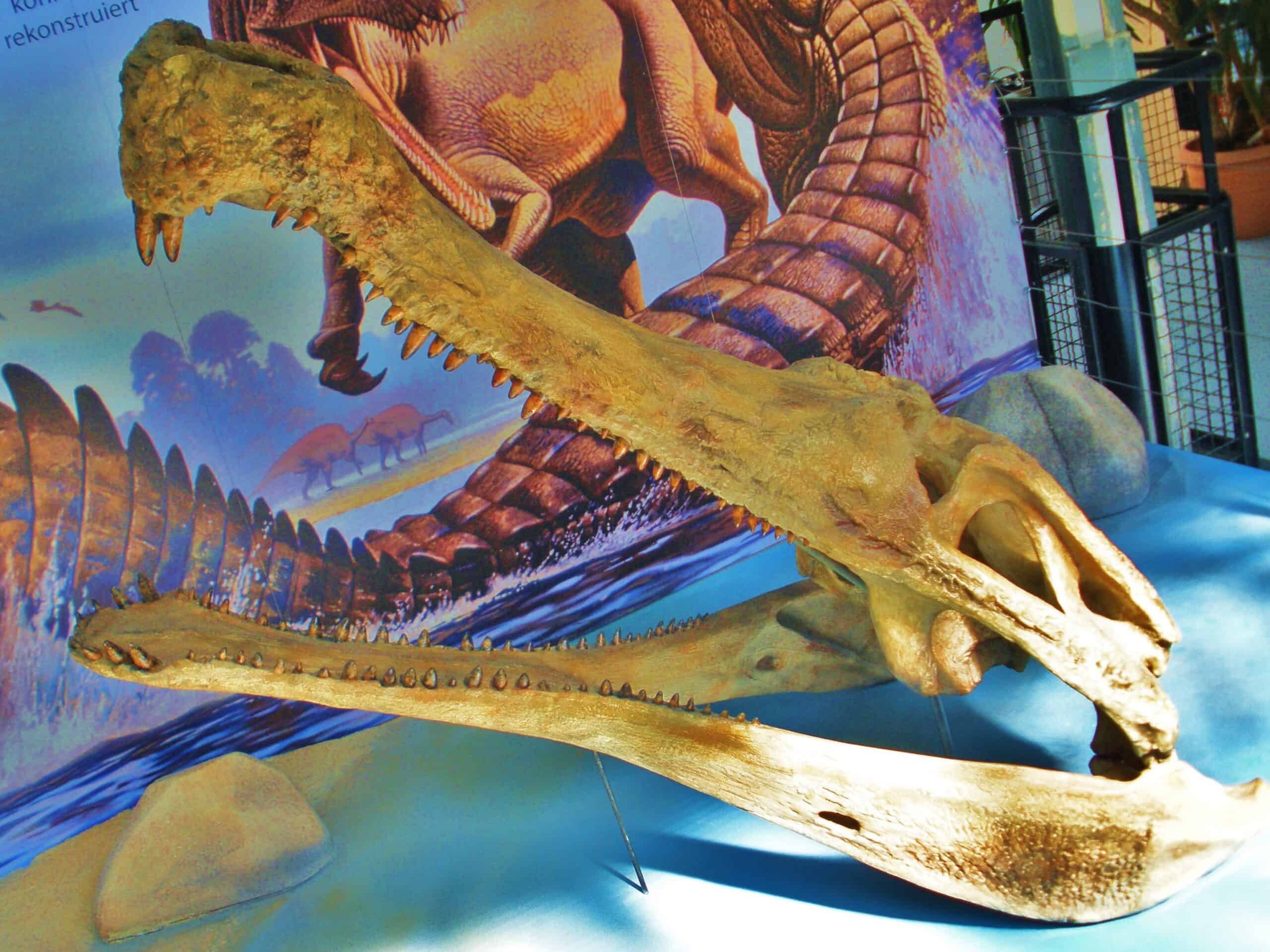
Sarcosuchus was not just any ordinary crocodile. Its physical features were both awe-inspiring and intimidating. The creature’s skull alone was nearly as long as a human adult, adorned with a massive snout and over 100 teeth designed for gripping and tearing flesh. Its body, covered in bony plates called scutes, protected against potential threats. Despite its size, Sarcosuchus was believed to be an agile swimmer, capable of ambushing unsuspecting prey with incredible speed.
Habitat and Lifestyle

During the Cretaceous period, Sarcosuchus roamed the expansive river systems and lush wetlands of what is now Africa and South America. These environments provided the ideal hunting grounds for such a large predator. Its diet likely consisted of fish, smaller dinosaurs, and possibly even other crocodiles. With its powerful jaws and stealthy approach, Sarcosuchus was the apex predator of its time, dominating the waters it inhabited.
A Comparison with Modern Crocodiles

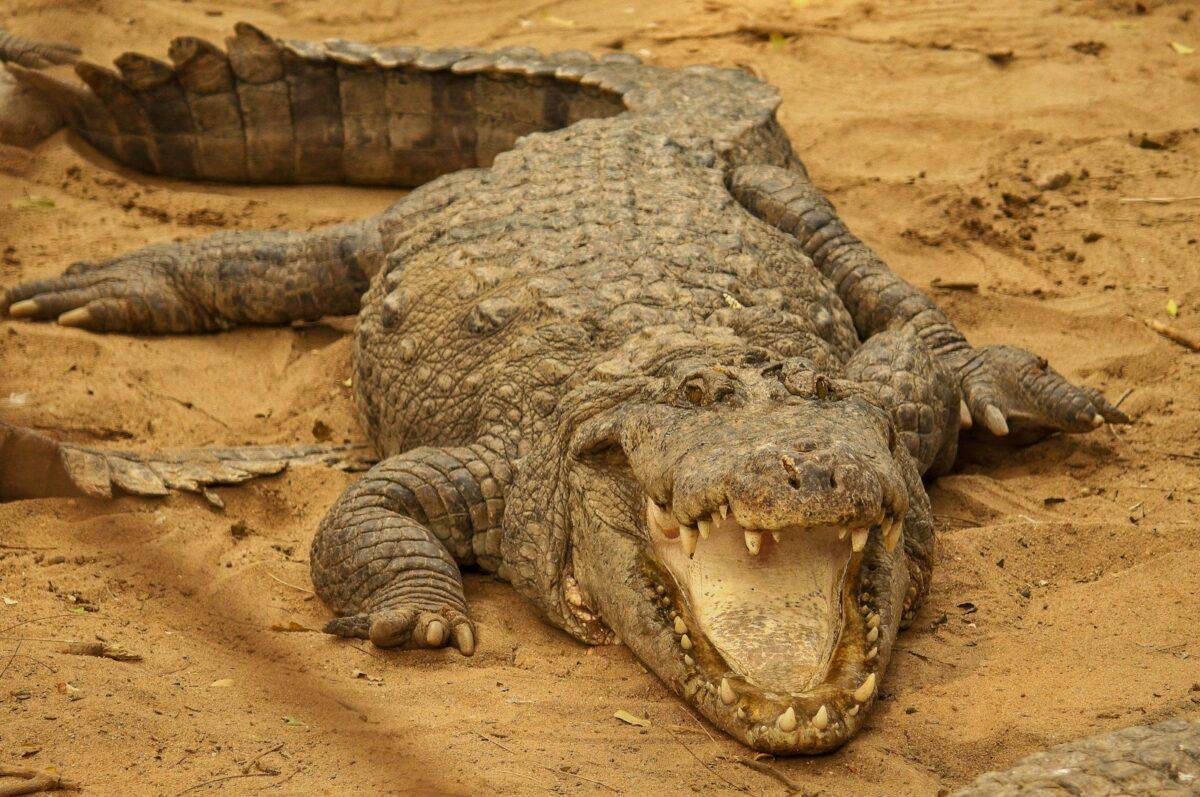
While modern crocodiles are certainly impressive in their own right, they pale in comparison to the sheer size and power of Sarcosuchus. The largest living crocodile species, the saltwater crocodile, can reach lengths of up to 23 feet. However, Sarcosuchus dwarfed even this formidable creature. The comparison highlights the evolutionary changes that have occurred over millions of years, resulting in the diverse range of crocodile species we see today.
The Enigmatic “SuperCroc”
Nicknamed “SuperCroc” by media outlets, Sarcosuchus captured the imagination of the public. The moniker reflects its extraordinary size and power, qualities that have made it a popular subject in documentaries and exhibitions. The fascination with Sarcosuchus extends beyond its physical attributes, inviting curiosity about the prehistoric world and the creatures that once inhabited it.
The Role of Sarcosuchus in the Ecosystem

As a top predator, Sarcosuchus played a crucial role in maintaining the balance of its ecosystem. Its presence likely kept the populations of prey species in check, preventing overgrazing and allowing plant life to thrive. This dynamic illustrates the interconnectedness of ancient ecosystems, where the rise or fall of one species could have far-reaching consequences for others.
The Fossil Record: A Window into the Past

Fossils serve as time capsules, offering glimpses into the distant past. The remains of Sarcosuchus provide valuable insights into the evolutionary history of crocodilians. By studying these fossils, scientists can piece together the puzzle of how these ancient giants lived, hunted, and eventually went extinct. Each fossil discovery adds a new chapter to the story of life on Earth.
The Evolutionary Journey of Crocodilians

The lineage of crocodilians is a testament to resilience and adaptation. From the ancient Sarcosuchus to modern-day crocodiles, these creatures have undergone significant changes to survive in various environments. Evolutionary pressures, such as shifts in climate and competition for resources, have shaped their development over millions of years, resulting in the diverse species we see today.
The Extinction of Sarcosuchus

Despite its dominance, Sarcosuchus eventually faced extinction. The reasons behind its disappearance remain a topic of scientific inquiry. Changes in climate, habitat loss, and competition with other predators may have contributed to its downfall. Understanding the factors that led to its extinction can provide valuable lessons about the challenges faced by species today.
The Legacy of Sarcosuchus
The legacy of Sarcosuchus lives on in the stories and imaginations of those who study it. Its existence serves as a reminder of the incredible diversity of life that once thrived on our planet. The fascination with Sarcosuchus and other prehistoric giants continues to inspire new generations of paleontologists, eager to uncover the secrets of Earth’s ancient past.
Reconstructing the Giant

Bringing Sarcosuchus to life through reconstructions and models allows us to visualize what this ancient giant might have looked like. Museums and exhibitions often feature life-sized replicas, providing a tangible connection to the past. These reconstructions serve as educational tools, sparking curiosity and wonder about the natural world and its history.
The Influence of Sarcosuchus in Popular Culture
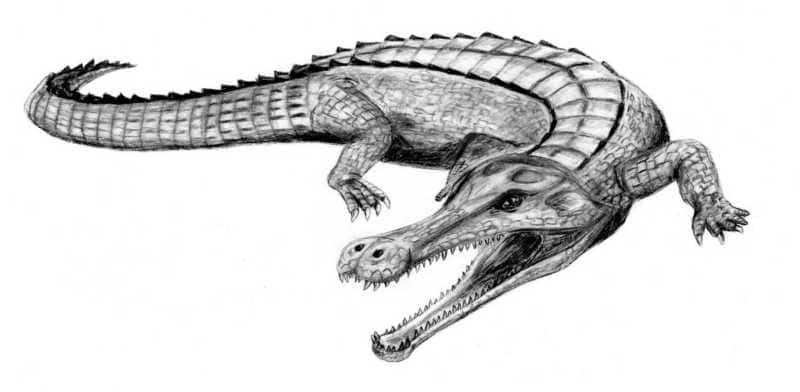
Sarcosuchus has made its mark in popular culture, appearing in films, documentaries, and literature. Its impressive size and predatory nature make it an ideal subject for storytelling. By capturing the public’s imagination, Sarcosuchus continues to play a role in raising awareness about the prehistoric world and the creatures that once inhabited it.
The Importance of Paleontology

The study of Sarcosuchus and other prehistoric creatures highlights the importance of paleontology in understanding Earth’s history. By examining fossils and reconstructing ancient ecosystems, scientists can gain insights into the evolutionary processes that have shaped life on our planet. Paleontology not only helps us appreciate the past but also informs our understanding of present and future biodiversity.
Lessons from the Past

The story of Sarcosuchus offers valuable lessons about the delicate balance of ecosystems and the impact of environmental changes. By studying the past, we can better understand the challenges faced by modern species and the importance of conservation efforts. The legacy of Sarcosuchus serves as a reminder of the interconnectedness of all life on Earth.
Conclusion
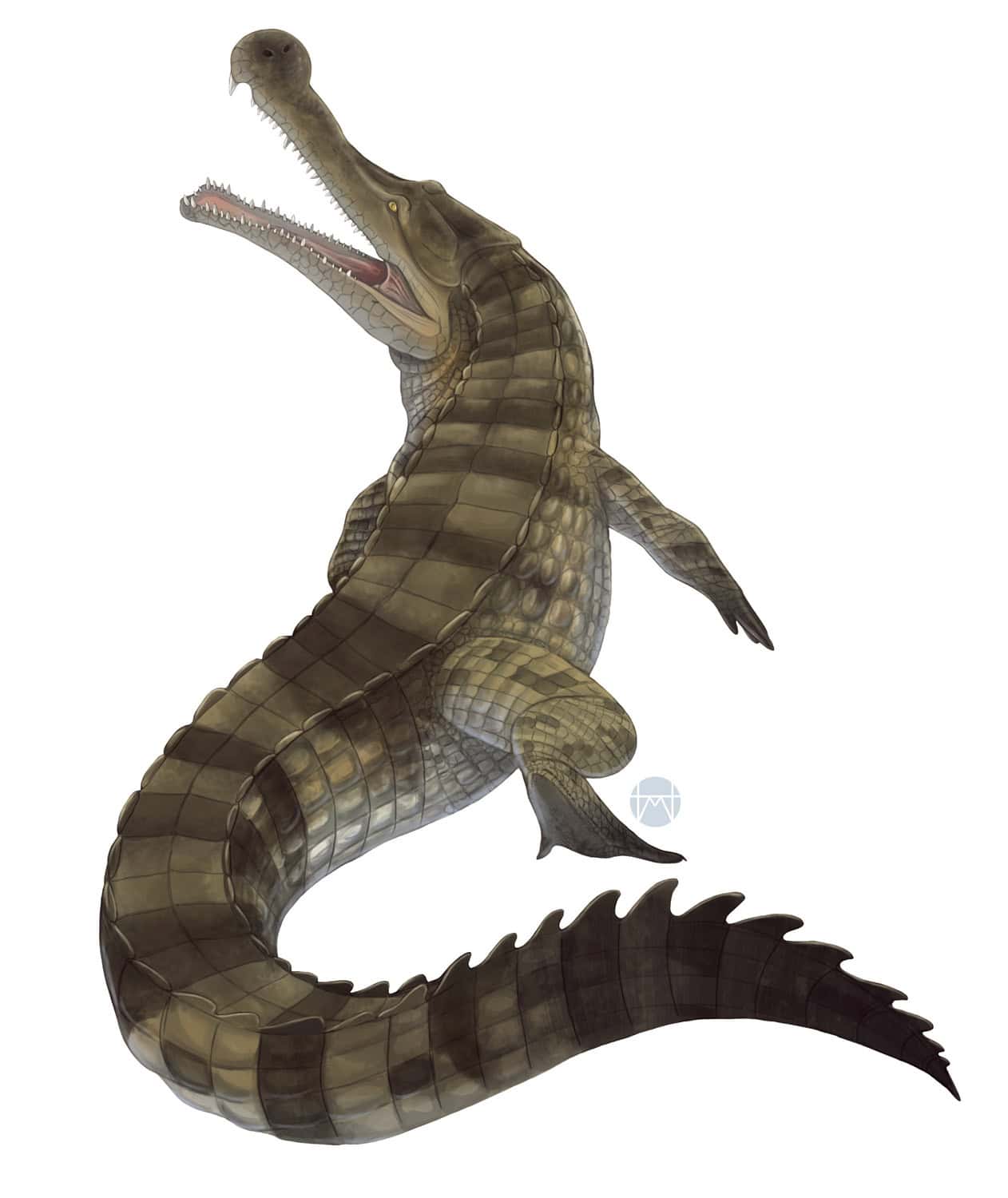
Sarcosuchus, the ancient crocodile that once prowled the waters like a school bus-sized leviathan, continues to intrigue and inspire. Its discovery and study provide a fascinating glimpse into the world of prehistoric giants, offering insights into the evolution and adaptation of life on Earth. As we piece together the story of Sarcosuchus, we not only learn about the past but also gain a deeper appreciation for the complexity and diversity of life that has shaped our planet over millions of years.

As a little kid, I fell in love with nature, wildlife, and animals. Living in the USA, South Africa, Italy, China and Germany gave me the opportunity to discover the world's Wildlife. My favorite animals are Mountain Gorillas, Siberian Tigers, and Great White Sharks.
I'm a certified PADI Open Water Diver, went to Everest Base Camp and Trekked Gorillas in Uganda. I hold a Master of Science in Economics and Finance.
Please send any feedback to feedback@animalsaroundtheglobe.com
- Why the Great Barrier Reef Is the Best Place to Spot Sea Turtles - June 3, 2026
- 2 Animals With Super Sized Body Parts and What They are For - June 3, 2026
- Explore The Azores - June 3, 2026