

Birds are often admired for their melodious songs and vibrant plumage. However, among the array of feathered beings, there exists a creature with a ghastly twist: a bird that drinks blood. This peculiar behavior might evoke images of predatory savagery, yet this avian vampire operates in a rather different biological arena. Let’s delve into the enigmatic world of the finch known for its vampiric tendencies, exploring its characteristics, behavior, and ecological role.
Introduction to the Vampire Finch
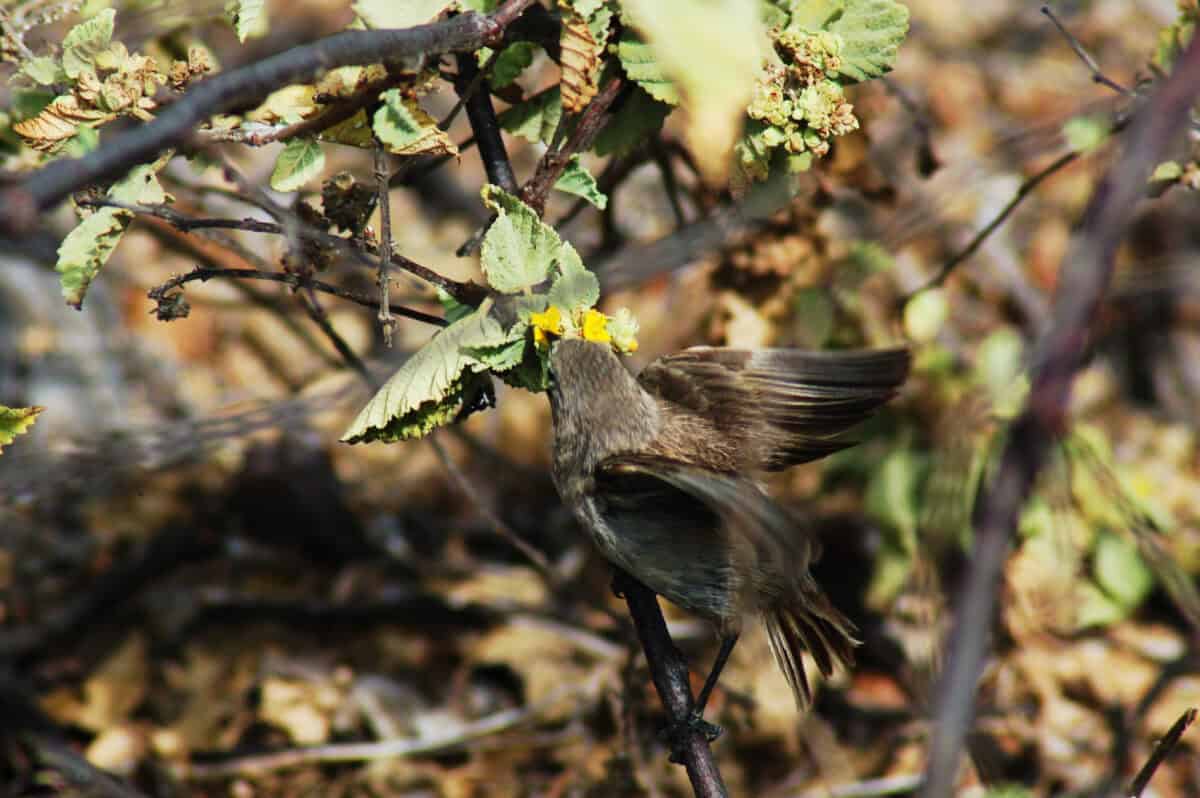
In the Galápagos Islands, an archipelago known for its exceptional biodiversity, lives the mockingbird’s equally fascinating cousin, the vampire finch. This small bird of unsettling habits is notorious for its proclivity to drink the blood of other creatures, particularly seabirds. Despite its bloodthirsty reputation, it is not dedicated to blood as a primary food source but employs this strategy in times of necessity.
A Surprising Evolutionary Turn

The vampire finch evolved from duller and more benign finch ancestors. Scientists believe that the scarcity of food resources on the arid islands where they reside prompted this unusual evolutionary twist. The shortage led the birds to adapt their feeding strategies in unique ways, transforming them into occasional hematophagous creatures.
Habitat and Distribution
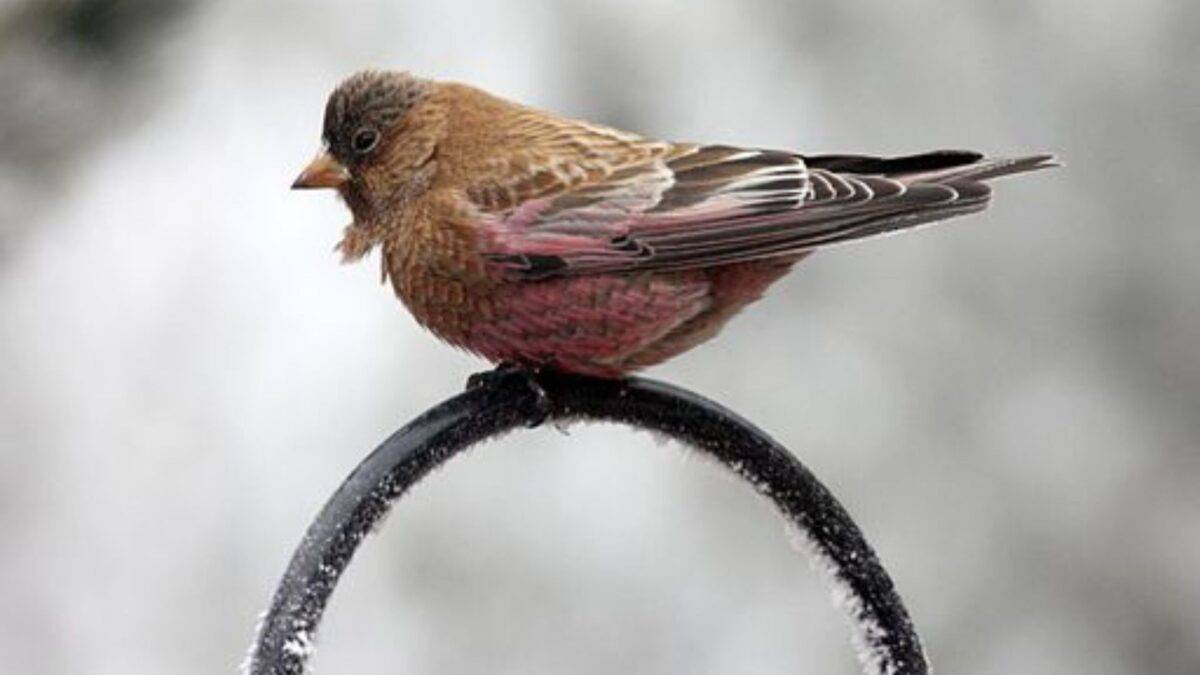
These unusual finches inhabit the remote, dry Galápagos Islands, primarily found on Wolf and Darwin islands. The isolated nature of their habitat has allowed them to develop specialized survival strategies, one of which is blood consumption from resident seabirds.
Behavioral Adaptations
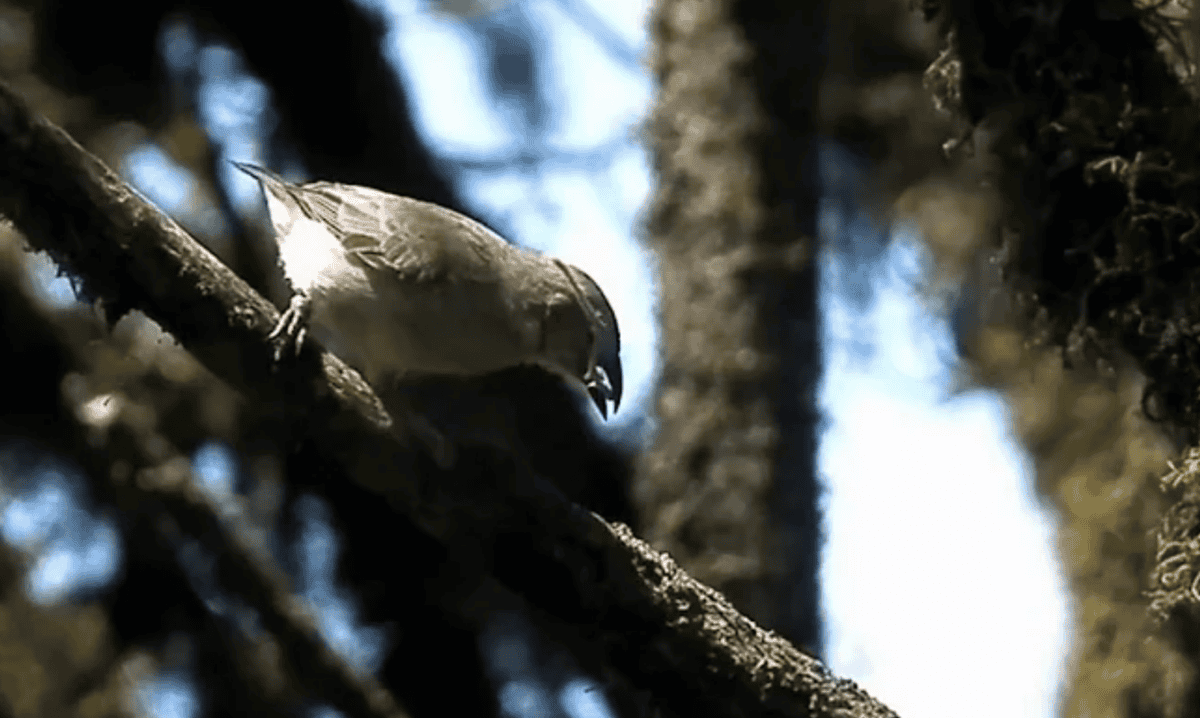
Vampire finches exhibit a particular set of behaviors when engaging in blood-feeding. They typically approach larger seabirds, such as boobies, stealthily before pecking at their exposed skin. The finches target areas that are less likely to provoke a defensive reaction from their unwitting hosts, allowing them to drink without causing significant distress.
A Dietary Supplement
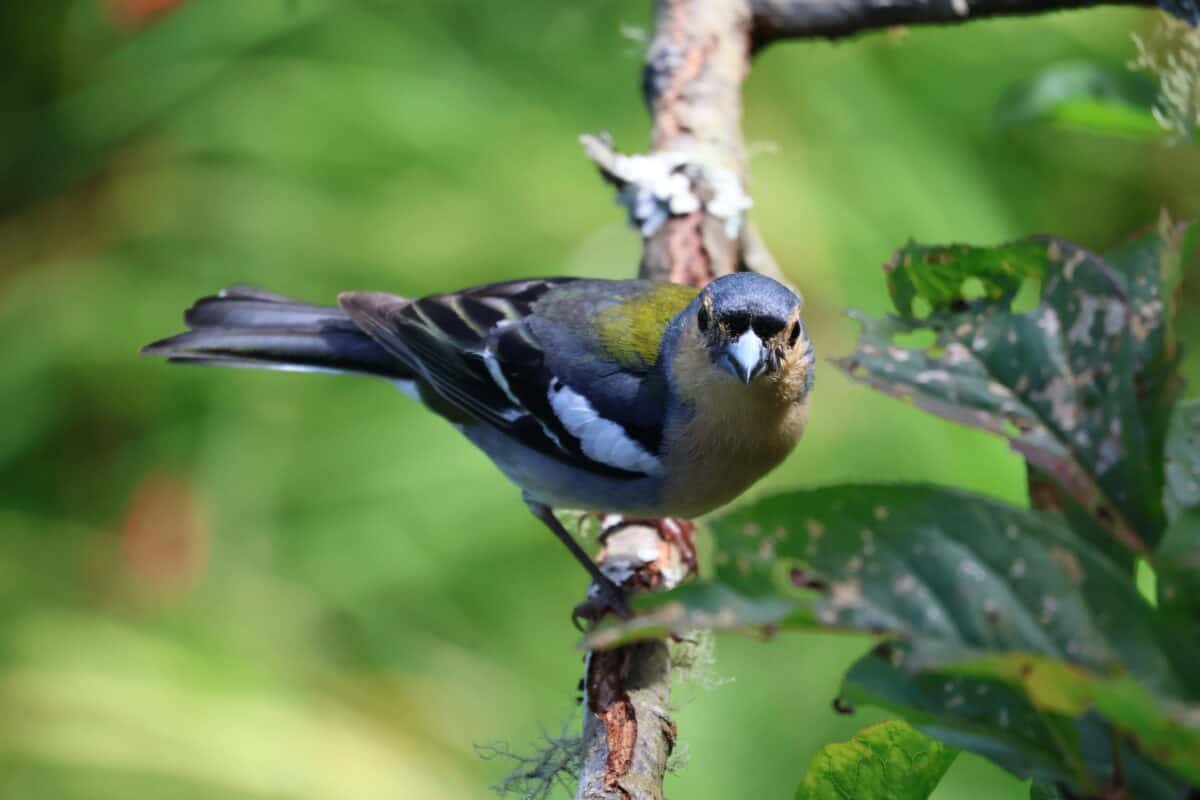
Blood is not the primary sustenance of the vampire finch. These birds are generally opportunistic feeders, consuming seeds, nectar, and insects. The consumption of blood is an opportunistic addition to their diet, utilized during food shortages, particularly during dry seasons when primary resources are scarce.
An Ecological Perspective

From an ecological standpoint, the behavior of the vampire finch represents a fascinating example of an evolutionary niche adaptation. This phenomenon underscores the complex interactions within ecosystems and the lengths to which species will go to ensure their survival.
Interactions with Other Species

The relationship between the vampire finch and its seabird hosts is one of tolerance mingled with dependence. While the presence of the finches is undoubtedly a nuisance, the affected seabird species do not suffer significant harm, often tolerating these sporadic intrusions with minimal aggression.
Contributing Factors to Blood-Feeding

Scientists propose several factors that may have contributed to the blood-drinking behavior. Among these is the isolated nature of the islands, coupled with fluctuating environmental conditions, which pressure endemic species to adopt adaptive feeding strategies to survive.
Conservation Status
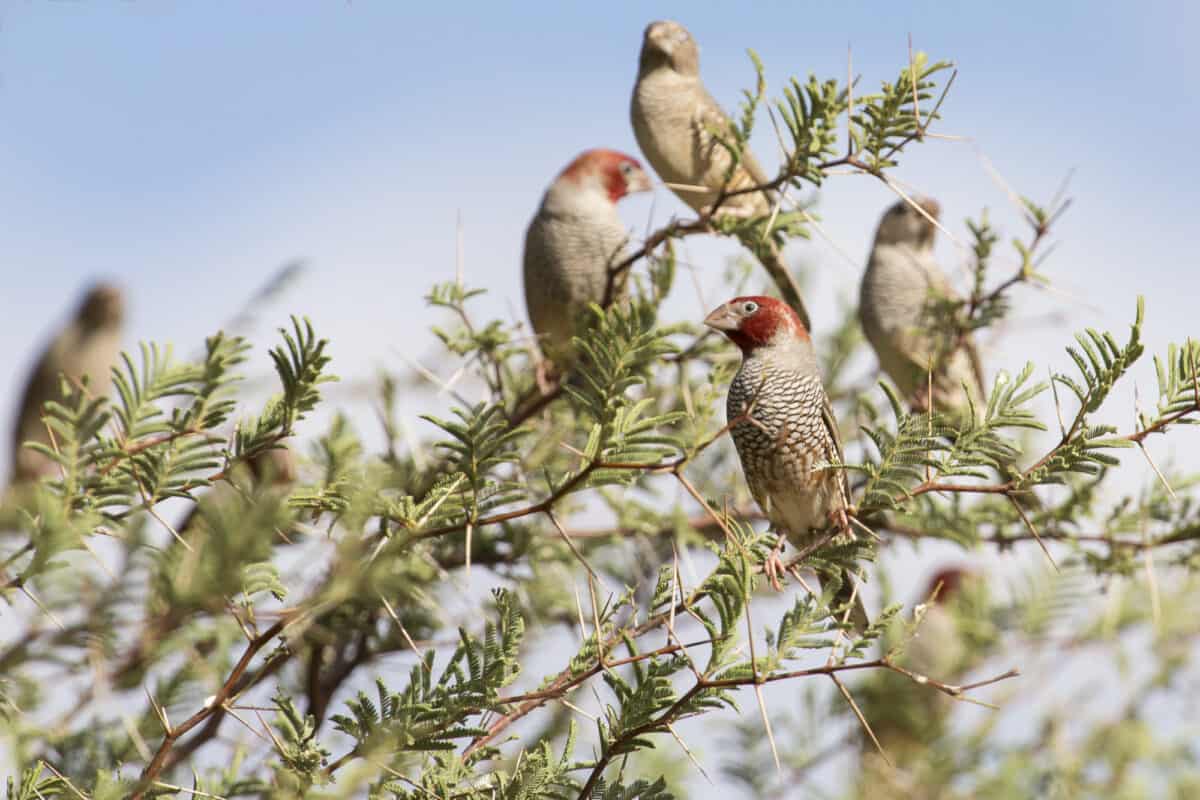
Currently, the vampire finch is not considered endangered. However, its continued survival hinges on the preservation of its natural habitat. Galápagos conservation efforts play a crucial role in safeguarding this and other unique species that contribute to our understanding of adaptive evolution.
Misconceptions About Blood-Feeding Birds
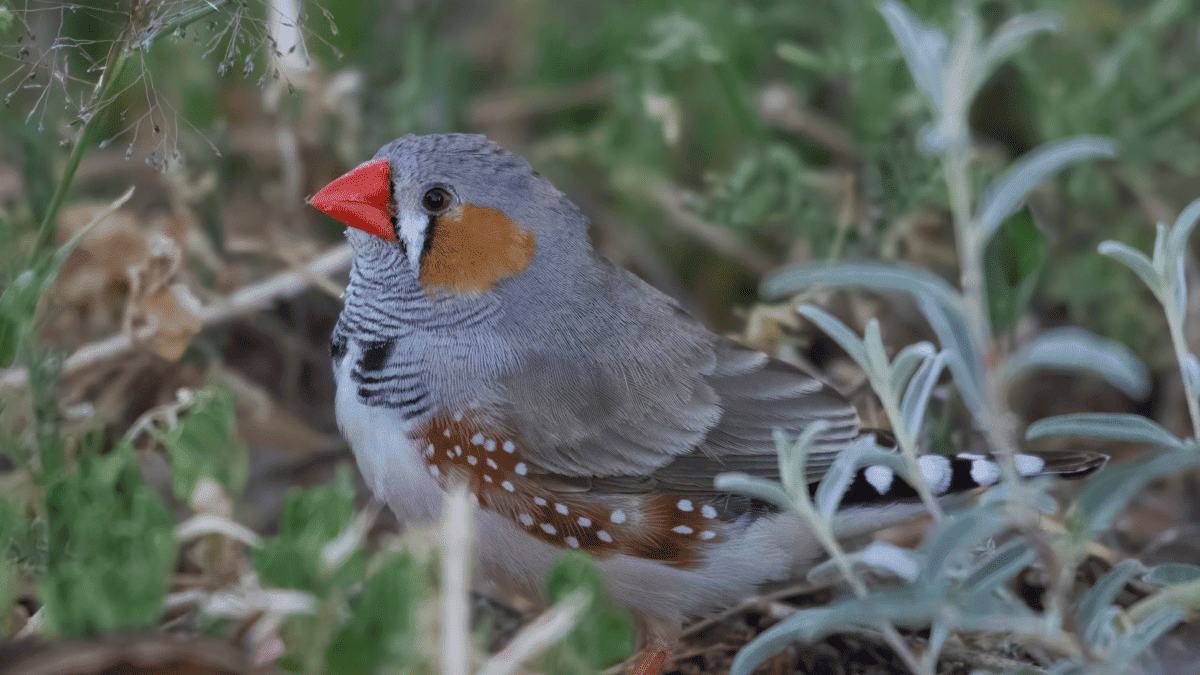
Despite their nickname, vampire finches are not true predators. Unlike vampire bats that rely on blood as a primary nutrient source, these finches are primarily granivorous, only resorting to hematophagy when necessary. This distinction is crucial in understanding their role within their ecosystem.
Potential Impacts of Environmental Changes
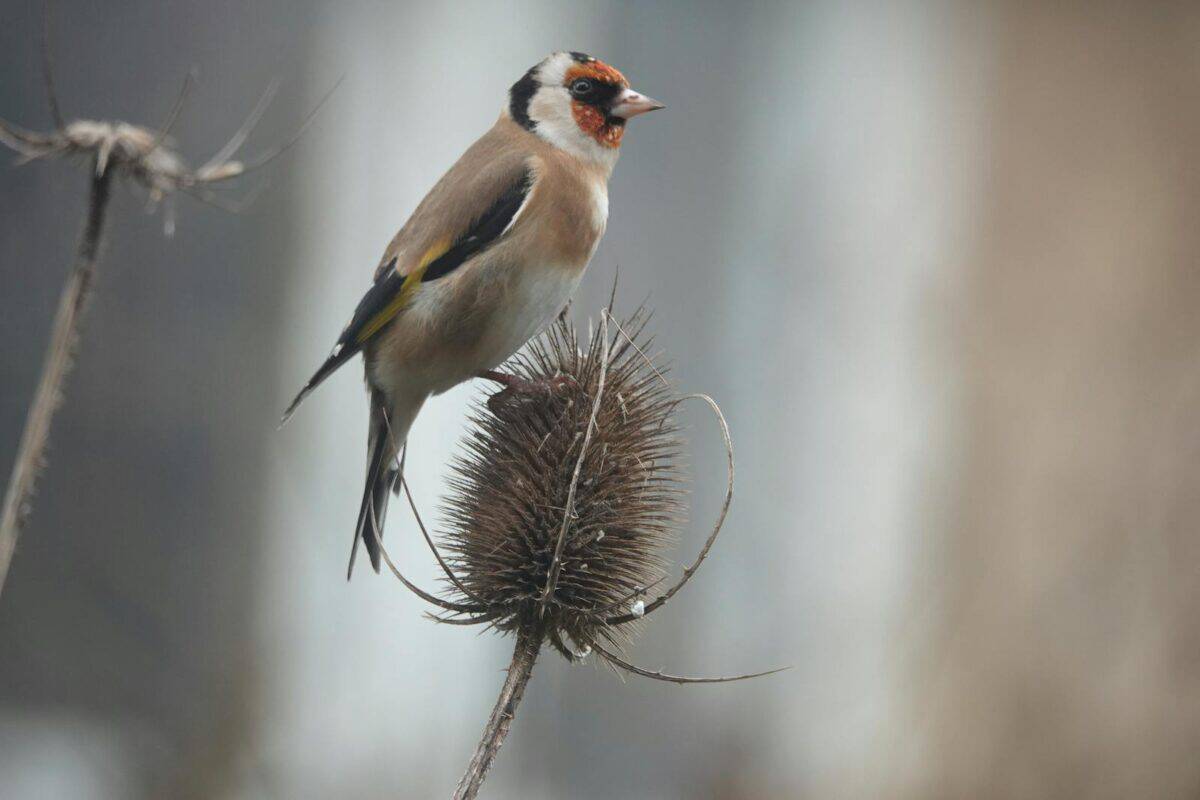
The behavior exhibited by the vampire finch showcases the delicate balance within ecosystems. Changes in climate or human activity that affect the availability of primary food sources could see aggressive adaptations become more widespread, influencing not only the finch’s survival but also its behavior and interaction with other species.
Fascination with the Macabre
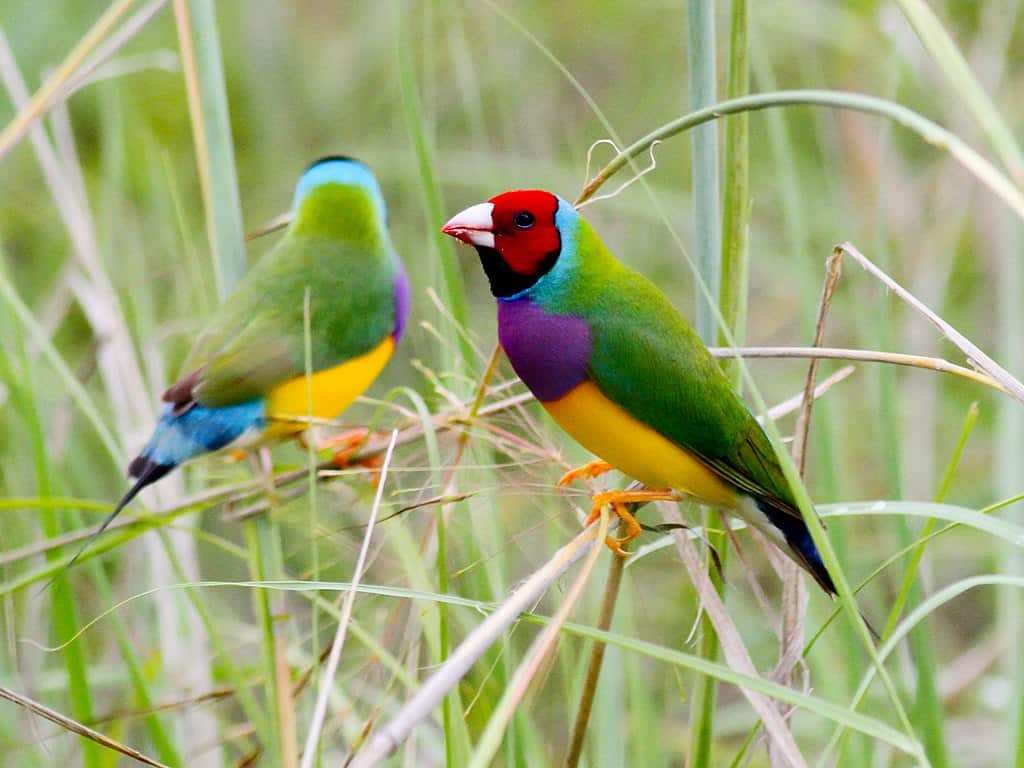
The unique behaviors of the vampire finch spark considerable interest and curiosity, offering a striking reminder of nature’s unpredictable and adaptive creativity. The blood-drinking finch stands as a testament to the resilient and adaptive capacities of life forms facing fluctuating environmental pressures.
Conclusion: The Marvel of Nature’s Adaptability

The vampire finch exemplifies the innovative adaptations that can occur within isolated ecosystems. While its blood-drinking behavior might seem morbid, it speaks to the versatility and resilience inherent in nature. As we learn more about these intriguing creatures, they serve as a reminder of the complexity and interconnectedness of life on Earth, and the ongoing story of evolution that shapes it.

- The Most Venomous Creature Found in U.S. Freshwater - August 17, 2026
- How Steve Irwin Turned Crocodile Conservation Global - August 17, 2026
- These Cities Are Banning the Sale of Pets in Stores—Here’s Why - August 17, 2026