


In a world full of marvels, few spectacles capture our imagination quite like seeing a creature venture beyond its expected realm. Among the most fascinating examples is a fish with the remarkable ability to “walk” on land. A feat unexpected for species confined to water, this intriguing capability raises questions about the adaptations that allow such behavior. This article delves into the mysteries behind this unique evolutionary trick, providing insight into how these fish manage life on land.
Meet the Mudskipper Nature’s Adventurer

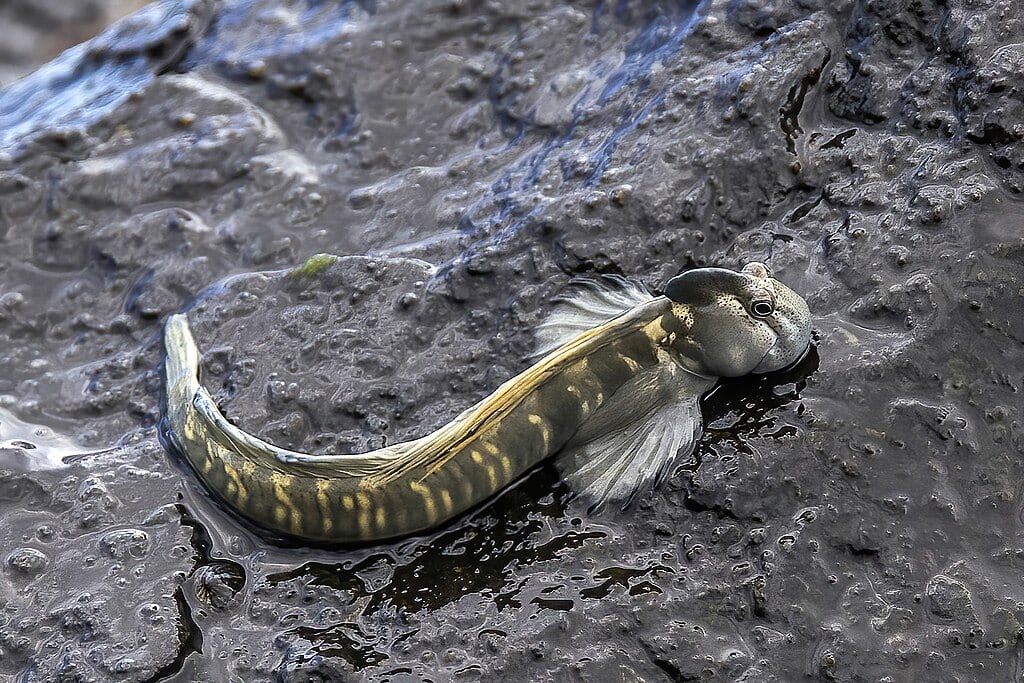
The mudskipper, a member of the goby family, stands as one of nature’s most unique creations. Found in the mangrove forests and tidal flats of Africa, Asia, and Australia, this amphibious fish challenges our perception of aquatic life. With their elongated bodies and bulging eyes, mudskippers are not just adept swimmers; they are also proficient at traversing land.
A Fish Out of Water How Mudskippers “Walk”

Unlike their aquatic cousins, mudskippers possess powerful pectoral fins that double as makeshift legs. These fins allow them to propel themselves across muddy surfaces with surprising agility. By using lateral movements and leverage against the ground, mudskippers effectively “walk” or hop on land, turning the shore into their playground.
The Secret to Breathing on Land

The ability to breathe air is not common among fish, yet mudskippers have adapted gills and cutaneous (skin) respiration to survive out of water. Their gills are structured to retain moisture, enabling them to extract oxygen from the air. Additionally, a dense network of blood vessels in their skin further facilitates oxygen absorption, similar to amphibians.
Living in Both Worlds Adaptations for Survival
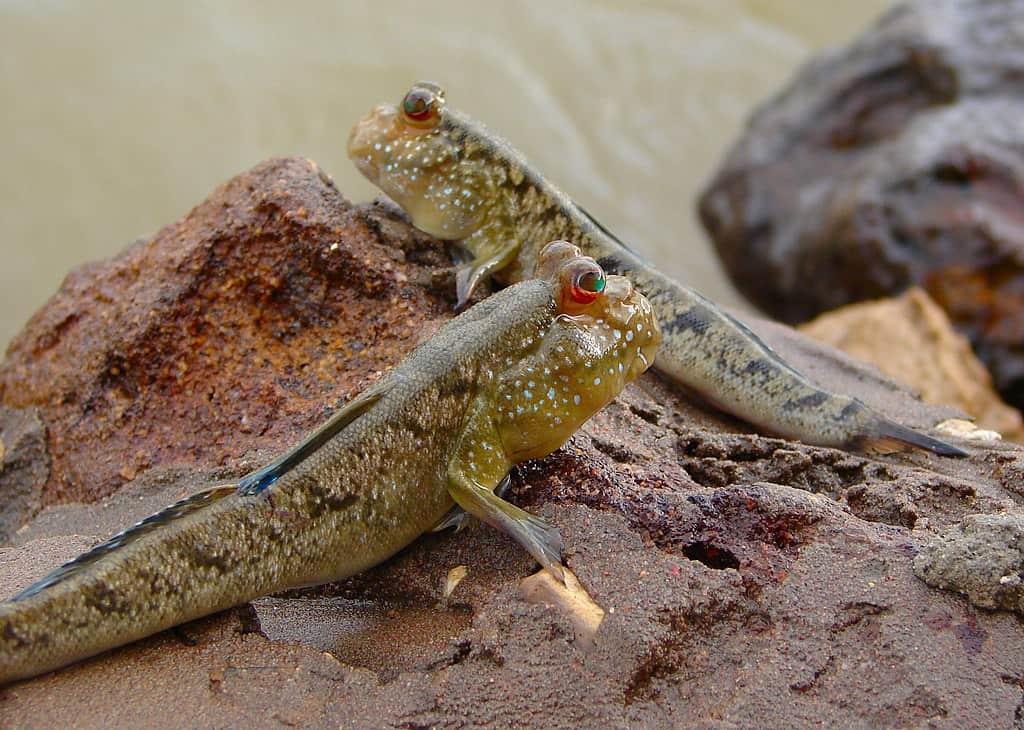
Mudskippers have developed a suite of adaptations that support their amphibious lifestyle. Their skin secretes a mucous layer to prevent desiccation, while specialized chambers, known as pectoral girdle ligaments, assist in holding their bodies slightly above the ground to reduce friction and facilitate movement.
The Role of Mangroves Home Sweet Home

The natural habitat of mudskippers is the mangrove ecosystem. These complex regions, characterized by their salt-tolerant trees and tidal rhythms, provide mudskippers with ample food and safety from predators. Their burrows, built in the mudflats, offer shelter and a moist environment to help sustain their unique breathing mechanisms.
Social and Territorial Behavior
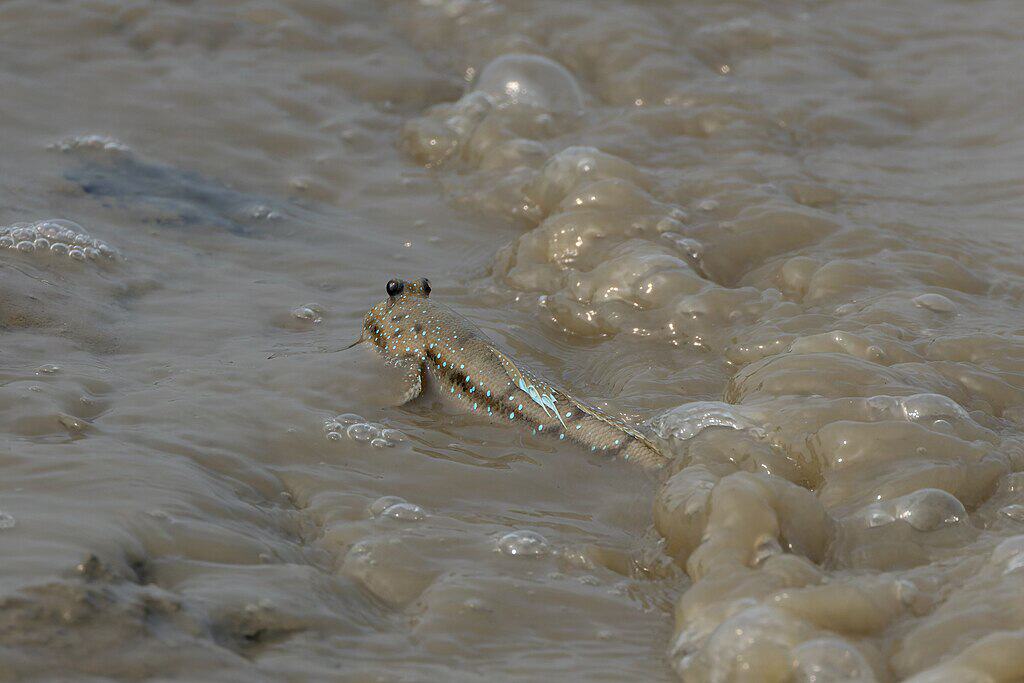
Not only are mudskippers fascinating for their physical abilities but also for their social structures. They exhibit territorial behaviors, engaging in displays that include fin spreading, body posturing, and even vocalizations to defend their ground. These interactions highlight the complexity of their social dynamics.
Mudskippers in The Ecosystem An Ecological Role
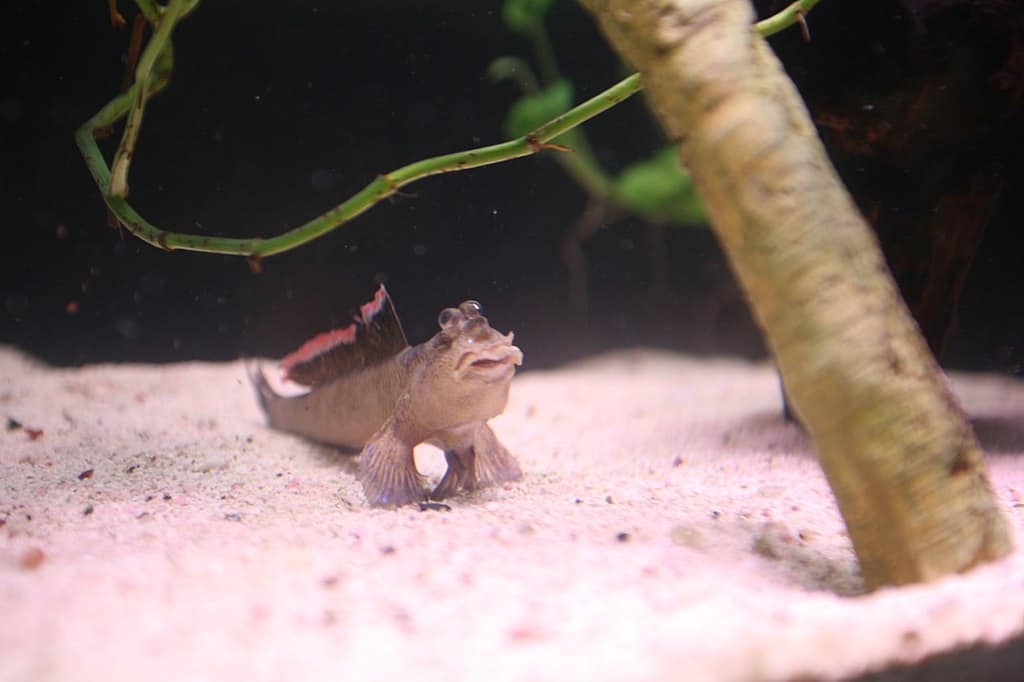
In their ecosystems, mudskippers play a crucial role in nutrient cycling. By burrowing and foraging, they help aerate the soil, promoting mangrove growth which in turn supports a diverse range of other species. This interplay emphasizes their importance in maintaining the balance within their habitat.
Potential Threats and Conservation
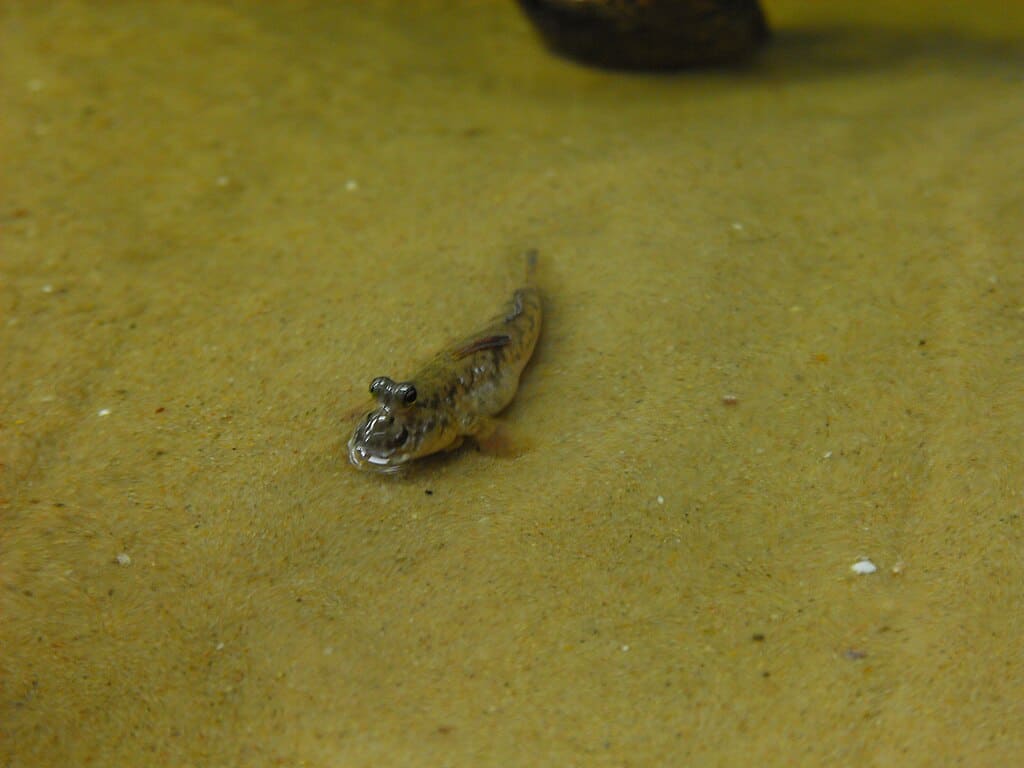
Despite their resilience, mudskippers face various threats due to human activities. Habitat destruction, pollution, and climate change pose significant risks to their survival. Conserving their habitats and understanding their ecological importance is essential to their continued existence on our planet.
The Evolutionary Significance of Mudskippers

The evolutionary journey of mudskippers offers invaluable insights into how life can adapt to new environments. Their unique adaptations provide clues to how early vertebrates may have transitioned from water to land millions of years ago, marking a significant evolutionary milestone.
Research and Study Expanding Knowledge
Ongoing research on mudskippers continues to unravel the secrets of their biology and ecology. Scientists study these fish to better understand respiratory adaptations, locomotion, and the evolution of terrestrial locomotion, contributing broadly to our knowledge of life’s adaptability.
Bringing the Mudskipper to Light Public Engagement

Increasing public awareness about mudskippers can aid in their conservation. Educational programs and documentaries help highlight their fascinating lifestyles, inspiring greater interest and protection efforts from communities and governments alike.
Conclusion: Embracing Nature’s Wonders

The mudskipper exemplifies the incredible adaptability and diversity of life on Earth. As we explore their story, we gain deeper appreciation not only for their remarkable existence but also for the intricate ecosystems they inhabit. Protecting these environments ensures the survival of these extraordinary creatures and enriches our understanding of nature’s boundless creativity.

As a little kid, I fell in love with nature, wildlife, and animals. Living in the USA, South Africa, Italy, China and Germany gave me the opportunity to discover the world's Wildlife. My favorite animals are Mountain Gorillas, Siberian Tigers, and Great White Sharks.
I'm a certified PADI Open Water Diver, went to Everest Base Camp and Trekked Gorillas in Uganda. I hold a Master of Science in Economics and Finance.
Please send any feedback to feedback@animalsaroundtheglobe.com
- Top 10 Dangerous Marine Animals - August 8, 2026
- 30 U.S. States Where Bears Still Roam Wild and Free - August 8, 2026
- 12 Animals That Are Master Builders in Nature - August 8, 2026