


In the sprawling landscapes of Yellowstone National Park, a technological revolution is quietly unfolding. Amid the geysers, forests, and meadows, artificial intelligence has become an unlikely ally in wildlife conservation. The park’s implementation of AI-powered monitoring systems represents a groundbreaking shift in how we track, understand, and protect wild animal populations. This innovative approach combines traditional wildlife biology with cutting-edge computer vision and machine learning to create a more comprehensive picture of the park’s diverse ecosystem than ever before possible. As climate change and human activities continue to threaten biodiversity, Yellowstone’s AI initiative offers a promising model for parks worldwide—demonstrating how technology can enhance our stewardship of natural spaces without disrupting the very wildness we seek to preserve.
The Evolution of Wildlife Monitoring in National Parks
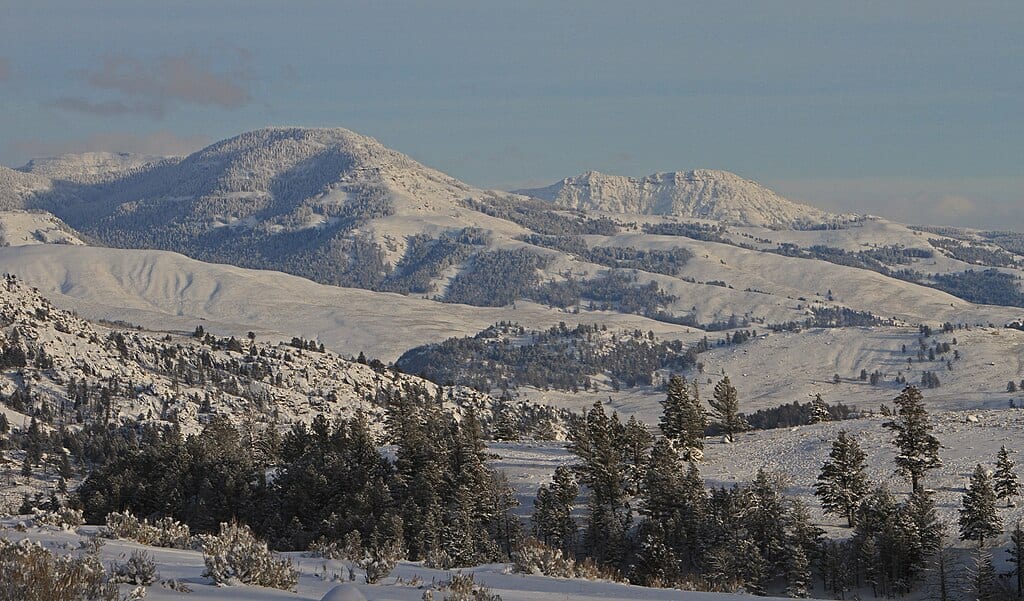
Traditional wildlife monitoring in national parks has historically relied on labor-intensive methods such as manual field counts, camera traps requiring human review, radio collaring, and aerial surveys. These techniques, while valuable, presented significant limitations—they were time-consuming, expensive, sometimes invasive for animals, and often provided only periodic snapshots of population data.
Before AI implementation, Yellowstone’s biologists spent thousands of hours manually reviewing camera trap images, tracking signals from collared animals, and conducting seasonal counts that could be affected by weather conditions or limited visibility. The need for more efficient, continuous, and non-invasive monitoring became increasingly apparent as conservation challenges grew more complex in the face of climate change and increasing human pressures on wildlife habitats.
How AI Technology Transforms Wildlife Monitoring
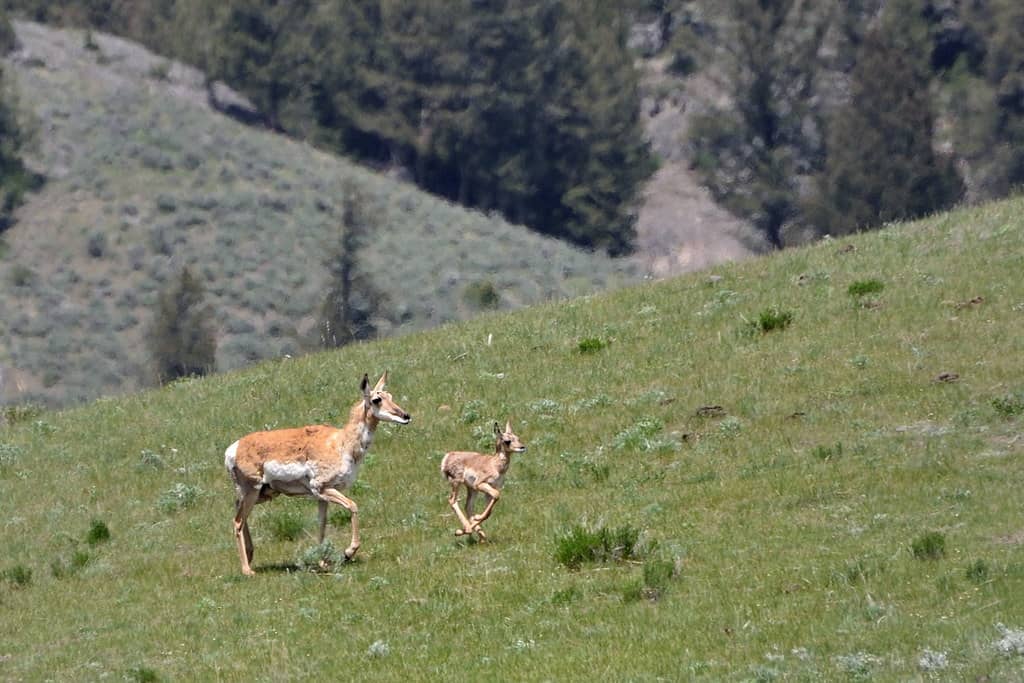
Yellowstone’s AI monitoring system represents a significant technological leap forward. At its core, the system utilizes computer vision algorithms trained to identify different species with remarkable accuracy—even distinguishing between individual animals within the same species. These algorithms process data from various sources, including camera traps, acoustic sensors, thermal cameras, and even satellite imagery.
Machine learning models continually improve as they process more images and data, becoming increasingly adept at recognizing animals in different conditions, postures, and environments. Real-time processing capabilities allow for immediate alerts when certain species are detected or when unusual patterns emerge. Perhaps most impressively, the AI can function effectively in challenging conditions where traditional monitoring would be difficult—including nighttime, adverse weather, or in remote areas of the park that are difficult for human researchers to access regularly.
The Network of AI-Enabled Cameras and Sensors

Yellowstone’s AI monitoring infrastructure consists of a sophisticated network of specialized equipment strategically placed throughout the park’s 2.2 million acres. Solar-powered camera traps equipped with motion sensors capture high-resolution images when wildlife passes by, while thermal imaging cameras detect animals at night or in dense vegetation where they might otherwise remain hidden. Acoustic monitoring stations record and analyze animal vocalizations, from wolf howls to bird calls, helping track species that might be less visible but vocally active.
Drone-mounted cameras provide aerial perspectives for larger-scale monitoring, particularly useful for tracking herds of bison or elk. All these devices transmit data to central processing systems where AI algorithms analyze the information, often in real-time. The strategic placement of this equipment follows careful planning to monitor key habitats, migration corridors, and areas of special conservation concern, creating a comprehensive monitoring system that covers diverse ecosystems throughout the park.
Tracking Yellowstone’s Iconic Wolf Population

The reintroduction of wolves to Yellowstone in 1995 represents one of America’s most significant conservation success stories, and AI technology is now enhancing our understanding of these apex predators. The park’s AI system has proven particularly valuable for monitoring the park’s wolf packs, which currently number about 8-10 with approximately 100 individuals. AI-powered cameras identify individual wolves based on distinct coat patterns, facial features, and body characteristics, creating a non-invasive alternative to radio collaring.
This technology tracks pack territories, hunting behaviors, and interactions with prey species like elk and bison. The AI system has documented previously unknown aspects of wolf behavior, including seasonal changes in hunting strategies and detailed pack hierarchies. Perhaps most importantly, the continuous monitoring has revealed how wolf movements influence other species in what ecologists call “trophic cascades”—the ripple effects predators have throughout the ecosystem. This data provides crucial insights for wolf conservation while minimizing human disturbance of these naturally shy animals.
Monitoring Yellowstone’s Grizzly Bear Recovery

Grizzly bears in the Greater Yellowstone Ecosystem have made a remarkable recovery from near-extinction, with populations growing from fewer than 150 in the 1970s to approximately 700-1,000 today. AI technology has become instrumental in tracking this recovery with unprecedented detail. The park’s AI system identifies individual bears through facial recognition and coat pattern analysis, creating comprehensive profiles of each animal’s range, behavior, and reproductive success. Thermal imaging capabilities allow for monitoring during hibernation periods, providing insights into den selection and cub survival rates.
AI algorithms also help identify potential human-bear conflict zones by analyzing bear movement patterns in relation to visitor areas, allowing park managers to implement preventative measures. The technology has proven particularly valuable for monitoring female grizzlies with cubs, a demographic crucial for population recovery, while maintaining the safe distance necessary to prevent habituation to humans. This non-invasive approach provides continuous data without the risks associated with traditional capture-and-collar methods, which can be dangerous for both bears and researchers.
Tracking Bison Migration Patterns
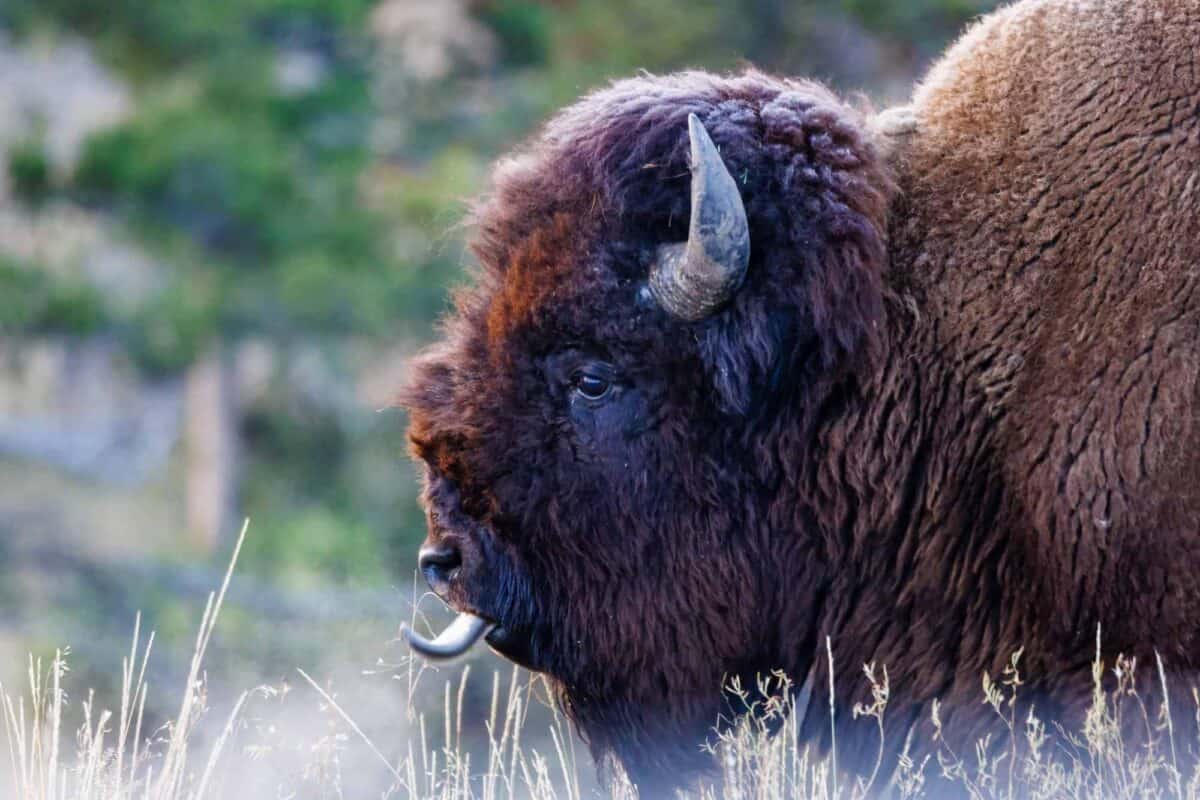
Yellowstone’s bison herds, numbering around 5,000 animals, represent the nation’s largest public herd of American bison and the only continuous wild population since prehistoric times. The park’s AI monitoring system has revolutionized our understanding of these iconic animals’ movement patterns. AI-powered cameras and drones track seasonal migrations, identifying when and why bison move between different areas of the park. The technology has documented how climate change is affecting migration timing, with spring movements occurring earlier as temperatures rise.
AI analysis has also revealed previously unrecognized factors influencing herd movements, including subtle environmental cues beyond obvious factors like snow depth or food availability. The system monitors how bison interact with park boundaries—a critical management concern as bison that leave the park have historically faced hunting or culling due to livestock disease concerns. This comprehensive data helps park managers make more informed decisions about bison management, including controversial issues like population control and boundary policies, while providing essential information for long-term conservation planning.
AI’s Role in Tracking Smaller and Elusive Species

While large mammals often capture public attention, Yellowstone’s ecosystem depends on countless smaller and more elusive species that traditional monitoring methods struggle to track effectively. The park’s AI system excels at detecting and identifying these less conspicuous animals. For rare species like wolverines, lynx, and fishers, AI-powered cameras have documented individuals in areas where they hadn’t been observed in decades. The technology monitors amphibian populations in the park’s wetlands, tracking vulnerable species like the boreal toad whose populations serve as indicators of ecosystem health.
Acoustic monitoring with AI analysis has proven particularly valuable for tracking bat species, identifying different species by their echolocation calls and monitoring population trends without disturbing roosting sites. For small mammals like pine martens, pikas, and various rodent species, the AI system documents population dynamics that would be nearly impossible to track manually. This comprehensive monitoring of smaller species provides a more complete picture of the park’s biodiversity and ecosystem functioning, filling critical gaps in our understanding of these less-studied but ecologically important animals.
Monitoring Avian Diversity Through Audio Recognition

Yellowstone hosts over 300 bird species, and monitoring this tremendous avian diversity presents unique challenges that AI technology is uniquely positioned to address. The park has implemented an advanced acoustic monitoring system that records bird calls and songs, which are then analyzed by specialized AI algorithms capable of identifying species with over 90% accuracy. This technology functions continuously throughout the year, tracking seasonal patterns of resident species and the arrival and departure times of migratory birds.
The system has detected subtle changes in migration timing linked to climate change, with some species arriving earlier in spring than historical records indicate. For rare or threatened species like the trumpeter swan, peregrine falcon, and common loon, the AI monitoring provides vital data on population trends and breeding success. The technology has even documented vocalizations from birds passing over the park during nocturnal migrations, adding new dimensions to our understanding of avian movement patterns. This comprehensive acoustic monitoring creates a continuously updated atlas of bird activity throughout the park without requiring the constant presence of human observers, which could potentially disturb nesting or feeding behaviors.
Aquatic Ecosystem Monitoring with AI
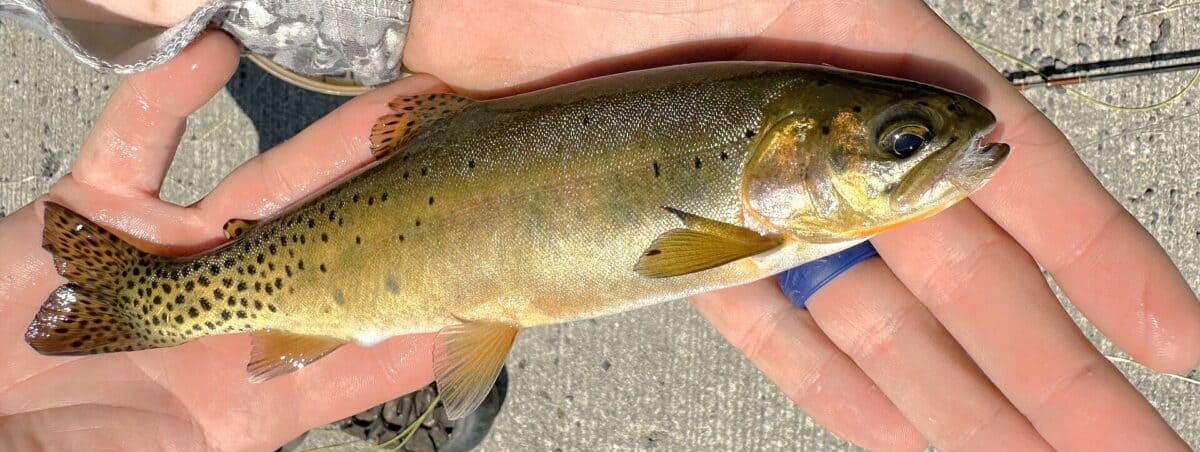
Yellowstone’s rivers, lakes, and thermal features host diverse aquatic ecosystems that the park’s AI technology now monitors with unprecedented detail. Underwater cameras equipped with computer vision algorithms track fish populations, including the native Yellowstone cutthroat trout, which has faced challenges from introduced species and disease. The AI system monitors spawning activities, population densities, and the effectiveness of restoration efforts in waters where non-native species have been removed. In the park’s famous thermal features, specialized cameras and sensors track extremophile organisms—microbes that thrive in seemingly hostile conditions—providing insights into one of Earth’s most unique ecosystems.
The technology also monitors water quality parameters, detecting changes that might indicate environmental stressors or pollution events. For amphibians like the Columbia spotted frog and boreal chorus frog, AI-powered monitoring tracks breeding populations in wetland areas, documenting how these sensitive species respond to environmental changes. This comprehensive aquatic monitoring creates a more complete picture of Yellowstone’s water-based ecosystems, which are often less visible but critically important components of the park’s biodiversity.
Ethical Considerations and Privacy Concerns

The implementation of AI surveillance technology in natural settings raises important ethical questions that Yellowstone has addressed through careful planning and transparent policies. The park maintains strict protocols regarding data collection that might incidentally capture visitors, including automatic blurring of human faces in any images processed by the system. All monitoring equipment is clearly marked with signage informing visitors about the technology’s purpose and limitations. The park has established an ethics review committee that includes wildlife biologists, technology experts, and public representatives to evaluate new AI applications before deployment.
This committee considers questions about potential wildlife disturbance, data security, and the appropriate balance between gathering scientific information and maintaining the wilderness experience. Park officials have emphasized that the primary purpose of the technology is understanding and protecting wildlife, not monitoring human activities. These considerations reflect a broader commitment to using technology responsibly in natural settings—enhancing conservation while respecting both wildlife dignity and human privacy in what remains one of America’s most treasured wild landscapes.
Results and Conservation Impacts
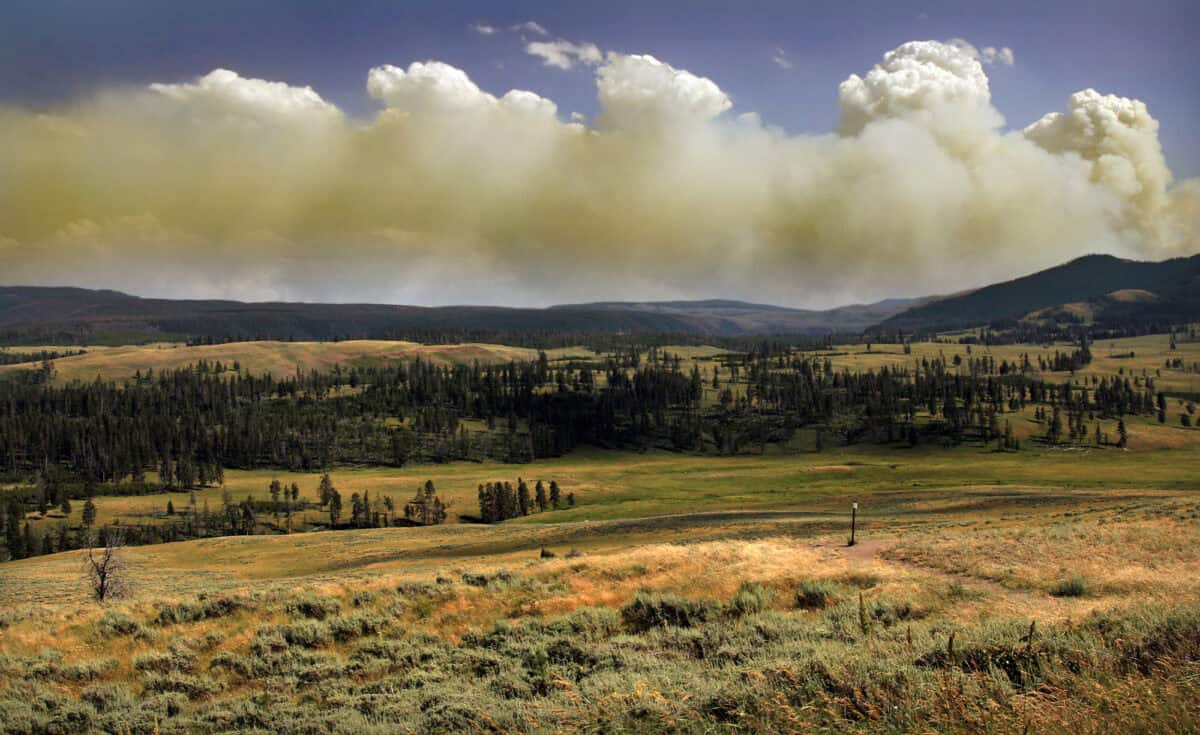
Since implementing AI monitoring systems, Yellowstone has documented significant conservation successes and gained valuable insights that traditional methods might have missed. Wolf pack territories have been mapped with greater precision, revealing how these predators use the landscape differently across seasons. Grizzly bear population estimates have become more accurate, showing a steady increase and identifying key habitat areas requiring special protection. The technology has detected previously unknown elk calving grounds, allowing for temporary closures to protect these vulnerable animals during critical periods.
For threatened species like wolverines, the AI system has documented individuals in areas where they were thought to be locally extinct, prompting habitat protection measures. The continuous monitoring has revealed how climate change is affecting migration timing for numerous species, from birds to large mammals, providing crucial data for climate adaptation planning. Perhaps most importantly, the technology has allowed for faster responses to potential threats—whether disease outbreaks, illegal activities, or natural disasters like wildfires—enabling more effective interventions. These concrete conservation outcomes demonstrate how AI technology, thoughtfully applied, can significantly enhance wildlife protection efforts in national parks.
Future Directions and Expanding Technology

Yellowstone’s pioneering work with AI wildlife monitoring continues to evolve, with several exciting developments on the horizon. The park is exploring the integration of environmental DNA (eDNA) analysis with AI processing, allowing researchers to detect species presence from water or soil samples even when animals aren’t directly observed. Wearable technologies for select larger animals are being developed that would combine minimal-impact tracking devices with AI analysis to provide insights into physiological conditions like stress levels or reproductive status. Advancements in satellite imagery analysis using deep learning algorithms may soon allow for monitoring vegetation changes that affect wildlife habitat at unprecedented scales.
The park is also developing more sophisticated predictive modeling capabilities that can forecast wildlife movements and population changes based on environmental variables, helping managers anticipate and prepare for future conservation challenges. Perhaps most significantly, Yellowstone is creating open-source protocols and software to share with other protected areas, potentially expanding this approach to wildlife monitoring globally. As computing power increases and algorithms improve, the system’s capabilities will continue to expand, promising even more comprehensive understanding of complex ecosystem dynamics.
Conclusion: Balancing Technology and Wilderness

Yellowstone’s implementation of AI for wildlife monitoring represents a thoughtful marriage of cutting-edge technology and wilderness conservation that points toward the future of protected area management worldwide. By harnessing artificial intelligence to gather data continuously and non-invasively, the park has enhanced its ability to protect the very wildness that makes it special, all while minimizing human disturbance. The insights gained from this technological approach have already translated into tangible conservation successes, from more effective protection of vulnerable species to better understanding of complex ecological relationships.
As climate change and other anthropogenic pressures intensify, such sophisticated monitoring systems will become increasingly valuable tools for preserving biodiversity. Yet Yellowstone’s approach also demonstrates the importance of implementing technology mindfully, with careful attention to ethical considerations and the intrinsic value of untrammeled nature. In this balance lies the promise of AI in conservation—not as a replacement for traditional wildlife biology, but as a powerful complement that expands our capacity to understand and protect the natural world.

From exploring the marine wonders in the Azores and witnessing the vast savannas of Kenya, to delving deep into the rich biodiversity of South Africa and traversing iconic landscapes in Australia and the US like Yellowstone, Chris's experiences are vast.
With a penchant for diving alongside sharks, the ocean holds a special place in his heart.
Through his academic insights, he champions wildlife conservation, striving with 'Animals Around The Globe' to cultivate a profound connection between humans and animals, enhancing our mutual appreciation.
Connect with him at Feedback@animalsaroundtheglobe.com.
- Why You Should Try Birding in Appalachian Trail This Year - July 18, 2026
- Woolly Rhino Remains Discovered in Alaska - July 18, 2026
- The 23 US Cities Where You’re Most Likely to Die Younger — 2025 - July 18, 2026