


Deep within the murky waters of South American swamps, a master of stealth lies in wait. The anaconda, one of the world’s largest snakes, has perfected the art of ambush hunting over millions of years of evolution. These massive constrictors, which can grow up to 30 feet long and weigh over 500 pounds, are perfectly adapted to their aquatic environment. Despite their enormous size, anacondas are surprisingly elusive, using sophisticated hunting strategies that combine patience, camouflage, and explosive power.
Anacondas primarily inhabit the tropical rainforests of South America, particularly in the Amazon and Orinoco basins. These regions provide the perfect hunting grounds—densely vegetated swamps, slow-moving streams, and flooded forests where prey regularly comes to drink. It’s in these environments that the anaconda has evolved its remarkable ambush techniques, turning apparent disadvantages like its massive bulk into deadly advantages that few prey animals can escape.
Anatomy Built for Ambush
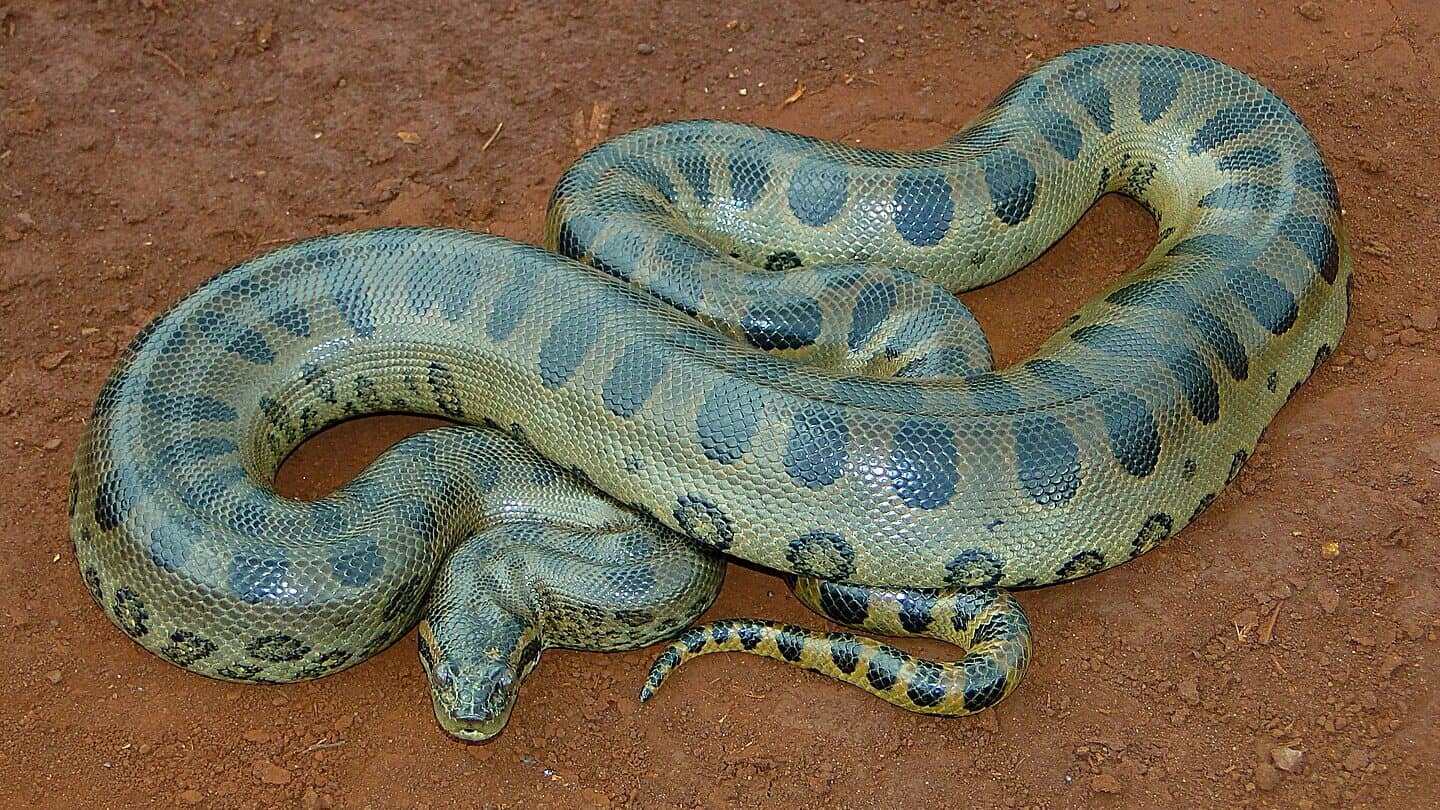
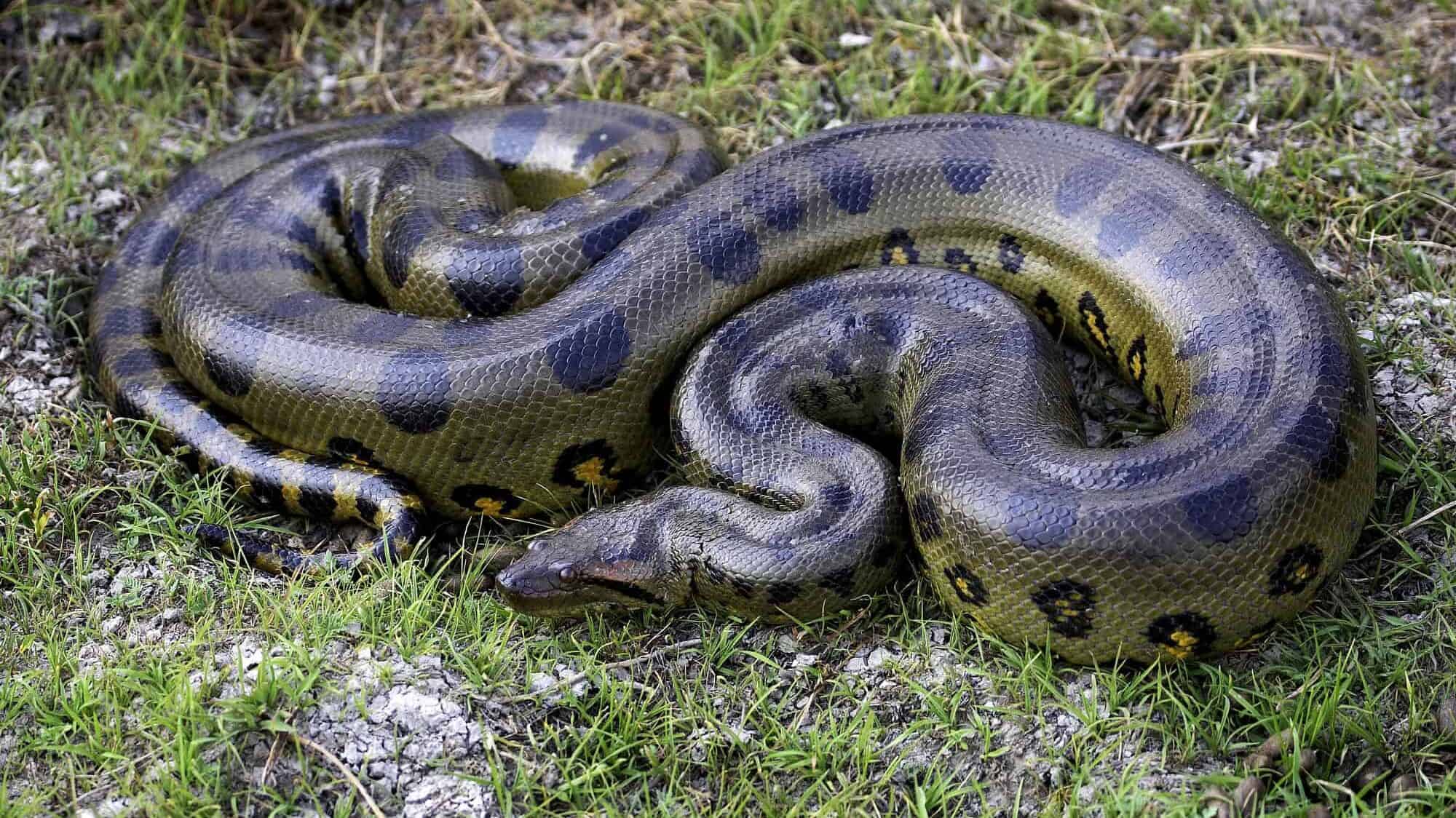
The green anaconda (Eunectes murinus), the largest of the anaconda species, possesses physical adaptations specifically evolved for ambush hunting. Their olive-green bodies with black blotches create a disruptive pattern that blends perfectly with the dappled light of swamp environments. Unlike many other snake species, anacondas have their eyes and nostrils positioned on top of their heads, allowing them to remain almost completely submerged while still able to see and breathe—the perfect setup for an ambush predator.
Their muscular bodies represent one of nature’s most powerful constricting mechanisms. An adult anaconda can exert pressure exceeding 90 pounds per square inch—sufficient to stop blood flow in prey as large as capybaras, deer, and even jaguars. This massive musculature is paired with a jaw structure that can unhinge to accommodate prey much larger than the snake’s head, completing the anaconda’s arsenal of physical adaptations that make it the ultimate ambush predator of the swamp ecosystem.
Masters of Aquatic Camouflage
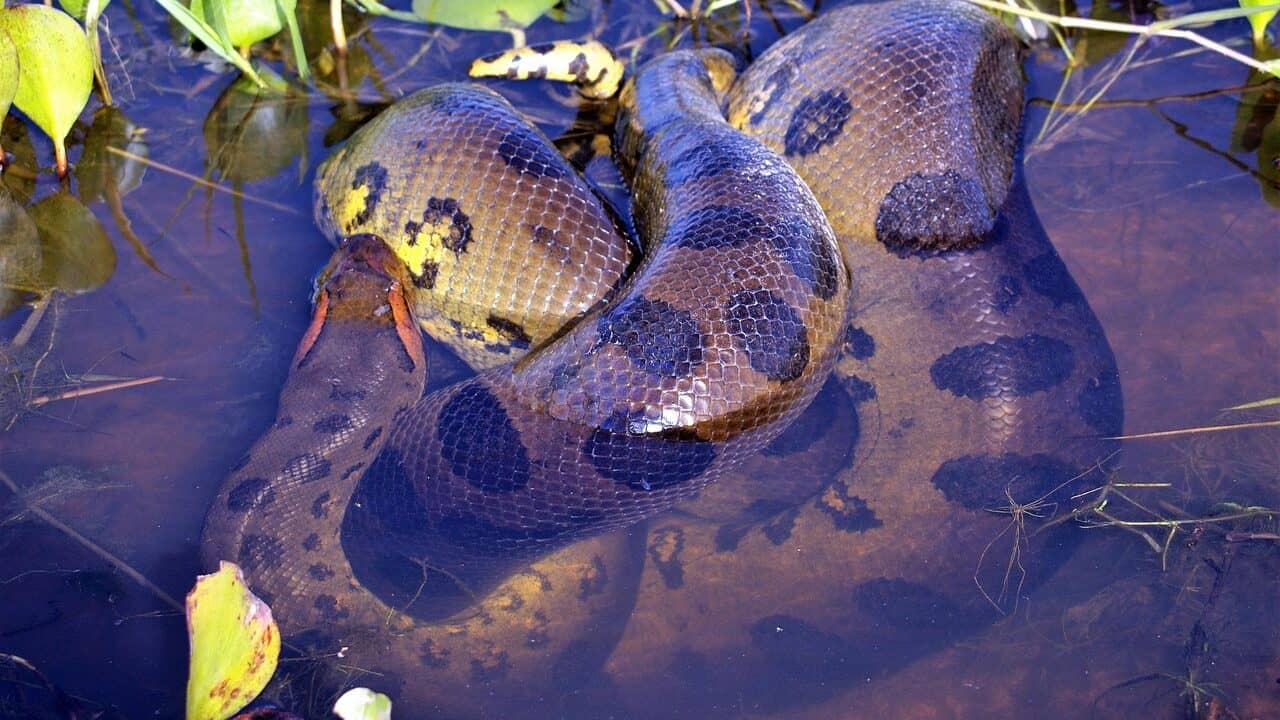
Anacondas employ sophisticated camouflage techniques that belie their enormous size. When hunting, they often position themselves in shallow waters among vegetation, with only a small portion of their body visible. Their coloration—typically dark olive-green with black oval patches—creates a disruptive pattern that mimics the play of light and shadow on water. This pattern breaks up the snake’s outline, making it difficult for prey to distinguish the predator from its surroundings.
Beyond coloration, anacondas use the physical environment to enhance their concealment. They may partially bury themselves in mud, position their bodies to resemble fallen branches, or hide among aquatic plants. Studies of their hunting behavior have shown that anacondas will often remain motionless for hours, sometimes days, waiting for the perfect ambush opportunity. Even their scales have evolved to minimize reflection, preventing any telltale gleam that might alert prey to their presence in the murky waters.
The Sensory Advantage
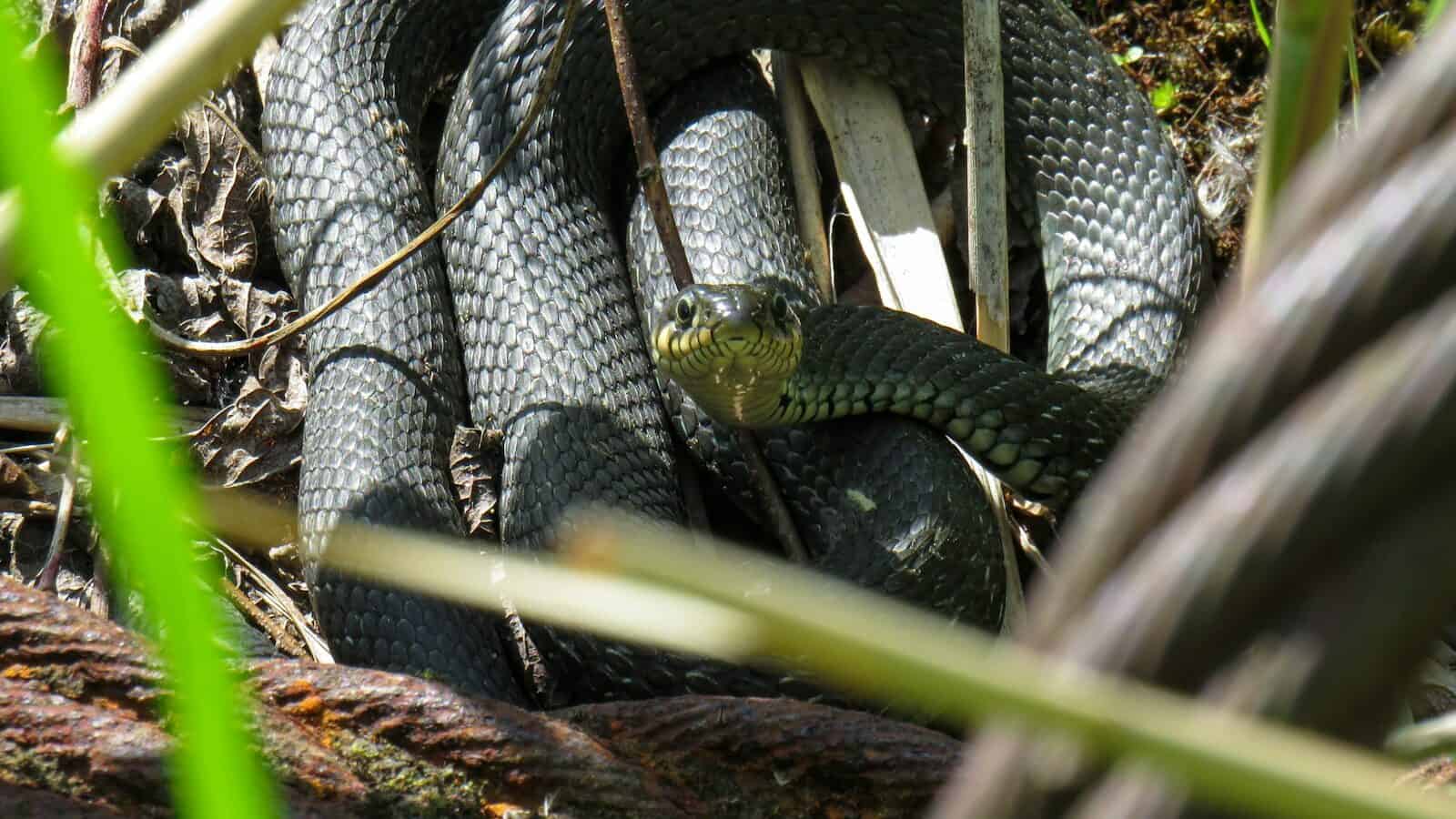
While vision plays a role in anaconda hunting, these predators rely heavily on other, more specialized senses to detect prey in their often turbid aquatic environments. Like other boid snakes, anacondas possess heat-sensitive pit organs along their upper and lower lips. These specialized structures can detect temperature differences as small as 0.003°C, effectively giving anacondas thermal vision that allows them to detect warm-blooded prey even in complete darkness or murky water.
Complementing their thermal sensing abilities, anacondas have an exceptional sense of smell, utilizing their forked tongues to collect chemical particles from the air and water. When the tongue retracts, these particles are transferred to the Jacobson’s organ in the roof of the mouth, providing the snake with detailed chemical information about potential prey in the vicinity. This chemosensory system, combined with their ability to detect vibrations in water through their skin, creates a multi-sensory hunting apparatus that few prey animals can evade.
Strategic Positioning for the Ambush
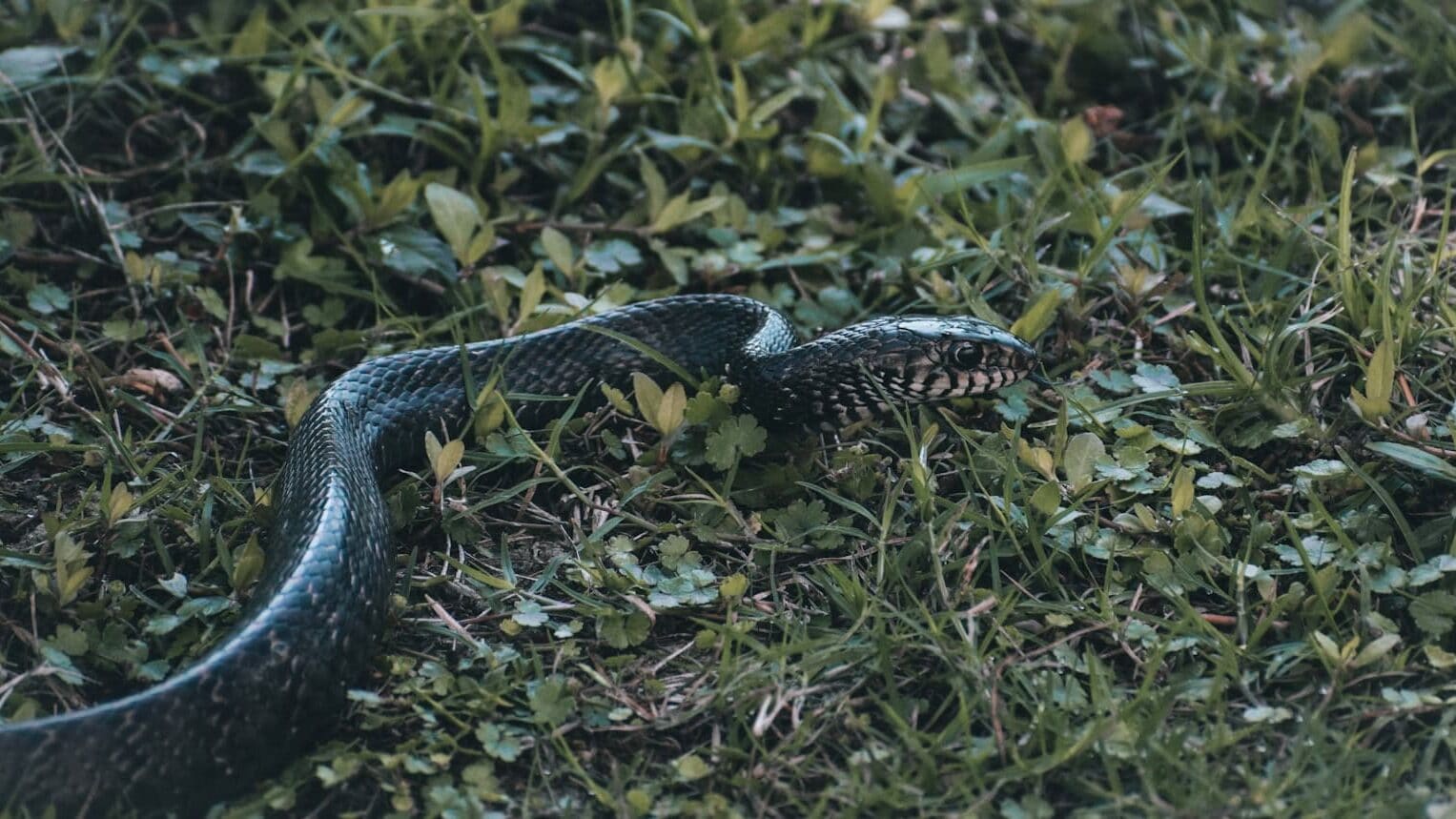
Anacondas demonstrate remarkable intelligence in their selection of ambush locations. They frequently position themselves near game trails, river bends, or natural bottlenecks where animals are likely to come for drinking or crossing. Research has shown that anacondas often return to successful hunting locations, suggesting they maintain a spatial memory of productive ambush sites. This strategic positioning maximizes their chances of encountering prey while minimizing the energy expended in active hunting.
Time of day also factors into the anaconda’s ambush strategy. These snakes often hunt during dawn and dusk when many prey animals are active but visibility is reduced. During these transition periods, the anaconda’s heat-sensing abilities give it a significant advantage over prey that relies primarily on vision. Additionally, anacondas will adjust their hunting depths according to seasonal changes in water levels, demonstrating a sophisticated understanding of their environment that enhances their ambush success rate.
The Patience of a Perfect Predator
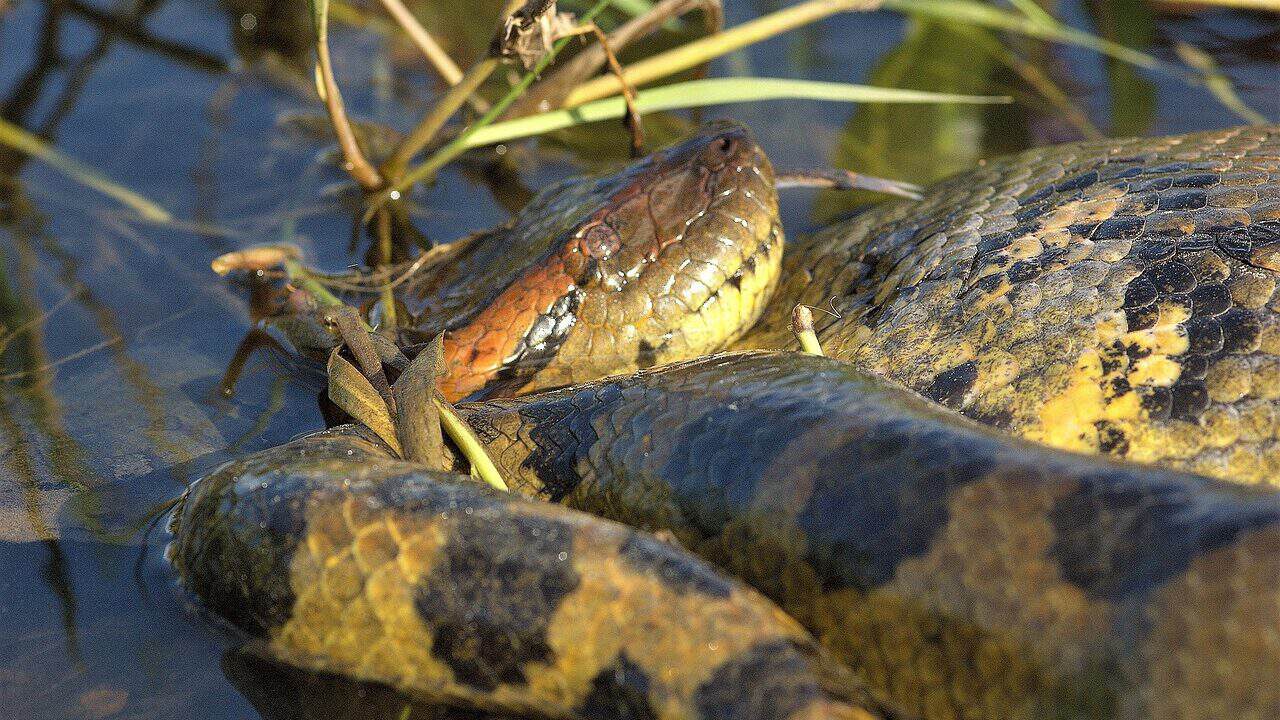
Perhaps the most remarkable aspect of the anaconda’s hunting strategy is its extraordinary patience. These snakes have been observed remaining motionless in ambush positions for periods exceeding 10 days. This remarkable waiting game is made possible by the anaconda’s slow metabolism, which allows it to conserve energy between meals. Their ability to go months without feeding if necessary means they can afford to wait for the perfect ambush opportunity rather than expending energy on active pursuit.
This patience extends to their response to missed opportunities. Rather than pursuing prey that has detected their presence, anacondas typically remain still, preserving their energy and waiting for the next potential meal. Herpetologists studying wild anacondas have noted that this patience-based strategy likely contributes to their hunting success rate, which some studies suggest may be as high as 80% for adult snakes—an impressive figure for any predator and particularly notable for such a large animal with significant energy requirements.
The Lightning Strike from Below
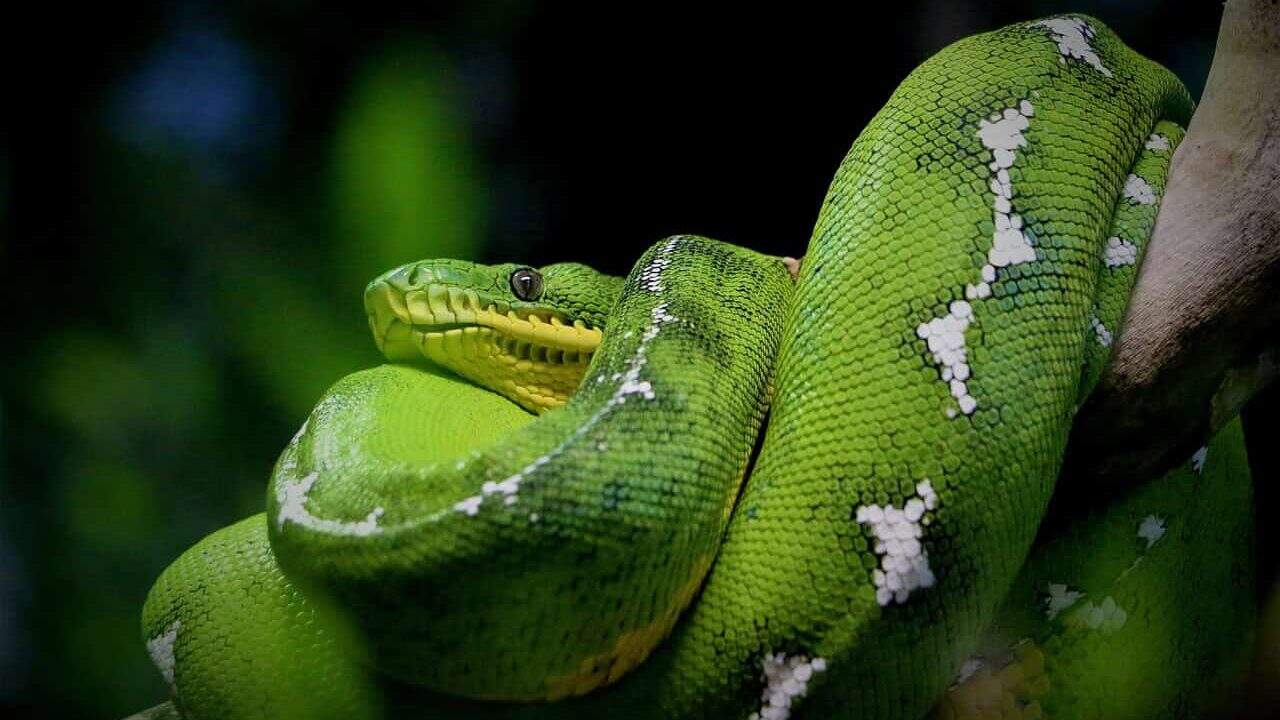
When the moment of attack arrives, the anaconda transforms from a statue-like figure of patience into an explosion of muscle and power. The strike itself is remarkably fast, with the snake’s head and forward portion of the body launching toward prey at speeds that can exceed 8 feet per second. This rapid acceleration is generated by powerful muscles that convert stored potential energy into kinetic energy in a fraction of a second. The attack typically comes from below the water’s surface, with the anaconda lunging upward to seize prey at the water’s edge.
The element of surprise is crucial to the anaconda’s hunting success. By remaining hidden until the last possible moment, they prevent prey from mounting an effective escape response. High-speed photography of anaconda strikes reveals that the actual attack often occurs in less than 100 milliseconds—faster than the blink of a human eye and well below the reaction time of most potential prey animals. This combination of stealth, patience, and explosive speed makes the anaconda’s ambush one of the most effective hunting strategies in the animal kingdom.
The Deadly Embrace
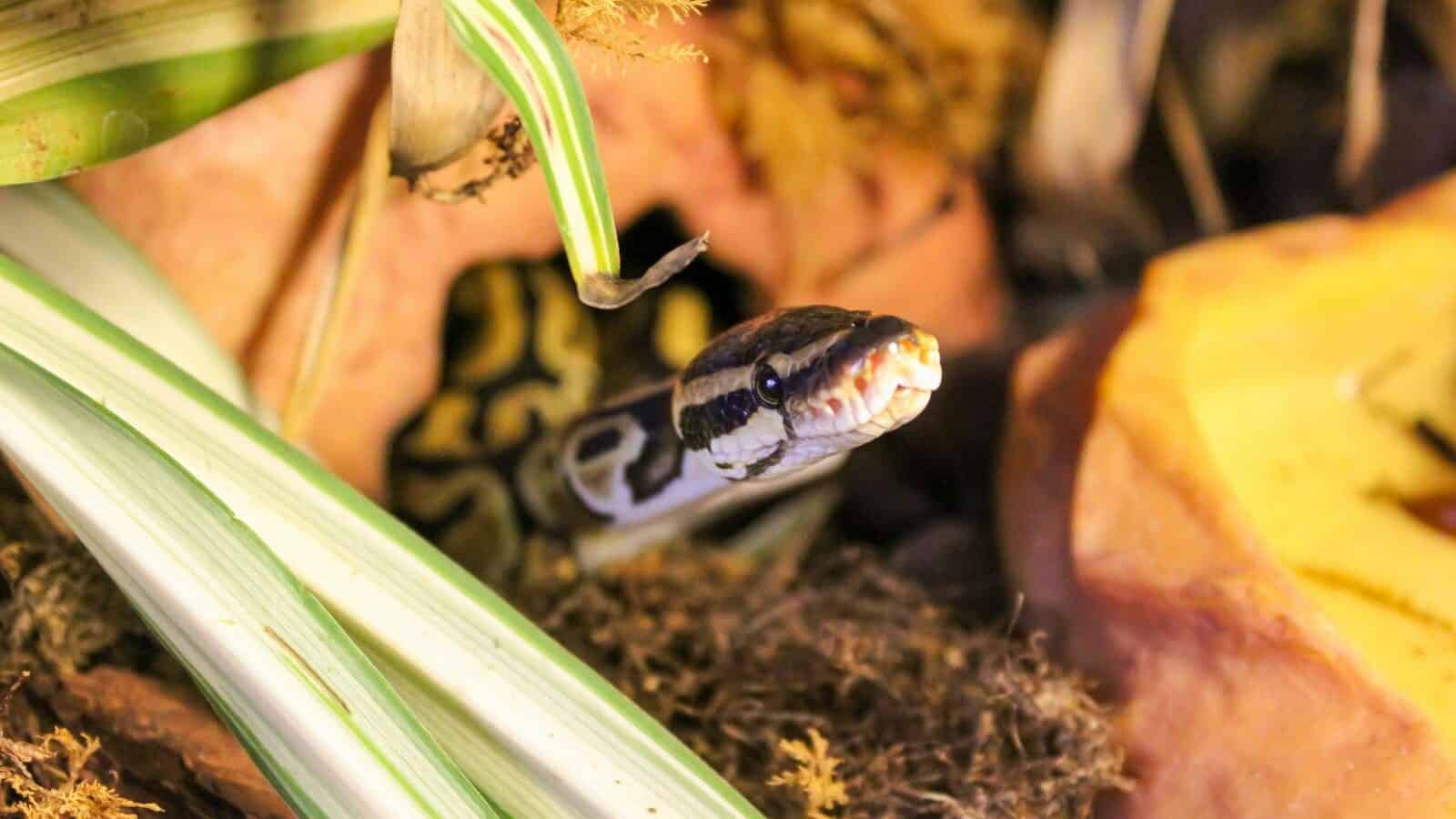
Once an anaconda successfully strikes, it immediately begins to wrap its massive coils around the captured prey. Unlike venomous snakes that rely on toxins to subdue their meals, anacondas kill through constriction. With each exhale of the prey animal, the snake tightens its coils, preventing the lungs from expanding for the next breath. Contrary to popular belief, anacondas don’t crush prey or break bones—instead, they induce circulatory arrest by applying pressure that prevents normal blood flow, leading to unconsciousness within minutes and death shortly thereafter.
The constriction technique used by anacondas is both efficient and responsive. Research using pressure sensors has shown that these snakes can detect the heartbeat of their prey and will maintain constriction pressure until no cardiac activity is detected, ensuring the prey is truly dead before consumption begins. This thorough approach to killing prey is crucial for a predator that often tackles dangerous animals like caiman or capybara, which could potentially injure the snake if not fully subdued before the anaconda begins the lengthy process of swallowing its meal.
Tackling Dangerous Prey
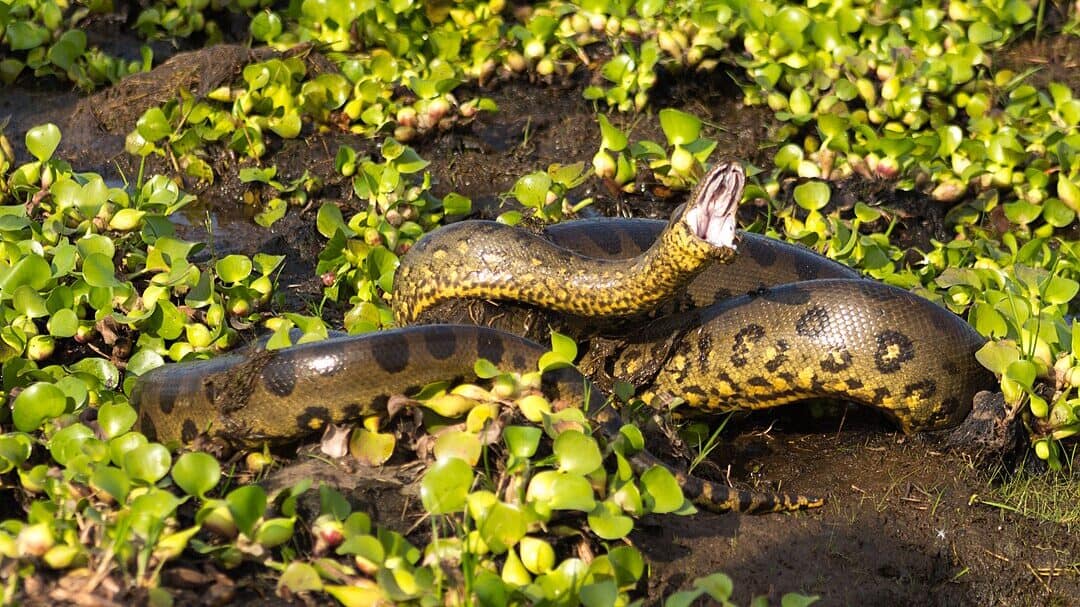
Anacondas routinely ambush and consume prey that would be considered dangerous to other predators. Caiman, with their powerful jaws and sharp teeth, represent one of the most formidable meals in the anaconda’s diet. When targeting such dangerous prey, anacondas modify their ambush technique to minimize risk. They typically strike at the head or neck region, using their powerful coils to immobilize the jaws first before fully enveloping the prey. This strategy neutralizes the most dangerous weapons of their prey before the animal can mount an effective defense.
The anaconda’s aquatic hunting ground provides another advantage when tackling dangerous prey. By dragging struggling prey underwater during constriction, anacondas can use the environment to their advantage, as few land animals can effectively fight while submerged. Herpetologists have documented cases of anacondas maintaining their grip on large prey while pulling them into deeper water, effectively drowning them while simultaneously applying constriction pressure. This combination of techniques demonstrates the sophisticated hunting intelligence that has evolved in these remarkable predators.
Seasonal Variations in Hunting Behavior
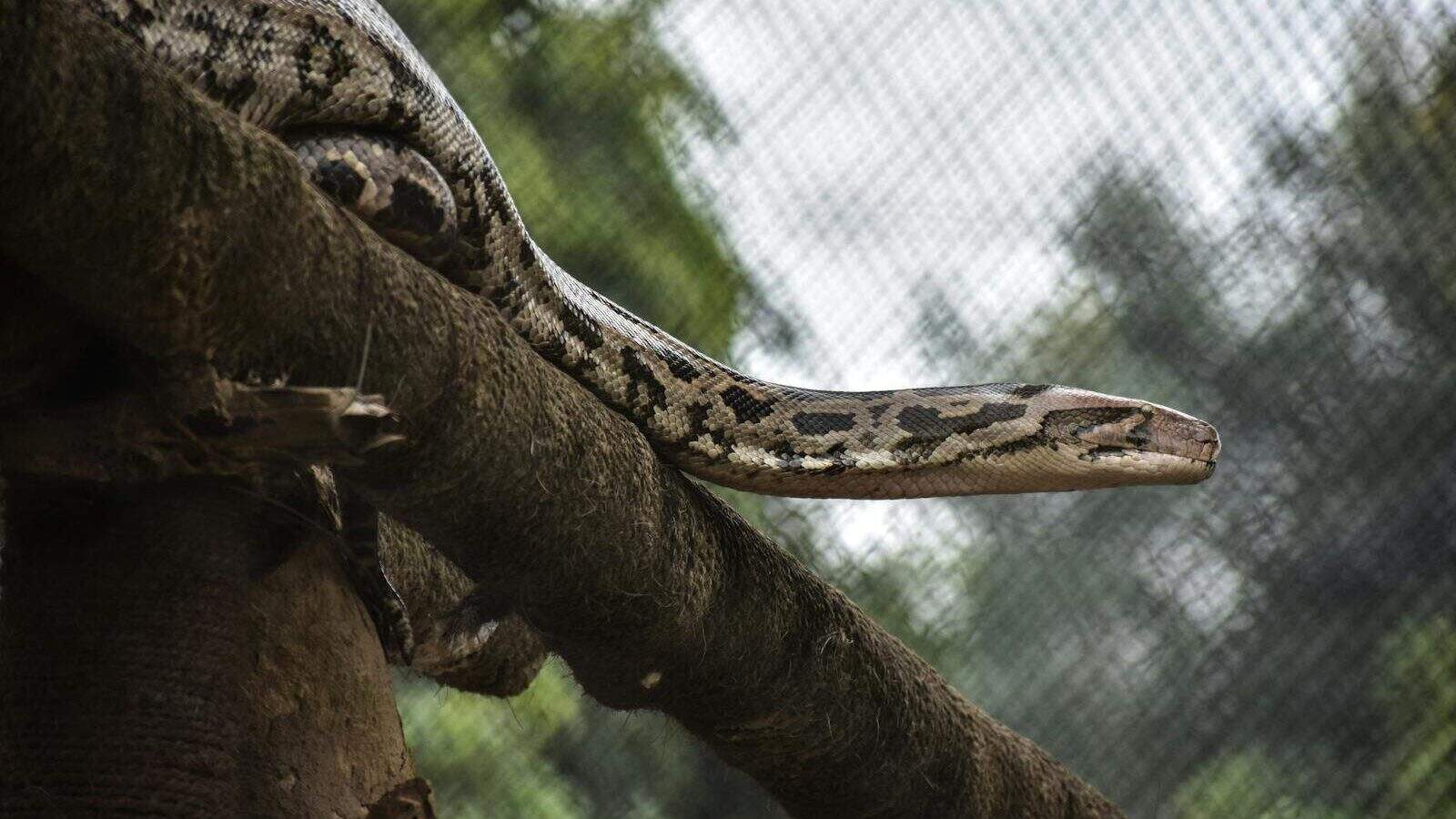
Anacondas adjust their ambush strategies according to seasonal changes in their environment. During the rainy season, when water levels rise and flood large areas of the Amazon basin, anacondas expand their hunting territories and may become more mobile, following the newly created waterways to find prey. The increased water coverage during these periods provides more opportunities for effective ambushes as terrestrial animals are forced to navigate unfamiliar flooded terrain, making them more vulnerable to attacks from below.
Conversely, during dry seasons when water bodies shrink, anacondas must adapt to more concentrated hunting grounds. They often position themselves near the remaining water sources where prey animals must come to drink, essentially creating natural bottlenecks that increase ambush opportunities. Research tracking wild anacondas has shown significant seasonal variations in movement patterns, with some individuals remaining in a single location during dry periods but traveling several miles during floods. This adaptive behavior maximizes hunting efficiency throughout the year despite dramatic changes in their habitat.
Learning and Adapting Ambush Techniques
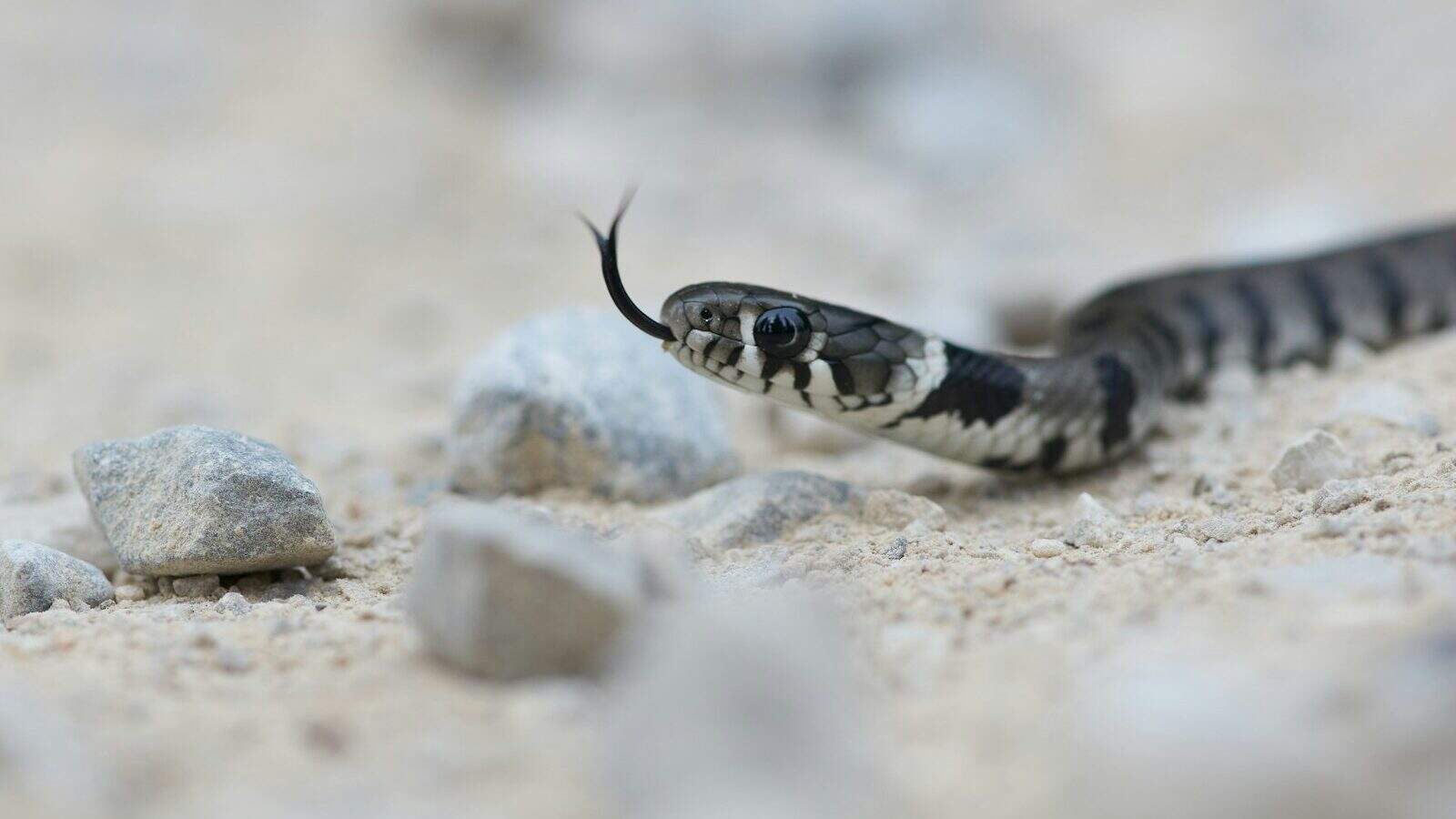
Evidence suggests that anacondas refine their ambush techniques through experience. Juvenile anacondas, while innately equipped with the instinct to ambush, lack the refined techniques observed in mature individuals. Young snakes are more likely to make tactical errors such as striking too early or selecting poor ambush locations. As they mature and gain hunting experience, their success rate increases dramatically, indicating a learning component to their predatory behavior.
This capacity for learning extends to habitat-specific adaptations. Anacondas living in different regions of the Amazon basin have been observed using slightly modified ambush techniques based on local conditions. For example, those inhabiting areas with clearer water may rely more heavily on visual camouflage, while those in extremely turbid environments place greater emphasis on strategic positioning near shore paths. This behavioral plasticity demonstrates that the anaconda’s ambush strategy is not merely instinctual but involves a sophisticated integration of learned techniques and environmental assessment.
The Aftermath: Consuming the Prey
After a successful ambush and constriction, anacondas face the challenge of consuming prey that may weigh as much as themselves. The consumption process begins with the snake aligning its prey for headfirst swallowing, which reduces resistance from limbs or other protruding body parts. Using their highly mobile jaw bones, which can dislocate to open remarkably wide, anacondas slowly work their way down the prey’s body. This process is aided by backward-curving teeth that grip the prey and prevent it from slipping out, and copious amounts of saliva that lubricates the passage.
The consumption phase represents a vulnerable period for the anaconda. While swallowing large prey, which can take hours or even days for exceptionally large meals, the snake is less mobile and more exposed to potential predators. To mitigate this risk, anacondas often retreat to secluded locations after a successful kill, sometimes dragging large prey considerable distances to find suitable cover. Following a substantial meal, anacondas enter a digestive phase lasting up to two weeks, during which their metabolic rate increases dramatically to process the enormous influx of nutrients, fueling future ambushes.
Masters of the Swamp: Understanding Nature’s Perfect Ambush Predator
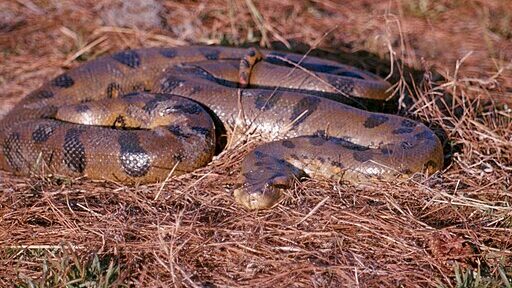
The green anaconda represents one of nature’s most refined examples of ambush predation, combining physical adaptations, sensory specializations, and behavioral strategies into a formidable hunting system. Their success in the challenging environment of South American swamps testifies to millions of years of evolutionary refinement, resulting in a predator perfectly adapted to its ecological niche. The anaconda’s hunting strategy—patience, stealth, precise positioning, and explosive power—demonstrates the sophisticated interplay between anatomy and behavior that characterizes apex predators.
Despite their fearsome reputation, anacondas play a vital role in maintaining the health of their ecosystems, controlling populations of prey species and contributing to the biodiversity of tropical wetlands. As habitats face increasing pressure from human activities, understanding the complex hunting behaviors of species like the anaconda becomes essential for effective conservation efforts. By appreciating the remarkable ambush techniques of these magnificent predators, we gain not only scientific knowledge but also a deeper respect for the intricate relationships that sustain Earth’s most diverse ecosystems.

- The Story Behind the Red Panda’s Endangered Status - July 18, 2026
- Are You Really Swallowing Spiders in Your Sleep? - July 18, 2026
- Why Japanese Macaques Love Hot Springs - July 17, 2026