

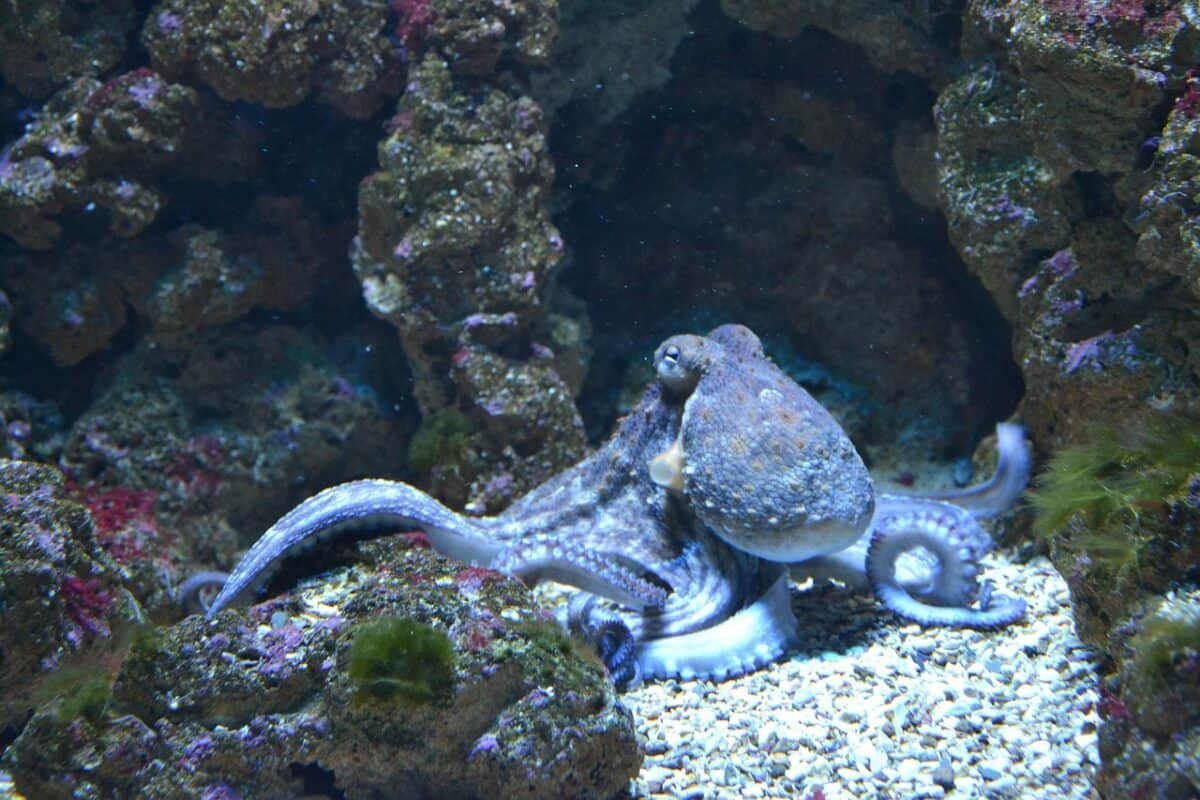
When we think of tool use in the animal kingdom, our minds often jump to our closest relatives: primates. However, the natural world is full of surprises, and one of the most unexpected practitioners of tool use is a predator from the ocean. This fascinating glimpse into the ingenuity of animals beyond the primate family unveils the resourcefulness and adaptability prevalent in nature.
The Clever Octopus

The creature at the heart of this revelation is the octopus—an invertebrate mollusk known for its intelligence and complex behaviors. Among the octopus species, the veined octopus, also known as the coconut octopus, stands out for its unique method of using coconut shells and other items as tools for hunting and protection.
Tool Use in the Animal Kingdom

Tool use is often considered a hallmark of intelligence, highlighting an ability to manipulate surroundings, solve problems, and adapt to challenges. It was initially thought to be a trait exclusive to humans and some great apes, but time and research have shown that this remarkable skill extends to several other animal species.
Historical Observations of Octopus Behavior

Researchers have observed octopuses manipulating objects in their environment for decades. The breakthrough with the veined octopus came when scientists in Southeast Asia recorded these creatures using coconut shells for protection and hunting. This behavior challenged preconceived notions of intelligence across species.
Ingenious Shell Manipulation

The veined octopus collects discarded coconut shells and uses them in surprisingly sophisticated ways. It carries the shells with its arms, knocking them together to form a shelter, or even uses them to raft across sandy seabeds. This remarkable behavior signals an understanding of construction and future planning, a rare skill among non-human animals.
Adaptive Hunting Techniques

Beyond simply using shells for protection, veined octopuses have been observed using them in hunting. They can deploy quick, sudden movements from the cover of shells to ambush prey, demonstrating not only the use of tools but strategic thought processes involved in their hunting routines.
Comparison with Primate Tool Use

While the tool use in octopuses is not as varied as in primates, it is no less significant. Primates are often seen using sticks to extract insects or stones to crack nuts. The natural world of the octopus involves a different set of tools and environments, leading to the evolution of their own unique forms of tool use.
The Role of Intelligence
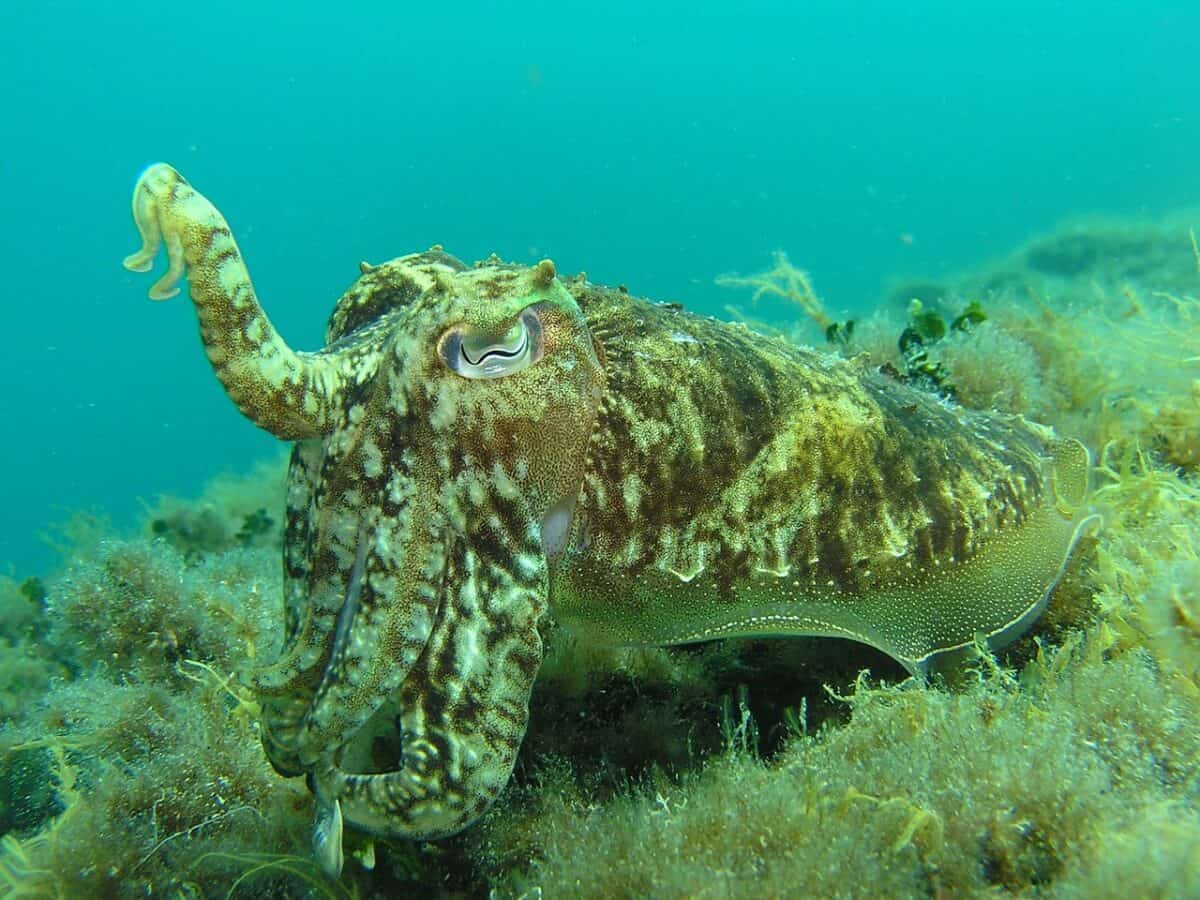
Is this behavior a sign of intelligence? Many scientists argue yes. Intelligence in animals is not solely based on similarity to human behavior but rather on adaptability, problem-solving, and environmental manipulation. The octopus’s mastery of these skills makes a compelling argument for their cognitive capabilities.
Potential for Learning and Memory
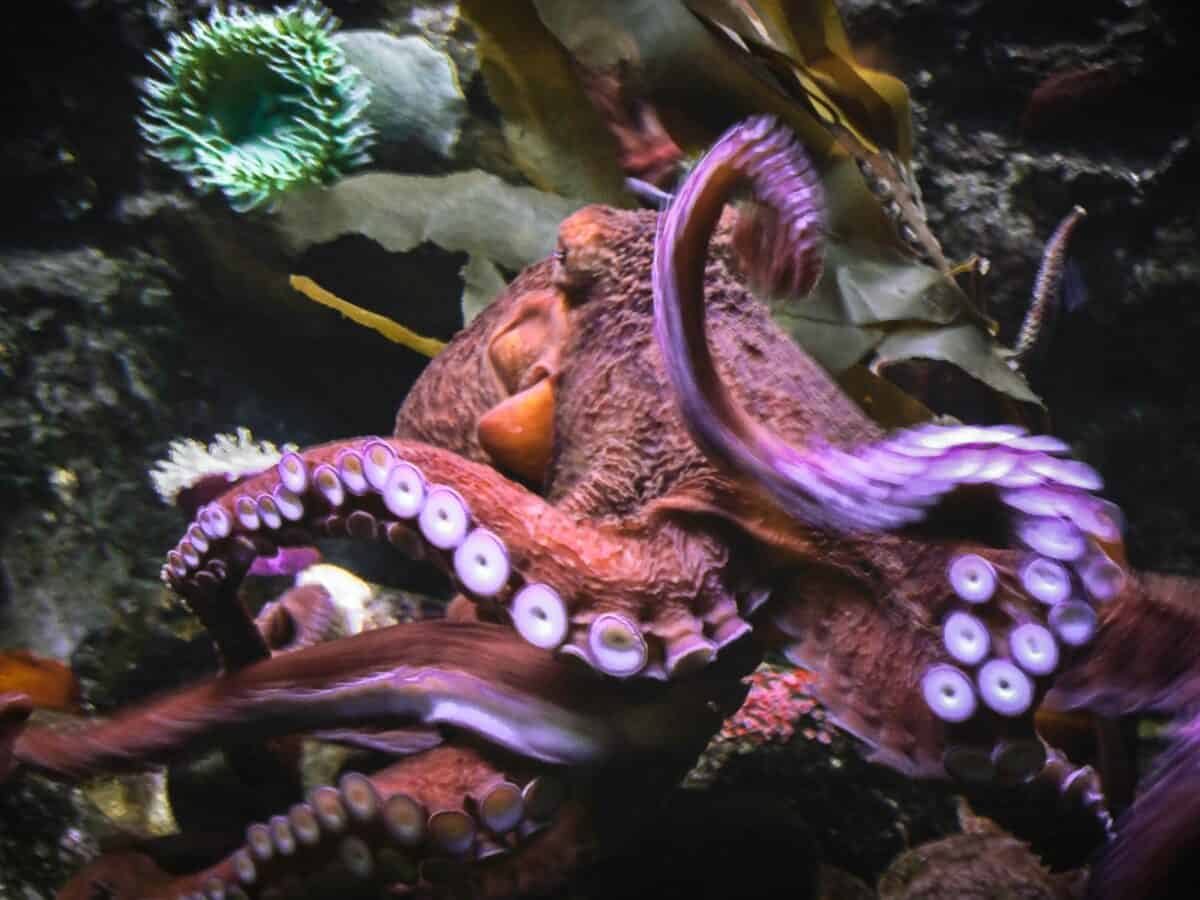
Octopuses have shown a capacity for learning and memory. Their behavior suggests not just instinct but deliberate and thoughtful action, which is a cornerstone of intelligence. Studies indicate they can remember solutions to problems and apply them to new situations, demonstrating memory usage.
Environmental Influences
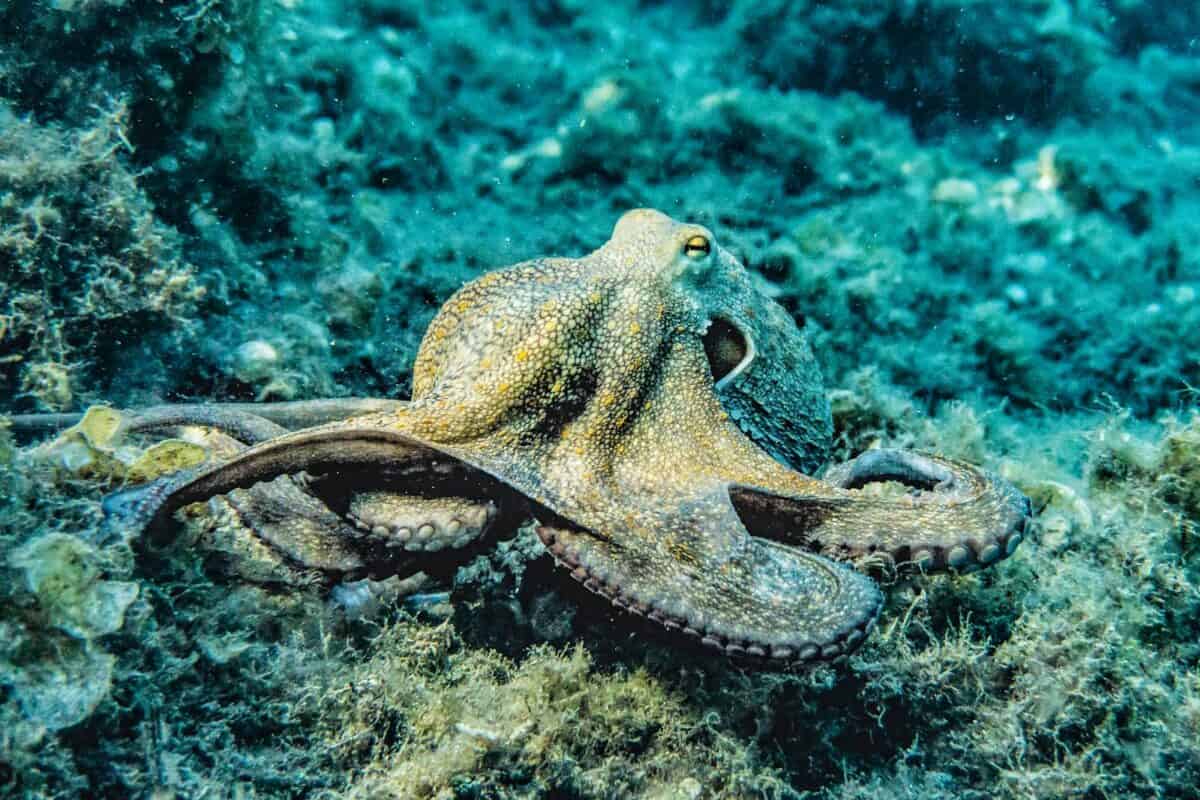
The marine environment poses unique challenges, and the octopus’s tool use may be an evolutionary response to these conditions. Scarce resources and predatory threats may have driven the veined octopus to develop these innovative behaviors as a means of survival.
Conservation Concerns

The discovery of tool use in octopuses highlights the importance of marine conservation. Protecting habitats that support such complex life forms is essential, ensuring the continuation of these remarkable behaviors for future generations to study and admire.
Implications for Research

These findings encourage a broader exploration of intelligence in the animal kingdom while challenging our understanding of cognitive evolution. They suggest the need for continued research into invertebrate intelligence, broadening our perspectives beyond the traditional focus on mammals and birds.
The tool use by the veined octopus is a testament to the richness and complexity of life on Earth. It reminds us that intelligence manifests in myriad forms across different species. As we deepen our understanding of tool use beyond the primate realm, we gain valuable insights into the evolutionary processes that drive adaptation and survival. This discovery not only fascinates us but also underscores the vital importance of conserving our planet’s biodiversity, ensuring that such remarkable natural phenomena continue to thrive.

- How Sustainable Farming Protects Wildlife in Tea Regions - July 21, 2026
- Why So Many Marine Animals Are Bioluminescent - July 21, 2026
- Wildlife Mysteries That Took Decades to Solve - July 21, 2026