

Worried about unexpected vet bills?
Pet insurance can cover thousands in unexpected vet costs. Get a free quote from Lemonade in under 2 minutes.
Get My Free Quote →Sponsored · Opens Lemonade.com
Chile is a nation of extraordinary geographic diversity, stretching over 4,000 kilometers along the western edge of South America. Its vast length and varied landscapes, from the Atacama Desert in the north to the glacial wilderness of Patagonia in the south, are home to a rich array of animals and wildlife. The country provides a plethora of ecosystems that host unique species, both endemic and migratory, providing nature enthusiasts with plentiful opportunities to witness these creatures in their natural habitats. In this article, we’ll delve into the top 10 animals and wildlife species that make Chile a fascinating destination for wildlife enthusiasts.
1. Andean Condor

The Andean Condor, one of the world’s largest flying birds, is an iconic symbol of the Andes. With a wingspan that can exceed 3 meters (10 feet), it soars across the open skies of the Andes, Patagonia, and coastal cliffs. These birds are primarily scavengers, feeding on carrion found in the mountains. Their remarkable ability to glide on thermal currents allows them to travel great distances without flapping their wings, making them a breathtaking sight for those fortunate enough to observe them in flight.
2. Puma

The elusive Puma, also known as the mountain lion, is one of the top predators in the Chilean wilderness. Native to various habitats in the country, including the Torres del Paine National Park in Patagonia, Pumas are solitary creatures known for their stealth and strength. They hunt a range of prey, from small rodents to larger animals like guanacos. Spotting a puma is a rare and unforgettable experience due to its reclusive nature.
3. Guanaco

Guanacos are wild relatives of the domestic llama and are a common sight in the Patagonian steppes. These graceful animals are well-adapted to the harsh environments of Patagonia. They have long necks and slim bodies, allowing them to spot predators like pumas from a distance. Guanacos are social animals, often seen in groups, and are an important part of the food web in their ecosystem.
4. Humboldt Penguin
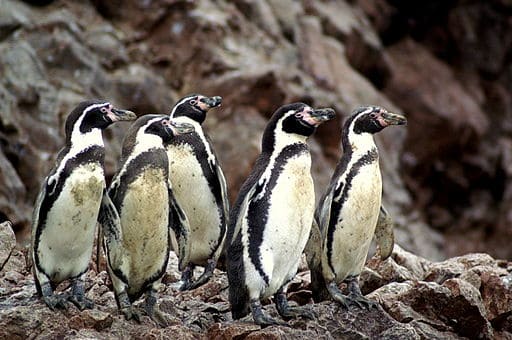
The Humboldt Penguin, named after the Humboldt Current, thrives along Chile’s coastal shores, particularly in the northern and central regions. These medium-sized penguins are known for their distinct black-and-white plumage and are adept swimmers, fishing for anchovies, sardines, and other small fish. Nesting in burrows or caves, they are a popular attraction for tourists visiting coastal reserves.
5. Vicuna
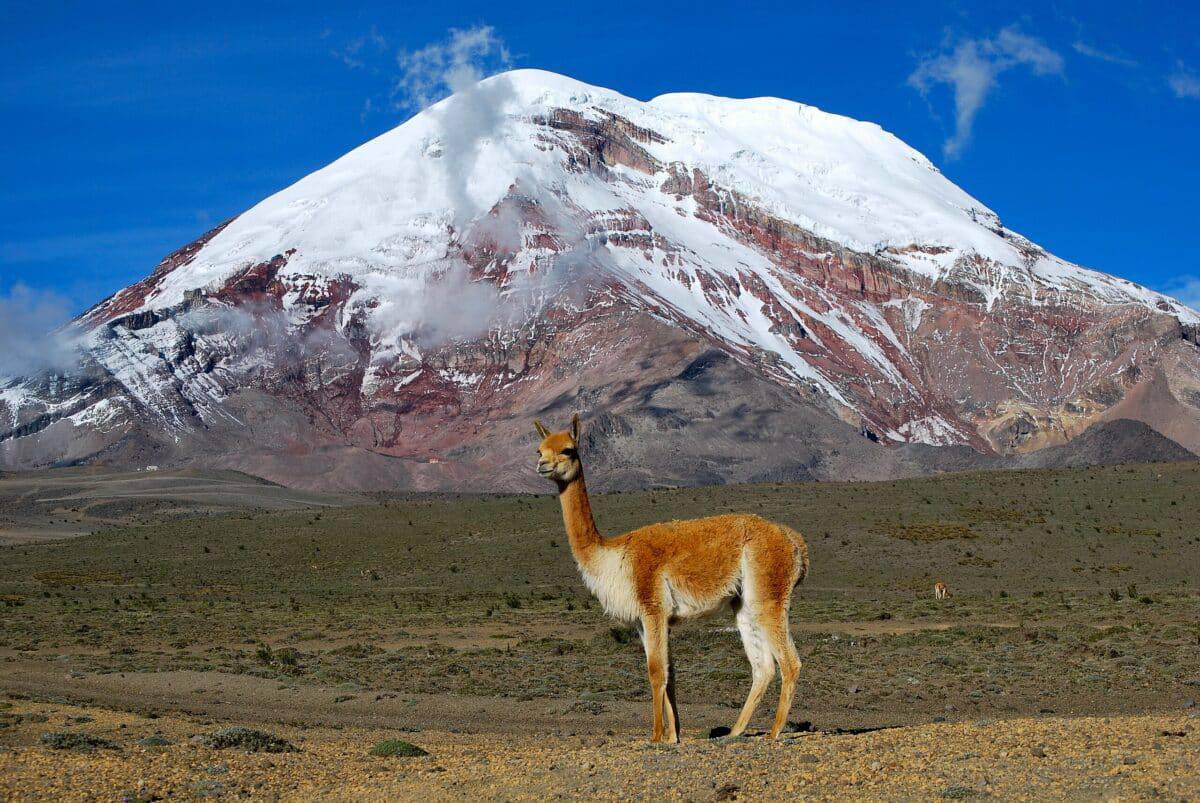
The vicuña, the smallest member of the camelid family in Chile, is found in the high altiplano regions of the Andes. Known for their incredibly soft and valuable wool, vicuñas live in social groups and graze on the sparse vegetation found at high altitudes. Conservation efforts have helped increase their population, as they were once hunted to near extinction for their wool.
6. Magellanic Woodpecker
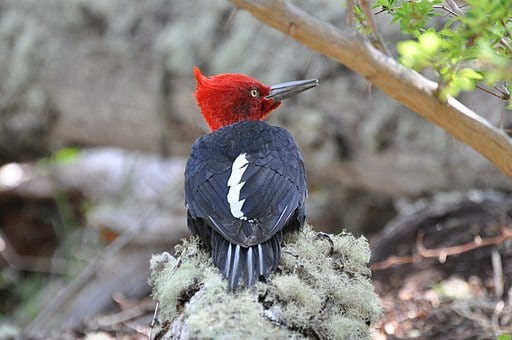
The Magellanic Woodpecker is a highlight for birdwatchers exploring Chile’s southern forests. As one of the largest woodpecker species in South America, it stands out with its striking black body and bright red head (in males). These birds peck into trees to hunt insects, especially beetles, and can often be heard before they are seen due to their loud, rhythmic drumming.
7. Patagonian Mara
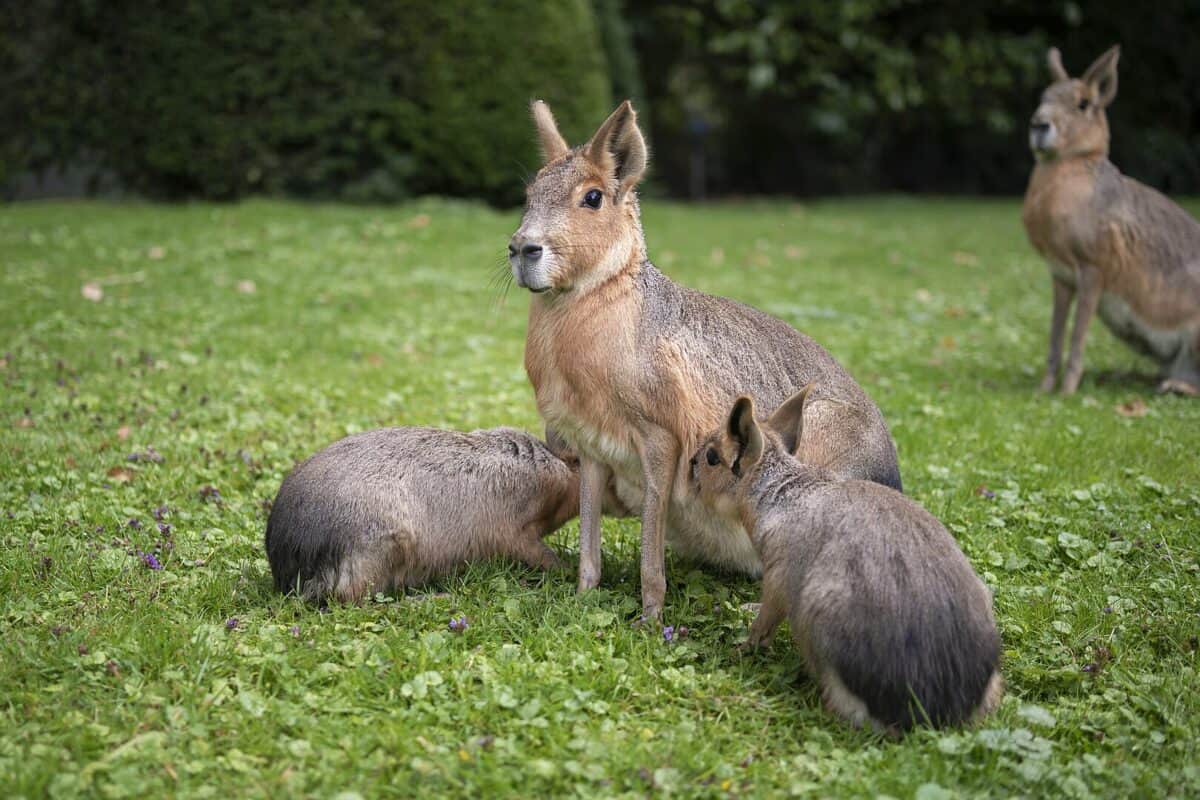
The Patagonian Mara is a unique rodent that resembles a small deer more than a typical rodent. With long ears and slender legs, this species is adapted to the open and arid environments of central and southern Chile. Social animals by nature, maras often form monogamous pairs and familial groups. They feed primarily on grasses and are known for their unique, bunny-like hopping.
8. Darwin’s Frog
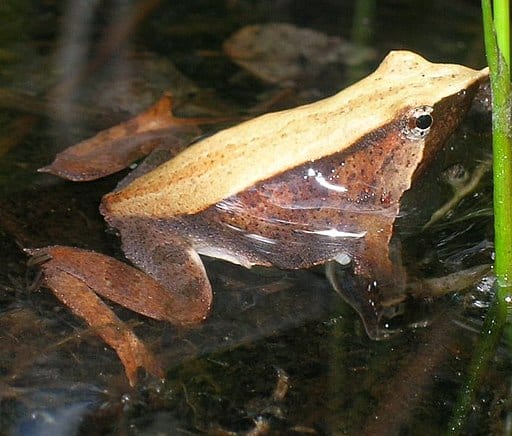
Named after the renowned naturalist, Charles Darwin, Darwin’s Frog is a distinctive amphibian found in the temperate forests of southern Chile. Notable for its leaf-like appearance, this frog is distinguished by its unique method of reproduction. Male frogs play a key role in nurturing offspring by carrying the developing young in their vocal sac until they are ready to leave.
9. Chilean Flamingo
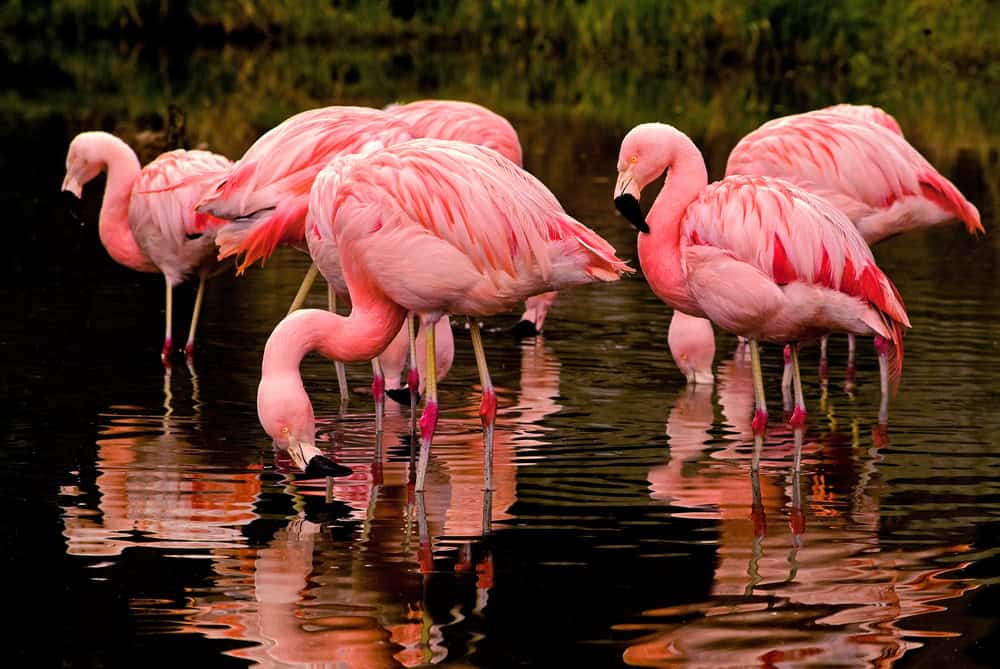
The Chilean Flamingo, with its characteristic pink plumage and elegant presence, inhabits numerous saline and alkaline lakes throughout the high-altitude Andean plateau and other parts of the country. These birds acquire their vibrant coloration from their diet of crustaceans and algae. Their striking appearance and graceful movements make them a captivating species for bird watchers and photographers alike.
10. Lesser Rhea
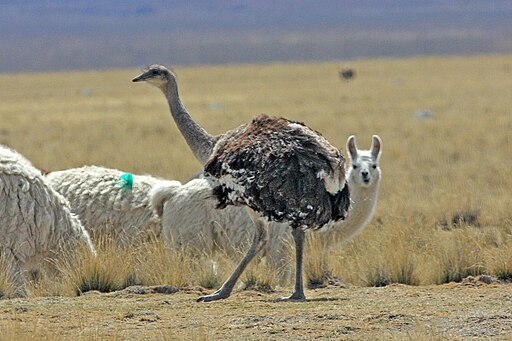
The Lesser Rhea, a large flightless bird akin to the ostrich, traverses the open grasslands of Patagonia. They are recognizable by their considerable stature and fluffy plumage. Rheas are social, often forming groups to feed on seeds, leaves, and insects. Their speed and agility provide an effective means of escaping predators in the open landscapes they inhabit.
Conclusion: Exploring Chile’s Wildlife

Chile offers a breathtaking array of wildlife, each uniquely adapted to the country’s varied ecosystems. From the soaring Andean Condor to the elusive Puma and the charming Humboldt Penguin, Chile’s fauna encapsulates the beauty and diversity of its natural landscapes. Exploring these habitats provides insightful glimpses into the rich biodiversity that thrives in this picturesque part of the world, making Chile a must-visit destination for wildlife enthusiasts and nature lovers alike.
Worried about unexpected vet bills?
Pet insurance can cover thousands in unexpected vet costs. Get a free quote from Lemonade in under 2 minutes.
Get My Free Quote →Sponsored · Opens Lemonade.com

- How to Make Your Garden Safe for Small Animals - June 9, 2026
- 15 Dog Breeds That Make the Best Family Companions - June 9, 2026
- How to Help Your Pet Cope with Moving to a New Home - June 9, 2026