


Swimming alongside the gentle giants of the ocean is an experience that tops many bucket lists. Whale sharks, the world’s largest fish, offer adventurous travelers a unique opportunity to witness marine magnificence up close. Despite their imposing size—reaching lengths of up to 40 feet—these spotted behemoths are filter feeders with no interest in making humans their next meal. Their docile nature, combined with predictable migration patterns, has created a thriving ecotourism industry across several global hotspots. This article explores the premier destinations where you can encounter these magnificent creatures, highlighting the best times to visit, conservation efforts, and responsible tourism practices for an unforgettable underwater experience.
The Majestic Whale Shark: Understanding These Ocean Giants

Before diving into specific destinations, it’s essential to understand the creature you’re seeking to encounter. Whale sharks (Rhincodon typus) are the largest fish in the sea, easily identified by their distinctive white-spotted pattern against a blue-gray background. Despite their intimidating size—averaging 18-32 feet in length with some exceptional individuals reaching 40 feet—these gentle giants are filter feeders, consuming primarily plankton, small fish, and fish eggs. They swim with their massive mouths open, filtering food from the water as they go.
Whale sharks typically migrate to areas with seasonal food abundance, creating predictable windows for human encounters. They’re slow-moving, averaging about 3 miles per hour, which makes swimming alongside them possible for most reasonably fit individuals. While not considered endangered, whale sharks are listed as vulnerable on the IUCN Red List, facing threats from fishing practices, vessel strikes, and habitat degradation. This vulnerability makes responsible whale shark tourism not just preferable but essential for their continued survival.
Isla Holbox, Mexico: The Caribbean’s Premier Whale Shark Haven

Off the northern coast of Mexico’s Yucatan Peninsula lies Isla Holbox, one of the Western Hemisphere’s most reliable whale shark destinations. From mid-May to September, hundreds of these spotted giants gather in the nutrient-rich waters where the Gulf of Mexico meets the Caribbean Sea. The peak season typically runs from June to August, when up to 800 whale sharks may converge in the area for the annual bonito fish spawning event.
What makes Holbox particularly appealing is its laid-back atmosphere compared to nearby Cancun. The island maintains a rustic charm with sandy streets, no cars, and boutique accommodations rather than mega-resorts. Tours depart daily during the season, with regulations limiting the number of swimmers per shark and prohibiting touching or using flash photography. Many operators contribute to scientific research by documenting sightings and individual sharks’ markings, making your adventure not just thrilling but beneficial to conservation efforts as well.
Ningaloo Reef, Australia: Precision Whale Shark Encounters
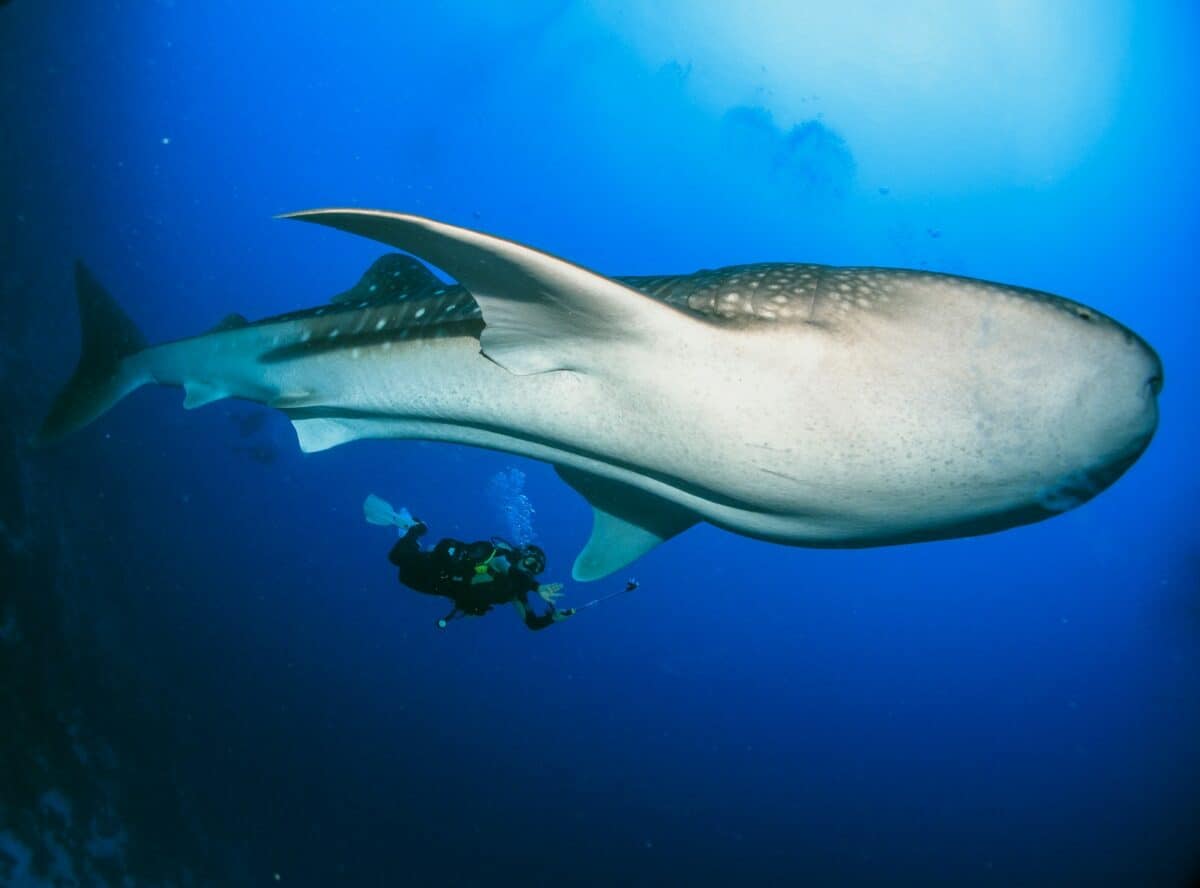
Australia’s Ningaloo Reef offers perhaps the world’s most reliable whale shark encounters, with a season running from March through July. This UNESCO World Heritage site on Western Australia’s coast boasts one of the longest fringing reefs globally and has developed a sophisticated system for whale shark spotting. Spotter planes locate the sharks from above, then direct boats to their location, maximizing your chances of a successful encounter while minimizing disturbance to the animals.
The experience at Ningaloo is highly regulated, with strict guidelines about swimmer numbers, proximity to the animals, and interaction protocols. The predictability of sightings here is remarkable—many tour operators offer a guarantee of re-booking if you don’t see a whale shark on your first outing. Beyond whale sharks, visitors during this period may also encounter manta rays, dugongs, and humpback whales, making Ningaloo an exceptional all-around marine wildlife destination. The nearest gateway town, Exmouth, provides accommodations ranging from camping to luxury eco-lodges.
Donsol, Philippines: The Original Whale Shark Destination

Often credited with pioneering whale shark tourism, Donsol in the Philippines’ Sorsogon province transformed from a fishing village to an ecotourism hub after locals realized these gentle giants were worth more alive than harvested. The whale shark season here runs from November through June, with peak activity between February and May when plankton concentrations in the bay are highest. Unlike some destinations where whale sharks appear offshore, in Donsol they often come remarkably close to shore, sometimes visible from beachfront properties.
The Donsol experience differs from some other locations in that spotting is done the traditional way—by keen-eyed local spotters (known as Butanding Interaction Officers) rather than spotter planes. This adds an element of authentic adventure to the experience. The Philippines has made significant strides in whale shark protection, transitioning from a country where they were hunted to one where they’re carefully protected. Today, the Bureau of Fisheries and Aquatic Resources enforces strict regulations, including maintaining a distance of 3 meters from the shark’s body and 4 meters from its tail, with absolutely no touching permitted.
Isla Mujeres, Mexico: Massive Summer Aggregations

Just a short boat ride from Cancun lies Isla Mujeres, which hosts one of the most spectacular whale shark gatherings on the planet. From mid-May to September, but particularly in July and August, hundreds of whale sharks converge here to feed on the eggs of spawning little tunny (a type of bonito). What makes this aggregation truly special is not just the number of sharks but their feeding behavior—often swimming vertically in the water with mouths agape to maximize their intake of floating fish eggs.
The proximity to Cancun’s international airport makes this one of the most accessible whale shark experiences globally. However, this accessibility has a downside—the area can become crowded with tour boats during peak season. Conservation-minded travelers should research operators carefully, looking for those who adhere to strict environmental protocols and contribute to research efforts. Despite the tourist presence, the experience remains breathtaking—swimming amid dozens of massive whale sharks in the crystal-clear blue waters of the Caribbean is an unforgettable wildlife encounter.
South Ari Atoll, Maldives: Year-Round Encounters
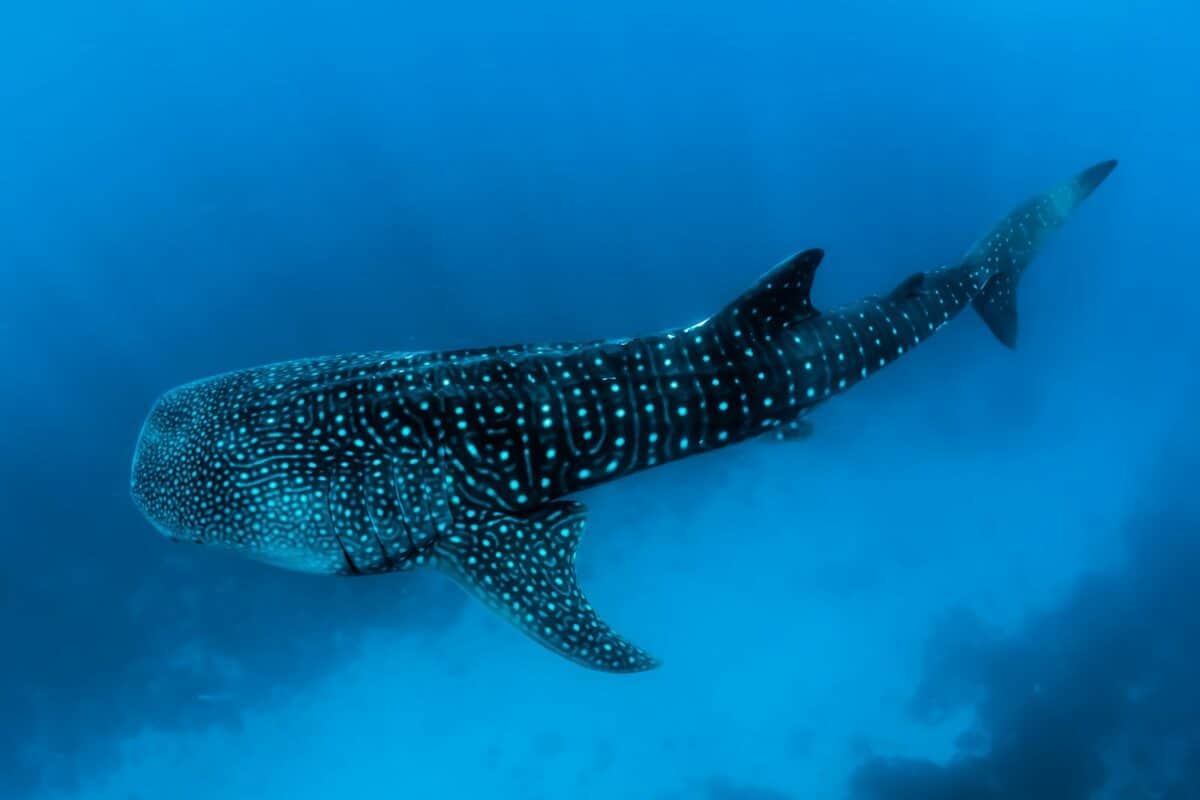
Unlike most whale shark destinations with distinct seasonal windows, the Maldives’ South Ari Atoll (also known as South Ari Marine Protected Area) offers the remarkable opportunity for year-round whale shark encounters. This makes it one of the few places where you can plan a trip at almost any time and still have reasonable expectations of a sighting. The resident population here consists primarily of juvenile males, suggesting the area functions as an important developmental habitat in the sharks’ life cycle.
The Maldives has embraced sustainable shark tourism, with the government establishing marine protected areas and regulations to ensure these encounters remain viable long-term. Many luxury resorts in the area have marine biologists on staff who conduct research while also guiding guests on whale shark excursions. These experts can enhance your experience by providing in-depth information about individual sharks that have been identified and tracked over time. The exceptional visibility of Maldivian waters, often exceeding 30 meters, provides perfect conditions for underwater photography enthusiasts looking to capture these magnificent creatures.
Utila, Honduras: Budget-Friendly Whale Shark Diving
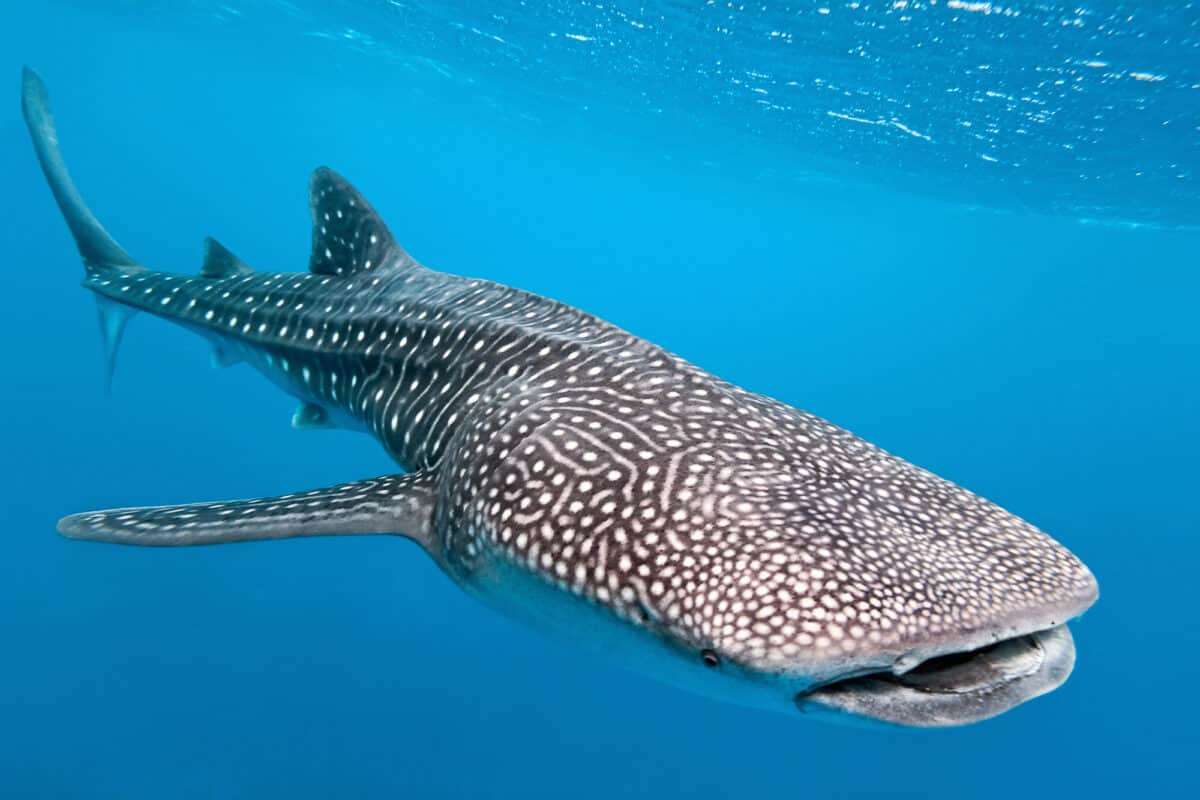
The tiny island of Utila in Honduras has earned a reputation as one of the most affordable places to encounter whale sharks. Part of the Mesoamerican Barrier Reef System, this destination attracts these gentle giants year-round, with peak seasons in March-April and August-September corresponding to local fish spawning events. What makes Utila unique is that it combines whale shark opportunities with affordable dive training—many visitors complete their PADI certification here while also hoping for whale shark encounters during their training dives.
The Whale Shark and Oceanic Research Center on the island conducts ongoing studies of the local population, with many dive shops participating in their monitoring programs. Visitors can contribute to citizen science efforts by submitting their whale shark photos to identification databases. The island itself has a laid-back, backpacker-friendly atmosphere with numerous budget accommodations and dive shops offering competitively priced packages. Even outside peak season, the diverse marine life of the Mesoamerican Reef ensures spectacular diving, with whale shark sightings being the potential cherry on top of an already remarkable underwater experience.
Mafia Island, Tanzania: East Africa’s Hidden Gem
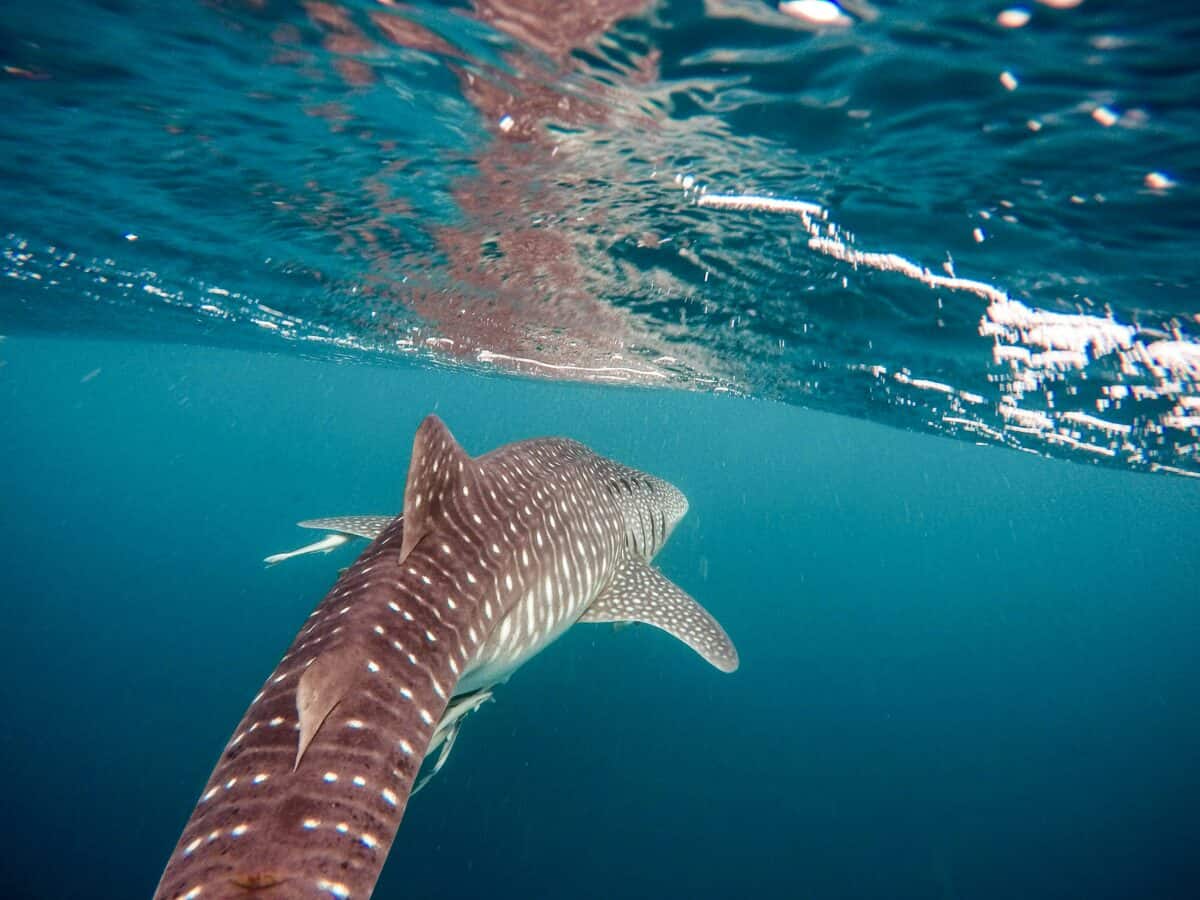
Less publicized than many whale shark destinations, Mafia Island off Tanzania’s coast offers intimate encounters without the crowds found at more established sites. From October to March, whale sharks gather in the channel between Mafia and the mainland, feeding on the abundant plankton generated by nutrient-rich upwellings. The peak period typically runs from November to February, when sightings become nearly guaranteed on daily excursions.
What distinguishes Mafia Island is its relatively undeveloped tourism infrastructure compared to global hotspots like Mexico or the Philippines. This means fewer boats and swimmers around each shark, creating more natural and less stressful encounters for both humans and sharks. The island itself offers a genuine East African coastal experience, with traditional fishing villages, mangrove forests, and pristine beaches. Marine conservation efforts here are led by local NGOs working with fishing communities to establish sustainable practices that protect both whale sharks and local livelihoods, making it an excellent choice for travelers concerned with the social impact of their tourism dollars.
Cenderawasih Bay, Indonesia: Unique Feeding Interactions
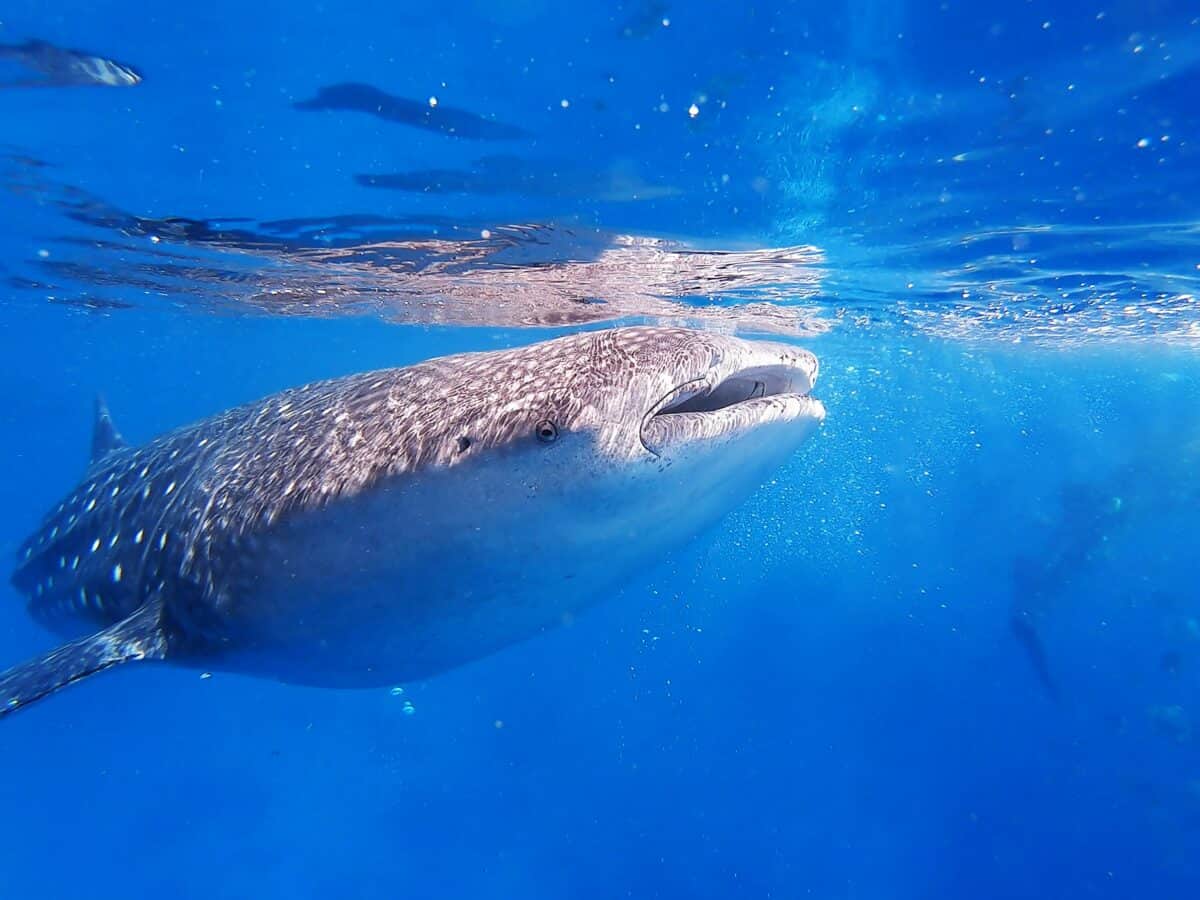
In the remote reaches of eastern Indonesia, Cenderawasih Bay National Park offers one of the world’s most unusual whale shark experiences. Here, these giants have developed a unique feeding behavior—they position themselves beneath traditional fishing platforms called bagans, where they feast on small fish that fall through the nets. This behavior creates consistent, year-round whale shark presence, though the best conditions for visitors typically occur between May and October when seas are calmer.
The remoteness of Cenderawasih Bay means reaching it requires commitment—typically involving flights to Nabire followed by boat transfers. This journey deters casual tourists, resulting in an uncrowded experience for those who make the effort. Most visitors explore the area via liveaboard dive boats, which allow for multiple days of whale shark encounters along with exploration of the bay’s pristine coral reefs. Conservation efforts here involve education programs with local fishermen, many of whom now derive income from tourism rather than fishing alone, creating economic incentives for whale shark protection.
Tofo Beach, Mozambique: The African Whale Shark Coast
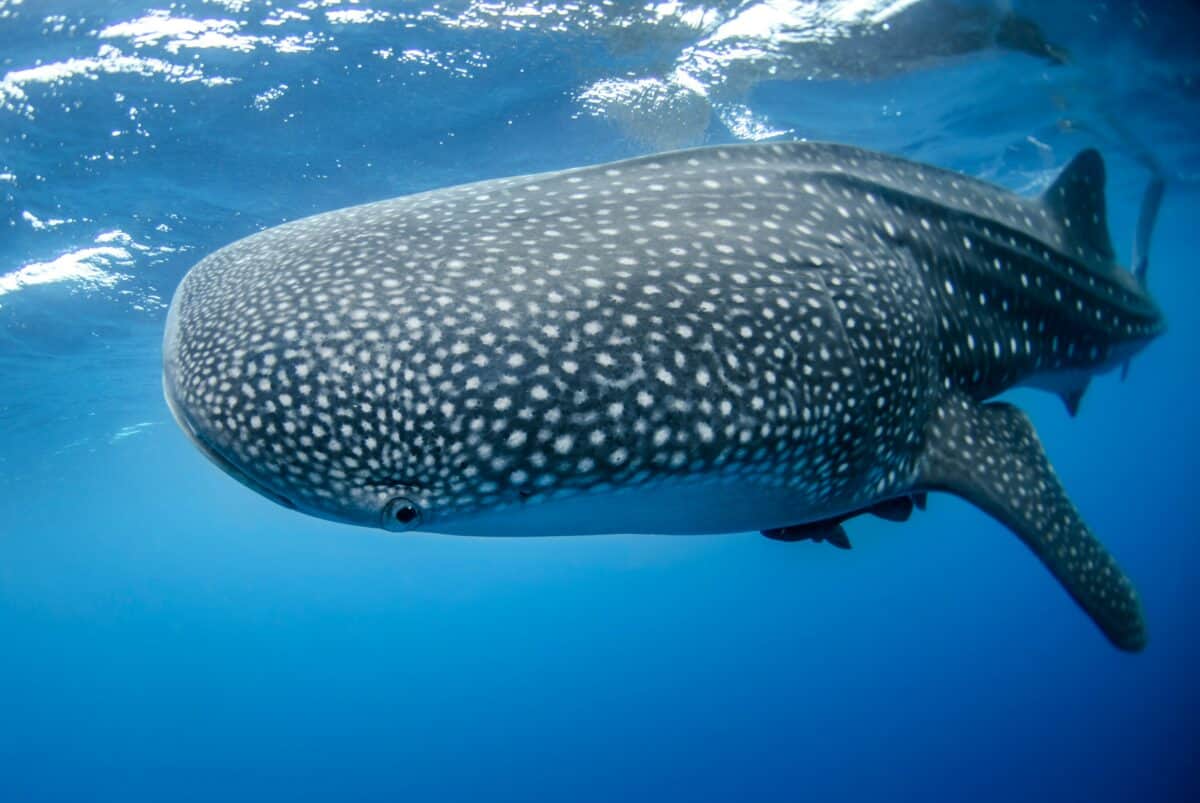
Mozambique’s Tofo Beach represents one of Africa’s premier whale shark destinations, with these giants frequenting the coastal waters throughout the year but peaking from October to March. What makes Tofo special is the possibility of encountering multiple marine megafauna during a single outing—the same waters that attract whale sharks also host manta rays, dolphins, humpback whales (seasonally), and several sea turtle species. The area has been dubbed the “Serengeti of the Sea” for its remarkable marine biodiversity.
The Marine Megafauna Foundation maintains a research base in Tofo, conducting pioneering studies on whale shark populations and migration patterns in the Western Indian Ocean. Their work has revealed concerning population declines, making responsible tourism particularly important here. Most encounters occur during ocean safaris—snorkeling trips where experienced guides spot surface-swimming sharks. The laid-back beach community atmosphere of Tofo, combined with affordable accommodations and the chance to contribute to meaningful research, makes this an attractive option for conservation-minded travelers seeking authentic experiences away from mass tourism centers.
Gladden Spit, Belize: Whale Sharks and Spawning Snapper
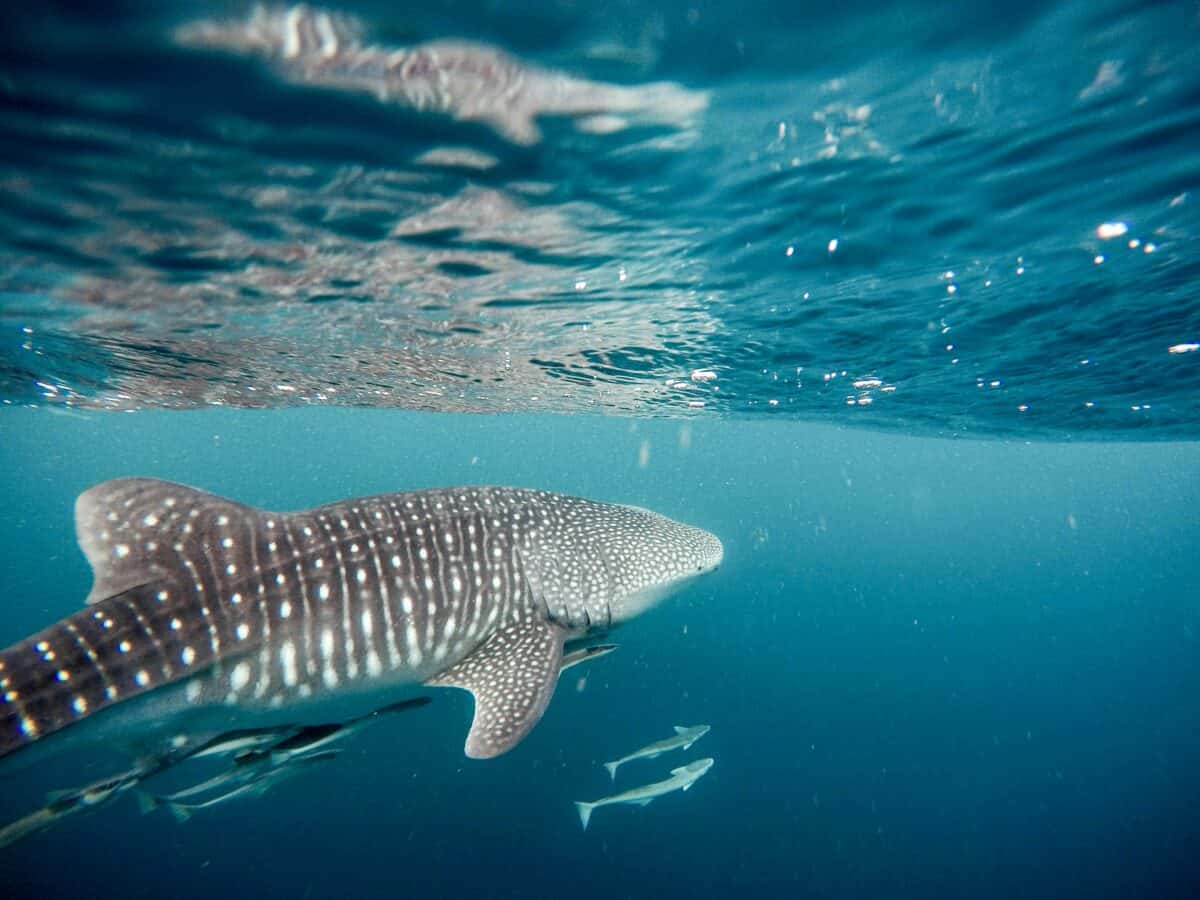
Within the UNESCO World Heritage Site of Belize’s Barrier Reef system lies Gladden Spit, a unique whale shark aggregation site with a fascinatingly predictable pattern. Here, whale sharks arrive with remarkable timing to coincide with the spawning aggregations of cubera and mutton snappers that occur during full moons from April through June. The sharks feast on the nutrient-rich fish spawn, creating a narrow but highly reliable window for encounters that correlates precisely with lunar cycles.
What sets Gladden Spit apart is that it combines world-class whale shark encounters with some of the Caribbean’s finest reef diving. The nearby Placencia peninsula serves as the gateway to these experiences, with numerous operators offering combined packages of whale shark excursions and reef exploration. The Belizean government has implemented strict protected area management, limiting the number of boats and swimmers permitted at the site each day. Visiting during the exact full moon periods requires advance planning, as accommodations and tour spots fill quickly for these prime dates, but the precision of the natural phenomenon makes it worth the extra effort.
Responsible Whale Shark Tourism: Best Practices
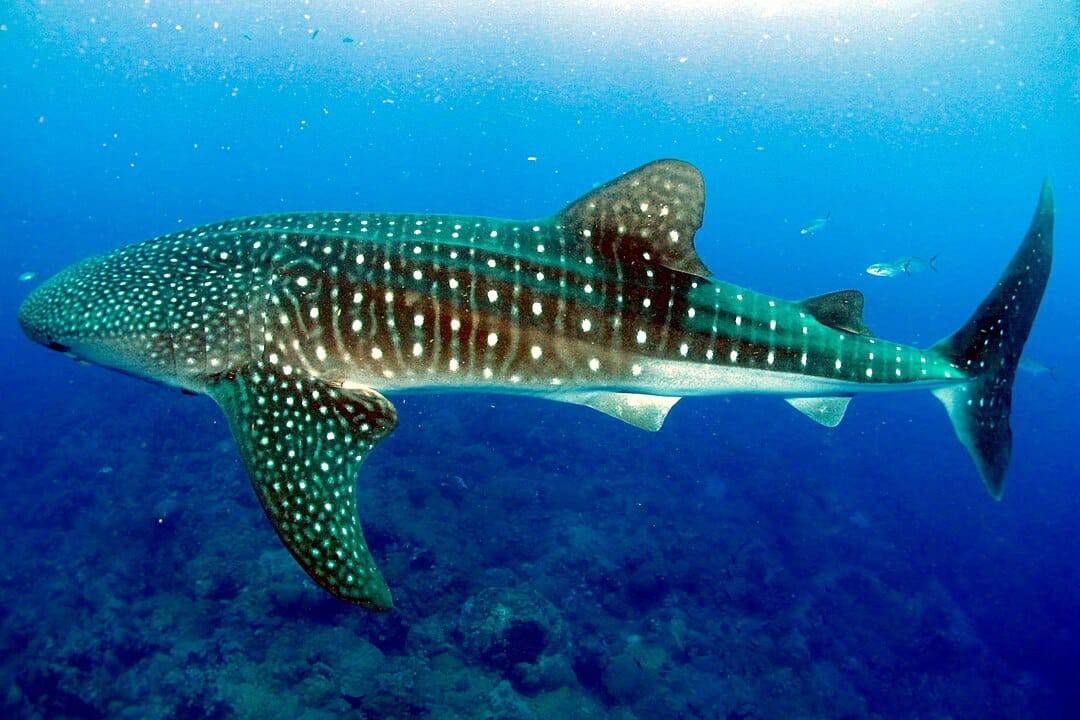
As whale shark tourism grows globally, responsible practices become increasingly crucial for the animals’ wellbeing. The best operators follow strict guidelines: maintaining minimum distances (typically 3-4 meters from the shark’s body), prohibiting touching, limiting swimmer numbers per shark (ideally no more than 6-8), avoiding blocking the shark’s path, and banning flash photography and underwater scooters that may disturb the animals. Beyond these basics, truly responsible operators contribute to research by documenting sightings, participate in conservation initiatives, and provide educational briefings that help visitors understand these magnificent creatures.
Before booking, research operators thoroughly—look for those affiliated with recognized conservation organizations or those employing marine biologists. Ask about their specific policies and how they contribute to whale shark protection. The best experiences balance visitor enjoyment with animal welfare, using practices that minimize stress on the sharks. Remember that responsible tourism creates economic incentives for conservation, potentially transforming former fishing communities into guardians of the very species they once harvested. By choosing ethical operators, you’re not just having a better experience—you’re contributing to the long-term survival of these vulnerable ocean giants.
Conclusion: Embracing the Magic of Whale Shark Encounters

Swimming with whale sharks represents one of the most profound wildlife encounters available to modern travelers, offering a rare glimpse into the majesty of the open ocean and its largest inhabitants. Each destination on this list provides its own unique approach to these experiences, from the scientific precision of Ningaloo Reef to the traditional spotting methods of Donsol, or the year-round accessibility of the Maldives to the remote adventure of Cenderawasih Bay. Regardless of which location you choose, proper preparation, responsible operator selection, and respect for established guidelines will maximize both your enjoyment and the sustainability of these encounters for future generations.
As whale shark tourism continues to evolve, the emphasis on conservation grows stronger, with many destinations transitioning from exploitation to protection as they recognize the tremendous economic and ecological value of living sharks. The most meaningful encounters leave travelers not just with spectacular photographs and memories but with a deeper understanding of marine ecosystems and the challenges facing ocean conservation. In witnessing these gentle giants in their natural habitat, we gain powerful advocates for ocean protection—individuals who have experienced firsthand the wonder of swimming alongside the world’s largest fish and who understand precisely what we stand to lose if we fail to protect our marine environments.

From exploring the marine wonders in the Azores and witnessing the vast savannas of Kenya, to delving deep into the rich biodiversity of South Africa and traversing iconic landscapes in Australia and the US like Yellowstone, Chris's experiences are vast.
With a penchant for diving alongside sharks, the ocean holds a special place in his heart.
Through his academic insights, he champions wildlife conservation, striving with 'Animals Around The Globe' to cultivate a profound connection between humans and animals, enhancing our mutual appreciation.
Connect with him at Feedback@animalsaroundtheglobe.com.
- Why Spiders Don’t Get Stuck in Their Own Webs - July 20, 2026
- What Scientists Found in a 10,000-Year-Old Beehive - July 20, 2026
- This Spider Builds Fake Decoys of Itself - July 20, 2026