
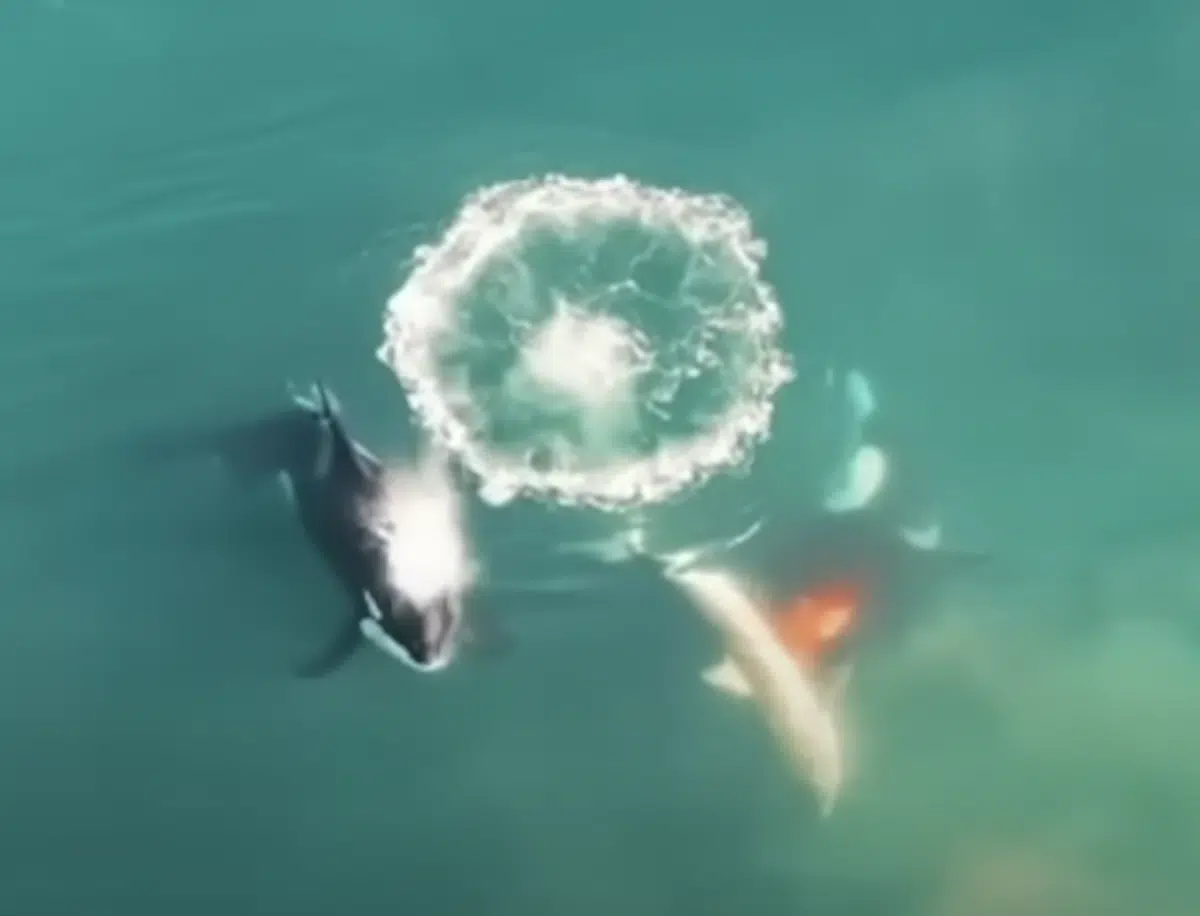
As apex predators, Orcas instill fear in even the top predators of the oceanic food chain. Lethal and intelligent hunters, they’re known to kill great whites only for their livers and toss seals skywards for fun – before feasting.
Sunny South Africa
South Africa’s active coastline is home to an array of deadly and harmless animals, from dolphins to hammerhead sharks and whales to tuna, making it fruitful terrain for killer whales, and they certainly fill their boots.
Their bright nature was brought to light, having been spotted in Cape Town’s False Bay weeks after Great Whites were sighted there for the first time in over five years – Coincidence? I think not.
Trouble in South African Waters
Orcas hunting is a mesmerizing performance of teamwork, precision and fatality, while making it look seamless and effortless.
Orcas – Hunting Masterminds
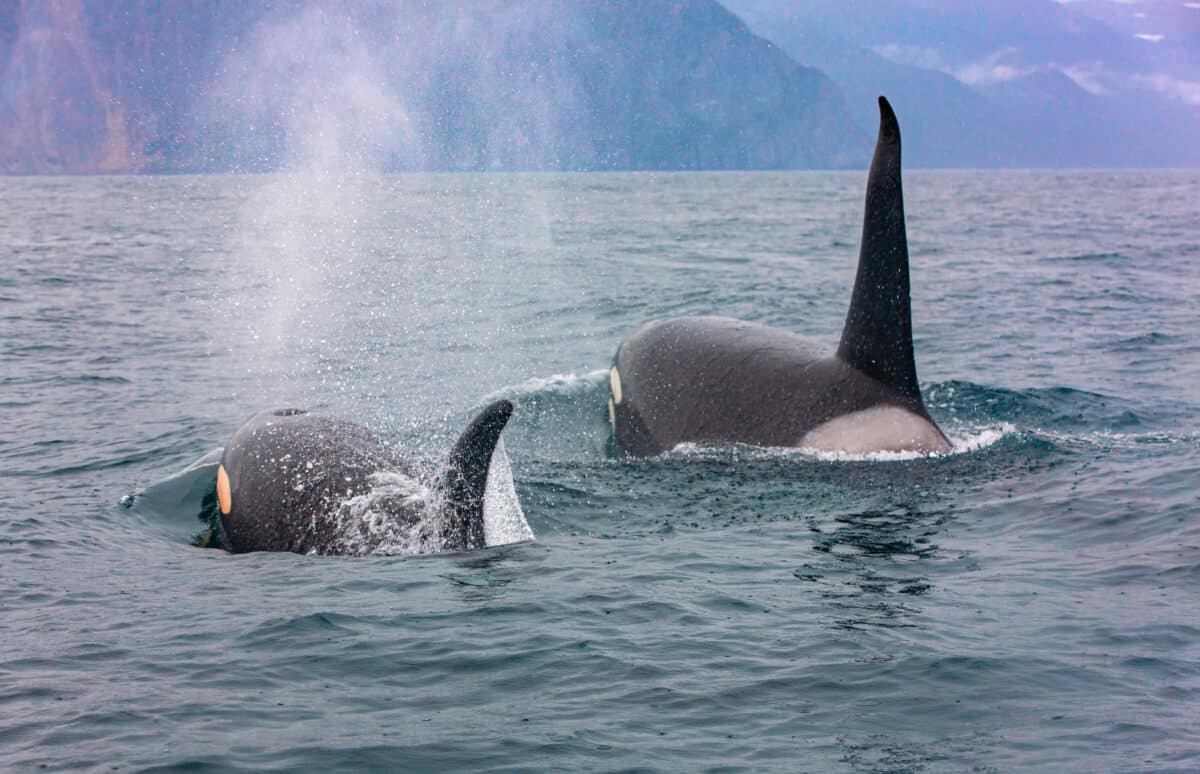
Orcas, also known as killer whales, are highly intelligent marine mammals belonging to the dolphin family. These apex predators possess a diverse diet, ranging from fish and squid to marine mammals such as seals, sea lions, and even other cetaceans. Their hunting techniques are varied and sophisticated, often involving coordinated efforts within their pod to corral and capture prey.
Great Whites – Apex Predators
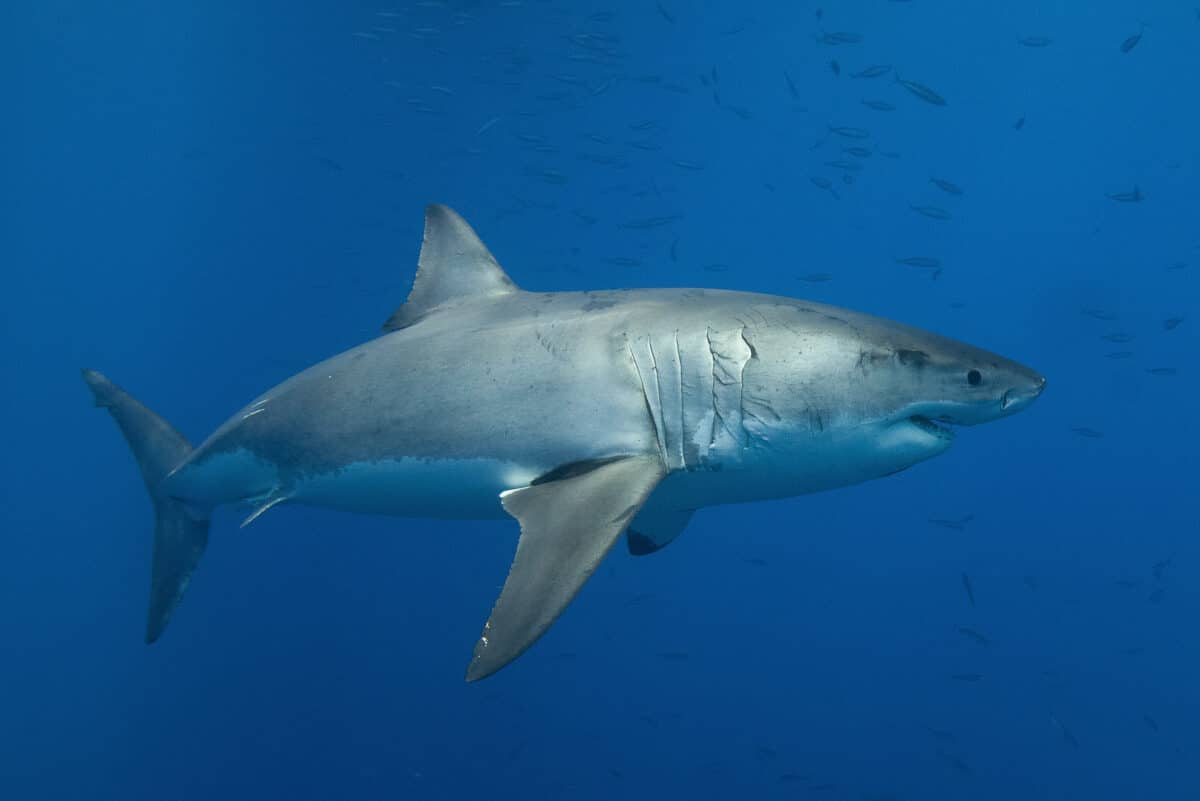
Great white sharks, also known as white sharks or simply whites, are iconic apex predators of the oceanic realm. With their sleek, torpedo-shaped bodies and rows of razor-sharp teeth, they inspire both awe and fear among marine enthusiasts. Great whites are known for their formidable hunting prowess, capable of reaching speeds of up to 25 miles per hour when attacking prey.
Conclusion
In the dynamic ecosystem of South Africa’s coastal waters, the interactions between apex predators like orcas and great white sharks offer a fascinating glimpse into the complex web of marine life. As these majestic creatures continue to roam the oceans, their presence serves as a reminder of the delicate balance of nature and the importance of conservation efforts to protect these iconic species for future generations to admire and study.

Please send any feedback to Feedback@animalsaroundtheglobe.com
- Deep-Sea Wonders: Extraordinary Abyssal Adaptations - July 29, 2026
- The Most Popular Dog in the United States - July 25, 2026
- The Art Of ‘Kelping’: By Whales - July 25, 2026