


The idea of swinging through urban canyons on strands of super-strong silk has captivated our imagination since Spider-Man first appeared in comic books in 1962. While the fictional Peter Parker gained his abilities through a radioactive spider bite, real-world scientists have been studying the remarkable properties of spider silk for decades, hoping to unlock its secrets for practical applications. Spider silk represents one of nature’s most impressive engineering feats – a material that combines extraordinary strength with remarkable elasticity in a way that continues to challenge our best synthetic materials. This article explores the fascinating physics behind spider silk, examines whether web-shooting could ever become reality, and reveals how this amazing natural material is inspiring cutting-edge technologies.
The Remarkable Properties of Spider Silk

Spider silk is one of the most extraordinary materials found in nature. By weight, certain types of spider silk exceed the tensile strength of steel while maintaining impressive elasticity. The Darwin’s bark spider, for instance, produces silk that is up to ten times stronger than Kevlar. This combination of properties is particularly unusual – most materials are either strong or elastic, but rarely both simultaneously. Spider silk achieves this balance through its unique molecular structure, consisting of protein chains arranged in both crystalline regions (providing strength) and amorphous regions (providing elasticity).
What makes spider silk even more remarkable is its production process. Spiders create this complex material at ambient temperatures using only the proteins they synthesize from their diet, with water as the solvent. This energy-efficient manufacturing process stands in stark contrast to human industrial methods, which typically require high temperatures, strong chemical solvents, and substantial energy inputs. Scientists estimate that if scaled to human proportions, a spider-silk cable the thickness of a pencil could stop a moving Boeing 747 airplane – demonstrating why this natural material continues to fascinate materials scientists worldwide.
The Biochemistry Behind Spider Silk

At its core, spider silk consists primarily of proteins called spidroins, which are produced in specialized silk glands within the spider’s abdomen. These large, complex proteins contain repeated amino acid sequences that give spider silk its unique properties. The production process begins with liquid protein dope stored in the silk gland that transforms into solid fibers as it passes through the spider’s spinning apparatus. This transformation involves a fascinating pH change – as the proteins move from the gland (pH ~7.6) through the spinning duct (reaching pH ~5.7), the changing acidity triggers the proteins to fold and align into their final structure.
The molecular arrangement is key to silk’s performance. The crystalline regions, rich in alanine amino acids, form beta-sheet structures that provide tensile strength, while glycine-rich segments create spiral structures that provide elasticity. Different spider species produce silks with varying proportions of these regions, resulting in different mechanical properties tailored to specific functions – from the strong dragline silk used for web frames to the extremely elastic capture spiral silk. This precision engineering at the molecular level is what scientists are working to understand and replicate in laboratory settings.
Types of Spider Silk and Their Functions
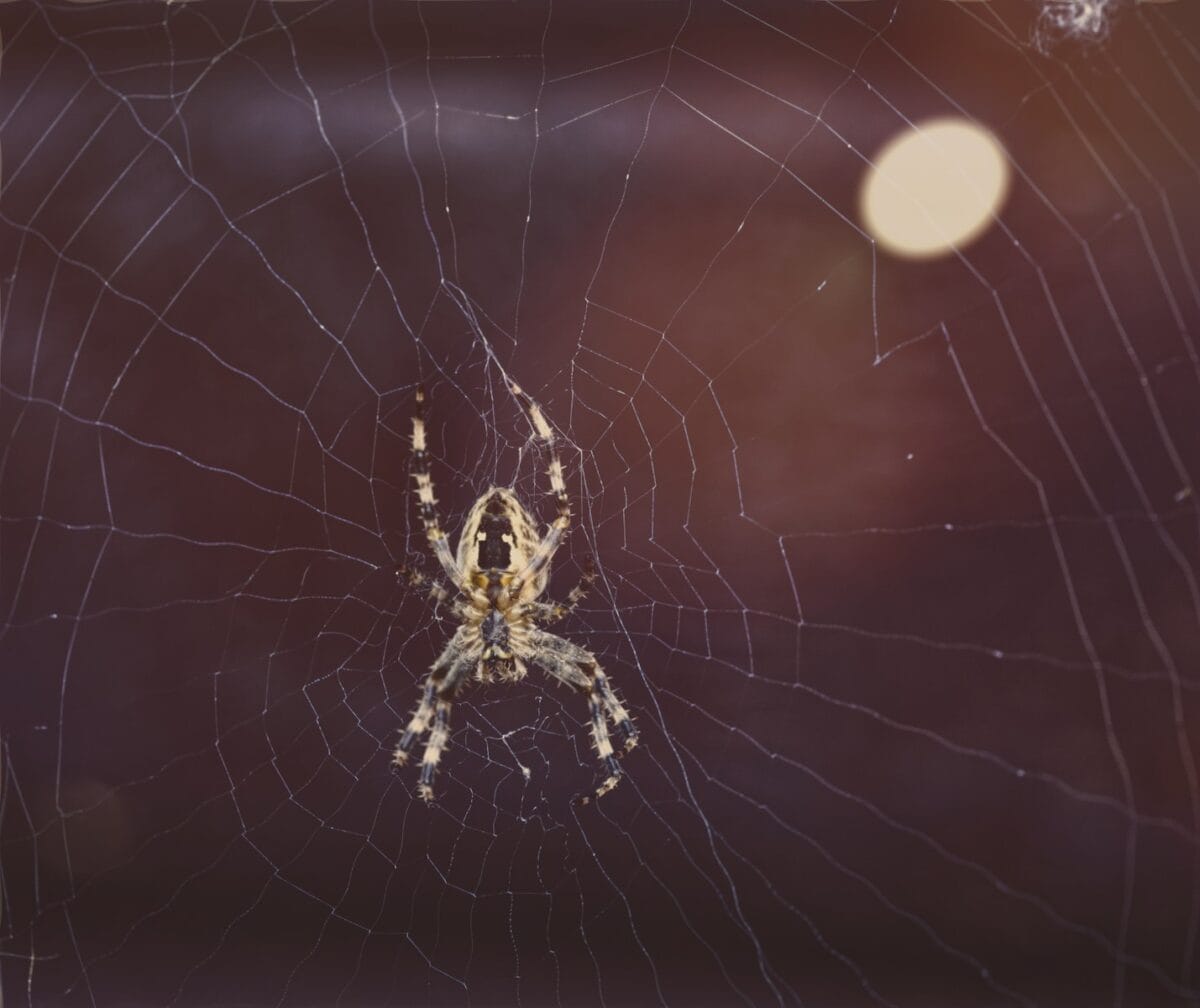
Remarkably, a single spider can produce up to seven different types of silk, each with unique properties suited to specific functions. Dragline silk, the strongest variety, forms the web’s framework and the spider’s lifeline when dropping from heights. Major ampullate glands produce this silk, which combines high tensile strength with moderate elasticity. Capture spiral silk, produced by the flagelliform glands, can stretch up to 200% of its length without breaking, allowing it to absorb the impact of flying insects. Attachment disk silk creates the strong anchor points that secure webs to surfaces, while egg sac silk provides protective housing for spider eggs.
Each silk type has evolved precise mechanical properties for its role. Tubuliform silk wraps and protects egg cases, piriform silk secures web joints and attachments, minor ampullate silk creates auxiliary spirals during web construction, and aciniform silk is used for prey wrapping and egg sac construction. This specialized toolkit allows spiders to create structures perfectly adapted to their environmental needs. The orb-weaver’s web, for instance, strategically combines strong structural elements with elastic capture threads to create an energy-absorbing trap that efficiently catches flying prey – a masterpiece of natural engineering that humans are still working to fully understand and replicate.
The Physics of Web Shooting

If humans were to develop a web-shooting device similar to Spider-Man’s fictional web-shooters, we would face several significant physics challenges. The first concerns the material itself – creating a liquid that could instantly transform into a strong fiber upon exposure to air requires overcoming substantial chemical and physical hurdles. The second involves the pressurization and delivery system needed to project this material over distance. Spider-Man’s wrist-mounted devices would need to generate tremendous pressure to shoot webbing several stories high, requiring energy storage far beyond what current battery technology can provide in such a small package.
Another critical challenge relates to momentum and recoil. Newton’s Third Law states that for every action, there is an equal and opposite reaction. If a web-shooter expelled material with enough force to travel significant distances, the recoil would push back on the user with equal force. This would potentially cause injury to the wrist and arm unless some mechanism absorbed or redirected this energy. Additionally, the anchoring physics presents problems – a thin strand attaching to a building would concentrate enormous stress at a single point, likely causing the attachment to fail when supporting a human’s weight and momentum during swinging. These physical limitations explain why, despite significant advances in materials science, functional web-shooters remain in the realm of fiction.
Biomimetic Research: Learning from Spiders

Scientists working in the field of biomimetics – the development of technologies inspired by biological systems – are making significant progress in understanding spider silk production. Research teams have identified and sequenced the genes responsible for different silk proteins, revealing the complex molecular machinery spiders use to transform liquid protein solutions into solid fibers. This process involves controlling protein folding through changes in pH, ion concentration, and mechanical stress as the solution passes through the spider’s spinning apparatus. By mimicking these conditions in laboratory settings, researchers have created synthetic spinning systems that partially replicate the spider’s silk-making process.
Advanced imaging techniques, including atomic force microscopy and transmission electron microscopy, allow scientists to observe the nanostructure of natural spider silk, providing crucial insights for synthetic production. Researchers at several universities have successfully produced recombinant spider silk proteins using genetically modified bacteria, yeast, and even goats and silkworms as living factories. While these approaches haven’t yet achieved the full performance of natural spider silk, they represent significant steps toward creating synthetic versions with similar properties. This biomimetic approach – studying and then adapting nature’s solutions – offers the most promising path toward eventual development of synthetic web materials.
Current Artificial Spider Silk Technologies
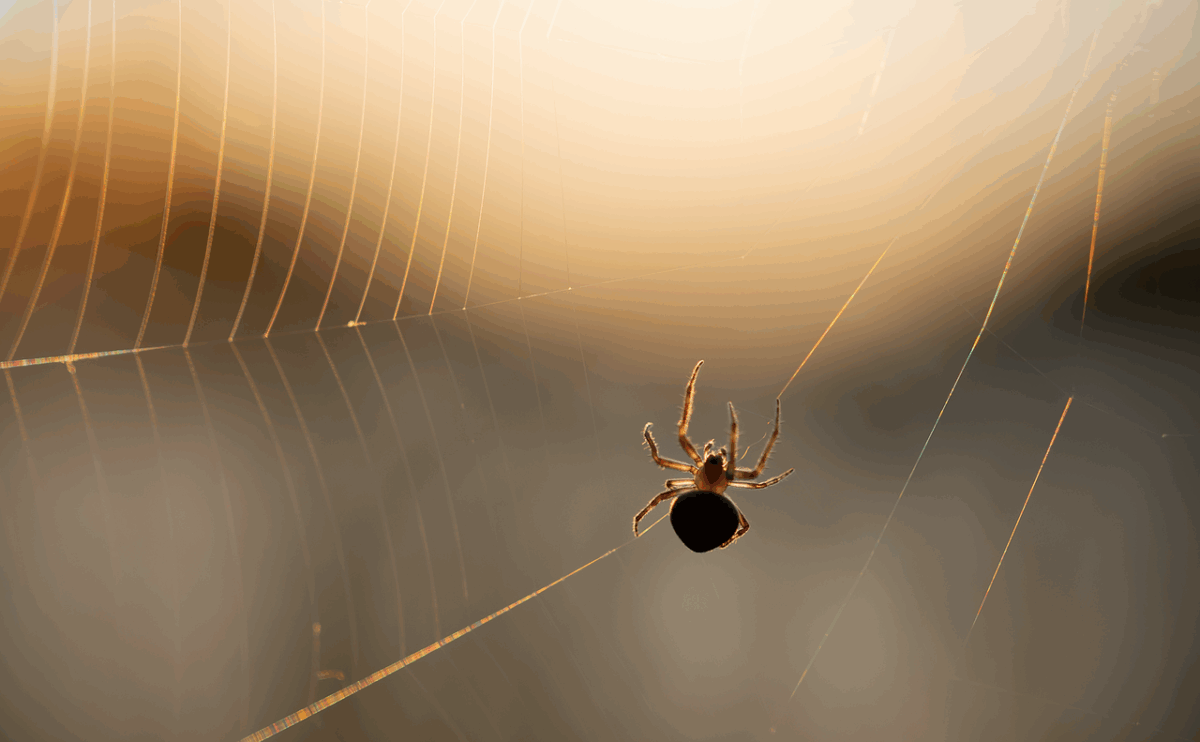
Despite the challenges, several companies and research institutions have made remarkable progress in developing artificial spider silk materials. Bolt Threads, a biotechnology company, has created Microsilk™, a synthetic spider silk produced by genetically engineered yeast that ferment sugar and water. The resulting proteins are spun into fibers using a process inspired by spider biology. Similarly, Spiber Inc. has developed a platform for designing various protein-based materials, including their spider-silk-inspired Brewed Protein™ fiber. These technologies have already moved beyond the laboratory, with limited edition apparel demonstrating their commercial potential.
AMSilk, a German biotechnology company, produces spider silk proteins through bacterial fermentation, creating materials used in cosmetics, textiles, and medical devices. Their Biosteel® fiber has been used in prototype athletic shoes and medical implants. While these synthetic materials don’t yet match all the properties of natural spider silk, they represent significant advances in creating environmentally sustainable alternatives to petroleum-based synthetic fibers. Most importantly, they demonstrate viable production methods that could potentially scale to industrial levels – something that natural spider silk harvesting cannot achieve due to spiders’ territorial and cannibalistic behavior, which prevents farming them in high densities.
Mechanical Challenges of Web-Shooters

Creating a functional web-shooter device presents numerous mechanical engineering challenges beyond just the material itself. The storage mechanism would need to contain significant quantities of web fluid in a highly compressed form, while the delivery system would require precision valves capable of controlling the rapid pressurized release. The trigger mechanism would need to be responsive yet protected from accidental activation. Engineers would also need to solve the challenge of preventing the material from solidifying prematurely inside the device – a complex fluid dynamics problem that would require sophisticated microfluidic design.
The propulsion system presents another major hurdle. Using compressed gas as a propellant (as depicted in some Spider-Man comics) would limit the number of shots before requiring refilling. Alternative electromagnetic acceleration methods might offer more shots per charge but would require significant power sources. The aiming system would need to compensate for trajectory variables including gravity, wind, and target distance. Additionally, any practical device would require maintenance systems to prevent clogging and material degradation. These mechanical challenges, combined with the material science obstacles, illustrate why functional web-shooters remain beyond current technological capabilities, despite advances in both fields.
The Biomechanics of Web-Swinging

If we hypothetically overcame the material and mechanical challenges of creating web-shooters, the physics of actually swinging from buildings presents another set of daunting obstacles. Human anatomy isn’t designed for the forces involved in web-swinging. The sudden deceleration at the bottom of a swing would generate extreme g-forces, potentially causing joint dislocations, muscle tears, and other injuries. Professional trapeze artists and gymnasts develop specific muscle groups and techniques over years of training to handle similar (though less extreme) forces, and they benefit from equipment designed to distribute loads across their bodies.
The human grip strength required to hang from a thin strand while experiencing these forces would far exceed normal human capabilities. Even if using a wrist-mounted device to create a more secure attachment point, the forces would be concentrated at the wrist and arm joints, potentially causing serious injury. The circulatory system would also face challenges, with blood potentially pooling in the extremities during certain swing maneuvers, leading to reduced brain blood flow and possible loss of consciousness – similar to what fighter pilots experience during high-g maneuvers. These physiological limitations mean that even with perfect web-shooter technology, human biology would likely remain the limiting factor in replicating Spider-Man’s acrobatic feats.
Practical Applications of Spider Silk Technology

While web-shooting and swinging may remain fictional, the development of spider silk technologies has numerous practical applications across various industries. In medicine, artificial spider silk shows promise for suture materials, wound dressings, and tissue engineering scaffolds due to its biocompatibility and mechanical properties. Its strength-to-weight ratio makes it attractive for lightweight protective gear, including ballistic vests and helmets that could offer protection comparable to current materials at reduced weight. The biodegradability of protein-based spider silk also presents advantages for environmentally conscious applications.
The textile industry represents another significant opportunity, with spider-silk-inspired materials potentially revolutionizing performance fabrics. Their natural antimicrobial properties, breathability, and strength make them ideal for athletic wear, outdoor equipment, and luxury textiles. In industrial applications, spider silk technologies could lead to advanced ropes, cables, and composites with exceptional performance characteristics. Perhaps most promising is the environmental aspect – these protein-based materials are produced using renewable resources and biological processes rather than petroleum-derived precursors, potentially reducing the carbon footprint of material production while creating products that biodegrade at end-of-life rather than persisting as microplastics.
The Future of Web-Shooter Technology

While fully functional Spider-Man-style web-shooters remain beyond our current technological capabilities, ongoing research suggests interesting future developments in related technologies. Advanced grappling hook systems using high-strength synthetic fibers already exist for military and rescue applications, and these could evolve toward more compact, rapid-deployment designs. Compressed air-powered rope launchers for rescue operations represent another area of development that shares some conceptual similarities with fictional web-shooters, though with more limited range and capabilities.
The most promising developments may come from combining advances in synthetic biology, materials science, and microfluidics. Future systems might use engineered microorganisms to produce specialized proteins on demand, paired with microfluidic spinning systems that mimic the spider’s spinning apparatus more precisely. Developments in energy storage, particularly solid-state batteries and supercapacitors, could provide the power density needed for more compact propulsion systems. While these technologies won’t lead to web-swinging across cities, they might eventually enable specialized tools for emergency responders, construction workers, or military personnel that share some functional similarities with the fictional devices that have captured our imagination for decades.
Ethical Considerations in Spider Silk Research

As scientists make progress in spider silk research, important ethical questions arise. The genetic modification techniques used to create organisms that produce spider silk proteins raise concerns about biosafety and potential environmental impacts. Responsible research requires robust containment protocols to prevent engineered organisms from escaping laboratory environments. There are also considerations around intellectual property – many spider species are endemic to specific regions, raising questions about bioprospecting and the rights of countries to benefit from their biological resources.
The sustainability aspects also merit consideration. While spider silk technologies promise environmentally friendly alternatives to petroleum-based synthetics, the production processes still require energy inputs and resources. Life cycle analyses are necessary to ensure that these technologies deliver on their environmental promises. Additionally, as with any emerging technology, there’s potential for dual-use applications, including military purposes. The scientific community must balance innovation with responsibility, ensuring that the remarkable properties of spider silk are harnessed in ways that benefit humanity while minimizing potential harms. These ethical dimensions illustrate how spider silk research, like many scientific endeavors, extends beyond technical challenges into broader societal considerations.
Conclusion: The Reality and Fantasy of Web-Shooting
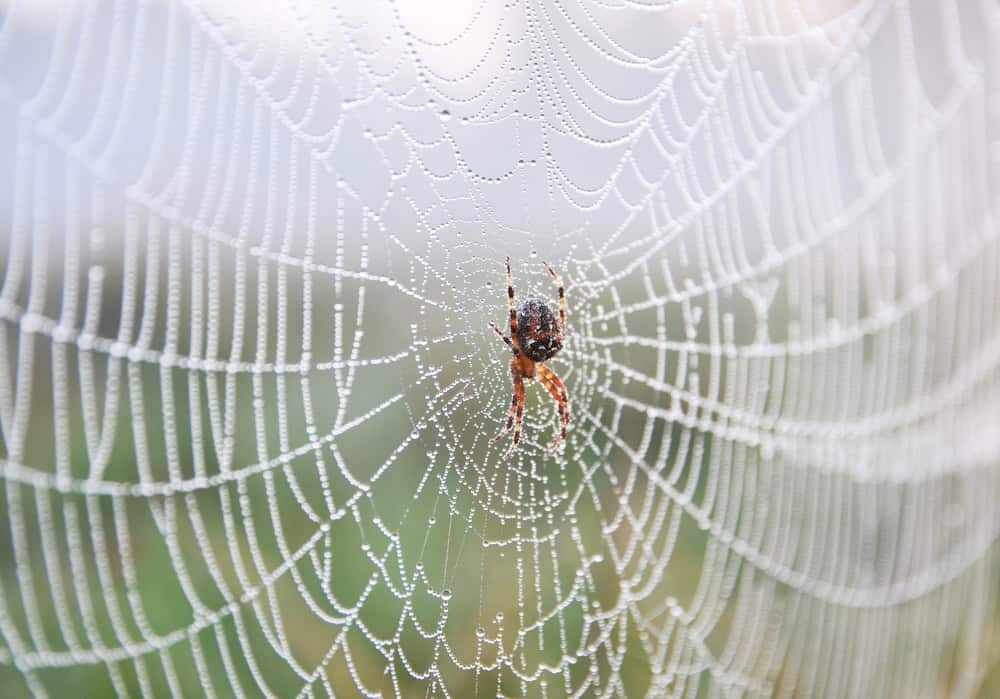
Spider silk represents one of nature’s most extraordinary materials, combining properties that continue to inspire scientists and engineers around the world. While the physics of actual web-shooting and swinging as depicted in Spider-Man comics and films remains firmly in the realm of science fiction, the research inspired by these concepts has led to significant scientific advances. The gap between fiction and reality highlights not limitations in human innovation but rather the extraordinary evolutionary adaptations that spiders have developed over millions of years – adaptations we are only beginning to understand and emulate.
The pursuit of synthetic spider silk technologies demonstrates how science fiction can motivate real scientific inquiry, with potential benefits spanning medicine, textiles, engineering, and environmental sustainability. Even as we acknowledge the physical impossibility of replicating Spider-Man’s abilities exactly, the journey toward understanding spider silk continues to yield valuable discoveries and applications. In this way, the fictional web-slinger serves as inspiration for real-world innovation, reminding us that while we may never swing between skyscrapers on synthetic webs, the scientific quest to understand and recreate natural wonders continues to propel technology forward in meaningful and beneficial ways.

From exploring the marine wonders in the Azores and witnessing the vast savannas of Kenya, to delving deep into the rich biodiversity of South Africa and traversing iconic landscapes in Australia and the US like Yellowstone, Chris's experiences are vast.
With a penchant for diving alongside sharks, the ocean holds a special place in his heart.
Through his academic insights, he champions wildlife conservation, striving with 'Animals Around The Globe' to cultivate a profound connection between humans and animals, enhancing our mutual appreciation.
Connect with him at Feedback@animalsaroundtheglobe.com.
- Why Frogs Were Worshipped in Ancient Egypt - June 18, 2026
- Why Bonnet Macaques Are Becoming Urban Residents in India - June 18, 2026
- How Tiger Sharks Got Their Reputation as Ocean Scavengers - June 18, 2026