

Picture a mother elephant carefully guiding her calf across treacherous muddy waters, risking her own safety to ensure her baby’s survival. Imagine an orca carrying her deceased calf for weeks, unable to let go. Consider the dolphin who supports an injured pod mate, helping them surface to breathe for days on end.
These behaviors reveal something profound that science is only beginning to grasp. While we’ve long celebrated human empathy as our defining trait, the animal kingdom has been quietly demonstrating forms of emotional understanding that may surpass our own. Recent research suggests that animals possess empathetic abilities that operate through mechanisms we’re still struggling to decode. Let’s dive into the remarkable world of animal empathy and discover what these creatures know that we don’t.
The Neural Architecture of Animal Compassion
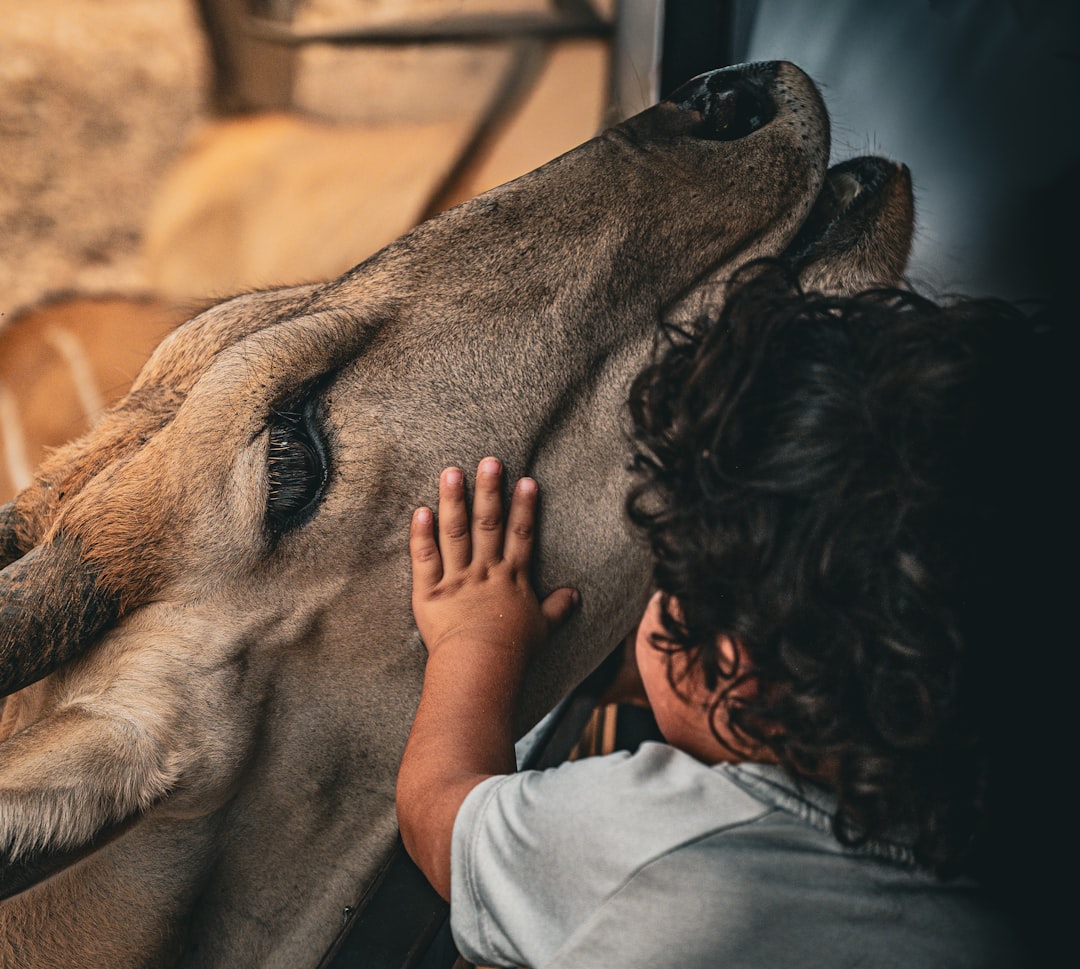
The discovery of specialized neurons in animal brains has revolutionized our understanding of empathy across species. Cetaceans, elephants, and great apes possess Von Economo neurons, special brain cells unique to humans and higher functioning mammals. These mysterious neurons have been linked to empathy, self-insight, and intelligence.
What’s truly astounding is that whales and other cetaceans have Von Economo neurons that are approximately three times larger than human VENs. This suggests their capacity for emotional processing may exceed our own in ways we’re only beginning to comprehend. The anterior cingulate cortex in animals not only processes their own pain but also the distress of others through discrete neural ensembles, with targeted helping behaviors like elephants’ allolicking associated with distinct brain activity patterns.
Emotional Contagion Beyond Human Recognition
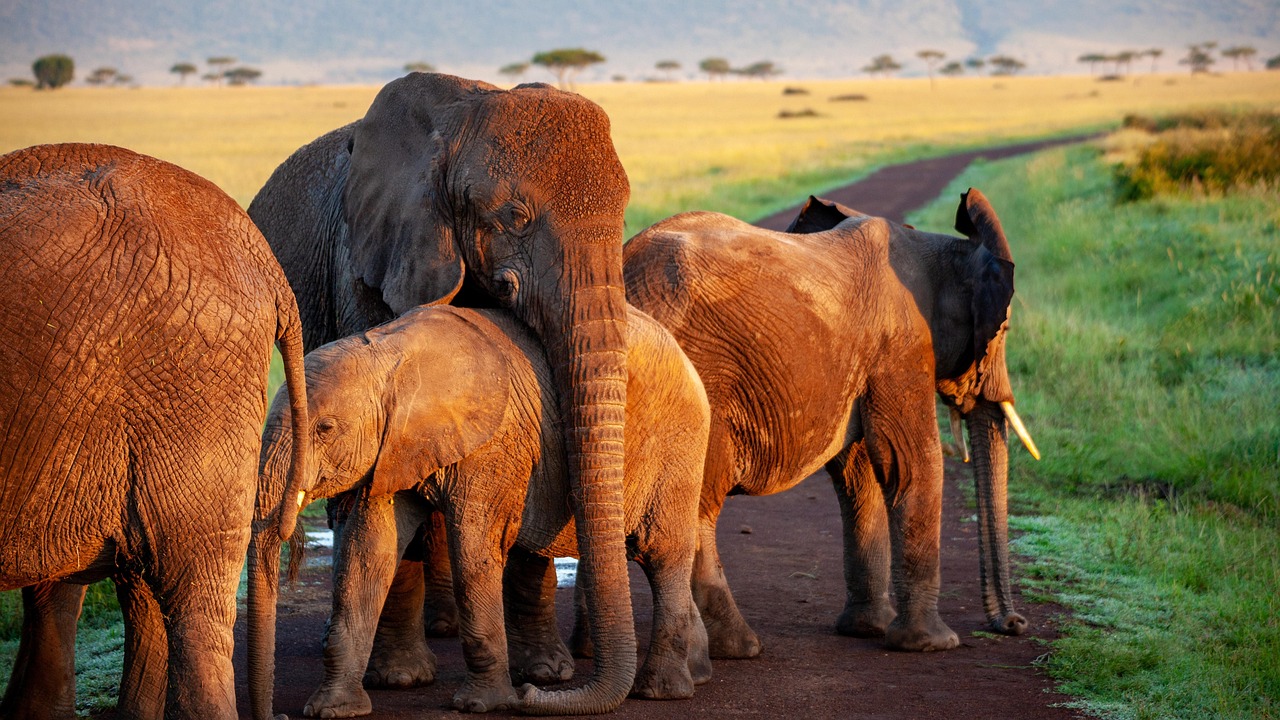
Animals demonstrate a phenomenon called emotional contagion that operates on levels we’re still mapping. When elephants witness distress in their companions, bystanders affiliate with each other and match the behavior and emotional state of the distressed individual. This isn’t mere mimicry – it’s a sophisticated emotional response system.
Elephants run to stand beside distressed friends, touching them with their trunks and making soft chirping sounds, sometimes putting their trunk inside another’s mouth – a behavior elephants find particularly comforting. The precision of these responses suggests animals possess an emotional vocabulary that transcends our current understanding.
Recent studies reveal that more research is needed to broaden understanding of emotional contagion mechanisms, with comparative studies benefiting from simultaneous recording of interacting individuals to assess emotional state-matching.
Cross-Species Altruism That Defies Logic
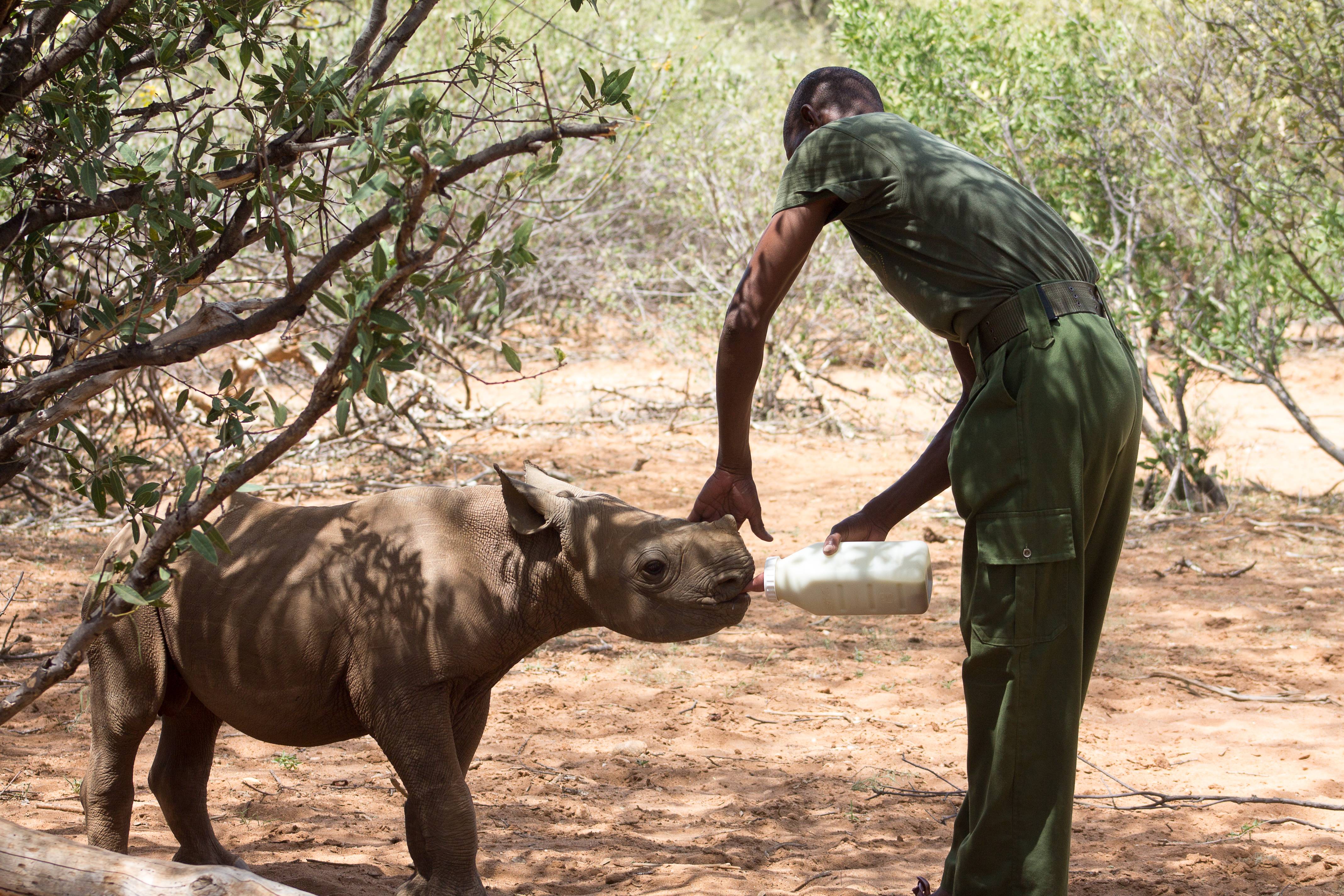
Perhaps the most puzzling aspect of animal empathy is their willingness to help other species, including humans. An adult elephant made repeated attempts to help a baby rhinoceros stuck in mud, continuing despite the rhino mother charging her each time – risking her life for an animal not her own, not related to her, or even her own species.
In India, a wild elephant reportedly came across a man who had fallen into a ditch after a bicycle accident, using its trunk to gently lift the man out and placing him safely on the path before walking away. These behaviors challenge evolutionary explanations based purely on survival advantage.
Recent research found killer whales offering food to humans in 34 documented cases, with researchers concluding this represents “generalized altruism” – altruistic behaviors from wild animals attempting to provision humans that are extremely rare.
The Mystery of Grief and Mourning Rituals

Animal grief behaviors reveal emotional depths that scientific frameworks struggle to explain. Elephants remember and mourn loved ones even years after death, stopping at places where loved ones died for silent pauses lasting several minutes, touching bones of the dead elephant with their trunks.
Orcas display profound grief responses when calves die, with mothers sometimes carrying deceased offspring for days or weeks – behavior that appears to have no survival function beyond emotional processing. A 2018 study analyzing 78 instances of cetacean behavior toward their dead noted that instances in females directed toward dead calves may have been rescue attempts or grieving.
The sophistication of these mourning rituals suggests animals possess concepts of death and loss that operate independently of survival needs.
Targeted Helping That Requires Theory of Mind

Animals demonstrate “targeted helping” – assistance tailored to specific needs of others. Elephants form coalitions, offer protection and comfort, retrieve and babysit calves, aid individuals with movement difficulties, and remove foreign objects from others, demonstrating ability to understand physical competence, emotional state, and intentions of others when they differ from their own.
In Kenya, researchers have watched mother elephants and adult females help baby elephants climb muddy banks, find safe paths into swamps, break through electrified fences, assist injured individuals, pluck out tranquilizing darts, and spray dust on wounds. This level of targeted assistance requires understanding another’s specific predicament and choosing appropriate responses.
Dolphins support sick or injured pod members by swimming beneath them and lifting them toward air, with pod members taking turns assisting the injured individual for days.
Communication Systems We’re Only Beginning to Decode
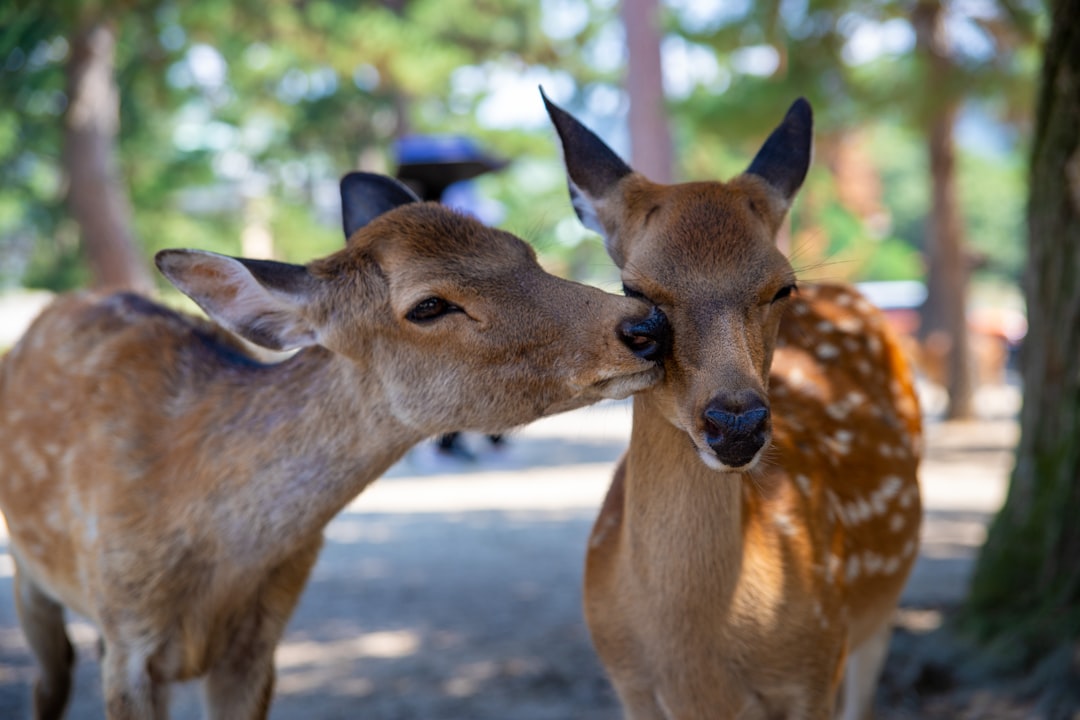
Animal empathy operates through communication channels that remain largely mysterious. The song of male humpback whales represents one of the most complex non-human communications ever studied. These vocalizations may carry emotional information we haven’t yet learned to interpret.
Pet owners perceived both dog and cat distress vocalizations as sadder than non-pet owners, with pet ownership indirectly linked to higher sensitivity to dog distress vocalizations through higher levels of empathy toward animals. This suggests animals encode emotional content in their communications that humans can sense but not fully comprehend.
The sophistication of these communication systems implies that animals share emotional information through channels that operate beyond our current detection methods.
Predictive Empathy and Emotional Intelligence

Animals demonstrate predictive empathy – anticipating others’ needs before distress becomes visible. Recent research indicates dogs can detect human emotions through scent alone, potentially explaining how they seem to know when we need comfort before we show visible signs of distress.
Marine researchers have noted that cetacean empathy extends to coordinated assistance during birthing, with “midwife” dolphins positioning themselves to help newborns reach the surface for their first breath. This anticipatory care suggests animals possess emotional intelligence systems that predict future needs based on subtle environmental cues.
The precision of these predictive responses indicates animals operate with emotional awareness that extends far beyond reactive empathy to proactive care systems we don’t fully understand.
The Evolutionary Paradox of Selfless Behavior

The existence of genuine altruism in animals presents an evolutionary puzzle that challenges our understanding of natural selection. Researchers suggest that apart from humans, elephants have undergone the strongest selection for genes associated with empathetic behaviors. Studies found that genetic substitutions occurred most frequently in humans and elephants, with these substitutions having major roles in brain function.
Altruism – the tendency to assist others – is rare in the animal kingdom, especially when extended beyond one’s own species, yet elephants have been observed helping injured antelopes, altering routes to avoid human settlements, and standing guard over lost children. This cross-species altruism defies simple evolutionary explanations based on genetic advantage.
The mystery deepens when we consider that these behaviors often carry significant risks with no apparent benefits, suggesting animals operate with moral frameworks we’re still trying to understand.
Conclusion

The animal kingdom harbors empathetic abilities that operate through mechanisms far more sophisticated than we ever imagined. From elephants with three times the empathy neurons of humans to dolphins who predict distress through channels we can’t detect, animals possess emotional intelligence systems that challenge our assumptions about consciousness itself.
These discoveries force us to reconsider not just what animals feel, but how they process and share emotions in ways that may surpass human capabilities. Perhaps the most profound lesson animals teach us about empathy is that it transcends species boundaries, operating through neural networks and communication systems we’re only beginning to understand. Their capacity for cross-species altruism, predictive care, and targeted helping suggests that empathy isn’t just a human achievement – it’s a fundamental force that connects all conscious beings in ways science is still working to decode.
What do you think about these remarkable displays of animal empathy? Tell us in the comments.
