


Finding Nemo swam into our hearts in 2003, becoming not just a beloved animated film but also an influential introduction to marine biology for millions of children and adults alike. The Pixar classic follows the journey of an overprotective clownfish named Marlin as he searches for his son Nemo, who was captured by a diver and placed in a dentist’s aquarium. Along the way, the film introduces viewers to a colorful cast of marine creatures and ocean environments. But how scientifically accurate was this underwater adventure? Let’s dive deep into what Finding Nemo got right—and where it took creative liberties with ocean life.
The Accuracy of Clownfish Biology and Behavior

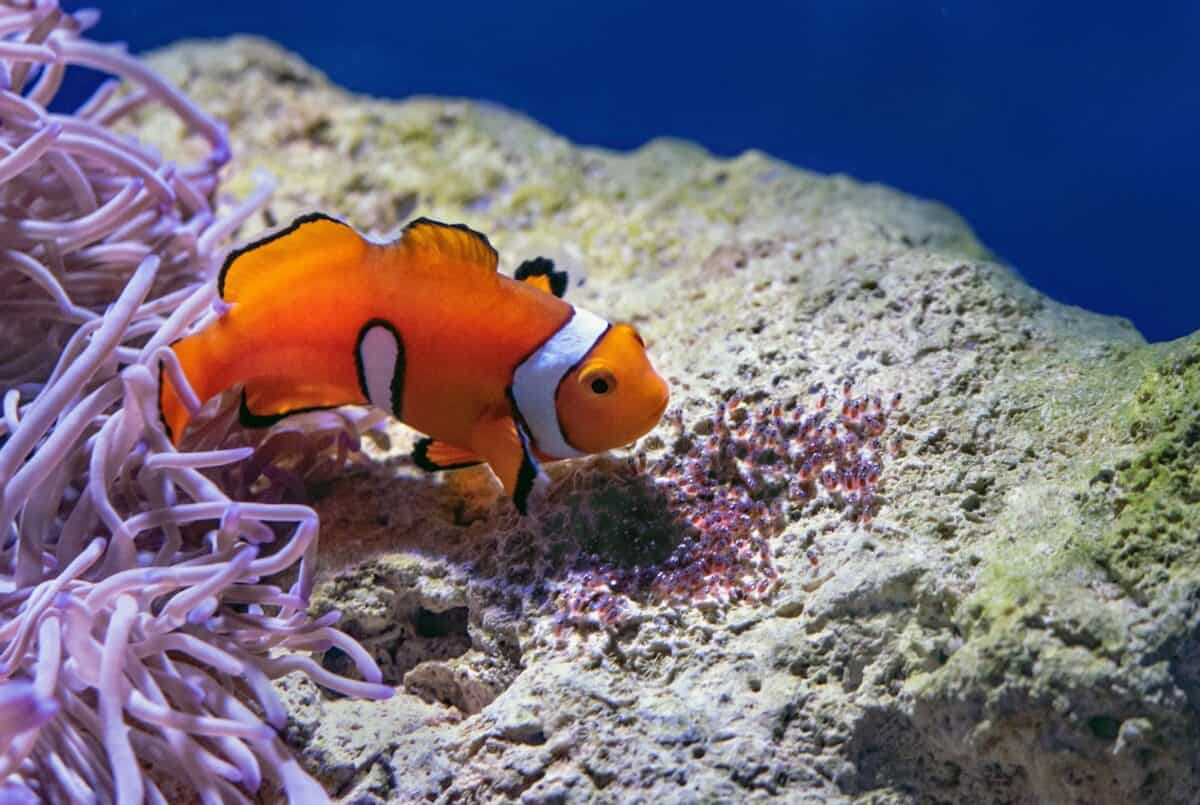
Finding Nemo’s portrayal of clownfish biology contains both accurate details and Hollywood embellishments. The film correctly depicts clownfish living symbiotically with sea anemones, which provide protection from predators while the clownfish defend the anemone from certain threats. The distinctive orange and white pattern of Marlin and Nemo is also accurate to the ocellaris clownfish (Amphiprion ocellaris), commonly known as the false percula clownfish.
However, the film omits one fascinating biological fact: clownfish are sequential hermaphrodites. They are born male, and the dominant fish in a group becomes female. If Nemo’s mother had died as depicted in the film, Marlin would have actually transformed into a female, not remained a grieving father. Additionally, the film portrays clownfish as monogamous pairs, while in reality, they live in hierarchical groups with one dominant breeding pair and several non-breeding males.
The Great Barrier Reef Ecosystem

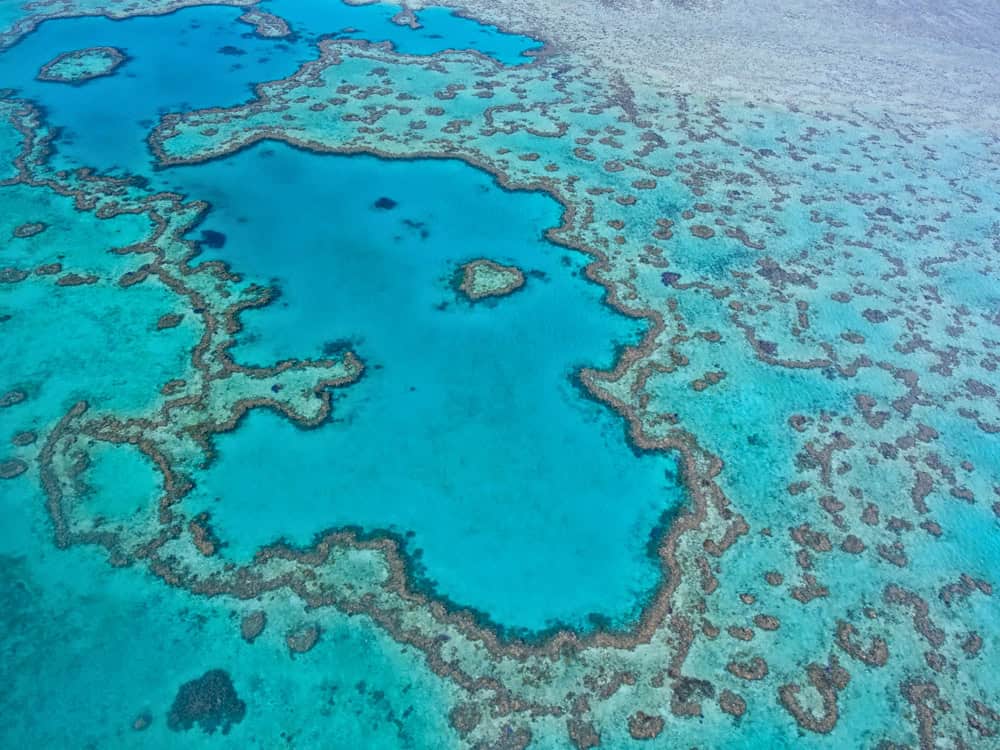
The film’s representation of the Great Barrier Reef ecosystem is visually stunning and includes many accurate elements. The diversity of fish species, coral formations, and the general vibrancy of reef life are all true to reality. Finding Nemo showcases various habitats within the reef ecosystem, from shallow coral gardens to deeper drop-offs, giving viewers a sense of the reef’s complex structure.
The film also correctly depicts the reef as a bustling underwater city with complex ecological relationships and food chains. However, what the film doesn’t show is the increasing threat of coral bleaching due to rising ocean temperatures, ocean acidification, and other environmental stressors. Since the film’s release, the Great Barrier Reef has experienced several severe bleaching events, dramatically changing parts of the ecosystem that inspired the movie’s colorful settings.
Sea Turtles: Surfers of the EAC

Crush the sea turtle and his son Squirt introduced audiences to the East Australian Current (EAC), which is indeed a real ocean current that runs along Australia’s eastern coast. Sea turtles do use ocean currents for migration and travel, conserving energy as they “ride” these natural highways—though they don’t speak in surfer slang, of course. The film accurately shows that sea turtles can live for many decades, with Crush being 150 years old, which is within the possible lifespan range for some sea turtle species.
However, the film takes liberties with the speed and roller-coaster-like nature of the EAC. In reality, while this current is strong, it doesn’t propel marine life at the dramatic speeds shown in the movie. The portrayal of sea turtle nesting grounds also lacks accuracy—sea turtles return to beaches to lay eggs, not to an underwater community as suggested when Marlin and Dory meet Crush’s offspring. Additionally, male sea turtles typically spend their entire adult lives at sea rather than participating in child-rearing.
Sharks: Misunderstood Predators

The shark characters Bruce, Anchor, and Chum represent an interesting mix of fact and fiction. The film deserves credit for attempting to challenge the “mindless killer” stereotype of sharks through the “Fish are friends, not food” support group. This message aligns with marine conservationists’ efforts to improve sharks’ public image and highlight their ecological importance.
However, the film reinforces some misconceptions as well. Bruce, a great white shark, is shown with teeth that are constantly visible, whereas real great whites can retract their upper teeth. The notion that sharks enter a feeding frenzy at the mere scent of blood is also exaggerated—while sharks have an impressive sense of smell, their responses to blood are more varied and complex than the uncontrollable frenzy depicted. Moreover, the three shark species shown—great white, hammerhead, and mako—would rarely socialize together in nature, as they occupy different habitats and have different behaviors.
Dory’s Short-Term Memory Loss

Dory, the Pacific blue tang with short-term memory loss, is perhaps the film’s most beloved character. While blue tangs (Paracanthurus hepatus) are real fish with the striking blue coloration shown in the film, there’s no scientific evidence that they suffer from memory problems. This characteristic was invented for storytelling purposes. Blue tangs are actually quite intelligent by fish standards and can recognize familiar individuals and learn from experience.
The film does, however, capture some true aspects of blue tang biology. These fish are indeed found in the Indo-Pacific region, including areas near Australia. They are reef-dwelling fish that feed primarily on algae, helping to maintain reef health. Following the film’s release, the popularity of blue tangs as pets increased dramatically, leading to conservation concerns as these fish are challenging to breed in captivity and are often wild-caught, potentially harming natural populations.
Anglerfish: Deep Sea Reality
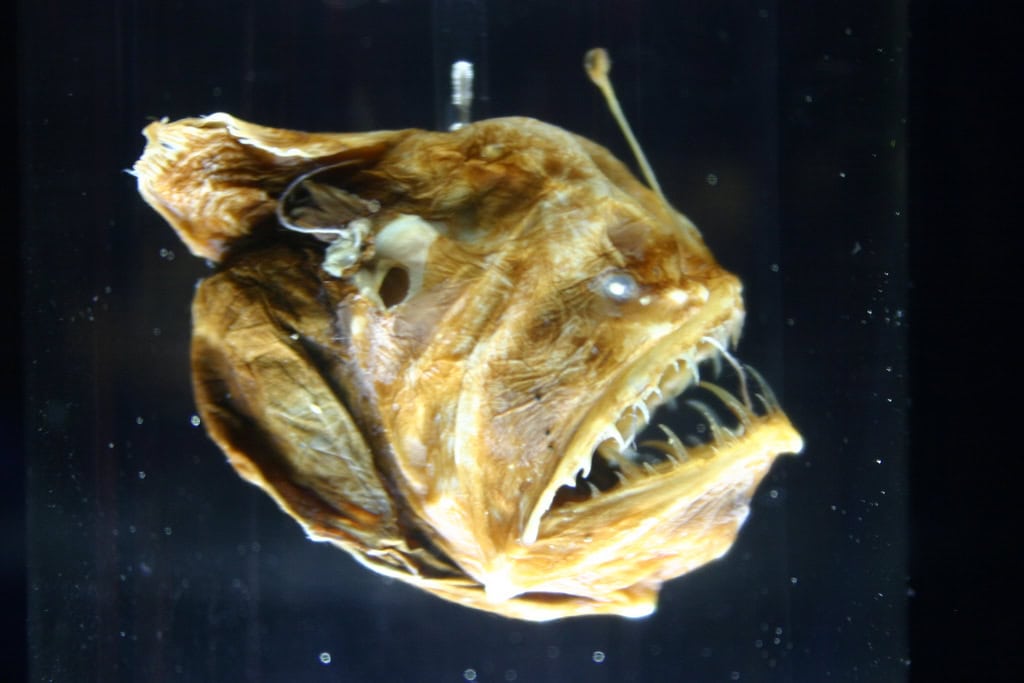
The terrifying anglerfish encountered by Marlin and Dory in the deep sea is one of the film’s most memorable creatures, and its portrayal is surprisingly accurate in many respects. Anglerfish do possess bioluminescent lures that attract prey in the darkness of the deep ocean. The film correctly shows the extreme sexual dimorphism in these fish—the large, fearsome fish depicted is female, while males are tiny parasites that fuse to the female’s body, a fact not mentioned in the film.
One significant inaccuracy, however, is the depth at which Marlin and Dory encounter the anglerfish. Most species live at depths of 1,000 meters or more, far deeper than coral reef fish like clownfish and blue tangs could survive due to pressure differences. The film also exaggerates the anglerfish’s size—while they are predatory, most species are relatively small, typically less than 20 centimeters in length. Despite these creative liberties, the anglerfish scene effectively introduces viewers to one of the ocean’s most unusual creatures.
Jellyfish: Beautiful but Dangerous
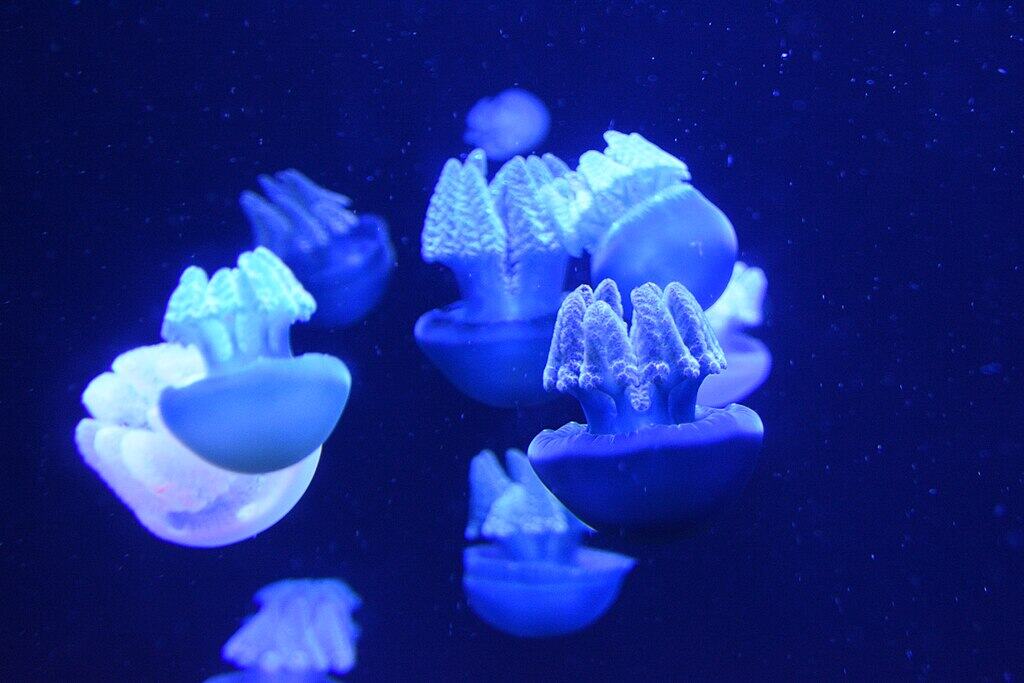
The jellyfish forest scene accurately portrays the danger of jellyfish stings while showcasing the ethereal beauty of these creatures. The film correctly depicts jellyfish as drifting in large groups or “blooms,” which can indeed be hazardous to traverse. The portrayal of jellyfish stings causing pain and potential unconsciousness is also accurate, though the specific effects vary by species.
However, the film takes artistic license with the uniformity and pink color of the jellyfish. In nature, jellyfish blooms typically consist of one species, but they aren’t usually as identical in size and appearance as shown in the film. Most jellyfish are actually transparent or whitish rather than brightly colored, though some species do have pink, purple, or blue hues. The “bouncing on top” strategy employed by Marlin and Dory would likely be ineffective in reality, as many jellyfish tentacles can extend far above the main bell of the organism.
Pelicans and Seagulls: Coastal Bird Behavior

The coastal birds in Finding Nemo add humor while representing the connection between marine and terrestrial ecosystems. The portrayal of seagulls as opportunistic feeders constantly seeking food with their “Mine! Mine!” calls is an exaggerated but fundamentally accurate representation of their scavenging behavior. Seagulls are indeed known to be bold, adaptable birds that will take advantage of any food source, including fish that may be too close to the surface.
Nigel the pelican’s character also contains elements of truth. Pelicans are skilled fishers that frequent harbors and can become quite accustomed to human presence. However, the film takes significant liberties with Nigel’s behavior, particularly his ability to communicate with fish and transport them safely in his bill pouch. In reality, a pelican would consider fish like Marlin and Dory as food rather than friends. The scene where Nigel enters the dentist’s office is also purely fictional—wild birds generally avoid entering buildings, and a pelican would be unlikely to navigate the complex social rules of a human healthcare facility.
Marine Migration and Navigation
Finding Nemo correctly portrays the ocean as a place of constant movement and migration. Many marine species do undertake incredible journeys across vast distances, using various navigation methods. The film’s emphasis on the EAC as a “highway” for marine creatures reflects the real importance of ocean currents in facilitating animal movement. Additionally, the concept that fish can use landmarks for navigation has some basis in fact, as many fish species do use visual cues alongside other senses.
Where the film simplifies reality is in the ease and speed of these journeys. Marlin and Dory’s quick trip from the Great Barrier Reef to Sydney would likely take much longer in reality. The film also doesn’t fully explore the complex navigation mechanisms that real fish use, which can include sensitivity to the Earth’s magnetic field, olfactory cues, celestial navigation, and detection of water chemistry changes. These sophisticated systems allow marine animals to perform the remarkable migrations that inspired aspects of the film’s plot.
The Reality of Fish in Dentist Aquariums
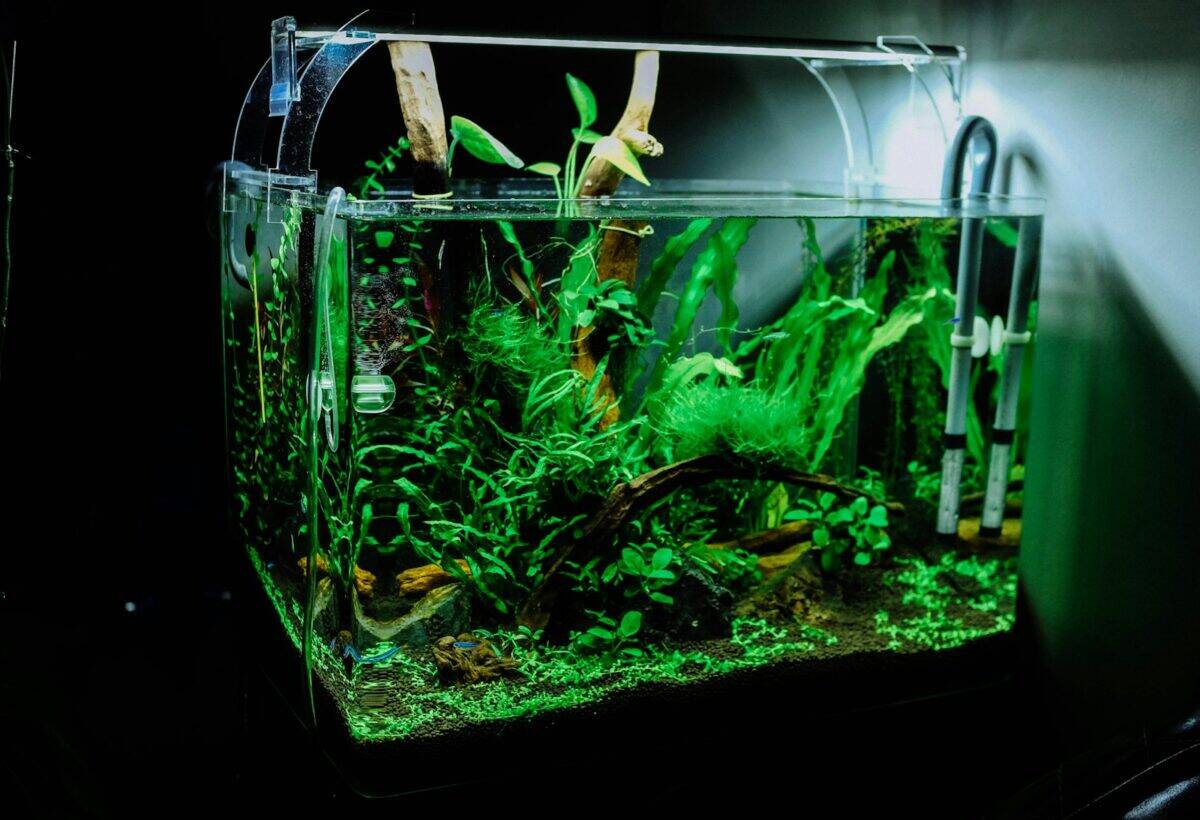
The dentist’s aquarium subplot raises important questions about keeping wild-caught marine fish as pets. The film accurately portrays several issues with amateur aquarium keeping, including overcrowding, inadequate filtration (as shown by the dirty tank), and the stress that captivity can cause to wild-caught fish. The character of Gill, scarred from a previous escape attempt, represents the physical and psychological damage that can result from improper care and environments that don’t meet species’ needs.
However, the film sometimes misrepresents aquarium dynamics for dramatic effect. The diverse community of fish in the tank—including a moorish idol (Gill), royal gramma (Gurgle), yellow tang (Bubbles), and damselfish (Deb)—would likely have compatibility issues in such a small space. The film also greatly exaggerates fish intelligence and their ability to understand human behavior and technology. The elaborate escape plans, while entertaining, bear little resemblance to how fish would actually respond to captivity. Despite these inaccuracies, the aquarium scenes do raise awareness about the responsibility involved in keeping marine animals as pets.
Ocean Pollution and Human Impact

Finding Nemo subtly addresses human impacts on marine environments, most notably through the scene where Marlin and Dory encounter a field of underwater mines, representing human-made dangers in the ocean. The Sydney Harbor scenes also show urban development along coastlines. Perhaps most significantly, the film’s inciting incident—Nemo’s capture by a diver—highlights the issue of removing wild fish for the aquarium trade, which can damage reef ecosystems when done unsustainably.
What the film doesn’t fully address are broader environmental threats like plastic pollution, ocean acidification, and climate change, which have become even more pressing since the film’s release. There’s no mention of coral bleaching, despite its increasing impact on the Great Barrier Reef. The ocean in Finding Nemo appears largely pristine and resilient, a portrayal that, while visually stunning, doesn’t reflect the significant challenges facing marine ecosystems today. The film’s focus on direct human actions (like fish collection) rather than systemic environmental issues reflects its 2003 release date, before climate change dominated environmental discourse.
The Legacy of Finding Nemo on Marine Conservation

Despite its scientific inaccuracies, Finding Nemo has had a profound impact on public awareness of ocean life and marine conservation issues. The film sparked interest in marine biology among countless children and adults, leading many to learn more about the real creatures depicted on screen. This educational ripple effect has been significant—many marine biologists and conservationists cite the film as an early influence on their career choices.
However, the film’s popularity also had some unintended negative consequences. Following its release, demand for clownfish as pets skyrocketed, leading to increased harvesting from wild populations. The same occurred years later with blue tangs after Finding Dory was released. This phenomenon, known as the “Nemo Effect,” demonstrates how popular media can directly impact wildlife. Encouragingly, this realization led to greater awareness about sustainable aquarium practices and increased efforts to breed popular marine species in captivity. Conservation organizations have also leveraged the film’s popularity to educate the public about marine protection, turning Finding Nemo into a valuable tool for ocean advocacy.
Finding the Balance Between Education and Entertainment
Finding Nemo represents a fascinating case study in the balance between scientific accuracy and storytelling in popular media. The film succeeds in conveying many true aspects of marine biology while simplifying or altering others for narrative purposes. This approach has both advantages and limitations when it comes to public understanding of ocean life. By anthropomorphizing fish and other sea creatures, the film creates emotional connections that can inspire conservation concern, even if the behaviors shown aren’t scientifically accurate.
The scientific inaccuracies in Finding Nemo aren’t necessarily failures but rather conscious choices made to serve the story and connect with audiences. What matters most is that the film sparked curiosity about the ocean in millions of viewers. It introduced concepts like marine habitats, species interactions, and human impacts on the sea in an accessible, engaging way. While marine biologists might chuckle at talking fish or clownfish that remain male after their mate’s death, they can also appreciate how the film has created generations of ocean enthusiasts eager to learn more about the real wonders beneath the waves. In balancing entertainment with elements of real marine science, Finding Nemo achieved something valuable: it made people care about the ocean and its inhabitants.

From exploring the marine wonders in the Azores and witnessing the vast savannas of Kenya, to delving deep into the rich biodiversity of South Africa and traversing iconic landscapes in Australia and the US like Yellowstone, Chris's experiences are vast.
With a penchant for diving alongside sharks, the ocean holds a special place in his heart.
Through his academic insights, he champions wildlife conservation, striving with 'Animals Around The Globe' to cultivate a profound connection between humans and animals, enhancing our mutual appreciation.
Connect with him at Feedback@animalsaroundtheglobe.com.
- Frozen Fish from the Ice Age Still Has Scales - July 18, 2026
- This Sea Creature Can Regenerate Its Entire Body Multiple Times - July 18, 2026
- The Most Fascinating Natural History Museums in the World - July 18, 2026