

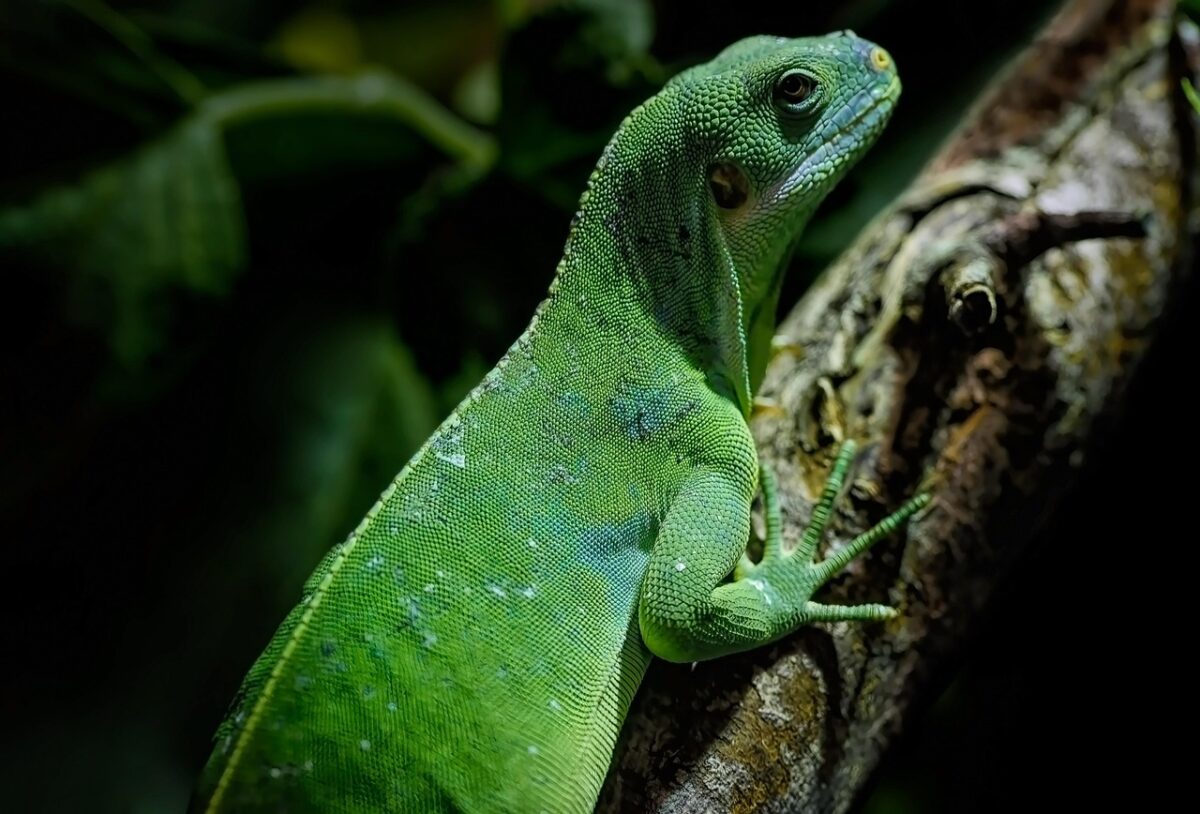
Research Matches Wild Conditions (Image Credits: Pixabay)
Novice reptile keepers frequently assemble enclosures with enthusiasm but neglect foundational elements that support their pet’s well-being.
Research Matches Wild Conditions
Failure to study a reptile’s native environment stands out as a primary error among beginners. Each species evolved in specific climates, from arid deserts to humid rainforests. Owners must account for factors like altitude, seasonal shifts, and vegetation to inform every setup decision. Desert dwellers such as bearded dragons demand different conditions than tropical geckos or temperate snakes.[1]
This groundwork prevents mismatched habitats. Substrate choices, lighting intensity, and even day length stem from these details. Skipping research leads to health issues down the line.
Thermal Gradients Drive Daily Health
Reptiles rely on precise temperature zones to regulate body functions, yet many setups feature uniform warmth. A proper gradient includes a basking area reaching 95°F to 110°F for desert species, with the opposite side 15-20°F cooler. Surface temperatures matter most, so infrared guns provide accurate readings over air probes.[1]
Nighttime requires a natural drop for proper digestion. Ceramic heat emitters or radiant panels deliver this without excess light. Thermostats ensure stability and prevent overheating.
Humidity Demands Careful Monitoring
One-size-fits-all humidity spells disaster, as needs vary widely by species. Ball pythons thrive at 50-60%, crested geckos need 70-80%, and leopard geckos manage with 30-40%. Digital hygrometers placed at multiple heights and zones track fluctuations accurately.[1]
Microclimates enhance control. Water bowls, regular misting, or dedicated humid hides maintain levels. Poor management invites respiratory problems or shedding failures.
UVB Lighting Prevents Serious Illness
Adequate UVB exposure remains crucial, though often underestimated. Desert reptiles benefit from 10-12% UVB bulbs, while forest species suffice with 5-6%. Nocturnal types may skip it entirely. Bulbs degrade after 6-12 months, demanding timely replacement.[1]
Photoperiods mimic nature through timers – 12 hours for tropical setups or seasonal adjustments for others. Without UVB, metabolic bone disease emerges quickly.
Substrate, Hides, and Enclosure Foundations
Substrate selection trips up many starters. Desert mixes of sand and soil at 2-4 inches suit some, while coconut fiber at 3-6 inches works for humid lovers. Cedar or pine shavings risk impaction and irritation.[1]
- Match depth and type to habitat for burrowing and moisture retention.
- Include multiple hides – one warm, one cool, one humid – for security.
- Choose enclosure sizes appropriately; avoid oversized for juveniles or undersized for adults.
- Ensure ventilation prevents stale air buildup.
- Quarantine new reptiles to safeguard health.
| Species Example | Humidity Range | Basking Temp |
|---|---|---|
| Ball Python | 50-60% | 95°F |
| Crested Gecko | 70-80% | 85-90°F |
| Leopard Gecko | 30-40% | 95-100°F |
Essential Tools Seal the Setup
Quality gear elevates any habitat. Digital thermostats regulate heat sources reliably. Infrared thermometers and hygrometers deliver precise data.
Timers automate lighting cycles. Backup heaters guard against failures. Reputable brands minimize risks.[1]
Diet complements habitat but demands fresh, species-appropriate feeders like insects or rodents, dusted with supplements.
- Prioritize species research to tailor every element.
- Invest in monitoring tools for heat, humidity, and UVB.
- Multiple hides and proper substrate boost security and health.
A well-equipped habitat fosters thriving reptiles and avoids veterinary bills. Proper setup transforms novice efforts into lasting success. What essentials have you prioritized in your reptile enclosure? Share in the comments.

- Urban Coyotes Show Remarkable Adaptability, Learning to Thrive in City Environments - July 22, 2026
- Beavers Are Nature’s Engineers, Creating Vital Habitats for Other Wildlife Species - July 21, 2026
- The Recovery of the California Condor Offers Hope for Other Critically Endangered Birds - July 21, 2026