

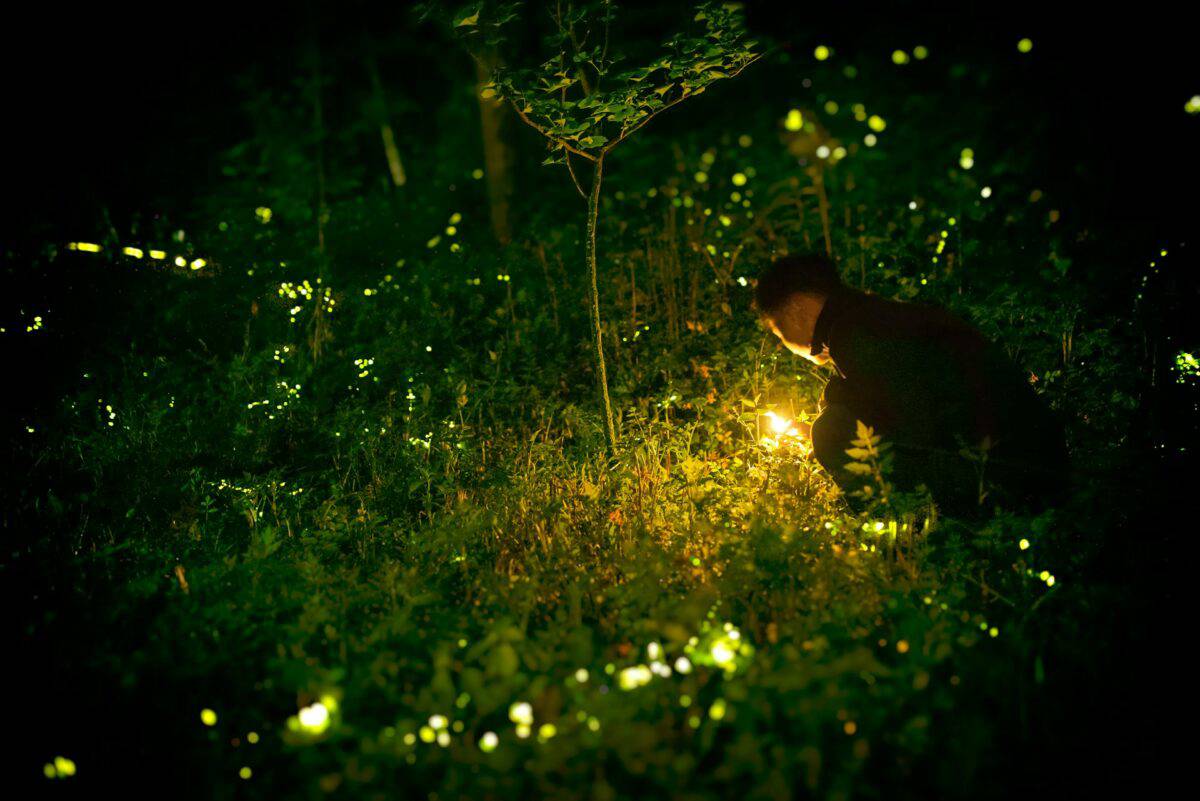
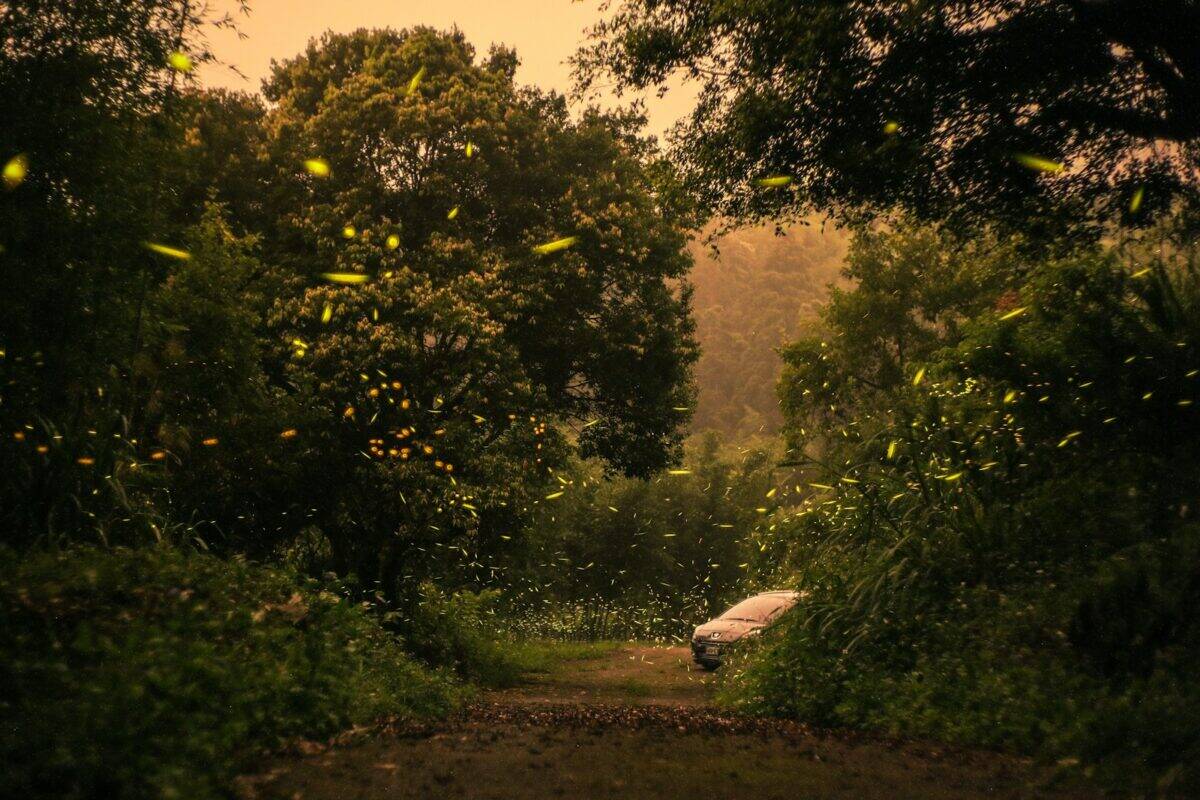
The magical twinkling of fireflies on warm summer evenings has enchanted humans for centuries. These bioluminescent beetles create natural light shows that inspire wonder and nostalgia. But have you ever wondered what would happen if fireflies suddenly stopped glowing? This phenomenon isn’t just a hypothetical question—it’s a growing concern for scientists as firefly populations decline worldwide. The consequences of fireflies losing their signature glow would ripple through ecosystems and human societies in ways that might surprise you. From ecological imbalances to cultural losses, the disappearance of firefly light would illuminate much about our interconnected world.
The Science Behind Firefly Glow

Fireflies produce light through a remarkable biochemical process called bioluminescence. In specialized light-emitting organs located in their abdomens, they combine a substance called luciferin with an enzyme called luciferase, along with oxygen and ATP (adenosine triphosphate, the energy currency of cells). This chemical reaction creates an efficient “cold light” with nearly 100% of the energy converted to light rather than heat.
Different firefly species produce various colors ranging from yellow-green to amber, depending on the particular chemistry involved. Remarkably, this light production is under the firefly’s neural control, allowing them to flash in specific patterns. Unlike artificial light sources, firefly bioluminescence represents one of nature’s most energy-efficient lighting systems, having evolved over millions of years for specific biological purposes.
Evolutionary Purpose of Firefly Flashing

The primary purpose of firefly glowing is reproduction. Each species has evolved distinctive flash patterns that help males and females recognize potential mates of their own kind. Males typically fly around emitting specific flash patterns, while females respond with their own coded flashes from perches on vegetation. This luminous dialogue is essentially a complex biological language used for finding compatible mates in the darkness.
Beyond mate attraction, some firefly species use their glow as warning signals to predators, advertising their unpalatable chemicals. Interestingly, certain firefly species in Southeast Asia synchronize their flashing to create spectacular displays, likely to enhance their collective visibility to potential mates. If fireflies stopped glowing, these critical communication systems would collapse, making reproduction exceedingly difficult for these insects and potentially leading to rapid population crashes.
Disruption of Mating and Reproduction

If fireflies stopped glowing, their mating success would plummet dramatically. Since many species rely exclusively on their bioluminescent signals to find and select mates, the absence of these signals would effectively render them “blind” to potential partners. The precise timing and pattern of flashes also communicate important information about a potential mate’s fitness and genetic quality. Without this information, fireflies would be forced to rely on random encounters or other less efficient methods of finding mates.
Some species might adapt by developing alternative communication methods over evolutionary time, but many would likely face severe reproductive challenges. Population genetics studies suggest that firefly populations with compromised mating systems would experience reduced genetic diversity, making them more vulnerable to diseases and environmental changes. The ripple effects would potentially lead to localized extinctions of many firefly species within just a few generations.
Ecological Impact on Food Webs

Fireflies occupy specific niches in their ecosystems, with many species being predatory in both larval and adult stages. Firefly larvae are often called “glow worms” and feed on snails, slugs, worms, and other soft-bodied invertebrates, helping to control these populations. Adult fireflies of some species continue this predatory lifestyle, while others feed minimally or not at all during their short adult phase.
If firefly populations declined due to their inability to glow and reproduce effectively, these prey species would experience reduced predation pressure, potentially leading to population explosions and subsequent ecosystem imbalances. Additionally, fireflies themselves serve as food for various spiders, birds, lizards, and other predators. Their decline would remove a food source for these animals, forcing them to either find alternative prey or face nutritional challenges. The complex interactions within food webs mean that the loss of fireflies could trigger unexpected cascading effects throughout entire ecosystems.
Factors Already Threatening Firefly Glow
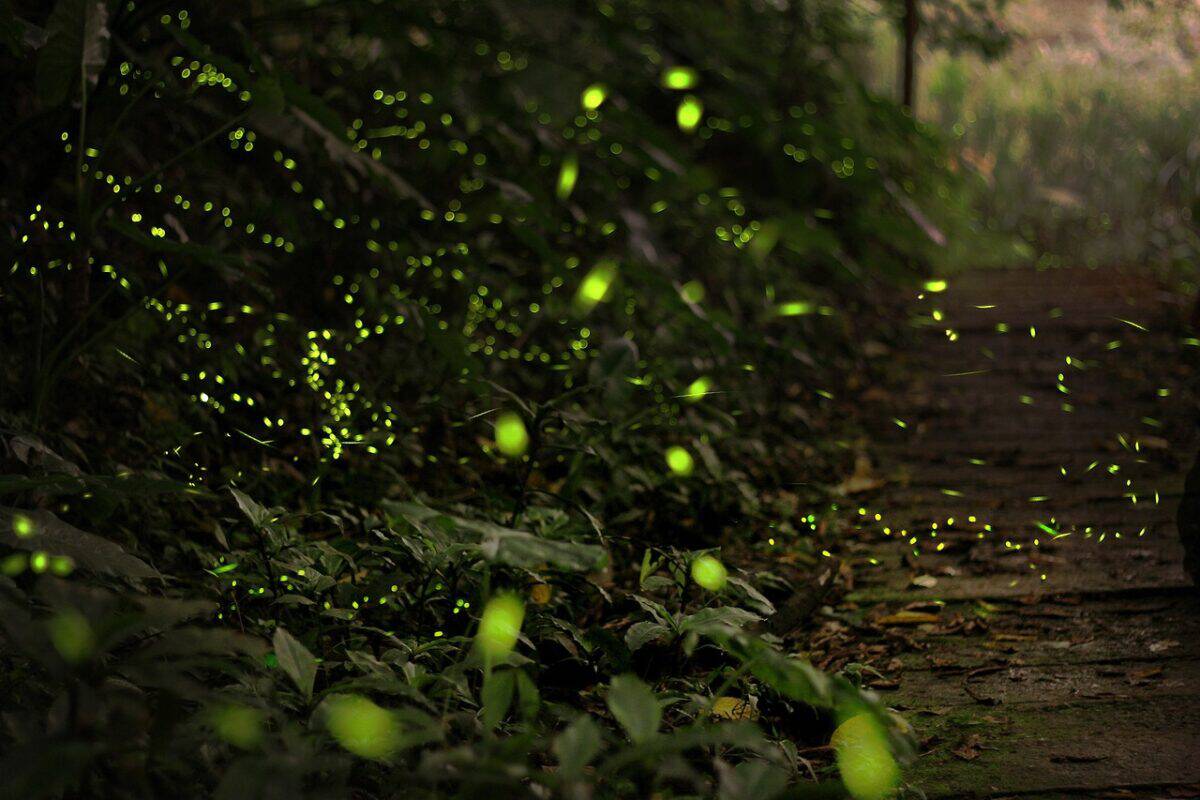
Several environmental factors are already compromising fireflies’ ability to glow effectively. Light pollution from urban development creates background illumination that masks firefly signals, making it harder for them to communicate. Agricultural and urban pesticides can directly harm fireflies or reduce their prey populations. Habitat destruction through development, deforestation, and wetland drainage eliminates the specific environmental conditions many firefly species require. Climate change alters temperature and moisture patterns critical for firefly development and activity.
Some studies have even found that certain environmental contaminants can directly interfere with the biochemical pathways involved in bioluminescence production. These combined pressures have already led to documented declines in firefly populations worldwide. The International Union for Conservation of Nature (IUCN) has recognized these threats, with some firefly species now listed as vulnerable or endangered as their characteristic glow becomes dimmer and less frequent across their historical ranges.
Scientific Research Implications

The loss of firefly bioluminescence would represent a significant setback for multiple scientific fields. Medical researchers have used luciferase enzymes from fireflies as valuable biomedical tools for detecting ATP, studying gene expression, tracking cancer cells, and testing antimicrobial compounds. The gene for firefly luciferase has become a standard reporter in molecular biology, allowing scientists to visualize cellular processes that would otherwise be invisible.
Studying the remarkable efficiency of firefly bioluminescence has also inspired developments in low-energy lighting technology. Without naturally occurring fireflies to study, scientists would lose an important source of these valuable compounds and the evolutionary blueprints they provide. While synthetic production of these enzymes is possible, the natural diversity found across different firefly species offers researchers a broader palette of bioluminescent tools with varying properties that could not be easily replicated in laboratories.
Cultural and Economic Consequences

Fireflies hold significant cultural value across many societies. In Japan, firefly viewing (hotaru-gari) is a centuries-old tradition symbolizing the impermanence of life and the arrival of summer. Various cultures incorporate fireflies into folklore, literature, art, and spiritual beliefs. Tourism centered around firefly displays generates substantial revenue for communities in places like Malaysia, Taiwan, the Great Smoky Mountains in the United States, and parts of Mexico.
The economic value of firefly-based ecotourism has been estimated in the millions of dollars annually for some regions. If fireflies stopped glowing, these cultural traditions would fade, becoming historical curiosities rather than living practices. Communities that have built economic models around firefly tourism would face financial hardships and would need to develop alternative attractions. The loss would extend beyond monetary considerations to include diminished opportunities for connecting with nature, especially for urban populations who experience few encounters with remarkable natural phenomena.
Loss of Natural Inspiration

Throughout human history, fireflies have sparked imagination and creativity. Their ethereal glow has inspired countless poems, songs, paintings, and stories across cultures. Filmmakers frequently use fireflies to evoke magic, memory, or emotional transitions. Beyond the arts, firefly bioluminescence has inspired biomimetic engineering, where scientists and designers look to nature for efficient solutions. The cold-light production of fireflies has influenced the development of more energy-efficient lighting technologies.
Without glowing fireflies, future generations would lose this source of wonder and inspiration. Children growing up without experiencing fireflies might develop a more limited vision of nature’s possibilities. Psychologists have noted that encounters with phenomena like firefly displays can trigger feelings of awe that promote generosity, creativity, and connection to something larger than oneself. The absence of such experiences could subtly alter human psychological development and our collective relationship with the natural world.
Indicators of Environmental Health

Fireflies serve as important bioindicators—living organisms that provide information about the health of ecosystems. Their complex life cycles require specific habitat conditions, including clean water, unpolluted soils, and natural darkness. The presence of robust, glowing firefly populations generally indicates a healthy ecosystem with minimal contamination. Conversely, the disappearance of firefly light often signals environmental degradation.
Scientists use firefly populations as early warning systems for detecting ecosystem changes before they affect more resilient species. If fireflies stopped glowing entirely, we would lose these valuable ecological indicators, making it more difficult to assess environmental health and implement timely conservation measures. Environmental managers would need to develop alternative monitoring systems, which might be less sensitive or more costly. The quiet disappearance of firefly light could allow environmental degradation to progress unnoticed until more dramatic consequences emerged.
Conservation Efforts and Solutions

Recognizing the value of fireflies and their bioluminescence, conservation organizations worldwide have initiated efforts to protect these insects and their habitats. The Firefly Specialist Group within the IUCN works to assess firefly species’ conservation status and develop protection strategies. Community-based conservation approaches include creating “dark sky reserves” with minimal artificial lighting, establishing firefly sanctuaries, and developing citizen science programs to monitor populations.
Simple measures like reducing outdoor lighting during firefly season, avoiding pesticide use in firefly habitats, and preserving natural areas with appropriate moisture levels can significantly benefit firefly populations. Researchers are also developing artificial light systems that mimic firefly flashes to help supplement reproductive communication in areas where natural flashing is compromised by light pollution. Educational programs focused on firefly conservation raise public awareness about these insects’ ecological and cultural importance, encouraging individual actions that support healthy firefly populations and their continuation of their magical light displays.
Technological Replacements for Firefly Light
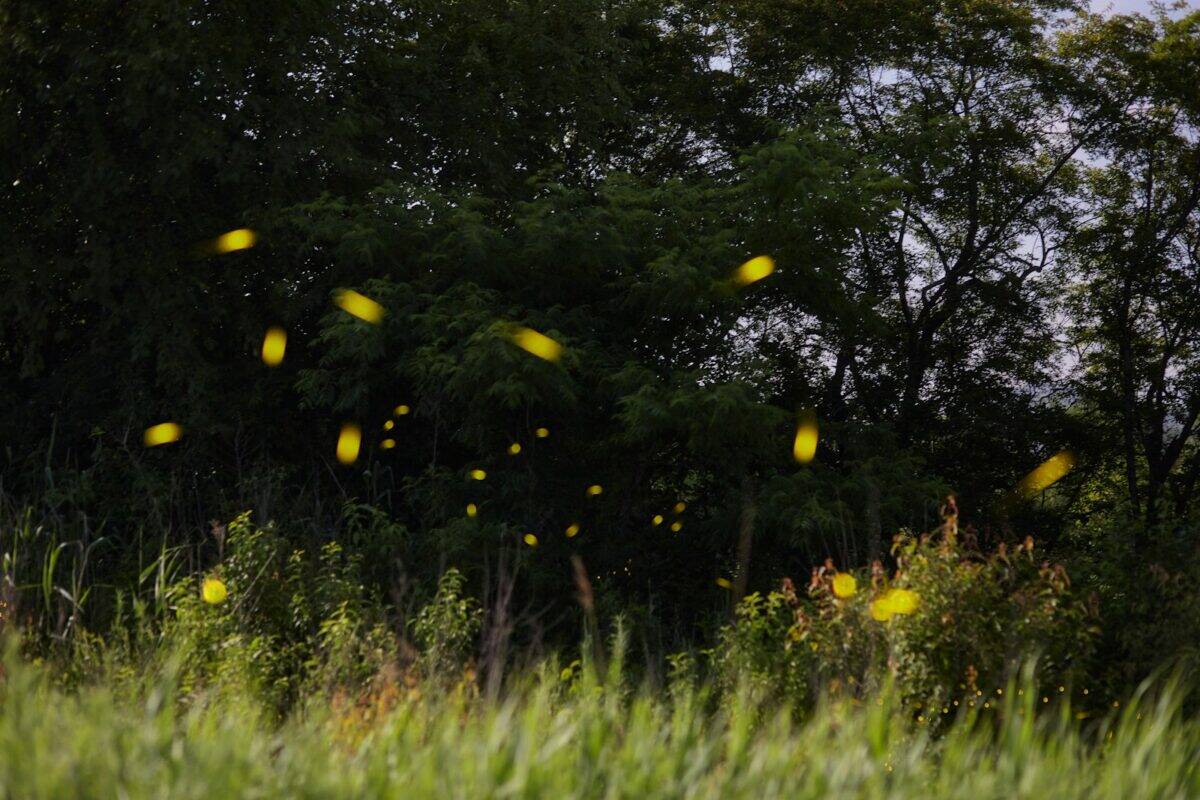
As natural firefly populations have declined in some areas, technological innovations have emerged to fill the gap. In Japan, where firefly viewing holds cultural significance, some destinations have created artificial firefly experiences using LED lights when natural populations became too sparse to attract visitors. Scientists have developed robots that mimic firefly flash patterns to study how these insects communicate or to potentially assist in pollination should insect populations continue to decline.
While these technological replacements might preserve some economic and aesthetic aspects of firefly experiences, they cannot replicate the ecological functions of living fireflies or the knowledge that one is witnessing a natural phenomenon shaped by millions of years of evolution. The emergence of these technological substitutes signals a concerning shift toward accepting diminished biodiversity as inevitable rather than addressable. Conservationists warn that becoming comfortable with technological replacements for natural phenomena could reduce motivation to protect the original living systems.
Children’s Relationship with Nature
The disappearance of firefly lights would particularly impact children’s connection to the natural world. Catching or simply watching fireflies represents one of the most accessible and enchanting nature experiences available even in suburban environments. Unlike many wildlife encounters that require travel to remote locations, firefly displays often occur in backyards and neighborhood parks, providing accessible wonder. Developmental psychologists note that such direct experiences with nature during childhood help form environmental values and interests in science.
Studies have found that recollections of firefly encounters frequently appear in adults’ memories of formative nature experiences. Without glowing fireflies, children would lose an important gateway experience that often leads to broader environmental appreciation. This loss contributes to what researchers call “extinction of experience,” where each generation becomes accustomed to a more depauperate natural world, resetting expectations of what constitutes normal biodiversity. The absence of firefly lights could thus accelerate the disconnection between humans and nature that many environmental educators are working to counter.
Conclusion: The Ripple Effects of Darkness
The cessation of firefly glowing would extend far beyond the simple loss of summer evening light displays. It would represent a profound ecological disruption affecting species interactions, scientific research, cultural traditions, and human connections to nature. As indicators of environmental health, the silencing of firefly lights would signal broader ecological imbalances requiring urgent attention.
The consequences would ripple through ecosystems, economies, and human experiences in ways both predictable and unexpected. Perhaps most significantly, the absence of firefly light would symbolize humanity’s changing relationship with nature—a relationship increasingly characterized by loss rather than discovery. By understanding what would happen if fireflies stopped glowing, we gain perspective on the often invisible threads connecting biodiversity to human wellbeing and cultural heritage, reinforcing the importance of conservation efforts that allow these remarkable insects to continue illuminating our world.

From exploring the marine wonders in the Azores and witnessing the vast savannas of Kenya, to delving deep into the rich biodiversity of South Africa and traversing iconic landscapes in Australia and the US like Yellowstone, Chris's experiences are vast.
With a penchant for diving alongside sharks, the ocean holds a special place in his heart.
Through his academic insights, he champions wildlife conservation, striving with 'Animals Around The Globe' to cultivate a profound connection between humans and animals, enhancing our mutual appreciation.
Connect with him at Feedback@animalsaroundtheglobe.com.
- What Happens If Fireflies Stop Glowing? - July 21, 2026
- Coyotes Are Thriving in Every U.S. State — Even New York City - July 21, 2026
- The Best Cat Breeds for Highly Empathetic Owners - July 21, 2026
Leave a comment
You must be logged in to post a comment.