

Have you ever locked eyes with one of nature’s most ancient predators and wondered what’s really going through their prehistoric mind? The truth about alligator eye contact is far more fascinating and complex than most people realize. These apex predators have been perfecting their visual responses over millions of years, though modern alligator species evolved more recently, creating behavioral patterns that continue to mystify scientists today.
When you gaze directly into those reptilian eyes, you’re engaging with a sophisticated sensory system that processes threats, opportunities, and territorial challenges in ways vastly different from our own. Recent research has revealed surprising insights about how these powerful creatures interpret sustained eye contact and what their responses actually mean. Let’s dive into the captivating world of alligator behavior and discover what happens when you dare to stare.
The Ancient Art of Reading Eye Signals
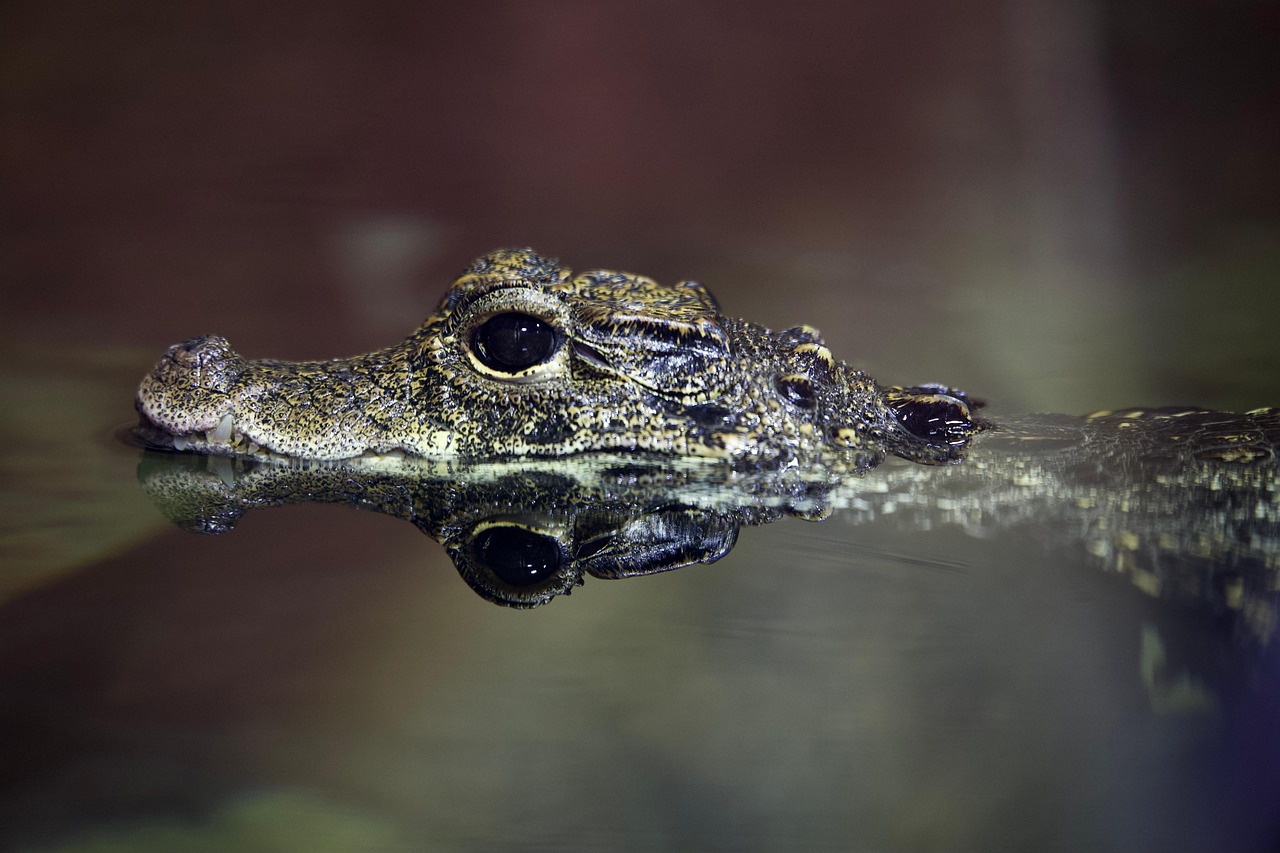
The fierce stare of an alligator can be a clear territorial warning to rivals or potential threats, signaling dominance and ownership. Alligators possess an incredibly sophisticated visual communication system that evolved over millions of years. Their eyes aren’t just instruments for hunting or navigation.
The eyes play a role in mating and territorial rituals. The luminescent glow of an alligator’s eyes during the night can act as a beacon for potential mates. This complex visual language serves multiple purposes in their social hierarchy. Unlike human expressions, alligator communication relies heavily on sustained gazing patterns and positioning.
Territorial Warning Systems in Action
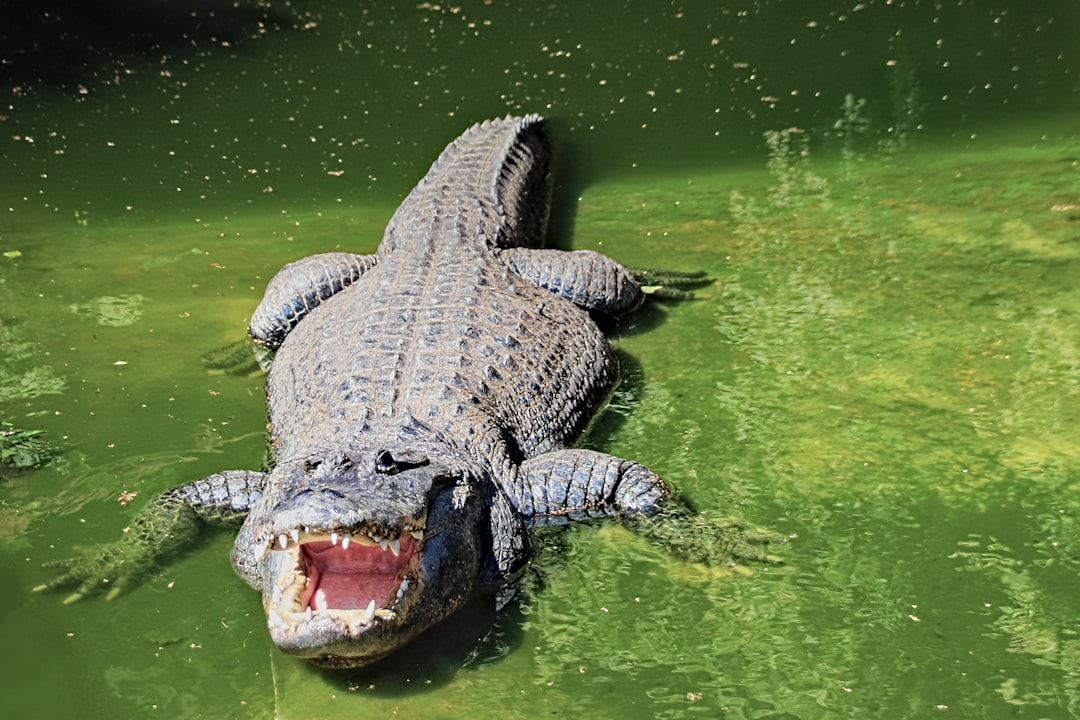
They are territorial animals that often vocalize with deep bellows and hisses to signal dominance or aggression. When an alligator maintains direct eye contact with a perceived threat, it’s essentially issuing a formal warning through ancient reptilian protocol.
When feeling threatened, an alligator may perform a bluff lunge. This involves rapidly moving forward a short distance (usually a short distance) while opening its mouth and hissing. The purpose of a bluff lunge is to deter a potential threat without actually engaging in a full-blown attack. Eye contact often precedes these dramatic defensive displays.
The Freeze Response: Nature’s Ultimate Defense
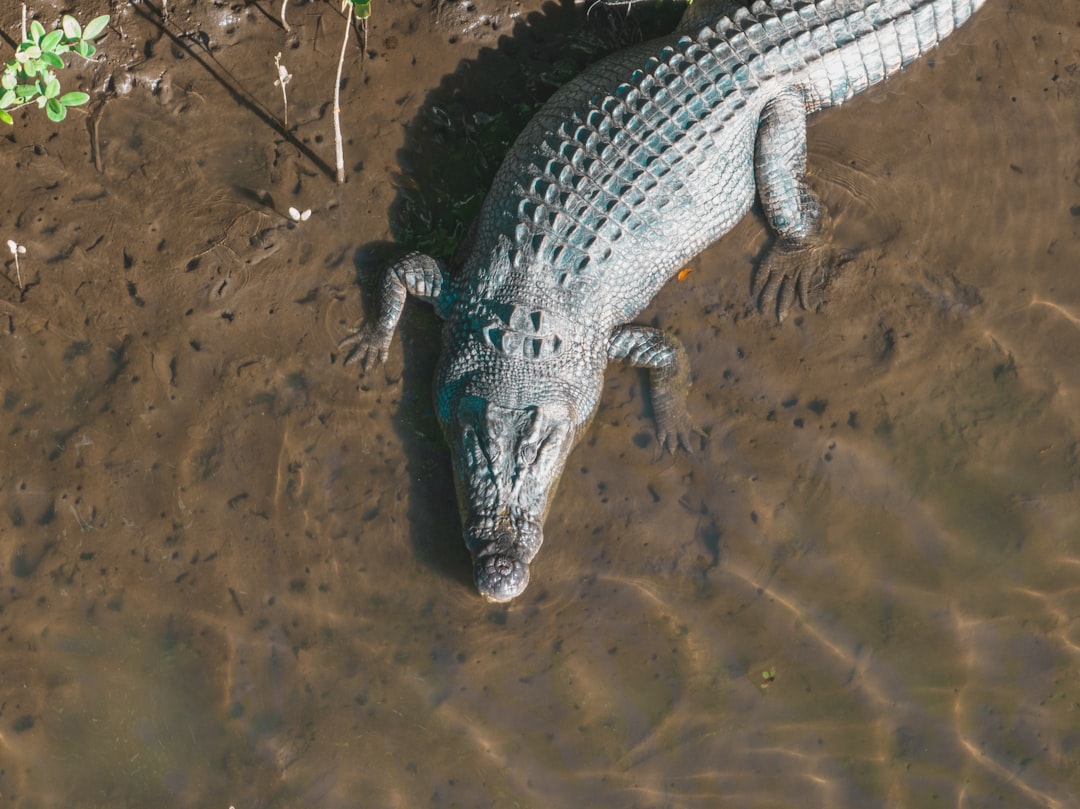
Something remarkable happens when prolonged staring creates overwhelming stress in an alligator’s nervous system. American alligators (Alligator mississippiensis) held inverted exhibit tonic immobility, combining unresponsiveness with flaccid paralysis. While this typically occurs when alligators are physically restrained, intense visual confrontation can trigger similar neurological responses.
After 15 or 20 seconds, the alligator will go limp and become unresponsive. It’s called tonic immobility and, for a phenomenon so widespread in the animal kingdom, we know surprisingly little about it. This temporary shutdown represents one of nature’s most powerful coping mechanisms for extreme stress situations.
Understanding Alligator Threat Assessment
Human-induced behavioral changes have been observed in other captive reptiles, such as disruption in social hierarchical perching behaviors of black spiny-tailed iguanas (Ctenosaura similis) when humans are close and make eye contact with the iguanas. In the wild congregation, hissing was not observed in response to human presence. This suggests alligators evaluate threats differently based on context and familiarity.
Alligators typically fear humans and will usually try to avoid contact. However, their assessment process involves complex calculations about size, behavior patterns, and territorial boundaries. Direct staring disrupts their normal risk evaluation protocols.
The Science Behind Predator Eye Contact
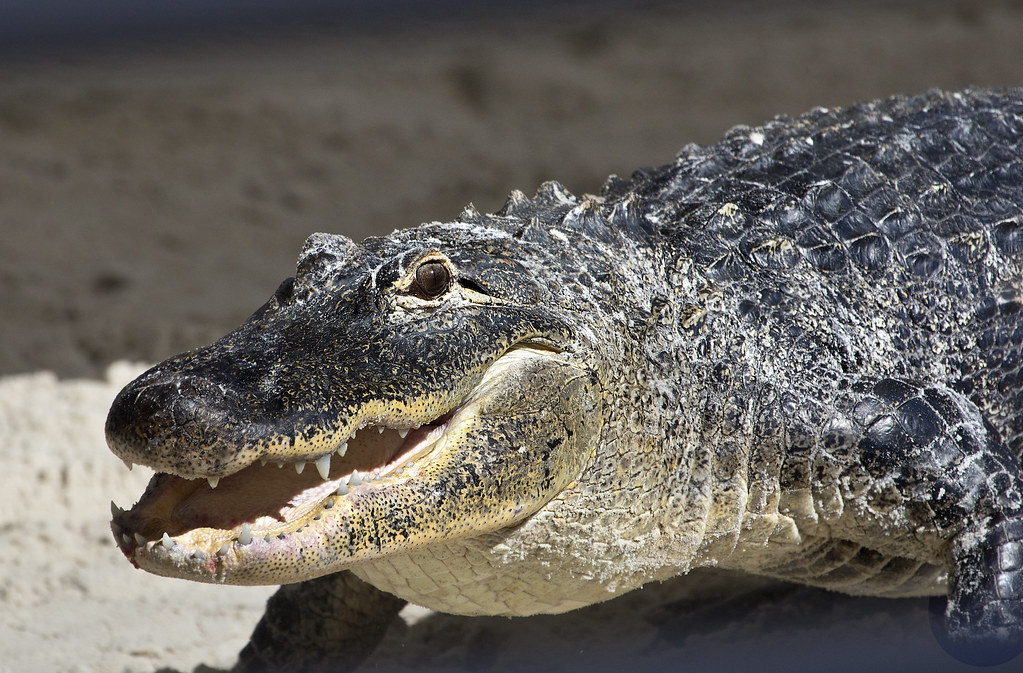
Eye contact being perceived as aggressive across species, including in humans, stems from evolutionary and behavioural factors. In primates and humans, direct eye contact can signal dominance, threat, or territoriality. This is rooted in survival instincts where maintaining a safe distance and avoiding confrontation are advantageous. Alligators share these ancient recognition patterns with many other species.
The direct gaze of an experimenter was found to prolong the duration of tonic immobility relative to an averted gaze. Research on related reptile species confirms that sustained eye contact intensifies stress responses and can trigger defensive behaviors ranging from aggressive displays to complete shutdown mechanisms.
Captive Versus Wild Response Differences
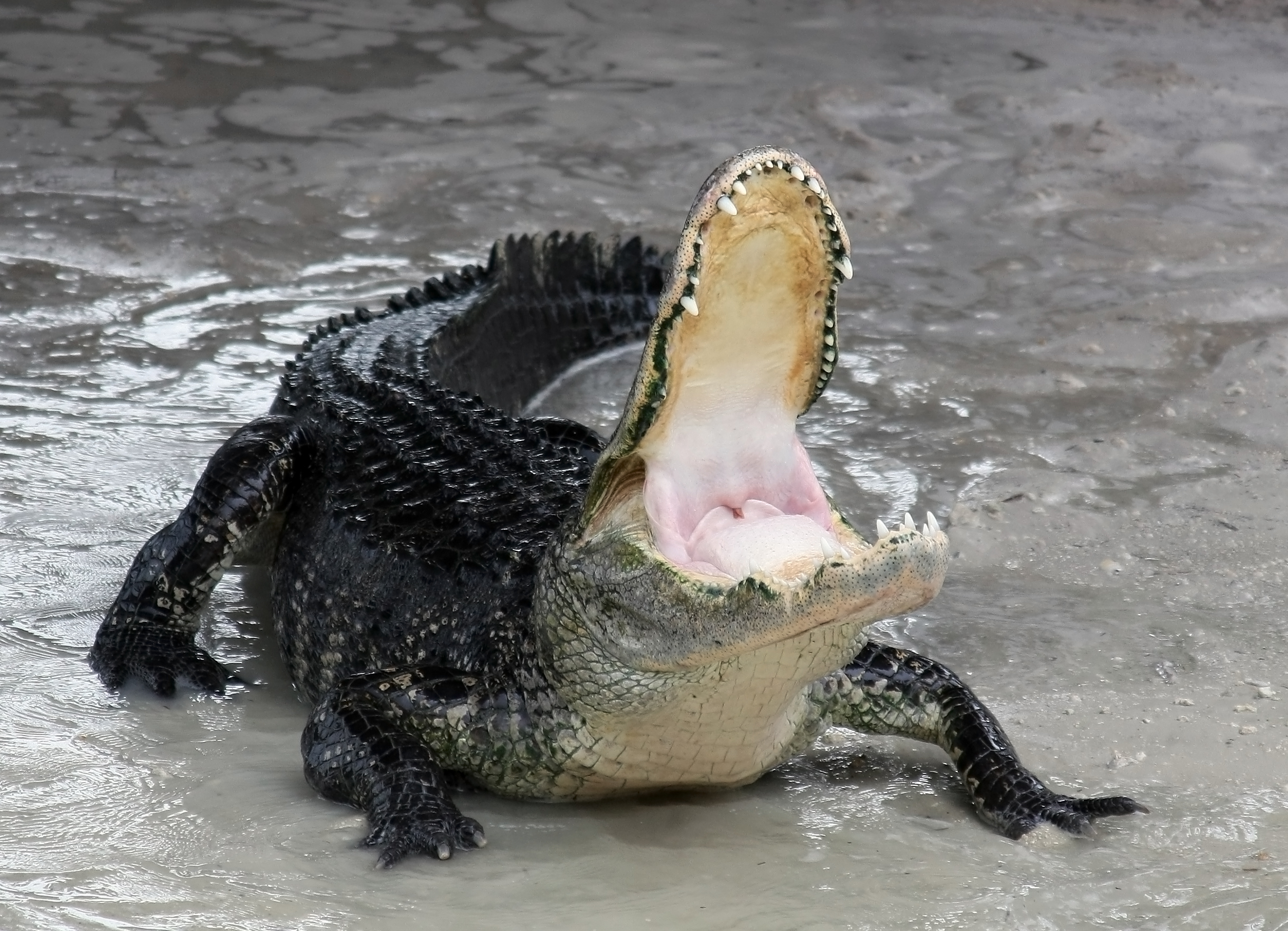
Territorial interactions, which were observed as fighting behaviors between individual alligators within the captive congregation, were observed most often after a caretaker entered the enclosure. A caretaker’s entrance always elicited multiple hisses from the alligators, as well as flushing behaviors. Captive alligators show heightened sensitivity to human visual contact.
Aggressive social behaviors were not observed in association with human presence at the wild site. Instead, the wild alligators were often recorded flushing due to human presence. Wild populations tend to avoid confrontation rather than escalate visual challenges. This behavioral difference reflects their natural preference for energy conservation over unnecessary conflicts.
Reading the Warning Signs
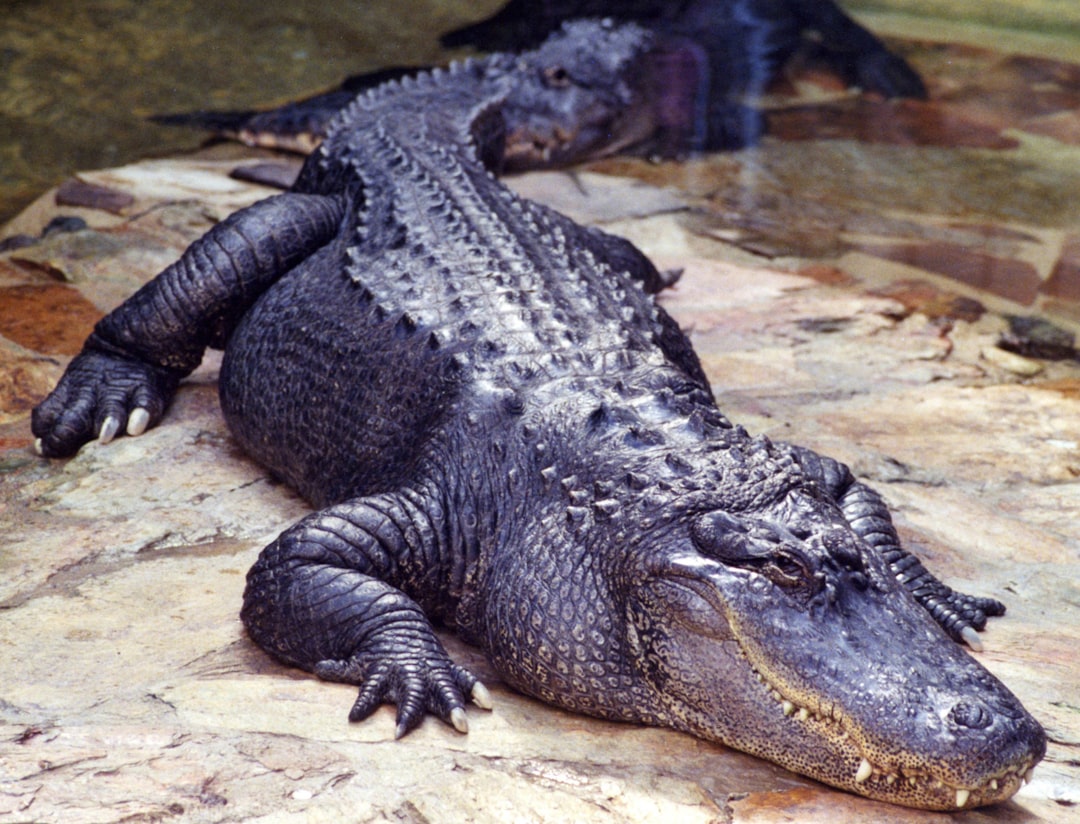
Hissing is a warning sign that an alligator feels threatened. Before any dramatic responses occur, alligators typically provide clear behavioral signals that experienced observers can recognize. These warnings often accompany or follow intense eye contact situations.
A light flashed on an alligator at night will reflect a blazing red eye that does not blink with charity to anything within range of its formidable jaws. Their unwavering gaze serves as both assessment tool and intimidation tactic. Understanding these visual cues can mean the difference between a safe encounter and a dangerous confrontation.
The Aftermath: What Happens Next
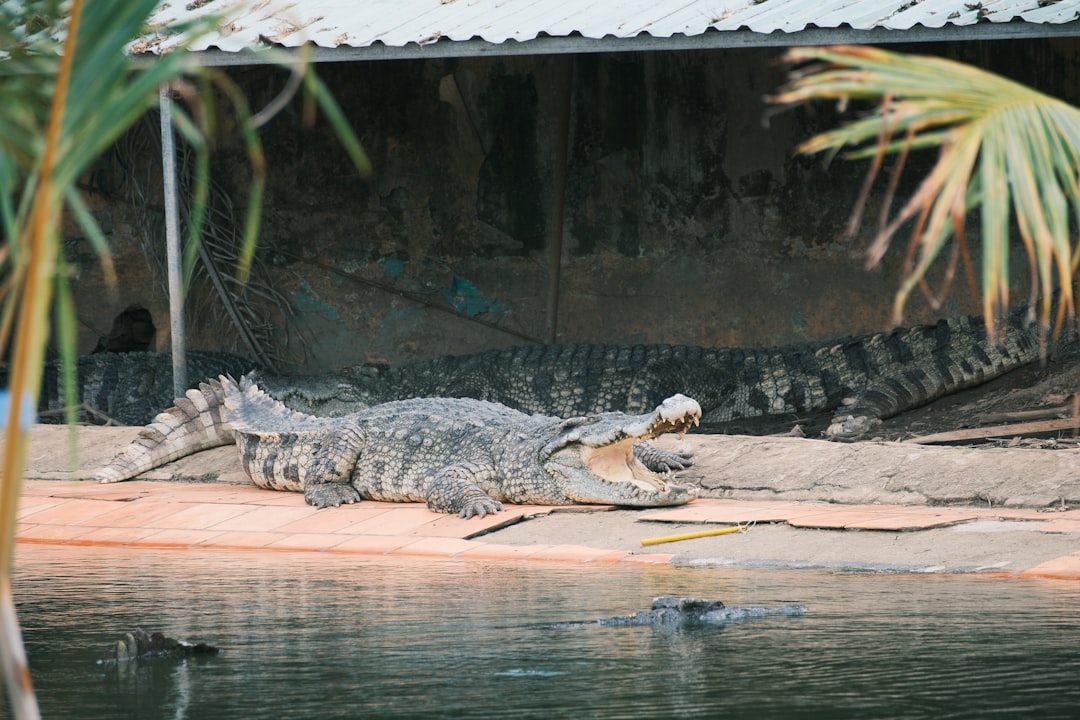
Following intense visual confrontations, alligators typically choose one of several response pathways. See, alligators subscribe to the philosophy of if it sucks… hit da bricks. Basically, if they hate it, they’ll leave. Most encounters end with the alligator simply removing itself from the uncomfortable situation.
Alligators are not inherently aggressive toward humans but can exhibit defensive behaviors if they feel threatened. Generally, they prefer to avoid confrontations and will retreat if given the opportunity. However, during breeding seasons or in territorial disputes, their tolerance for sustained eye contact decreases dramatically. The key lies in understanding when to break visual contact and allow these magnificent predators their necessary space.
Conclusion
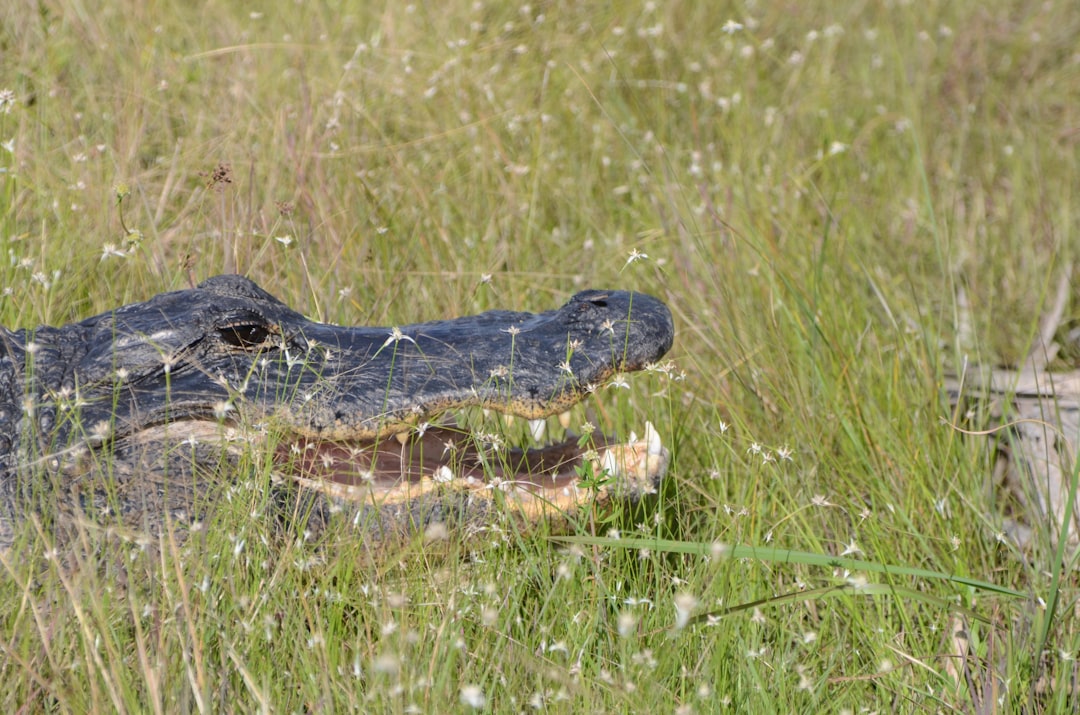
The next time you find yourself in an unexpected staring contest with an alligator, remember that you’re engaging in one of nature’s oldest forms of communication. These prehistoric survivors have developed complex visual response systems that serve as both warning mechanisms and stress management tools. From territorial displays to complete shutdown responses, their reactions reveal the sophisticated behavioral adaptations that have kept them thriving for millions of years.
What makes this interaction even more remarkable is how it connects us to ancient evolutionary patterns that many species still share today. What do you think? Would you have the courage to maintain eye contact with one of these magnificent predators?
