
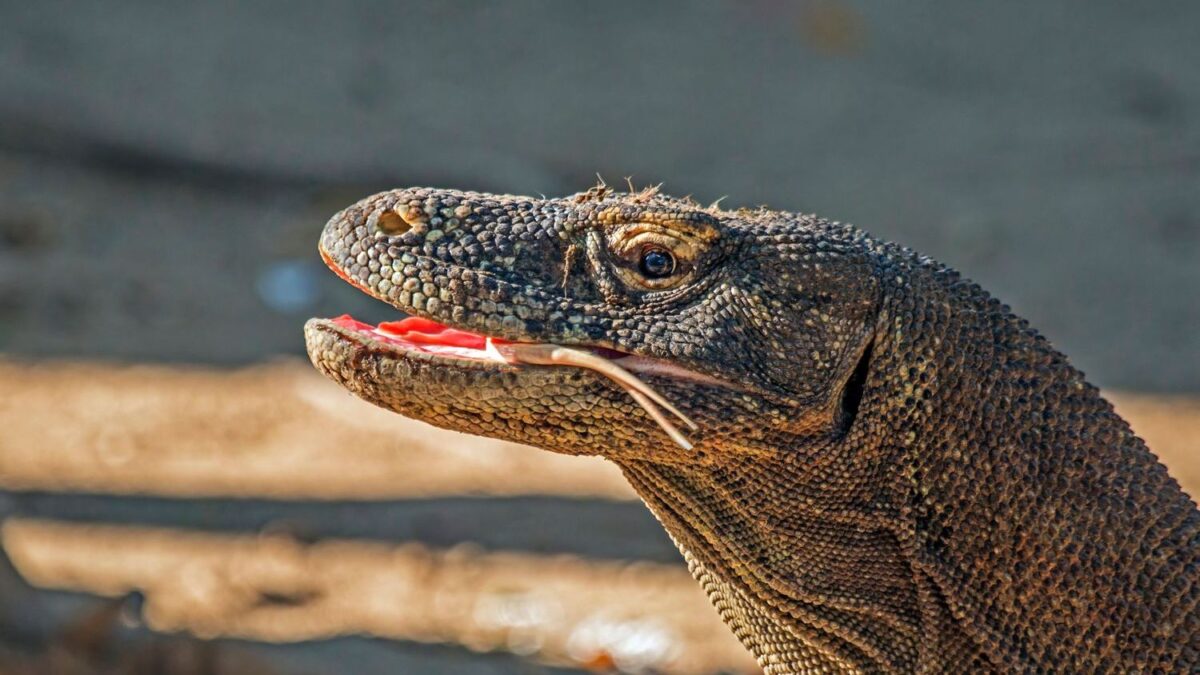
Stories about Komodo dragons often paint them as walking petri dishes, their mouths loaded with enough bacteria to fell large prey through infection alone. That image has lingered for decades, yet fresh scrutiny of the evidence points in a different direction entirely.
The shift in understanding comes from careful anatomical work and venom analysis that reveals a more precise biological toolkit at work. It invites a closer look at how these lizards actually bring down their meals.
The Old Myth of Bacterial Infection
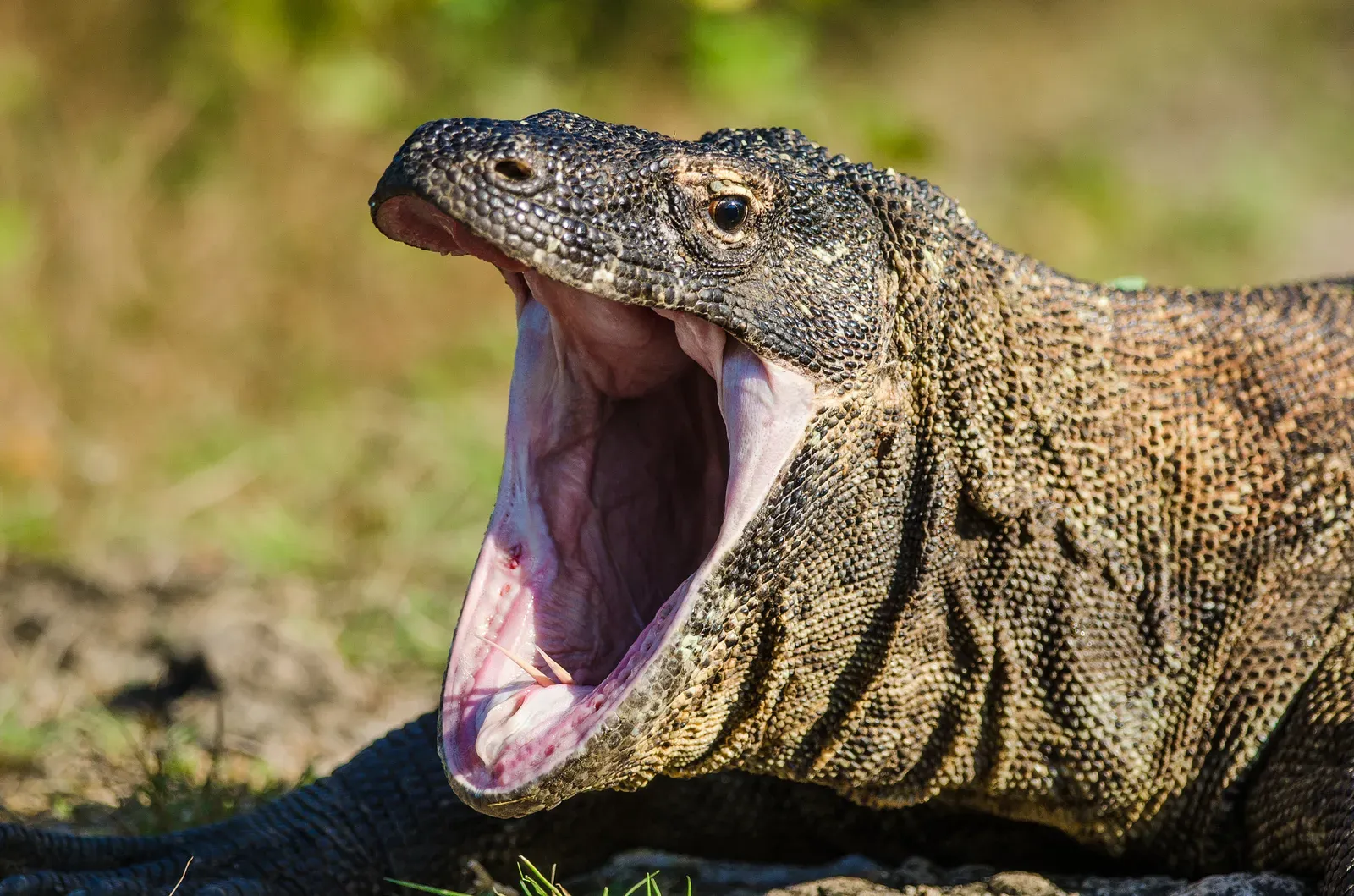
Early observations of Komodo dragons feeding on carrion led researchers to assume their saliva carried unusually dangerous microbes. Those assumptions rested on limited samples and the visible decay around bite wounds in prey animals.
Over time the idea hardened into textbook fact, even though follow up examinations showed the oral bacteria matched those found in many other carnivores. The notion of a uniquely toxic mouth simply did not hold up under closer inspection.
Discovery of Specialized Venom Glands
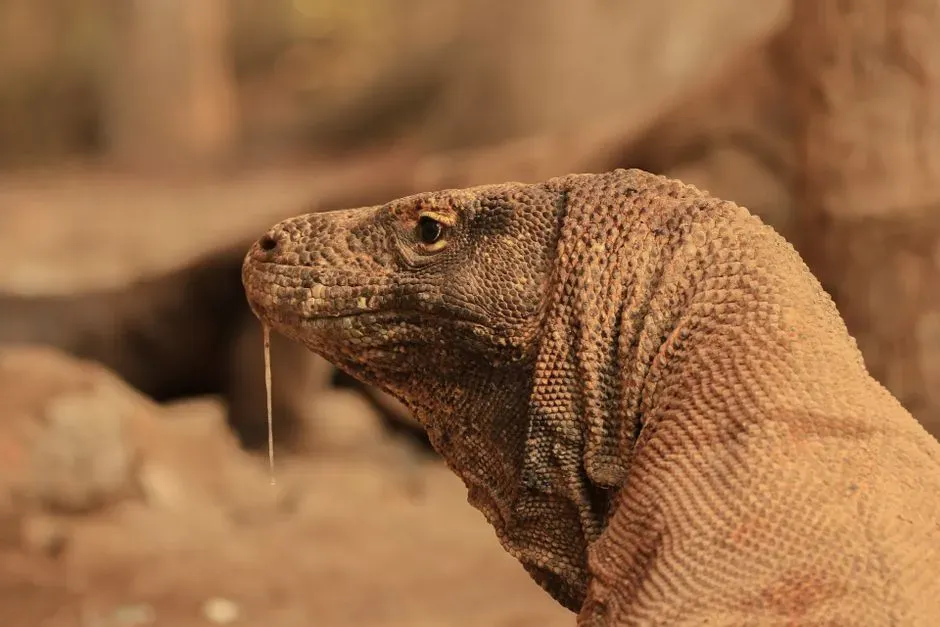
Advanced imaging of Komodo skulls revealed glands tucked along the lower jaw that produce and store venom. These structures connect to ducts that deliver the secretion directly into wounds during a bite.
The glands themselves are modest in size yet efficient, allowing repeated use without exhausting the supply. Their presence reframes the lizard as an active venom user rather than a passive carrier of microbes.
Composition and Effects of the Venom
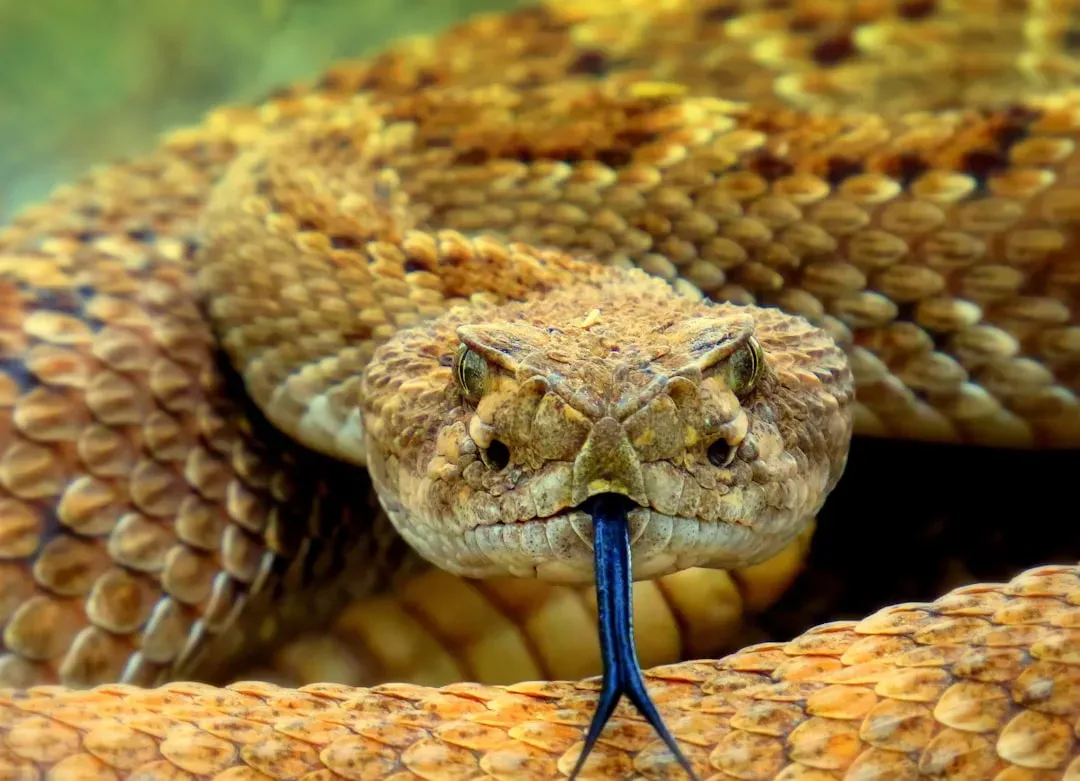
Analysis of the venom shows proteins that interfere with blood clotting and lower blood pressure in the victim. Additional components promote tissue breakdown and rapid onset of shock.
These effects combine with the mechanical damage of the bite itself, accelerating weakness in prey that might otherwise escape. The result is a coordinated system that reduces the chance of prolonged chases across rugged terrain.
Revising the Picture of Hunting Behavior
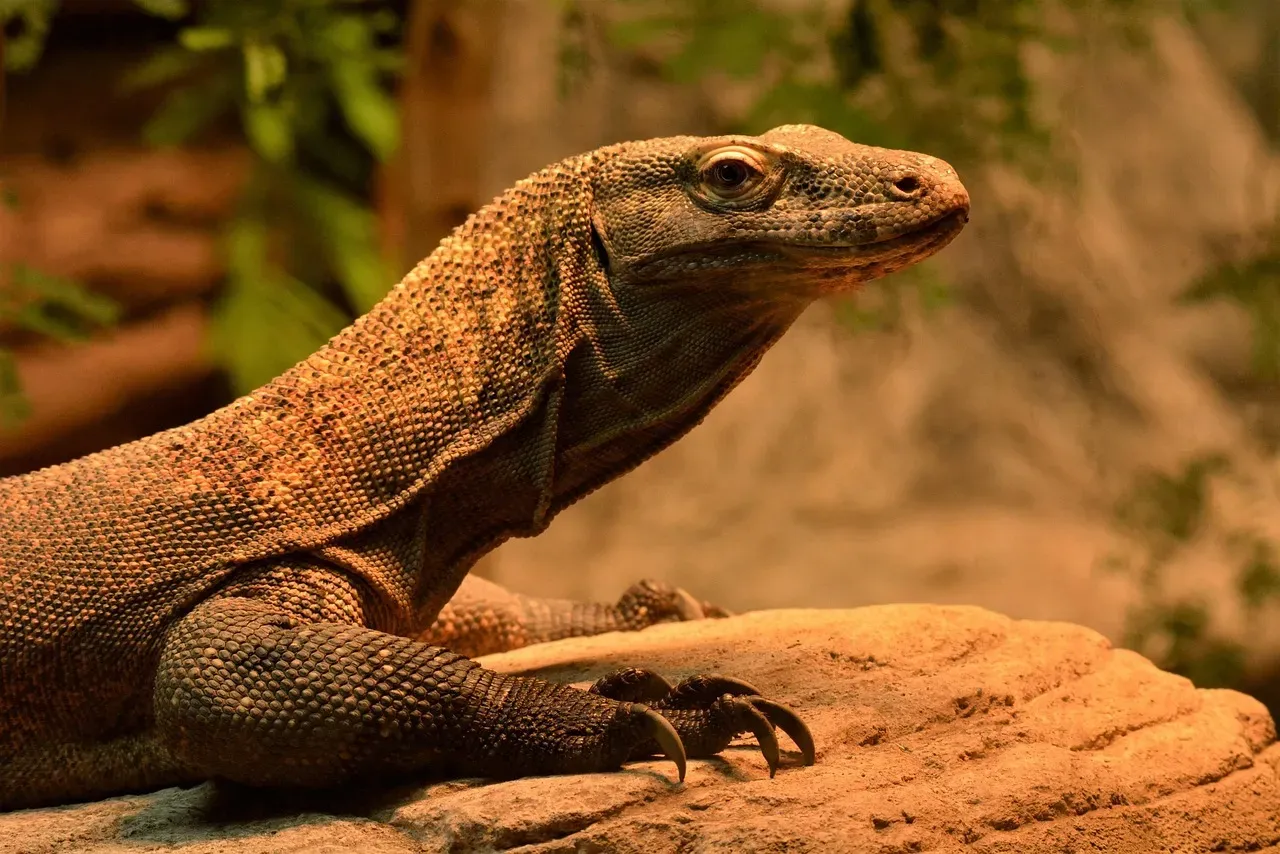
Komodo dragons still rely on ambush tactics and powerful jaws, yet the venom adds a chemical dimension that was previously overlooked. Prey animals often weaken quickly enough for the lizard to track and finish the job at leisure.
Field records now align better with venom action than with delayed bacterial sepsis. The timeline of prey collapse fits the rapid physiological changes induced by the venom proteins far more closely than infection models.
Similarities to Other Venomous Lizards
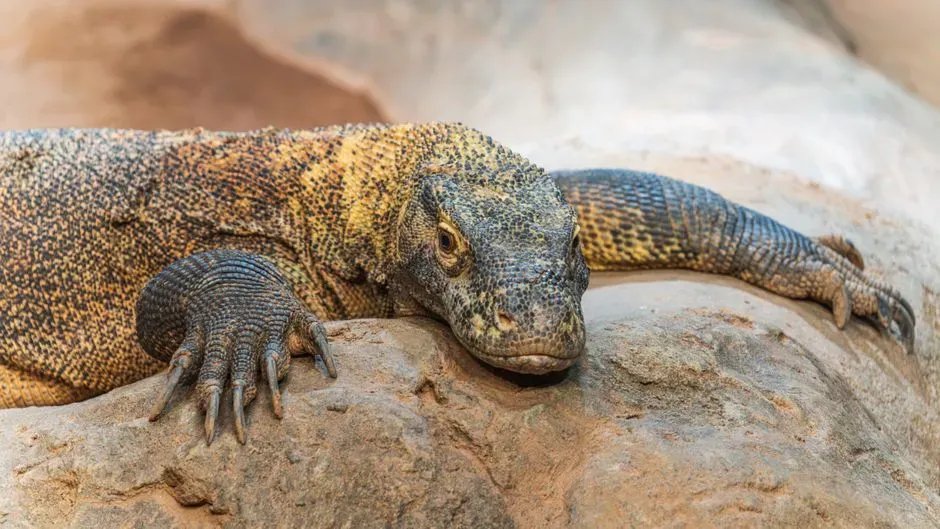
Komodo dragons share venom traits with smaller monitor lizards and even the Gila monster, suggesting an ancient lineage of venom use within the group. The delivery system and protein families show clear evolutionary links.
These connections help scientists map how venom evolved across reptiles and why certain traits persist in island predators. The Komodo example stands out mainly for its scale and the size of prey it can tackle.
Medical Research Opportunities
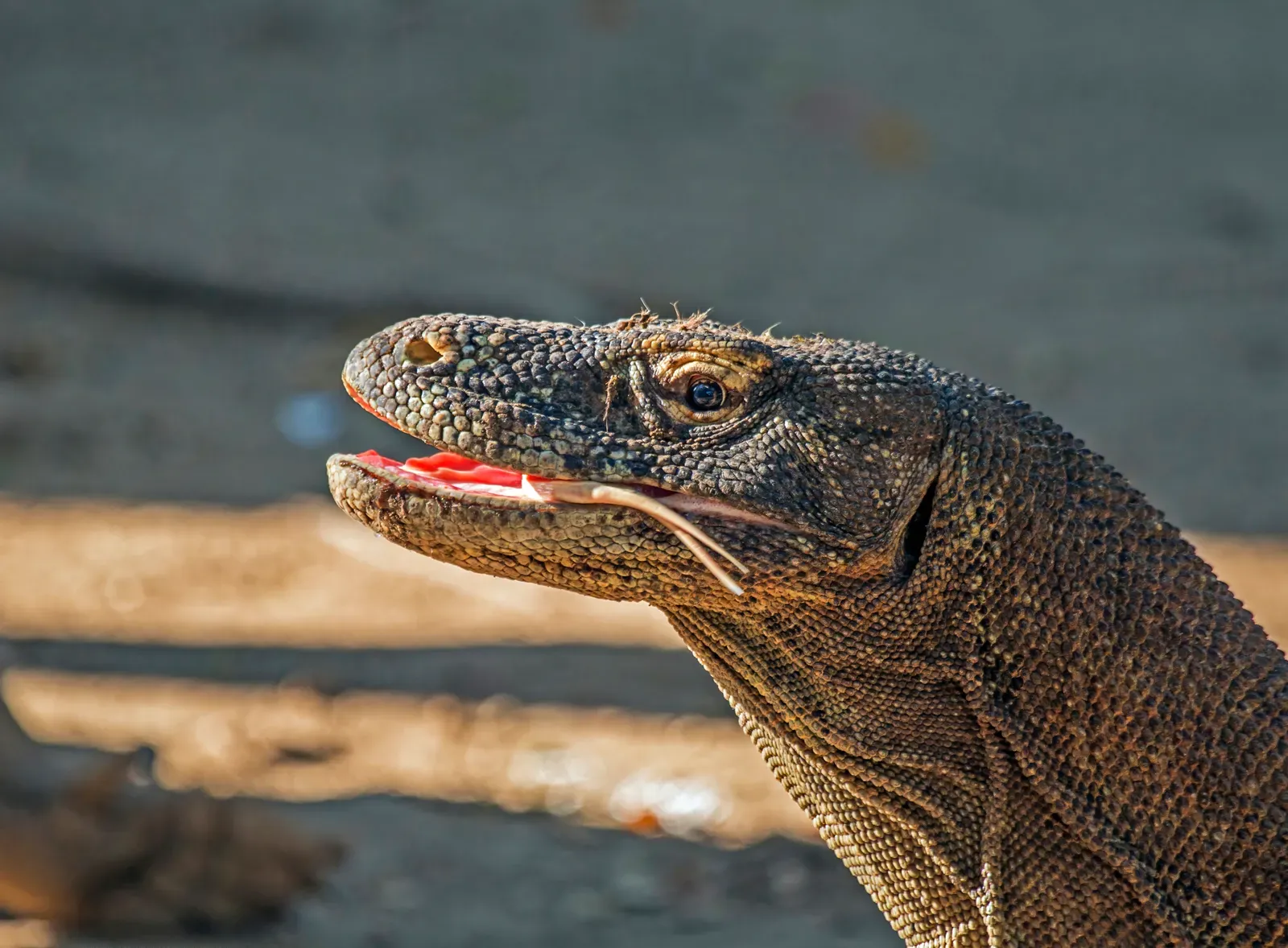
Venom components that disrupt clotting have drawn interest from researchers exploring new anticoagulants or treatments for cardiovascular conditions. Early lab work examines whether isolated proteins could inspire safer therapeutic options.
Any practical applications remain years away, yet the unique mix of enzymes and shock inducing factors offers a fresh natural library for study. Continued non invasive sampling supports this line of inquiry without harming wild populations.
Looking Ahead with a Clearer View
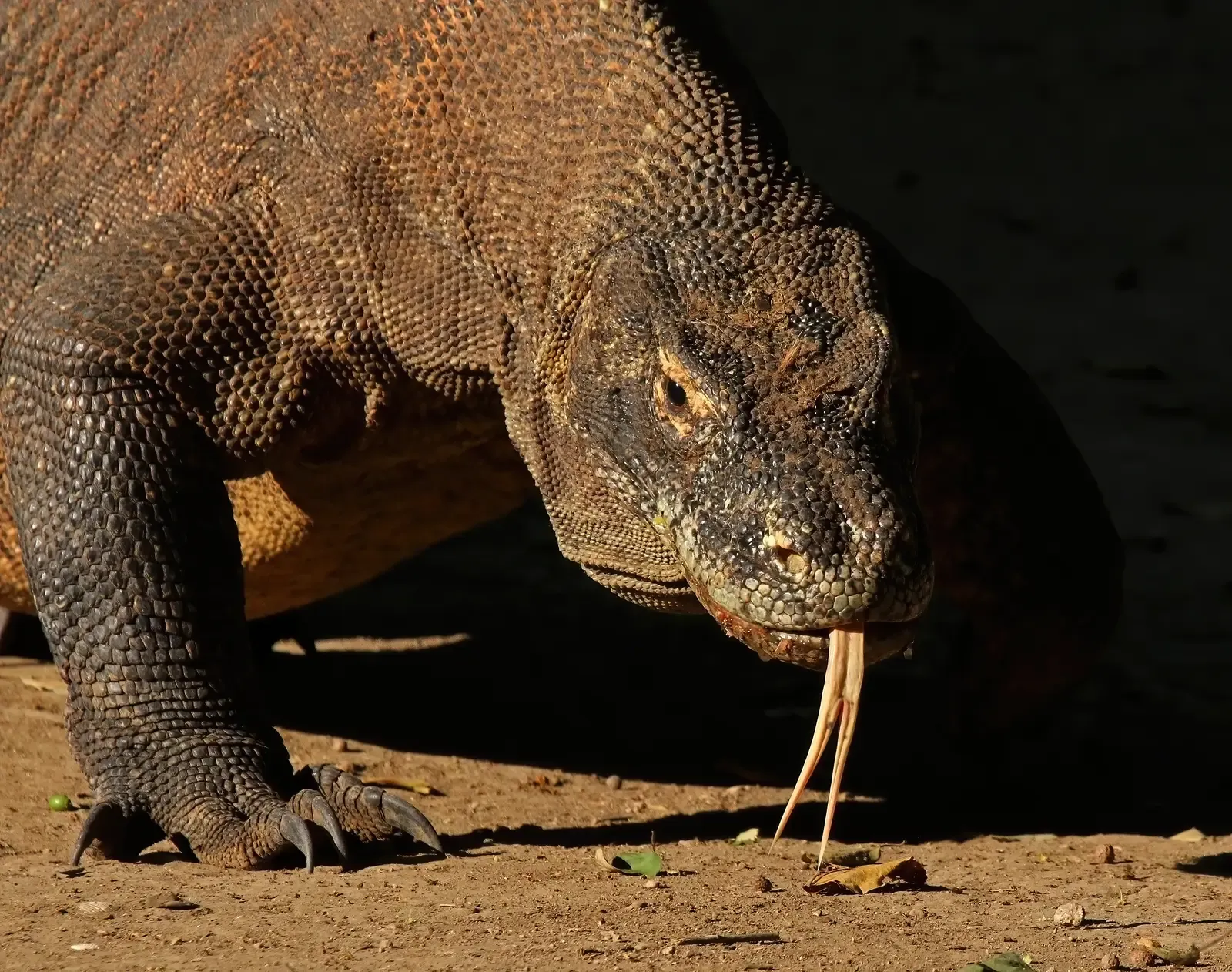
Recognizing venom as the primary weapon shifts conservation priorities toward protecting both the dragons and their prey base in a more integrated way. Habitat loss and human conflict still pose the greatest threats, but accurate biology informs better management plans.
The old bacteria story made for dramatic storytelling, yet the reality of a refined venom system feels more remarkable in its precision. Science keeps refining these details, and each step brings us closer to appreciating these animals on their own terms rather than through outdated assumptions.

- 7 Hidden Conditions That Invite Termites Into Your Walls - August 6, 2026
- What It Means When Hummingbirds Return on Nearly the Same Date Every Year - August 6, 2026
- What It Means When a Dog Refuses to Enter a Room It Once Loved - August 6, 2026