

Most dog owners have felt that small pang of guilt at the front door. You grab your keys, your dog tilts their head, and for a moment you wonder what they’ll actually do with the next eight hours. It’s easy to assume they’ll nap, eat something they shouldn’t, and wait. But the reality unfolding inside your dog’s brain is far more layered than that.
Science has been quietly catching up to what many owners have long suspected: being left alone isn’t a neutral experience for dogs. Their brains don’t simply pause until you return. There are hormonal shifts, emotional states, and even changes in how they perceive the world around them. Understanding what’s really happening may change how you think about those long workdays.
#1. The Stress Response Kicks In Almost Immediately
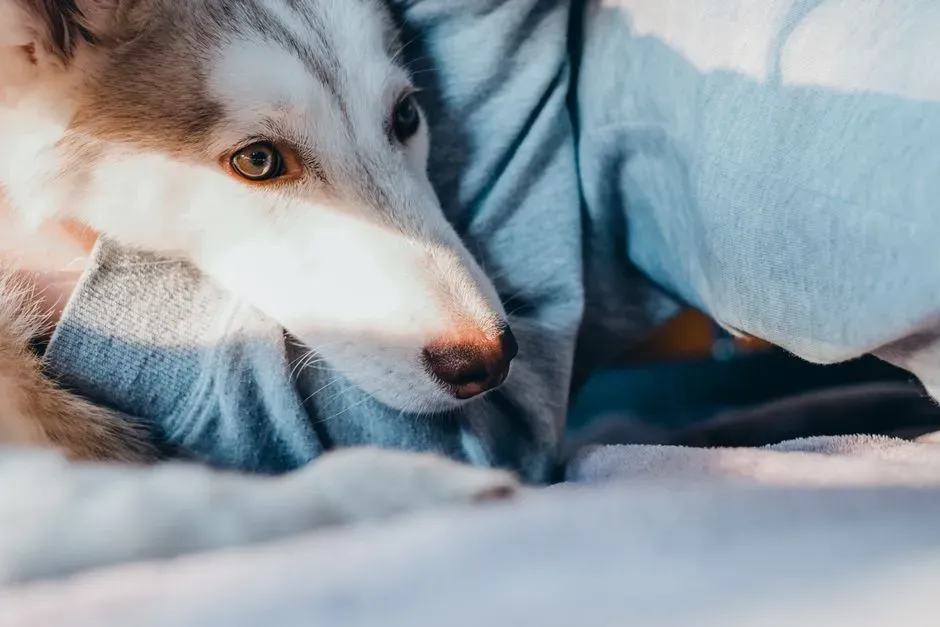
The moment you walk out the door, your dog’s brain begins processing your absence. Dogs that are afraid to separate release stress hormones, which in turn have an activating effect. For some, this activation is mild and fades within minutes. For others, it becomes the defining experience of their entire day.
Cortisol is one of the primary glucocorticoids produced by the adrenal glands and plays a critical role in maintaining homeostasis in the body, especially in stress response. When your dog senses your departure, this system can shift into a heightened state. The study of cortisol levels in dogs has gained significant attention in veterinary medicine and animal behavior research due to its direct relationship with health conditions and its potential to reveal underlying behavioral issues like anxiety.
Significant changes in several stress-related measures, including serum cortisol, mean ear temperature, heart rate, and heart rate variability, have been observed in dogs during separation from baseline to test conditions. These are measurable, physiological events, not imagined ones. The body keeps score even when the behavior looks calm from the outside.
#2. Some Dogs Develop a Genuinely Pessimistic Outlook

Many dogs become distressed when left home alone, and a study reported in Current Biology suggests that this kind of separation anxiety occurs most often in dogs that also show “pessimistic”-like behavior. This is one of the more striking findings in canine behavioral science in recent years, and it cuts deeper than simple nervousness.
Dogs that behaved anxiously when left alone also tended to judge ambiguous events negatively. Researchers tested this using a clever food bowl experiment, where dogs were placed in ambiguous situations to see whether they expected a positive or negative outcome. Dogs that ran quickly to ambiguous locations, as if expecting a positive food reward, were classed as making relatively “optimistic” decisions, while dogs that didn’t approach the bowl as if expecting a reward were judged to be “pessimistic.”
Whilst most dogs are believed to be anxious when showing separation-related behavior, researchers used a cognitive bias measure to show that dogs which exhibit high levels of this behavior in a separation test also appear to have a more negative underlying mood. This matters because it suggests that for some dogs, the problem isn’t limited to the hours alone. It colors their whole emotional landscape.
#3. Boredom Has Real Neurological Consequences

When we think about dogs left alone, boredom is often treated as a minor inconvenience, something a chew toy can solve. The science suggests it deserves more serious attention. For some social animals, being confined alone for long periods leads to boredom, with signs including increased drowsiness with bouts of restlessness, avoidance, and sensation-seeking behavior.
Captive animals lacking sensory or cognitive stimulation, such as when exercise, exploration, and learning opportunities are reduced, have weakened neural pathways, which can result in their brains becoming physically smaller. Some of these boredom behaviors have been described in dogs that lack physical and mental stimulation. That’s a remarkable finding. The brain, without challenge, can literally shrink over time.
Dogs can feel bored and frustrated when they lack social activities, new experiences, an occupation, and the opportunity to engage in normal canine behaviors. In fact, many canine behavior problems are caused by boredom or a lack of mental stimulation. The scratched door frame and the chewed sofa cushion are often misread as defiance. More accurately, they’re the output of an understimulated brain trying to cope.
#4. The Emotional Fallout Doesn’t Always Look Like What You’d Expect

Behaviors can include destruction of household items, urinating or defecating indoors, or excessive barking, and are often labelled as “separation anxiety” as the dog gets anxious at the prospect of being left alone. Most owners recognize these signs. What’s less obvious is what happens to dogs that go quiet instead.
Stress-related behaviors can range from “shutting down” to being fearful, vocal, destructive, or aggressive. The expression “shut down” is often used to describe a dog who is behaving in an abnormally inactive or unresponsive way. A dog that simply lies there all day, barely moving, isn’t necessarily relaxed. They may be in a state of learned helplessness, a subdued but still distressing emotional condition.
It can take weeks or even months for the cortisol levels of a dog who has been living with chronic stress to reduce to normal levels. This is the part that catches many owners off guard. Even after the situation improves, the brain takes a long time to reset. Treatment plans tend to focus on helping the dog overcome the “pain of separation,” but research indicates that dealing with various forms of frustration is a much more important element of the problem.
#5. Mental Enrichment Actively Protects and Supports the Brain
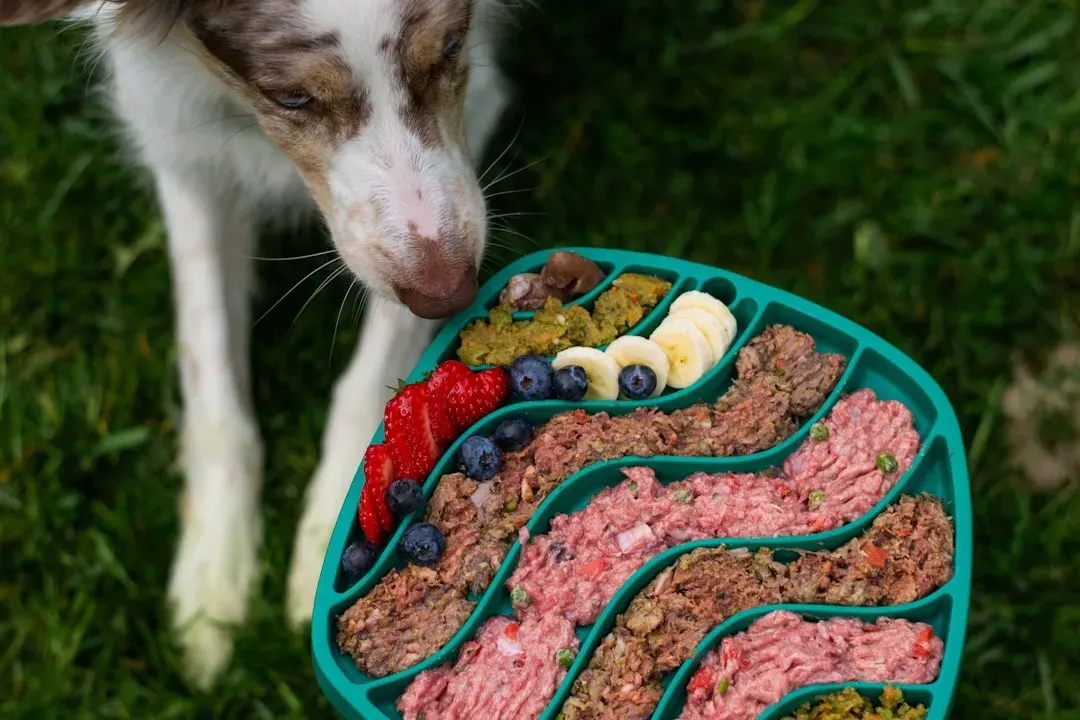
The good news is that the brain’s response to positive input is just as measurable as its response to stress. Research has shown that increased mental activity results in improved mental health and cognitive function in dogs. It builds confidence, releases stress, and strengthens the mutual bond between dog and owner. This isn’t soft science. It’s reflected in cortisol levels, behavior patterns, and emotional state assessments.
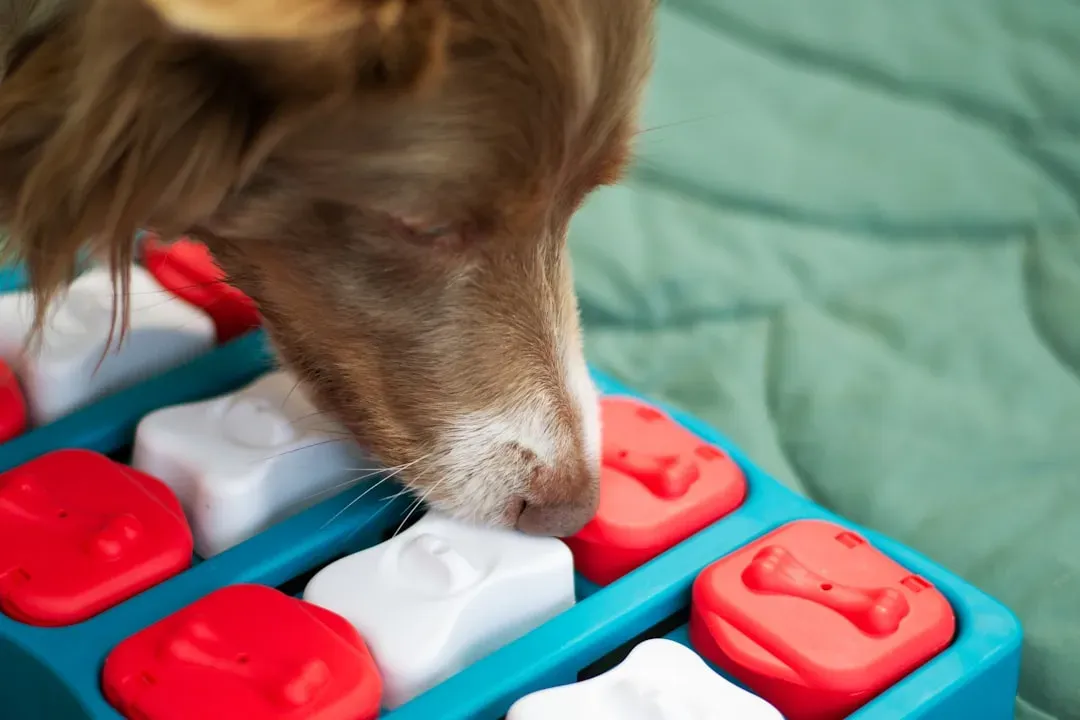
Mental stimulation through interactive toys and environmental enrichment helps prevent boredom-related behaviors and provides cognitive exercise for dogs left alone. Even something as straightforward as a foraging-style toy shifts the brain toward problem-solving mode rather than anxious waiting. These tools activate the nose and brain, mimicking the natural foraging behavior that triggers dopamine release.
Dogs with a previous diagnosis of separation distress showed more anxiety-related behaviors and higher concentrations of vasopressin than control dogs when separated from the owner. Monitoring biomarkers like this is an emerging area of veterinary research, and it reinforces the idea that what happens in your dog’s brain during alone time is both real and worth addressing. There has been considerable interest in producing technology that can be used by dogs in the home environment to help relieve boredom and separation anxiety while their owners are away at work.
What This Means for the Dogs We Share Our Lives With
The picture that emerges from this research isn’t one of drama or catastrophe. Most dogs adapt, particularly with good preparation and enrichment. Animal behavior researchers have identified key forms of separation-related behavior, and suggest that animal behaviorists should consider these underlying reasons as the issue that needs treating, rather than viewing “separation anxiety” as a single catch-all diagnosis.
Mental enrichment is just as important for dogs as physical exercise. That’s a meaningful reframe for anyone who figures a long walk before work covers everything their dog needs. The brain requires its own kind of workout, and without it, the hours alone become harder to bear.
Dogs don’t experience time the way we do, but they do experience absence, and the weight of that absence shows up in their chemistry, their cognition, and their behavior. The next time you head out the door, know that what you set up before you leave genuinely matters. Not out of guilt, but because attention and understanding are precisely what the science points toward.

- 7 Plants That Groundhogs Usually Leave Until Everything Else Is Gone - August 15, 2026
- Bird Science Says Chickadees Change Their Alarm Calls Depending on How Dangerous a Predator Is - August 15, 2026
- Animal Science Says Dolphins Use Signature Whistles That Function Remarkably Like Individual Names - August 15, 2026