

The Cat Sees Your Porch as a Safe Haven
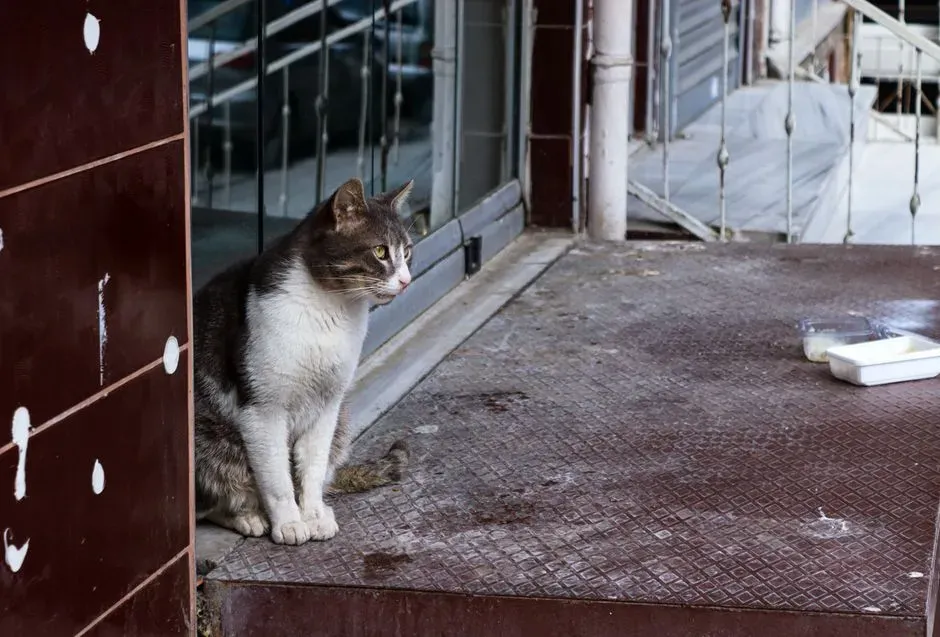
Stray cats often pick spots that offer protection from weather, predators, and constant movement. Your porch might provide the right mix of cover and visibility, letting the animal rest without feeling exposed. Many cats gravitate toward human structures because they mimic the security of dens or hidden nooks found in the wild.
Once a cat settles in, it tends to return because the location has proven reliable. The absence of loud disturbances or aggressive animals nearby reinforces that choice over time. This preference for stability explains why some cats linger even when other options exist nearby.
Food and Resources Play a Big Role

Access to scraps, water bowls left outside, or even the scent of meals cooking indoors draws cats in quickly. A consistent source of nutrition turns your porch into a reliable stop on their daily route. Cats learn fast which places reward them with easy calories without much effort.
Beyond meals, the area might offer insects or small rodents that supplement their diet. The combination of shelter and occasional handouts creates a low risk, high reward situation. Over several days this pattern solidifies into a habit the cat sees no reason to break.
Territory and Familiarity Matter
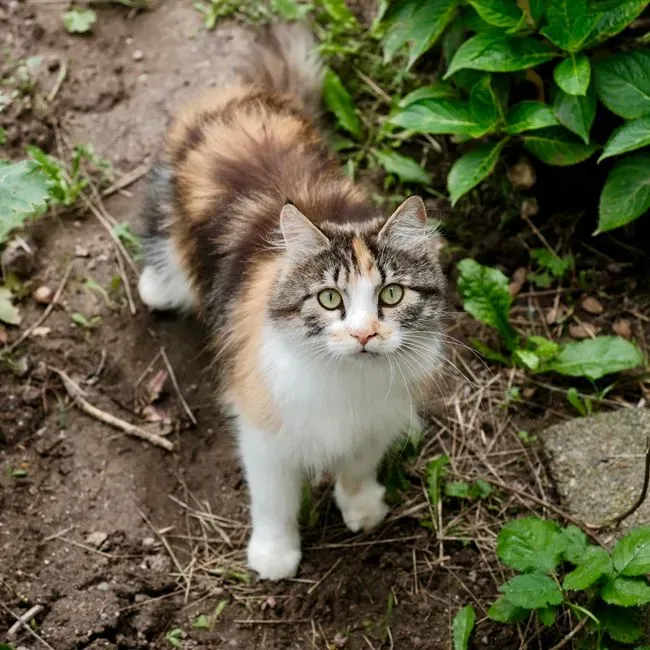
Cats establish mental maps of safe zones, and your porch may simply fit into an existing route they patrol. Familiar smells from previous visits make the spot feel like an extension of their territory. Once claimed, they defend that small patch against other animals.
Changes in the neighborhood, such as new construction or roaming dogs, can push a cat toward more stable human areas. Your porch becomes part of a shrinking set of reliable locations. This territorial instinct keeps the animal coming back even when it has no intention of becoming a pet.
Possible Health Signals to Watch For
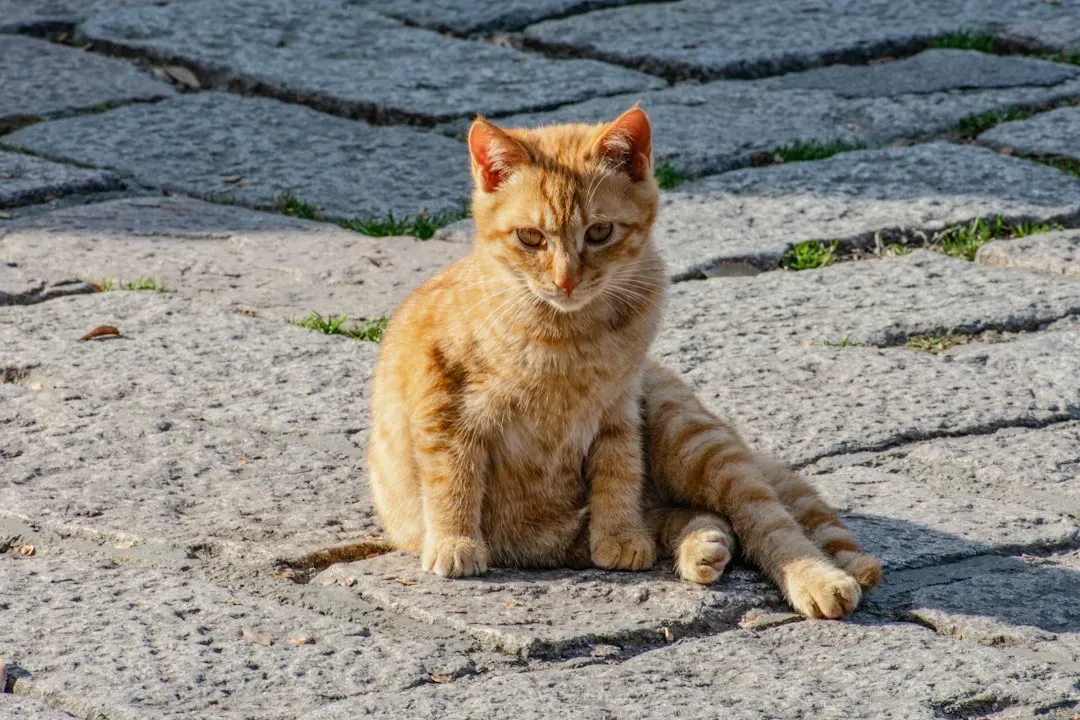
A cat that stays put for days may be conserving energy because of injury, illness, or age related weakness. Visible signs like limping, matted fur, or discharge around the eyes suggest the animal needs more than just a resting spot. Monitoring from a distance helps identify whether professional care is necessary.
Stray populations often carry parasites or viruses that affect long term health. A cat choosing one location repeatedly might be too tired to keep moving between multiple sites. Early observation allows you to decide if trapping and veterinary help would improve its situation.
Building a Connection Without Overstepping
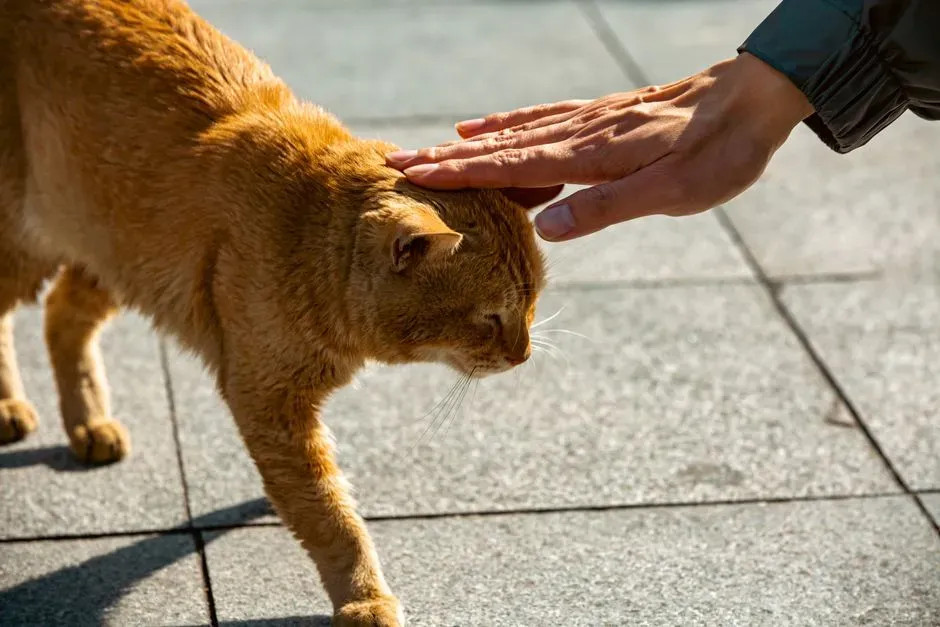
Slow, predictable interactions help the cat associate your presence with calm rather than threat. Offering food at the same time each day creates a gentle routine without forcing closeness. Respecting its space shows the animal that you understand its boundaries.
Some cats warm up over weeks while others remain wary forever. Allowing the relationship to develop at the cat’s pace prevents sudden flight or defensive behavior. Small gestures like a soft voice or a cardboard shelter nearby can strengthen trust gradually.
Practical Steps for Helping the Cat
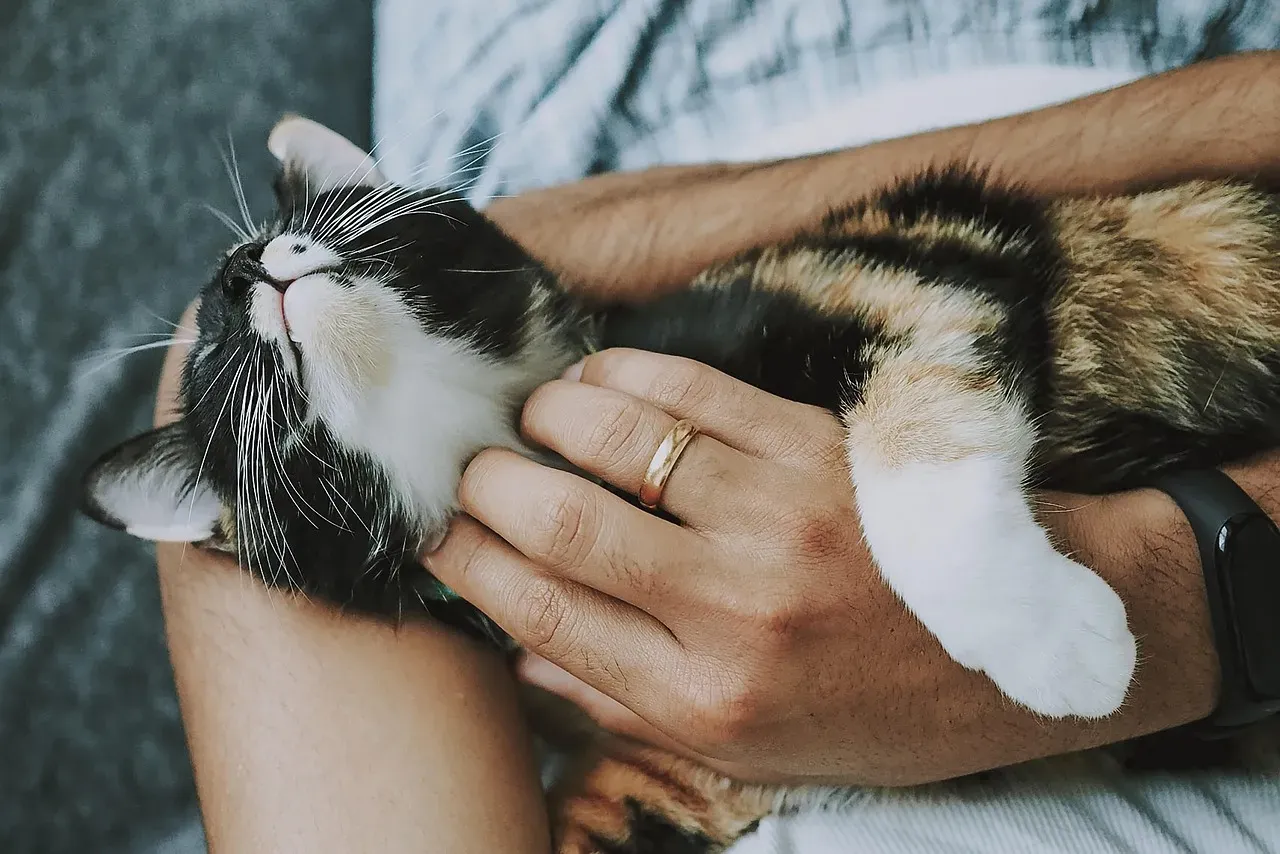
Start by providing fresh water and a simple shelter made from a plastic bin with a cutout entrance. Contacting local rescue groups or trap neuter return programs gives the cat access to medical care and population control. These organizations often supply guidance tailored to your area.
Documenting the cat with photos helps track its condition and share information with neighbors or shelters. Avoiding direct handling until the animal shows clear comfort reduces stress for everyone involved. Consistent, low pressure support often leads to better outcomes than sudden interventions.
What This Choice Might Mean for You Long Term
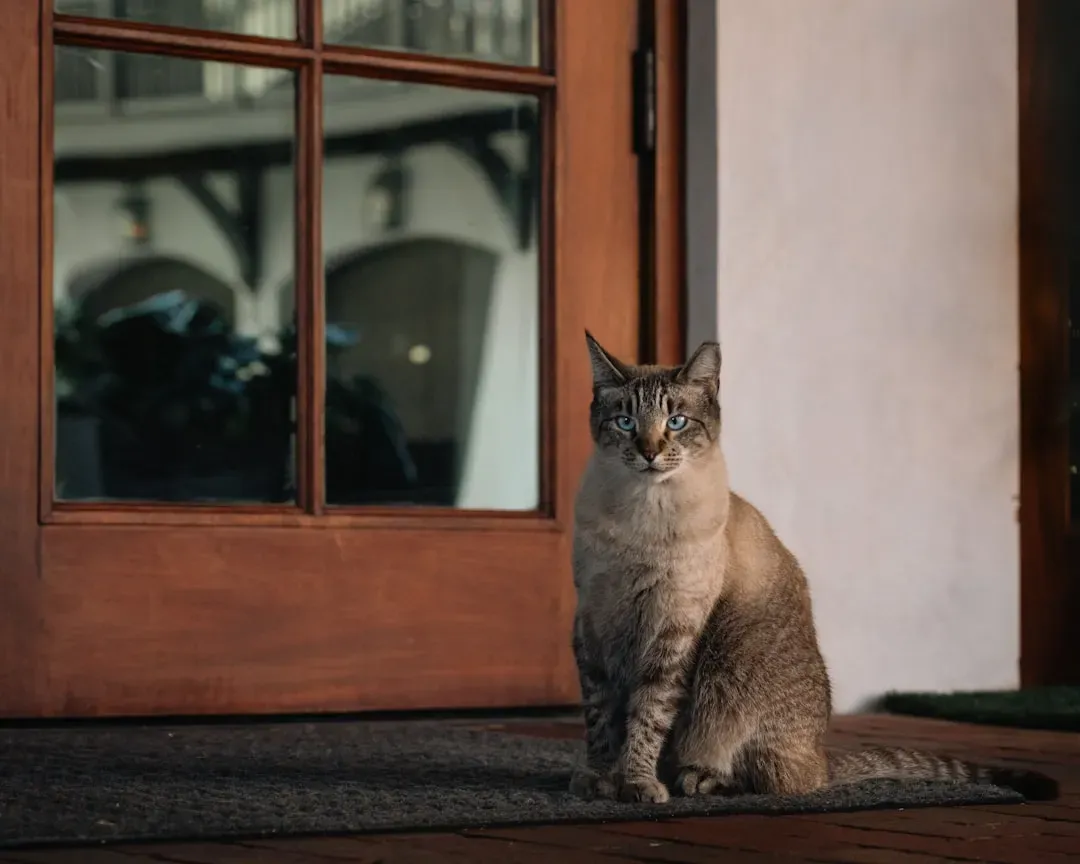
Welcoming a stray into your daily awareness changes the rhythm of your home in quiet ways. The cat becomes a small reminder that animals notice kindness even when they cannot express it in human terms. Over months this presence can shift how you view the space outside your door.
Some people find unexpected companionship in these arrangements while others simply appreciate knowing one more creature has a measure of security. The decision to engage or maintain distance ultimately rests with you and the realities of your situation. In the end the cat chose your porch because it sensed something worth staying for, and that quiet vote of confidence carries its own weight.
