
Normal Coyote Activity Patterns

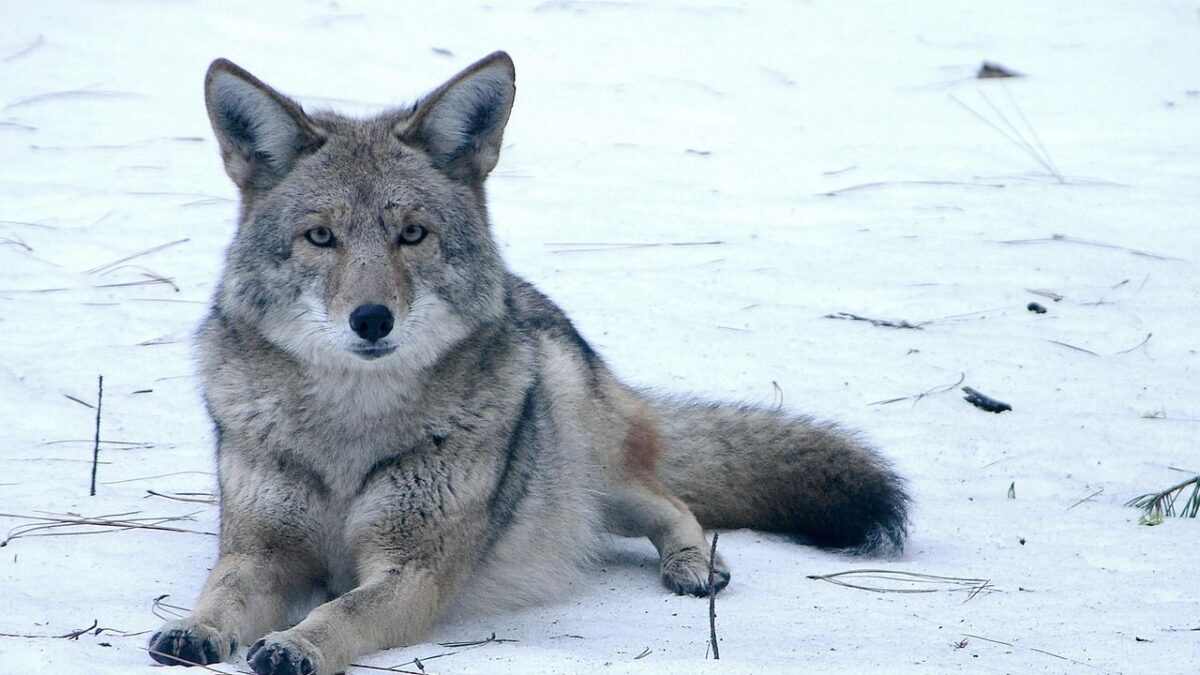
Coyotes maintain flexible schedules that allow them to hunt or travel whenever conditions suit them best. They are not strictly nocturnal creatures, even though many people picture them that way. In quieter natural areas they move about freely during daylight, taking advantage of prey that is also active then.
Urban or suburban coyotes often shift toward evening and early morning to avoid people, yet daytime appearances remain common and unremarkable in most cases. Their adaptability means they adjust based on local disturbance levels rather than following a rigid clock. This flexibility keeps them successful across very different environments.
Seasonal Influences on Sightings
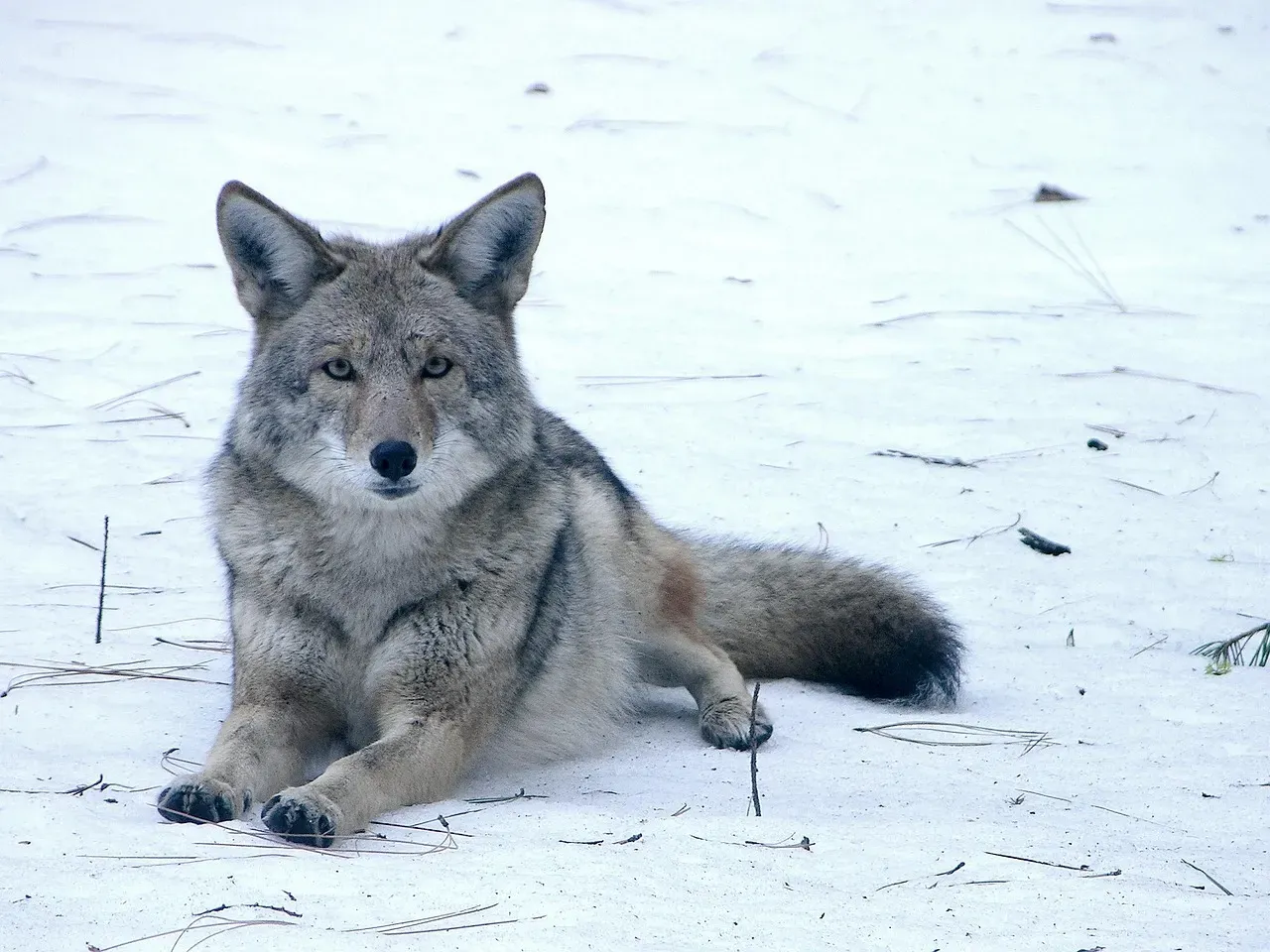
Spring and summer bring increased daytime activity as adult coyotes work harder to feed growing pups. Both parents may hunt around the clock during these months, which naturally leads to more visible forays when the sun is up. The extra effort supports larger litters and helps the young survive their first vulnerable weeks.
Winter sightings can also rise when food becomes scarcer and animals range farther in search of meals. These patterns reflect basic survival needs rather than any sudden change in temperament. Observers who track local wildlife often notice the same seasonal rhythm year after year.
Urban Adaptation and Food Sources

Coyotes living near people quickly learn where reliable food appears, whether from unsecured trash, pet dishes left outside, or abundant rodents in yards. This resource availability sometimes draws them into neighborhoods even while the sun is high. They treat human spaces much like any other habitat that offers easy pickings.
Over time many coyotes become habituated to moderate human presence without becoming aggressive. They simply move through the area when it serves their needs and retreat when it does not. Such behavior explains why daytime encounters have grown more frequent in expanding suburbs across the country.
Signs of Potential Problems
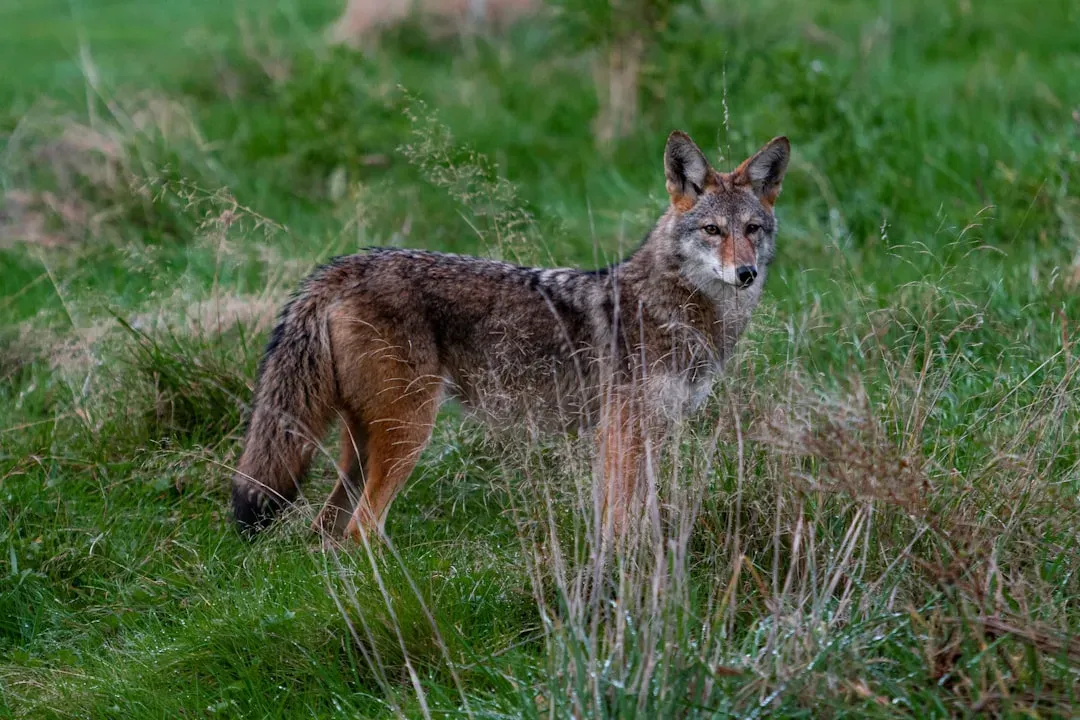
Most daylight sightings involve healthy animals going about normal business. Concern arises mainly when a coyote shows clear signs of illness, such as stumbling, excessive drooling, or appearing unusually unafraid of people. These symptoms deserve reporting to local animal control rather than assumptions based solely on the time of day.
Repeated visits to the same yard or bold approaches toward pets can indicate the animal has grown too comfortable with human food sources. In those situations simple changes in how residents manage waste and outdoor feeding usually restore distance. The key lies in watching behavior rather than the clock.
Safety Precautions for Residents
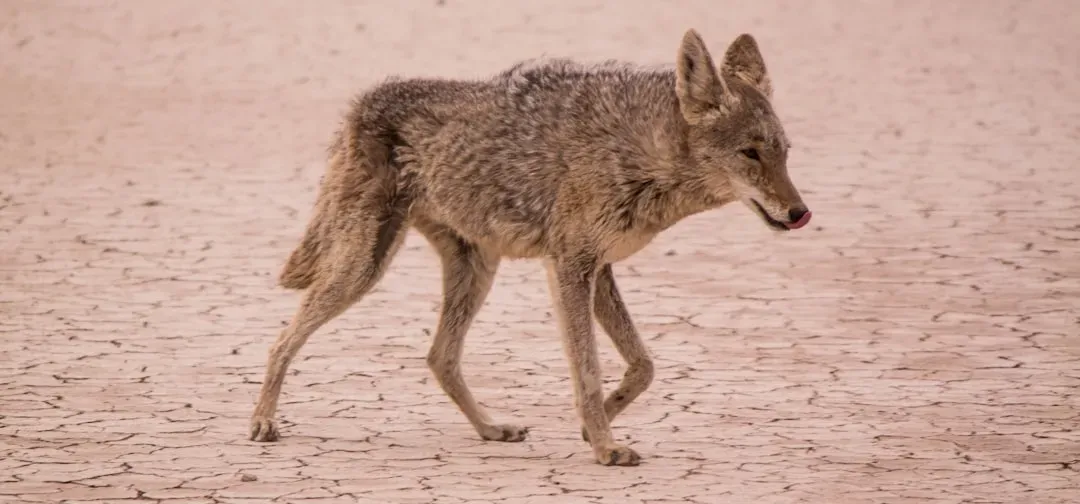
Keeping pets on leashes during walks and supervising small dogs in yards reduces the chance of unwanted encounters. Coyotes generally avoid confrontation when given space, yet they may defend themselves if they feel threatened or cornered. Simple awareness prevents most issues before they start.
Securing garbage bins, removing fallen fruit, and bringing pet food indoors at night removes the main attractions that encourage close contact. Children benefit from basic guidance on what to do if they spot a coyote, such as standing tall, making noise, and moving away calmly. These steps support safer shared spaces without eliminating the animals entirely.
The Ecological Importance of Coyotes
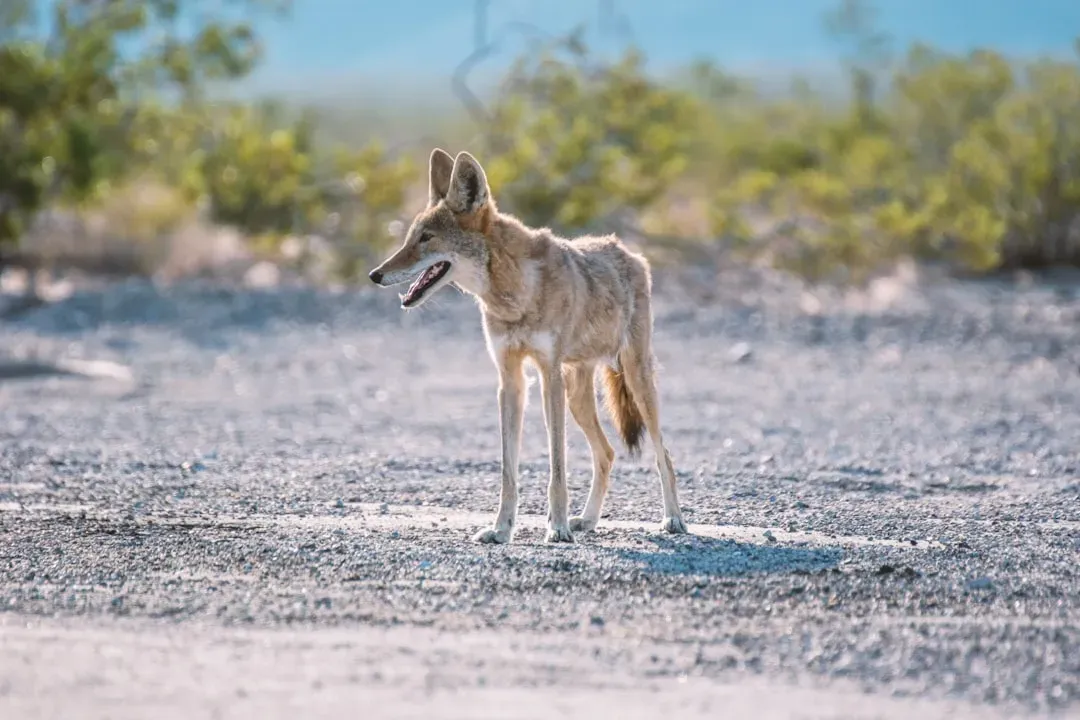
Coyotes play a valuable role in controlling rodent populations and helping maintain balance in both rural and urban ecosystems. Their presence can limit the spread of certain pests that otherwise damage gardens or carry disease. Removing them often leads to unintended increases in other species that prove more problematic.
They also serve as indicators of overall environmental health, thriving where habitat corridors remain intact. Appreciating this contribution encourages thoughtful management rather than blanket removal efforts. Communities that recognize their place in the larger web tend to experience fewer conflicts over time.
Tips for Peaceful Coexistence
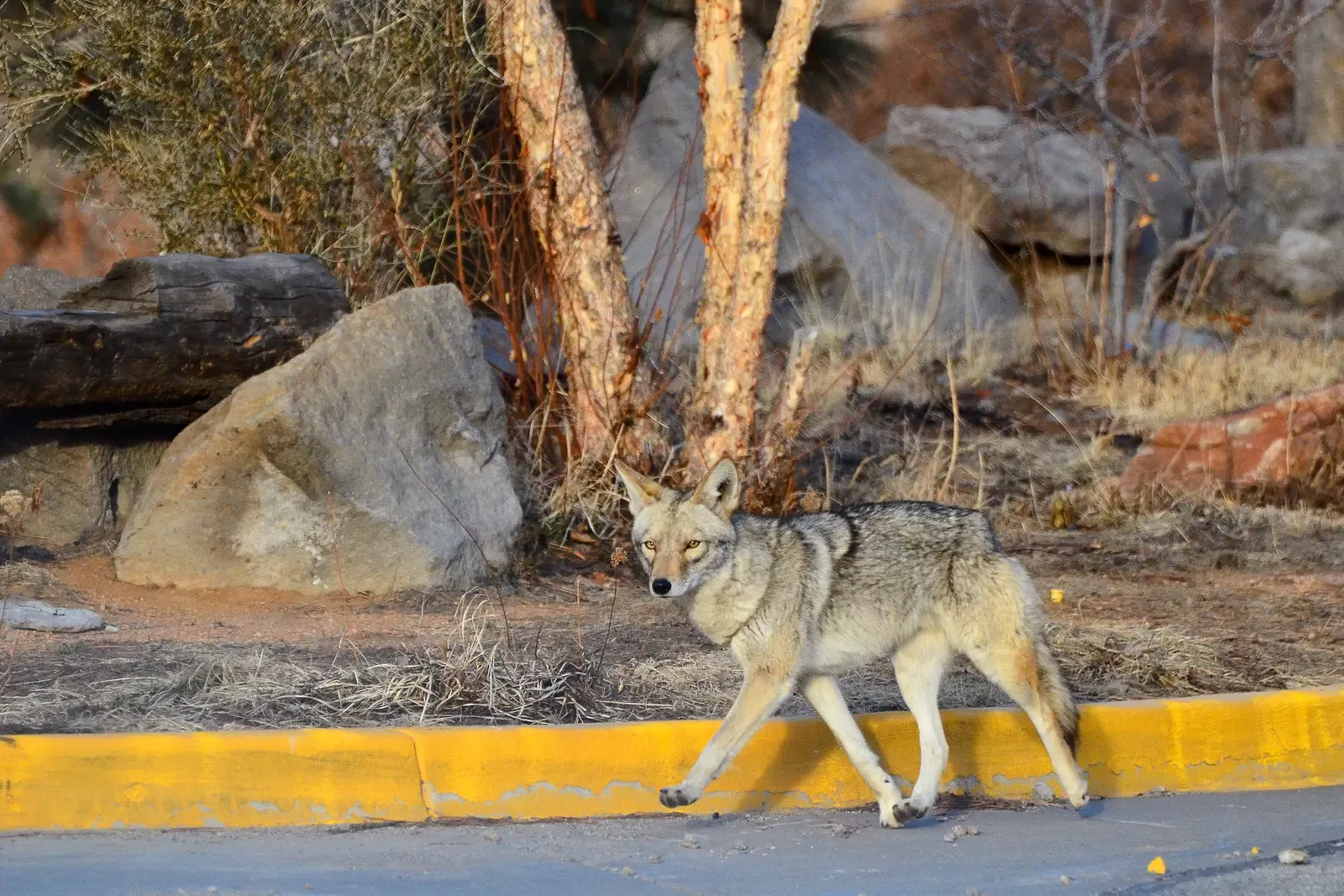
Residents who learn basic coyote etiquette find that living alongside them becomes far less stressful. Reporting unusual behavior to wildlife agencies allows professionals to assess situations quickly and offer targeted advice. Education programs in many cities have already reduced unnecessary fear while protecting both people and animals.
Small adjustments in daily routines, combined with respect for natural boundaries, usually prove sufficient. Over time these practices foster neighborhoods where wildlife sightings feel like ordinary parts of local life rather than crises. The result is a more resilient landscape for everyone involved.
Ultimately, daylight coyote appearances remind us that wildlife adapts alongside us rather than disappearing. With steady, practical habits we can share space without erasing the wild elements that still enrich our surroundings.
- What Large Dog Breed Are You According to Your Zodiac Sign - August 8, 2026
- 8 Plants That Help Keep Mosquitoes Away From Texas Patios - August 8, 2026
- 10 Facts About the Grand Canyon Hidden in Its Rock Layers - August 8, 2026