
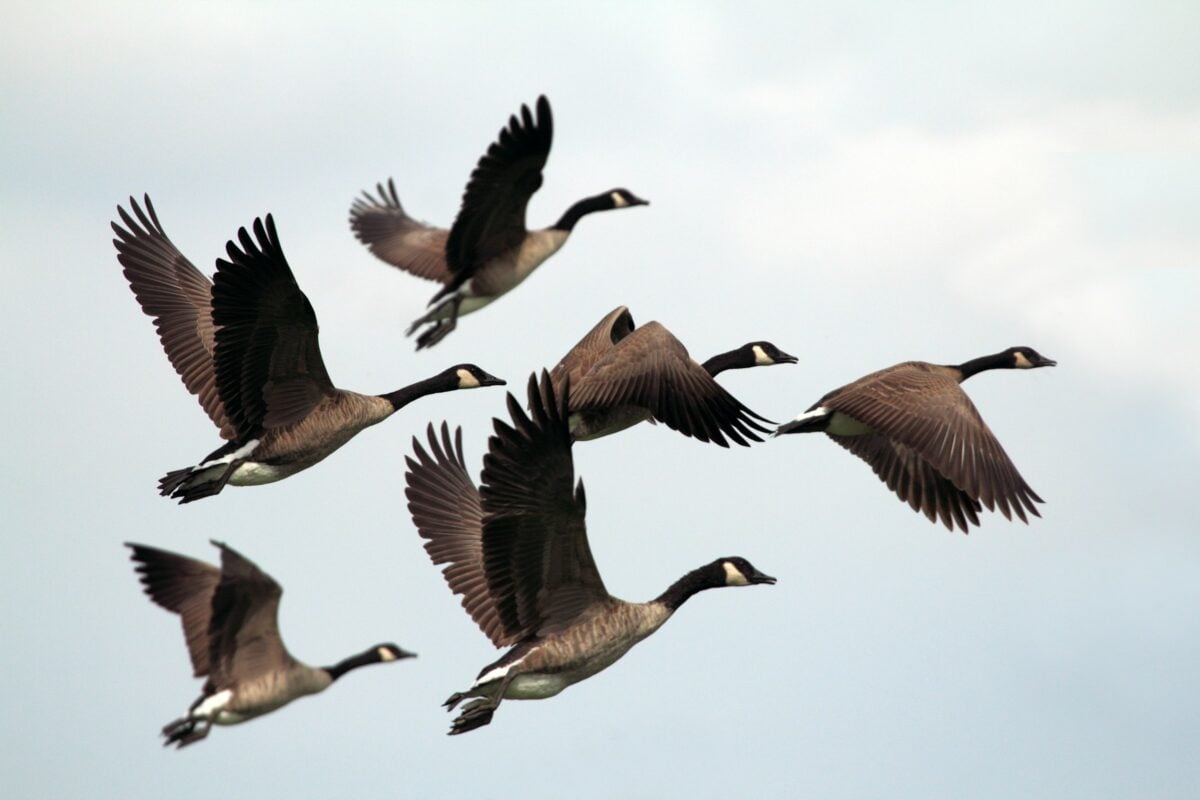
Imagine looking up to see geese flying overhead, their familiar V-formation signaling the change of seasons. But what if their timing seems off? Such shifts in migration patterns are more than just curiosities – they’re vital indicators of environmental changes. Let’s delve into what these sudden changes mean for geese and the ecosystems they traverse.
Climate Change: A Major Disruptor
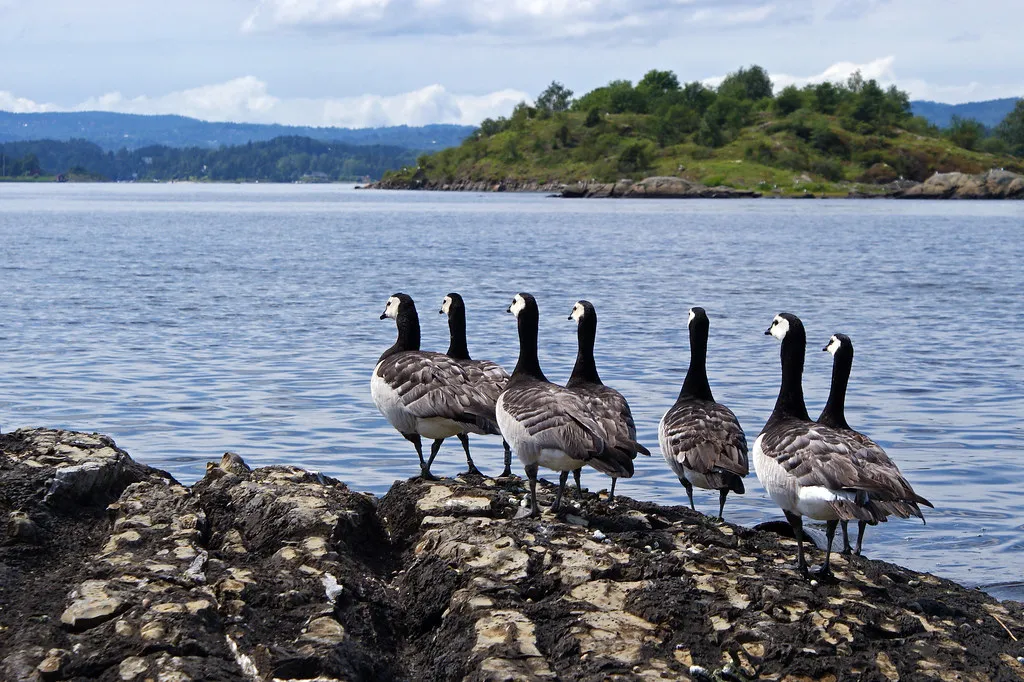
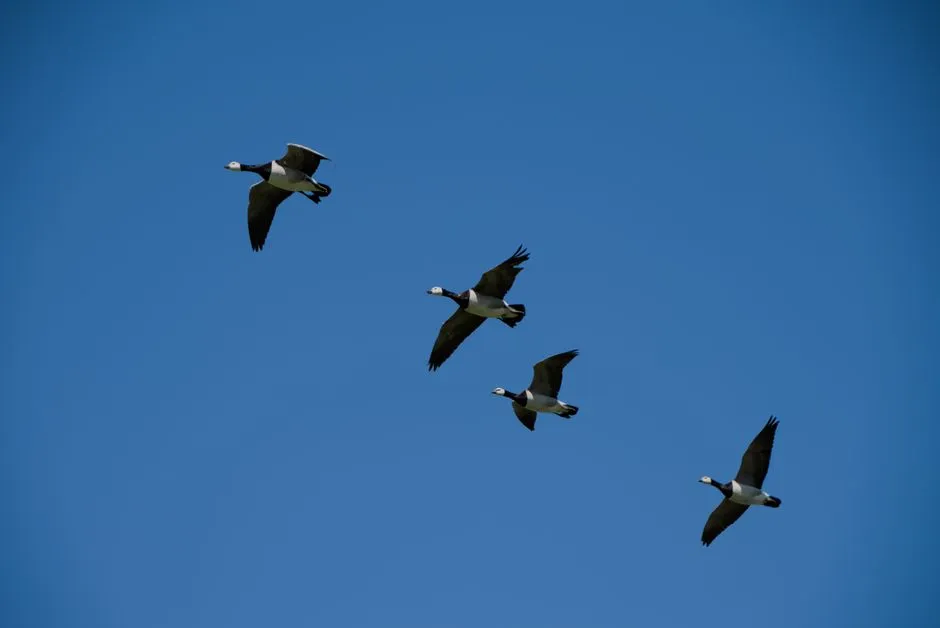
Climate change is reshaping the natural world, and geese are no exception. Rising global temperatures lead to earlier springs and delayed winters, disrupting the cues geese rely on for migration. For instance, barnacle geese have been observed accelerating their spring migration to keep pace with earlier Arctic thaws. However, this rush often leaves them exhausted upon arrival, impacting their breeding success.
Moreover, warmer winters mean that some geese populations no longer need to migrate as far south, or at all. This shift can lead to overcrowding in certain areas and disrupt traditional food chains, affecting both geese and other species that depend on them.
Food Availability: The Driving Force
At the heart of migration lies the quest for food. Geese time their journeys to coincide with peak food availability in breeding and wintering grounds. However, changes in agriculture, such as earlier harvests or shifts in crop types, can alter these food landscapes. When traditional feeding grounds become scarce or disappear, geese are forced to adjust their migration schedules, sometimes with detrimental effects.
Additionally, overgrazing by burgeoning goose populations can deplete food resources, prompting earlier departures or longer migrations in search of sustenance. This not only affects the geese but also the health of the habitats they leave behind.
Predation and Safety Concerns
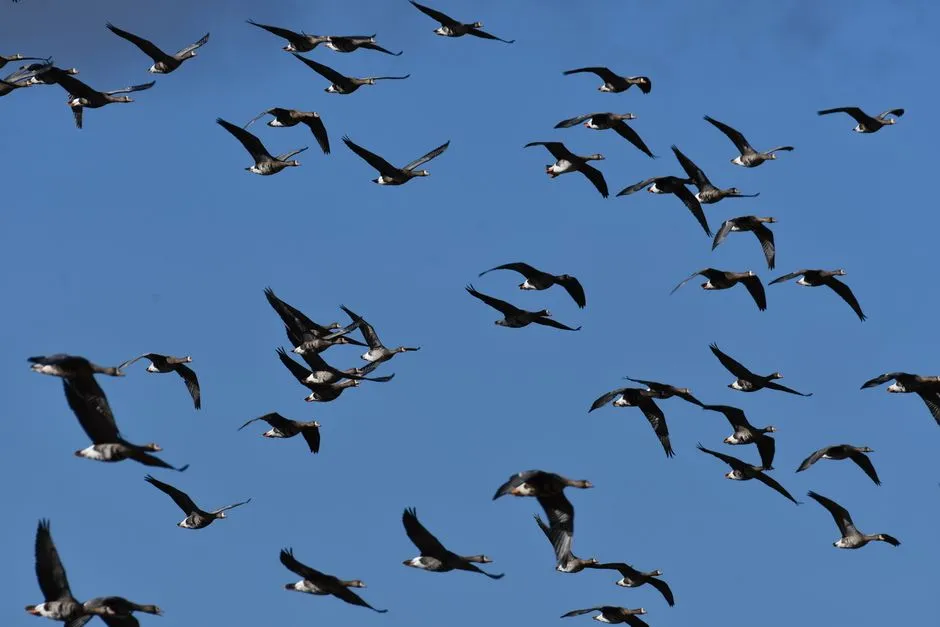
Safety is paramount during migration. Changes in predator populations or human disturbances can make traditional stopover sites perilous. Geese may alter their routes or timing to avoid these threats, leading to unexpected migration patterns.
For example, increased urbanization can introduce new predators or hazards, such as power lines and vehicles, prompting geese to seek alternative, sometimes less suitable, habitats. This can result in increased mortality rates and stress on the populations.
Genetic and Evolutionary Adaptations
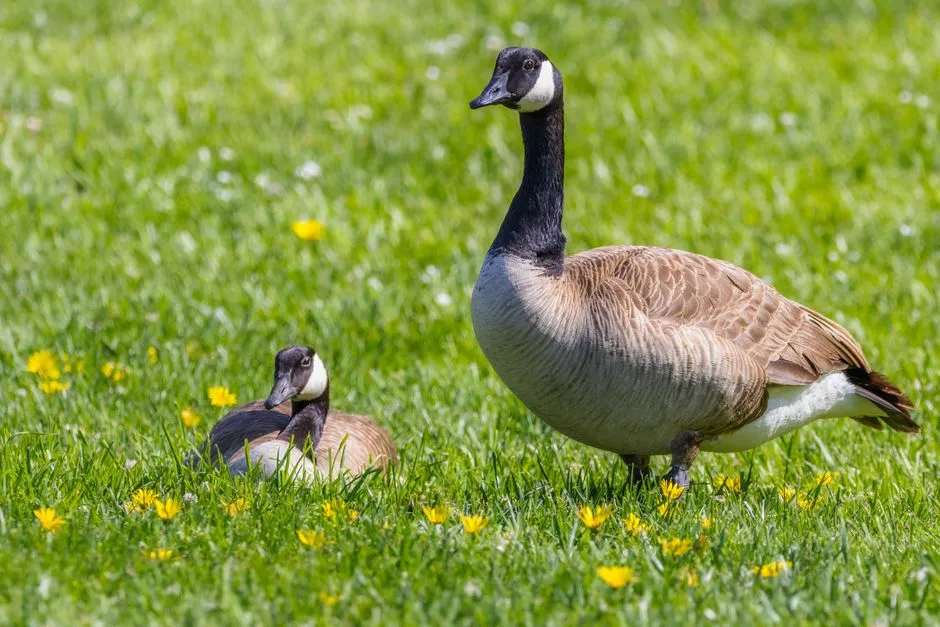
Over time, geese populations can undergo genetic changes in response to environmental pressures. These adaptations can lead to shifts in migration timing, routes, or even the development of resident populations that no longer migrate.
Such evolutionary changes can have cascading effects on ecosystems, as geese play crucial roles in nutrient cycling and vegetation management. Understanding these adaptations is essential for conservation efforts and predicting future ecological dynamics.
Impacts on Ecosystems and Biodiversity
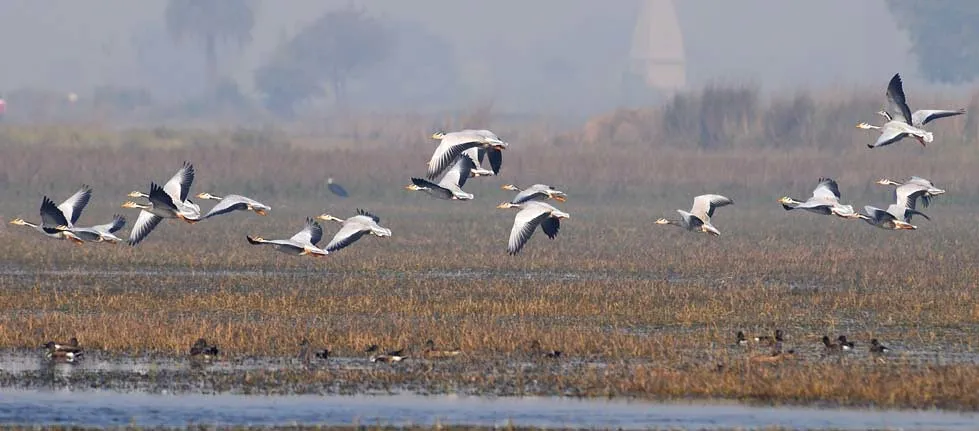
Geese are integral to many ecosystems, influencing plant growth, soil composition, and providing prey for predators. Sudden changes in their migration can disrupt these roles, leading to unforeseen consequences.
For instance, if geese arrive too early or late to breeding grounds, it can affect the growth of vegetation they feed on, impacting other herbivores and the predators that rely on them. Such disruptions can ripple through the food web, highlighting the interconnectedness of species and the importance of stable migration patterns.
Human Influence: Urbanization and Habitat Loss
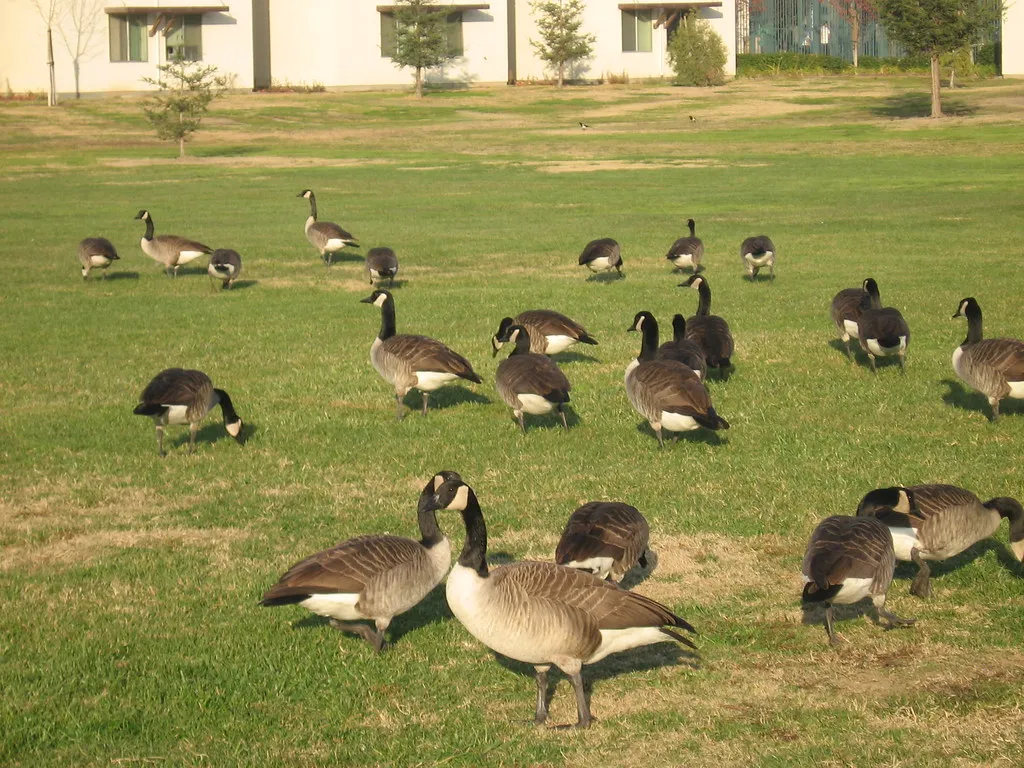
Human activities, particularly urbanization and habitat destruction, have profound effects on geese migration. The loss of wetlands and other critical habitats forces geese to alter their routes and timing, often leading them into conflict with human populations.
Additionally, artificial lighting and noise pollution can disorient migrating geese, causing them to deviate from traditional paths. These changes not only threaten geese populations but also diminish the natural spectacles that migrations represent.
Conservation Efforts and Future Outlook
Addressing the challenges posed by changing migration patterns requires concerted conservation efforts. Protecting and restoring habitats, implementing sustainable agricultural practices, and mitigating climate change are crucial steps.
Furthermore, ongoing research and monitoring are essential to understand the complexities of migration and to develop strategies that support both geese populations and the ecosystems they inhabit. By taking proactive measures, we can help ensure that future generations continue to witness the awe-inspiring sight of geese migrations.
In conclusion, sudden changes in geese migration timing are not mere anomalies; they are signals of broader environmental shifts. By paying attention to these patterns, we gain insights into the health of our ecosystems and the urgent need for conservation action. So, the next time you see geese flying overhead at an unexpected time, consider what their journey reveals about the world we share.
