
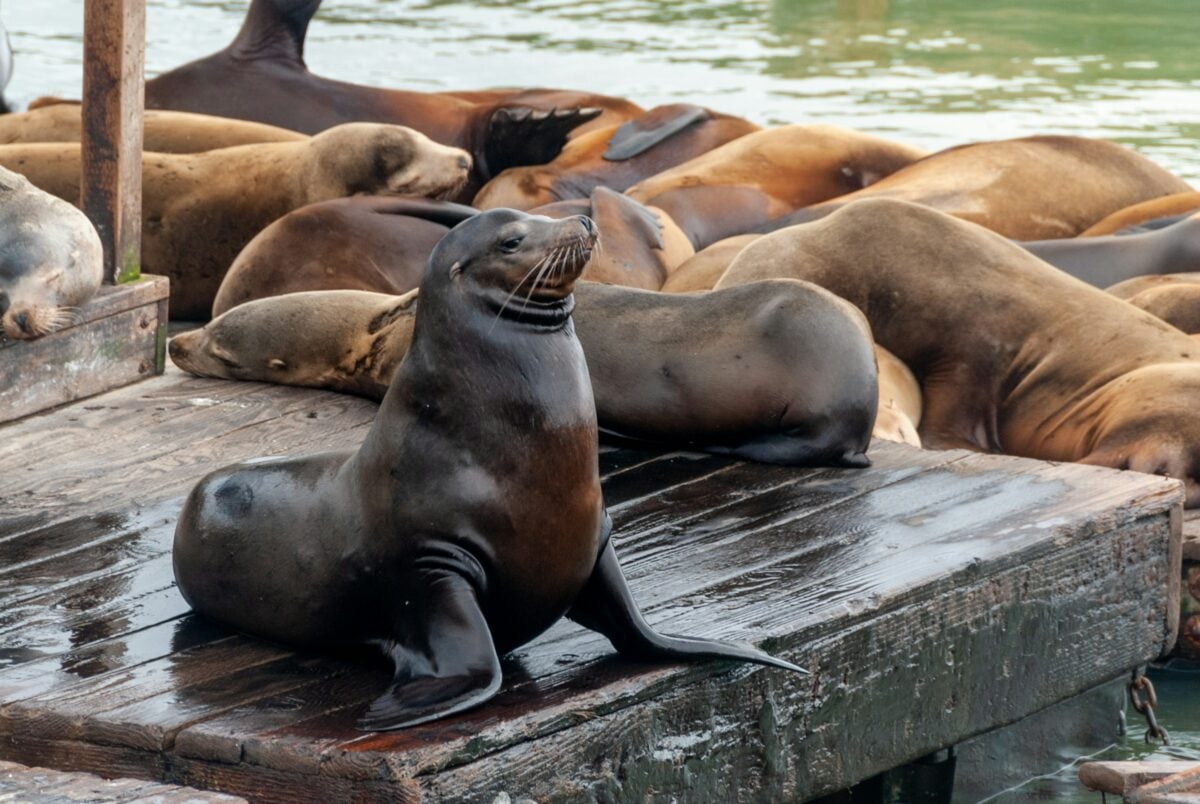
Imagine a serene coastal scene: sea lions basking on sunlit rocks, their sleek bodies glistening as they lounge in the warmth. Suddenly, as if responding to an unseen signal, the entire group plunges into the water in unison. This synchronized departure is not just a random act; it holds deeper significance in the lives of these fascinating marine mammals.
Understanding Sea Lion Behavior
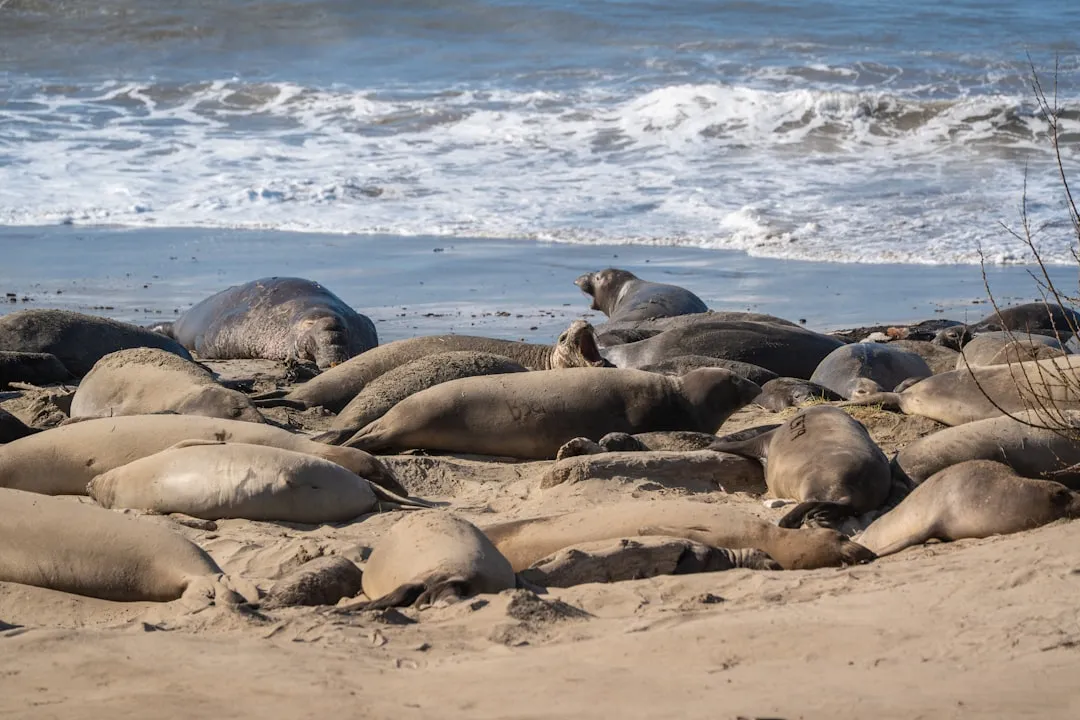
Sea lions are inherently social creatures, often found in large groups known as colonies. Their behaviors, both on land and in water, are influenced by a combination of environmental cues, social dynamics, and survival instincts. Observing a group of sea lions suddenly leaving the water together can be both intriguing and telling.
Predator Avoidance: A Collective Escape
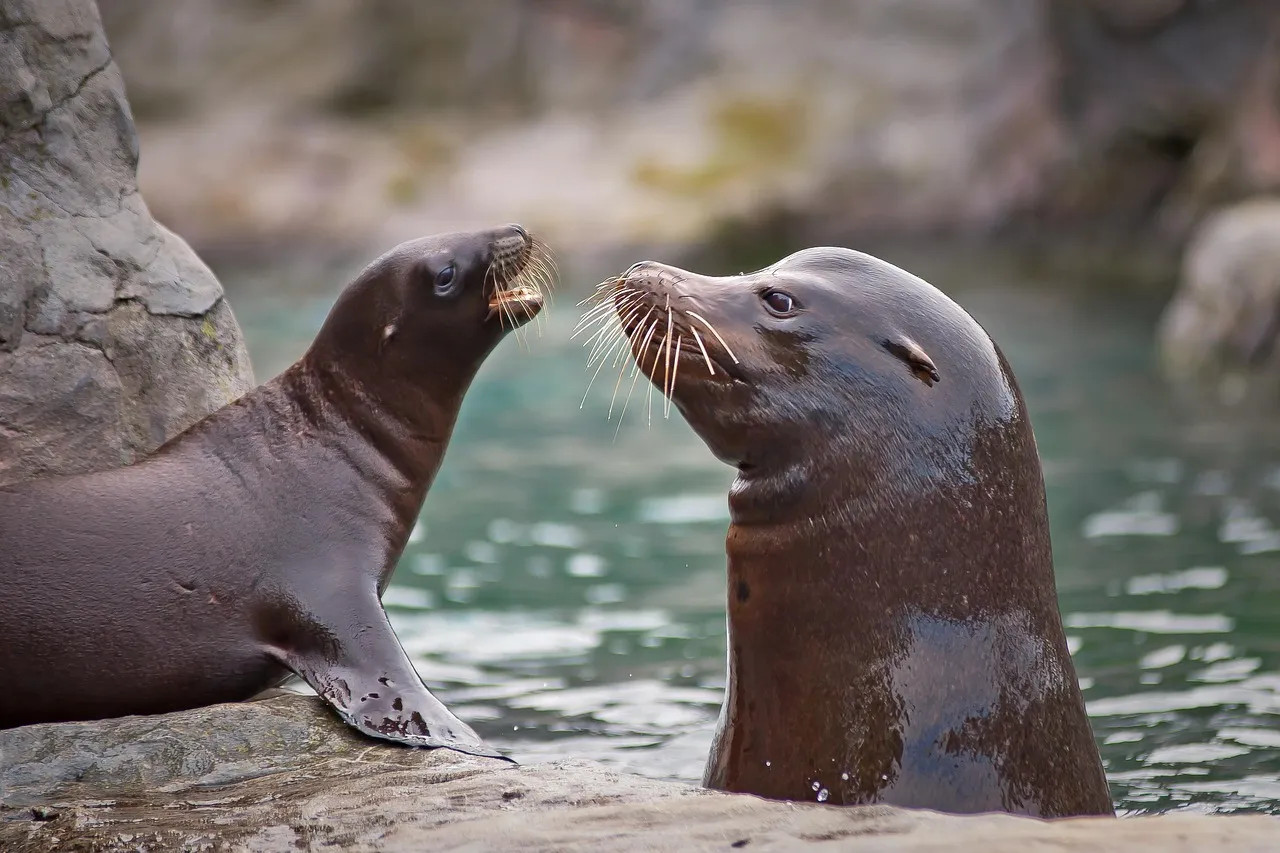
One primary reason for such synchronized exits is the presence of predators. Sea lions share their habitats with formidable hunters like orcas and large sharks. When a predator is detected, the group may collectively flee the water to seek safety on land. This mass movement reduces individual vulnerability, as predators are less likely to target a large, cohesive group.
Thermoregulation: Balancing Body Temperature
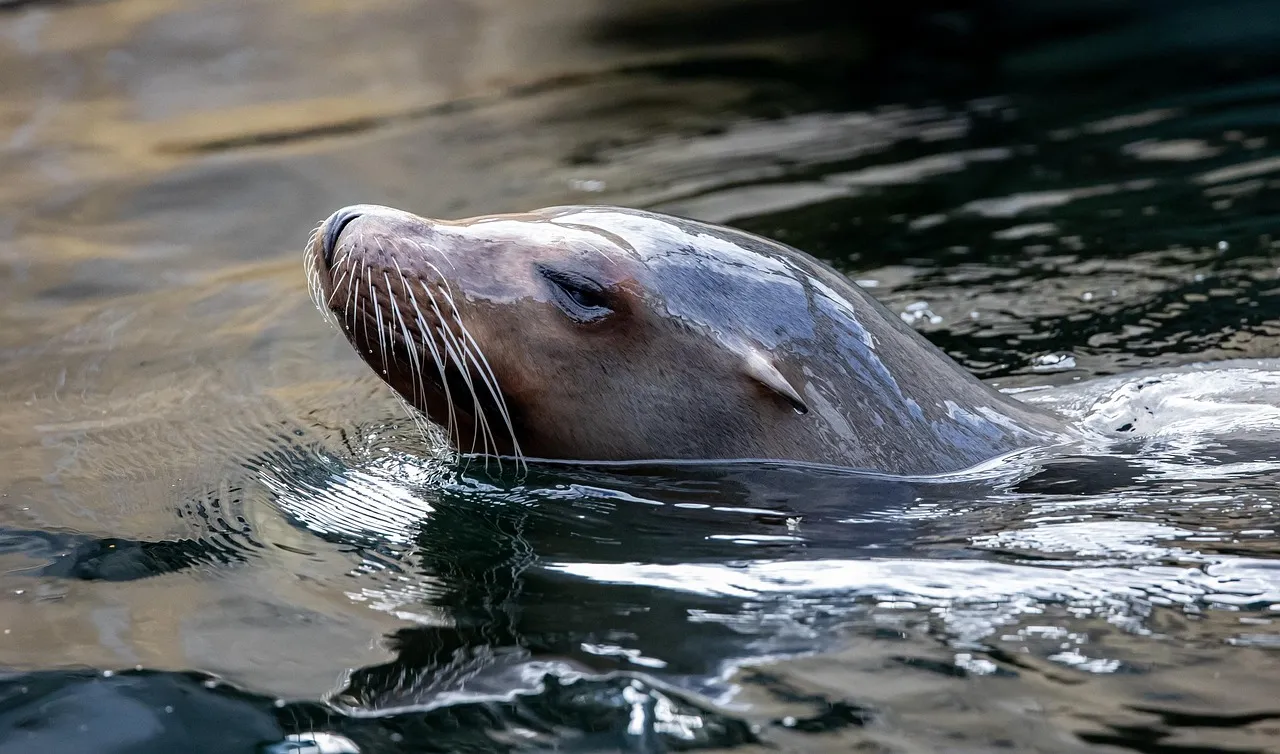
Sea lions possess a unique ability to regulate their body temperature through behavior. After prolonged periods in cold water, they may haul out onto land to warm up. Conversely, if they’ve been basking in the sun and become too warm, a collective return to the water helps them cool down. This group behavior ensures that all members maintain an optimal body temperature for survival.
Social Dynamics: Following the Leader
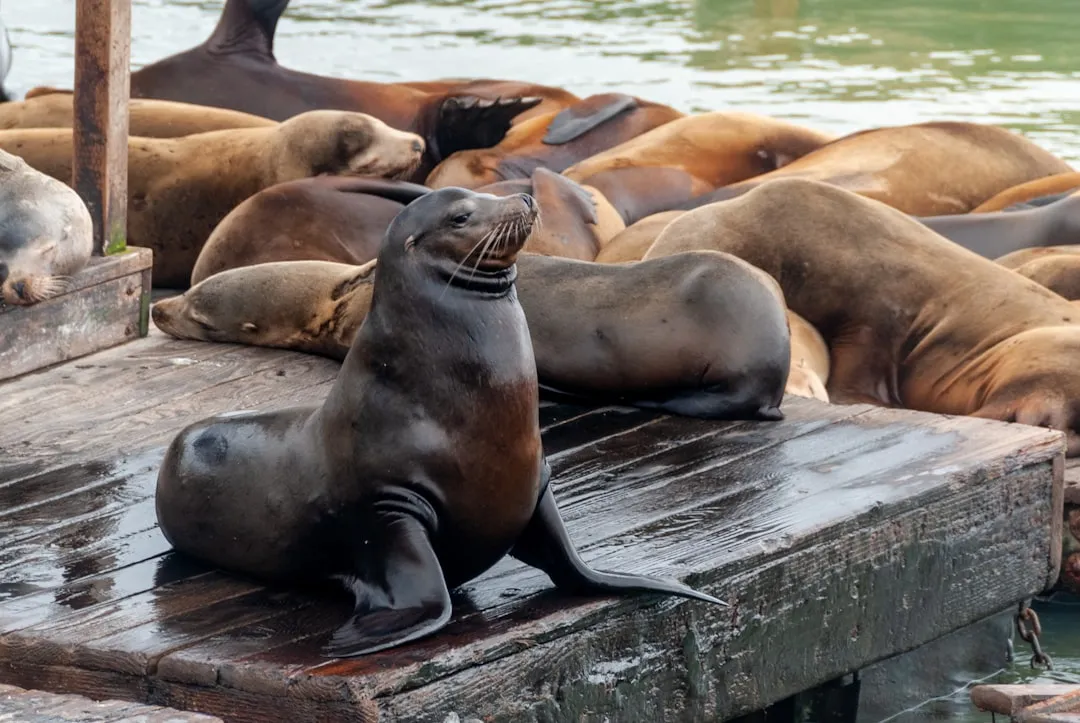
Within sea lion colonies, certain individuals often take on leadership roles. When a dominant sea lion decides to leave the water, others may follow suit, leading to a synchronized departure. This behavior reinforces social bonds and maintains group cohesion, which is vital for protection and cooperative activities like hunting.
Environmental Factors: Responding to Changes
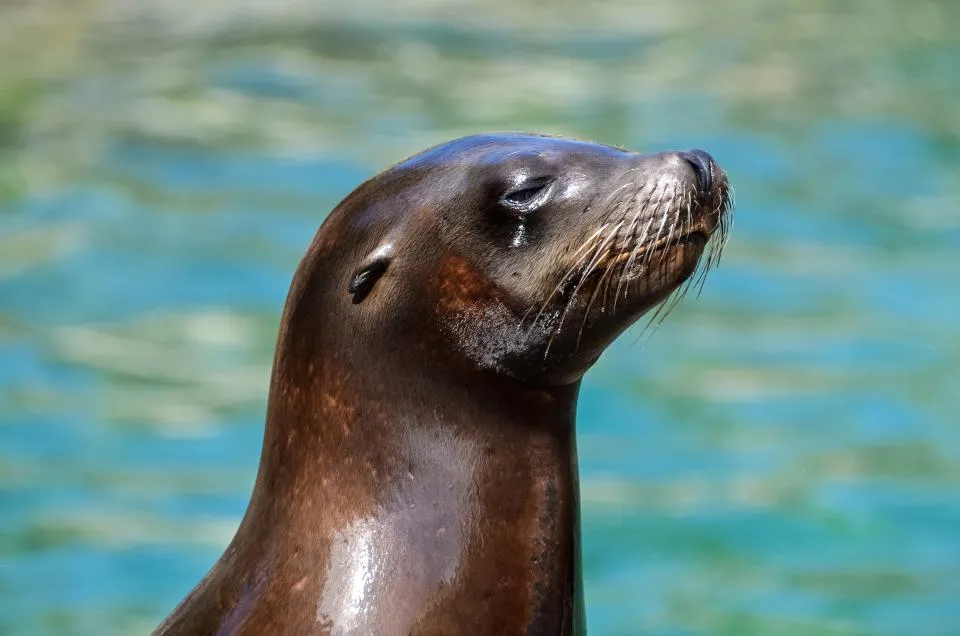
Environmental cues such as tides, weather conditions, and food availability can influence sea lion behavior. For instance, rising tides might prompt a group to leave a sandbar simultaneously to avoid being stranded. Similarly, sudden changes in weather, like an approaching storm, can lead to a collective decision to seek shelter on land.
Human Disturbance: The Impact of Our Presence
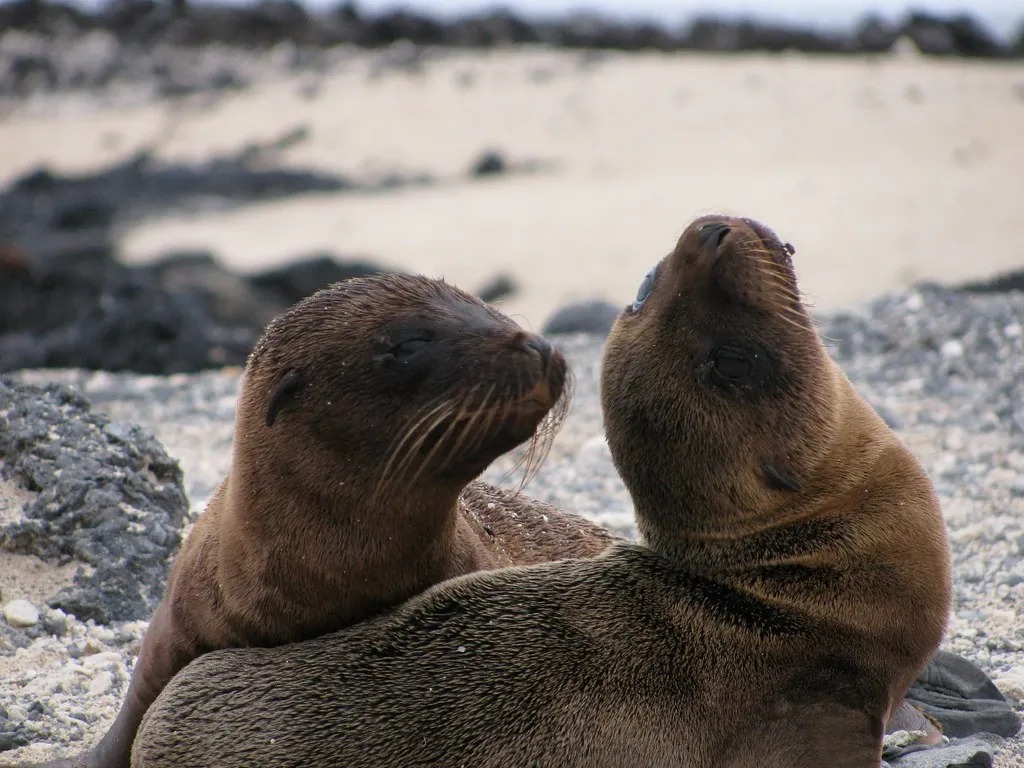
Human activities can also trigger mass movements in sea lions. Boats, loud noises, or the presence of people can startle a group, causing them to leave the water abruptly. Such disturbances can disrupt their natural behaviors and may have long-term effects on their well-being.
Health Concerns: Indicators of Underlying Issues
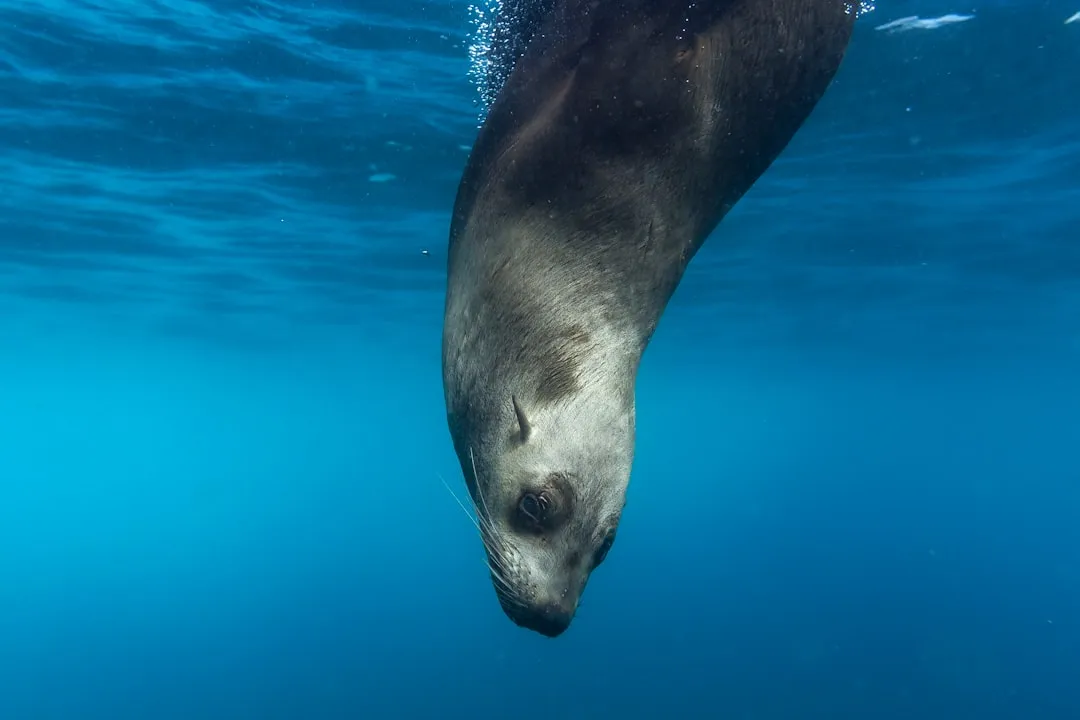
In some cases, a sudden mass exit from the water can indicate health problems within the group. Exposure to toxins, such as those from harmful algal blooms, can cause neurological issues, leading to unusual behaviors. Observing such patterns can serve as an early warning system for environmental health concerns.
In conclusion, when sea lions suddenly leave the water together, it’s a behavior rooted in survival, social structure, and environmental responsiveness. Understanding these actions offers a glimpse into the complex lives of these marine mammals and underscores the delicate balance they maintain with their surroundings. As we continue to share coastal spaces with sea lions, it’s imperative to respect their behaviors and habitats, ensuring that these remarkable creatures thrive for generations to come.
