


New England’s forests are ancient, diverse ecosystems teeming with life. From the northernmost reaches of Maine to the rolling hills of Connecticut, these woodlands harbor a remarkable variety of creatures that have adapted to the region’s distinct seasonal rhythms. The wild woods of New England support complex food webs and ecological relationships that have evolved over thousands of years. Though human development has fragmented and reduced these habitats, substantial forested areas remain, providing sanctuary for countless species. Let’s explore the fascinating inhabitants that call New England’s wild woods home.
The Iconic White-Tailed Deer
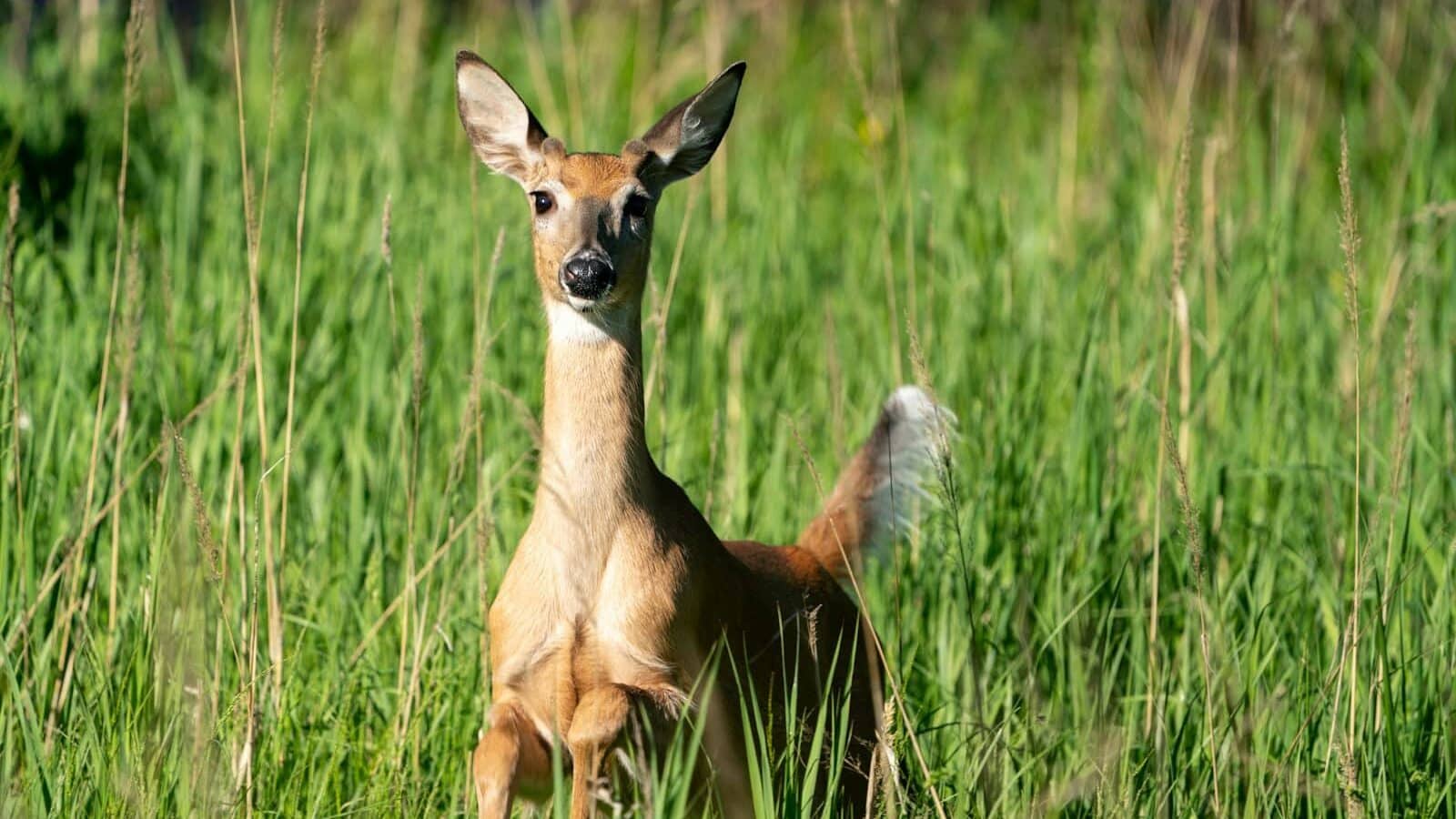
Perhaps no animal symbolizes New England’s forests more than the white-tailed deer (Odocoileus virginianus). These graceful ungulates are found throughout the region’s woodlands, adapting remarkably well to both deep forests and suburban interfaces. Adult males (bucks) grow and shed impressive antlers annually, while females (does) typically raise one to three fawns each spring. Despite facing predation from coyotes and bears, as well as hunting pressure, white-tailed deer populations have rebounded dramatically from historical lows in the early 20th century. Their browsing habits significantly influence forest understory composition, making them ecological engineers that shape their habitat. During winter months, deer gather in sheltered “yards” where they create networks of packed trails through deep snow, conserving energy during the harshest season.
Black Bears: The Forest’s Largest Predators
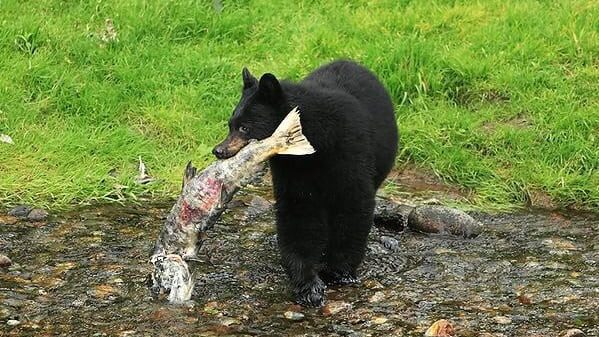
The American black bear (Ursus americanus) represents the largest predator in New England’s forests. Despite their name, these bears range in color from jet black to cinnamon brown, with most New England specimens displaying the darker coloration. Predominantly omnivorous, black bears consume everything from berries and nuts to insects and occasional meat. Their population has experienced a remarkable recovery throughout New England in recent decades, with estimates suggesting more than 5,000 bears in New Hampshire alone. Bears typically den during winter months, entering a state of torpor rather than true hibernation. Female bears give birth during this winter dormancy, typically to two or three cubs that will remain with her for about 17 months. Though naturally wary of humans, bears can become habituated to human food sources, creating potential conflicts in areas where development meets woodland.
The Secretive Moose
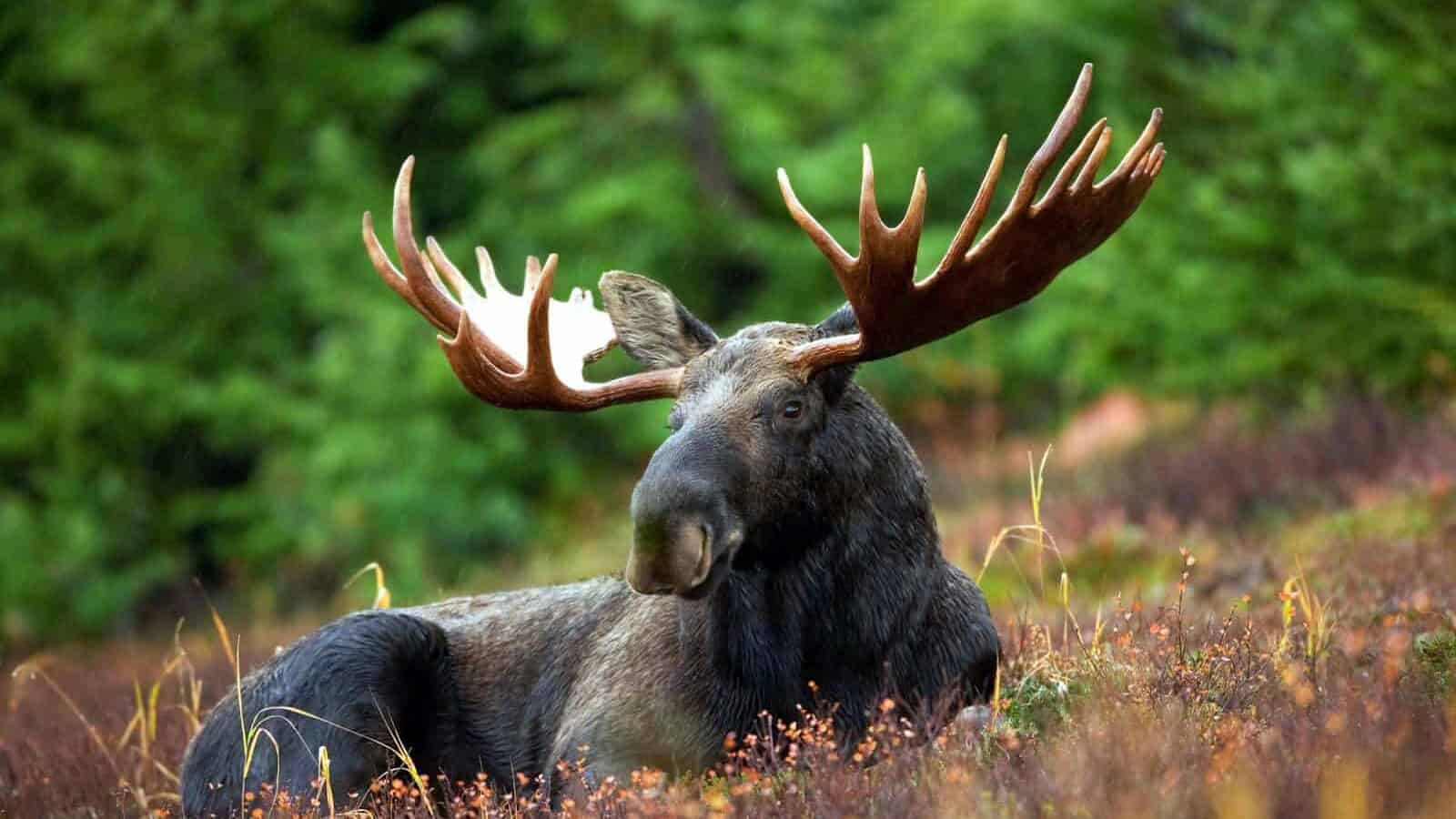
North America’s largest deer species, the moose (Alces alces), inhabits the northern forests of New England, particularly in Maine, New Hampshire, and Vermont. These massive browsers can weigh up to 1,500 pounds, with bulls sporting impressive palmate antlers that can span six feet. Unlike white-tailed deer, moose are solitary creatures, preferring wetland habitats and young forests where they feed on aquatic vegetation and woody browse. Their long legs allow them to navigate deep snow and wade through boggy areas with ease. New England’s moose face several challenges, including brain worm parasites carried by white-tailed deer, increasing winter tick loads associated with climate change, and vehicular collisions. Despite these pressures, seeing a moose in the wild remains one of New England’s most memorable wildlife experiences, though their secretive nature and remote habitats make encounters relatively rare.
Eastern Coyotes: The Adaptable Canids
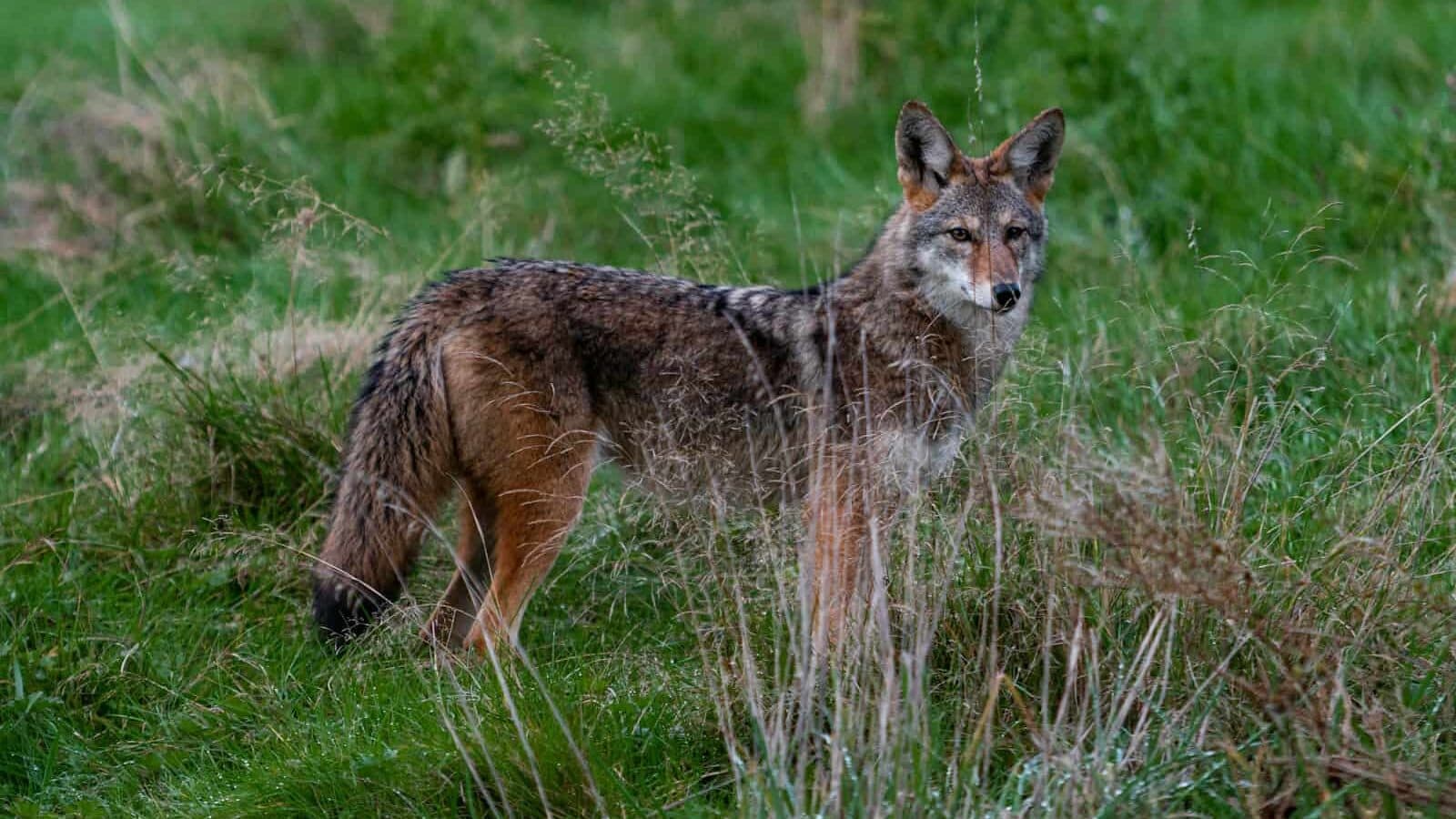
The eastern coyote (Canis latrans var.) represents one of New England’s most successful predators and also one of its most controversial. Larger than their western counterparts due to wolf gene introgression, eastern coyotes filled the ecological niche left vacant when wolves were extirpated from the region in the 19th century. These adaptable canids thrive in diverse habitats, from remote forests to suburban neighborhoods. Weighing between 30-50 pounds, they primarily hunt small mammals like rabbits and rodents, but can take down deer, particularly in winter or when hunting in family groups. Coyotes maintain territories through howling and scent marking, with breeding pairs typically producing litters of 5-7 pups each spring. Despite persecution through hunting and trapping, coyote populations remain robust throughout New England, demonstrating remarkable resilience. Their presence helps control rodent populations and removes sick or weak animals from prey populations.
The Elusive Bobcat
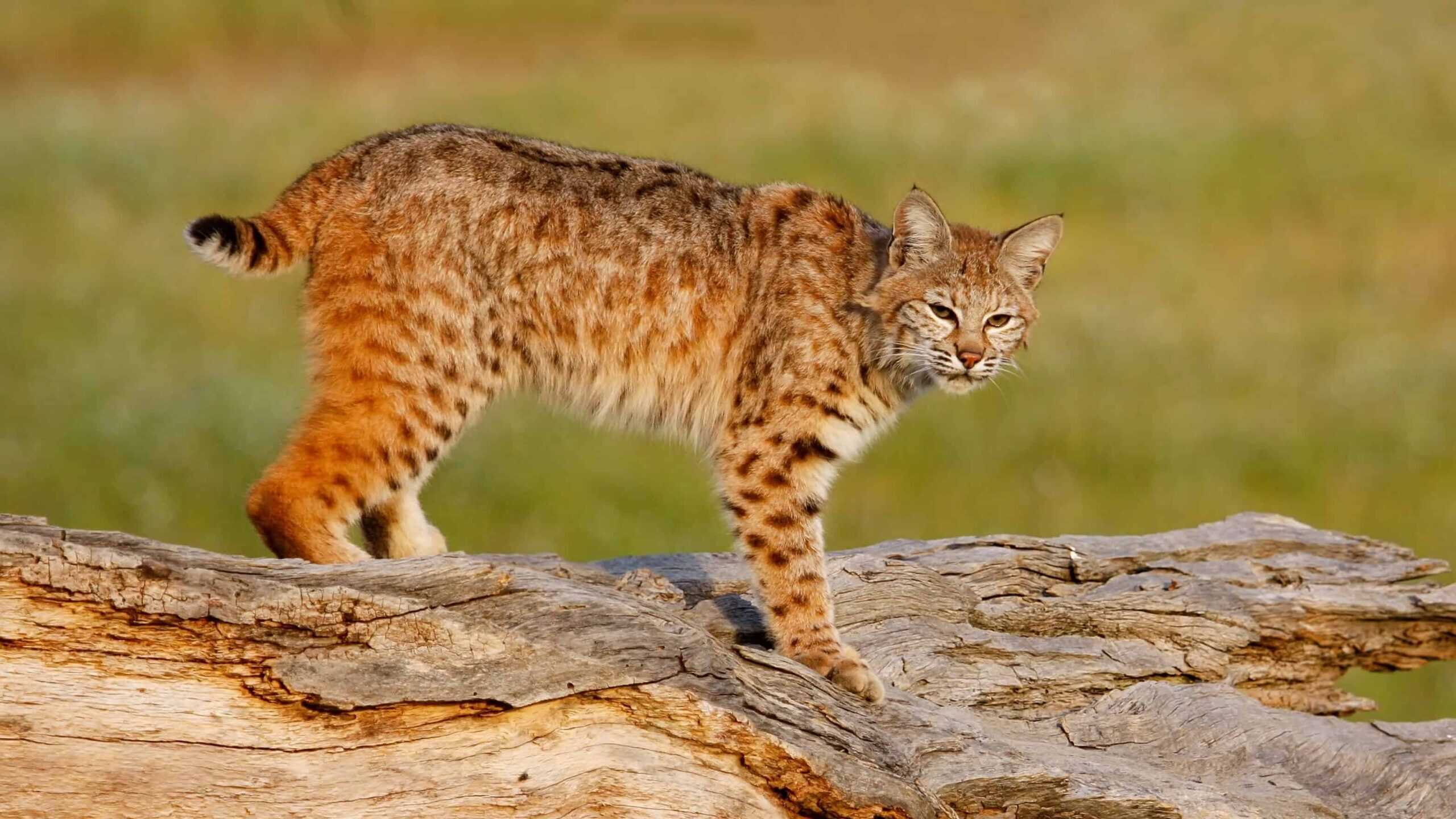
The bobcat (Lynx rufus) epitomizes the secretive nature of New England’s woodland predators. These medium-sized cats, recognizable by their tufted ears, bobbed tails, and spotted coats, have experienced a significant comeback across the region after facing habitat loss and unregulated hunting in previous centuries. Primarily nocturnal and solitary, bobcats prey on rabbits, squirrels, and occasionally deer fawns or weakened adult deer. Their wide, furry paws act as natural snowshoes, giving them a hunting advantage during winter months. A typical adult male weighs about 25 pounds and maintains a territory of approximately 15-30 square miles, which it marks with scrapes and scent. Female bobcats typically raise 2-3 kittens each year in secluded dens among rock outcroppings or hollow logs. Though rarely seen by humans, trail cameras and tracking evidence confirm bobcats inhabit woodlands throughout New England, even in areas with significant human presence.
The Return of the Fisher
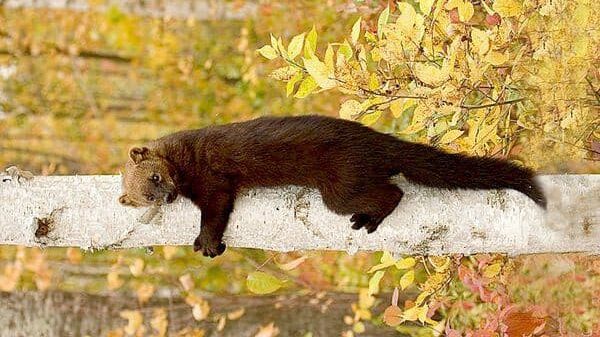
The fisher (Pekania pennanti), sometimes erroneously called a “fisher cat” despite not being feline, has made a remarkable recovery in New England forests. These large members of the weasel family were once nearly extirpated due to trapping and habitat loss but have reclaimed much of their former range. Known for their strength, agility, and predatory prowess, fishers are one of the few predators capable of successfully hunting porcupines, though their diet also includes squirrels, rabbits, birds, and carrion. Adult males typically weigh 8-12 pounds, while females are considerably smaller. Fishers are primarily arboreal, with specialized ankles that can rotate nearly 180 degrees, allowing them to descend trees headfirst. They prefer mature forests with abundant cavity trees for denning. Their characteristic screaming vocalizations, primarily associated with mating season, contribute to their somewhat fearsome reputation. Conservation efforts, including reintroduction programs in some areas, have helped fisher populations stabilize across New England.
Wild Turkeys: A Conservation Success Story
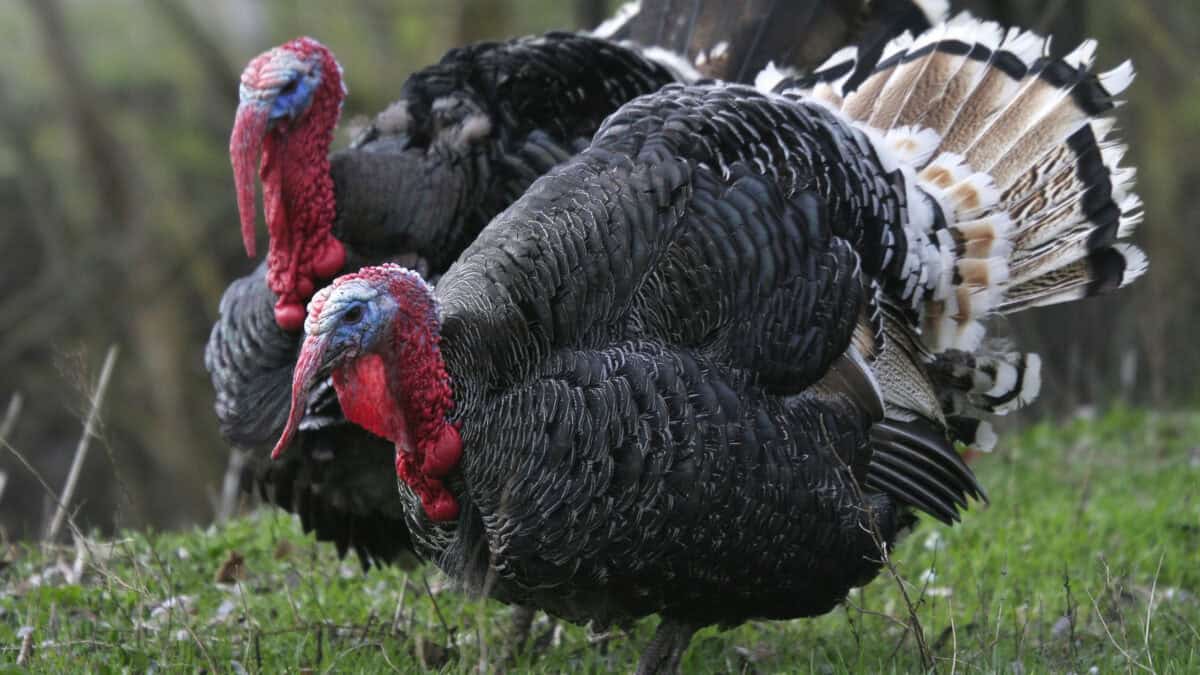
The wild turkey (Meleagris gallopavo) represents one of New England’s most remarkable wildlife restoration successes. Once extirpated from the region by the mid-1800s due to unregulated hunting and habitat loss, wild turkeys now thrive throughout New England’s forests and field edges. These large, ground-nesting birds form seasonal flocks, with males (toms) performing elaborate courtship displays each spring, fanning their tails and dragging their wings while emitting distinctive gobbling calls. Their diet varies seasonally, including nuts, seeds, berries, insects, and even small reptiles and amphibians. Adult males can weigh over 20 pounds and sport iridescent feathers, a distinctive beard (a modified feather on the breast), and sharp spurs on their legs. Despite their size, turkeys can fly surprisingly well for short distances and often roost in trees at night for protection from predators. Their reintroduction began in the 1970s and 1980s, and today New England hosts an estimated 200,000 wild turkeys.
The Diverse World of New England’s Small Mammals

New England’s forests teem with small mammals that form the base of the food web and contribute significantly to ecosystem functions. Eastern chipmunks (Tamias striatus) and various squirrel species, including the eastern gray squirrel (Sciurus carolinensis), red squirrel (Tamiasciurus hudsonicus), and southern flying squirrel (Glaucomys volans), play crucial roles in forest regeneration through their seed-caching behaviors. Woodland mice, voles, and shrews contribute to soil aeration and nutrient cycling while serving as prey for numerous predators. The North American porcupine (Erethizon dorsatum) feeds on tree bark and buds, occasionally causing localized forest damage but creating habitat features used by other wildlife. Several bat species, including the little brown bat (Myotis lucifugus) and big brown bat (Eptesicus fuscus), hunt insects above the forest canopy and along woodland edges, though many bat populations have declined dramatically due to white-nose syndrome. Snowshoe hares (Lepus americanus) in northern New England change coat color seasonally to avoid predation, while New England cottontails (Sylvilagus transitionalis) face habitat challenges as their preferred young forest habitats diminish.
Reptiles and Amphibians of the Forest Floor
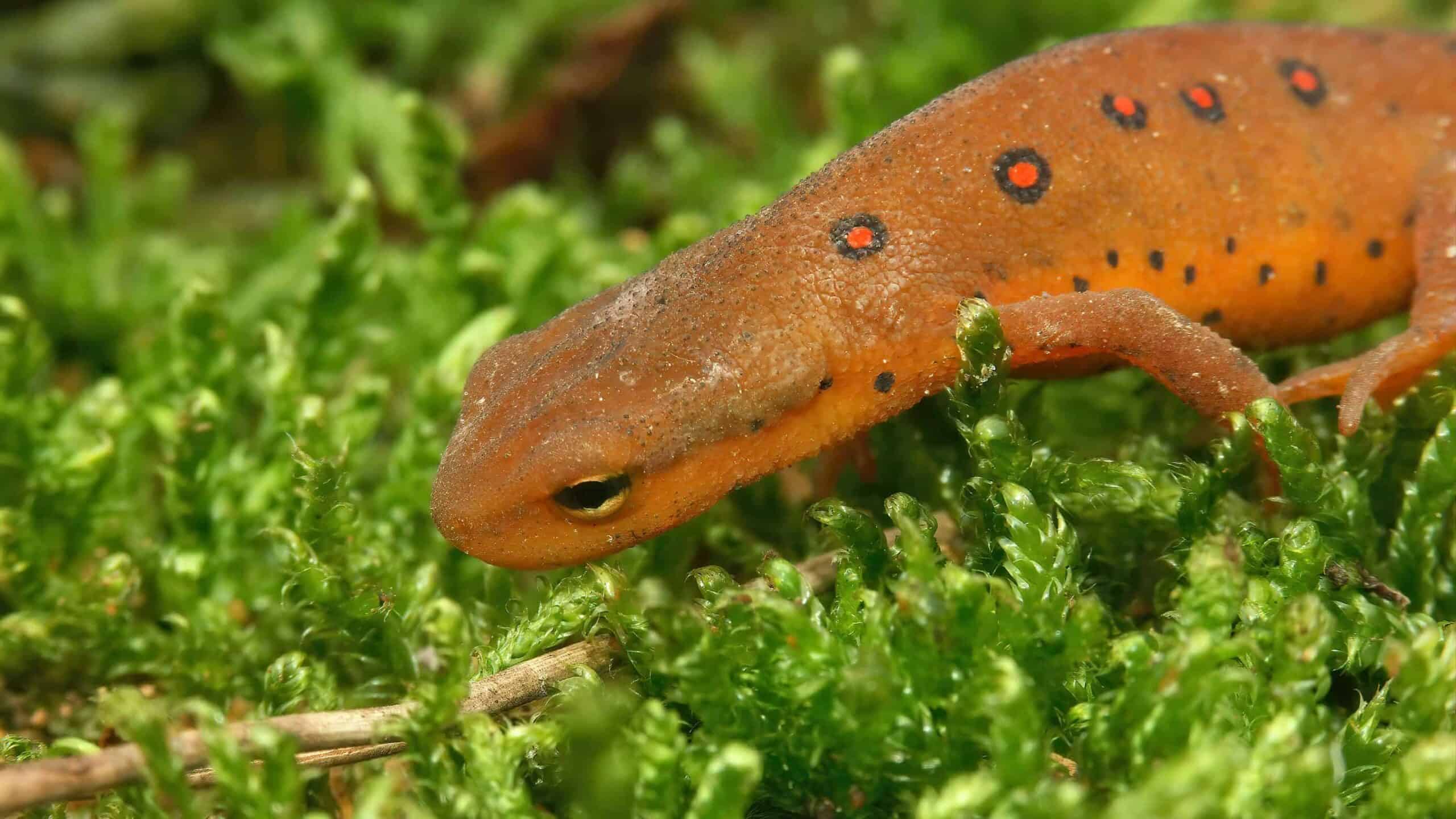
The damp forest floor and vernal pools of New England support diverse herpetofauna adapted to the region’s seasonal cycles. Eastern newts (Notophthalmus viridescens) undergo a fascinating three-stage life cycle, including a terrestrial “red eft” phase that wanders the forest floor. Spotted salamanders (Ambystoma maculatum) conduct dramatic mass migrations to breeding pools on rainy spring nights. Wood frogs (Lithobates sylvaticus) possess “antifreeze” compounds in their blood that allow them to survive being partially frozen during winter dormancy. Among reptiles, the eastern box turtle (Terrapene carolina) and wood turtle (Glyptemys insculpta) spend significant time in forested habitats, though both face conservation challenges due to habitat fragmentation and collection for the pet trade. Several snake species inhabit New England forests, including the common garter snake (Thamnophis sirtalis), ring-necked snake (Diadophis punctatus), and the larger black rat snake (Pantherophis obsoletus). The timber rattlesnake (Crotalus horridus), New England’s only venomous snake, persists in isolated populations and is protected throughout most of its remaining range in the region.
The Rich Diversity of Forest Birds
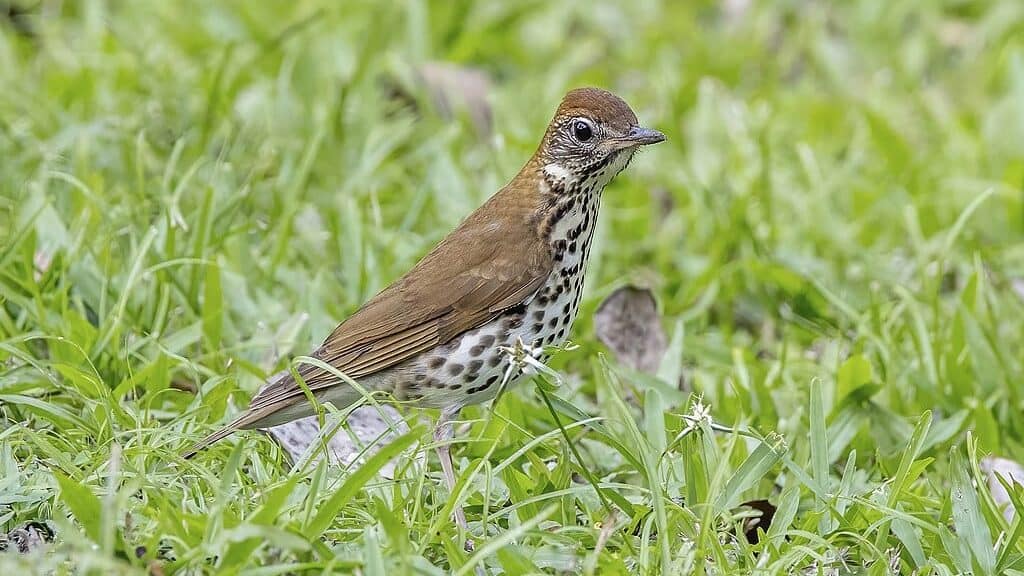
New England’s forests host an impressive diversity of avian life, with species occupying various ecological niches from forest floor to canopy. Migratory neotropical songbirds, including wood thrushes (Hylocichla mustelina), scarlet tanagers (Piranga olivacea), and numerous warbler species, arrive each spring to breed in the region’s extensive forests. Resident species like black-capped chickadees (Poecile atricapillus), tufted titmice (Baeolophus bicolor), and white-breasted nuthatches (Sitta carolinensis) remain year-round, forming mixed feeding flocks during winter months. Several woodpecker species, including the pileated woodpecker (Dryocopus pileatus), create nest cavities that later benefit secondary cavity-nesting birds and mammals. Ruffed grouse (Bonasa umbellus) perform distinctive “drumming” displays on fallen logs during spring courtship. Wild turkeys forage on the forest floor, while barred owls (Strix varia) and great horned owls (Bubo virginianus) hunt from forest perches. The restored bald eagle (Haliaeetus leucocephalus) and recovering peregrine falcon (Falco peregrinus) represent conservation successes that have returned to New England’s landscape after near-extirpation.
The Vital Role of Invertebrates
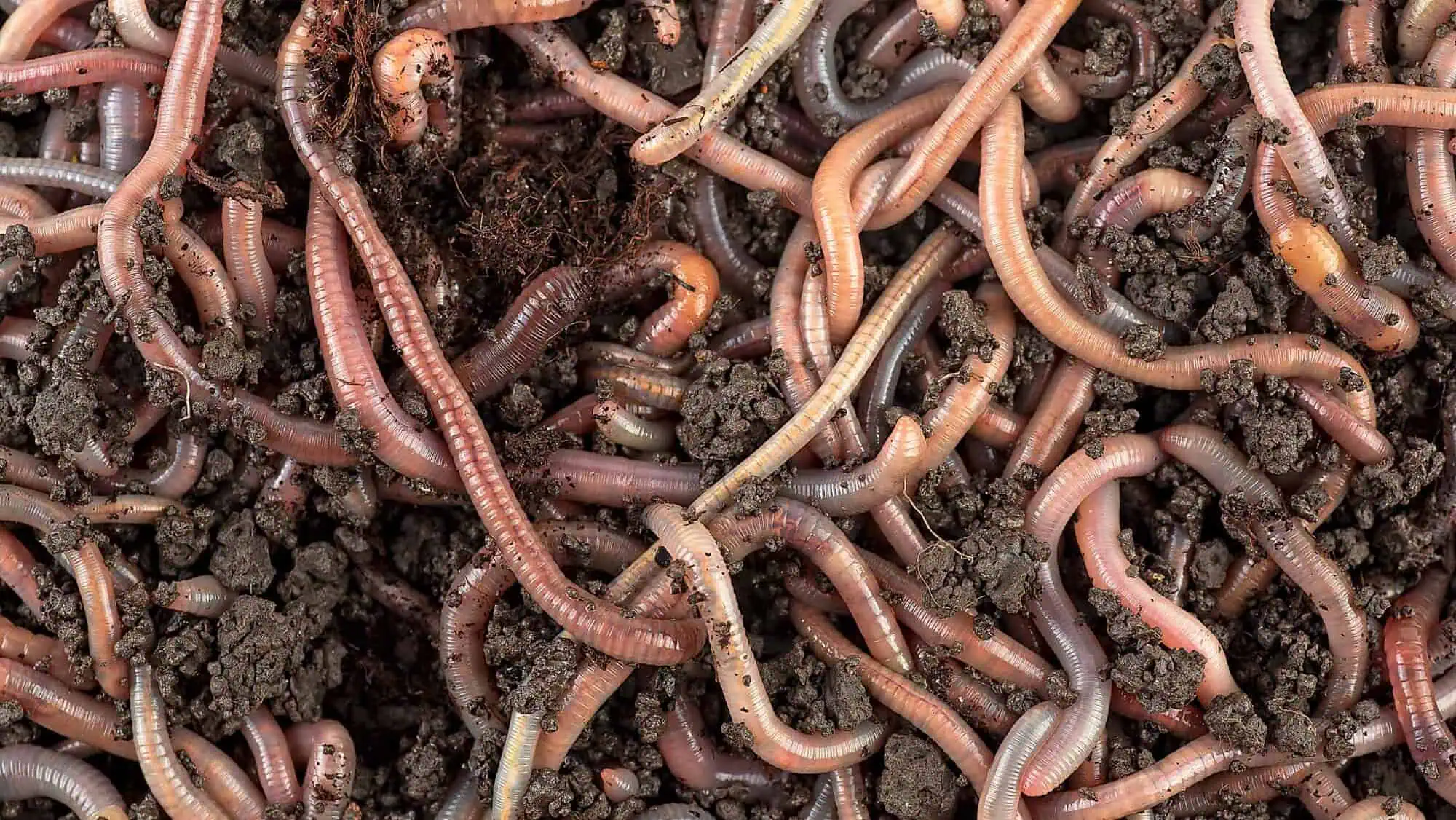
Though often overlooked, invertebrates represent the most numerous and diverse animal group in New England’s forests. Earthworms (some native, many introduced) process forest litter and aerate soil, while millipedes and various beetles contribute to decomposition processes. Pollinators, including native bees, butterflies, and moths, facilitate plant reproduction. Predatory spiders and centipedes help control insect populations. Several forest ant species construct elaborate mounds that alter soil chemistry and provide habitat for specialized organisms. The periodical cicadas (Magicicada spp.) emerge in massive broods after spending 17 years developing underground. Forest-dwelling crayfish inhabit headwater streams, while freshwater mussels filter water in larger waterways. Unfortunately, many invertebrate species face threats from habitat loss, pesticide use, introduced species, and climate change. The wooly adelgid threatens eastern hemlock trees, while the emerald ash borer decimates ash populations. Despite these challenges, the incredible diversity of forest invertebrates continues to perform crucial ecological functions that maintain forest health.
The wild woods of New England represent far more than mere collections of trees; they are complex, interconnected ecosystems where countless species interact in intricate ways. From the soil microbes that facilitate nutrient cycling to the apex predators that regulate prey populations, each organism plays a vital role in maintaining ecological balance. Despite centuries of human influence, these woodlands demonstrate remarkable resilience, with many species recovering from historical population declines. Conservation challenges remain, including habitat fragmentation, invasive species, and climate change impacts that threaten to alter forest composition and wildlife distributions. As we continue to learn about the inhabitants of New England’s forests, we gain deeper appreciation for the ecological processes that sustain these diverse communities and better understand our responsibility to protect these irreplaceable natural treasures for future generations.

- 21 Scary Creatures You Might Run Into While Hiking In The U.S - June 3, 2026
- The Difference Between Turtles and Tortoises—Explained - June 3, 2026
- What Makes Owls the Silent Predators of the Night? - June 3, 2026