

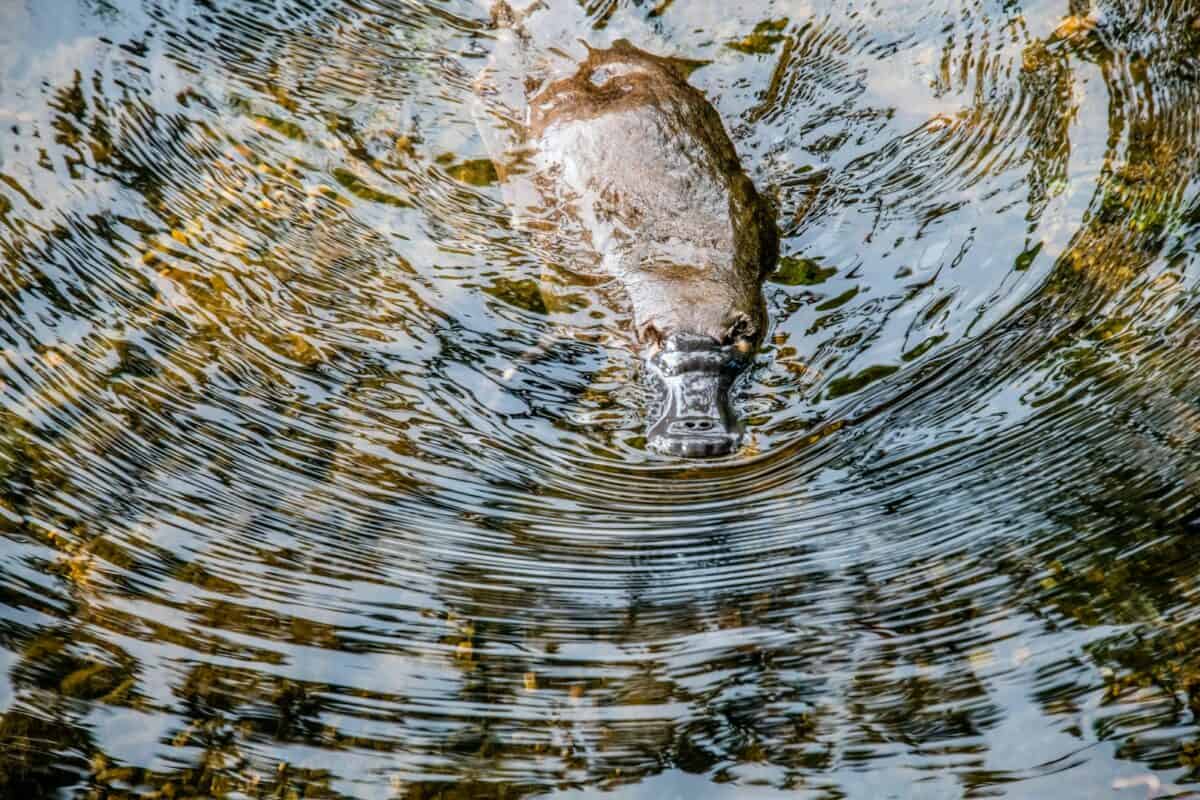
The duck-billed platypus (Ornithorhynchus anatinus) stands as one of evolution’s most fascinating anomalies. When European naturalists first encountered preserved platypus specimens in the late 18th century, they suspected a hoax—surely someone had sewn parts of different animals together. This egg-laying, duck-billed, beaver-tailed, venomous mammal with electro-sensory abilities defies conventional classification and continues to astonish scientists today. Native exclusively to eastern Australia, the platypus represents a unique branch on the mammalian family tree that has preserved characteristics from our distant evolutionary past while developing specialized adaptations found nowhere else in the animal kingdom. Let’s explore what makes this semi-aquatic monotreme one of nature’s most extraordinary creatures.
A Taxonomic Puzzle: The Monotreme Mystery
🔥 Would you like to save this?
We'll email this post to you, so you can come back to it later!
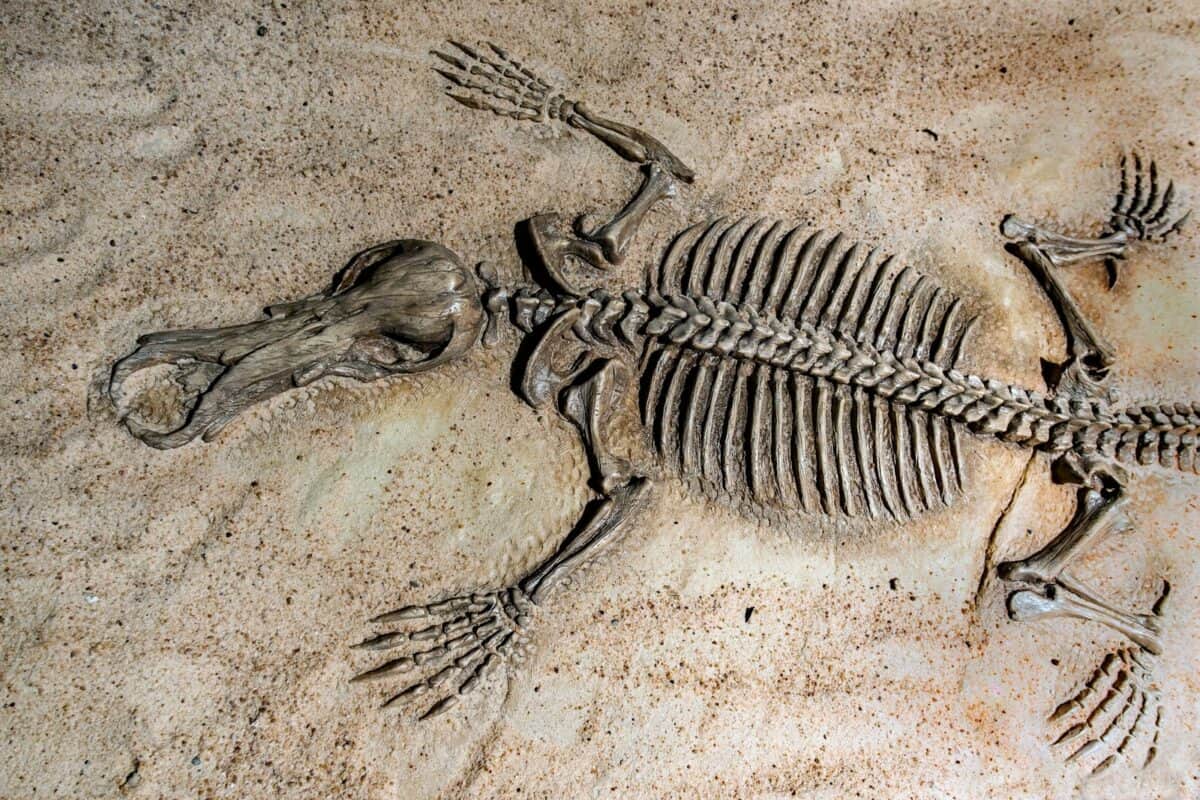
The platypus belongs to a rare group of mammals called monotremes, which also includes only four species of echidnas. Unlike all other mammals, monotremes lay eggs rather than giving birth to live young, representing an ancient reproductive strategy that predates the evolution of placental and marsupial mammals. Scientists believe monotremes diverged from other mammals about 166 million years ago during the Jurassic period, making them living fossils that provide crucial insights into mammalian evolution. The platypus was formally classified in 1799 by British naturalist George Shaw, who initially suspected the specimen he received was an elaborate hoax. Today, the platypus occupies its own family (Ornithorhynchidae) and genus (Ornithorhynchus), highlighting its unique evolutionary position.
The Remarkable Duck-Like Bill
🔥 Would you like to save this?
We'll email this post to you, so you can come back to it later!
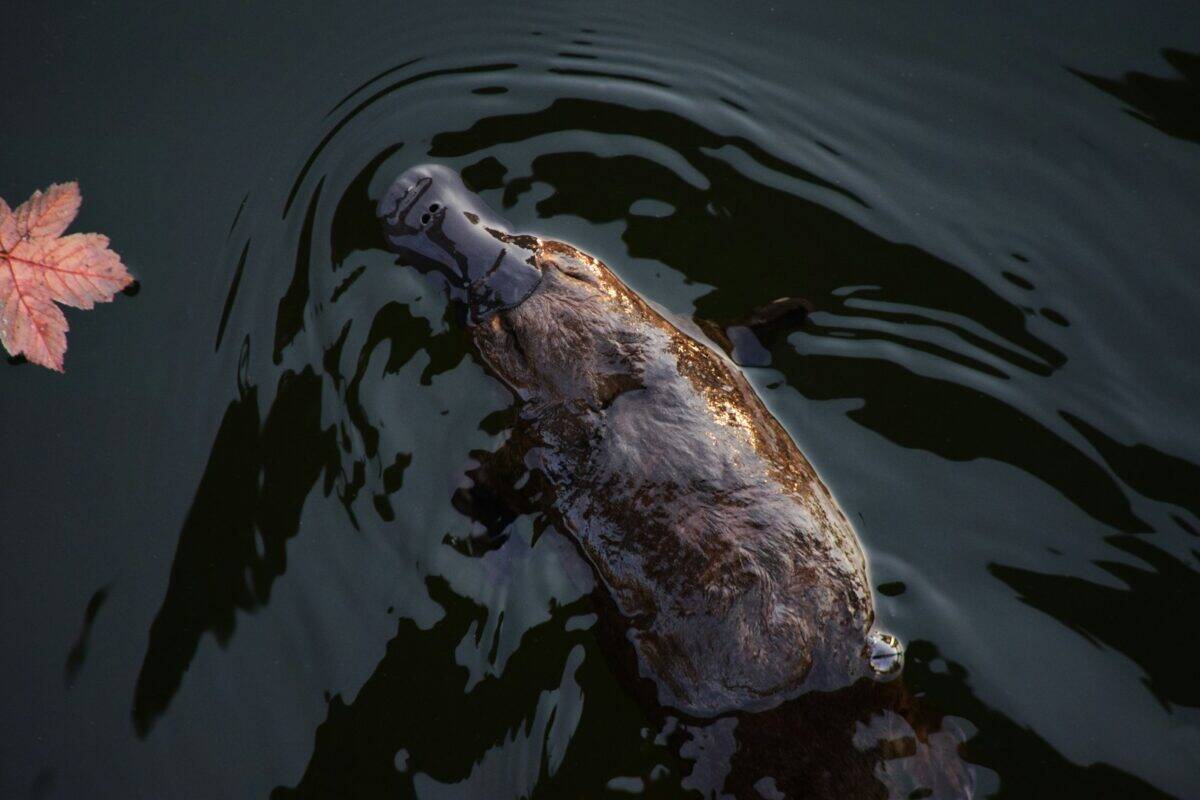
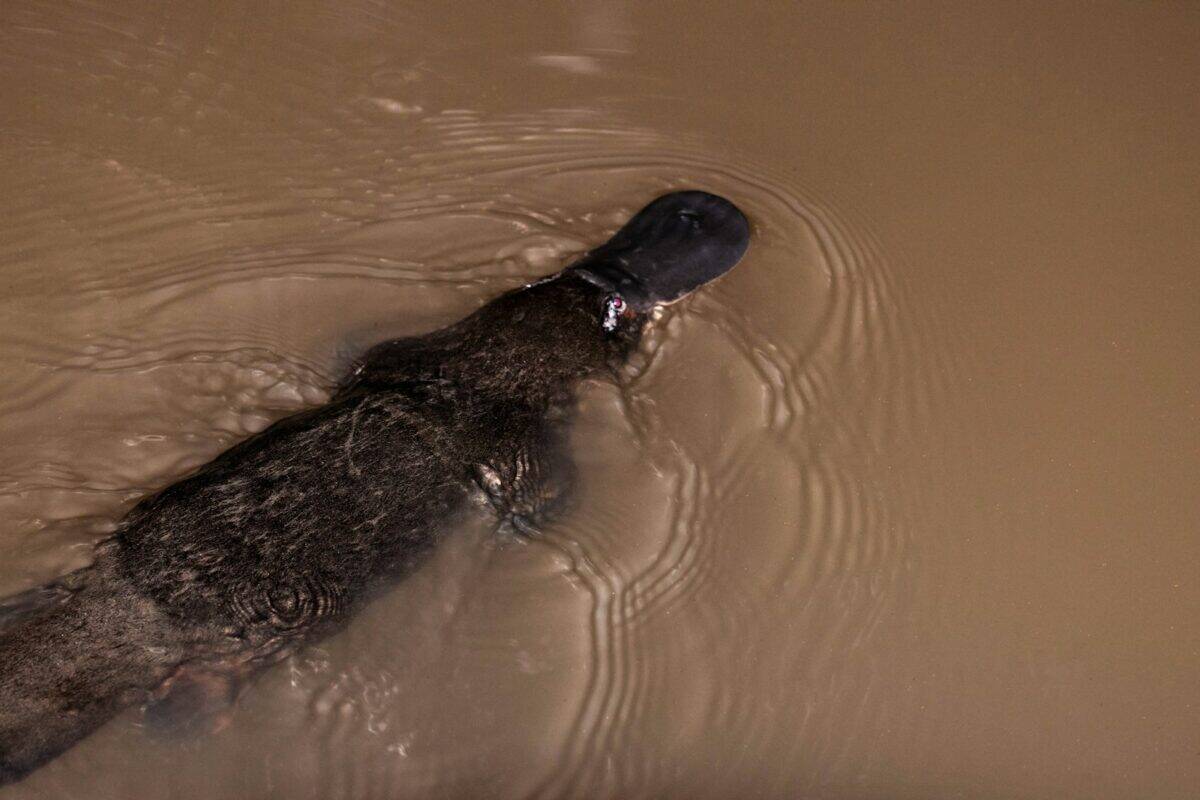
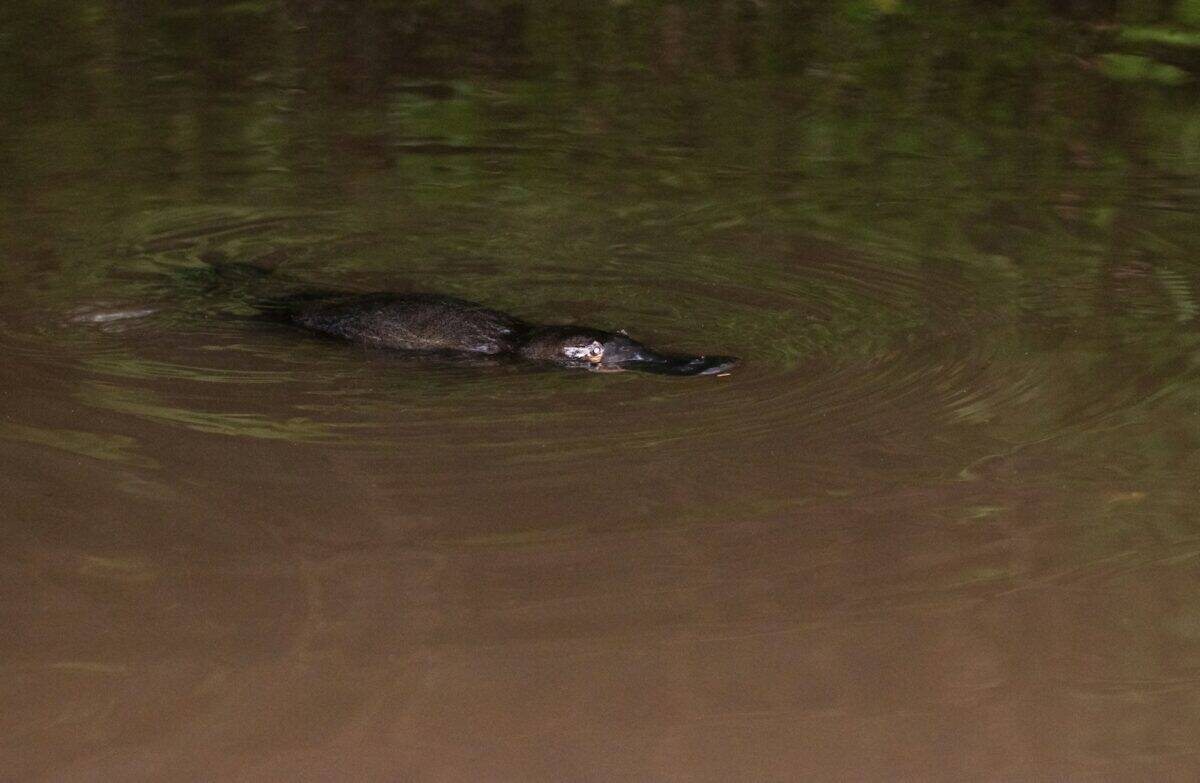
Perhaps the platypus’s most iconic feature is its broad, flat bill that bears a striking resemblance to a duck’s beak. Unlike a bird’s rigid beak, however, the platypus bill is soft, flexible, and covered with thousands of electro-receptors and mechanoreceptors that make it one of the most sensitive tactile organs in the animal kingdom. When a platypus dives underwater, it closes its eyes, ears, and nostrils, relying entirely on its bill to detect prey. The electro-receptors can sense the tiny electrical fields generated by the muscular contractions of small aquatic animals, while the mechanoreceptors detect physical movement. This sensory marvel allows the platypus to hunt effectively in murky waters with near-perfect accuracy, locating prey such as insect larvae, freshwater shrimp, and small crayfish buried in river sediment.
Venomous Spurs: A Mammalian Rarity
🔥 Would you like to save this?
We'll email this post to you, so you can come back to it later!
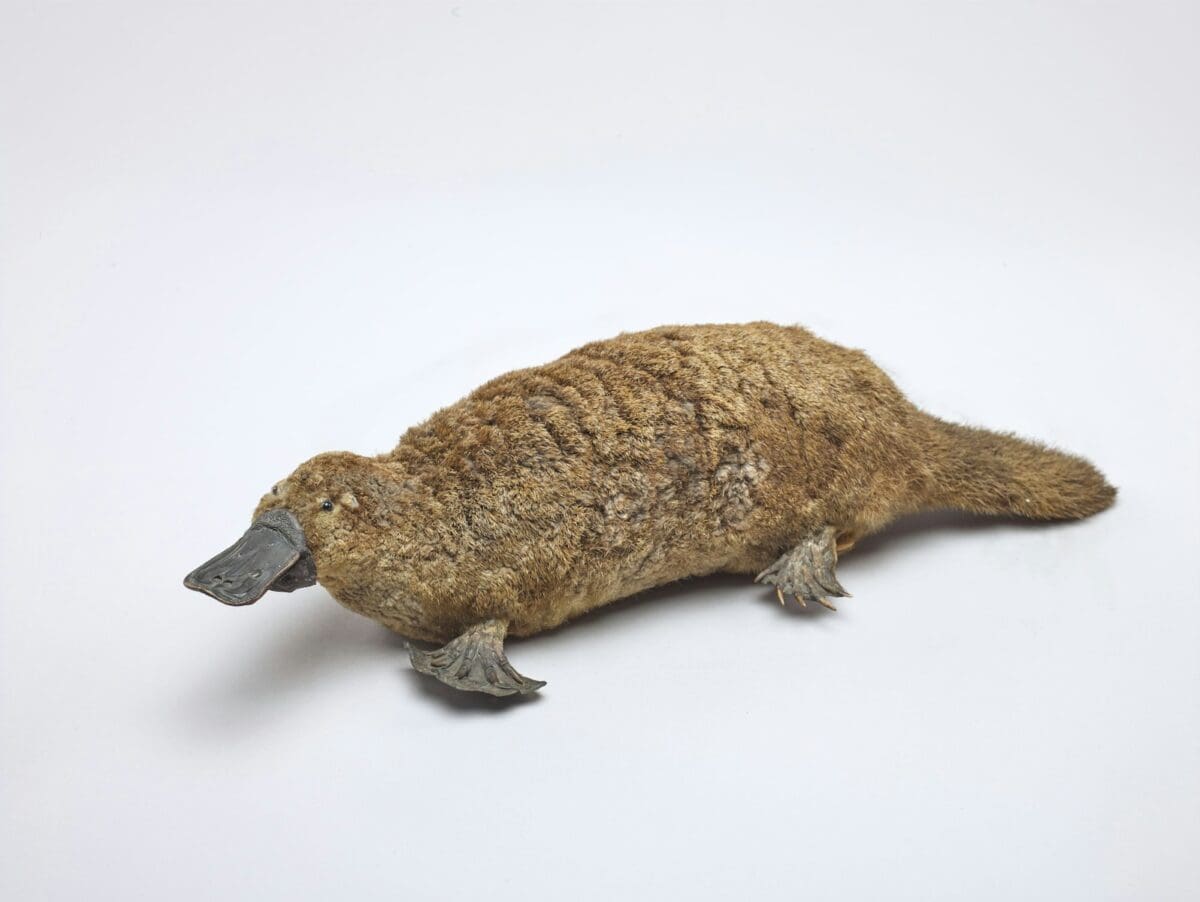
Adding to its list of peculiarities, the male platypus possesses venomous spurs on its hind legs—a trait exceedingly rare among mammals. Located on the ankles, these sharp, hollow spurs connect to venom glands that produce a complex cocktail of defensins, C-type natriuretic peptides, and nerve growth factors. The venom, primarily deployed during breeding season conflicts between males, causes excruciating pain in humans and can kill smaller animals. Most remarkably, the pain caused by platypus venom doesn’t respond well to conventional painkillers, leading researchers to study it for insights into novel pain pathways and potential new analgesics. Female platypuses have spur buds as juveniles, but these structures are lost during development, making the venom system sexually dimorphic.
The Beaver-Like Tail: Multi-Purpose Adaptation
🔥 Would you like to save this?
We'll email this post to you, so you can come back to it later!
The platypus’s broad, flat tail bears a superficial resemblance to a beaver’s, but serves different functions. Unlike the beaver’s tail, which is hairless and scaly, the platypus’ tail is covered with fur and stores fat reserves that help the animal survive during food shortages. When swimming, the tail acts as a rudder for steering and provides stability. On land, it helps support the platypus’s weight when it stands on its hind legs to scan its surroundings. Perhaps most importantly, female platypuses use their tails to incubate eggs by curling them against their bodies. Scientists have found that the tail’s fat reserves fluctuate seasonally, increasing before winter and breeding seasons, demonstrating its importance as an energy reservoir in this metabolically demanding animal.
Egg-Laying Reproduction: A Mammalian Anomaly
🔥 Would you like to save this?
We'll email this post to you, so you can come back to it later!
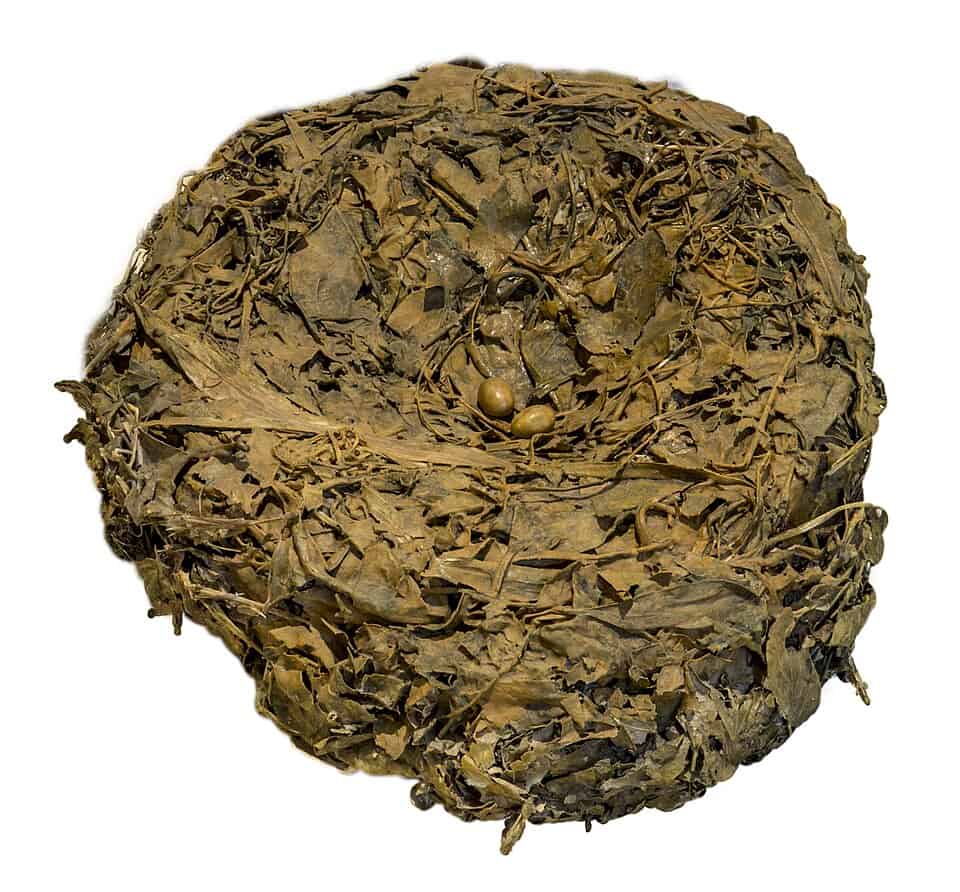
The platypus’s reproductive system represents a fascinating evolutionary middle ground between reptiles and mammals. Female platypuses lay one to three small, leathery eggs about the size of jellybeans approximately 28 days after mating. Before laying, the female constructs an elaborate underground nesting burrow up to 20 meters long, sealed with plugs of soil to maintain optimal humidity and protect against predators and flooding. The eggs incubate externally for about 10-12 days, after which tiny, bean-sized, hairless hatchlings emerge. Unlike birds or reptiles, platypus mothers produce milk to nourish their young. However, they lack nipples; instead, the milk is secreted through pores in the skin of the mother’s abdomen and the young lap it up from specialized milk patches. This combination of reptilian and mammalian reproduction represents a remarkable evolutionary snapshot.
Extraordinary Swimming Adaptations
🔥 Would you like to save this?
We'll email this post to you, so you can come back to it later!
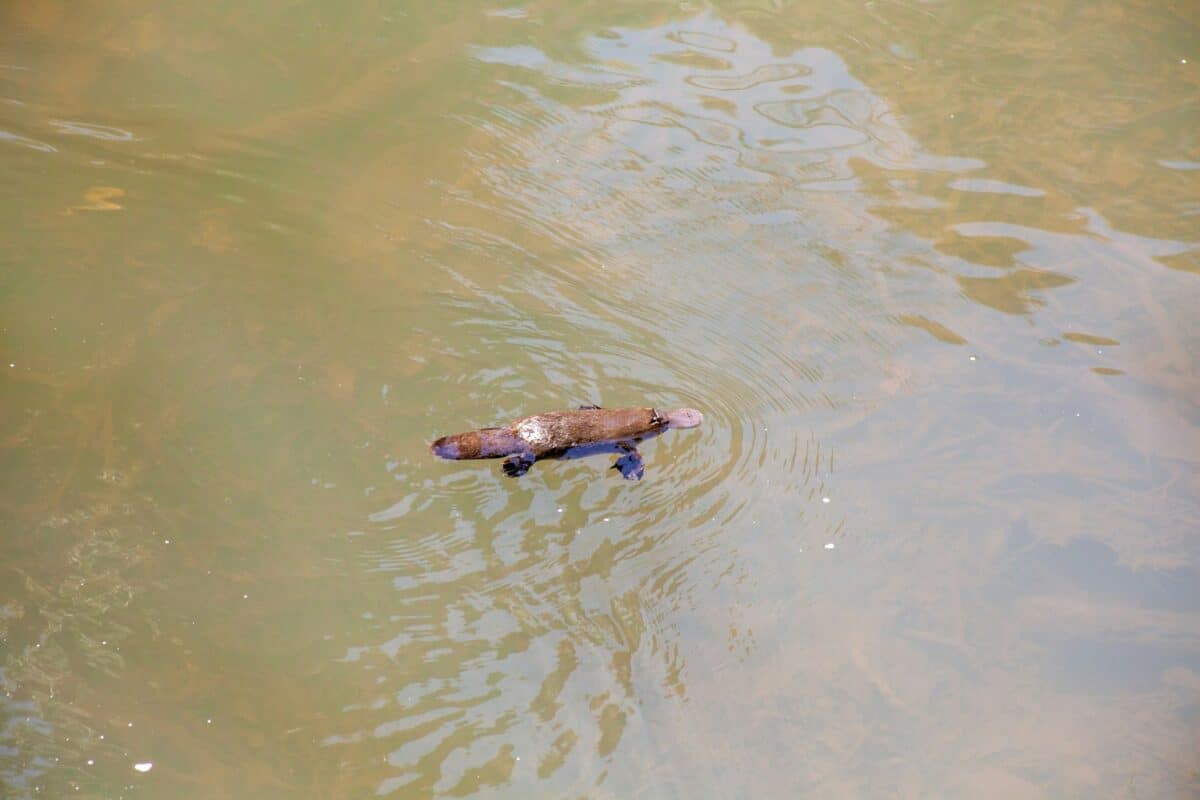
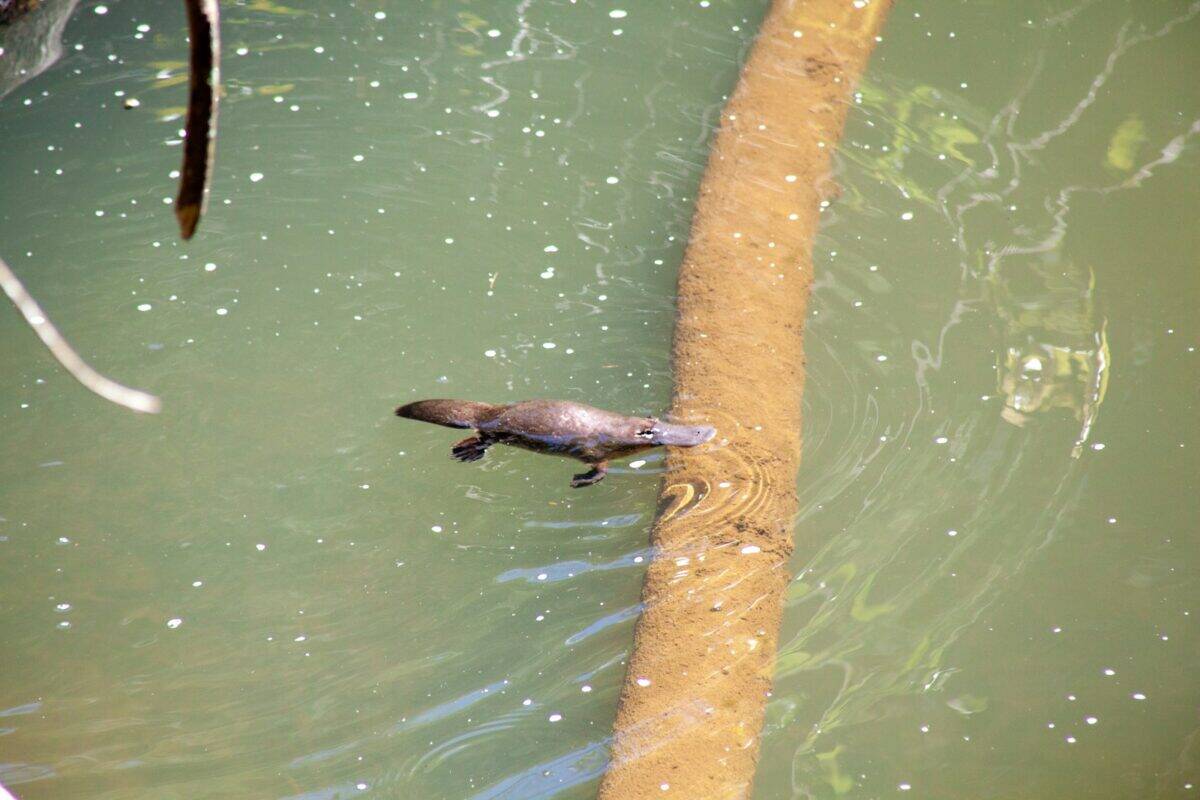
Platypuses are superbly adapted for their semi-aquatic lifestyle with several specialized features. Their streamlined bodies, webbed feet, and powerful tails make them excellent swimmers capable of remaining submerged for up to two minutes while hunting. The webbing on their front feet extends beyond their claws when swimming but folds back when digging, providing versatility between aquatic and terrestrial activities. Their dense, waterproof fur consists of two layers: an outer protective coat and a fine, insulating underfur that traps air to keep the animal warm in cold water. Remarkably, a platypus’s fur is so densely packed that it contains about 900 hairs per square millimeter—among the densest of any mammal. This exceptional insulation allows them to maintain their body temperature of about 32°C (90°F) even in freezing waters, though it comes at the cost of making them vulnerable to overheating on land.

Halloween Cat Costume Cloak Witch Hat Pet Accessories
Check Price on AmazonAs an Amazon Associate, we earn from qualifying purchases.
10/9/2026 2:44 pm GMTi

2 Pcs Halloween Pet Hat Bandana Set, Witch Pumpkin Costumes for Dogs
Check Price on AmazonAs an Amazon Associate, we earn from qualifying purchases.
10/9/2026 2:45 pm GMTi

Smart Bird Feeder with Camera Solar Powered, 2K HD Live Video, 10,000+ Bird Species AI Identification
Check Price on AmazonAs an Amazon Associate, we earn from qualifying purchases.
10/7/2026 1:22 pm GMTi

Orthopedic Extra Large Dog Bed, Waterproof Washable XL Pet Bed 44"
Check Price on AmazonAs an Amazon Associate, we earn from qualifying purchases.
10/7/2026 1:32 pm GMTi

Earth Rated XL Dog & Puppy Pee Pads, Discreet Top, Max Absorbency
Check Price on AmazonAs an Amazon Associate, we earn from qualifying purchases.
10/7/2026 1:28 pm GMTi
Electro-Reception: The Sixth Sense

🔥 Would you like to save this?
We'll email this post to you, so you can come back to it later!
The platypus possesses one of the most sophisticated electro-reception systems in the animal kingdom, a sense shared by few mammals. Its bill contains approximately 40,000 electro-receptors that can detect the minute electrical fields generated by the muscular contractions of prey—as small as 50 nanovolts per centimeter. This remarkable ability allows platypuses to locate prey with their eyes, ears, and nostrils tightly closed underwater, essentially “seeing” with their bills through electrical signatures. Research has shown that platypuses can distinguish between different types of prey based solely on their electrical signatures and can even determine the direction and distance of prey with remarkable precision. This sophisticated sensory system, combined with sensitive mechanoreceptors that detect physical movement, makes the platypus bill a biological marvel that has inspired technological innovations in sensor design.
Unusual Genetic Makeup
🔥 Would you like to save this?
We'll email this post to you, so you can come back to it later!
The platypus genome, sequenced in 2008, provided stunning insights into this creature’s evolutionary history. Researchers discovered that platypuses possess an extraordinary combination of reptilian, avian, and mammalian genes. They have 52 chromosomes, including 10 sex chromosomes (compared to humans’ 2), arranged in a complex chain during cell division. Perhaps most remarkably, the platypus genome contains genes for egg-laying, lactation, and venom production, revealing the animal’s unique evolutionary pathway. The platypus also retains genes for casein milk proteins (typical of mammals) alongside vitellogenin genes (used for egg yolk production in birds and reptiles)—a genetic combination found nowhere else. Interestingly, platypuses lack genes for stomach digestive enzymes and have lost their stomachs entirely over evolutionary time, with the esophagus connecting directly to the intestine—another biological oddity that continues to puzzle researchers.
Mysterious Metabolic Adaptations
🔥 Would you like to save this?
We'll email this post to you, so you can come back to it later!
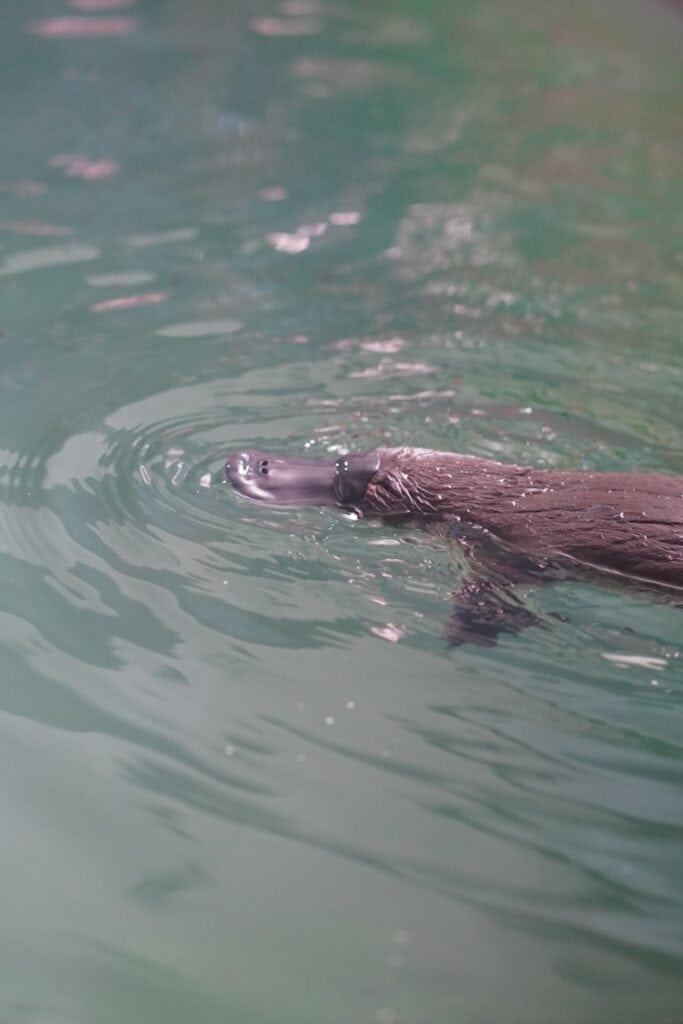
Platypuses maintain a lower body temperature than most mammals—around 32°C (90°F) compared to the typical mammalian 37°C (98.6°F). This lower temperature, combined with a slow metabolism, may represent an energy conservation strategy that helps these small animals cope with the high energetic demands of foraging in cold water. A hunting platypus can consume up to 20% of its body weight daily to maintain energy balance. Research published in 2021 revealed that platypus fur fluoresces with a bluish-green glow under ultraviolet light, though the function of this trait remains unknown. Some scientists speculate it may provide camouflage or protection from UV radiation, while others suggest it might be an incidental property of the fur’s structure with no adaptive significance. These metabolic and physiological adaptations demonstrate how the platypus has evolved unique solutions to the challenges of its ecological niche.
Complex Social Behavior and Communication

🔥 Would you like to save this?
We'll email this post to you, so you can come back to it later!
Despite their solitary nature, platypuses exhibit fascinating social behaviors that remain poorly understood. Males maintain large territories of up to 7 kilometers of river length, which they defend against other males, particularly during breeding season. Females typically have smaller, overlapping ranges. Communication between platypuses relies primarily on chemical signals, with males possessing a specialized scent gland called a crural gland that produces territory-marking secretions. Platypuses are largely silent animals, though they can produce soft growling sounds when disturbed. Young platypuses make a high-pitched contact call that helps mothers locate them in the nesting burrow. Recent research using environmental DNA (eDNA) sampling from waterways has provided new insights into platypus population distributions and densities, revealing that these elusive creatures may be more widespread in certain habitats than previously thought, though their overall numbers are declining across much of their range.

PetSafe Oasys Pet Fountain, 1/2 Gallon (64 oz), Small Dogs & Cats
Check Price on AmazonAs an Amazon Associate, we earn from qualifying purchases.
10/8/2026 8:14 am GMTi

Hand Blown Glass Hummingbird Feeders for Outdoors Hanging, 24oz Wild Bird Nectar Feeder
Check Price on AmazonAs an Amazon Associate, we earn from qualifying purchases.
10/7/2026 1:23 pm GMTi

Professional 7 in 1 Dog Paw Cleaner for Dogs & Cats - Includes 1 Portable Paw Washer, 1 Bath Brush
Check Price on AmazonAs an Amazon Associate, we earn from qualifying purchases.
10/7/2026 1:26 pm GMTi

Halloween Dog Collar with Bow, Orange Cute Ghost Collar,
Check Price on AmazonAs an Amazon Associate, we earn from qualifying purchases.
10/9/2026 2:43 pm GMTi

Glass Hummingbird Feeder for Outdoors Hanging
Check Price on AmazonAs an Amazon Associate, we earn from qualifying purchases.
10/7/2026 1:21 pm GMTi
Conservation Challenges in the 21st Century
🔥 Would you like to save this?
We'll email this post to you, so you can come back to it later!
The platypus now faces unprecedented threats that have led to its classification as “Near Threatened” on the IUCN Red List. Habitat fragmentation from dam construction, water extraction, and land clearing disrupts the interconnected waterways these animals need for dispersal and genetic exchange. Climate change presents a particularly severe challenge, as increasing drought frequency threatens the permanent waterways platypuses require. Additionally, introduced predators like foxes and feral cats prey on platypuses when they travel overland between water bodies. Entanglement in fishing gear, especially enclosed yabby (crayfish) traps locally known as “opera house traps,” causes numerous drowning deaths annually. A 2020 study published in Biological Conservation estimated that platypus numbers have declined by up to 30% across their range in the past three decades. Conservation efforts now focus on habitat restoration, creating wildlife corridors, banning harmful fishing equipment, and establishing captive breeding programs as insurance populations for this evolutionary treasure.
The Continuing Scientific Mystery
🔥 Would you like to save this?
We'll email this post to you, so you can come back to it later!
Despite centuries of scientific study, the platypus continues to yield new discoveries that challenge our understanding of mammalian biology. In 2018, researchers discovered that platypuses possess ten sex chromosomes instead of the typical two found in most mammals, raising new questions about sex determination and evolution. A 2021 study revealed that platypuses have a unique REM (rapid eye movement) sleep pattern that differs from both mammals and birds, suggesting independent evolution of sleep states. Perhaps most excitingly, scientists analyzing platypus milk have identified novel antimicrobial proteins dubbed “platypus antibiotics” that could help combat antibiotic-resistant superbugs in humans. The platypus’s venom is also being studied for potential applications in pain management. As genetic and observational technologies advance, this remarkable creature continues to serve as a living laboratory for understanding mammalian evolution and developing new biomedical applications.

Portable Dog Water Bottle Foldable Dog Travel Water Bottle
Check Price on AmazonAs an Amazon Associate, we earn from qualifying purchases.
10/7/2026 1:29 pm GMTi

Dog Stairs for Bed 18" H, 4-Step Dog Steps for High Bed
Check Price on AmazonAs an Amazon Associate, we earn from qualifying purchases.
10/9/2026 2:42 pm GMTi

Glass Hummingbird Feeder for Outdoors Hanging, 16 oz Leak-Proof Nectar Feeder with Bee Guards & Ant Moat
Check Price on AmazonAs an Amazon Associate, we earn from qualifying purchases.
10/7/2026 1:22 pm GMTi

Air Purifiers for Home Pets Large Room Up to 3000 Ft²,HEPA Air Cleaner with Washable Double-Side Filter, PM2.5 Air Quality Monitor,15dB Sleep Mode for Bedroom Odor Dust Pollen,White
Check Price on AmazonAs an Amazon Associate, we earn from qualifying purchases.
10/8/2026 8:23 am GMTi
The platypus stands as a testament to evolution’s capacity for creating seemingly impossible combinations of traits that nonetheless form a perfectly adapted organism. Far from being an evolutionary mistake or oddity, the platypus represents a highly specialized creature exquisitely suited to its ecological niche through millions of years of adaptation. Its bizarre collection of features—the duck-like bill, venomous spurs, electro-sensory capabilities, and egg-laying reproduction—highlight the diverse pathways that mammalian evolution has explored. As we continue to unravel the platypus’s biological secrets, we gain invaluable insights into our own evolutionary history and the remarkable diversity of solutions that nature has developed to life’s challenges. In protecting this living fossil for future generations, we preserve not just a unique species but a priceless window into the evolutionary processes that shaped all mammals, including humans.

As a little kid, I fell in love with nature, wildlife, and animals. Living in the USA, South Africa, Italy, China and Germany gave me the opportunity to discover the world's Wildlife. My favorite animals are Mountain Gorillas, Siberian Tigers, and Great White Sharks.
I'm a certified PADI Open Water Diver, went to Everest Base Camp and Trekked Gorillas in Uganda. I hold a Master of Science in Economics and Finance.
Please send any feedback to feedback@animalsaroundtheglobe.com
- What Makes the Platypus One of Nature’s Strangest Creatures - November 10, 2026
- 14 Creatures That Can Regrow Limbs - November 10, 2026
- Pet Monkey - November 10, 2026
Leave a comment
You must be logged in to post a comment.