
Worried about unexpected vet bills?
Pet insurance can cover thousands in unexpected vet costs. Get a free quote from Lemonade in under 2 minutes.
Get My Free Quote →Sponsored · Opens Lemonade.com
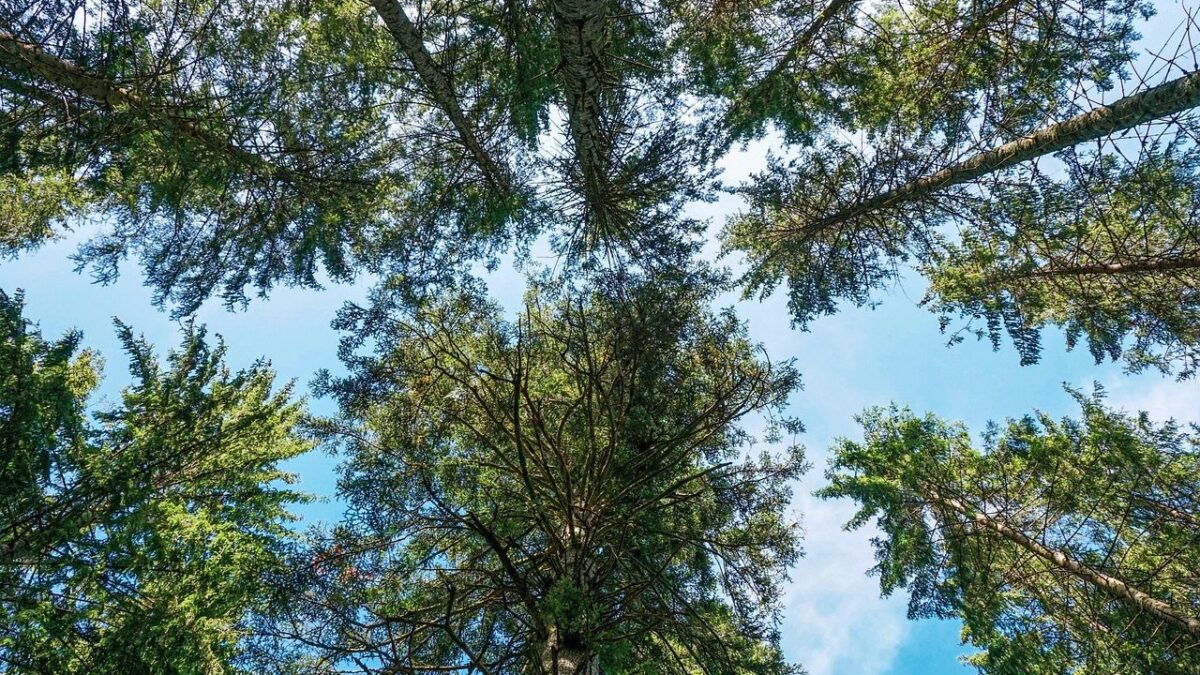
Imagine standing before a tree that has witnessed five thousand years of human history. These living giants began growing around 3200 BCE – when humans first developed cuneiform script and ancient Egyptians started their dynastic period. Ancient trees serve as nature’s time capsules, silently storing memories within their wooden rings and cellular structures. Their mysteries run far deeper than simple age calculations.
From DNA preserved in centuries-old timber to climate records locked within growth patterns, ancient trees hold keys to understanding our planet’s past. They’ve witnessed ice ages, volcanic eruptions, and the rise and fall of civilizations. Yet scientists are only beginning to unlock the extraordinary secrets hidden within their ancient cores.
Living Libraries of Climate History
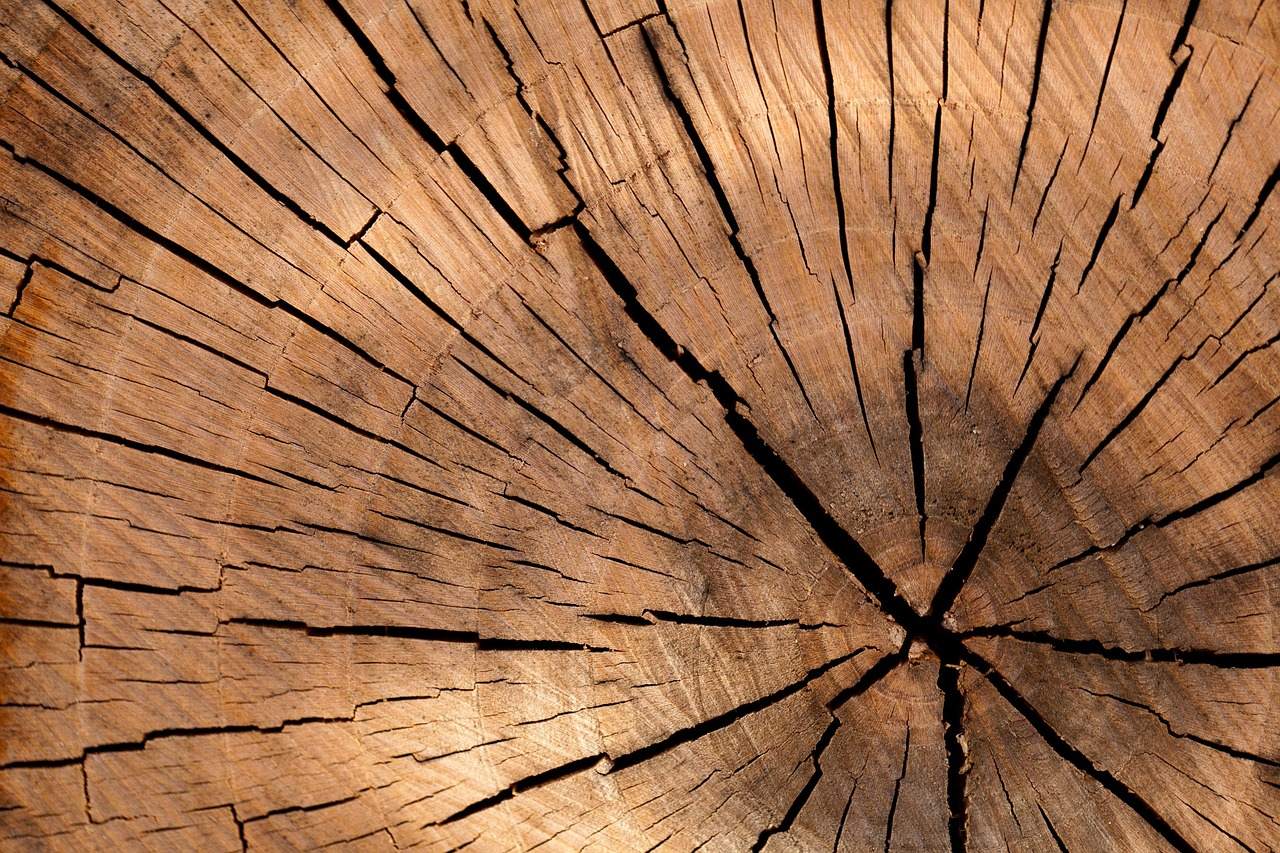
Tree rings serve as nature’s weather journals, with scientists able to decode patterns of growth to learn which years were warm or cool, wet or dry. Each ring represents a complete cycle of seasons, creating an annual record of environmental conditions spanning centuries or millennia.
In many parts of the world, trees provide climate histories for hundreds of years, with some extending back 1,000 years or more, enhancing our knowledge of natural climate variability and creating baselines against which human-induced climate change can be evaluated. Collections of sub-fossil oak wood have provided over 4,000 years of absolutely dated ring-width chronologies, with radiocarbon dates extending as far back as 23,000 years ago.
DNA Time Capsules Hidden in Ancient Wood
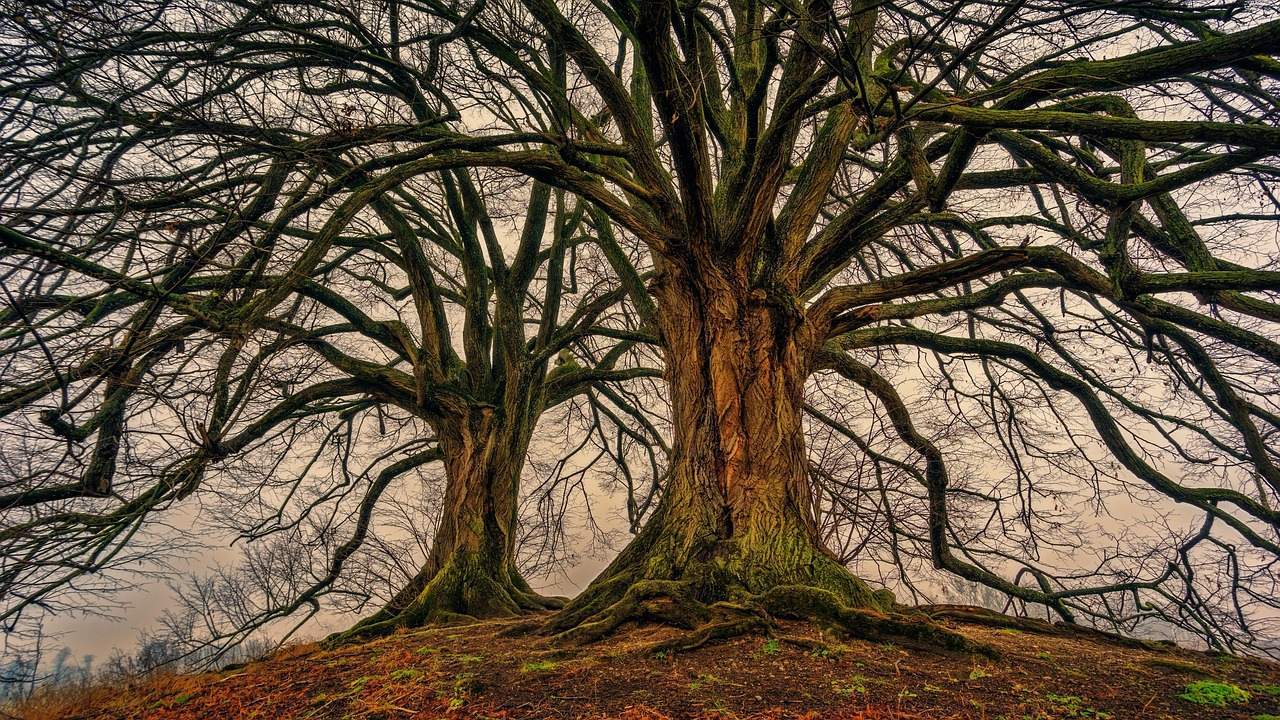
Wood contains DNA that can survive for remarkable periods under the right conditions. Scientists have successfully retrieved authentic DNA from wood samples up to 1000 years of age, with ancient wood found in high abundance and samples usually large enough to be divided and sent to different laboratories.
Researchers have made breakthrough discoveries by extracting and sequencing DNA from wood samples ranging from 500 to 3,700 years old. DNA can reveal the wood’s geographic origin, allowing scientists to trace oak remains from the Seine Valley to local maternal lines while determining that remains from northern Germany originated from the Italian Peninsula. Ancient tree DNA studies could provide powerful tools for real-time historical biogeography and archaeology, increasing our knowledge about postglacial forest ecosystem history and human impact during the Holocene.
Guardians of Evolutionary Secrets
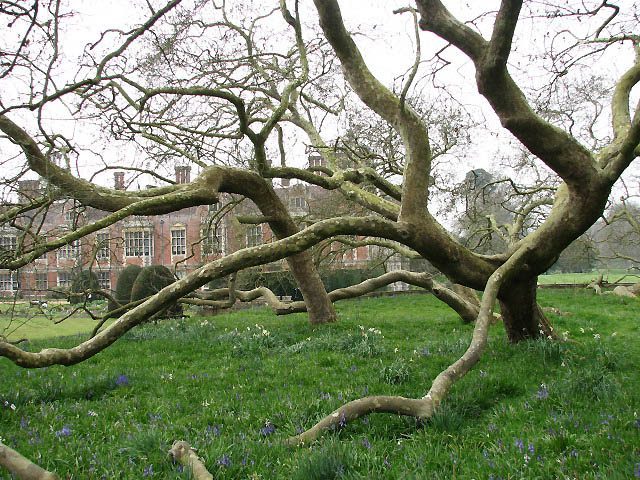
Ancient trees act almost like time-travelers in deciduous forests, representing conditions as they stood centuries before most surrounding trees were saplings. These ancient specimens may have taken root in very different environmental circumstances, meaning their offspring may have advantages should the environment change again.
By comparing DNA of living gymnosperms, researchers have peered back in time, uncovering evidence for multiple ancient genome duplication events that coincided with the origin of major groups. All living gymnosperm genomes share the signature of an ancient duplication from more than 350 million years ago. This genetic archaeology reveals how ancient trees survived massive environmental changes through evolutionary adaptations.
Fossilized Forests Tell Prehistoric Stories
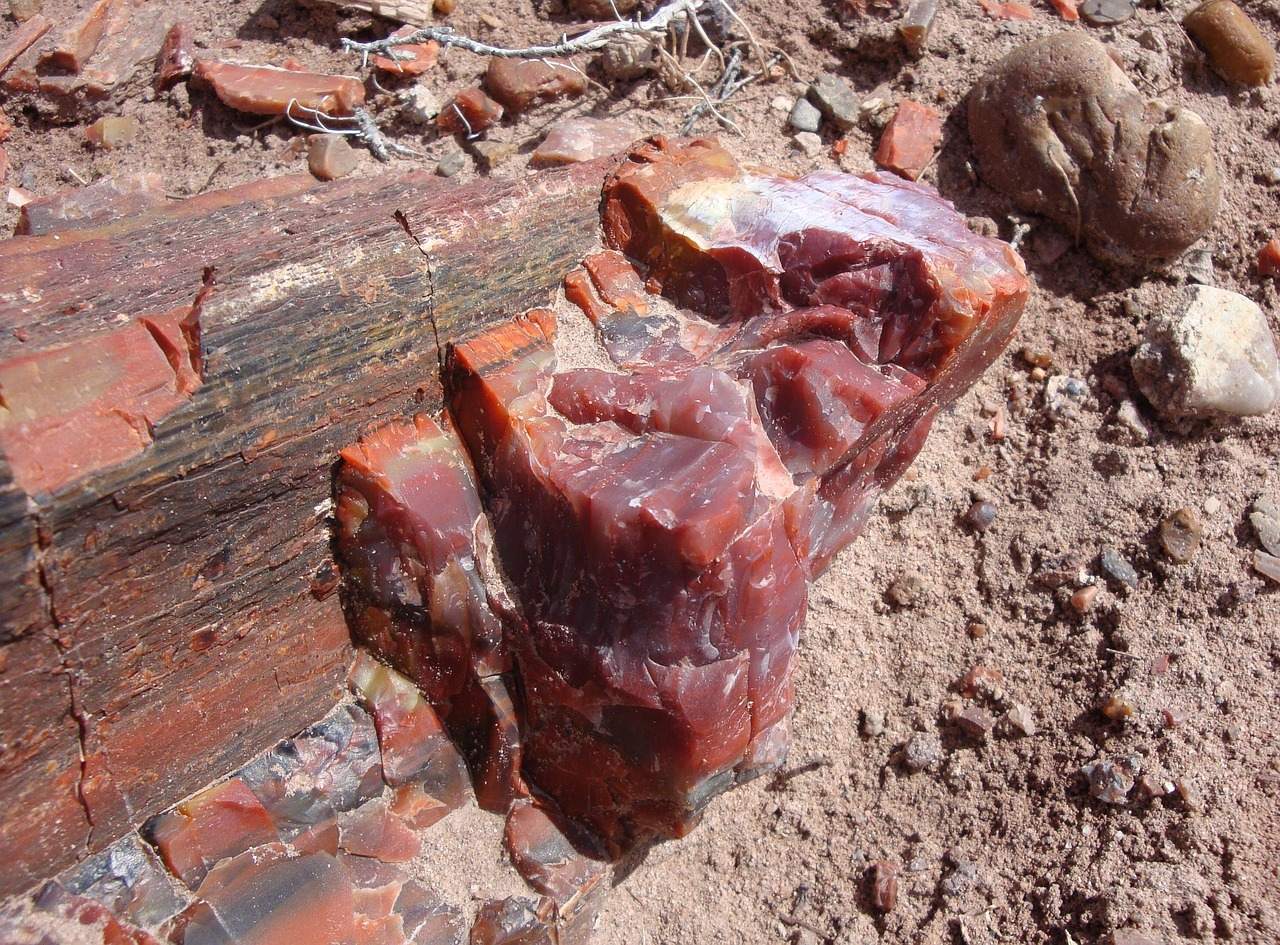
Recently discovered fossilized trees buried alive 350 million years ago have opened new windows into Earth’s history. One specimen among a handful of cases in the entire plant fossil record spanning more than 400 million years shows branches and crown leaves still attached to its trunk.
These discoveries reveal dense canopies of more than 250 leaves crowded around the top 30 inches of spindly, unbranched tree trunks. The leaves grew up to 9.8 feet long and extended from trunks in tightly compressed spirals. Named Sanfordiacaulis, these trees likely evolved their spiral layout to maximize sunlight capture for photosynthesis.
The Oldest Living Witnesses
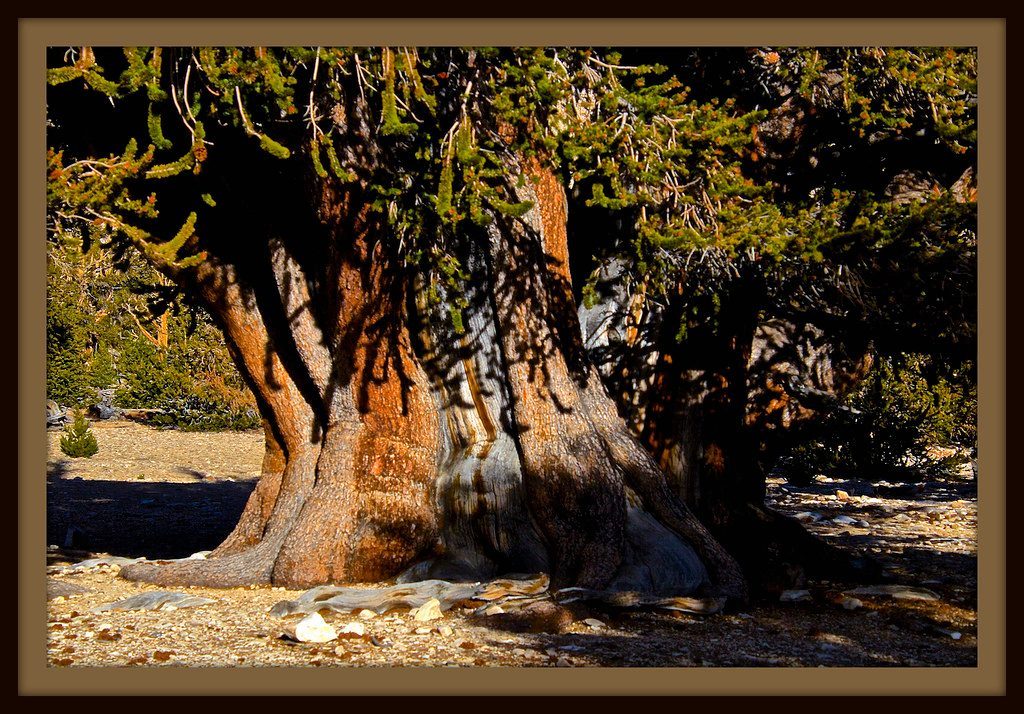
The oldest non-clonal tree in the world holds the prestigious title of being one of Earth’s most ancient witnesses. This bristlecone pine found in California’s White Mountains has been silently witnessing history for over 4,850 years, surpassing most ancient civilizations and positioning itself as a living archive of environmental history.
Bristlecone pines in California’s White Mountains can survive over 4,850 years, while Giant Sequoias have been recorded living longer than 3,000 years, as have the alerce trees of Chile and Argentina. Unlike animals, trees aren’t programmed to die after a certain lifespan. Instead, their deaths result from external forces like storms or insect infestations.
Living Fossils Among Us
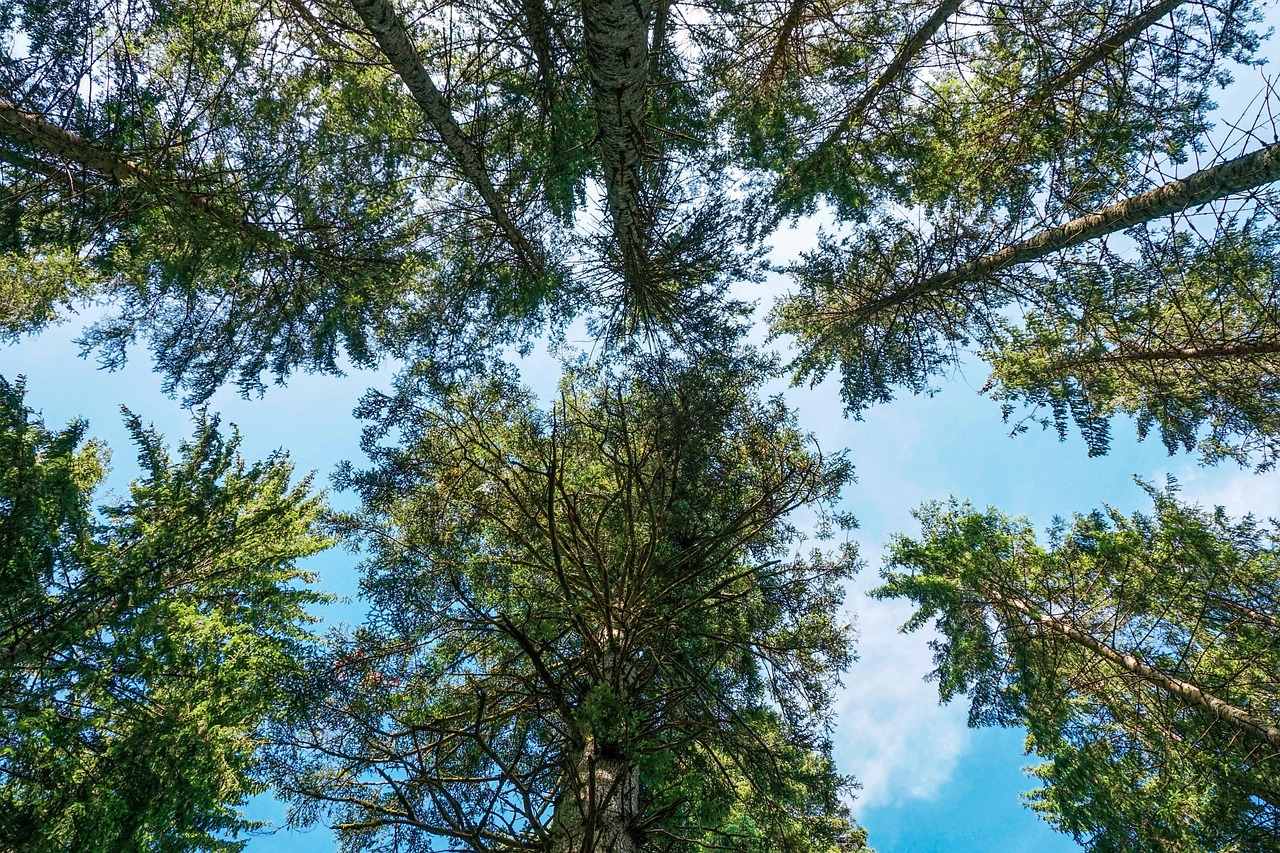
The dramatic 1994 rediscovery of Wollemi pines sent shockwaves through the scientific community. Hidden in a remote Australian canyon, these trees had survived in complete isolation, comparable to finding living dinosaurs in modern times. The species was presumed extinct since the Cretaceous period, making this discovery one of botany’s most astonishing revelations.
These living fossils display distinctive features that make them immediately recognizable among conifers. Their chocolate-textured bark and spiral-arranged flexible leaves create an appearance unlike any modern tree, with characteristics remaining unchanged since the Cretaceous period when massive geological processes shaped our planet.
Ancient Trees as Modern Climate Solutions
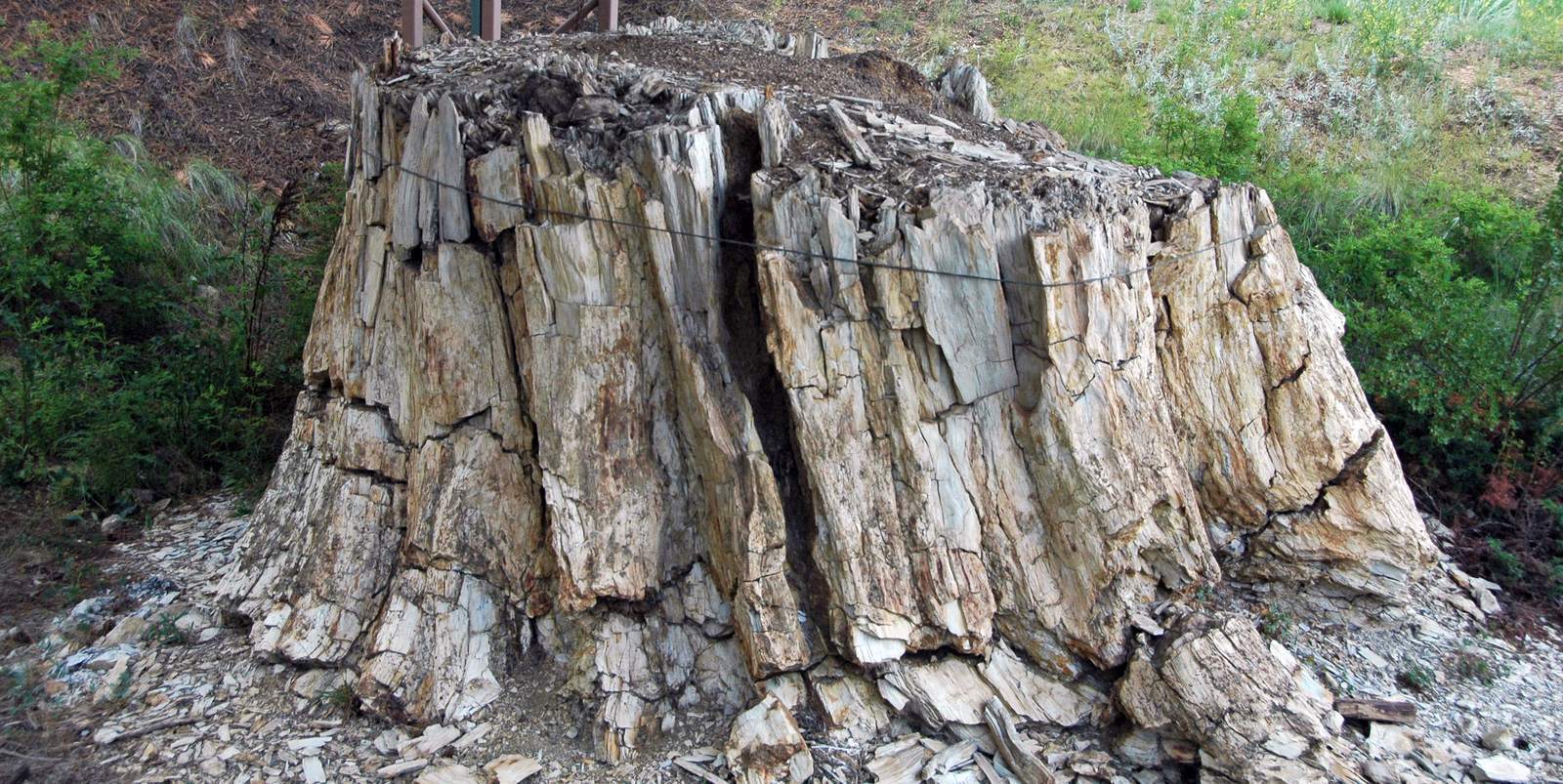
Scientists aim to better quantify and predict feedback between forests and climate. Forests are affected by climate variability while playing important roles in the global carbon cycle, slowing global warming by removing greenhouse gas carbon dioxide from the atmosphere via photosynthesis.
Tree-ring research leverages annual-resolution information on tree growth to better quantify climate impact on forest carbon sequestration. Current projects focus on forest carbon dynamics across the western United States, supporting forest-based climate mitigation at national scales and facilitating management aimed at climate resilience. Ancient trees thus serve as both historical records and modern blueprints for climate adaptation strategies.
Ancient trees stand as Earth’s most enduring historians, their secrets written in cellular scripts that scientists are only beginning to decipher. From DNA preserved in thousand-year-old timber to climate records spanning millennia, these living monuments offer unprecedented insights into our planet’s past and future. Their resilience through ice ages, volcanic catastrophes, and dramatic climate shifts provides invaluable lessons for understanding how life adapts to environmental change.
What other mysteries might these silent giants still be hiding in their ancient cores? The next breakthrough discovery could rewrite our understanding of evolution, climate, or human history itself.
Worried about unexpected vet bills?
Pet insurance can cover thousands in unexpected vet costs. Get a free quote from Lemonade in under 2 minutes.
Get My Free Quote →Sponsored · Opens Lemonade.com

- 15 Dog Breeds Vets Say Have Become Nearly Impossible to Keep Healthy Past Age 6 - June 4, 2026
- 13 Dog Breeds Vets Refuse to Recommend Even When Owners Specifically Ask for Them - June 4, 2026
- Psychology Says Dogs Are More Likely to Act Out When They Sense Their Owner Is Suppressing Rage - June 4, 2026