

Winter brings unique challenges for our feathered friends as natural food sources become scarce and energy demands increase. Providing appropriate nutrition for backyard birds during these colder months isn’t just a kind gesture—it’s often essential for their survival. When temperatures drop and snow blankets the landscape, your backyard feeding station can become a critical resource for local bird populations. However, not all foods are suitable for wild birds, and some common offerings can actually cause harm. This comprehensive guide will help you understand what to offer—and what to avoid—when feeding backyard birds through winter’s harsh conditions.
Why Winter Feeding Matters

During winter, birds face two critical challenges: finding enough food and maintaining body heat. A bird’s metabolism runs extremely high in cold weather—some small species like chickadees may lose up to 10% of their body weight during a single cold night. This metabolic demand means they need consistent access to high-energy foods. Natural food sources such as insects, berries, and seeds become limited or completely unavailable under snow and ice. Studies show that bird feeders can significantly impact winter survival rates, particularly during severe weather events. By providing appropriate food, you’re not just enjoying the beauty of backyard birds—you’re helping ensure local populations remain healthy until spring returns.
High-Energy Seeds: The Winter Staple

Black oil sunflower seeds stand as the gold standard for winter bird feeding. These seeds offer an ideal combination of high fat content (about 40%) and thin shells that most bird species can crack open, even smaller ones with more delicate bills. Sunflower seeds provide approximately 175 calories per ounce—critical energy during cold weather. Other excellent seed options include striped sunflower seeds (though these have thicker shells better suited for larger birds), safflower seeds (which squirrels tend to avoid), and nyjer (thistle) seeds, which are particularly attractive to finches, siskins, and redpolls. Consider offering a high-quality seed mix specifically formulated for winter feeding, but avoid cheap mixes containing excessive amounts of filler grains like milo, which most desirable backyard birds ignore.
Suet: Essential Winter Fat Source

Suet represents one of the most valuable winter offerings for backyard birds. This high-fat food typically consists of beef fat mixed with seeds, fruits, or nuts, providing concentrated energy that helps birds maintain body temperature during freezing nights. A single ounce of suet contains approximately 240 calories—nearly nine times the caloric density of many berries. Woodpeckers, nuthatches, chickadees, titmice, and wrens particularly benefit from suet. Commercial suet cakes are widely available and convenient, but you can also make homemade versions. For DIY suet, render beef fat, mix in ingredients like peanut butter, cornmeal, oats, and seeds, then pour into molds to harden. Always use specialized suet feeders that protect the fat from direct sunlight and precipitation while allowing birds easy access.
Nuts and Nut Butters for Protein and Fat

Nuts provide exceptional nutritional value for winter birds, offering both protein and healthy fats. Peanuts, whether shelled or unshelled, attract woodpeckers, jays, nuthatches, titmice, and chickadees. One ounce of peanuts contains approximately 161 calories and 7 grams of protein. Other excellent options include chopped walnuts, pecans, and almonds. Unsalted, sugar-free peanut butter also makes an outstanding winter offering—birds can consume it directly or mixed into suet recipes. To serve peanut butter, spread it on tree bark, pinecones, or specialized feeders. The high caloric density of nuts helps birds meet their intense winter energy requirements while providing essential fatty acids that support feather maintenance and overall health. Always ensure nuts are fresh and free from mold, which can be toxic to birds.
Dried and Fresh Fruits for Variety

Fruit-eating birds like robins, bluebirds, waxwings, and mockingbirds especially appreciate fruit offerings during winter when natural berries are scarce. Raisins and cranberries, either soaked in water to soften or offered dry, provide natural sugars and beneficial nutrients. Fresh apple slices, orange halves, and grape pieces attract various species and provide hydration along with nutrition. Some birds that primarily eat insects during summer months will switch to fruits in winter when bugs are unavailable. Dried fruits contain concentrated natural sugars that provide quick energy—roughly 80 calories per ounce for raisins. Avoid fruits with added preservatives or sulfites, and remove any moldy or frozen fruit promptly. You can offer fruits on platform feeders, skewered on branches, or mixed into suet recipes for an attractive high-energy blend.
Mealworms: Perfect Protein Source
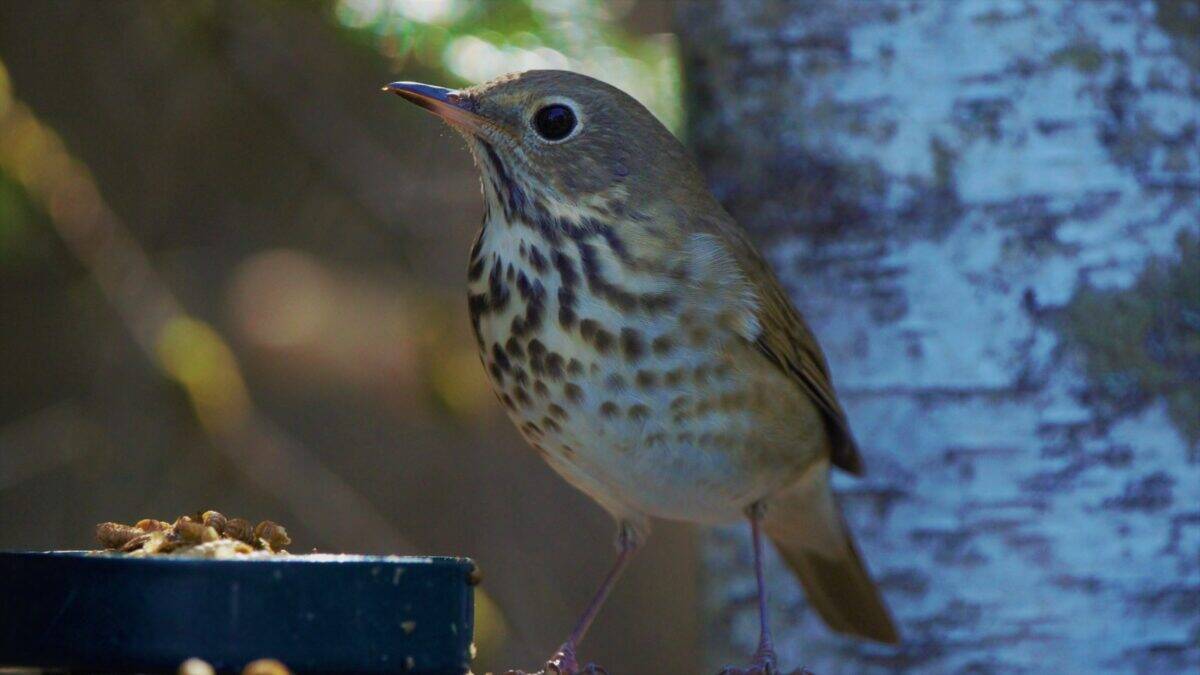
Live or dried mealworms offer exceptional nutritional value for insect-eating birds that struggle to find natural prey during winter. These larvae of the darkling beetle contain approximately 14 grams of protein and 12 grams of fat per 100 grams—an ideal winter nutrition profile. Bluebirds, wrens, chickadees, nuthatches, titmice, and woodpeckers eagerly consume mealworms. Live mealworms provide the added benefit of movement that attracts birds’ attention, but dried mealworms offer convenience and longer shelf life. Studies show that parent birds feeding nestlings mealworms have higher reproductive success, and winter feeding of mealworms can help maintain healthy bird populations through harsh conditions. Serve mealworms in specialized feeders with smooth sides to prevent escape, or mix dried mealworms into suet or seed blends for added protein.
Water: The Overlooked Essential

Access to unfrozen water becomes critically important—and increasingly scarce—during winter. Birds need water not just for drinking but for maintaining clean feathers, which is essential for proper insulation against cold. When natural water sources freeze, a maintained bird bath can draw more species to your yard than feeders alone. Heated bird baths, which use minimal electricity to keep water just above freezing, provide an ideal solution. If you don’t have a heated option, place a shallow dish of water out in the morning and replace it when frozen. The optimal depth is 1-2 inches with gradually sloping sides. Add a few stones for perching, and position the bath near shrubs or trees that provide quick escape routes from predators. Studies show birds may travel significantly farther to find water than food during deep freezes.
Foods to Avoid: Bread and Processed Items
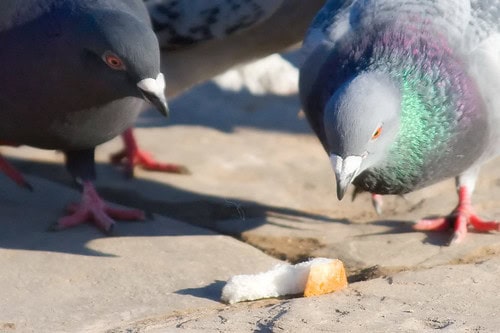
Despite common practice, bread offers almost no nutritional value for birds while filling their stomachs with empty calories. White bread particularly lacks essential proteins, fats, and nutrients birds need for survival. When birds fill up on bread, they may not seek out more nutritious foods, potentially leading to malnutrition. Other harmful foods include processed baked goods (cookies, crackers, chips), which contain unhealthy fats, excessive sodium, and artificial ingredients that birds’ digestive systems aren’t equipped to process. Salted foods of any kind can disrupt birds’ electrolyte balance and potentially cause dehydration or kidney damage. Chocolate contains theobromine, toxic to birds as it is to many animals. Instead of these harmful items, redirect your good intentions toward natural, nutritionally appropriate foods that genuinely benefit birds’ health and survival.
Dangerous Foods: Avocado, Onions, and Garlic
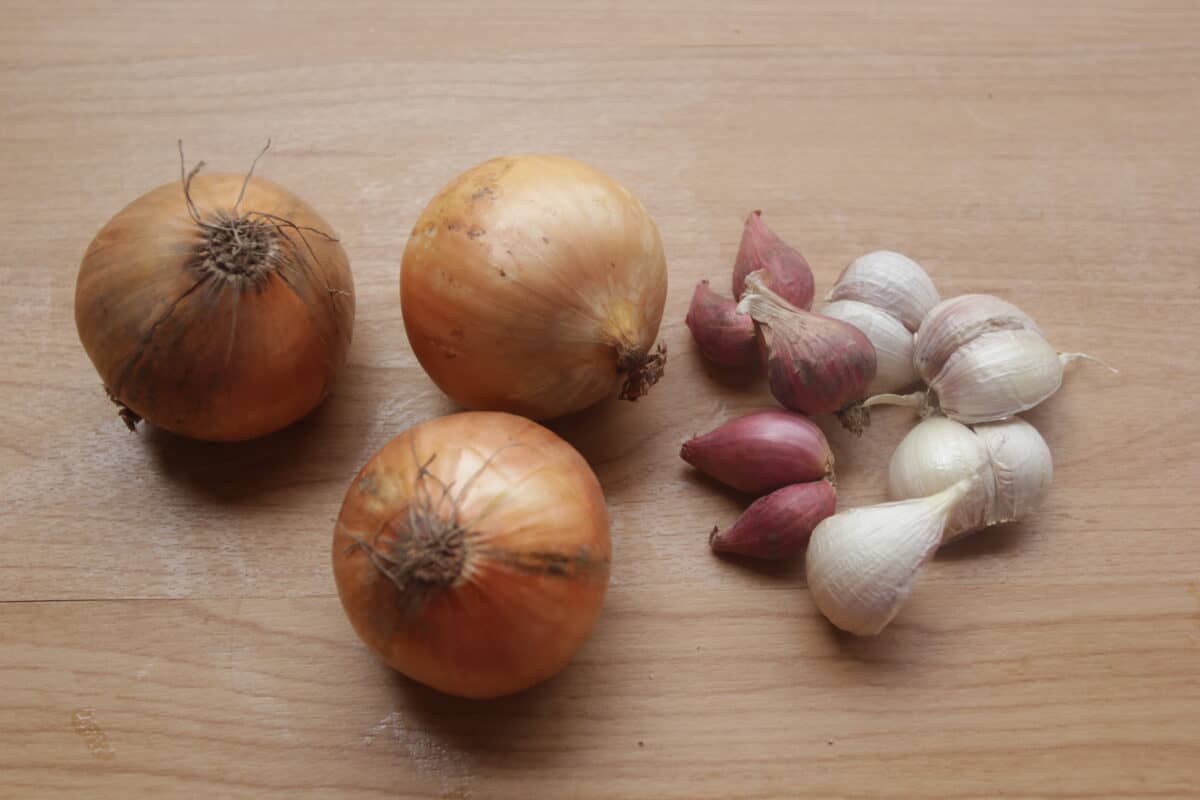
Several common human foods contain compounds particularly toxic to birds. Avocados contain persin, a fungicidal toxin that can cause respiratory distress, heart damage, and death in birds even in small amounts. All parts of the avocado plant are toxic, including the fruit, pit, leaves, and bark. Onions and garlic contain thiosulfate, which can damage red blood cells and cause hemolytic anemia in birds. This condition reduces oxygen transport throughout the body and can be fatal. Other harmful foods include apple seeds, cherry pits, and peach pits, which contain cyanide compounds. Caffeine and alcohol, sometimes present in discarded foods, affect birds’ nervous systems even more dramatically than humans due to their small size. When planning your winter bird feeding strategy, it’s essential to research any questionable foods and stick to proven safe options.
Feeder Placement and Maintenance

Strategic feeder placement significantly impacts birds’ safety and willingness to visit. Position feeders approximately 10-12 feet from protective cover like evergreen shrubs or brush piles, allowing birds quick escape from predators while preventing ambush opportunities. To reduce window collisions, place feeders either within 3 feet of windows (where birds can’t gain enough speed for fatal impacts) or more than 30 feet away. During severe weather, consider additional feeding stations on the ground under evergreens where snow accumulation is minimal. Critically important is regular cleaning—feeders should be thoroughly sanitized every two weeks in winter using a 10% bleach solution (one part bleach to nine parts water), then rinsed and dried completely. Promptly remove wet or moldy seed, which can harbor dangerous bacteria and fungal diseases that spread rapidly among visiting birds.
Feeding Schedules and Consistency

Birds quickly come to rely on well-maintained feeders during winter months, often incorporating them into daily foraging routes. Research shows that consistency matters—birds expend precious energy visiting feeding locations, and finding empty feeders forces unnecessary travel to alternative food sources. During extreme cold, when birds must consume 20-40% of their body weight daily to survive, dependable food access becomes even more critical. Fill feeders in late afternoon to ensure maximum food availability during the overnight hours and early morning when energy needs are highest. During severe weather events like ice storms or blizzards, check and refill feeders more frequently if possible. If you must travel during winter, consider asking a neighbor to maintain your feeding stations or gradually reduce offerings before departure, allowing birds to adjust their foraging patterns without sudden resource loss.
Regional Considerations for Winter Feeding

Different regions present unique challenges and attract different winter bird populations. In northern states and Canada, focus on high-fat offerings like suet, peanuts, and black oil sunflower seeds to support extreme cold survival. These areas often host winter finches including common redpolls, pine siskins, and evening grosbeaks during irruption years when these birds migrate south from the boreal forest. Mid-Atlantic and Midwestern states experience variable winter conditions requiring adaptable feeding strategies—increasing fat content during cold snaps and offering more diverse options during milder periods. In southern states, maintain basic seed and suet offerings while adding more fruit options for overwintering fruit-eaters like robins and waxwings. Coastal areas should consider salt-free offerings since many birds in these regions already have higher salt exposure from natural food sources. Research which winter species are common in your specific area and tailor your feeding program to their preferences.
Conclusion: Creating a Winter Bird Haven

Winter bird feeding transcends simple hobby status—it represents a meaningful contribution to wildlife conservation during the most challenging season. By offering appropriate, high-quality foods while avoiding harmful items, you provide critical support to local bird populations facing natural resource scarcity. Remember that your feeding efforts work best as part of a comprehensive approach that includes water access, protective cover, and consistent maintenance. The relationships formed during winter often continue throughout the year, potentially bringing these same birds back to nest in your yard come spring. Beyond the conservation benefits, winter bird feeding creates unparalleled opportunities to observe bird behavior and adaptations up close, fostering deeper connection with the natural world during a season when many people spend less time outdoors.

- Why Sharks Are Critical for Coral Reef Survival - July 25, 2026
- Beginner’s Guide to Birdwatching in Your Backyard - July 25, 2026
- Humpbacks Defend Other Animals from Orcas—A Mystery Explained - July 25, 2026